3-Ingredient Gluten-Free Pasta
Learn to make easy 3-ingredient gluten-free pasta at home! This simple recipe creates silky, tender pasta perfect for busy families.
Quick, simple, and completely gluten-free! Try this easy gluten-free pasta recipes for more fast and delicious dishes.
You know what? Making your own 3-ingredient gluten-free pasta at home isn’t just possible—it’s actually easier than you’d think. I still remember the first time I rolled out gluten-free pasta dough in my tiny apartment kitchen, convinced I’d end up with a sticky disaster. Instead, I watched this smooth, silky sheet emerge from my pasta roller, and I practically danced around the kitchen.
This easy gluten-free pasta recipe has become my go-to for everything from weeknight dinners to special holiday meals.
Whether you’re new to gluten-free cooking or you’ve been at it for years, this simple gluten-free pasta recipe will change how you think about homemade pasta. According to research on gluten-free diets and celiac disease, more families than ever are embracing gluten-free cooking, and having reliable recipes makes all the difference. Let’s dive in and make some pasta magic together!
Table of Contents
Ingredients for 3-Ingredient Gluten-Free Pasta
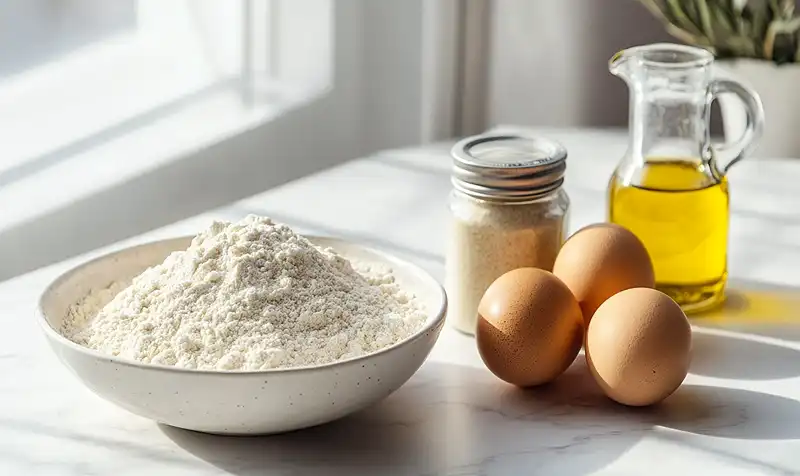
This minimal-ingredient gluten-free pasta keeps things beautifully simple. Each ingredient plays a crucial role in creating pasta that’s tender, not gummy, and holds together perfectly whether you’re making fettuccine or ravioli.
Ingredient List
| Ingredient | Amount & Notes |
|---|---|
| Gluten-free flour blend | 200g (1⅔ cups), plus extra for dusting. Use a blend without xanthan gum already added, or reduce xanthan gum to ½ tsp. |
| Xanthan gum | 1 tsp (use only ½ tsp if your flour blend already contains xanthan gum) |
| Large eggs | 3 US large/UK medium eggs (you may need slightly more depending on your flour blend) |
| Olive oil (optional) | ½ tbsp (makes the dough silkier but completely optional) |
Pro Tip: For the best results with this easy gluten-free pasta, use a kitchen scale to weigh your flour. Different gluten-free flour blends can vary in density, and weight measurements ensure consistency every time.
How to Make 3-Ingredient Gluten-Free Pasta
Well… this is where the magic happens! Making homemade gluten-free pasta is surprisingly straightforward once you understand the rhythm. Each step builds confidence, and before you know it, you’ll be rolling out pasta like you’ve been doing it for years.
Making the Pasta Dough
Step 1: In a large mixing bowl, whisk together your gluten-free flour blend and xanthan gum until they’re evenly combined. This step prevents little clumps of xanthan gum from forming later—trust me on this one!
Step 2: Create a well in the center of your flour mixture and crack in your eggs. If you’re using olive oil, add it now too. Using a fork, start whisking the eggs in the center, gradually pulling flour from the sides until everything comes together into a shaggy dough. It’ll look a bit rough at this point—that’s perfectly normal for this easy gluten-free pasta recipe.
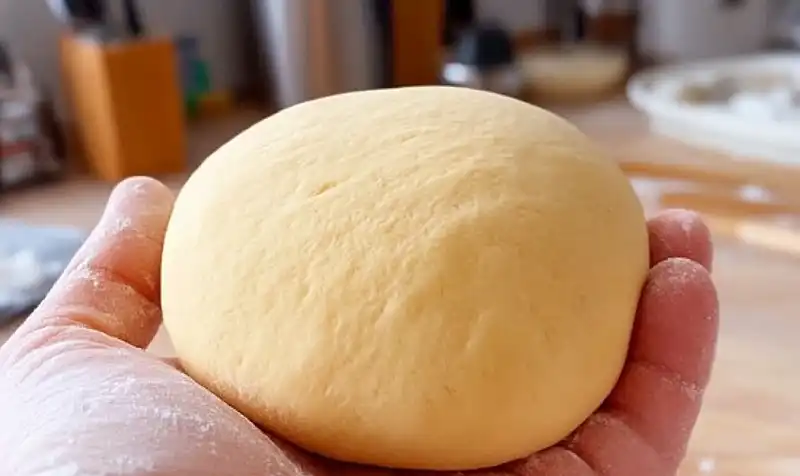
Step 3: Turn your shaggy dough onto a lightly floured surface and knead it for 2-3 minutes. Unlike traditional pasta, you’re not developing gluten here—you’re simply bringing everything together into a smooth, cohesive ball. The dough should feel supple and slightly firm, not sticky or crumbly. It should hold together beautifully without any cracks when you form it into a ball.
Step 4: Here’s where you might need to adjust: if your dough feels too dry or crumbly, whisk an extra egg in a small bowl and add it gradually until the texture is just right. If it’s too wet or sticky, sprinkle in a bit more flour. This simple gluten-free pasta recipe is forgiving—different flour blends absorb moisture differently, so small adjustments are totally normal.
Rolling Out the Pasta Dough
Step 5: Divide your pasta dough into four equal pieces—this makes it way more manageable to work with. Wrap three pieces in plastic wrap or cover them with a damp tea towel while you work with the first piece. This keeps them from drying out and forming a crust.
Step 6: Take one portion and use a rolling pin to flatten it into a long oval or rough rectangle on your lightly floured surface. Fold it into thirds like you’re folding a letter, rotate it 90 degrees, then roll it out again. This laminating technique creates layers that make your 3-ingredient gluten-free pasta more resilient and easier to work with.
Step 7: Pass your dough through your pasta machine on the widest setting (setting 1). The dough should be just slightly thicker than this widest setting before you feed it through. Once it comes through, fold it into thirds again, rotate, roll it flat with your rolling pin, and pass it through the widest setting once more. You should now have a smooth, even sheet with minimal craggy edges.
Step 8: Now it’s time to thin your pasta sheet. Pass it through setting 2 twice, then setting 3 twice, and continue this pattern until you reach your desired thickness. For fettuccine or pappardelle, setting 4 works beautifully. For delicate ravioli or tortellini, try setting 5. Each pass creates pasta that’s smooth as silk—the texture is honestly incredible when you touch it.
Cutting and Shaping Your Gluten-Free Pasta
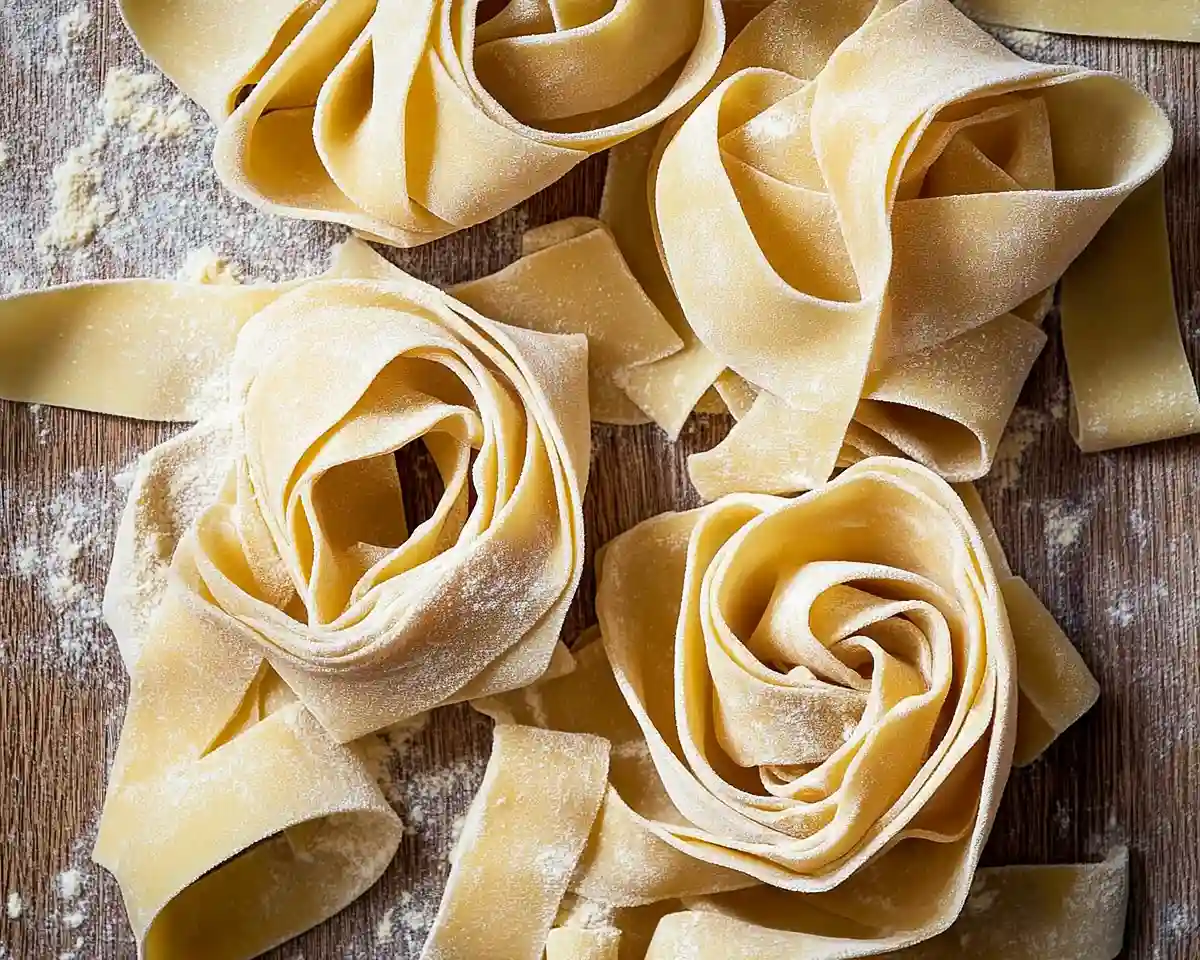
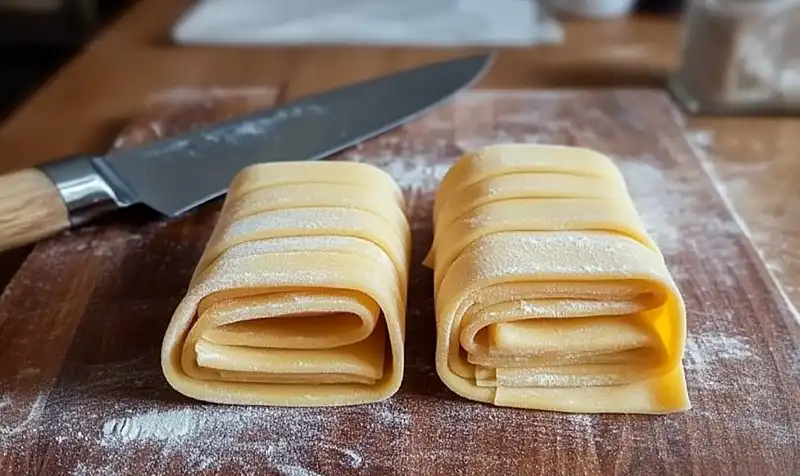
Step 9: Use a sharp knife, pizza cutter, or your pasta machine’s cutting attachment to slice your sheet into your desired shape. Fettuccine and pappardelle are classics that work wonderfully with this minimal-ingredient gluten-free pasta. As you cut each strand, dust it generously with flour to keep the noodles from sticking together.
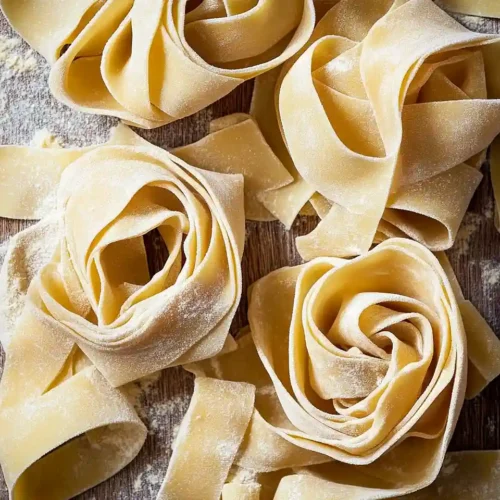
Step 10: Gather your cut pasta strands and gently twist them into loose nests. This not only looks beautiful but also makes them easier to handle when you’re ready to cook. The flour coating keeps everything separate and ready for the pot.
Cooking Fresh 3-Ingredient Gluten-Free Pasta
Step 11: Bring a large pot of salted water to a rolling boil. Fresh homemade gluten-free pasta cooks much faster than dried pasta—usually just 4-6 minutes depending on thickness. Drop in your pasta nests and give them a gentle stir to prevent sticking.
Step 12: Start tasting after 4 minutes. The pasta should be tender but still have a pleasant bite—not mushy or falling apart. When it’s perfect, drain it immediately and toss with your favorite sauce. The warmth of fresh pasta mingles with sauce in a way that’s absolutely heavenly.
Smart Substitutions for Easy Gluten-Free Pasta
Flour Alternatives: If you don’t have a premade gluten-free flour blend, you can create your own using rice flour, tapioca starch, and potato starch. The key is finding a blend that mimics the protein and starch balance of wheat flour for the best simple gluten-free pasta recipe results.
Egg Replacements: For an egg-free version, you can experiment with aquafaba (chickpea brine) or commercial egg replacers, though the texture will differ slightly. Eggs provide structure and richness, so adjustments may be needed.
Skip the Xanthan Gum: If you’re sensitive to xanthan gum, you can try using guar gum or psyllium husk powder instead. Start with half the amount and adjust as needed, as these binders work differently in homemade gluten-free pasta.
Troubleshooting Your 3-Ingredient Gluten-Free Pasta
Dough Too Crumbly: This usually means your flour blend is very absorbent or you need more moisture. Whisk an extra egg and add it tablespoon by tablespoon until the dough comes together smoothly without being sticky.
Dough Too Sticky: Add flour gradually, one tablespoon at a time, kneading after each addition. The finished easy gluten-free pasta dough should feel like Play-Doh—pliable but not tacky.
Pasta Breaking During Rolling: Your dough might be too dry or you’re rolling too thin too quickly. Make sure to pass through each pasta machine setting twice before moving to the next narrower one, and keep the dough lightly dusted with flour.
Pasta Falling Apart When Cooking: This can happen if the dough wasn’t kneaded enough or the xanthan gum wasn’t fully incorporated. Make sure to knead for the full 2-3 minutes to ensure everything binds properly in your simple gluten-free pasta recipe.
Storage and Meal Prep for Gluten-Free Pasta
Refrigerator Storage: You can store your fresh 3-ingredient gluten-free pasta in the fridge for up to one day. Make sure it’s generously dusted with flour to prevent sticking, then place it in an airtight container. The flour coating is essential—without it, the nests will stick together into one big clump.
Freezer Storage: For longer storage, freeze your pasta for up to one month. Arrange the flour-dusted nests on a baking sheet in a single layer and freeze for 1 hour until solid. Then transfer them to a freezer bag. Frozen pasta cooks in about 6-8 minutes straight from the freezer—no thawing needed!
Meal Prep Magic: Making a double batch of this homemade gluten-free pasta on Sunday means quick dinners all week. Just store portions separately so you can grab exactly what you need. Pair with your favorite gluten-free ravioli filling ideas for a special family meal.
Serving Suggestions and Perfect Pairings
This easy gluten-free pasta is incredibly versatile and pairs beautifully with both simple and sophisticated sauces. Toss it with brown butter and sage for an elegant dinner, or keep it casual with marinara and fresh basil for busy weeknights. The tender texture soaks up sauces like a dream.
For a complete meal, serve your 3-ingredient gluten-free pasta alongside these crispy gluten-free vegetable spring rolls as an appetizer. The contrast between the fresh pasta and the crunchy spring rolls creates a restaurant-worthy dinner at home.
Man, oh man… pasta night just got a whole lot more exciting! This simple gluten-free pasta recipe works beautifully for holiday gatherings too. Last Thanksgiving, I made fresh pappardelle to accompany our turkey dinner, and it was such a hit that everyone requested the recipe.
Delicious Variations for Every Occasion
Herb-Infused Pasta: Add 2 tablespoons of finely chopped fresh herbs (basil, parsley, or thyme) to your dough for aromatic homemade gluten-free pasta. The herbs speckle the dough with color and add subtle flavor that complements lighter sauces perfectly.
Spinach or Tomato Pasta: Blend 2-3 tablespoons of cooked, squeezed-dry spinach or tomato paste into your eggs before mixing for colored easy gluten-free pasta. You might need to adjust flour slightly as the vegetables add moisture, but the visual impact is stunning.
Dairy-Free Friendly: This 3-ingredient gluten-free pasta is naturally dairy-free! Pair it with olive oil-based sauces, dairy-free cream sauces, or simple tomato sauce for a completely allergen-friendly meal that everyone can enjoy.
Kid-Friendly Shapes: Let little ones help cut the pasta into fun shapes using cookie cutters. Small bow ties or squares cook quickly and make eating vegetables easier—kids love pasta they helped create!
Higher Protein Version: For a more filling minimal-ingredient gluten-free pasta, try adding an extra egg or using a protein-enriched gluten-free flour blend. This works especially well for athletes or active families who need sustained energy. You can also explore protein-rich gluten-free chickpea pasta options for variety.
3-Ingredient Gluten-Free Pasta FAQs
What is the 3-ingredient pasta without cream?
This 3-ingredient gluten-free pasta uses just flour, eggs, and xanthan gum (plus optional olive oil)—no cream needed! The eggs provide richness and help bind the dough, while the xanthan gum replaces the gluten structure. It’s simple, wholesome, and perfect for any sauce you love.
What are the ingredients in gluten-free pasta?
The core ingredients for homemade gluten-free pasta are a gluten-free flour blend (typically rice flour, tapioca starch, and potato starch), xanthan gum for binding, and eggs for structure and richness. Some recipes include olive oil for extra smoothness. According to gluten-free nutrition guidelines, quality flour blends make all the difference in texture.
What are the three ingredients all pastas are made of?
Traditional pasta uses flour, eggs, and salt. This simple gluten-free pasta recipe follows the same principle but swaps wheat flour for a gluten-free blend and adds xanthan gum to replace the binding properties of gluten. The result is fresh pasta that tastes and feels remarkably close to traditional versions.
What holds gluten-free pasta together?
Xanthan gum is the secret ingredient that holds 3-ingredient gluten-free pasta together! It mimics the elastic, binding properties of gluten, preventing the pasta from falling apart during rolling and cooking. Without it, the dough would be crumbly and difficult to work with—it’s truly essential for success.
How can I make this pasta without a pasta machine?
You can absolutely make this easy gluten-free pasta using just a rolling pin! Roll the dough as thin as possible on a well-floured surface, then use a sharp knife or pizza cutter to slice it into your desired width. It takes a bit more elbow grease, but the results are just as delicious.
Final Thoughts
There you have it—your complete guide to making beautiful, tender 3-ingredient gluten-free pasta at home! This recipe proves that gluten-free cooking doesn’t have to be complicated or intimidating. With just a few simple ingredients and a little practice, you’ll be creating restaurant-quality pasta in your own kitchen.
The best part? Once you master this easy gluten-free pasta technique, you can experiment with different shapes, flavors, and sauces to keep family dinners exciting. Whether you’re cooking for a crowd or just making a cozy meal for two, homemade pasta brings something special to the table.
I’d love to hear how your pasta-making adventure goes! Share your creations, variations, and any questions in the comments below. Happy cooking, and here’s to many delicious homemade gluten-free pasta dinners ahead!
3-Ingredient Gluten-Free Pasta
Equipment
- Large mixing bowl
- Whisk
- Fork
- Rolling Pin
- Pasta machine or pasta roller attachment
- Sharp knife or pizza cutter
- Plastic wrap or damp tea towel
- Kitchen scale (recommended)
- Large pot
- Baking sheet (for freezing)
Ingredients
Main Ingredients
- 200 g gluten-free flour blend 1⅔ cups, plus extra for dusting. Use a blend without xanthan gum, or reduce xanthan gum to ½ tsp if blend contains it
- 1 tsp xanthan gum use only ½ tsp if your flour blend already contains xanthan gum
- 3 large eggs US large/UK medium, you may need slightly more depending on flour blend
- ½ tbsp olive oil optional, makes the dough silkier
Instructions
- In a large mixing bowl, whisk together your gluten-free flour blend and xanthan gum until they’re evenly combined. This step prevents little clumps of xanthan gum from forming later.
- Create a well in the center of your flour mixture and crack in your eggs. If you’re using olive oil, add it now too. Using a fork, start whisking the eggs in the center, gradually pulling flour from the sides until everything comes together into a shaggy dough.
- Turn your shaggy dough onto a lightly floured surface and knead it for 2-3 minutes. The dough should feel supple and slightly firm, not sticky or crumbly. It should hold together beautifully without any cracks when you form it into a ball.
- Adjust dough consistency if needed: if dough feels too dry or crumbly, whisk an extra egg in a small bowl and add it gradually. If it’s too wet or sticky, sprinkle in a bit more flour.
- Divide your pasta dough into four equal pieces. Wrap three pieces in plastic wrap or cover them with a damp tea towel while you work with the first piece to prevent drying.
- Take one portion and use a rolling pin to flatten it into a long oval or rough rectangle on your lightly floured surface. Fold it into thirds like you’re folding a letter, rotate it 90 degrees, then roll it out again.
- Pass your dough through your pasta machine on the widest setting (setting 1). Once it comes through, fold it into thirds again, rotate, roll it flat with your rolling pin, and pass it through the widest setting once more. You should now have a smooth, even sheet.
- Thin your pasta sheet by passing it through setting 2 twice, then setting 3 twice, and continue this pattern until you reach your desired thickness. For fettuccine or pappardelle, setting 4 works beautifully. For ravioli or tortellini, try setting 5.
- Use a sharp knife, pizza cutter, or your pasta machine’s cutting attachment to slice your sheet into your desired shape. As you cut each strand, dust it generously with flour to keep the noodles from sticking together.
- Gather your cut pasta strands and gently twist them into loose nests. The flour coating keeps everything separate and ready for the pot.
- Bring a large pot of salted water to a rolling boil. Drop in your pasta nests and give them a gentle stir to prevent sticking. Cook for 4-6 minutes depending on thickness, tasting after 4 minutes.
- When pasta is tender but still has a pleasant bite, drain immediately and toss with your favorite sauce. Serve hot and enjoy your homemade gluten-free pasta!