5-Ingredient Gluten-Free Artisan Bread
Master this 5-Ingredient Gluten-Free Artisan Bread with foolproof tips for crusty, bakery-worthy loaves. Perfect for celiac families and bread lovers!
You know that moment when you bite into a slice of crusty artisan bread and everything just feels right? I thought those days were behind me after going gluten-free.
Then I discovered this 5-Ingredient Gluten-Free Artisan Bread recipe, and honestly, it changed everything about homemade gluten-free bread in my kitchen.
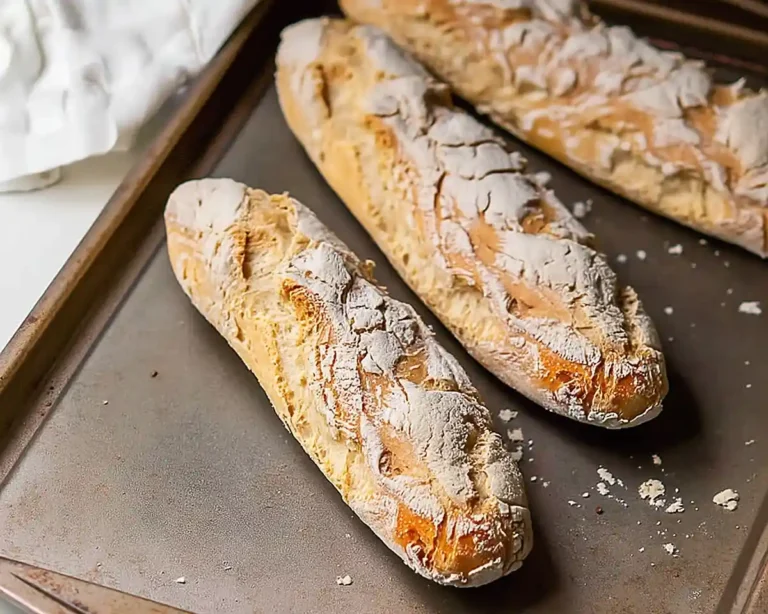
Most gluten-free artisan bread recipes read like chemistry experiments with fifteen ingredients you’ve never heard of. This one? Just five simple ingredients and a Dutch oven. No fancy equipment, no mysterious binders, just real bread with that crackly crust and soft, pillowy center we’ve all been missing.
Whether you’re navigating celiac recipes for the first time or you’ve been baking gluten-free for years, this homemade gluten-free bread delivers that authentic artisan experience without the fuss. Let’s get baking!
Table of Contents
Ingredients
| Ingredient | Amount |
|---|---|
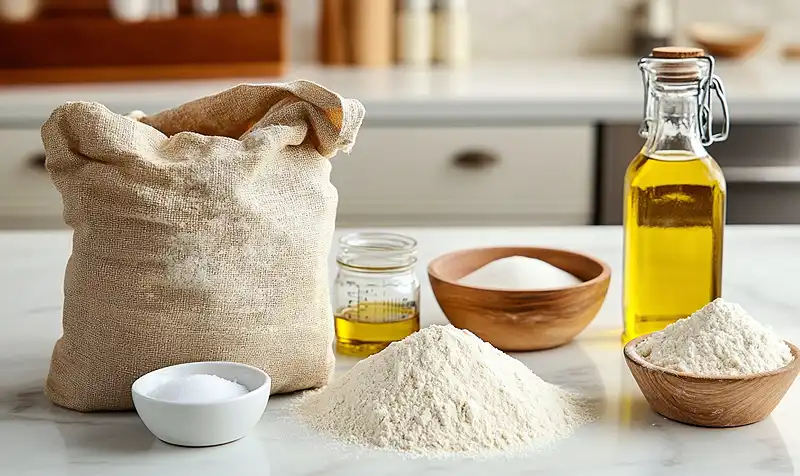
| Caputo Fioreglut Flour | 4⅓ cups (650g) |
| Kosher salt | 1 tablespoon |
| Granulated sugar | 1 tablespoon |
| Instant yeast | 2¼ teaspoons |
| Water, warm | 2 cups + 2 tablespoons (510ml) |
| Olive oil | 3 tablespoons |
Instructions
Make the Dough
In the bowl of a stand mixer fitted with the paddle attachment, add the Caputo Fioreglut flour, salt, sugar and instant yeast. Mix to combine. This initial blend ensures your yeast distributes evenly throughout the dough, which is crucial for a proper rise in gluten-free artisan bread.
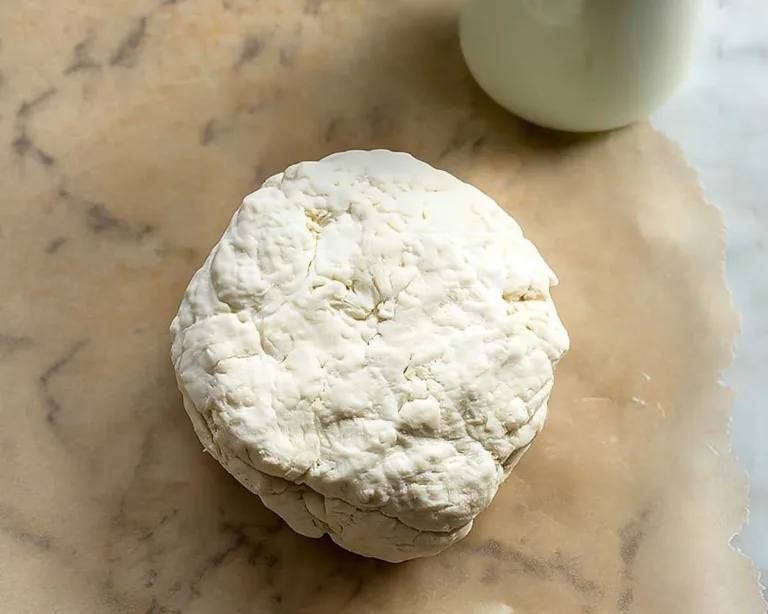
With the mixer running on low, slowly add the water and olive oil. Increase the speed to medium-high and mix for 5 minutes. The dough will resemble thick cookie dough—yes, this is completely normal for homemade gluten-free bread! Don’t panic if it looks wetter than traditional wheat dough.
Using an oiled rubber spatula, scrape down the bottom and sides of the bowl and mix again until well-combined. You want every bit of flour incorporated for the best texture.
Shape/Rise
Flour a 7-inch banneton with gluten-free flour. You can also use a small oiled mixing bowl if you don’t have a banneton—I’ve done this plenty of times and it works beautifully.
Scoop the dough out onto a lightly floured surface. Press the dough into a 2-inch thick circle, then pull the sides upward and towards the center to form a loaf. This shaping technique creates tension on the surface, which helps your gluten-free artisan bread hold its structure during baking.
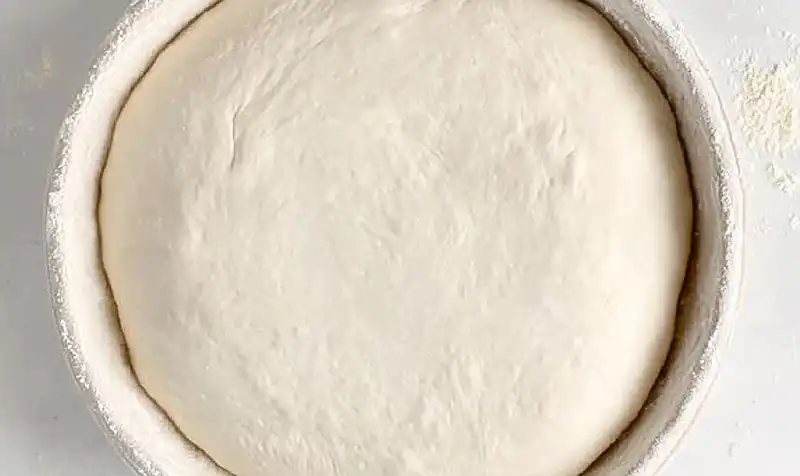
Flip the loaf seam side down onto the floured surface and rotate in place to seal the seams. Place the loaf into the banneton seam side facing upward, then cover with oiled plastic wrap and let rise in a warm place for 45-60 minutes.
Once the dough has risen, place it in the refrigerator for 30 minutes before baking. This cold rest helps the bread hold its shape and creates a better crust texture.
Bake
Place a Dutch oven with the lid on in the middle/lower rack of the oven. Preheat the oven to 475°F and allow the Dutch oven to preheat for at least 30 minutes—this step is non-negotiable for that signature crusty exterior.
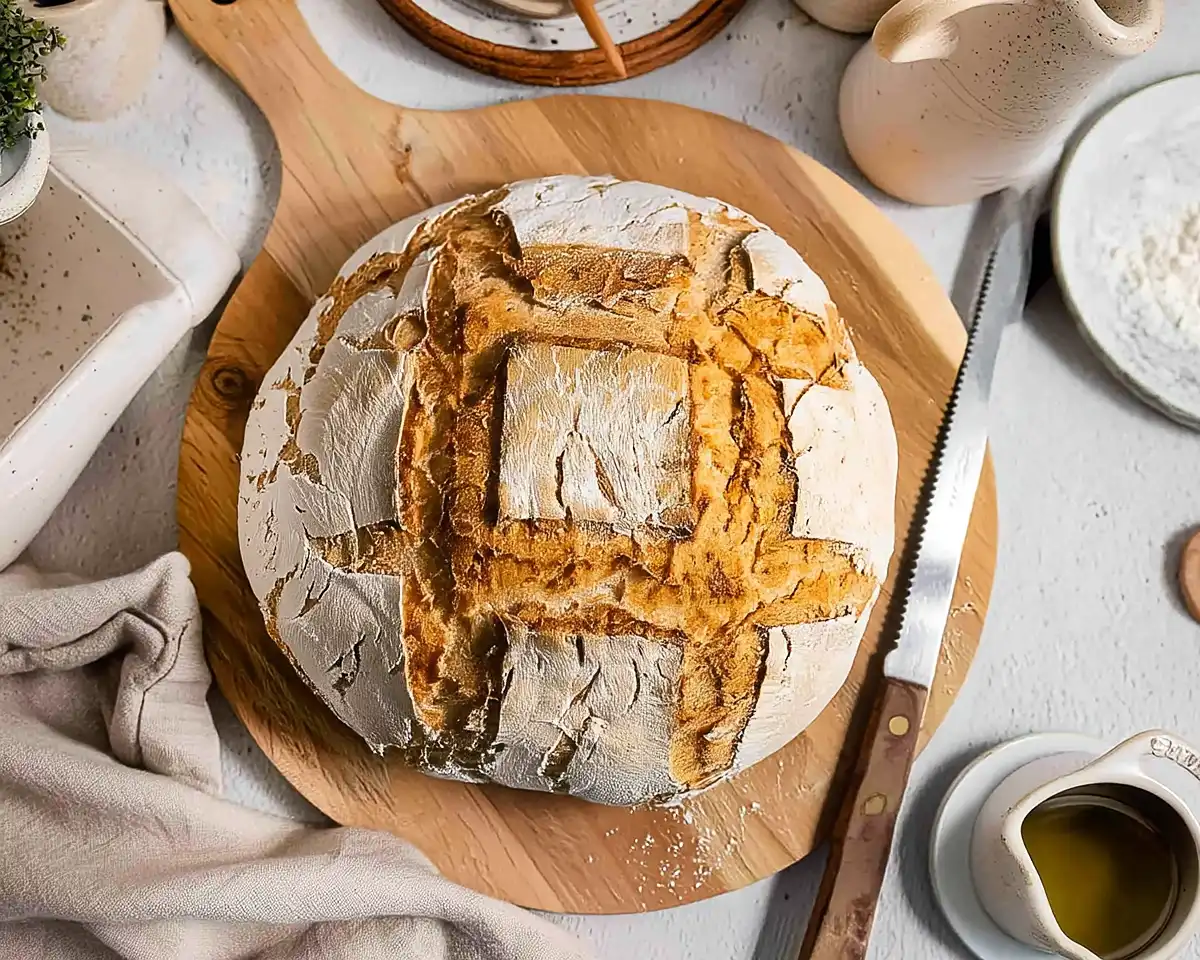
Gently turn out the loaf onto a piece of parchment paper. Using a bread lame or sharp knife, score the top of the loaf with confident, swift strokes. Those decorative slashes aren’t just pretty—they control where your bread expands as it bakes.
Carefully remove the hot Dutch oven from the oven. Using the parchment paper, carefully place the scored loaf in the Dutch oven, add 5-6 ice cubes around the edges, and quickly replace the lid to trap the steam. Man, oh man, those ice cubes create magic—they’re the secret to that crackling crust!
Bake the bread covered for 30 minutes, then reduce the oven temperature to 450°F and continue baking for another 30 minutes. Remove the lid and bake uncovered for another 15-20 minutes, or until the crust is golden brown and the loaf sounds hollow when tapped.
Remove the bread from the oven and turn out onto a wire rack. Let the bread cool for at least 3 hours before slicing—I know it’s torture, but this cooling period allows the interior crumb to set properly. Slice and enjoy!
Substitutions
Flour Alternatives
Caputo Fioreglut is specifically formulated for artisan-style gluten-free bread and provides exceptional results. However, if you can’t find it, King Arthur Measure for Measure can work in a pinch, though the texture will be slightly denser. The unique protein blend in Fioreglut really makes a difference for homemade gluten-free bread with that authentic chew.
Yeast Options
Instant yeast works best for this gluten-free artisan bread because it doesn’t require proofing. If you only have active dry yeast, dissolve it in the warm water first and let it sit for 5 minutes before adding to the flour mixture.
Oil Swaps
Feel free to use melted coconut oil or avocado oil instead of olive oil. Each brings its own subtle flavor—coconut oil adds a hint of sweetness that pairs beautifully with jam, while avocado oil keeps things completely neutral.
Troubleshooting
Dough Too Wet
If your dough seems impossibly sticky, resist the urge to add more flour. Gluten-free artisan bread dough is naturally wetter than traditional bread dough. Oil your hands generously when shaping, and trust the process—the texture is correct even if it feels unusual.
Flat Loaf
A flat loaf usually means the dough over-proofed or the oven wasn’t hot enough. Make sure your Dutch oven preheats for the full 30 minutes, and don’t let the dough rise longer than 60 minutes at room temperature. According to research on gluten-free baking science, proper oven temperature is critical for achieving optimal rise in celiac recipes.
Dense Crumb
If your homemade gluten-free bread turns out dense, check your yeast freshness first. Old yeast won’t provide enough lift. Also, make sure you’re measuring flour by weight (650g) rather than volume for the most accurate results.
Pale Crust
A pale crust means you need more time in the oven. Every oven runs differently, so don’t be afraid to add an extra 5-10 minutes of uncovered baking time until you achieve that deep golden-brown color.
Storage
Store your 5-Ingredient Gluten-Free Artisan Bread at room temperature in a paper bag or wrapped in a clean kitchen towel for up to 3 days. Avoid plastic bags, which make the crust soft. For longer storage, slice the bread and freeze individual slices in a freezer bag for up to 3 months—just toast straight from frozen for quick breakfasts.
Meal Prep Tip
This homemade gluten-free bread is perfect for Sunday meal prep. Bake it in the morning, let it cool completely, then slice and portion for the week ahead. It makes incredible sandwiches, toast, and bread bowls for soup all week long.
Serving Suggestions
Serve thick slices of this gluten-free artisan bread warm with salted butter and honey for the ultimate comfort food experience. The contrast between the crunchy crust and tender interior is absolutely divine. Well… I may have eaten half a loaf this way the first time I made it!
This bread also shines alongside soups, stews, and salads. Try it with your favorite gluten-free flourless chocolate cake for a beautiful dessert spread at your next dinner party. The neutral flavor profile makes it incredibly versatile for both sweet and savory pairings.
Variations
Herb & Garlic Version
Add 2 tablespoons of dried Italian herbs and 1 tablespoon of garlic powder to the dry ingredients for a savory twist on this homemade gluten-free bread. This variation is phenomenal with pasta dishes or as the base for bruschetta.
Seeded Crust
Before scoring, brush the top of your loaf with water and sprinkle with sesame seeds, poppy seeds, or everything bagel seasoning. These seeds add gorgeous texture and visual appeal to your gluten-free artisan bread.
Dairy-Free Butter Topping
For an extra-rich crust, brush the baked loaf with dairy-free butter immediately after removing from the oven. This creates a softer, more tender crust that’s perfect for kids who prefer less crunch.
Holiday Cranberry Walnut
Around Thanksgiving, I love folding ½ cup dried cranberries and ½ cup chopped walnuts into the dough after mixing. This festive version of homemade gluten-free bread is stunning on a holiday table and makes incredible leftover turkey sandwiches.
5-Ingredient Gluten-Free Artisan Bread FAQs
Can I make this 5-Ingredient Gluten-Free Artisan Bread without a Dutch oven?
Technically yes, but the results won’t be quite as spectacular. You can bake it on a baking sheet, but you’ll lose that signature crusty exterior. The Dutch oven traps steam, which is essential for developing the crust on gluten-free artisan bread.
How do I know when the bread is fully baked?
The most reliable method is using an instant-read thermometer—your homemade gluten-free bread is done when the internal temperature reaches above 205°F. Visually, look for a deep golden-brown crust and listen for a hollow sound when you tap the bottom.
Why does gluten-free bread need to cool so long?
Gluten-free artisan bread continues to set up as it cools, and cutting it too early releases steam that the interior structure needs. I know waiting 3 hours feels impossible, but slicing too soon gives you a gummy texture. According to expert guidance on gluten-free baking techniques, patience during the cooling phase significantly impacts the final crumb structure.
What makes Caputo Fioreglut special for this recipe?
Caputo Fioreglut contains a specific blend of gluten-free flours and starches designed to mimic bread flour’s properties. Its protein content and fine texture create superior rise and crumb in celiac recipes compared to general-purpose gluten-free flour blends.
Best way to reheat leftover slices?
Toast slices directly in a toaster or toaster oven for the best texture revival. Microwaving makes gluten-free artisan bread rubbery, so avoid that method. For whole-loaf reheating, wrap in foil and warm in a 350°F oven for 10-15 minutes.
This 5-Ingredient Gluten-Free Artisan Bread proves that homemade gluten-free bread doesn’t have to be complicated or disappointing. With just a handful of pantry staples and a little patience, you’ll be pulling crusty, golden loaves from your oven that rival any bakery.
Whether you’re making sandwiches for weekday lunches, serving bread alongside your favorite gluten-free lemon blueberry bars for a spring brunch, or simply enjoying a warm slice with butter, this celiac-friendly recipe delivers every single time. Happy baking, friend—your kitchen is about to smell amazing!
For more beginner-friendly gluten-free desserts, check out our collection of easy gluten-free mini cheesecakes that pair perfectly with fresh bread for special occasions.

5-Ingredient Gluten-Free Artisan Bread
Equipment
- Stand mixer with paddle attachment
- Dutch oven with lid
- 7-inch banneton or small mixing bowl
- Rubber spatula
- Parchment paper
- Bread lame or sharp knife
- Wire cooling rack
- Instant-read thermometer
Ingredients
- 4⅓ cups Caputo Fioreglut Flour 650g
- 1 tablespoon kosher salt
- 1 tablespoon granulated sugar
- 2¼ teaspoons instant yeast
- 2 cups + 2 tablespoons water 510ml, warm
- 3 tablespoons olive oil
Instructions
- Make the Dough: In the bowl of a stand mixer fitted with the paddle attachment, add the Caputo Fioreglut flour, salt, sugar and instant yeast. Mix to combine. This initial blend ensures your yeast distributes evenly throughout the dough.
- With the mixer running on low, slowly add the water and olive oil. Increase the speed to medium-high and mix for 5 minutes. The dough will resemble thick cookie dough—this is completely normal for homemade gluten-free bread.
- Using an oiled rubber spatula, scrape down the bottom and sides of the bowl and mix again until well-combined.
- Shape/Rise: Flour a 7-inch banneton with gluten-free flour. You can also use a small oiled mixing bowl if you don’t have a banneton.
- Scoop the dough out onto a lightly floured surface. Press the dough into a 2-inch thick circle, then pull the sides upward and towards the center to form a loaf. This shaping technique creates tension on the surface.
- Flip the loaf seam side down onto the floured surface and rotate in place to seal the seams. Place the loaf into the banneton seam side facing upward, then cover with oiled plastic wrap and let rise in a warm place for 45-60 minutes.
- Once the dough has risen, place it in the refrigerator for 30 minutes before baking. This helps the bread hold its shape.
- Bake: Place a Dutch oven with the lid on in the middle/lower rack of the oven. Preheat the oven to 475°F and allow the Dutch oven to preheat for at least 30 minutes.
- Gently turn out the loaf onto a piece of parchment paper. Using a bread lame or sharp knife, score the top of the loaf with confident, swift strokes.
- Carefully remove the hot Dutch oven from the oven. Using the parchment paper, carefully place the scored loaf in the Dutch oven, add 5-6 ice cubes around the edges, and quickly replace the lid to trap the steam.
- Bake the bread covered for 30 minutes, then reduce the oven temperature to 450°F and continue baking for another 30 minutes.
- Remove the lid and bake uncovered for another 15-20 minutes, or until the crust is golden brown and the loaf sounds hollow when tapped. The bread is done when an instant-read thermometer inserted in the center reads above 205°F.
- Remove the bread from the oven and turn out onto a wire rack. Let the bread cool for at least 3 hours before slicing. Slice and enjoy!