5-Ingredient Gluten-Free Flatbread Recipe
This easy 5-Ingredient Gluten-Free Flatbread takes just 20 minutes! Perfect for celiac recipes easy enough for busy families. Soft, fluffy & delicious.
You know what changed everything for me? The day I realized I didn’t need fifteen ingredients and three hours to make fresh, warm flatbread that actually tastes amazing.
I’ll never forget the first time I attempted gluten-free flatbread from scratch. I was hosting a last-minute dinner, panicking in my kitchen, convinced I’d need some complicated recipe with xanthan gum, psyllium husk, and a prayer to the baking gods.
But here’s the beautiful truth: this 5-Ingredient Gluten-Free Flatbread is so simple, you’ll wonder why you ever bought the store-bought version.
Whether you’re navigating celiac disease, exploring gf vegetarian recipes for Meatless Monday, or just want pillowy-soft bread to scoop up your favorite curry, this recipe delivers every single time. No fancy equipment, no weird ingredients, just five pantry staples and about twenty minutes from bowl to table.
Table of Contents
Ingredients
| Ingredient | Amount |
|---|---|
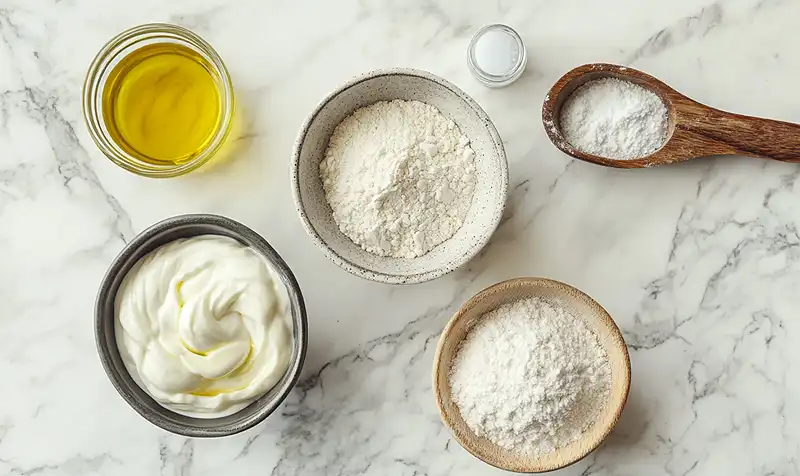
| Unsweetened plain vegan yogurt (I used Forager) | 1 1/3 cups (240g) |
| Olive oil | 8 teaspoons (36g) |
| Baking powder | 2 teaspoons (9g) |
| Salt | 1 teaspoon (9g) |
| Bob’s Red Mill 1:1 Gluten-free Baking Flour | 2 cups + 1 1/2 tablespoons (314g) + more as needed |
Optional for serving:
- Garlic-infused olive oil for brushing
- Fresh parsley, chopped
Instructions
Step 1: In a large bowl, combine the vegan yogurt, olive oil, baking powder, and salt, stirring until the mixture looks uniform and creamy. This creates the tender base that makes these free gluten recipes so irresistibly soft.
Step 2: Sprinkle your gluten-free flour over the wet ingredients and gently mix until a soft dough comes together. You’re looking for a smooth, pliable texture—not crumbly, not sticky, but just right, like play-dough that doesn’t stick to your hands.
If your dough feels too tacky, add extra flour half a tablespoon at a time; if it’s too dry and cracking, add water in the same small increments.
Step 3: Dust a clean countertop or work surface with flour and preheat a lightly greased pan over medium heat. We love using a cast iron griddle or skillet for these—it gives better browning and more consistent heat than nonstick pans.
Pro tip: granite counters, marble boards, or plastic cutting boards work better than wooden surfaces because the dough sticks less.
Step 4: Divide your dough into 8 equal portions and roll each piece into a smooth ball between your palms. Take one ball, place it on your floured surface, and use a rolling pin (or even a clean wine bottle in a pinch!) to roll it out until it’s about 1/4-inch thick.
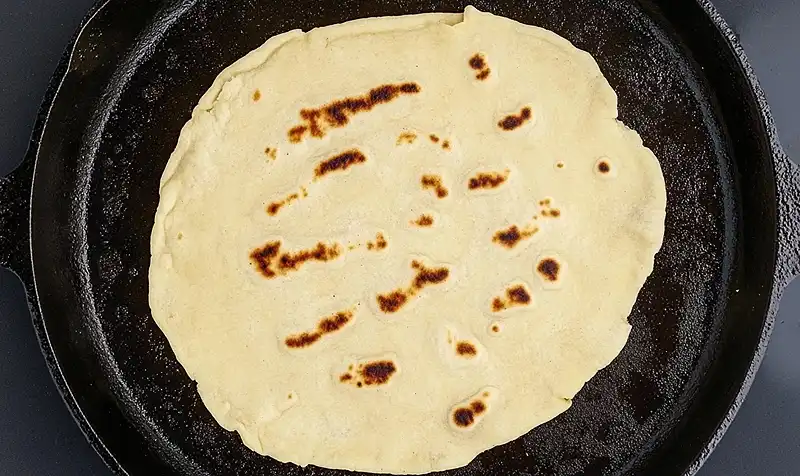
Step 5: Carefully transfer the rolled dough to your preheated pan and cook for 1 1/2 to 2 1/2 minutes per side, watching for those gorgeous golden-brown spots that signal it’s ready to flip.
Check after the first 1 1/2 minutes to make sure it’s not cooking too fast—if it’s browning too quickly, lower your heat. The first flatbread usually becomes your “test run” for getting the temperature just right, and the rest will cook more smoothly.
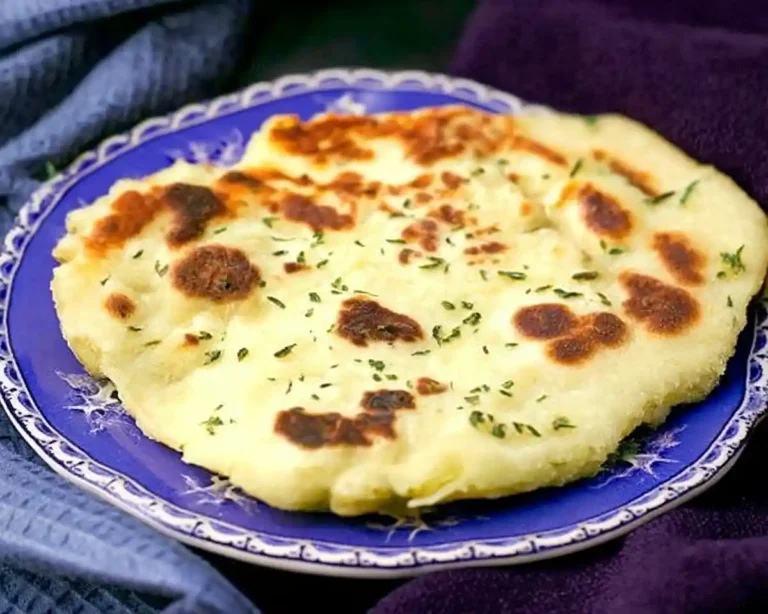
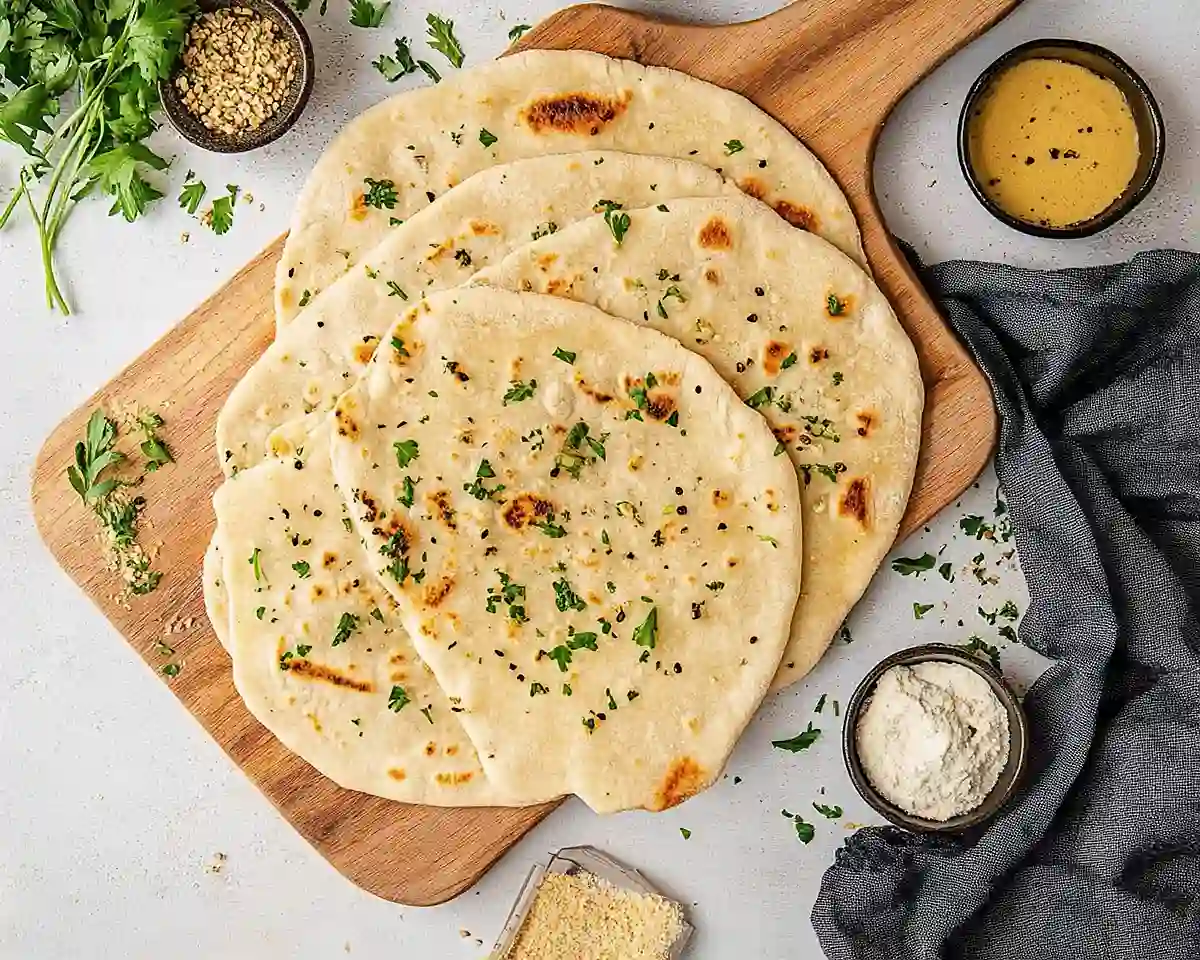
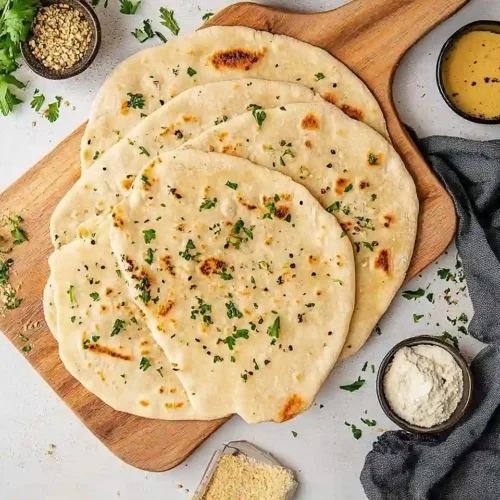
Step 6: Transfer each cooked flatbread to a plate, and if you’re feeling fancy, brush it with garlic-infused olive oil and sprinkle generously with fresh parsley while it’s still warm. The heat helps the flavors soak right in.
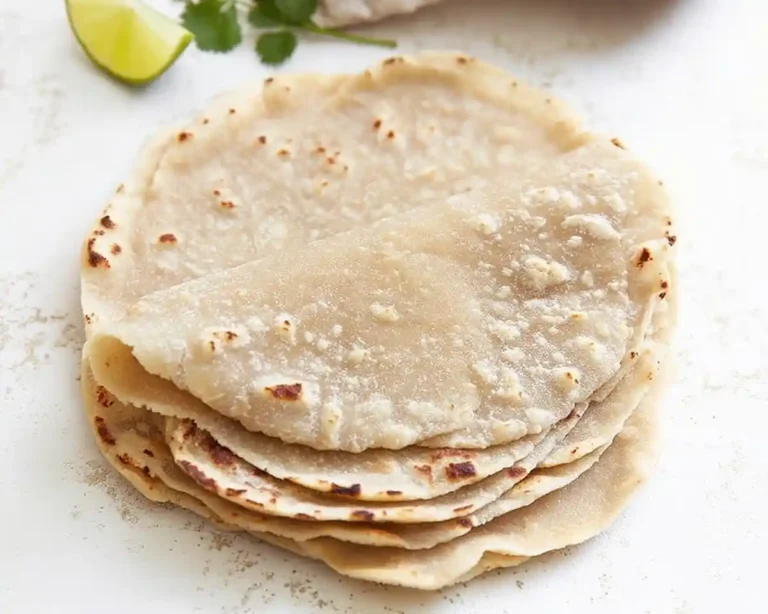
Step 7: Repeat the rolling and cooking process with the remaining dough balls until you’ve got a beautiful stack of warm flatbreads ready to devour. These are best served immediately while they’re still soft and pillowy.
Substitutions
Can’t find vegan yogurt? Regular plain Greek yogurt works beautifully in this 5-Ingredient Gluten-Free Flatbread if you’re not dairy-free. Just make sure it’s unsweetened and at room temperature for the best texture.
If you don’t have olive oil on hand, melted coconut oil or avocado oil make excellent swaps without changing the flavor too dramatically. I’ve even used melted butter when I’m not keeping things vegan, and the results were heavenly.
For the flour, Bob’s Red Mill 1:1 is my go-to, but King Arthur Measure for Measure or any quality gluten-free all-purpose blend with xanthan gum already added should work just fine. According to trusted gluten-free baking resources, blends designed as 1:1 substitutes typically yield the most consistent results in quick bread recipes like this.
Troubleshooting
If your dough feels impossibly sticky and won’t hold its shape, don’t panic—just work in additional flour one tablespoon at a time until it becomes manageable. Humidity can affect gluten-free doughs more than traditional ones, so some days you’ll need a bit more flour.
Flatbreads turning out tough or chewy instead of soft? You might be overworking the dough or rolling it too thin. Keep your mixing gentle and aim for that 1/4-inch thickness for the perfect tender bite.
Well… if your flatbreads are burning on the outside but staying raw in the middle, your pan is too hot. Lower the heat to medium or even medium-low and give them a bit more time to cook through evenly.
Storage & Meal Prep
Store your cooled flatbreads in an airtight container at room temperature for 4-6 days, and they’ll stay soft and ready to reheat. I like to slip a piece of parchment paper between each one to prevent sticking.
For meal prep magic, make a double batch on Sunday and use them throughout the week for quick wraps, pizza bases, or alongside soups and stews. They reheat beautifully in a dry skillet for about 30 seconds per side or wrapped in foil in a 350°F oven for 5 minutes.
Serving Suggestions
These versatile flatbreads are perfect for scooping up your favorite hummus varieties or transforming into quick wraps stuffed with roasted vegetables and tahini. They’re absolute stars at any Mediterranean-themed dinner party or casual weeknight meal.
Serve them warm alongside curries, stews, or grilled meats as a gluten-free alternative to naan. Man, oh man, they’re also incredible as a base for personal pizzas—just add sauce, cheese, and toppings, then broil for a few minutes until bubbly.
Try pairing them with our comforting gluten-free gnocchi for an Italian-inspired feast, or use them to make breakfast wraps alongside perfectly golden French toast for a weekend brunch spread.
Variations
For a dairy-free version that’s still amazing, simply stick with the vegan yogurt as written—this recipe is naturally plant-based and perfect for those avoiding dairy. The texture stays wonderfully soft without any animal products.
Want to make these kid-friendly? Add a tablespoon of honey to the wet ingredients for a subtle sweetness that little ones love, or mix in some dried herbs like oregano and garlic powder to the dough for extra flavor that makes vegetables taste more exciting.
For an herb-infused variation that elevates these celiac recipes easy enough for beginners, knead in 2 tablespoons of fresh chopped rosemary, thyme, or za’atar before dividing the dough. The aromatic herbs transform these simple flatbreads into something truly special for holiday gatherings or Thanksgiving sides.
Nutritional Benefits
Gluten-free flatbreads made with quality ingredients offer a lighter alternative to traditional wheat-based breads while still providing satisfying carbohydrates for energy. According to authoritative celiac research, those managing celiac disease need completely gluten-free options that don’t compromise on taste or texture—and this recipe delivers exactly that.
The yogurt in this recipe adds a boost of protein and probiotics, making these gf vegetarian recipes not just delicious but genuinely nourishing. Plus, you control exactly what goes into your bread, avoiding preservatives and unnecessary additives often found in store-bought versions.
5-Ingredient Gluten-Free Flatbread Recipe FAQs
Can I make this 5-Ingredient Gluten-Free Flatbread ahead of time?
Absolutely! These flatbreads actually keep remarkably well for several days when stored properly. Make them up to a week in advance, store them in an airtight container, and simply reheat in a skillet or oven when you’re ready to serve.
What’s the best way to reheat leftover flatbread?
The secret to bringing these back to life is a dry skillet over medium heat for about 30 seconds per side. You can also wrap them in foil and warm them in a 350°F oven for 5 minutes, which works great when reheating multiple flatbreads at once.
How do I know when the flatbread is fully cooked?
Look for golden-brown spots on both sides and a firm texture that springs back when gently pressed. The flatbread should no longer look raw or doughy in the center, and you’ll notice it puffs up slightly as it cooks—that’s exactly what you want!
Can I freeze this gluten-free flatbread dough?
Yes, but I recommend freezing the already-cooked flatbreads rather than the raw dough for best results. Layer them with parchment paper, freeze in a freezer bag for up to 3 months, and thaw at room temperature before reheating.
Why is my dough too sticky to work with?
Gluten-free flours absorb liquid differently depending on humidity and storage conditions. If your dough feels sticky, add flour gradually—one tablespoon at a time—until it reaches a soft, manageable consistency that doesn’t stick to your hands.
This simple 5-Ingredient Gluten-Free Flatbread proves that free gluten recipes don’t have to be complicated or intimidating. With just five pantry staples and twenty minutes, you’ll have warm, pillowy flatbreads that make every meal feel special—no gluten required!
5-Ingredient Gluten-Free Flatbread
Equipment
- Large mixing bowl
- Cast iron griddle or skillet
- Rolling Pin
- Measuring cups and spoons
- Spatula
Ingredients
Main Ingredients
- 1 ⅓ cups unsweetened plain vegan yogurt 240g, I used Forager
- 8 teaspoons olive oil 36g
- 2 teaspoons baking powder 9g
- 1 teaspoon salt 9g
- 2 cups + 1 ½ tablespoons Bob’s Red Mill 1:1 Gluten-free Baking Flour 314g, plus more as needed
Optional for Serving
- garlic-infused olive oil for brushing
- fresh parsley chopped
Instructions
- In a large bowl, combine the vegan yogurt, olive oil, baking powder, and salt, stirring until the mixture looks uniform and creamy. This creates the tender base that makes these flatbreads so irresistibly soft.
- Sprinkle your gluten-free flour over the wet ingredients and gently mix until a soft dough comes together. You’re looking for a smooth, pliable texture—not crumbly, not sticky, but just right, like play-dough that doesn’t stick to your hands. If your dough feels too tacky, add extra flour half a tablespoon at a time; if it’s too dry and cracking, add water in the same small increments.
- Dust a clean countertop or work surface with flour and preheat a lightly greased pan over medium heat. We love using a cast iron griddle or skillet for these—it gives better browning and more consistent heat than nonstick pans. Pro tip: granite counters, marble boards, or plastic cutting boards work better than wooden surfaces because the dough sticks less.
- Divide your dough into 8 equal portions and roll each piece into a smooth ball between your palms. Take one ball, place it on your floured surface, and use a rolling pin (or even a clean wine bottle in a pinch!) to roll it out until it’s about 1/4-inch thick.
- Carefully transfer the rolled dough to your preheated pan and cook for 1 1/2 to 2 1/2 minutes per side, watching for those gorgeous golden-brown spots that signal it’s ready to flip. Check after the first 1 1/2 minutes to make sure it’s not cooking too fast—if it’s browning too quickly, lower your heat. The first flatbread usually becomes your “test run” for getting the temperature just right, and the rest will cook more smoothly.
- Transfer each cooked flatbread to a plate, and if you’re feeling fancy, brush it with garlic-infused olive oil and sprinkle generously with fresh parsley while it’s still warm. The heat helps the flavors soak right in.
- Repeat the rolling and cooking process with the remaining dough balls until you’ve got a beautiful stack of warm flatbreads ready to devour. These are best served immediately while they’re still soft and pillowy.