Gluten-Free Bread Recipe
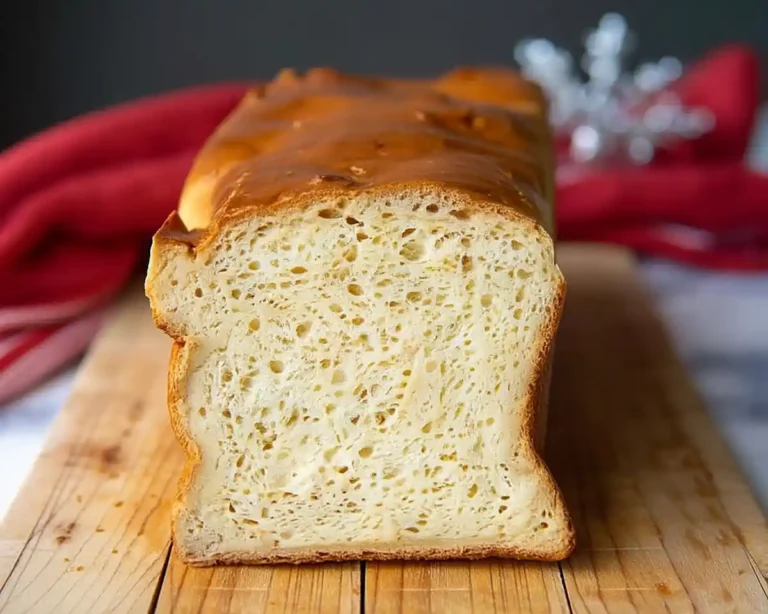
Make homemade gluten-free sourdough bread at home with this easy recipe. Tangy, crusty loaf using sourdough starter—no fancy equipment needed!
Remember that moment when you realized gluten-free bread didn’t have to taste like disappointment? That’s exactly where I landed when I perfected this gluten-free sourdough bread recipe, and honestly, I haven’t looked back since.
Here’s the thing about gluten-free bread recipes: they can feel intimidating, but this gluten-free sourdough bread is genuinely forgiving and produces a beautifully crusty loaf that’d make any baker proud.
Whether you’ve got an active sourdough starter sitting in your fridge from our previous guide or you’re trying gluten-free bread baking for the first time, this recipe will show you how simple it really is to bake artisanal-quality bread at home.
Table of Contents
Easy Gluten-Free Sourdough Bread Recipe: Tangy, Crusty & Beginner-Friendly
Equipment
- Stand mixer with bowl attachment
- Standard bread pan
- Mixing bowl (for covering)
- Cooling rack
- Spatula or wet fingers for spreading
- Kitchen scale (optional but recommended)
Ingredients
Base Ingredients
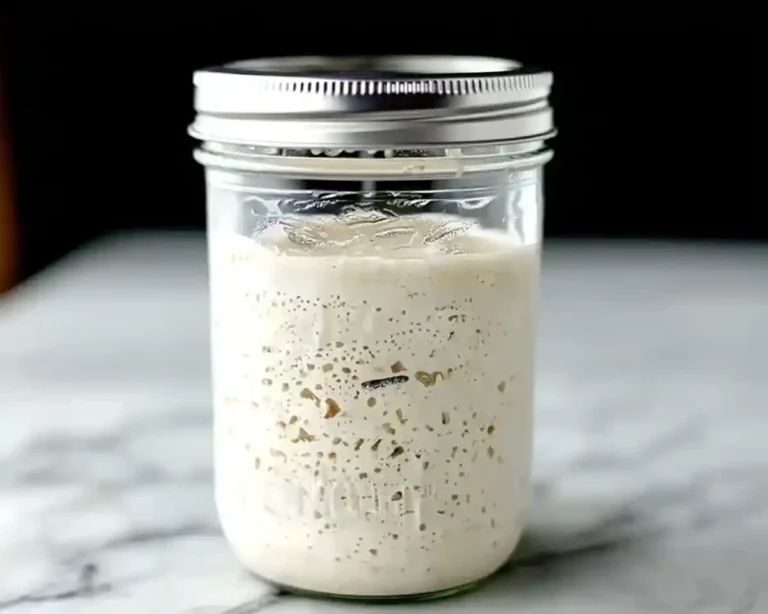
- 1 ½ cups Gluten-free sourdough starter Active and bubbly; use the starter from the 10-day guide
- 3 large Eggs Room temperature works best
- 4 tablespoons Unsalted butter Melted
- 1 ¼ cups Milk Whole or 2% recommended
- 2 tablespoons Honey Adds gentle sweetness and helps browning
Dry Ingredients
- ¾ cup Sweet sorghum flour Mild, slightly sweet flavor
- ¾ cup Tapioca flour Creates chewiness and texture
- ½ cup Brown rice flour Adds nuttiness and structure
- ½ cup Potato starch Lightens the crumb
- 1 tablespoon Xanthan gum Helps bind; skip if flour blend contains it
- 1 tablespoon Baking powder Gentle rise and lift
- 2 teaspoons Sea salt Enhances flavor throughout
Instructions
- In the bowl of your stand mixer, combine your active gluten-free sourdough starter, eggs, melted butter, milk, and honey. Beat everything together until you’ve got a smooth, blended wet mixture with no lumps remaining.
- This is where the sourdough magic starts—that tangy starter is about to transform into beautiful gluten-free bread with incredible depth of flavor.
- Add the sweet sorghum flour, tapioca flour, brown rice flour, potato starch, xanthan gum, baking powder, and sea salt to your mixer bowl. Mix on medium speed for 3–4 minutes until everything is completely blended together.
- The dough will look wet and sticky—that’s exactly what you want with gluten-free sourdough bread. Unlike traditional wheat bread, this consistency is perfectly normal and produces that soft, tender crumb you’re after.
- Grease a standard bread pan generously with coconut oil (or your preferred oil), making sure the bottom and all sides are well-coated. This prevents sticking and helps your gluten-free sourdough bread release beautifully.
- Pour your sticky dough into the greased bread pan and use a spatula or wet fingers to spread it evenly across the bottom. Cover the pan with an inverted bowl or another bread pan and place it in a warm spot (near a sunny window, in an oven with the light on, or on top of your fridge all work great).
- Let the dough proof for 6–8 hours at room temperature. You know what? I like to mix this up the night before and let my gluten-free sourdough bread proof overnight—it develops even more flavor and saves me time the next morning.
- Preheat your oven to 350°F about 15 minutes before you’re ready to bake. This gentle temperature works perfectly for gluten-free sourdough bread and prevents over-browning on the outside before the inside cooks through.
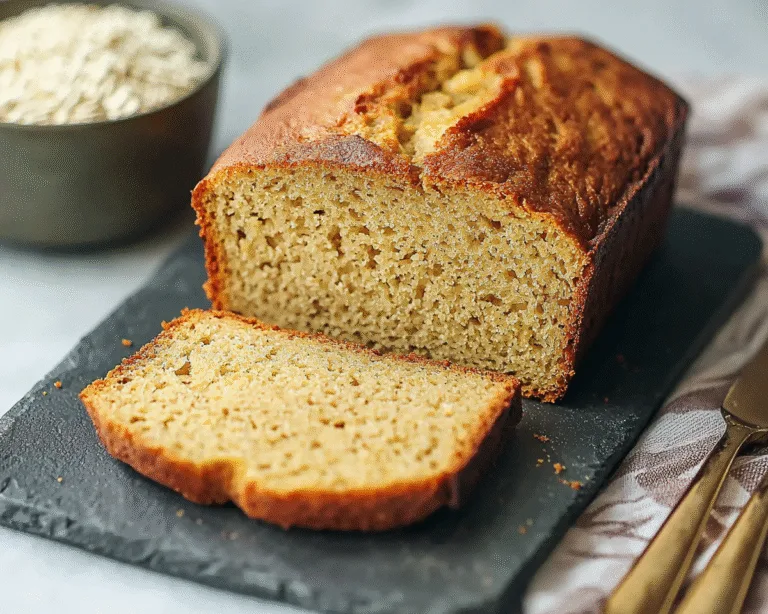
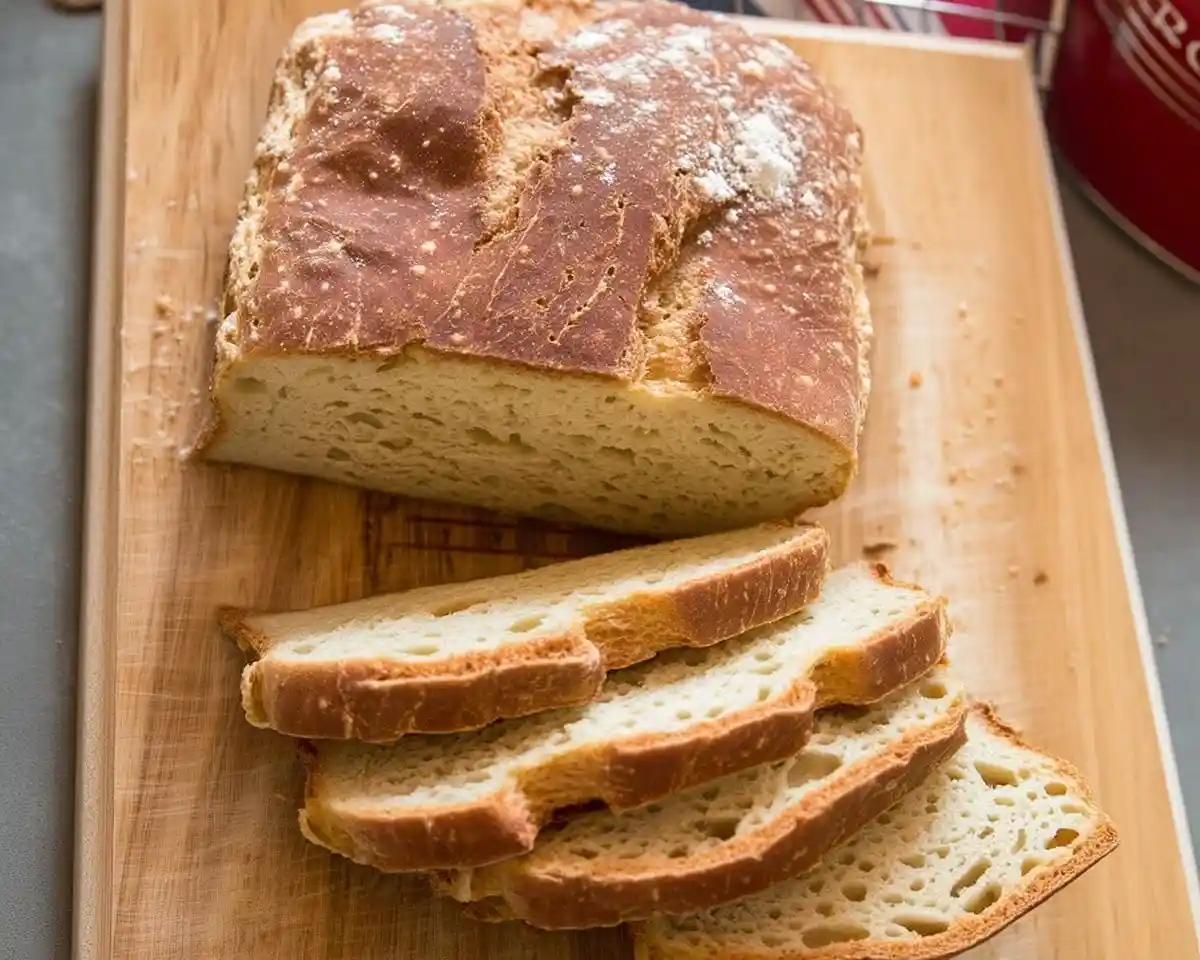
- Place your proofed gluten-free sourdough bread in the oven and bake for 1 hour 10 minutes. The top should turn a beautiful golden-brown with a nice crust forming—you’ll know it’s done when the bread sounds hollow when you tap the bottom.
- Remove your gluten-free sourdough bread from the oven and let it rest in the pan for 10 minutes. This resting period lets the structure set and makes turning it out much easier.
- Turn the bread out onto a cooling rack and let it cool completely before slicing (I know it smells amazing, but this step matters). Once cooled completely, your homemade gluten-free sourdough bread is ready to slice, toast, or share.
Notes
Gluten-Free Bread Recipe Ingredients
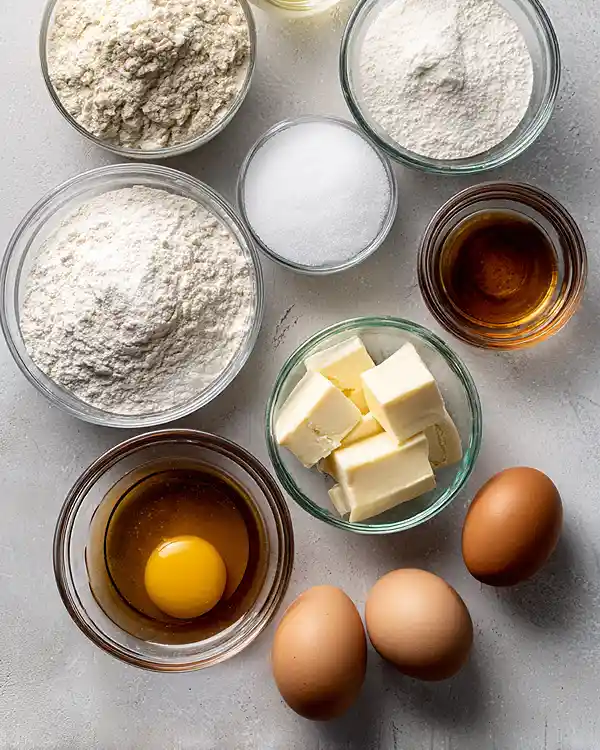
| Ingredient | Amount | Notes |
|---|---|---|
| Gluten-free sourdough starter (active & bubbly) | 1 ½ cups | Use the starter from our 10-day guide |
| Large eggs | 3 | Room temperature works best |
| Unsalted butter | 4 tablespoons | Melted |
| Milk | 1 ¼ cups | Whole or 2% recommended |
| Honey | 2 tablespoons | Adds gentle sweetness & helps browning |
| Sweet sorghum flour | ¾ cup | Mild, slightly sweet flavor |
| Tapioca flour | ¾ cup | Creates chewiness & texture |
| Brown rice flour | ½ cup | Adds nuttiness & structure |
| Potato starch | ½ cup | Lightens the crumb |
| Xanthan gum | 1 tablespoon | Helps bind (skip if flour blend contains it) |
| Baking powder | 1 tablespoon | Gentle rise & lift |
| Sea salt | 2 teaspoons | Enhances flavor throughout |
Pro tip: Measure your gluten-free sourdough bread ingredients by weight if you have a kitchen scale—it’s the most accurate method and takes guesswork out of gluten-free baking.
Gluten-Free Bread Recipe Instructions
Step 1: Mix the Wet Base
In the bowl of your stand mixer, combine your active gluten-free sourdough starter, eggs, melted butter, milk, and honey. Beat everything together until you’ve got a smooth, blended wet mixture with no lumps remaining.
This is where the sourdough magic starts—that tangy starter is about to transform into beautiful gluten-free bread with incredible depth of flavor.
Step 2: Add the Dry Ingredients
Add the sweet sorghum flour, tapioca flour, brown rice flour, potato starch, xanthan gum, baking powder, and sea salt to your mixer bowl. Mix on medium speed for 3–4 minutes until everything is completely blended together.
The dough will look wet and sticky—that’s exactly what you want with gluten-free sourdough bread. Unlike traditional wheat bread, this consistency is perfectly normal and produces that soft, tender crumb you’re after.
Step 3: Prepare Your Pan
Grease a standard bread pan generously with coconut oil (or your preferred oil), making sure the bottom and all sides are well-coated. This prevents sticking and helps your gluten-free sourdough bread release beautifully.
Step 4: First Rise (Proofing)
Pour your sticky dough into the greased bread pan and use a spatula or wet fingers to spread it evenly across the bottom. Cover the pan with an inverted bowl or another bread pan and place it in a warm spot (near a sunny window, in an oven with the light on, or on top of your fridge all work great).
Let the dough proof for 6–8 hours at room temperature. You know what? I like to mix this up the night before and let my gluten-free sourdough bread proof overnight—it develops even more flavor and saves me time the next morning.

Step 5: Preheat & Bake
Preheat your oven to 350°F about 15 minutes before you’re ready to bake. This gentle temperature works perfectly for gluten-free sourdough bread and prevents over-browning on the outside before the inside cooks through.
Place your proofed gluten-free sourdough bread in the oven and bake for 1 hour 10 minutes. The top should turn a beautiful golden-brown with a nice crust forming—you’ll know it’s done when the bread sounds hollow when you tap the bottom.
Step 6: Cool & Set
Remove your gluten-free sourdough bread from the oven and let it rest in the pan for 10 minutes. This resting period lets the structure set and makes turning it out much easier.
Turn the bread out onto a cooling rack and let it cool completely before slicing (I know it smells amazing, but this step matters). Once cooled completely, your homemade gluten-free sourdough bread is ready to slice, toast, or share.
Substitutions & Flour Variations
Using a different gluten-free flour blend: If you have a quality all-purpose gluten-free flour blend on hand, you can use 2 ¼ cups of it in place of the sorghum, tapioca, brown rice, and potato starch combination. Just skip the xanthan gum if your blend already contains it—this prevents the gluten-free sourdough bread from becoming gummy.
Dairy-free option for your gluten-free sourdough bread: Swap the milk for any plant-based milk (oat, almond, or coconut work wonderfully) and replace the butter with melted coconut oil or your favorite neutral oil. The flavor and texture of your gluten-free sourdough bread will shift slightly, but it’ll still be absolutely delicious.
For a nuttier gluten-free sourdough bread: Replace ¼ cup of the brown rice flour with buckwheat flour or almond flour for added depth. This variation adds richness and pairs beautifully with savory toppings or alongside soup.
Making it egg-free: Replace the three eggs with ½ cup of aquafaba (liquid from canned chickpeas) mixed with 2 tablespoons of cornstarch. Your gluten-free sourdough bread will have a slightly different crumb structure but will still rise and bake successfully.
Troubleshooting Tips For Gluten-Free Bread Recipe
Your gluten-free sourdough bread didn’t rise during proofing. Check if your sourdough starter was truly active and bubbly when you used it—that’s the whole engine for this recipe. If your starter is sluggish, feed it once or twice before using it in gluten-free sourdough bread. Warmer proofing spots speed up fermentation, so try moving your pan to a warmer location next time.
The top of your gluten-free sourdough bread is too dark or burnt. Your oven might run hot, or 350°F was too high for your particular setup. Try lowering the temperature to 325°F and adding 10–15 extra minutes to baking time. Every oven is different, so a bit of trial-and-error helps you dial in your perfect gluten-free sourdough bread.
Your gluten-free sourdough bread turned out dense or gummy inside. This usually means it needed more proofing time or didn’t cool long enough before slicing. Gluten-free bread continues to set as it cools, so patience at the end makes a huge difference. Next time, extend proofing to 8–10 hours and wait at least 30 minutes after removing it from the pan before slicing.
The crust isn’t forming on your gluten-free sourdough bread. Try misting the top with water before baking or placing a shallow pan of hot water on the oven floor during the first 20 minutes of baking. Steam in the oven helps develop that beautiful, crackling crust everyone loves.
Storage & Meal Prep
Once your gluten-free sourdough bread is completely cooled, wrap it tightly in plastic wrap or place it in an airtight container and store it at room temperature for up to five days. A bread box or paper bag works beautifully too if you prefer your gluten-free sourdough bread to stay a bit crusty.
For longer storage: Slice your gluten-free sourdough bread and freeze individual slices in a freezer bag for up to three months. Toast them straight from the freezer for quick breakfasts or afternoon snacks—no thawing required.
Meal prep strategy: Bake this gluten-free sourdough bread on Sunday and enjoy slices throughout your week for toast, sandwiches, or alongside soups and stews. The flavor actually deepens slightly as it sits, so it’s just as good on day four as it is fresh from the oven.
Serving Suggestions & Pairings
Warm slices of your gluten-free sourdough bread are incredible slathered with good butter and a sprinkle of sea salt—sometimes the simplest things are the most satisfying. Toasted with a drizzle of olive oil and fresh herbs transforms your gluten-free bread into something special for any meal.
This gluten-free sourdough bread is absolutely perfect for morning avocado toast, hearty lunch sandwiches, or alongside a steaming bowl of vegetable soup. It’s the kind of bread that makes everyday meals feel a little more elegant and puts a smile on everyone’s face.
Variations & Dietary Adjustments
Kid-friendly version of gluten-free sourdough bread: Reduce the honey to 1 tablespoon if your little ones prefer less sweetness, and consider adding a pinch of cinnamon for warmth. Kids often love the mild, slightly sweet flavor of sorghum flour, so this version typically wins them over.
For a Thanksgiving or holiday table: Well, you can absolutely bake this gluten-free sourdough bread a day ahead and reheat it wrapped in foil before serving. It becomes the star of any gluten-free-friendly holiday meal and proves to skeptical relatives that gluten-free bread deserves a spot at the table.
Herb-infused variation: Fold in ½ cup of fresh herbs (rosemary and thyme work beautifully) or ½ cup of shredded cheese after the flour is mixed in. Your gluten-free sourdough bread transforms into a savory showstopper perfect for dinners.
Protein-boosted option: Add 2 tablespoons of hemp seeds, sunflower seeds, or ground flax to your dry ingredients before mixing. This boosts nutrition and adds delightful texture to your gluten-free sourdough bread.
Gluten-Free Bread Recipe FAQs
What is the trick to making good gluten-free bread?
The biggest secret is using an active, bubbly sourdough starter for flavor and using a thoughtful blend of flours for texture. Don’t skip the full proofing time—it allows the flavors to develop and gives your gluten-free sourdough bread that incredible tangy depth.
What is the best flour for gluten-free bread?
There’s no single “best” flour, but sorghum pairs beautifully with tapioca and brown rice for balanced flavor and texture. The combination in this gluten-free sourdough bread recipe was chosen specifically to create a tender crumb with subtle sweetness.
What ingredients are in gluten-free bread?
This gluten-free sourdough bread uses a sourdough starter for fermentation, eggs and butter for richness, a flour blend (sorghum, tapioca, brown rice, potato starch) for structure, and xanthan gum to mimic gluten’s binding properties. Every ingredient serves a purpose in creating that perfect crumb.
Is sourdough ok if you are gluten-free?
Absolutely! Sourdough fermentation actually makes bread easier to digest and more nutritious—that’s why this gluten-free sourdough bread is such a winner. The long fermentation breaks down starches and increases mineral bioavailability, making it a thoughtful choice for anyone avoiding gluten.
What are common mistakes in gluten-free baking?
Rushing the proofing time is mistake number one—gluten-free sourdough bread needs that full 6–8 hours to develop. Over-mixing the dough and slicing before it cools completely are other common slip-ups that affect texture.
Why do you put xanthan gum in gluten-free bread?
Xanthan gum mimics gluten’s binding and stretching properties, helping your gluten-free sourdough bread hold together and rise properly. It’s not essential if your flour blend already contains it, but it makes a noticeable difference in structure and chewiness.
Final Thoughts
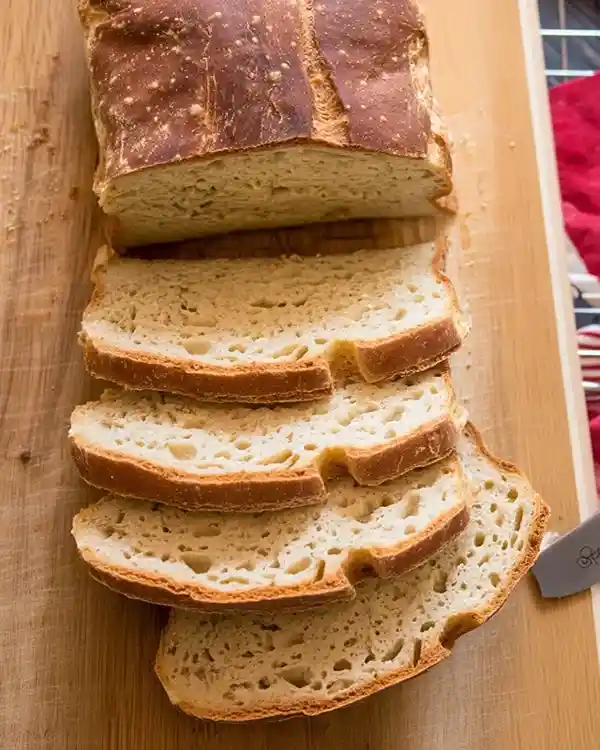
You know what’s amazing about homemade gluten-free sourdough bread? It proves that gluten-free baking doesn’t have to be complicated or disappointing. This recipe takes humble ingredients and transforms them into something crusty, tangy, and absolutely worth sharing with people you love.
Whether you’re baking this for yourself, your family, or someone special in your life, this gluten-free sourdough bread is a love letter to real, nourishing food. Here’s to many delicious loaves in your future.