Bread Recipe
Master this homemade gluten free bread recipe with foolproof tips for beginners. Soft, fluffy loaves ready in under 3 hours!
You know what? The first time I tried to make gluten free bread, I ended up with something that resembled a hockey puck more than a loaf. It was dense, crumbly, and honestly a little sad-looking on my kitchen counter.
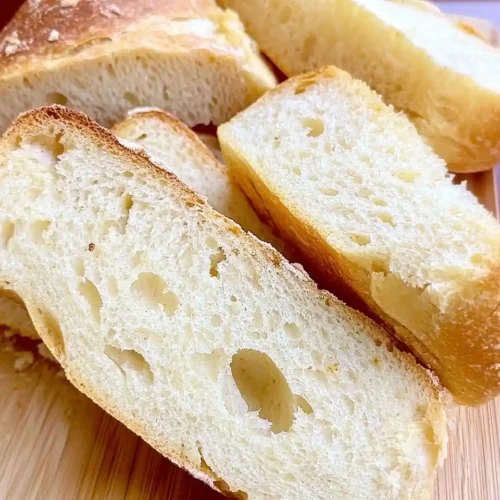
But here’s the beautiful truth I’ve learned after countless batches: making homemade gluten free bread doesn’t have to be intimidating or complicated. With the right technique and a little patience, you can pull a golden, aromatic loaf from your oven that rivals any bakery bread—gluten-filled or not.
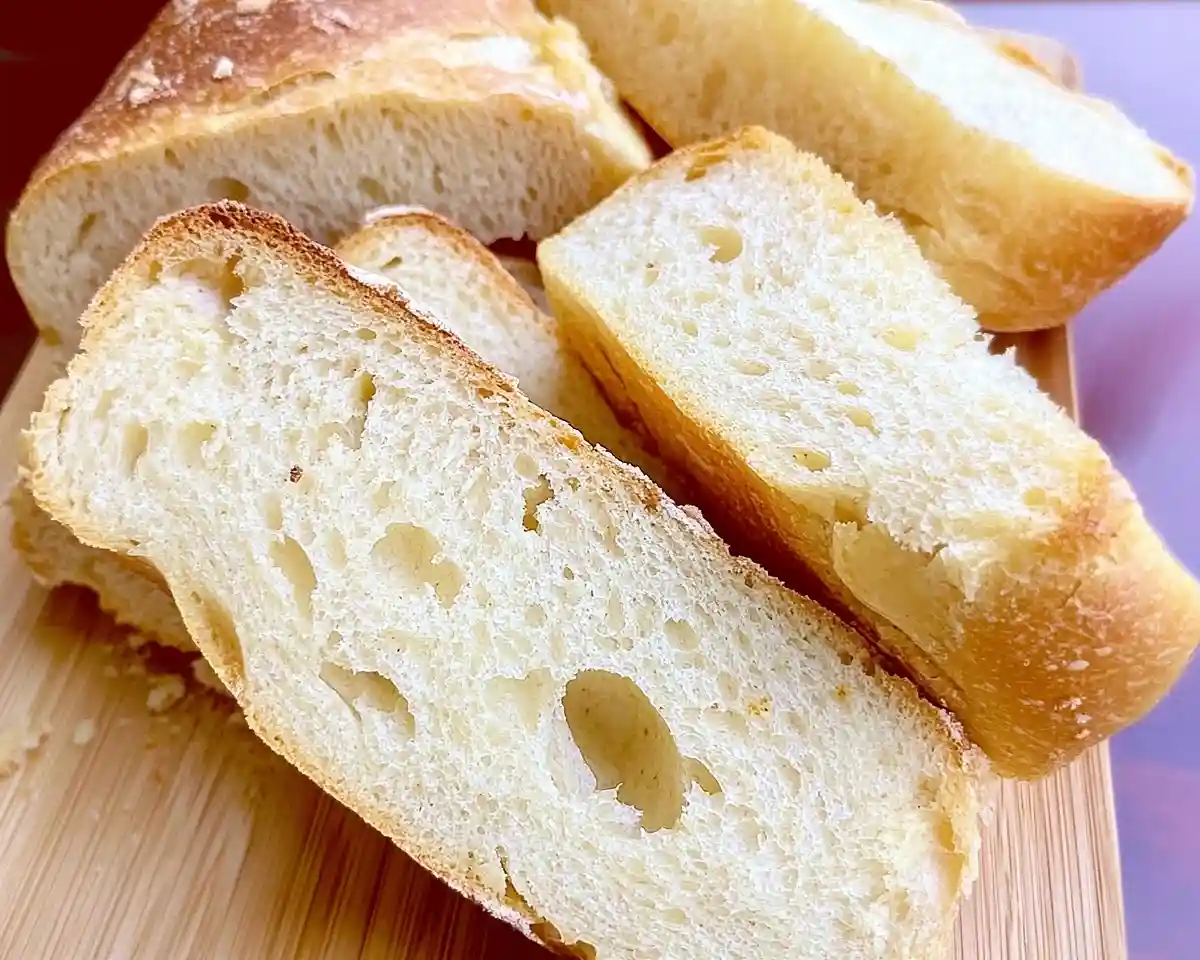
This homemade gluten free bread recipe has become my go-to for busy weeknight dinners and lazy Sunday morning toast. The soft crumb, the slightly crispy crust, and that unmistakable fresh-baked smell filling your kitchen? Man, oh man, it’s worth every single minute of rise time.
Table of Contents
Ingredients
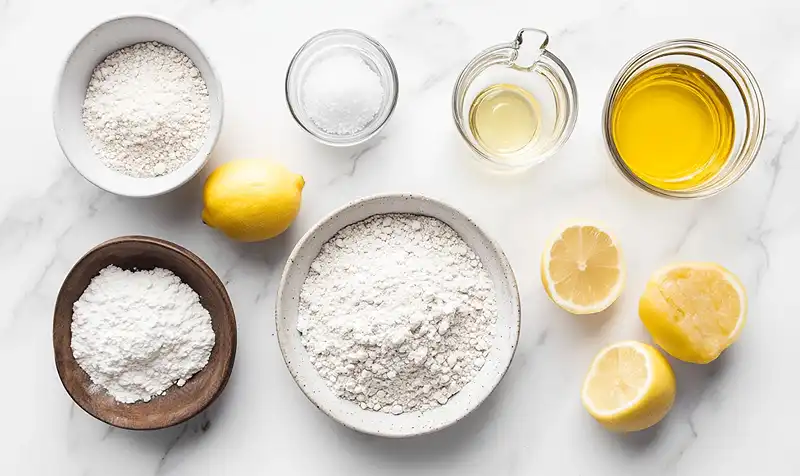
| Ingredient | Amount |
|---|---|
| Gluten free bread flour | 2 cups (284 grams), more as needed |
| Instant yeast | 2 teaspoons (5 grams) |
| White granulated sugar | ½ teaspoon (3 grams) |
| Lukewarm water | 1¼ cups (220ml) |
| Fresh lemon juice or white vinegar | ¼ cup or 2 teaspoons |
| Olive or vegetable oil | 2 tablespoons (25 grams) |
| Coarse sea salt | 1 teaspoon (6 grams) |
Instructions
Prepare Your Workspace: Grease a large glass or steel mixing bowl generously with butter or oil—this prevents sticking during the first rise. Heat your water until it reaches that sweet spot of 98-105°F (36-40°C), which you can test with a kitchen thermometer or your wrist (it should feel pleasantly warm, not hot). Overheating kills the yeast, so err on the side of cooler if you’re unsure.
Make The Dough: Add the gluten-free flour, sugar, and yeast to your stand mixer bowl fitted with the dough hook attachment. Turn the mixer to low speed and gradually pour in the lukewarm water while it’s running, letting the flour absorb the liquid slowly. Scrape down the bowl sides as needed to catch any dry patches lurking at the bottom.
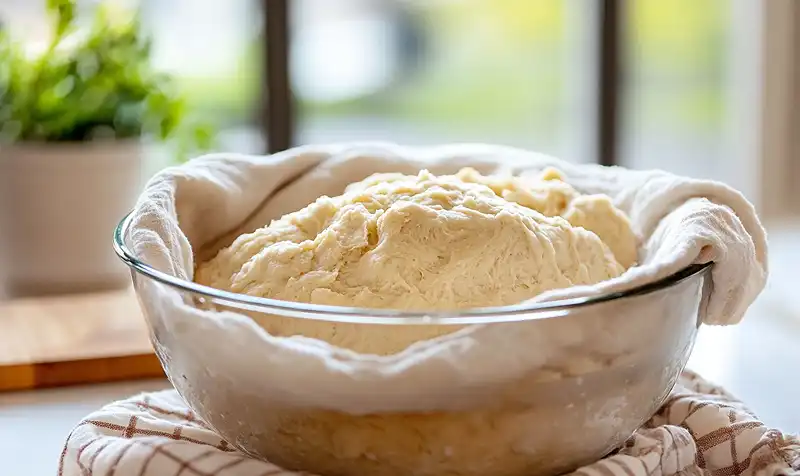
Add the lemon juice, then drizzle in the olive oil, mixing until everything comes together in a smooth consistency. Finally, sprinkle in the salt and mix for another minute or two. The entire process takes just 5-6 minutes, and you’ll notice the dough looks more like a thick, sticky batter than traditional bread dough—that’s completely normal for gluten free bread!
First Rise: Use a bowl scraper or silicone spatula to transfer your sticky dough into the prepared greased bowl, scraping every last bit from the mixer. Cover it with a clean kitchen towel or plastic wrap and tuck it somewhere warm and draft-free. Let it rise for 60-90 minutes until it’s doubled in size and looks puffy and alive.
Prepare Your Pan: While the dough rises, grease a standard loaf pan thoroughly or line it with parchment paper for easy release later. This step makes a huge difference in getting your homemade gluten free bread out of the pan intact.
Shape The Loaf: Once doubled, generously flour your hands and work surface with gluten-free flour—don’t be shy here! Turn the risen dough onto your floured surface and gently press down to release the trapped air bubbles. Shape it into a rough ball, using a bowl scraper to help if the dough feels uncooperative.
Roll the dough ball into a rectangle about 8×15 inches (it doesn’t need to be perfect, and rounded edges are totally fine). Starting from the short end, roll it up like a jelly roll into a compact 6-inch log. Place the log seam-side down in your prepared pan and lightly flatten the top with floured hands to create an even surface.
Score and Second Rise: Dust the top of your loaf lightly with flour using a small sieve for an artisan bakery look. Using a sharp knife, bread lame, or even kitchen scissors, make 6 diagonal slashes across the top—these allow steam to escape and create that gorgeous crusty pattern. Cover the shaped loaf again and let it rise for another hour until doubled.
Preheat and Bake: Place a small steel or oven-safe bowl on the bottom oven rack (this is for creating steam). Preheat your oven to 445°F (230°C) about 15 minutes before baking. When ready, give your loaf a light spritz with water from a spray bottle.
Slide the pan onto the lower-middle rack, carefully pour 1 cup of water into the hot steel bowl (watch out for steam!), and close the oven door quickly. Bake for 25-30 minutes until the crust turns deep golden brown and the bottom sounds hollow when tapped. Let the bread cool in the pan for 10 minutes before turning it out onto a cooling rack—I know it’s tempting, but cutting into hot bread creates a gummy texture.
Substitutions
Flour Alternatives: If you don’t have a pre-made gluten free bread flour blend, you can create your own using a mix of rice flour, tapioca starch, and potato starch with added xanthan gum. Look for expert substitution advice from trusted gluten-free nutrition sources for the right ratios. Just make sure your blend includes a binder like xanthan or psyllium husk to help the bread hold together.
Acid Options: The lemon juice or vinegar isn’t just for flavor—it helps activate the rise and creates better texture in gluten free bread for one loaf or multiple batches. Apple cider vinegar works beautifully as a substitute, adding a subtle depth without any noticeable tang in the finished bread.
Oil Swaps: Feel free to use melted butter, avocado oil, or even melted coconut oil instead of olive oil. Each brings its own subtle flavor profile, and I’ve had success with all of them when testing this homemade gluten free bread easy recipe for busy weeknights.
Troubleshooting
Dense or Heavy Loaf: If your bread turns out heavy, the water temperature might have been off, killing the yeast before it had a chance to work its magic. Double-check with a thermometer next time, and make sure your yeast hasn’t expired (yes, yeast goes bad—check those dates!).
Dough Won’t Rise: Cold kitchens are the enemy of yeast activity. Try placing your covered bowl in a turned-off oven with just the light on, or near (not on) a warm stovetop. According to authoritative baking science research, yeast needs consistent warmth to thrive.
Crumbly Texture: This usually means the dough needed more moisture or wasn’t mixed long enough. Gluten free dough should look quite wet and almost batter-like before the first rise. Don’t be afraid to add an extra tablespoon of water if your mixture looks dry.
Gummy Center: Cutting into bread while it’s still hot traps steam inside, creating that unpleasant gummy texture. I know waiting is hard (trust me, the smell is incredible), but giving your loaf at least 30 minutes to cool completely makes all the difference in texture and sliceability.
Storage
Store your cooled homemade gluten free bread in an airtight container or resealable bag at room temperature for 2-3 days. For longer storage, slice the entire loaf and freeze individual slices between parchment paper squares—this way you can toast single slices straight from frozen for quick breakfasts.
Homemade gluten free bread easy recipes like this one actually freeze beautifully for up to 3 months. Wrap the cooled loaf tightly in plastic wrap, then aluminum foil, and label with the date. Thaw overnight at room temperature or warm individual slices in the toaster.
Serving Suggestions
This soft, tender loaf shines brightest when sliced thick and toasted with butter and jam for a cozy weekend breakfast. It also makes phenomenal sandwiches—try it with turkey, avocado, and crisp lettuce for lunch, or spread it with almond butter and sliced bananas for the kids’ after-school snack.
I love serving warm slices alongside gluten-free garlic rosemary roasted potatoes for a comforting dinner spread. The crusty exterior also pairs wonderfully with soups and stews, especially during those chilly fall and winter months when you need something soul-warming.
Variations
Herb and Garlic Bread: Fold in 2 tablespoons of dried Italian herbs and 2 minced garlic cloves after adding the salt for a savory twist that’s perfect alongside pasta dishes. The aromatic herbs transform this into something special for dinner parties or holiday gatherings.
Dairy-Free Option: This recipe is naturally dairy-free if you use oil for greasing instead of butter. For an extra-soft crumb, you can substitute 2 tablespoons of the water with canned coconut milk (the thick part)—it adds richness without any coconut flavor.
Seeded Loaf: After shaping, brush the top with a beaten egg (or aquafaba for vegan version) and sprinkle generously with sesame seeds, poppy seeds, or everything bagel seasoning before the second rise. Well… it’s basically like making your own bakery-style seeded bread at home, and it looks absolutely gorgeous.
Kid-Friendly Cinnamon Swirl: Roll out the dough, brush with melted butter, sprinkle with cinnamon sugar, then roll up tightly. This creates beautiful swirls and turns your homemade gluten free bread into a breakfast treat that even picky eaters devour—perfect for making weekend mornings feel extra special.
Gluten Free Bread Recipe FAQs
What is the secret to making good gluten-free bread?
The real secret is patience and proper hydration—gluten free bread dough needs to be much wetter than traditional dough. Don’t panic when it looks like thick cake batter instead of firm dough. Also, creating steam in the oven (with that water bowl trick) helps develop a beautiful crust while keeping the interior soft and tender.
Which flour is best for gluten-free bread?
A quality gluten free bread flour blend with xanthan gum or psyllium husk already included works best for beginners. Brands like Bob’s Red Mill, King Arthur, or Cup4Cup are reliable choices. If you’re making your own blend, combining rice flour with starches and a binding agent gives you the structure needed to make gluten free bread successfully.
Is it worth making your own gluten-free bread?
Absolutely, especially when you taste the difference between fresh homemade gluten free bread and store-bought versions that often contain preservatives and cost twice as much. Plus, you control exactly what goes into your loaf, and there’s something deeply satisfying about pulling a golden, aromatic loaf from your oven. Once you’ve mastered this homemade gluten free bread easy approach, you’ll wonder why you ever bought it.
Is there gluten-free flour for making bread?
Yes, many companies now produce flour blends specifically formulated for bread-making with the right balance of starches, proteins, and binders. Look for packages labeled “gluten-free bread flour” or “all-purpose gluten-free flour with xanthan gum”—these are designed to mimic the structure-building properties of wheat gluten and give you reliable results every time.
What are common mistakes in gluten-free baking?
Overmixing (which ironically isn’t possible with gluten-free dough), using expired yeast, not measuring accurately, and expecting the dough to behave like wheat-based dough are the biggest pitfalls. Remember that this dough should be sticky and wet—if it looks firm enough to knead like traditional bread, it probably needs more liquid.
There you have it—your complete guide to baking bakery-quality homemade gluten free bread in your own kitchen! Whether you’re newly gluten-free or have been on this journey for years, this recipe delivers the soft texture and satisfying flavor you’ve been craving. For more delicious gluten-free inspiration, check out our fluffy gluten-free crumpets recipe for another crowd-pleasing breakfast option, or try our tender gluten-free low-carb biscuits when you need something quick and comforting. Happy baking!
Homemade Gluten Free Bread Recipe
Equipment
- Stand mixer with dough hook
- Large glass or steel mixing bowl
- Loaf pan
- Kitchen thermometer
- Bowl scraper
- Spray bottle
- Small steel bowl
- Sharp knife or bread lame
- Sieve
Ingredients
- 2 cups gluten free bread flour 284 grams, more as needed
- 2 teaspoons instant yeast 5 grams
- ½ teaspoon white granulated sugar 3 grams
- 1 ¼ cups lukewarm water 220ml, 98-105°F
- ¼ cup fresh lemon juice or white vinegar or 2 teaspoons white vinegar
- 2 tablespoons olive or vegetable oil 25 grams
- 1 teaspoon coarse sea salt 6 grams
Instructions
- Grease a large glass or steel mixing bowl generously with butter or oil—this prevents sticking during the first rise. Heat your water until it reaches that sweet spot of 98-105°F (36-40°C), which you can test with a kitchen thermometer or your wrist (it should feel pleasantly warm, not hot). Overheating kills the yeast, so err on the side of cooler if you’re unsure.
- Add the gluten-free flour, sugar, and yeast to your stand mixer bowl fitted with the dough hook attachment. Turn the mixer to low speed and gradually pour in the lukewarm water while it’s running, letting the flour absorb the liquid slowly. Scrape down the bowl sides as needed to catch any dry patches lurking at the bottom. Add the lemon juice, then drizzle in the olive oil, mixing until everything comes together in a smooth consistency. Finally, sprinkle in the salt and mix for another minute or two. The entire process takes just 5-6 minutes, and you’ll notice the dough looks more like a thick, sticky batter than traditional bread dough—that’s completely normal for gluten free bread!
- Use a bowl scraper or silicone spatula to transfer your sticky dough into the prepared greased bowl, scraping every last bit from the mixer. Cover it with a clean kitchen towel or plastic wrap and tuck it somewhere warm and draft-free. Let it rise for 60-90 minutes until it’s doubled in size and looks puffy and alive.
- While the dough rises, grease a standard loaf pan thoroughly or line it with parchment paper for easy release later. This step makes a huge difference in getting your homemade gluten free bread out of the pan intact.
- Once doubled, generously flour your hands and work surface with gluten-free flour—don’t be shy here! Turn the risen dough onto your floured surface and gently press down to release the trapped air bubbles. Shape it into a rough ball, using a bowl scraper to help if the dough feels uncooperative. Roll the dough ball into a rectangle about 8×15 inches (it doesn’t need to be perfect, and rounded edges are totally fine). Starting from the short end, roll it up like a jelly roll into a compact 6-inch log. Place the log seam-side down in your prepared pan and lightly flatten the top with floured hands to create an even surface.
- Dust the top of your loaf lightly with flour using a small sieve for an artisan bakery look. Using a sharp knife, bread lame, or even kitchen scissors, make 6 diagonal slashes across the top—these allow steam to escape and create that gorgeous crusty pattern. Cover the shaped loaf again and let it rise for another hour until doubled.
- Place a small steel or oven-safe bowl on the bottom oven rack (this is for creating steam). Preheat your oven to 445°F (230°C) about 15 minutes before baking. When ready, give your loaf a light spritz with water from a spray bottle. Slide the pan onto the lower-middle rack, carefully pour 1 cup of water into the hot steel bowl (watch out for steam!), and close the oven door quickly. Bake for 25-30 minutes until the crust turns deep golden brown and the bottom sounds hollow when tapped.
- Let the bread cool in the pan for 10 minutes before turning it out onto a cooling rack—I know it’s tempting, but cutting into hot bread creates a gummy texture.