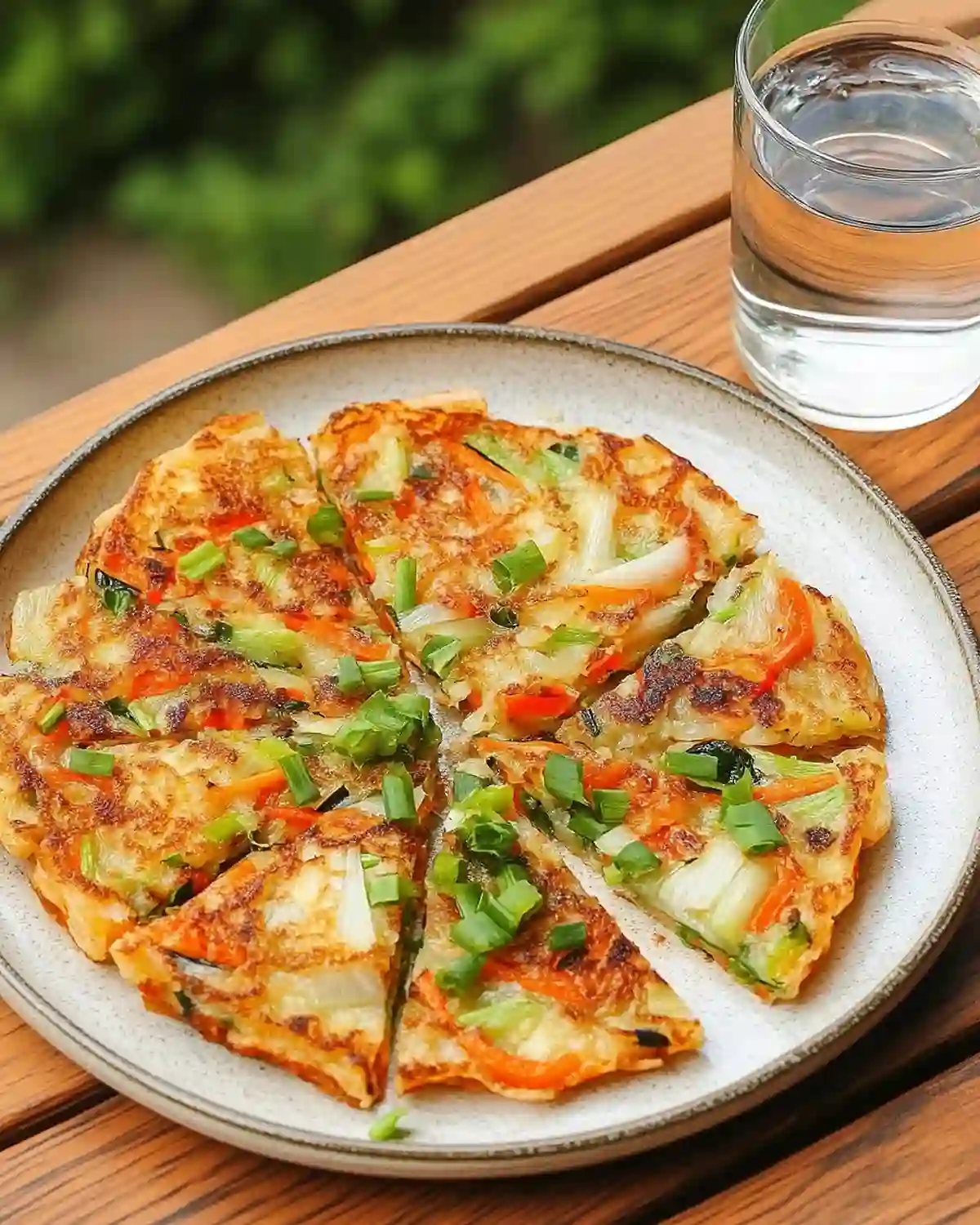
Crispy Korean Vegetable Pancake
Make authentic crispy Korean vegetable pancake at home—gluten-free, loaded with veggies, and ready in 20 minutes. Perfect for busy families!
The first time I made a crispy Korean vegetable pancake for dinner, my whole family gathered around the pan like it was the most important meal we’d had all week. I was actually trying to sneak vegetables into my kids’ dinner, and somehow I accidentally created a dish that feels more like an indulgent treat than actual healthy eating.
Here’s what blew me away: this delicious gluten-free meal comes together in under 20 minutes with rice flour, simple vegetables, and a dipping sauce that’ll make you question every cooking decision you’ve made before this moment. You know how some recipes just hit different when you nail the crispy exterior and tender vegetable-loaded interior? That’s this dish, every single time.
Whether you’re feeding a busy family, impressing guests on a random Tuesday, or finally exploring how to make Korean vegetable pancake at home, this one’s about to become your new kitchen superpower. The best part? It’s naturally gluten-free and packed with nutrition, so you can serve it with zero guilt.
Table of Contents
Ingredients For Crispy Korean Vegetable Pancake
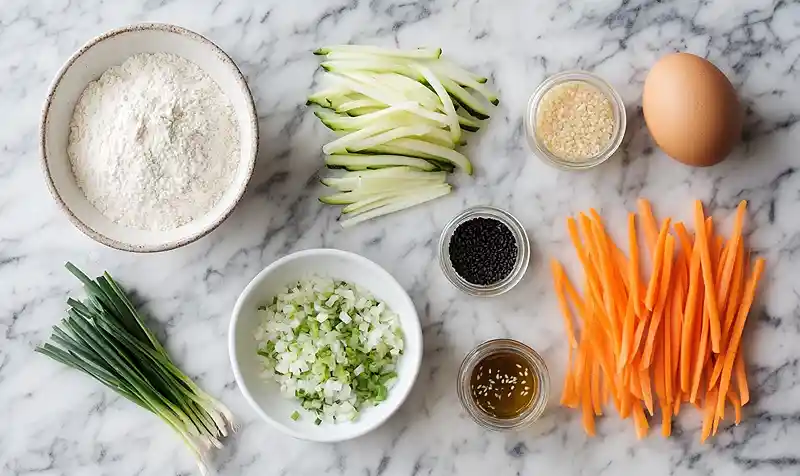
| Ingredient | Amount |
|---|---|
| Egg | 1 large |
| Rice flour | 1 cup |
| Baking powder | 1 teaspoon |
| Sea salt | 1/2 teaspoon |
| Cold water | 1/2 cup (plus more if needed) |
| Green onions | 4, cut into 2-inch pieces (white parts halved) |
| Carrot | 1, julienned |
| Zucchini | 1/2, julienned |
| Onion | 1/2, thinly sliced |
| Avocado oil (or cooking oil of choice) | 4 tablespoons |
For the Dipping Sauce:
| Ingredient | Amount |
|---|---|
| Coconut aminos or tamari sauce | 2 tablespoons |
| Rice vinegar or white vinegar | 1 tablespoon |
| Water | 1 tablespoon |
| Green onion, chopped | 1 |
| Sesame oil | 1/2 teaspoon |
| Gochugaru (Korean chili flakes) | 1/2 teaspoon (optional) |
Pro tip: Slice all your vegetables before you start—this makes the process feel smooth and prevents any scrambling once you’re cooking.
Instructions For Crispy Korean Vegetable Pancake
Step 1: Prep Your Ingredients
Slice all the vegetables into the sizes listed before you begin. Combine all dipping sauce ingredients in a small bowl and set it aside in your refrigerator. Having everything prepped eliminates stress once you start cooking and keeps your focus on achieving that perfect crispy exterior.
Step 2: Create Your Base Batter
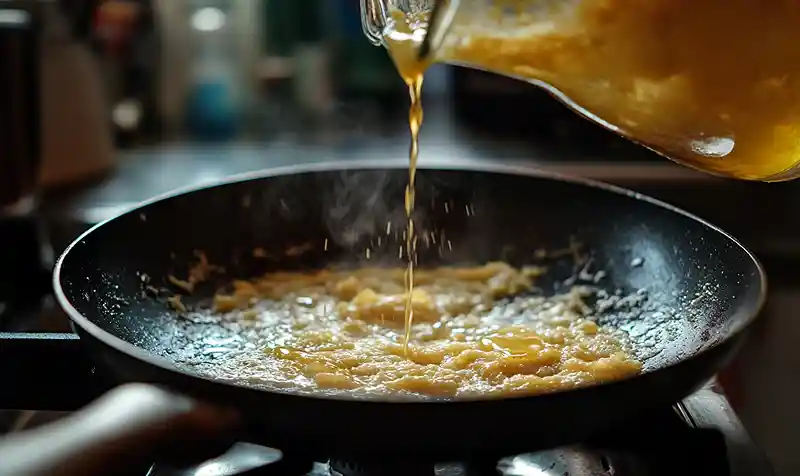
Crack and whisk the egg in a large mixing bowl, then add rice flour, baking powder, and sea salt. Slowly stir in cold water until a batter forms—you’re aiming for a consistency similar to crepe batter, thin enough to spread but thick enough to hold veggies. If it seems too thick, add more water gradually until you reach that perfect pourable texture.
Step 3: Add Your Vegetables
Stir all your prepped vegetables into the batter until fully combined, making sure each piece gets coated. This is where your crispy Korean vegetable pancake gets its personality—those vibrant colors and fresh flavors throughout every bite.
Step 4: Heat Your Skillet
Pour 1 tablespoon of avocado oil into a large skillet over medium-high heat, letting it shimmer and get hot. You’ll know it’s ready when you see wisps of smoke just beginning to form—that’s your signal that the pan is at the perfect temperature for serious crisping.
Step 5: Cook the First Pancake
Add half of the batter to the pan and spread it evenly into a thin, pancake-like layer about 1/4 inch thick. Let it cook undisturbed for 3–4 minutes until the bottom turns a gorgeous golden-brown and crispy. You can peek at the edges to check the progress, but resist the urge to move it around.
Step 6: Flip with Confidence
Take a deep breath, then flip your crispy Korean vegetable pancake in one smooth motion—confidence is everything here! Immediately drizzle another tablespoon of oil around the edges so it flows underneath the pancake for that second side to crisp up beautifully.
Step 7: Cook the Other Side
Cook for another 3–4 minutes until this side is equally golden and crispy. The aroma filling your kitchen right now is basically edible happiness—your family will definitely notice something amazing is happening.
Step 8: Repeat and Serve
Remove the finished pancake to a cutting board and repeat the process with the remaining batter, using the last 2 tablespoons of oil. Slice your crispy Korean vegetable pancake into wedges and serve immediately with that incredible dipping sauce while everything’s still warm.
Substitutions for Dietary Needs
Making It Vegan
Replace the egg with 2 tablespoons of aquafaba (that magical liquid from canned chickpeas) mixed with 1 teaspoon of cornstarch. Your delicious gluten-free meal becomes fully plant-based without any texture compromise. The crispy exterior stays just as satisfying, and nobody will miss the egg.
Different Vegetable Options
Feel free to swap or add bell peppers, mushrooms, or leafy greens like spinach or kale to your crispy Korean vegetable pancake. The rice flour batter works beautifully with virtually any vegetable you have on hand. Just keep your cuts roughly the same size so everything cooks evenly throughout.
Using All-Purpose Flour
If you don’t have rice flour, all-purpose flour works as a 1:1 substitute for how to make Korean vegetable pancake at home. The texture might be slightly different—a touch more tender rather than crispy—but it’ll still be absolutely delicious. This keeps the recipe accessible even when your pantry doesn’t have every specialty ingredient.
Oil Variations
Sesame oil, coconut oil, or vegetable oil all work beautifully instead of avocado oil in your batter. Each brings its own subtle flavor to the dish. For extra Korean authenticity, try combining 3 tablespoons of avocado oil with 1 tablespoon of toasted sesame oil.
Browse our beginner-friendly gluten-free side dish collection to round out your Asian-inspired meals with complementary flavors.
Troubleshooting Tips
Pancake Isn’t Crisping Up
Make sure your skillet is truly hot before adding the batter—you need that initial sizzle for proper crisping. Also, avoid stirring or flipping too early; let each side have its full cooking time undisturbed. If your pan tends to run cool, bump the heat up slightly, but watch carefully so it doesn’t burn.
Batter Is Too Thick to Spread
This just means you need more water—add it slowly, a teaspoon at a time, until you reach that crepe-batter consistency. Every batch of rice flour absorbs liquid slightly differently, so this adjustment is totally normal. You want it pourable but still thick enough to hold your veggies suspended throughout.
Vegetables Are Raw in the Middle
Cut your vegetable pieces smaller next time, or pre-cook heartier veggies like carrots for a minute in the microwave before mixing them in. Make sure your oil is truly hot and your pan stays at medium-high heat throughout. The pancake should sizzle gently the entire time, not sit quietly cooking.
Pancake Falls Apart When Flipping
The bottom wasn’t crispy enough before you tried flipping—give it the full 3–4 minutes before attempting the flip. Use a sturdy spatula and don’t be timid about it; one confident motion works better than hesitant poking. If it does break, just serve it as delicious gluten-free meal pieces with extra dipping sauce.
Storage and Meal Prep
How to Store Leftovers
Once cooled, store your crispy Korean vegetable pancake in an airtight container in the refrigerator for up to three days. You can reheat it in a 350°F oven for about 5 minutes to restore some of that glorious crispiness, or eat it cold if you’re in a hurry. Cold pancake actually makes an amazing lunchbox addition, honestly.
Freezing for Later
Wrap completely cooled pancakes individually in parchment paper, then place them in a freezer bag for up to one month. Thaw overnight in the refrigerator, then reheat in a 375°F oven for 8–10 minutes to bring back that crispy exterior. This is your secret weapon for meal prep days when you want a homemade delicious gluten-free meal ready to go.
Serving Suggestions and Pairings
Serve your crispy Korean vegetable pancake with that dipping sauce for the classic experience—it’s honestly the perfect pairing. You can also enjoy it alongside steamed rice, kimchi, and other banchan (Korean side dishes) for a more complete meal. A simple cucumber salad or fresh fruit on the side keeps everything feeling balanced and light.
For a fun family dinner, cut the pancake into smaller pieces and let everyone dip and grab as they wish. These also work beautifully as an appetizer when entertaining—just slice into bite-sized pieces and arrange on a platter with the sauce in the center. The presentation looks restaurant-worthy, but nobody needs to know it took you 20 minutes.
Variations and Dietary Adjustments
Kid-Friendly Version
Go easy on the gochugaru (Korean chili flakes) or skip it entirely, and use regular soy sauce in the dipping sauce instead of tamari if your kids prefer the familiar taste. You might also slice the pancake into fun shapes or strips for easier grabbing. Kids love the crispy texture and the interactive dipping experience—it makes them feel like they’re eating something special.
Seafood Addition
Mix in some diced shrimp or calamari along with your vegetables for a more protein-packed crispy Korean vegetable pancake. This transforms the dish into something fancy enough for company while keeping the ease of preparation. The how to make Korean vegetable pancake method stays exactly the same.
Cheese-Loaded Version
Well, technically it’s not traditional, but stirring shredded mozzarella or cheddar into your batter creates an absolutely decadent version that American families tend to go wild for. The cheese adds extra richness and creates these amazing crispy-cheesy pockets throughout. Serve it with a drizzle of gochujang mayo for next-level flavor.
Breakfast Version
Add a fried egg on top of each finished pancake for a delicious gluten-free meal that works just as well for brunch as it does for dinner. Drizzle with a bit of sriracha mayo or that dipping sauce, and you’ve got yourself something truly special. Your weekend breakfast game just changed forever.
FAQs About Crispy Korean Vegetable Pancake
Can I Make This Ahead and Reheat?
Absolutely! Prepare the batter and store it in the refrigerator for up to 24 hours before cooking. When you’re ready to cook, give it a quick stir to recombine, and proceed with the recipe. Cooked pancakes reheat beautifully in a 350°F oven—just add a few minutes to restore the crispiness.
What’s the Best Way to Get That Super Crispy Exterior?
Hot oil and high heat are your best friends here. Make sure your pan is truly hot (you should hear a sizzle when the batter hits), and don’t flip too early. Resist the urge to move the pancake around—let each side sit undisturbed for the full cooking time.
Is This Recipe Vegan?
Yes! Simply replace the egg with aquafaba as mentioned in the substitutions section, and use vegetable oil instead of any animal-based oil. Your crispy Korean vegetable pancake stays delicious and this delicious gluten-free meal becomes completely plant-based.
Can I Make Individual Pancakes Instead of Two Large Ones?
Totally! Use about 1/4 cup of batter per small pancake and adjust cooking time down to 2–3 minutes per side. Individual pancakes cook faster and are perfect for portioning, though they won’t be quite as impressive to flip. Kids actually love these smaller versions for easier handling.
What If I Don’t Have Rice Flour?
All-purpose flour, buckwheat flour, or even finely ground oats can substitute in a 1:1 ratio. The texture might vary slightly, but you’ll still get a delicious gluten-free meal that tastes amazing. Just know that all-purpose flour might not create quite as crispy a crust as rice flour does.
Can I Add Meat to This?
Sure! Crumbled ground beef, pork, or cooked chicken works wonderfully stirred into your vegetable batter. Add about 1/2 cup of cooked, finely shredded meat to transform how to make Korean vegetable pancake into a heartier main dish. The cooking time stays the same since the meat’s already cooked.
Final Thoughts
Man, oh man, once you make your first crispy Korean vegetable pancake, you’ll understand why I was so excited about this recipe. You’ve gone from wondering how to make Korean vegetable pancake with rice flour to confidently creating restaurant-quality dinners in your own kitchen. That’s genuinely something worth celebrating.
This delicious gluten-free meal proves that healthy eating doesn’t mean sacrificing flavor, texture, or that wow factor. Your family’s going to crowd around the pan, dip those golden wedges in that tangy sauce, and ask when you’re making it again. The answer, friends, is definitely this week.
For more detailed information about how vegetables support optimal health and the benefits of rice flour in gluten-free cooking, check out this authoritative guide to gluten-free grain alternatives.
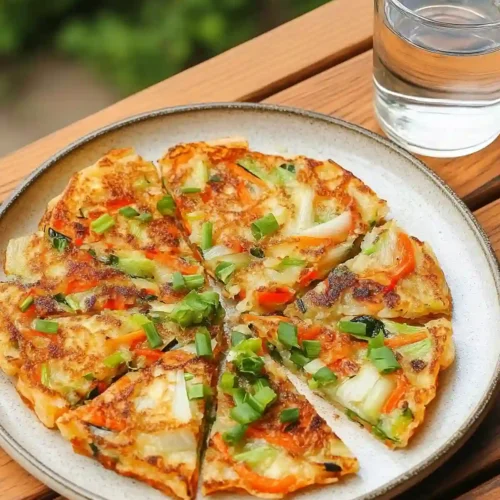
Crispy Korean Vegetable Pancake
Equipment
- Large mixing bowl
- Small Bowl (for dipping sauce)
- Large skillet
- Cutting board
- Knife
- Whisk
- Spatula
- Measuring cups and spoons
Ingredients
For the Pancake
- 1 large Egg or 2 tablespoons aquafaba for vegan version
- 1 cup Rice flour all-purpose flour, buckwheat flour, or ground oats work as substitutes
- 1 teaspoon Baking powder
- ½ teaspoon Sea salt
- ½ cup Cold water plus more if needed for crepe batter consistency
- 4 whole Green onions cut into 2-inch pieces, white parts halved
- 1 medium Carrot julienned
- ½ medium Zucchini julienned
- ½ medium Onion thinly sliced
- 4 tablespoons Avocado oil or cooking oil of choice sesame oil, coconut oil, or vegetable oil work as alternatives
For the Dipping Sauce
- 2 tablespoons Coconut aminos or tamari sauce regular soy sauce as alternative
- 1 tablespoon Rice vinegar or white vinegar
- 1 tablespoon Water
- 1 whole Green onion, chopped
- ½ teaspoon Sesame oil
- ½ teaspoon Gochugaru (Korean chili flakes) optional, for heat
Instructions
- Step 1: Prep Your Ingredients
Slice all the vegetables into the sizes listed before you begin. Combine all dipping sauce ingredients in a small bowl and set it aside in your refrigerator. Having everything prepped eliminates stress once you start cooking and keeps your focus on achieving that perfect crispy exterior. - Step 2: Create Your Base Batter
Crack and whisk the egg in a large mixing bowl, then add rice flour, baking powder, and sea salt. Slowly stir in cold water until a batter forms—you’re aiming for a consistency similar to crepe batter, thin enough to spread but thick enough to hold veggies. If it seems too thick, add more water gradually until you reach that perfect pourable texture. - Step 3: Add Your Vegetables
Stir all your prepped vegetables into the batter until fully combined, making sure each piece gets coated. This is where your crispy Korean vegetable pancake gets its personality—those vibrant colors and fresh flavors throughout every bite. - Step 4: Heat Your Skillet
Pour 1 tablespoon of avocado oil into a large skillet over medium-high heat, letting it shimmer and get hot. You’ll know it’s ready when you see wisps of smoke just beginning to form—that’s your signal that the pan is at the perfect temperature for serious crisping. - Step 5: Cook the First Pancake
Add half of the batter to the pan and spread it evenly into a thin, pancake-like layer about 1/4 inch thick. Let it cook undisturbed for 3–4 minutes until the bottom turns a gorgeous golden-brown and crispy. You can peek at the edges to check the progress, but resist the urge to move it around. - Step 6: Flip with Confidence
Take a deep breath, then flip your crispy Korean vegetable pancake in one smooth motion—confidence is everything here! Immediately drizzle another tablespoon of oil around the edges so it flows underneath the pancake for that second side to crisp up beautifully. - Step 7: Cook the Other Side
Cook for another 3–4 minutes until this side is equally golden and crispy. The aroma filling your kitchen right now is basically edible happiness—your family will definitely notice something amazing is happening. - Step 8: Repeat and Serve
Remove the finished pancake to a cutting board and repeat the process with the remaining batter, using the last 2 tablespoons of oil. Slice your crispy Korean vegetable pancake into wedges and serve immediately with that incredible dipping sauce while everything’s still warm.