Dairy-Free Cashew Cream Sauce
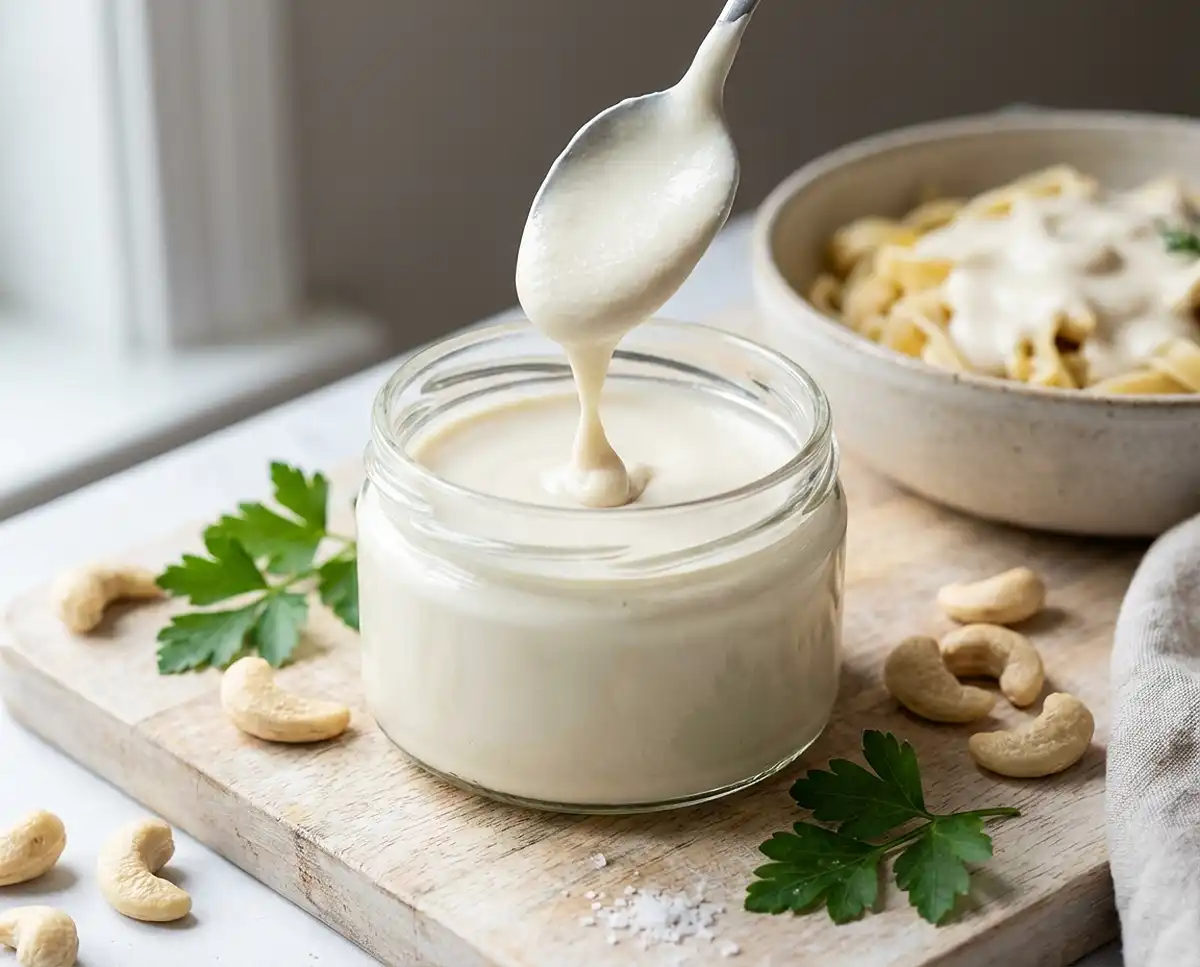
Dairy-Free Cashew Cream Sauce with just 2 ingredients. Silky, rich, and ready in 5 minutes—perfect for pasta, soups, and desserts. Vegan and naturally gluten-free!
Five years ago, I thought giving up dairy meant saying goodbye to creamy Alfredo sauce, velvety soups, and luscious dessert toppings forever. Then I discovered cashew cream, and it honestly changed my entire cooking game.
The first batch I made was gritty and bitter because I didn’t soak the cashews long enough and used a cheap blender—but once I figured out the two-step trick (proper soaking plus a high-powered blender), I had a sauce so smooth and rich it fooled my non-dairy-free family into thinking I’d added heavy cream.
This Dairy-Free Cashew Cream Sauce is about to become your secret weapon in the kitchen. It’s naturally creamy, subtly sweet, and works in everything from gluten-free pasta dishes to coffee drinks, frosting, and even savory gravies. You know how some dairy-free alternatives taste chalky or leave a weird aftertaste? This one is pure, silky magic with just two ingredients and five minutes of active work.
Why You’ll Love This Cashew Cream Sauce
- Two ingredients, endless possibilities: Raw cashews and water blend into a neutral base you can sweeten, season, or spice however you want
- Beginner-friendly with one caveat: If you have a high-powered blender (Vitamix, Blendtec), you’ll get restaurant-smooth results; standard blenders work but may leave slight texture
- Naturally gluten-free and vegan: No hidden additives, stabilizers, or dairy—just pure plant-based creaminess
- Meal prep superstar: Make a big batch on Sunday and use it all week in pasta, soups, smoothies, coffee, or drizzled over desserts like Gluten-Free Strawberry Shortcake Cookies
The Secret to Perfect Dairy-Free Cashew Cream Sauce
Soaking the cashews softens them for ultra-smooth blending. Raw cashews are hard and can taste bitter if you blend them dry—soaking them in hot water for at least two hours (or 30 minutes if you have a Vitamix or similar high-powered blender) breaks down the starches and releases the natural oils that create that luxurious, creamy texture.
Using a high-powered blender is the game-changer. A Vitamix, Blendtec, or similar machine pulverizes the cashews into a completely smooth puree with no grainy bits. If you only have a standard blender, soak the cashews for the full two hours, blend in longer intervals, and strain through a fine-mesh sieve if you want restaurant-quality smoothness.
Starting low and ramping up to high speed emulsifies the mixture. According to trusted plant-based nutrition research from the Academy of Nutrition and Dietetics, cashews contain healthy fats that emulsify naturally when blended at high speeds, creating a thick, pourable cream without any added oils or thickeners. Beginning at low speed prevents air pockets, while high speed incorporates the water fully and creates that glossy, ribbony texture.
The neutral flavor is your blank canvas. Unsweetened cashew cream tastes mildly nutty and slightly sweet—think of it like unflavored heavy cream. Add garlic and nutritional yeast for Alfredo sauce, cinnamon and maple syrup for dessert topping, or chipotle and lime for a spicy drizzle over tacos.
Dairy-Free Cashew Cream Sauce Ingredients
| Ingredient | Amount | Notes |
|---|---|---|
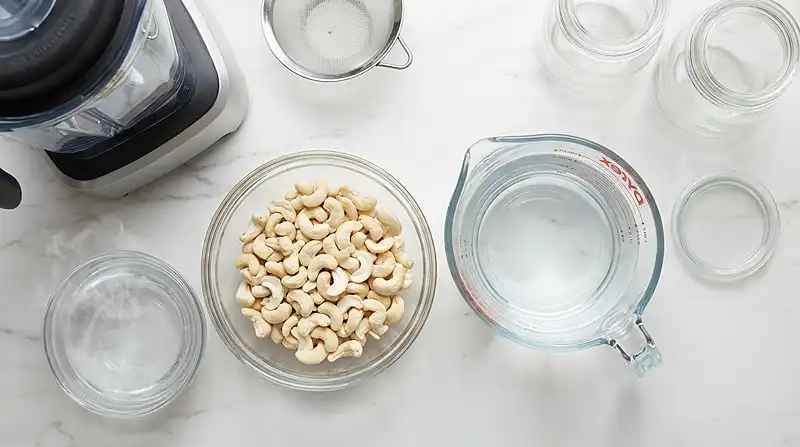
| Raw cashew pieces | 1 cup | Not roasted or salted—look for plain raw cashews |
| Water | 2¾ cups total | 2 cups for soaking, ¾ cup for blending |
Dairy-Free Cashew Cream Sauce Instructions
Step 1: Soak the Cashews
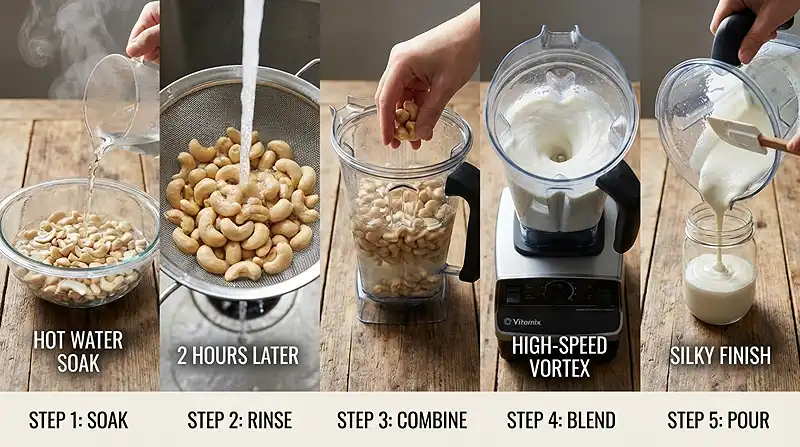
Pour 2 cups hot (not boiling) water over 1 cup raw cashew pieces in a medium bowl. The water should feel like a warm bath—hot enough to speed softening but not so hot it cooks the cashews. Let the bowl rest on the counter for at least 2 hours so the cashews absorb water, swell slightly, and turn pale ivory instead of their original chalky white color. If you have a Vitamix or similar high-powered blender, you can cut the soaking time to 30 minutes since the machine’s power compensates for firmer nuts. If you’re soaking longer than 2 hours (or overnight), cover the bowl and refrigerate to prevent any weird fermentation smells.
Pro Tip: The longer you soak, the creamier the final sauce—I’ve soaked cashews for up to 8 hours in the fridge and gotten results as smooth as silk.
Step 2: Drain and Rinse
After soaking, drain the cashews in a fine-mesh strainer and rinse them under fresh cold water for 10-15 seconds. This step washes away any residual starches or enzymes that were released during soaking and ensures your cream tastes clean and neutral, not slightly funky or bitter.
Step 3: Blend to Silky Perfection
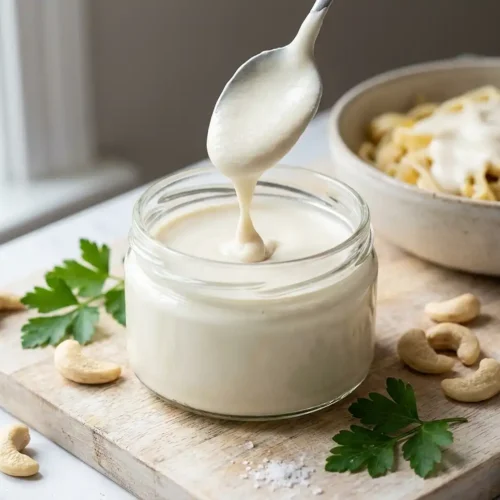
Place the drained cashews and ¾ cup fresh water in your high-speed blender. Secure the lid tightly—cashew cream can be thick and wants to escape if the lid isn’t sealed. Start the blender on the lowest speed setting (usually “1” or “variable low”) and let it run for about 10 seconds to break up the chunks without overheating the motor. Gradually increase to the highest speed (often labeled “10” or “high”) and blend for a full 90 seconds without stopping. The mixture will transform from chunky and grainy to completely smooth and pourable, with a consistency that falls off a spoon in thick ribbons, almost like condensed milk or melted ice cream.
Pro Tip: If your blender struggles or the mixture looks too thick, add water 1 tablespoon at a time through the lid’s pour spout while blending—just don’t add more than 2-3 tablespoons or you’ll dilute the richness.
Step 4: Store and Use
Pour the cashew cream into airtight containers (glass jars or BPA-free plastic work great), scraping down the sides of the blender with a silicone spatula so you don’t waste a drop. The cream will thicken slightly as it cools in the fridge and can be stored for up to 1 week. Give it a good stir or shake before using since the water and fats may separate a bit during storage—this is totally normal and doesn’t affect flavor or texture.
Make It Your Own
Sweeten it for desserts and coffee drinks. Stir in 2-3 tablespoons maple syrup or agave nectar, a teaspoon of vanilla extract, and a pinch of sea salt to create a luscious topping for Gluten-Free Polvorones, fresh berries, or gluten-free pancakes. You can also whip it into frosting by blending in powdered sugar (start with ½ cup) and a squeeze of lemon juice for tang.
Go savory for pasta, soups, and gravies. Well… this is where cashew cream really shines. Blend in 2-3 minced garlic cloves, ¼ cup nutritional yeast, 1 tablespoon lemon juice, and ½ teaspoon each of onion powder and black pepper to make a killer vegan Alfredo sauce. Or add roasted red peppers, smoked paprika, and a pinch of cayenne for a creamy tomato-style sauce that pairs beautifully with gluten-free pasta or as a dip for veggies.
Thin it for drizzles and dressings. Add an extra ¼ to ½ cup water and a splash of apple cider vinegar or lime juice to turn the cream into a pourable dressing for salads, grain bowls, or tacos. I love stirring in fresh herbs like cilantro or basil, a pinch of cumin, and a drizzle of olive oil for a tangy, creamy ranch-style drizzle.
Try other nuts if you have a cashew allergy. Blanched almonds or macadamia nuts work similarly—soak and blend the same way, though almonds will taste slightly more bitter and macadamias will be even richer and fattier. You can also use sunflower seeds for a nut-free version, but soak them for at least 4 hours and expect a slightly earthier flavor.
Common Problems & Solutions
Problem: The cream tastes gritty or chalky.
Solution: You didn’t soak the cashews long enough, or your blender isn’t powerful enough to pulverize them completely. Soak for the full 2 hours (or longer), then blend for at least 90 seconds on high speed. If you still have texture, strain the cream through a fine-mesh sieve or cheesecloth to catch any stubborn bits—it’s an extra step, but it guarantees silkiness.
Problem: The cream is too thick and won’t pour.
Solution: Add water 1 tablespoon at a time while blending until you reach your desired consistency. Cashew cream naturally thickens in the fridge, so if you’re making it ahead, start with a slightly thinner consistency than you think you need—it’ll firm up overnight.
Problem: The cream tastes bitter or “off.”
Solution: You may have used roasted or salted cashews instead of raw ones, or the cashews were rancid. Always buy raw, unsalted cashews from a reputable source and store them in the fridge or freezer to prevent the oils from going bad. Also, make sure you rinsed the soaked cashews thoroughly—leftover soaking water can carry a slightly funky taste.
Problem: The cream separated in the fridge.
Solution: You know what? This is totally normal and not a sign of failure. The natural fats and water in cashews separate over time, just like natural peanut butter. Give the container a good shake or whisk the cream for 10-15 seconds before using, and it’ll come back together perfectly smooth.
Storage & Meal Prep
| Method | Duration | Notes |
|---|---|---|
| Counter | 2 hours max | Only if using immediately in a hot dish |
| Fridge | 5-7 days | Airtight container; stir before using |
| Freezer | 2-3 months | Freeze in ice cube trays, thaw as needed |
Reheat gently if using in hot dishes—add the cashew cream to warm pasta, soups, or sauces at the very end of cooking and stir over low heat for 1-2 minutes. High heat can cause the cream to break or curdle slightly, so keep it gentle and add it off the heat if possible.
Freeze in portions for easy meal prep. Pour the cream into silicone ice cube trays, freeze until solid, then pop the cubes into a freezer bag. Each cube is about 2 tablespoons, perfect for adding to single servings of pasta, coffee, or oatmeal. Thaw overnight in the fridge or add frozen cubes directly to hot dishes.
Dairy-Free Cashew Cream Sauce FAQs
Can I make this without a high-powered blender?
Yes, but expect a slightly grainier texture. Soak the cashews for the full 2 hours (or even longer—up to 8 hours in the fridge), then blend in 30-second intervals, scraping down the sides between each round. Strain the finished cream through a fine-mesh sieve or nut milk bag to remove any stubborn bits. It won’t be quite as silky as a Vitamix version, but it’ll still be creamy and usable.
Is this cashew cream sauce truly gluten-free?
Absolutely—cashews and water are naturally gluten-free. Just double-check your cashew packaging to ensure they weren’t processed in a facility that handles wheat, barley, or rye if you have celiac disease. Most major brands (like Trader Joe’s, Whole Foods 365, and Bob’s Red Mill) label their raw cashews as gluten-free, but always verify if you’re highly sensitive.
How do I know when the cream is blended enough?
The texture should be completely smooth with no visible cashew specks. Run your finger along the inside of the blender jar—if it feels silky and uniform, you’re done. If you see or feel any graininess, blend for another 30 seconds. Man, oh man, the difference between 60 seconds and 90 seconds of blending is huge—that extra half-minute takes you from “okay” to “restaurant-quality.”
Can I use roasted or salted cashews?
Not recommended—they’ll change the flavor and color. Roasted cashews have a deeper, toasted flavor that can taste burnt or bitter when blended into a sauce, and salted cashews will make your cream way too salty to use in both sweet and savory dishes. Stick with raw, unsalted cashews for the most neutral, versatile base.
What’s the best way to use cashew cream in pasta dishes?
Add it at the end and toss gently off the heat. Cook your gluten-free pasta according to package directions, reserve ½ cup pasta water, then drain. Return the hot pasta to the pot (off the burner), add ½ to ¾ cup cashew cream and a splash of pasta water, and toss until the noodles are coated in a silky, glossy sauce. Stir in garlic, nutritional yeast, salt, and pepper for a quick vegan Alfredo that rivals any dairy version.
Serving Suggestions
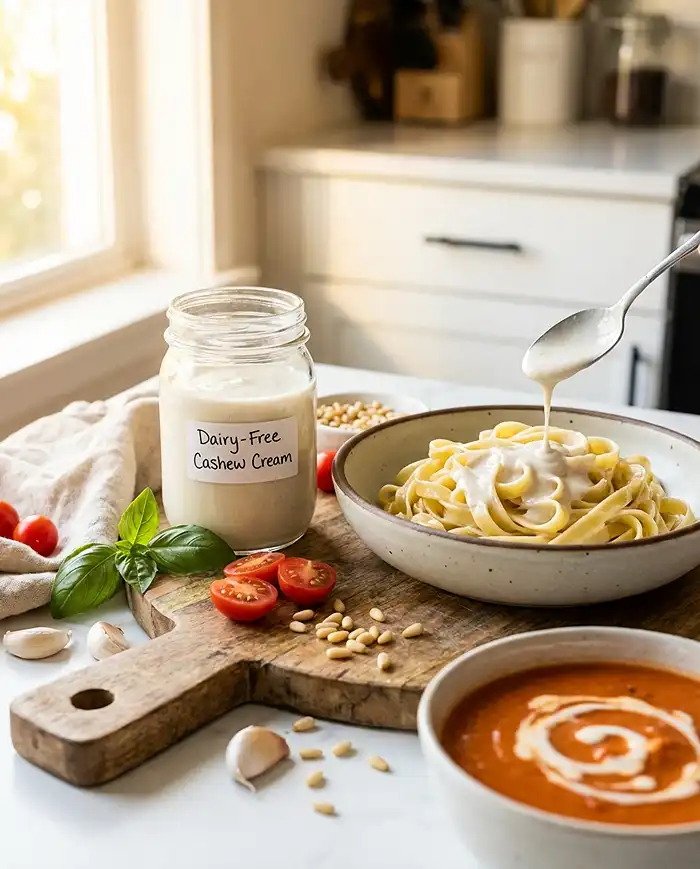
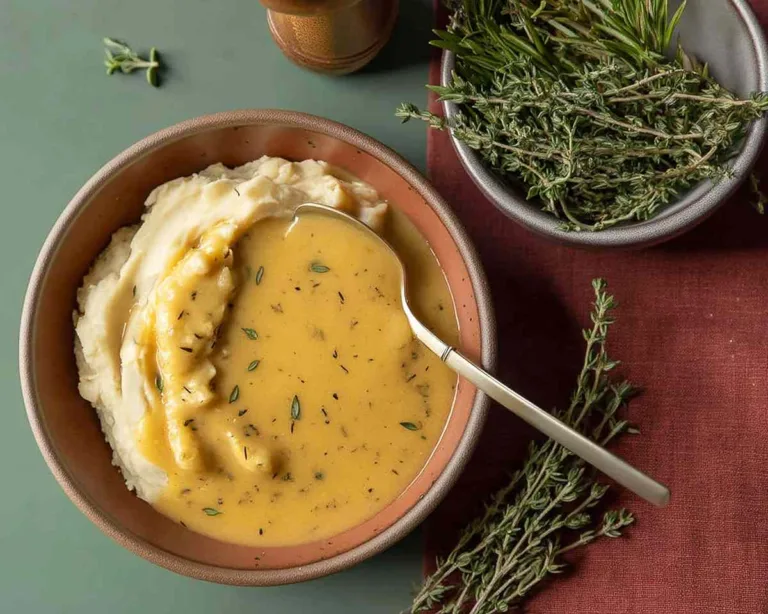
Drizzle this Dairy-Free Cashew Cream Sauce over gluten-free pasta, roasted vegetables, baked potatoes, or grain bowls for an instant upgrade. It’s my go-to topping for Thanksgiving mashed potatoes—guests always ask what makes them so creamy, and they’re shocked when I tell them it’s cashews, not butter or cream. Stir it into soups like butternut squash or tomato basil for velvety richness, or blend it with fresh herbs and lemon juice for a bright, tangy sauce to drizzle over grilled chicken or fish.
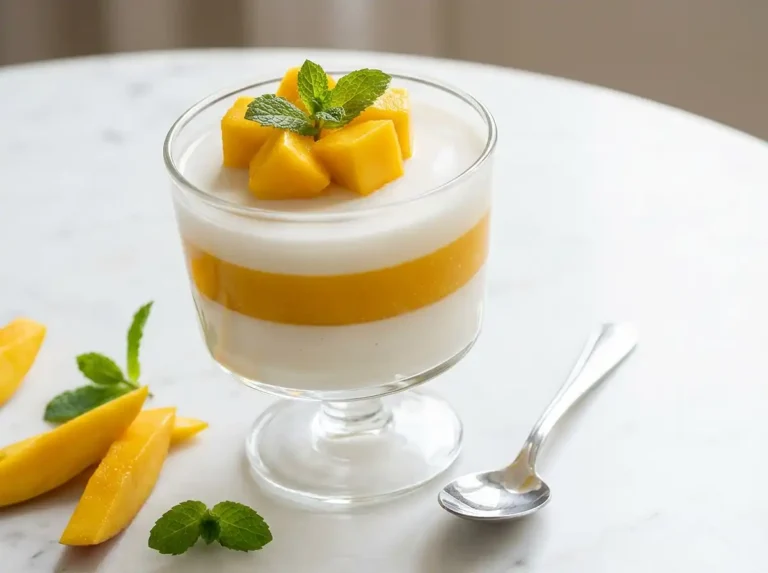
For dessert, sweeten the cream with maple syrup and vanilla, then spoon it over Gluten-Free Strawberry Shortcake Cookies or fresh fruit. You can also stir it into Gluten-Free Mexican Hot Chocolate for an extra-decadent, dairy-free treat, or whip it into frosting for cakes and cupcakes.
Give this Dairy-Free Cashew Cream Sauce a try this week and discover how one simple recipe can transform your entire gluten-free, dairy-free cooking routine. If you come up with a creative way to use it—or if you have questions about blending, storing, or flavoring—drop a comment below! Pin this recipe on Pinterest so you never lose it, and don’t forget to rate it if it becomes your new kitchen staple.
Dairy-Free Cashew Cream Sauce
Equipment
- High-powered blender (Vitamix, Blendtec, or similar)
- Medium mixing bowl
- Fine mesh strainer
- Silicone spatula
- Airtight storage containers
- Measuring cups
Ingredients
- 1 cup raw cashew pieces not roasted or salted—plain raw cashews only
- 2¾ cups water divided: 2 cups for soaking, ¾ cup for blending
Instructions
- Step 1: Soak the Cashews
Pour 2 cups hot (not boiling) water over 1 cup raw cashew pieces in a medium bowl. The water should feel like a warm bath—hot enough to speed softening but not so hot it cooks the cashews. Let the bowl rest on the counter for at least 2 hours so the cashews absorb water, swell slightly, and turn pale ivory instead of their original chalky white color. If you have a Vitamix or similar high-powered blender, you can cut the soaking time to 30 minutes since the machine’s power compensates for firmer nuts. If you’re soaking longer than 2 hours (or overnight), cover the bowl and refrigerate to prevent any weird fermentation smells.
Pro Tip: The longer you soak, the creamier the final sauce—soaking cashews for up to 8 hours in the fridge yields results as smooth as silk. - Step 2: Drain and Rinse
After soaking, drain the cashews in a fine-mesh strainer and rinse them under fresh cold water for 10-15 seconds. This step washes away any residual starches or enzymes that were released during soaking and ensures your cream tastes clean and neutral, not slightly funky or bitter. - Step 3: Blend to Silky Perfection
Place the drained cashews and ¾ cup fresh water in your high-speed blender. Secure the lid tightly—cashew cream can be thick and wants to escape if the lid isn’t sealed. Start the blender on the lowest speed setting (usually “1” or “variable low”) and let it run for about 10 seconds to break up the chunks without overheating the motor. Gradually increase to the highest speed (often labeled “10” or “high”) and blend for a full 90 seconds without stopping. The mixture will transform from chunky and grainy to completely smooth and pourable, with a consistency that falls off a spoon in thick ribbons, almost like condensed milk or melted ice cream.
Pro Tip: If your blender struggles or the mixture looks too thick, add water 1 tablespoon at a time through the lid’s pour spout while blending—just don’t add more than 2-3 tablespoons or you’ll dilute the richness. - Step 4: Store and Use
Pour the cashew cream into airtight containers (glass jars or BPA-free plastic work great), scraping down the sides of the blender with a silicone spatula so you don’t waste a drop. The cream will thicken slightly as it cools in the fridge and can be stored for up to 1 week. Give it a good stir or shake before using since the water and fats may separate a bit during storage—this is totally normal and doesn’t affect flavor or texture.