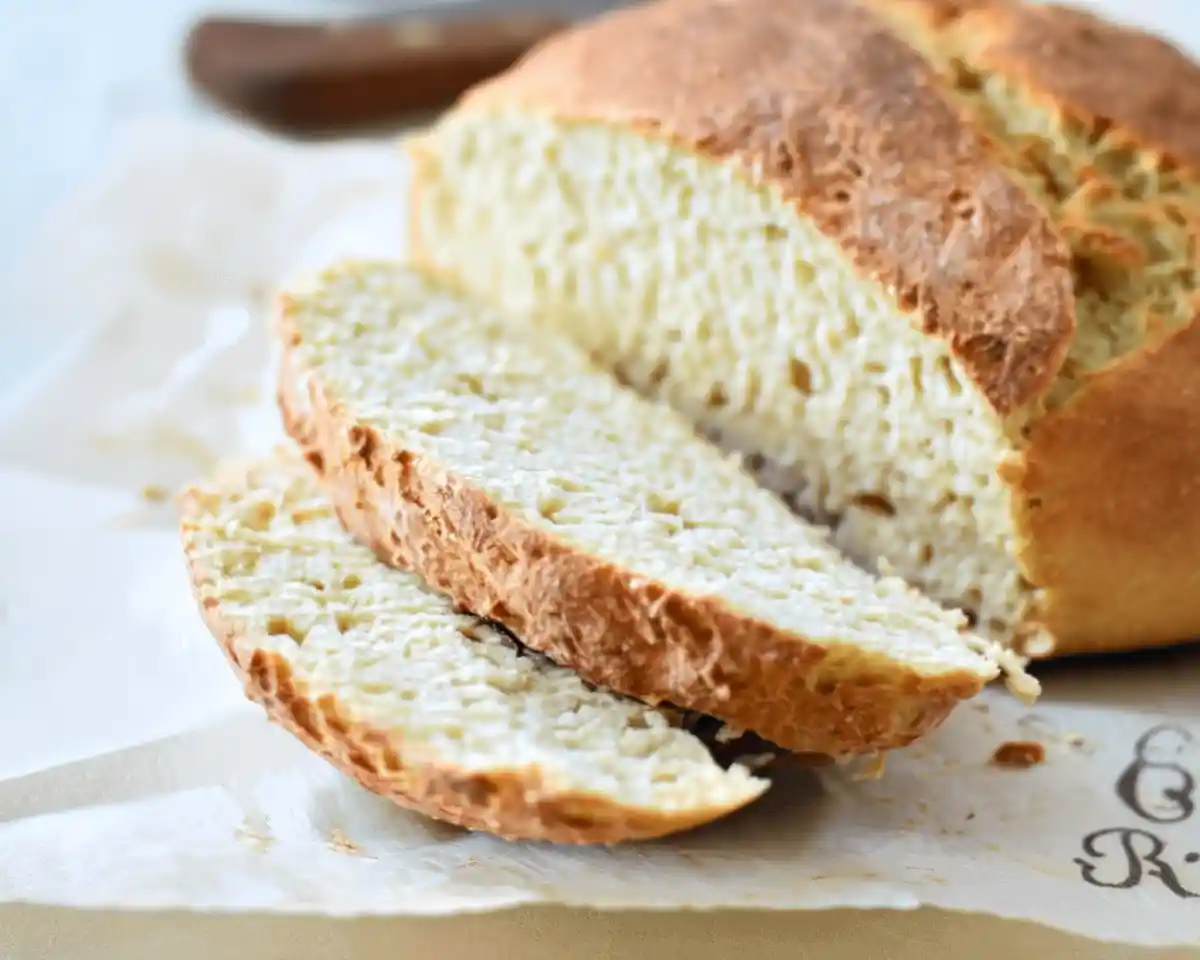
Easy Gluten Free Artisan Bread
Easy Gluten Free Artisan Bread recipe with a crusty golden exterior and soft interior. Simple ingredients, Dutch oven method, perfect for beginners.
You know what I missed most after going gluten-free? That moment when you tear into a warm loaf of crusty bread and hear that perfect crackle. For the longest time, I thought those days were behind me—until I discovered this Easy Gluten Free Artisan Bread recipe that changed everything.
Here’s the beautiful truth: you don’t need fancy equipment or professional skills to bake a gorgeous gf artisan bread recipe right in your own kitchen. With just a Dutch oven and some basic ingredients, you’ll create a gluten free rustic bread recipe that rivals anything from a bakery.
This gluten free crusty bread Dutch oven method produces a golden, crackly exterior that gives way to a tender, airy interior. It’s the kind of bread that makes your house smell like a European bakery and impresses everyone at the dinner table—even those who don’t need to eat gluten-free.
Table of Contents
Easy Gluten Free Artisan Bread
Equipment
- Dutch oven
- Large mixing bowl
- Whisk
- Wooden spoon
- Parchment paper
- Wire cooling rack
- Sharp knife or bread lame
Ingredients
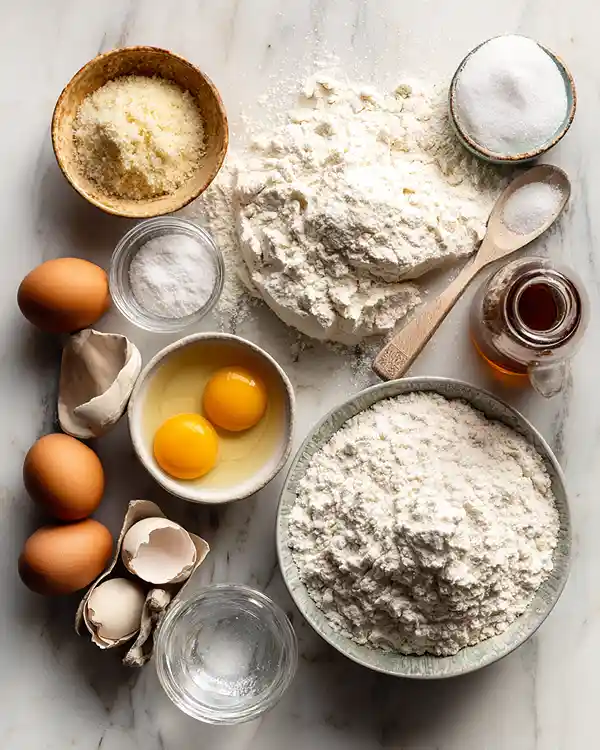
- 3 ½ cups gluten free all-purpose flour Use a quality blend for best results
- 1 packet active dry yeast About 2 ¼ teaspoons
- 1 tablespoon xanthan gum Only 2 teaspoons if your flour blend already contains xanthan gum
- 2 teaspoons salt Enhances flavor
- 1 tablespoon sugar Feeds the yeast
- 1 ½ teaspoons baking powder Adds extra lift
- 2 large eggs Room temperature works best
- 1 ½ teaspoons apple cider vinegar Helps with texture
- 1 ⅔ cups warm water About 110°F
Instructions
- In a bowl, whisk together the warm water, yeast, and sugar until everything dissolves nicely. Set this mixture aside for about 10 minutes—you’ll see it get foamy and bubbly, which means your yeast is alive and ready to work its magic. This is called “proofing” the yeast, and it’s a crucial step for achieving that beautiful rise.
- In a large bowl, combine the flour, salt, baking powder, yeasted water, xanthan gum, vinegar, and eggs. I typically use a sturdy wooden spoon to bring everything together, but feel free to dive in with your hands if that feels more natural to you. Important reminder: if you’re using a flour blend that already has xanthan gum in it, only add 2 teaspoons instead of the full tablespoon.
- Cover the dough with a clean kitchen towel and let it rest on your counter for approximately 50 minutes. Here’s where gluten-free bread behaves differently than traditional wheat bread—this dough won’t double in size like you might expect, and that’s perfectly normal. It’ll relax and develop flavor during this resting period.
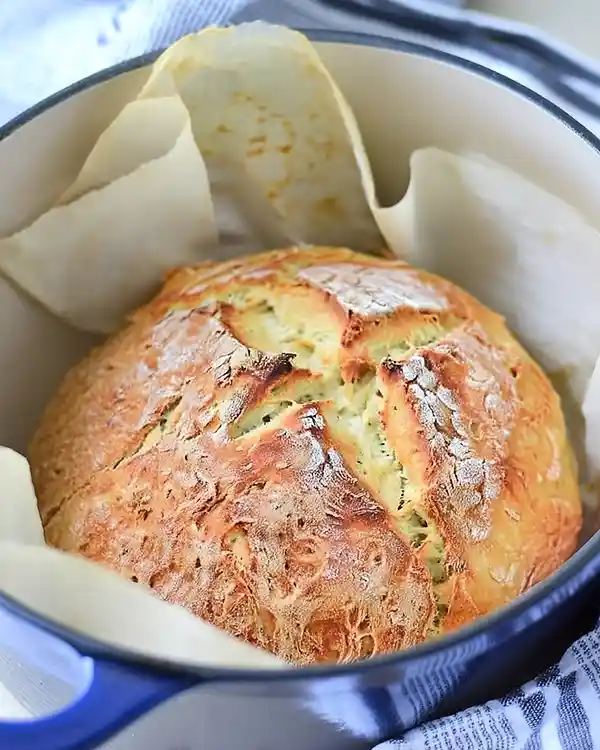
- Preheat your oven to 450 degrees Fahrenheit. Place your Dutch oven (with the lid on) into the oven as it heats up—this creates that perfect steamy environment that gives you a crispy, crackly crust.
- While the oven heats, place a piece of parchment paper on your counter and dust it lightly with gluten free flour. Gently scrape your dough out of the bowl onto the parchment paper. Use the edges of the paper itself to help shape the dough into a rounded ball—this little trick keeps your hands from getting too sticky. Slice a couple of small cuts on the top of your dough using a sharp knife or bread lame.
- Carefully remove the hot Dutch oven from your oven (use good oven mitts—it’s seriously hot!). Lift the dough by the parchment paper edges and lower it directly into the Dutch oven, paper and all.
- Bake covered for 45 minutes, then remove the lid and bake for an additional 5 minutes uncovered. That final uncovered time deepens the golden color and makes the crust extra crispy.
- Remove the bread from the oven and transfer it to a wire rack. Let it cool completely before slicing—I know it’s tempting to cut into it right away, but gluten-free bread needs this cooling time to set its structure properly.
Notes
Ingredients
| Ingredient | Amount | Notes |
|---|---|---|
| Gluten free all-purpose flour | 3 ½ cups | Use a quality blend for best results |
| Active dry yeast | 1 packet | About 2 ¼ teaspoons |
| Xanthan gum | 1 tablespoon | **Only 2 teaspoons if your flour blend already contains xanthan gum |
| Salt | 2 teaspoons | Enhances flavor |
| Sugar | 1 tablespoon | Feeds the yeast |
| Baking powder | 1 ½ teaspoons | Adds extra lift |
| Eggs | 2 large | Room temperature works best |
| Apple cider vinegar | 1 ½ teaspoons | Helps with texture |
| Warm water | 1 ⅔ cups | About 110°F |
Instructions
Step 1: In a bowl, whisk together the warm water, yeast, and sugar until everything dissolves nicely. Set this mixture aside for about 10 minutes—you’ll see it get foamy and bubbly, which means your yeast is alive and ready to work its magic. This is called “proofing” the yeast, and it’s a crucial step for achieving that beautiful rise.
Step 2: In a large bowl, combine the flour, salt, baking powder, yeasted water, xanthan gum, vinegar, and eggs. I typically use a sturdy wooden spoon to bring everything together, but feel free to dive in with your hands if that feels more natural to you. **Important reminder: if you’re using a flour blend that already has xanthan gum in it, only add 2 teaspoons instead of the full tablespoon.
Step 3: Cover the dough with a clean kitchen towel and let it rest on your counter for approximately 50 minutes. Here’s where gluten-free bread behaves differently than traditional wheat bread—this dough won’t double in size like you might expect, and that’s perfectly normal. It’ll relax and develop flavor during this resting period.
Step 4: Preheat your oven to 450 degrees Fahrenheit. Place your Dutch oven (with the lid on) into the oven as it heats up—this creates that perfect steamy environment that gives you a crispy, crackly crust.
Step 5: While the oven heats, place a piece of parchment paper on your counter and dust it lightly with gluten free flour. Gently scrape your dough out of the bowl onto the parchment paper. Use the edges of the paper itself to help shape the dough into a rounded ball—this little trick keeps your hands from getting too sticky. Slice a couple of small cuts on the top of your dough using a sharp knife or bread lame.
Step 6: Carefully remove the hot Dutch oven from your oven (use good oven mitts—it’s seriously hot!). Lift the dough by the parchment paper edges and lower it directly into the Dutch oven, paper and all.
Step 7: Bake covered for 45 minutes, then remove the lid and bake for an additional 5 minutes uncovered. That final uncovered time deepens the golden color and makes the crust extra crispy.
Step 8: Remove the bread from the oven and transfer it to a wire rack. Let it cool completely before slicing—I know it’s tempting to cut into it right away, but gluten-free bread needs this cooling time to set its structure properly.
Substitutions
Flour Blend: Any quality gluten free all-purpose flour blend works beautifully in this gf artisan bread recipe. I’ve had great success with brands like Bob’s Red Mill 1-to-1 and King Arthur Measure for Measure. Just make sure your blend contains a mix of flours (rice, potato starch, tapioca) rather than a single flour for the best texture.
Eggs: If you need to make this dairy-free (well, it already is!) or egg-free, you can substitute each egg with a flax egg (1 tablespoon ground flaxseed mixed with 3 tablespoons water, let sit 5 minutes). The texture will be slightly denser but still delicious.
Apple Cider Vinegar: White vinegar or lemon juice work equally well in this gluten free rustic bread recipe. The acid helps create a better crumb structure and adds a subtle tang that mimics traditional sourdough.
Sugar: Honey or maple syrup can replace the sugar in equal amounts. The yeast will happily feed on natural sugars, and you’ll get a slightly more complex flavor profile.
Troubleshooting
Dough seems too wet or sticky: Gluten-free dough naturally has a different consistency than wheat-based dough—it’s more like thick cake batter than traditional bread dough. If it seems pourable, add flour one tablespoon at a time until it holds a shape. You want it sticky but not soupy.
Bread is dense or gummy inside: This usually means the bread needed more baking time or wasn’t cooled long enough. Gluten free crusty bread Dutch oven recipes require that full cooling period for the interior to set properly. Next time, you can also try baking an additional 5 minutes with the lid off.
Crust is too hard: If your crust comes out rock-hard rather than pleasantly crispy, reduce your oven temperature by 25 degrees next time. Every oven runs a bit differently, and gluten-free bread can go from golden to overdone quickly.
No oven spring or rise: Make sure your yeast is fresh and your water temperature is correct—too hot kills the yeast, too cold won’t activate it. According to research on gluten-free baking techniques, proper yeast activation is even more critical in gluten-free recipes since we’re relying on other methods to create structure.
Storage & Meal Prep
Store your cooled Easy Gluten Free Artisan Bread in an airtight container or resealable bag at room temperature for up to 3 days. The crust will soften a bit, but you can revive it by popping slices in a toaster or warming the whole loaf in a 350°F oven for 5-10 minutes.
For longer storage, slice the bread and freeze individual slices with parchment paper between them. They’ll keep for up to 3 months and toast beautifully straight from frozen—perfect for busy weekday mornings. This makes meal prep so much easier when you’ve got fresh bread ready to go.
Serving Suggestions
Man, oh man, this bread shines in so many ways! Serve it warm with a generous smear of butter and a drizzle of honey for a simple, comforting treat. The crusty exterior and soft interior make it perfect for dunking into soups or mopping up pasta sauce.
Toast thick slices for the ultimate gluten-free avocado toast, or use it as the base for open-faced sandwiches topped with your favorite proteins and veggies. During Thanksgiving, this gf artisan bread recipe becomes my go-to for soaking up gravy and complementing all those holiday flavors.
Variations
Herb & Garlic Version: Fold in 2 tablespoons of mixed dried herbs (rosemary, thyme, oregano) and 2 cloves of minced garlic into the dough before the resting period. This creates a savory gluten free rustic bread recipe that’s incredible alongside Italian dishes.
Seeded Crust: Before baking, brush the top of your shaped dough with a little olive oil and sprinkle with sesame seeds, poppy seeds, or everything bagel seasoning. The seeds toast beautifully and add wonderful texture and flavor.
Smaller Loaves: Divide the dough in half and bake two smaller rounds in the Dutch oven one at a time (reduce baking time to 30 minutes covered, 5 minutes uncovered). Perfect for portion control or gifting!
Kid-Friendly Sweet Version: Add an extra tablespoon of sugar and fold in ½ cup of raisins or dried cranberries. Kids love the slightly sweet flavor, and it makes fantastic breakfast toast with cream cheese.
Easy Gluten Free Artisan Bread FAQs
Can I make this without a Dutch oven?
You can bake this gluten free crusty bread Dutch oven recipe on a regular baking sheet, but you’ll need to create steam another way. Place a shallow pan of water on the bottom oven rack while baking, and the results will be pretty close to the Dutch oven method.
How do I know when the bread is fully baked?
The loaf should be deeply golden brown and sound hollow when you tap the bottom. If you have an instant-read thermometer, the internal temperature should register around 205-210°F for perfectly baked bread.
What’s the best gluten free flour for this recipe?
Any all-purpose gluten free flour blend that contains xanthan gum or a similar binder works wonderfully. I’ve tested this Easy Gluten Free Artisan Bread with multiple brands, and they all produce a beautiful loaf as long as you follow the xanthan gum adjustment note.
Why doesn’t my gluten-free dough rise like regular bread?
Gluten-free dough behaves differently because it lacks the gluten protein that creates elasticity in traditional bread. The dough will relax and spread slightly rather than puffing up dramatically, and that’s exactly what should happen according to expert guidance on gluten-free bread science. You’re still getting a lovely, airy texture inside!
Best way to get a crispier crust?
Keep that Dutch oven lid on for the full 45 minutes—the trapped steam is what creates that bakery-style crispy exterior. You can also increase the uncovered baking time to 7-10 minutes for an even crunchier crust.
Can I add mix-ins to this dough?
Absolutely! Fold in dried herbs, cheese, olives, or sun-dried tomatoes after mixing the dough but before the resting period. Just keep add-ins to about ¾ cup total so they don’t interfere with the structure.
Want to explore more gluten-free baking magic? Check out our festive gluten-free gingerdoodle cookies for a sweet treat that pairs perfectly with your homemade bread, or try our delicate gluten-free spritz cookies for an elegant holiday dessert. And if you’re looking for another simple recipe that’s perfect for beginners, our classic gluten-free thumbprint cookies are always a hit with families.
There’s something incredibly satisfying about pulling a gorgeous, crusty loaf from your oven and knowing you made it yourself. This Easy Gluten Free Artisan Bread proves that gluten-free baking doesn’t have to be complicated or intimidating—it just needs a little love and the right technique. Happy baking!