
Garlic Flatbread
Learn how to make easy homemade garlic flatbread at home—a soft, pillowy bread recipe perfect for busy families. Ready in just 30 minutes, no fancy equipment needed!
There’s something genuinely magical about pulling warm, butter-brushed garlic flatbread straight from the skillet—and the smell? Pure nostalgia in your kitchen. I started making this easy homemade garlic flatbread recipe when I realized how expensive store-bought versions were, and honestly, homemade bread recipes are way easier than most people think.
What makes this garlic flatbread so approachable is that it comes together in about thirty minutes total, which means you can have fresh, warm bread on your table faster than delivery. Well, I’ve tested this with friends who swore they couldn’t bake, and every single one nailed it on the first try.
If you’ve been intimidated by bread recipes or felt overwhelmed by the idea of homemade bread, this easy bread recipe is your sign to give it a shot.
Table of Contents

Garlic Flatbread
Equipment
- Large mixing bowl
- Skillet or griddle
- Floured surface
- Kitchen towel
- Measuring cups and spoons
Ingredients
Base Dough
- ½ cup warm water helps activate the yeast
- 2 tsp instant yeast active dry yeast works too
- 1 tsp sugar feeds the yeast
- 3 tbsp olive oil adds richness and flavor
- ¼ cup plain yogurt creates tender, soft texture
- 1 egg helps bind and add richness
- ½ tsp salt enhances flavor
- 2½–3 cups all-purpose flour add gradually as needed
Topping
- 2 tbsp melted butter for brushing the finished flatbread
- 2 tsp minced garlic optional; mix into butter for extra flavor
Instructions
- In a large bowl, combine the warm water, instant yeast, and sugar, then let it sit for about five minutes until it becomes bubbly and aromatic. This bubbly mixture is your confirmation that the yeast is alive and ready to work its magic. You’ll know it’s working when you see that characteristic foam on top.
- Add the olive oil, yogurt, egg, salt, and two cups of flour to the yeast mixture, then stir until everything is smooth and well-combined. The yogurt is the secret here—it makes this easy bread recipe incredibly tender and soft. Don’t worry if it looks a bit sticky at this stage; that’s exactly what you want.
- Gradually add more flour, a little at a time, until a soft dough forms that pulls away from the bowl’s sides. Transfer your dough to a floured surface and knead gently a few times until it feels smooth and slightly elastic. You’re not aiming for a tough workout here—just enough to bring everything together into one cohesive, lovely dough.
- Place your dough in a greased bowl, cover it with a clean kitchen towel, and let it rise in a warm, undisturbed spot until it roughly doubles in size—usually about 20-30 minutes. This rise time is crucial for developing flavor and creating that pillowy texture you’re after. You’ll feel so proud watching it grow.
- Preheat your skillet to medium heat while your dough finishes rising. A non-stick or cast-iron skillet works beautifully for this homemade flatbread recipe. You want the pan nice and hot but not smoking—think medium warmth that makes you feel safe and confident.
- Divide the dough into eight equal pieces, then roll each piece into a circle about six inches in diameter on a floured surface. Add a little oil or non-stick spray to the skillet, then cook each dough circle for two to three minutes or until the bottom develops golden brown spots and starts to bubble slightly. The bubbly texture that forms is absolutely beautiful and means everything’s cooking perfectly.
- Flip each flatbread carefully and cook the other side for another two to three minutes until it matches the gorgeous golden color of the first side. You’ll notice the flatbread puffing up slightly—that’s the magic of steam creating air pockets inside. Remove each one to a plate as it finishes cooking.
- Brush the warm top side of each flatbread generously with melted butter, and if you’re going the garlic route, mix your minced garlic right into the melted butter before brushing. The warmth of the bread will release all those amazing garlic aromas, making your kitchen smell absolutely incredible. This is the step that transforms good flatbread into restaurant-quality garlic flatbread.
Notes
Ingredients
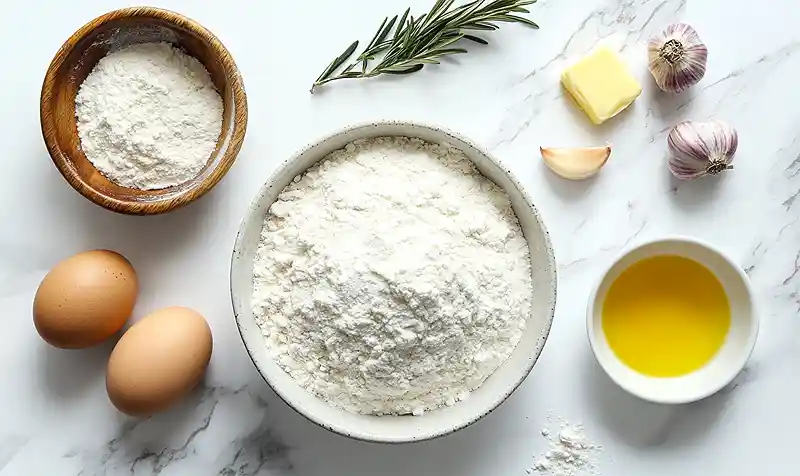
| Ingredient | Amount | Notes |
|---|---|---|
| Warm water | ½ cup | Helps activate the yeast |
| Instant yeast | 2 tsp | Active dry yeast works too |
| Sugar | 1 tsp | Feeds the yeast |
| Olive oil | 3 tbsp | Adds richness and flavor |
| Plain yogurt | ¼ cup | Creates tender, soft texture |
| Egg | 1 | Helps bind and add richness |
| Salt | ½ tsp | Enhances flavor |
| All-purpose flour | 2½–3 cups | Add gradually as needed |
| Melted butter | 2 tbsp | For brushing the finished flatbread |
| Minced garlic | 2 tsp | Optional; mix into butter for extra flavor |
Instructions
Step 1: Activate your yeast mixture
In a large bowl, combine the warm water, instant yeast, and sugar, then let it sit for about five minutes until it becomes bubbly and aromatic. This bubbly mixture is your confirmation that the yeast is alive and ready to work its magic. You’ll know it’s working when you see that characteristic foam on top.
Step 2: Build your dough base
Add the olive oil, yogurt, egg, salt, and two cups of flour to the yeast mixture, then stir until everything is smooth and well-combined. The yogurt is the secret here—it makes this easy bread recipe incredibly tender and soft. Don’t worry if it looks a bit sticky at this stage; that’s exactly what you want.
Step 3: Knead and develop the dough
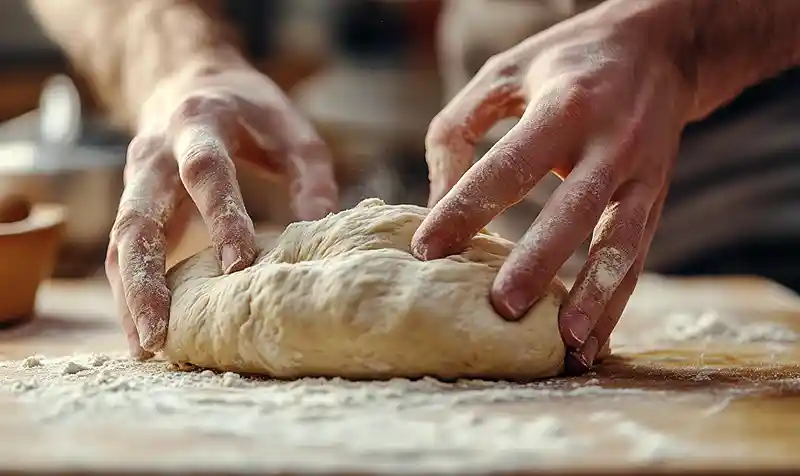
Gradually add more flour, a little at a time, until a soft dough forms that pulls away from the bowl’s sides. Transfer your dough to a floured surface and knead gently a few times until it feels smooth and slightly elastic. You’re not aiming for a tough workout here—just enough to bring everything together into one cohesive, lovely dough.
Step 4: Let it rise with patience
Place your dough in a greased bowl, cover it with a clean kitchen towel, and let it rise in a warm, undisturbed spot until it roughly doubles in size—usually about 20-30 minutes. This rise time is crucial for developing flavor and creating that pillowy texture you’re after. You’ll feel so proud watching it grow.
Step 5: Heat your skillet
Preheat your skillet to medium heat while your dough finishes rising. A non-stick or cast-iron skillet works beautifully for this homemade flatbread recipe. You want the pan nice and hot but not smoking—think medium warmth that makes you feel safe and confident.
Step 6: Shape and cook your flatbread
Divide the dough into eight equal pieces, then roll each piece into a circle about six inches in diameter on a floured surface. Add a little oil or non-stick spray to the skillet, then cook each dough circle for two to three minutes or until the bottom develops golden brown spots and starts to bubble slightly. The bubbly texture that forms is absolutely beautiful and means everything’s cooking perfectly.
Step 7: Finish and flip
Flip each flatbread carefully and cook the other side for another two to three minutes until it matches the gorgeous golden color of the first side. You’ll notice the flatbread puffing up slightly—that’s the magic of steam creating air pockets inside. Remove each one to a plate as it finishes cooking.
Step 8: Brush with garlic butter
Brush the warm top side of each flatbread generously with melted butter, and if you’re going the garlic route, mix your minced garlic right into the melted butter before brushing. The warmth of the bread will release all those amazing garlic aromas, making your kitchen smell absolutely incredible. This is the step that transforms good flatbread into restaurant-quality garlic flatbread.
Substitutions for Your Bread Recipes Sweet
No plain yogurt for your easy bread recipe?
Greek yogurt works perfectly—just use a bit less since it’s thicker than regular yogurt. Sour cream is another wonderful substitute that creates equally tender results in your homemade bread recipes. Both add that same lovely tang and tenderness this garlic flatbread is known for.
Want to skip the egg in your flatbread recipes?
Simply use an extra tablespoon of yogurt or olive oil to keep the dough moist and rich. This substitution works beautifully and your easy bread recipe will turn out just as soft and delicious. The texture might be ever so slightly less tender, but honestly, you’ll barely notice the difference.
Don’t have instant yeast on hand?
Active dry yeast works just as well—use the same amount and just give it a couple extra minutes to become bubbly. Some people swear by bread machine yeast too, though you might need to bloom it slightly longer. Your homemade flatbread recipes are flexible like that.
Looking for herb variations instead of garlic?
Fresh rosemary, dried oregano, or Italian seasoning mixed into the butter is absolutely delicious. You could even create a everything bagel seasoning flatbread by topping with sesame seeds, poppy seeds, and minced onion before cooking. Herb-infused flatbread recipes offer endless possibilities.
If you loved this simple flatbread, you might also enjoy exploring our easy dairy-free bread options or diving into beginner-friendly sandwich bread tutorials on GrainlessLife. You’ve got this, and your kitchen is about to smell absolutely amazing.
Troubleshooting Tips
Your dough is too sticky and won’t come together?
Add flour a tablespoon at a time until you reach the right consistency—this is totally normal and happens because every kitchen is different. Don’t get frustrated; this is just you learning how your ingredients behave. Sticky dough can still make wonderful homemade bread recipes.
The yeast didn’t bubble in step one?
Your water might have been too hot (over 120°F kills yeast) or too cold (under 100°F won’t activate it). Test the temperature with your wrist—it should feel pleasantly warm, like a baby’s bathwater. Starting over with the right temperature is worth it for success.
Your flatbread is coming out dense instead of pillowy?
This usually means either the dough didn’t rise long enough or your skillet temperature was too high. Make sure you’re giving it a full 20-30 minute rise and that your medium heat isn’t creeping toward medium-high. Man, oh man, patience really does pay off with bread.
The edges are browning too quickly but the center isn’t cooked?
Lower your skillet temperature slightly and give each side an extra minute of cooking time. You want a gentle cook that heats the dough through without rushing the process. Everyone’s stovetop is different, so adjusting heat is totally part of the homemade bread recipe learning experience.
Storage & Meal Prep Strategy
Store your finished garlic flatbread in an airtight container at room temperature for up to two days, or wrap it tightly and refrigerate for up to four days. You can also freeze cooked flatbread for up to three months—just thaw at room temperature and warm briefly in a skillet before serving. This easy bread recipe is incredibly freezer-friendly.
For meal prep, you can actually prepare the dough ahead and refrigerate it overnight, then cook the flatbreads fresh the next day. Bring the dough to room temperature for about ten minutes before shaping and cooking. This make-ahead approach means you can have fresh homemade flatbread recipes ready whenever you need them without starting from scratch.
Serving Suggestions & Pairings
Serve your warm garlic flatbread alongside soups, stews, or curries for dipping into rich, flavorful sauces. It’s also perfect as a side with roasted vegetables or grilled proteins—honestly, this easy homemade bread recipe goes with almost everything. We love using it to wrap roasted vegetables for quick wraps.
This flatbread makes an appearance at our family dinners, especially around holiday gatherings when you want something homemade without the stress. You could even cut it into strips and use it for sharing appetizers at parties. The possibilities for serving this versatile homemade flatbread recipes are genuinely endless.
Variations to Make It Your Own
Cheesy garlic flatbread version:
Sprinkle grated cheddar, mozzarella, or feta cheese over the top right before flipping, then brush with garlic butter as usual. The cheese melts beautifully into the flatbread and creates those crispy, golden edges that are absolutely irresistible. This cheesy variation transforms your easy bread recipe into something extra special.
Za’atar spiced flatbread variation:
Mix za’atar seasoning into your melted butter or sprinkle it directly onto the cooked flatbread for a Mediterranean twist. You know, this herbaceous, tangy seasoning creates an entirely different flavor profile that makes this flatbread recipes feel like something from a fancy restaurant. It’s surprisingly simple but tastes impressively sophisticated.
Stuffed flatbread for a heartier meal:
Roll a smaller, thinner circle of dough, add your filling (like spinach, feta, or caramelized onions) in the center, fold it up, and seal it before cooking. This transforms your easy homemade flatbread recipes into a more substantial meal that works for lunch or dinner. The filling stays warm and delicious inside the soft bread.
Kid-friendly plain flatbread:
Skip the garlic butter entirely and let the kids brush theirs with just plain melted butter or even honey if they prefer something sweeter. Kids are way more likely to eat something they helped make, and this simple version is perfect for little hands to shape and brush. Plus, you can keep it plain for picky eaters while you enjoy the garlic version.
FAQs About Garlic Flatbread
Can you make this garlic flatbread ahead of time?
Yes—you can prepare the dough up to 24 hours in advance and refrigerate it. Just let it come to room temperature for about ten minutes before shaping and cooking your homemade flatbread recipes. This make-ahead flexibility makes this easy bread recipe perfect for busy families.
How do you keep flatbread soft and warm?
Stack your finished flatbreads in a clean kitchen towel immediately after cooking—the trapped steam keeps them wonderfully soft. You can also wrap them in foil and keep them warm in a low oven until you’re ready to serve. This simple trick transforms your homemade flatbread recipes from good to restaurant-quality every time.
Can you use a different pan instead of a skillet?
A cast-iron skillet, griddle, or even a large non-stick frying pan works beautifully for this easy homemade flatbread recipes. The key is even heat distribution and enough surface area for shaping your dough. Different pans might cook slightly faster or slower, so watch your first few to adjust timing.
What if your flatbread turns out tough instead of soft?
This usually means too much flour was added or the dough was overworked during kneading. Remember, this easy bread recipe benefits from a gentle touch—you’re not trying to develop gluten structure like you would with sandwich bread. Next time, be lighter with the flour additions and minimal with the kneading.
Final Thoughts
Making homemade garlic flatbread has honestly changed how I approach weeknight dinners—it’s become my secret weapon for feeling like a confident home cook. This easy bread recipe proves that you don’t need fancy equipment, complicated techniques, or hours of rising time to create something truly delicious and impressive. Every time you make this, you’re building skills that will make all your homemade bread recipes feel more doable.