Gluten-Free 30-Minute Mongolian Beef
Quick, flavorful gluten-free 30-minute Mongolian beef recipe with tender sirloin steak, savory sauce & green onions. Perfect for busy families!
Quick, savory, and completely gluten-free! Try this easy gluten-free beef recipes for more fast, flavorful dinners.
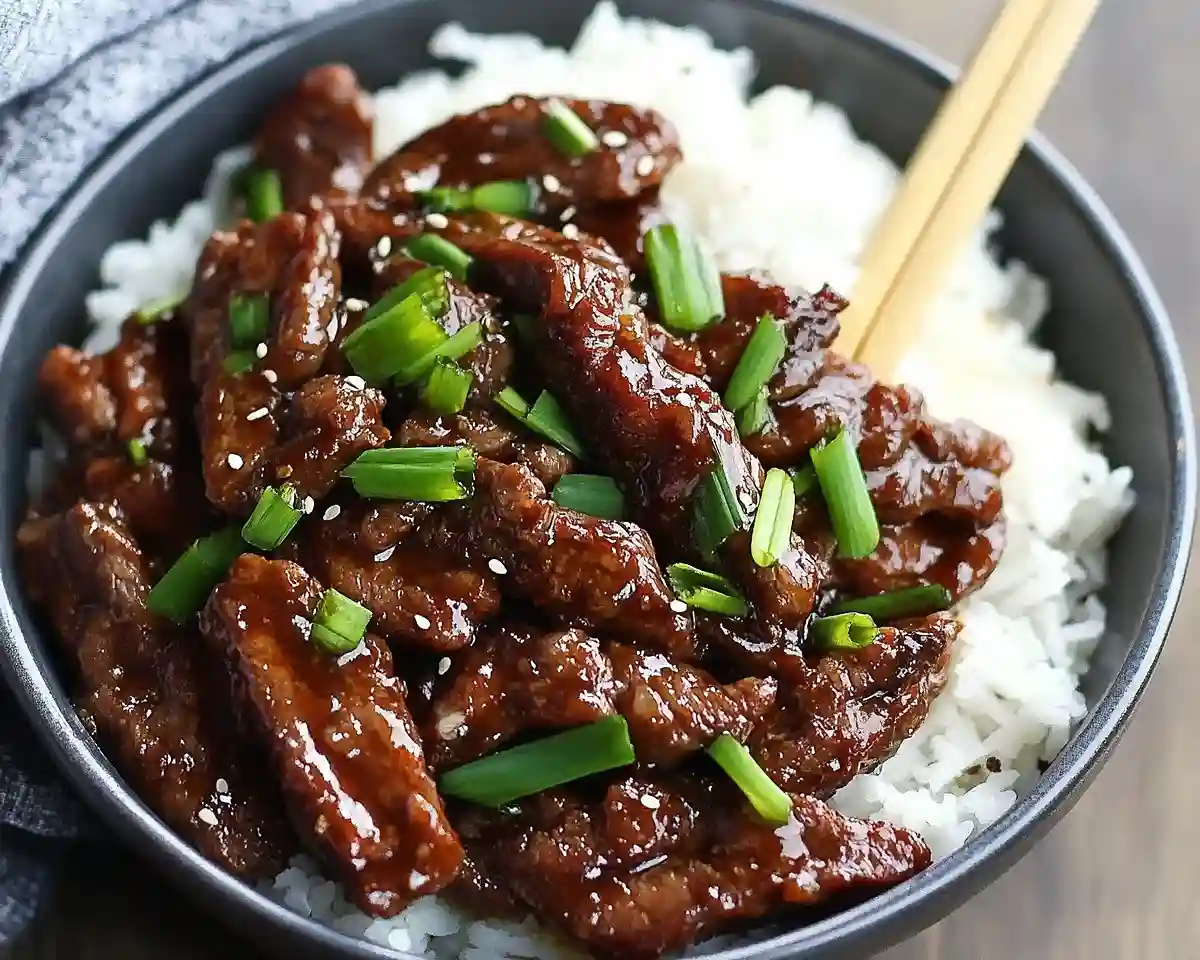
I used to think weeknight takeout was my only shot at getting restaurant-quality gluten-free 30-minute Mongolian beef on the table. Then I realized something: with a good sear, the right sauce, and a handful of pantry staples, I could replicate that savory, slightly sweet magic at home in less time than a delivery driver would take to arrive.
Whether you’re feeding picky eaters or impressing guests, this gluten-free 30-minute Mongolian beef delivers that restaurant-style flavor without the guilt or the wait. Let me show you exactly how I make it happen.
Table of Contents
Ingredients For Gluten-Free 30-Minute Mongolian Beef
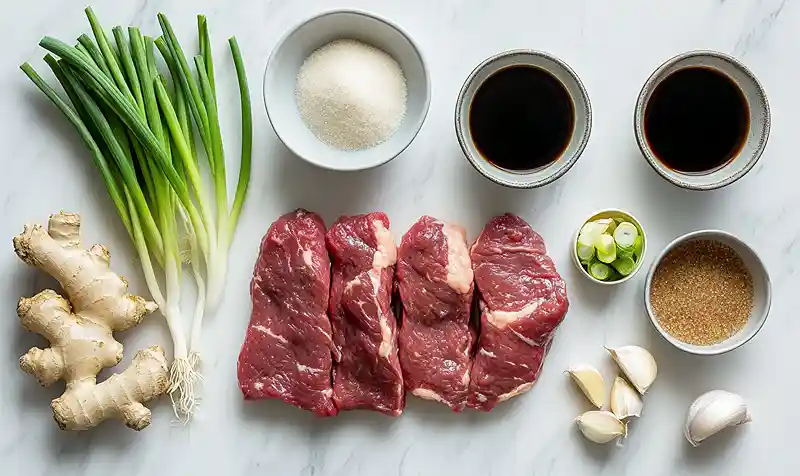
| Category | Ingredient | Amount |
|---|---|---|
| Protein | Sirloin steak (1-inch thick) | 1½ pounds |
| For Coating | Cornstarch | ⅓ cup |
| For Cooking | Canola oil | ¼ cup |
| Salt | ¼ teaspoon | |
| Aromatics & Flavor | Fresh grated ginger | 1 tablespoon |
| Minced garlic | 4 tablespoons | |
| Red pepper flakes or chili oil | To taste (optional) | |
| Sauce | Reduced sodium tamari sauce (gluten-free) | ⅓ cup |
| Water | ½ cup | |
| Brown sugar | ⅓ cup | |
| Garnish | Scallions, green parts only | 8 stalks, cut into 2-inch pieces |
Instructions For Gluten-Free 30-Minute Mongolian Beef
Step 1: Prep Your Steak
Slice your sirloin steak into ¼-inch thick slices, then lay them flat and cover with plastic wrap. Use a meat pounder to gently flatten each piece—you’re looking for thin, tender slices that’ll cook quickly and soak up that delicious sauce.
Step 2: Coat with Cornstarch
Place the flattened meat in a ziploc bag with the cornstarch and massage them together until each piece is fully coated. This coating is your secret to that beautiful, light crispy exterior and helps thicken the sauce as it cooks.
Step 3: Heat Your Oil
Pour the canola oil into a large frying pan and heat it on medium-high until it shimmers and moves easily when you tilt the pan. You want it hot enough to create that gorgeous sear but not so hot that it smokes.
Step 4: Sear the Beef
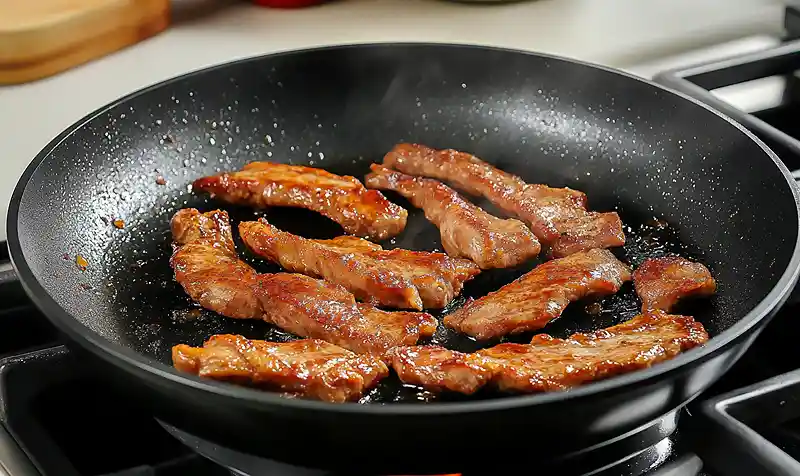
Add the steak slices to the pan in a single layer—don’t overcrowd it—and cook for just 30 seconds per side (1 minute total). Work in batches if needed, removing each batch to a plate and sprinkling lightly with salt as it finishes.
Step 5: Flavor the Sauce Base
Add the ginger, minced garlic, and red pepper flakes (if you like a little kick) to the now-empty pan and sauté for 10–15 seconds until fragrant. Your kitchen will smell absolutely incredible—that’s how you know it’s working.
Step 6: Build Your Sauce
Stir in the tamari sauce, water, and brown sugar, bringing the mixture to a rolling boil. The mixture will bubble and deepen in color, creating that signature Mongolian beef glossiness.
Step 7: Bring It All Together
Fold the seared steak back into the pan and let everything simmer for 20–30 seconds so the sauce thickens and coats each slice beautifully. The cornstarch from the coating will help create that silky, clinging sauce you’re after.
Step 8: Finish with Fresh Green Onions
Turn off the heat, scatter the green onion pieces over the top, and stir to combine. Serve immediately over white rice, rice noodles, or crisp lettuce wraps for a lighter option.
Substitutions for Mongolian Beef Recipes
Tamari vs. Soy Sauce
I always reach for tamari because it’s naturally gluten-free and adds that deep umami flavor, but regular soy sauce works too if you don’t have tamari on hand. Either way, stick with reduced-sodium versions to keep the salt level balanced and the flavors bright.
Different Cuts of Beef
While sirloin is budget-friendly and tender, you can absolutely use flank steak, skirt steak, or even ribeye for this gluten-free 30-minute Mongolian beef. Just keep your slices thin and adjust cooking time by 10–15 seconds if using a thicker cut—you want that quick, hot sear.
Oil Options
Canola oil is neutral and high-heat friendly, but you can swap it for vegetable oil, peanut oil, or refined avocado oil without changing the flavor profile. Each brings slightly different smoke points, but all work beautifully for this quick sear-and-sauce method.
Spice Level Adjustments
If red pepper flakes feel too intense, use just a pinch or skip them entirely for a kid-friendly version. For serious heat lovers, drizzle in extra chili oil or add a touch of sriracha to the sauce for deeper complexity.
For more quick weeknight inspiration, check out our complete gluten-free dinner solutions or explore our easy protein-forward meal ideas for more simple ways to feed your family well. And if you’re looking for make-ahead strategies, our beginner-friendly meal prep guide has got you covered.
Troubleshooting Tips On Your Beef Steak Recipes
The Sauce Isn’t Thickening Enough
If your gluten-free 30-minute Mongolian beef sauce feels too thin, the cornstarch coating should do most of the work, but if not, mix 1 teaspoon of cornstarch with 2 tablespoons of cold water and stir it in while the sauce simmers. You’ll see it thicken almost instantly.
The Beef Is Tough or Chewy
This usually means either the slices were cut too thick or they cooked too long. Remember: 30 seconds per side is all you need for thin slices. Overcooking even by 15 seconds can turn tender beef into rubber, so set a timer and stick to it.
The Sauce Tastes Too Salty
Always taste before serving, and remember that tamari is already fairly salty. If you went heavy-handed, add another ¼ cup of water and let it simmer for 10 seconds—the sauce will redistribute and mellow out beautifully.
Too Much Ginger or Garlic
If your gluten-free 30-minute Mongolian beef tastes aggressively spiced, you might’ve used jarred ginger or garlic that was extra concentrated. Fresh is always gentler, so next time measure carefully and taste as you go.
Storage & Make-Ahead Tips
Storing Leftovers
This gluten-free 30-minute Mongolian beef keeps beautifully in an airtight container in the refrigerator for up to 3 days. Reheat gently in a skillet over medium heat with a splash of water if needed—the sauce will cling back to the beef as it warms.
Meal Prep Strategy
You can prepare your beef ahead by slicing, pounding, and coating it with cornstarch up to 24 hours before cooking. Store it in that ziploc bag in the fridge, then sear it all at the last minute for maximum freshness and that perfect hot-pan crispiness.
Serving Suggestions & Pairings
Over Rice
White rice is the classic pairing for gluten-free 30-minute Mongolian beef, but brown rice, jasmine rice, or even cauliflower rice adds wonderful texture and nutrition. Let the sauce pool over the rice—that’s where the real magic happens.
Noodle & Lettuce Wrap Options
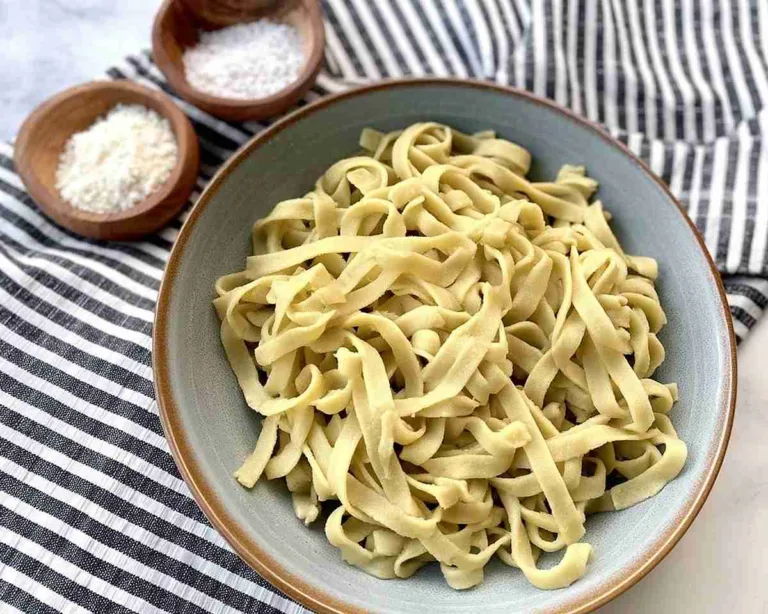
Rice noodles bring a delicate, silky quality to this dish, while crisp lettuce wraps (like butter lettuce or romaine) keep things light and fresh. Both options turn your gluten-free 30-minute Mongolian beef into a more interactive, fun dinner experience.
Vegetable Sides
Steamed broccoli, stir-fried snap peas, or roasted bok choy complement this dish beautifully without stealing the spotlight. A simple cucumber salad with rice vinegar also adds brightness and balance to the rich, savory sauce.
Variations & Dietary Adjustments For Easy Steak Recipes
Kid-Friendly Version
Skip the red pepper flakes and dial back the ginger slightly, then serve over rice or noodles they already love. Kids often enjoy the sweet-savory balance of this gluten-free 30-minute Mongolian beef, especially when they can customize their own sauce level.
Thicker, Saucier Version
If you like lots of glossy sauce clinging to your beef, reduce the heat after adding the steak back to the pan and let everything simmer for 60–90 seconds instead of just 20–30. The cornstarch will continue thickening, creating that coat-everything-generously texture.
Mushroom or Vegetable Add-Ins
Well, you can absolutely toss in thinly sliced mushrooms, bell peppers, or water chestnuts when you add the garlic and ginger. They’ll soften just enough while keeping some bite—adding texture and nutrition to your gluten-free 30-minute Mongolian beef without slowing you down.
Dairy-Free & Completely Plant-Based
Swap the beef for thinly sliced mushroom caps (like portobellos), extra-firm tofu, or seitan, then follow the exact same method. The sauce works beautifully with plant-based proteins for a gluten-free 30-minute Mongolian beef alternative.
FAQs About Gluten-Free 30-Minute Mongolian Beef
Can I use frozen beef for this gluten-free 30-minute Mongolian beef?
Frozen beef is tricky because you need thin, even slices that cook in seconds. Thaw it completely first, pat it dry, then slice and pound as directed—moisture from the freezing process can affect that perfect sear.
What’s the difference between Mongolian beef and General Tso’s chicken?
Both have that sweet-savory-spicy balance and glossy sauce, but Mongolian beef skips the heat, uses beef instead of chicken, and gets its thickening power from the cornstarch coating rather than a flour paste. It’s lighter and faster, making it perfect for busy weeknights.
How do I make this less sweet if my family prefers savory?
Simply reduce the brown sugar to 2–3 tablespoons or swap it for a touch of honey instead. Taste your sauce as it builds—you can always add more sweetness, but you can’t easily remove it, so this gluten-free 30-minute Mongolian beef lets you control the flavor balance.
Is tamari really necessary or can I always just use soy sauce?
Regular soy sauce contains gluten, so if that matters to you, tamari is worth seeking out—most grocery stores stock it near regular soy sauce. If you’re not avoiding gluten, either works, though tamari has a slightly deeper, less salty flavor.
Best way to get that restaurant-style sear on the beef?
Make sure your pan is genuinely hot (not just warm), dry your meat completely before the oil hits the pan, and don’t move the slices around—let them sit for that full 30 seconds per side. Movement prevents browning, so resist the urge to fiddle!
Can I double this recipe for a crowd?
Absolutely! Double everything, but cook the beef in two batches so you don’t overcrowd the pan—crowding drops the temperature and creates steam instead of that gorgeous sear. Keep the first batch warm on a plate while you finish the second batch, then combine everything back together.
Final Notes for Success
Man, oh man, once you nail this gluten-free 30-minute Mongolian beef, you’ll be making it constantly. The 30-minute timeline isn’t just achievable—it’s genuinely doable even on chaotic weeknights when everyone’s hungry and patience is wearing thin.
The beauty of this recipe is that it teaches you something valuable about fast cooking: respect your heat, respect your timing, and let high-quality ingredients do their job without fussing. Those principles will upgrade so many other quick dinners in your rotation.
I promise this gluten-free 30-minute Mongolian beef will become your go-to when you need something that tastes fancy but feels effortless. Bookmark it, share it with someone juggling gluten-free cooking, and get ready to amaze yourself with how good home cooking can be.
For more on cornstarch as a thickening agent and how it creates that signature glossy sauce in Asian cooking, check out expert baking science insights from King Arthur Baking Company, which explains the chemistry behind this simple but effective technique.
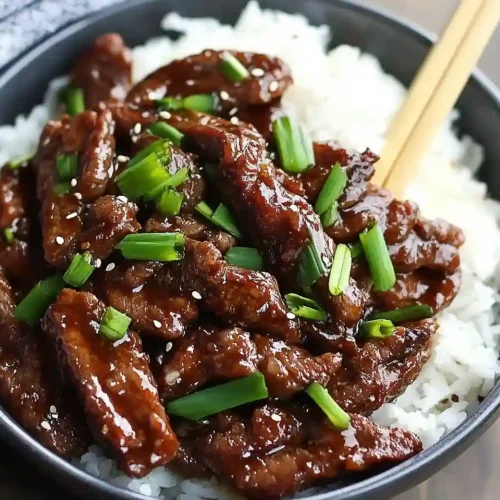
Gluten-Free 30-Minute Mongolian Beef
Equipment
- Large frying pan
- Meat pounder
- Ziploc bag
- Plate
- Cutting board
- Knife
- Measuring cups and spoons
- Wooden spoon or spatula
Ingredients
Protein & Coating
- 1½ pounds Sirloin steak (1-inch thick)
- ⅓ cup Cornstarch for coating and thickening
For Cooking
- ¼ cup Canola oil or vegetable oil, peanut oil, or refined avocado oil
- ¼ teaspoon Salt
Aromatics & Flavor
- 1 tablespoon Fresh grated ginger
- 4 tablespoons Minced garlic
- To taste Red pepper flakes or chili oil optional, for spice
Sauce
- ⅓ cup Reduced sodium tamari sauce gluten-free, or regular soy sauce
- ½ cup Water
- ⅓ cup Brown sugar adjust for sweetness preference
Garnish
- 8 stalks Scallions, green parts only cut into 2-inch pieces
Instructions
- Slice your sirloin steak into ¼-inch thick slices, then lay them flat and cover with plastic wrap. Use a meat pounder to gently flatten each piece until you have thin, tender slices that’ll cook quickly and soak up that delicious sauce.
- Place the flattened meat in a ziploc bag with the cornstarch and massage them together until each piece is fully coated. This coating creates a beautiful, light crispy exterior and helps thicken the sauce as it cooks.
- Pour the canola oil into a large frying pan and heat it on medium-high until it shimmers and moves easily when you tilt the pan. You want it hot enough to create that gorgeous sear but not so hot that it smokes.
- Add the steak slices to the pan in a single layer—don’t overcrowd it—and cook for just 30 seconds per side (1 minute total). Work in batches if needed, removing each batch to a plate and sprinkling lightly with salt as it finishes.
- Add the ginger, minced garlic, and red pepper flakes (if you like a little kick) to the now-empty pan and sauté for 10–15 seconds until fragrant. Your kitchen will smell absolutely incredible—that’s how you know it’s working.
- Stir in the tamari sauce, water, and brown sugar, bringing the mixture to a rolling boil. The mixture will bubble and deepen in color, creating that signature Mongolian beef glossiness.
- Fold the seared steak back into the pan and let everything simmer for 20–30 seconds so the sauce thickens and coats each slice beautifully. The cornstarch from the coating will help create that silky, clinging sauce you’re after.
- Turn off the heat, scatter the green onion pieces over the top, and stir to combine. Serve immediately over white rice, rice noodles, or crisp lettuce wraps for a lighter option.