Gluten Free Artisan Bread
Master this gluten free artisan bread recipe with crusty exterior and soft interior. Simple ingredients, bakery-quality results for beginners.
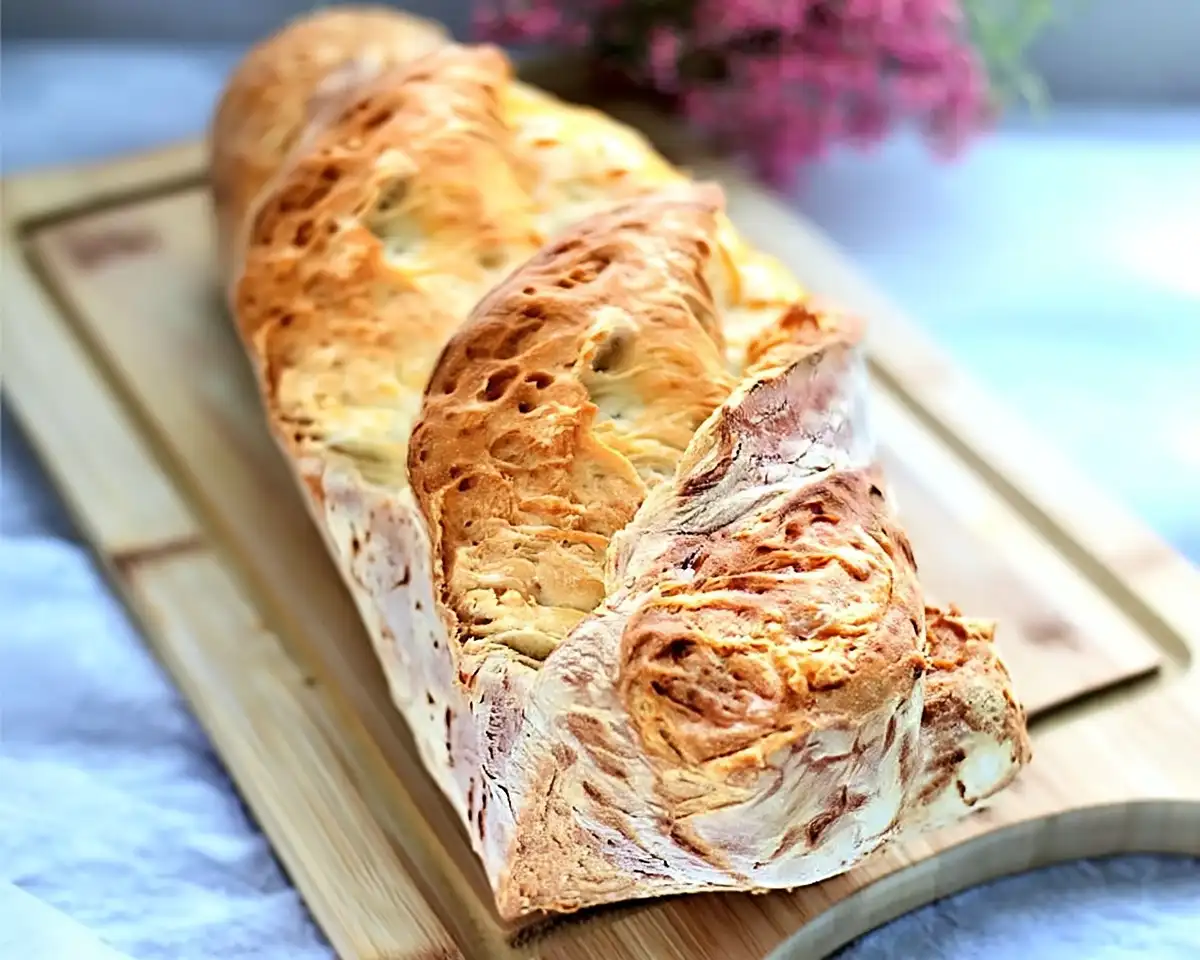
You know that moment when you walk past a French bakery and catch a whiff of fresh-baked bread, crusty and golden? Yeah, I used to think that was just a memory once I went gluten-free. But here’s the thing—this gluten free artisan bread brings all those cozy feelings right back into your kitchen.
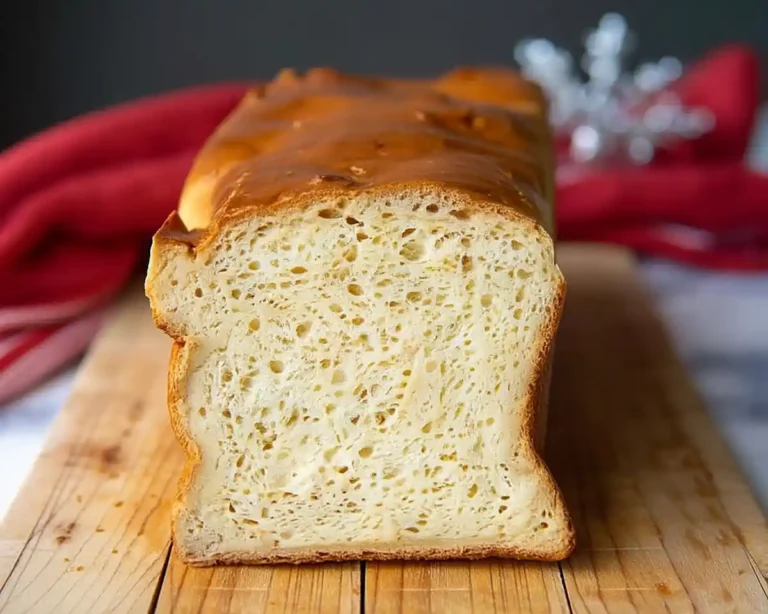
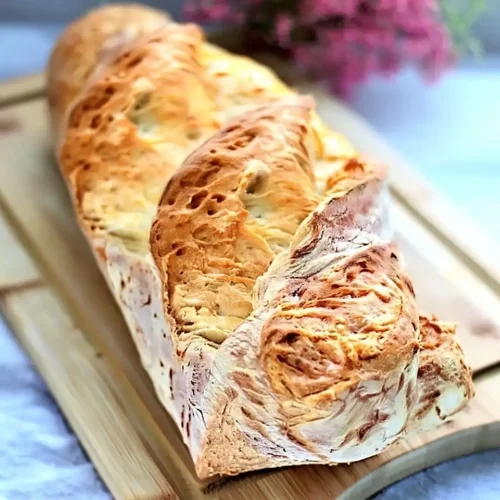
I’ll never forget the first time I pulled a perfect boule from my oven. My daughter peeked over the counter, eyes wide, and whispered, “Mom, it looks like real bread.” And honestly? That’s exactly what it is. Real, gorgeous, crusty gluten free artisan bread that doesn’t crumble into sad little pieces or taste like cardboard.
This recipe uses Kim’s bread flour blend along with a few secret weapons (hello, psyllium husks!) to create that chewy, airy interior and that satisfying crackly crust. Whether you’re shaping cookies gluten free style or crafting the perfect dairy free bread for your family, this foolproof method works every single time. Best part? It actually gets better with an overnight rest in the fridge.
Table of Contents
Gluten Free Artisan Bread
Equipment
- Stand mixer with dough hook
- Wire whisk
- Plastic dough scraper or rubber spatula
- Baking steel or stone (or overturned baking sheet)
- Dutch oven with lid (optional method)
- Shallow pan for steam
- Parchment paper
- Pizza Peel
- Serrated knife
- Cooling rack
Ingredients
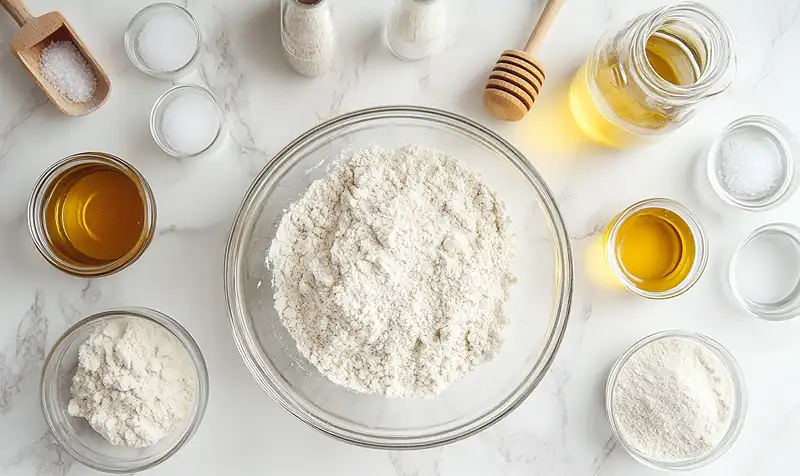
- 3 cups Kim’s gluten free bread flour blend 420g
- 1½ teaspoon xanthan gum in addition to what’s already in the blend
- 1 tbsp psyllium husks 5g, or 1½ teaspoon psyllium husk powder
- 1 tbsp instant/rapid rise/fast-acting yeast 9g, not active dry yeast
- 1 teaspoon kosher salt
- 1¾ cups water 420g
- 2 tbsp olive oil 26g
- 1 tbsp honey 21g
Instructions
- In the bowl of a stand mixer fitted with the dough hook, add all dry ingredients and whisk them together using a handheld wire whisk. Add the honey, olive oil, and water to the bowl. Place on the mixer and mix briefly just to incorporate everything together.
- Turn the mixer up to medium-high speed and knead for 5 minutes—this develops the gluten-like structure that makes your gluten free artisan bread hold together beautifully. Remove the dough hook and scrape the dough into a cohesive mass using a plastic dough scraper or rubber spatula. Cover the bowl and place it in a warm, draft-free area, allowing it to rise for 1-2 hours until doubled in volume.
- Once risen, refrigerate the dough for at least 6 hours, but overnight is even better (you can leave it up to 10 days). This cold fermentation is where the magic happens—the flavor deepens and the texture becomes absolutely divine.
- On baking day, remove your dough from the refrigerator and dump it onto a well-floured surface. Knead until fairly smooth, adding more flour as necessary to prevent sticking. The dough should feel pliable and slightly tacky but not overly sticky.
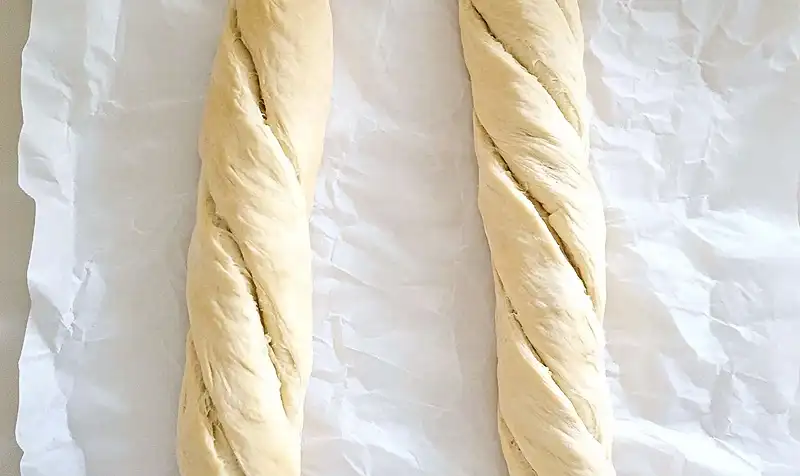
- To shape into a boule, form the dough into a round ball by pulling it up and under, pinching the seams on the bottom. Place on parchment paper. For a baguette, smooth the dough and roll it into a rope shape, tapering the ends and adding flour as needed. Make it as thick or thin as you’d like, just ensure it fits on your baking surface.
- Place your shaped loaf (or loaves) on parchment paper and cover loosely with plastic wrap. Let them rise in a warm, draft-free spot until visibly puffed and slightly larger—about ½ to 1 hour. They won’t quite double, but you’ll see that beautiful lift happening.
- BAKING STEEL OR STONE METHOD: Place a baking steel, stone, or overturned baking sheet on the middle rack with a shallow pan on the rack underneath. Preheat your oven to 450°F. When the dough is ready, run a serrated knife under hot tap water and swiftly cut ½ to ¾-inch deep slits across the top—this creates those gorgeous artisan-style cracks.
- DUTCH OVEN METHOD: Place a Dutch oven with its lid into the oven and preheat to 500°F. The enclosed space creates its own steam, giving you that incredible crust without any extra fuss.
- BAKING STEEL OR STONE: Fill a measuring cup with one cup of very hot tap water. Using a pizza peel, slide your loaf (parchment and all) onto the hot baking surface. Immediately pour the hot water into the shallow pan below and quickly shut the oven door—this steam is crucial for that crispy exterior.
- DUTCH OVEN: Carefully remove the lid and gently lower the dough with its parchment into the hot Dutch oven. Replace the lid, shut the door, and immediately reduce temperature to 450°F.
- BAKING STEEL OR STONE: Bake for about 30 minutes for baguettes or 40 minutes for boules (larger boules may take up to an hour or more). If your loaves brown too quickly, tent them loosely with foil. The bread is done when it looks crusty, golden, and feels surprisingly light when you pick it up with gloved hands—if it feels heavy, give it another 5-10 minutes.
- DUTCH OVEN: Bake with the lid on for 40 minutes, then remove the lid and bake for another 20 minutes. Check for doneness by lifting the loaf—it should feel light for its size, not dense or heavy.
- Remove your gluten free artisan bread from the oven and place it on a cooling rack. Here’s the hardest part—let it cool completely before slicing, or you’ll end up with a gummy interior instead of that perfect chewy texture.
Notes
Ingredients
| Ingredient | Amount |
|---|---|
| Kim’s gluten free bread flour blend | 3 cups (420g) |
| Xanthan gum | 1½ teaspoon (additional) |
| Psyllium husks | 1 tbsp (5g) or 1½ tsp powder |
| Instant/rapid rise yeast | 1 tbsp (9g) |
| Kosher salt | 1 teaspoon |
| Water | 1¾ cups (420g) |
| Olive oil | 2 tbsp (26g) |
| Honey | 1 tbsp (21g) |
Instructions
Step 1: In the bowl of a stand mixer fitted with the dough hook, add all dry ingredients and whisk them together using a handheld wire whisk. Add the honey, olive oil, and water to the bowl. Place on the mixer and mix briefly just to incorporate everything together.
Step 2: Turn the mixer up to medium-high speed and knead for 5 minutes—this develops the gluten-like structure that makes your gluten free artisan bread hold together beautifully. Remove the dough hook and scrape the dough into a cohesive mass using a plastic dough scraper or rubber spatula. Cover the bowl and place it in a warm, draft-free area, allowing it to rise for 1-2 hours until doubled in volume.
Step 3: Once risen, refrigerate the dough for at least 6 hours, but overnight is even better (you can leave it up to 10 days!). This cold fermentation is where the magic happens—the flavor deepens and the texture becomes absolutely divine.
Step 4: On baking day, remove your dough from the refrigerator and dump it onto a well-floured surface. Knead until fairly smooth, adding more flour as necessary to prevent sticking. The dough should feel pliable and slightly tacky but not overly sticky.
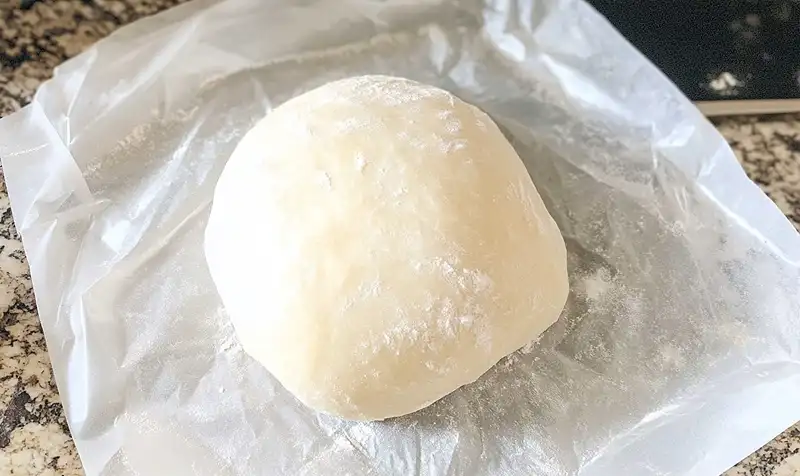
Step 5: To shape into a boule, form the dough into a round ball by pulling it up and under, pinching the seams on the bottom. Place on parchment paper. For a baguette, smooth the dough and roll it into a rope shape, tapering the ends and adding flour as needed. Make it as thick or thin as you’d like, just ensure it fits on your baking surface.
Step 6: Place your shaped loaf (or loaves) on parchment paper and cover loosely with plastic wrap. Let them rise in a warm, draft-free spot until visibly puffed and slightly larger—about ½ to 1 hour. They won’t quite double, but you’ll see that beautiful lift happening.
Step 7 (Baking Steel/Stone Method): Place a baking steel, stone, or overturned baking sheet on the middle rack with a shallow pan on the rack underneath. Preheat your oven to 450°F. When the dough is ready, run a serrated knife under hot tap water and swiftly cut ½ to ¾-inch deep slits across the top—this creates those gorgeous artisan-style cracks.
Step 7 (Dutch Oven Method): Place a Dutch oven with its lid into the oven and preheat to 500°F. The enclosed space creates its own steam, giving you that incredible crust without any extra fuss.
Step 8 (Baking Steel/Stone): Fill a measuring cup with one cup of very hot tap water. Using a pizza peel, slide your loaf (parchment and all) onto the hot baking surface. Immediately pour the hot water into the shallow pan below and quickly shut the oven door—this steam is crucial for that crispy exterior.
Step 8 (Dutch Oven): Carefully remove the lid and gently lower the dough with its parchment into the hot Dutch oven. Replace the lid, shut the door, and immediately reduce temperature to 450°F.
Step 9 (Baking Steel/Stone): Bake for about 30 minutes for baguettes or 40 minutes for boules (larger boules may take up to an hour or more). If your loaves brown too quickly, tent them loosely with foil. The bread is done when it looks crusty, golden, and feels surprisingly light when you pick it up with gloved hands—if it feels heavy, give it another 5-10 minutes.
Step 9 (Dutch Oven): Bake with the lid on for 40 minutes, then remove the lid and bake for another 20 minutes. Check for doneness by lifting the loaf—it should feel light for its size, not dense or heavy.
Step 10: Remove your gluten free artisan bread from the oven and place it on a cooling rack. Here’s the hardest part—let it cool completely before slicing, or you’ll end up with a gummy interior instead of that perfect chewy texture.
Substitutions
Flour Blend: If you don’t have Kim’s blend on hand, you can use another quality gluten-free bread flour that already contains xanthan gum—just be sure to still add the extra xanthan gum this recipe calls for. The additional binding power is what gives this dairy free bread its incredible structure.
Psyllium Husks: Well… this ingredient is honestly the secret weapon for achieving that stretchy, authentic bread texture. If you absolutely can’t find it, you can try replacing it with an extra ½ teaspoon of xanthan gum, though the texture won’t be quite as elastic or forgiving.
Honey: Any liquid sweetener works beautifully here—maple syrup, agave nectar, or even a tablespoon of sugar dissolved in a little warm water. The yeast just needs that touch of sweetness to activate and do its thing.
Olive Oil: Feel free to swap in melted coconut oil, avocado oil, or any neutral vegetable oil you have handy. Each will give your gluten free artisan bread a slightly different flavor profile, so pick what sounds good to you.
Troubleshooting
Dough feels too sticky: Don’t panic! Gluten-free dough is naturally more hydrated than traditional wheat dough. Keep a small bowl of flour nearby and dust your hands and work surface generously—this is completely normal and part of what makes the final texture so wonderful.
Bread didn’t rise: Check your yeast’s expiration date first, and make sure your rising environment is warm enough (around 75-80°F is ideal). If your kitchen runs cold, try placing the covered bowl in an oven with just the light on—it creates the perfect cozy spot.
Crust is too hard or too soft: A harder crust means you might need more steam during the initial baking phase, while a softer crust suggests too much moisture. Adjust by adding or reducing the water you pour into the steam pan, and according to trusted gluten-free baking science, that initial burst of steam is key for developing that signature crackle.
Interior is gummy: This happens when the bread hasn’t cooled completely before slicing—I know it’s torture to wait, but those interior crumbs need time to set properly. Give it at least an hour, or even better, let it cool for two hours before diving in.
Storage and Meal Prep
Store your cooled gluten free artisan bread at room temperature in a paper bag for up to 2 days, or slice and freeze for up to 3 months. Man, oh man, having homemade bread ready in the freezer is a game-changer for busy weeknight dinners! Just pop slices straight into the toaster or let them thaw at room temperature for about 20 minutes.
For meal prep, you can actually shape the dough and refrigerate it for up to 10 days before baking. This means you can mix up a batch on Sunday, then bake fresh bread whenever you want throughout the week—talk about making your home smell like a French bakery on demand!
Serving Suggestions
This crusty beauty is perfect alongside your favorite soup or stew, especially around Thanksgiving when everyone’s gathered around the table. Slice it thick, slather it with butter (or your favorite dairy-free spread), and watch it disappear. You can also transform it into incredible sandwiches, toast it for breakfast, or serve it with olive oil and balsamic for dipping.
Pair it with your complete collection of easy gluten-free comfort foods for a cozy weekend brunch, or serve alongside hearty dishes for a dinner that feels special without being fussy. According to authoritative nutrition research, quality homemade bread can be part of a balanced gluten-free diet when made with wholesome ingredients like those in this recipe.
Variations
Herb and Garlic Bread: Knead in 2 tablespoons of chopped fresh rosemary and 3 minced garlic cloves after the initial rise. The aroma alone will have your neighbors knocking on your door, and it’s absolutely divine with pasta dishes or grilled vegetables.
Seeded Crust: Before the final rise, brush the shaped loaf with a little water and sprinkle generously with sesame seeds, poppy seeds, or everything bagel seasoning. It adds wonderful texture and makes your cookies gluten free efforts look incredibly professional.
Sweet Cinnamon Raisin: Replace the olive oil with melted butter (or vegan butter for dairy free bread), add 1 tablespoon of cinnamon to the dry ingredients, and fold in ¾ cup of raisins after kneading. Shape into a boule and you’ve got the most incredible breakfast bread that toasts up like a dream.
Kid-Friendly Mini Rolls: Instead of shaping one large loaf, divide the dough into 8-10 portions and shape into small rolls. They’ll bake in about 20-25 minutes and are perfect for little hands—my kids love helping shape these on weekends.
Gluten Free Artisan Bread FAQs
Can I make this without a stand mixer?
Absolutely! You can mix and knead the dough by hand, though it’ll take a bit more elbow grease—about 8-10 minutes of vigorous stirring and kneading. The dough will be softer than traditional bread dough, but just keep working it until everything is well incorporated and smooth.
How do I know when my gluten free artisan bread is fully baked?
The best test is the “lift test”—pick up the loaf with oven-mitts-protected hands, and if it feels surprisingly light for its size, it’s done. If it still feels heavy or dense, give it another 5-10 minutes and check again. An instant-read thermometer should register around 205-210°F in the center.
What’s the best way to get a crustier exterior?
Steam is your secret weapon! Whether you’re using the shallow pan method or the Dutch oven technique, that initial burst of moisture creates the perfect environment for crust development. You can also try extending the baking time by 5-10 minutes if you prefer an extra-crispy finish.
Why does the recipe call for refrigerating the dough overnight?
That cold fermentation period allows the flavors to develop deeply and gives the flour blend time to fully hydrate, which creates a better texture overall. Think of it like how sourdough develops complexity—this rest period transforms your ella vegan and gluten-free creation from good to absolutely spectacular.
Can I shape this into dinner rolls instead of a large loaf?
You bet! Divide the dough into 10-12 equal portions after the cold fermentation, shape into rounds, and reduce the baking time to about 20-25 minutes. They’re perfect for family dinners and freeze beautifully—just grab and reheat as needed from your beginner-friendly bread collection.
Is this recipe truly dairy-free?
Yes! As long as you’re using a dairy-free honey (most are) and olive oil, this recipe is completely dairy free bread. If you want to brush the top with butter before baking for extra shine, just use vegan butter or stick with a simple egg wash alternative like aquafaba.
This gluten free artisan bread recipe is everything I wished I’d found when I first started my gluten-free journey—reliable, delicious, and honestly pretty forgiving once you get the hang of it. Whether you’re baking for a special occasion or just want to fill your kitchen with that irresistible fresh-bread aroma, this recipe delivers every single time. And if you’re looking for more ways to round out your gluten-free baking skills, check out these simple protein-packed breakfast ideas that pair perfectly with a thick slice of this crusty beauty!