
Gluten-Free Banana Oat Protein Pancakes
Make fluffy gluten-free banana oat protein pancakes in under 15 minutes! High-protein, naturally sweetened with banana, and perfect for busy families. Simple 1-bowl recipe.
Weekday mornings can feel chaotic, right? You’re trying to get everyone out the door, and breakfast is usually whatever’s quickest—which often means cereal or toast you’re not even excited about.
That’s exactly why I created these gluten-free banana oat protein pancakes. They’re the answer to “I want something actually nourishing, but I don’t have time for complicated batter.” These healthy banana pancakes come together in one bowl, take about 15 minutes total, and honestly? They taste like you spent way more effort than you did.
The banana naturally sweetens everything, the oats provide fiber and staying power, and the protein powder (optional but recommended) keeps hunger at bay until lunch.
This gluten-free protein pancakes recipe is my go-to for busy mornings when I want my family eating real food—not something from a box.
Table of Contents
Ingredients

| Ingredient | Amount |
|---|---|
| Quick-cooking oats | 1/2 cup |
| Egg | 1 large |
| Kosher salt | 1/4 tsp |
| Chia seeds or flax seeds | 1 tbsp |
| Cinnamon | 1/4 tsp (or more to taste) |
| Protein powder (optional) | 1 scoop (12-13g) |
| Small banana | 1 |
| Extra-virgin olive oil | 1 tsp |
| Water | 1/4 cup (or 1/2 cup if using protein powder) |
| For Serving | |
| Almond butter | optional |
| Maple syrup | to taste |
Instructions
Step 1: Mix Your One-Bowl Batter
In a medium bowl, use a fork to stir together the oats, egg, salt, chia or flax seeds, and cinnamon until roughly combined. Add your protein powder if you’re using it—this step keeps lumps from forming later. Slice the banana directly into the bowl, then stir everything together until you’ve got a chunky-textured base.
Step 2: Let It Rest (This Matters!)
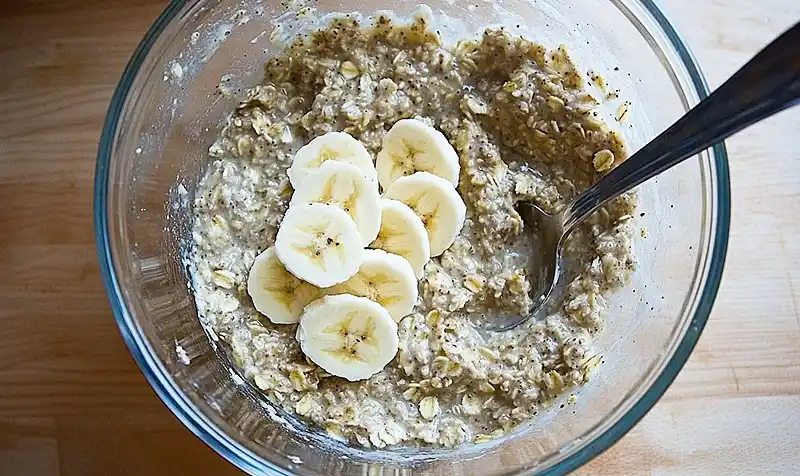
Set your batter aside for 5 minutes while you prepare your skillet. This resting time is key—the oats absorb moisture and the banana starts breaking down, creating a batter that holds together beautifully when it hits the heat. You’ll notice the texture becomes more cohesive and less watery.
Step 3: Heat Your Skillet Low
Place a large nonstick skillet over the lowest heat setting and let it warm while your batter rests. Starting low prevents the outside from cooking too fast while the inside stays raw. I know it seems counterintuitive, but this gentle beginning is what gives you evenly cooked gluten-free banana oat protein pancakes with a tender interior.
Step 4: Cook with Medium Heat and Oil
Turn the heat to medium, then add that 1 teaspoon of olive oil, tilting the skillet to coat the entire surface. Pour the batter into the skillet as two large mounds or three to four smaller ones—whatever feels manageable to you. The batter will feel thick, almost like cookie dough, and that’s exactly right.
Step 5: First Side Until Golden
Let these healthy banana pancakes cook undisturbed for 2 to 2.5 minutes until the underside is lightly golden brown and you can smell that toasted oat aroma. Resist the urge to poke or flip early—patience here pays off with pancakes that hold together instead of falling apart.
Step 6: Flip and Finish
Using a wide spatula, carefully flip each pancake and cook the other side for another 2 to 2.5 minutes until it matches the first side. You’re looking for that same light golden-brown color—not dark, just that sweet spot where the edges are set but the inside is still tender.
Step 7: Plate and Top
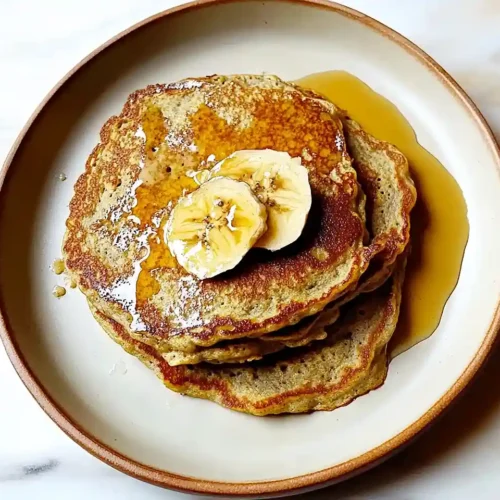
Transfer your gluten-free protein pancakes to a plate while they’re still warm. Spread with almond butter if desired—it adds creaminess and extra protein that makes these even more filling. Drizzle with maple syrup to your liking, and enjoy knowing you’ve just made something genuinely good for your body.
Substitutions
Seed Swap
Don’t have chia or flax seeds? Ground flaxseed, pumpkin seeds, or even finely chopped nuts work beautifully in these healthy banana pancakes. You’re really just adding texture and nutrition, so don’t stress about having the exact seed—whatever’s in your pantry will work fine.
Protein Powder Options
While vanilla protein powder is ideal, unflavored also works great if you want to let the banana shine. Chocolate protein powder transforms this into a more decadent breakfast that honestly tastes like a dessert-for-breakfast situation—which, well, your family won’t complain about.
Egg Replacement
For vegan gluten-free protein pancakes, use 1/4 cup unsweetened applesauce mixed with 1 tbsp ground flaxseed (let it sit 5 minutes). These will be slightly fluffier and more tender, which some people actually prefer over the original version.
Sweetener Adjustments
Prefer honey or coconut nectar over maple syrup? Absolutely—drizzle whatever sweetener makes your heart happy. The banana already adds natural sweetness to these healthy banana pancakes, so the syrup is really just for that extra touch you crave.
Dairy-Free Butter Option
If you’re avoiding dairy, use tahini, coconut butter, or sunflower seed butter instead of almond butter. Each brings its own flavor to this gluten-free banana oat protein pancakes recipe, and honestly, they’re all delicious pairings.
Looking for other quick-to-fix breakfast options? Try our complete gluten-free breakfast collection for grab-and-go mornings when pancakes aren’t happening.
Troubleshooting Tips for Perfect Results
Pancakes Are Falling Apart
This usually means your batter didn’t rest long enough or you flipped too early. Make sure you’re letting that 5 minutes happen—it’s not just filler time, it’s when the magic happens. Next time, wait until you see the edges start to look set and the top surface looks almost dry before flipping.
They’re Too Dense
If these healthy banana pancakes feel heavy or gluey, you might be using rolled oats instead of quick-cooking oats. The texture difference matters here—quick-cooking oats break down during resting and create a lighter batter. Also avoid overmixing; use that fork gently rather than aggressively stirring.
Sticking to the Pan
Even with nonstick pans, make sure you’re using enough olive oil and spreading it evenly. I use a silicone brush to coat the entire cooking surface. If sticking is still an issue, try a cast-iron skillet—they heat more evenly and create better browning on these gluten-free protein pancakes.
One Side Is Cooked But the Other Isn’t
Your heat might be uneven—the skillet could have a hot spot. Try moving the pancakes around the skillet during cooking, or rotate the skillet itself partway through. Starting with low heat really does help everything cook evenly in this recipe.
Batter Too Thick or Too Thin
The water amount depends on your specific oats and protein powder brand. If batter seems like thick paste, add a tablespoon more water. If it’s too runny to hold its shape when you scoop it, you went overboard—just add a bit more oats to absorb excess liquid and these banana oat protein pancakes will be perfect.
Storage and Meal Prep
Keeping Them Fresh
Store cooled pancakes in an airtight container at room temperature for up to 2 days, or wrap them individually and refrigerate for 3 days. They stay surprisingly soft because of all that moisture from the banana and egg. Just reheat in a toaster oven at 350°F for a few minutes to bring back that warm, just-made feeling.
Freezing for Busy Mornings
These freeze beautifully for up to 3 months—stack them with parchment between each one, then seal in a freezer bag with the air pressed out. When you need them, pop straight into the toaster (no thawing needed) for perfectly warmed gluten-free banana oat protein pancakes in about 5 minutes. This is honestly your secret weapon for weekday breakfasts.
Serving Suggestions and Pairings
Classic Toppings
Almond butter and maple syrup are perfect, but you could also go with a dollop of Greek yogurt, fresh berries, or a drizzle of honey. The banana’s natural sweetness means these healthy banana pancakes don’t need much—just whatever makes you smile in the morning.
Make It a Meal
Serve alongside a glass of cold milk or a warm cup of tea. These protein pancakes are filling enough on their own, but if you’re feeding active kids or someone with a big appetite, add some turkey bacon or a simple scrambled egg on the side for extra staying power.
Brunch Vibes
Make a platter with fresh fruit, these gluten-free protein pancakes, some yogurt, and a small pitcher of maple syrup—it’s a gorgeous spread that looks way more impressive than the effort required. Perfect for holiday mornings or when you want breakfast to feel special.
Variations and Dietary Adjustments
Kid-Friendly Boost
Kids usually love these healthy banana pancakes exactly as-is, but if you want to sneak extra nutrition in, add a tablespoon of hidden veggie powder or ground flaxseed. You know how it is—kids notice flavor changes, so I always go easy with additions unless they’re completely undetectable.
Extra Protein Version
Use 1.5 scoops of protein powder instead of one, and increase the water to 2/3 cup. Well, honestly, these become almost like eating a protein bar in pancake form—perfect if you’re training hard or just want maximum satiety all morning long.
Dairy-Free and Vegan
Swap the egg for the applesauce-flax combination mentioned earlier, and use any plant-based protein powder you prefer. These gluten-free protein pancakes are totally accommodating—no animal products needed for them to taste amazing.
Lower-Carb Approach
Reduce oats to 1/4 cup and add 1/4 cup almond flour instead, then use half a banana instead of a whole one. You’ll get similar texture with fewer carbs, making this work for those watching their carb intake while still getting that gluten-free banana oat protein pancakes experience.
FAQs About Gluten-Free Banana Oat Protein Pancakes
Can I make the batter ahead of time?
Yes! Mix everything except the water the night before, then add the water and banana in the morning. The batter lasts up to 8 hours in the fridge, though the texture gets slightly thinner as the oats continue absorbing moisture—just adjust water as needed before cooking.
How much protein do these healthy banana pancakes actually have?
Without protein powder, about 6-7g per pancake serving. With one scoop of standard protein powder, you’re looking at roughly 18-20g per serving, depending on your brand. That’s genuinely filling for a breakfast without feeling heavy.
What if I don’t have a nonstick skillet?
A cast-iron skillet is actually fantastic—it heats more evenly and creates a better crust. Regular stainless steel works too, just make sure to preheat thoroughly and use a bit more oil to prevent sticking on these gluten-free protein pancakes.
Is the protein powder really optional?
Totally optional! These banana oat protein pancakes are delicious without it, though they’re less protein-packed and might not keep you full quite as long. If you skip it, use 1/4 cup water instead of 1/2 cup so the batter doesn’t get too thin.
Can I add chocolate chips or other mix-ins?
Absolutely! Fold in chocolate chips, chopped nuts, or coconut flakes after the batter rests but before cooking. They add nice texture to these healthy banana pancakes, and honestly, who’s going to complain about that?
Why use quick-cooking oats instead of steel-cut?
Quick-cooking oats break down during the 5-minute resting period, creating a batter that holds together beautifully. Steel-cut oats stay too chunky and won’t bind properly in this gluten-free banana oat protein pancakes recipe—texture matters a lot here.
Best way to reheat frozen pancakes?
Straight into your toaster or toaster oven on medium setting—no thawing needed. They warm through evenly and stay fluffy because of the moisture content. Microwave works in a pinch, but the toast method gives better texture.
Extra Tips for Success
Quality Matters with Simple Recipes
When you’re working with just a handful of ingredients like in these healthy banana pancakes, each one matters more. Use good olive oil, fresh eggs, and a banana that’s ripe but not mushy—you’ll absolutely notice the difference in flavor and texture.
Temperature Control Is Your Friend
Starting low and moving to medium is the secret here. It might feel slow, but this approach prevents burnt exteriors and raw interiors on your gluten-free protein pancakes. Trust the process, even though every instinct says to crank the heat higher.
The Sensory Test
When your pancakes smell like toasted oats and caramelized banana, that’s your signal they’re almost done. Don’t rely solely on time—use your nose and eyes too. These gluten-free banana oat protein pancakes are done when they smell amazing.
Final Thoughts
These gluten-free banana oat protein pancakes are proof that wholesome breakfast doesn’t require hours of prep or fancy ingredients. They’re filling, they’re genuinely delicious, and they work for anyone—whether you’re gluten-free by necessity, protein-conscious, or just someone who wants breakfast to feel nourishing and satisfying.
Your kids will ask for them again. You’ll feel good about what you’re serving. And mornings might just get a little easier. That’s what good food does—it makes life simpler and better, one bite at a time.
For deeper understanding of how oats work in baking and why the resting period matters, check out this trusted gluten-free baking science guide, which explains the hydration and absorption principles that make this recipe work so well.
Gluten-Free Banana Oat Protein Pancakes
Equipment
- Medium mixing bowl
- Fork
- Large nonstick skillet
- Silicone spatula or wide flipper
- Measuring cups and spoons
- Plate for serving
Ingredients
Dry Ingredients
- ½ cup Quick-cooking oats use quick-cooking, not steel-cut
- 1 large Egg room temperature preferred
- ¼ tsp Kosher salt
- 1 tbsp Chia seeds or flax seeds adds texture and omega-3s
- ¼ tsp Cinnamon adjust to taste preference
- 1 scoop (12-13g) Protein powder optional; vanilla or unflavored work best
- 1 small Banana ripe but not mushy
- ¼ to ½ cup Water 1/4 cup without protein powder, 1/2 cup with
For Cooking & Serving
- 1 tsp Extra-virgin olive oil for cooking
- optional Almond butter for serving
- to taste Maple syrup for serving
Instructions
- Step 1: Mix Your One-Bowl Batter In a medium bowl, use a fork to stir together the oats, egg, salt, chia or flax seeds, and cinnamon until roughly combined. Add your protein powder if you’re using it—this step keeps lumps from forming later. Slice the banana directly into the bowl, then stir everything together until you’ve got a chunky-textured base.
- Step 2: Let It Rest (This Matters!) Set your batter aside for 5 minutes while you prepare your skillet. This resting time is key—the oats absorb moisture and the banana starts breaking down, creating a batter that holds together beautifully when it hits the heat. You’ll notice the texture becomes more cohesive and less watery.
- Step 3: Heat Your Skillet Low Place a large nonstick skillet over the lowest heat setting and let it warm while your batter rests. Starting low prevents the outside from cooking too fast while the inside stays raw. I know it seems counterintuitive, but this gentle beginning is what gives you evenly cooked gluten-free banana oat protein pancakes with a tender interior.
- Step 4: Cook with Medium Heat and Oil Turn the heat to medium, then add that 1 teaspoon of olive oil, tilting the skillet to coat the entire surface. Pour the batter into the skillet as two large mounds or three to four smaller ones—whatever feels manageable to you. The batter will feel thick, almost like cookie dough, and that’s exactly right.
- Step 5: First Side Until Golden Let these healthy banana pancakes cook undisturbed for 2 to 2.5 minutes until the underside is lightly golden brown and you can smell that toasted oat aroma. Resist the urge to poke or flip early—patience here pays off with pancakes that hold together instead of falling apart.
- Step 6: Flip and Finish Using a wide spatula, carefully flip each pancake and cook the other side for another 2 to 2.5 minutes until it matches the first side. You’re looking for that same light golden-brown color—not dark, just that sweet spot where the edges are set but the inside is still tender.
- Step 7: Plate and Top Transfer your gluten-free protein pancakes to a plate while they’re still warm. Spread with almond butter if desired—it adds creaminess and extra protein that makes these even more filling. Drizzle with maple syrup to your liking, and enjoy knowing you’ve just made something genuinely good for your body.