Gluten-Free Brie and Fig Crostini
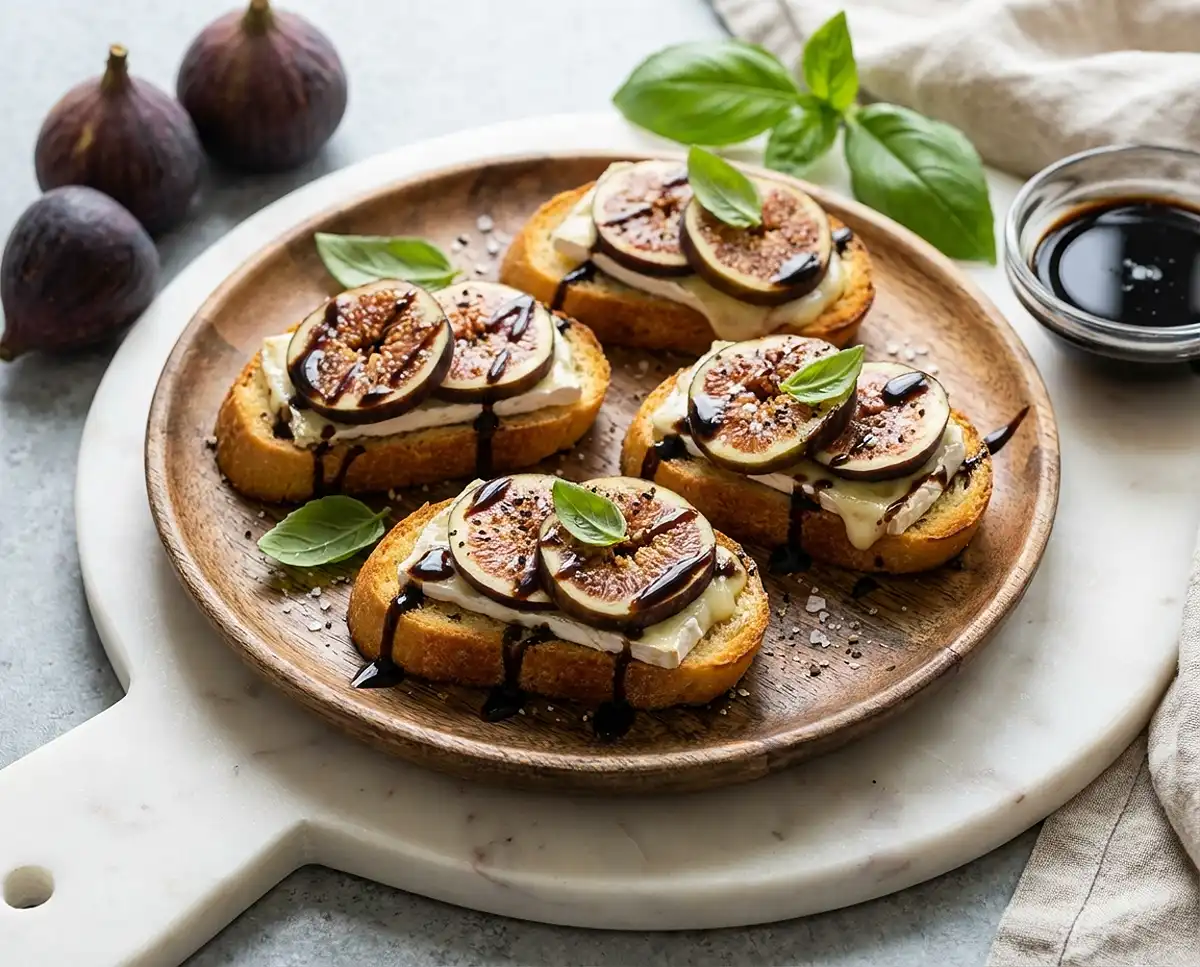
Gluten-Free Brie and Fig Crostini with creamy brie, sweet figs, and balsamic glaze. Ready in 15 minutes—perfect for parties and holidays!
Three years ago, I volunteered to bring appetizers to a holiday potluck and grabbed a box of regular crostini without thinking—only to watch my celiac friend politely decline while everyone else devoured them. That embarrassing moment taught me to always have a gluten-free option on hand, and these Gluten-Free Brie and Fig Crostini became my go-to for every gathering since.
The creamy, melty brie paired with sweet, jammy figs and tangy balsamic glaze tastes so indulgent that guests never guess they’re gluten-free—and they disappear faster than I can refill the platter. You know how some appetizers feel like fussy restaurant food that takes forever to make? This one looks impressive but comes together in just 15 minutes with ingredients you can find at any grocery store.
Why You’ll Love This Brie and Fig Crostini
- Sweet, savory, creamy, and tangy all in one bite: The brie melts into the warm crostini, the figs add natural sweetness, and the balsamic glaze ties everything together with a glossy, tangy finish
- Beginner-friendly and ready in 15 minutes: Toast the bread, layer the toppings, drizzle, and serve—no special skills or equipment required
- Naturally gluten-free when you choose the right bread: Use a certified gluten-free baguette and check your balsamic glaze label, and you’ve got a celiac-safe appetizer that looks and tastes gourmet
- Scales up or down effortlessly: Make 8 pieces for a small gathering or triple the recipe for a holiday party—either way, they’ll be gone before you know it
The Secret to Perfect Gluten-Free Brie and Fig Crostini
Toasting gluten-free bread in the oven (not a toaster) gives you evenly golden, crispy crostini. Gluten-free bread tends to dry out quickly and can burn in spots if you use a toaster or broiler. Baking at 350°F on the upper rack for 8-9 minutes total (flipping halfway) ensures the slices toast evenly on both sides without turning rock-hard or burnt.
Brushing both sides of the bread with olive oil before toasting creates a crispy, golden crust. The oil helps the bread brown beautifully and adds richness, while also preventing the crostini from tasting dry or cardboard-like—a common complaint with gluten-free bread. According to trusted gluten-free baking science from King Arthur Baking, fat (like olive oil or butter) improves texture and flavor in gluten-free baked goods by adding moisture and browning.
Using fresh figs (not dried) delivers juicy bursts of sweetness that contrast with the creamy brie. Fresh figs have a delicate, jammy texture and floral sweetness that dried figs can’t match. When they’re sliced and layered on warm brie, they soften slightly and release their juices, creating a luxurious topping that tastes like something from a fancy cheese board.
Drizzling with balsamic glaze (not regular balsamic vinegar) adds sweet-tangy depth without making the crostini soggy. Balsamic glaze is reduced and thickened, so it clings to the toppings instead of soaking into the bread. Always check the label to ensure it’s certified gluten-free—some brands add barley malt or other gluten-containing thickeners.
Table of Contents
Ingredients
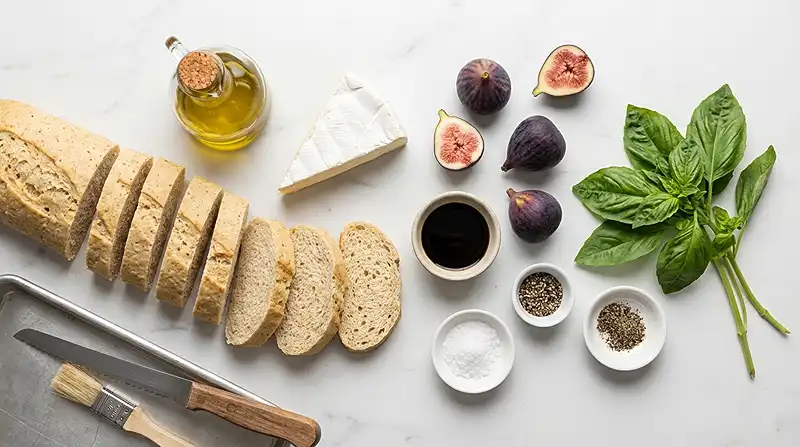
| Ingredient | Amount | Notes |
|---|---|---|
| Gluten-free baguette or bread | 8 slices | Schar, Canyon Bakehouse, or Against the Grain work well |
| Extra virgin olive oil | 3 tbsp | For brushing both sides of bread |
| Brie cheese | 100 g (about 3.5 oz) | Sliced; rind on or off, your choice |
| Fresh figs | 5 | Sliced; look for ripe but firm figs |
| Balsamic glaze | 3-4 tbsp | Check label for gluten-free certification |
| Salt | To taste | Flaky sea salt works beautifully |
| Ground black pepper | To taste | Freshly ground if possible |
| Fresh basil leaves | For garnish | Or substitute mint or thyme |
Step-by-Step Instructions
Step 1: Preheat and Prep the Bread
Preheat your oven to 350°F and position the rack in the upper third of the oven—this ensures the tops of the crostini get nice and golden. Using a serrated knife, slice a gluten-free baguette into 8 pieces about ½ to ¾ inch thick. If you’re using pre-sliced gluten-free sandwich bread, skip the slicing step and just use 8 slices as-is.
Pro Tip: If your gluten-free baguette is frozen, let it thaw completely before slicing—frozen gluten-free bread tends to crumble and fall apart when you cut it.
Step 2: Brush with Olive Oil
Pour 3 tbsp extra virgin olive oil into a small bowl. Using a pastry brush or the back of a spoon, generously brush both sides of each bread slice with olive oil—don’t skip this step or skimp on the oil, as it’s what makes the crostini crispy and golden instead of dry and brittle. Arrange the oiled slices in a single layer on a large baking sheet, making sure they don’t overlap.
Pro Tip: If you don’t have a pastry brush, drizzle the oil over the bread and use your fingers to spread it evenly on both sides.
Step 3: Toast Until Golden
Slide the baking sheet into the preheated oven on the upper rack and toast for 5 minutes. Pull the sheet out, flip each slice over with tongs or a spatula, and toast for an additional 3-4 minutes until both sides are golden brown and crispy. The crostini should smell toasty and nutty, and the edges should be lightly browned—they’ll firm up even more as they cool slightly.
Pro Tip: Watch closely during the last few minutes of toasting—gluten-free bread can go from golden to burnt quickly, especially on the upper rack.
Step 4: Add the Brie
Remove the baking sheet from the oven and immediately place a slice of brie (about 12-15 g or ½ oz) on top of each warm crostini. The residual heat from the toasted bread will start to soften the brie, creating that creamy, melty texture everyone loves. If you prefer your brie rind-free, trim it off before slicing; if you like the rind (it’s edible and adds a slight earthy flavor), leave it on.
Pro Tip: If you want the brie extra melty, pop the crostini back in the oven for 1-2 minutes after adding the cheese—just until it starts to ooze but doesn’t fully liquify.
Step 5: Top with Fresh Figs
Slice 5 fresh figs into thin rounds (about 3-4 slices per fig) and arrange 2-3 fig slices on top of the brie on each crostini. The figs should look artfully layered and slightly overlapping—this isn’t just for show; it ensures every bite gets some of that sweet, jammy fig flavor. The contrast between the creamy white brie and the deep purple fig flesh is as beautiful as it is tasty.
Pro Tip: If fresh figs aren’t in season, you can use fig jam instead—spread about 1 tsp on top of the brie for a similar sweet-savory vibe.
Step 6: Drizzle and Season
Drizzle 3-4 tbsp of gluten-free balsamic glaze over all the crostini in a back-and-forth motion—think of it like drawing thin lines of glaze across the figs and brie. The glaze should pool slightly and cling to the toppings without making the bread soggy. Sprinkle a light pinch of flaky sea salt and a few grinds of freshly cracked black pepper over each crostini to balance the sweetness and enhance the savory notes.
Pro Tip: If your balsamic glaze is too thick and won’t drizzle easily, warm it in the microwave for 5-10 seconds to loosen it up.
Step 7: Garnish and Serve
Tear or chiffonade a few fresh basil leaves and scatter them over the top of the crostini for a pop of green color and herbaceous freshness. Arrange the finished crostini on a serving platter and serve immediately while the bread is still warm and crispy. Well… if you can resist eating one (or three) straight off the baking sheet, you’ve got more self-control than I do.

Make It Your Own
Swap the figs for other fruits or toppings. If fresh figs aren’t available, try thinly sliced pears, apple slices, halved grapes, or even dried apricots that you’ve plumped in warm water for a few minutes. Prosciutto is another classic pairing—drape a thin slice over the brie before adding the figs for a salty, savory contrast.
Use different cheeses for variety. Camembert is the closest substitute for brie and delivers a similar creamy, earthy flavor. Goat cheese adds a tangy, crumbly contrast that pairs beautifully with figs, or try blue cheese if you love bold, pungent flavors—just use less since it’s stronger.
Make it dairy-free with nut-based cheese. Cashew or almond-based brie alternatives (like Treeline or Kite Hill) melt reasonably well and offer a creamy, tangy profile similar to dairy brie. The texture won’t be quite as luxurious, but it’s a solid option for dairy-free guests.
Add nuts for extra crunch and richness. Sprinkle toasted walnuts, pecans, or pistachios over the figs before drizzling the balsamic glaze. The nuts add texture and a buttery, toasted flavor that complements the creamy brie and sweet figs beautifully.
Common Problems & Solutions
Problem: The gluten-free bread is dry and crumbly.
Solution: You didn’t use enough olive oil, or your gluten-free bread is old and stale. Brush both sides of the bread generously with oil before toasting—the oil helps the bread stay moist and adds richness. If your bread is already stale, lightly mist it with water before brushing with oil to rehydrate it slightly.
Problem: The crostini are soggy instead of crispy.
Solution: You used too much balsamic glaze, or you drizzled it too far in advance. Balsamic glaze should be drizzled just before serving so it doesn’t have time to soak into the bread. If you’re making these ahead, toast the bread and prep the toppings separately, then assemble right before guests arrive.
Problem: The brie won’t melt and stays cold and firm.
Solution: Man, oh man, you added the brie to cold crostini, or your brie was straight from the fridge. Always place the brie on the warm, just-toasted bread so the residual heat softens it. If the brie is still too cold, pop the assembled crostini back in the oven for 1-2 minutes to warm the cheese through.
Problem: The balsamic glaze tastes too sharp or acidic.
Solution: You used regular balsamic vinegar instead of balsamic glaze. Balsamic glaze is reduced and sweetened, so it has a syrupy, mellow flavor—regular vinegar is much more acidic and sour. If you only have vinegar, simmer it with a tablespoon of honey or brown sugar for 5 minutes until it thickens into a glaze.
Storage & Meal Prep
| Method | Duration | Notes |
|---|---|---|
| Counter | 2 hours max | Assembled crostini; best served immediately |
| Fridge | 1 day | Store components separately; assemble before serving |
| Freezer | Not recommended | Figs and brie texture suffer when frozen |
Store components separately for best results. Toast the gluten-free bread slices and store them in an airtight container at room temperature for up to 2 days. Keep the sliced brie and figs in separate containers in the fridge, and assemble the crostini just before serving to maintain maximum crispness.
Reheat toasted bread if it softens. If your toasted crostini lose their crunch after a day, pop them back in a 350°F oven for 2-3 minutes to re-crisp them before assembling.
Gluten-Free Brie and Fig Crostini FAQs
Can I use regular bread instead of gluten-free?
Yes, but this recipe is designed specifically for gluten-free guests.
What’s the best gluten-free bread for crostini?
Schar Artisan Baker White Bread, Canyon Bakehouse Heritage Style Bread, or Against the Grain Baguettes all work well.
Can I make these ahead for a party?
Yes, but assemble them within 30 minutes of serving.
Is balsamic glaze always gluten-free?
Not always—you must check the label.
Can I use dried figs instead of fresh?
Yes, but rehydrate them first. Dried figs are much tougher and less juicy than fresh figs. Soak them in warm water for 10-15 minutes until they soften, then drain and slice them. They’ll add a concentrated, sweet flavor but won’t have the same delicate, jammy texture as fresh figs.
Serving Suggestions

Arrange these Gluten-Free Brie and Fig Crostini on a large platter alongside Gluten-Free Eggs Benedict for an elegant brunch spread, or serve them as a passed appetizer at Thanksgiving, Christmas, New Year’s Eve, or holiday cocktail parties. They’re my go-to when I need something that looks impressive but doesn’t keep me stuck in the kitchen—guests always ask for the recipe, and I love telling them it took less than 15 minutes to make.
Pair them with Gluten-Free Cloud Bread for a light, airy contrast, or serve them alongside Gluten-Free Cottage Cheese Toast for a brunch table with multiple gluten-free options. They also pair beautifully with a crisp white wine, sparkling rosé, or a simple arugula salad.
Give these Gluten-Free Brie and Fig Crostini a try at your next gathering and watch them disappear in minutes. If you come up with a creative topping combo or have questions about gluten-free bread brands, drop a comment below—I’d love to hear your ideas! Pin this recipe on Pinterest so you never lose it, and don’t forget to rate it if it becomes your new party staple.
Gluten-Free Brie and Fig Crostini
Equipment
- Serrated knife
- Small bowl
- Pastry brush or spoon
- Large baking sheet
- Tongs or Spatula
- Serving platter
Ingredients
- 8 slices gluten-free baguette or gluten-free bread Schar, Canyon Bakehouse, or Against the Grain recommended
- 3 tbsp extra virgin olive oil for brushing both sides of bread
- 100 g brie cheese about 3.5 oz, sliced; rind on or off
- 5 whole fresh figs sliced; look for ripe but firm figs
- 3-4 tbsp balsamic glaze check label for gluten-free certification
- salt to taste; flaky sea salt works beautifully
- ground black pepper to taste; freshly ground if possible
- fresh basil leaves for garnish; or substitute mint or thyme
Instructions
- Step 1: Preheat and Prep the Bread
Preheat your oven to 350°F and position the rack in the upper third of the oven—this ensures the tops of the crostini get nice and golden. Using a serrated knife, slice a gluten-free baguette into 8 pieces about ½ to ¾ inch thick. If you’re using pre-sliced gluten-free sandwich bread, skip the slicing step and just use 8 slices as-is.
Pro Tip: If your gluten-free baguette is frozen, let it thaw completely before slicing—frozen gluten-free bread tends to crumble and fall apart when you cut it. - Step 2: Brush with Olive Oil
Pour 3 tbsp extra virgin olive oil into a small bowl. Using a pastry brush or the back of a spoon, generously brush both sides of each bread slice with olive oil—don’t skip this step or skimp on the oil, as it’s what makes the crostini crispy and golden instead of dry and brittle. Arrange the oiled slices in a single layer on a large baking sheet, making sure they don’t overlap.
Pro Tip: If you don’t have a pastry brush, drizzle the oil over the bread and use your fingers to spread it evenly on both sides. - Step 3: Toast Until Golden
Slide the baking sheet into the preheated oven on the upper rack and toast for 5 minutes. Pull the sheet out, flip each slice over with tongs or a spatula, and toast for an additional 3-4 minutes until both sides are golden brown and crispy. The crostini should smell toasty and nutty, and the edges should be lightly browned—they’ll firm up even more as they cool slightly.
Pro Tip: Watch closely during the last few minutes of toasting—gluten-free bread can go from golden to burnt quickly, especially on the upper rack. - Step 4: Add the Brie
Remove the baking sheet from the oven and immediately place a slice of brie (about 12-15 g or ½ oz) on top of each warm crostini. The residual heat from the toasted bread will start to soften the brie, creating that creamy, melty texture everyone loves. If you prefer your brie rind-free, trim it off before slicing; if you like the rind (it’s edible and adds a slight earthy flavor), leave it on.
Pro Tip: If you want the brie extra melty, pop the crostini back in the oven for 1-2 minutes after adding the cheese—just until it starts to ooze but doesn’t fully liquify. - Step 5: Top with Fresh Figs
Slice 5 fresh figs into thin rounds (about 3-4 slices per fig) and arrange 2-3 fig slices on top of the brie on each crostini. The figs should look artfully layered and slightly overlapping—this isn’t just for show; it ensures every bite gets some of that sweet, jammy fig flavor. The contrast between the creamy white brie and the deep purple fig flesh is as beautiful as it is tasty.
Pro Tip: If fresh figs aren’t in season, you can use fig jam instead—spread about 1 tsp on top of the brie for a similar sweet-savory vibe. - Step 6: Drizzle and Season
Drizzle 3-4 tbsp of gluten-free balsamic glaze over all the crostini in a back-and-forth motion—think of it like drawing thin lines of glaze across the figs and brie. The glaze should pool slightly and cling to the toppings without making the bread soggy. Sprinkle a light pinch of flaky sea salt and a few grinds of freshly cracked black pepper over each crostini to balance the sweetness and enhance the savory notes.
Pro Tip: If your balsamic glaze is too thick and won’t drizzle easily, warm it in the microwave for 5-10 seconds to loosen it up. - Step 7: Garnish and Serve
Tear or chiffonade a few fresh basil leaves and scatter them over the top of the crostini for a pop of green color and herbaceous freshness. Arrange the finished crostini on a serving platter and serve immediately while the bread is still warm and crispy.