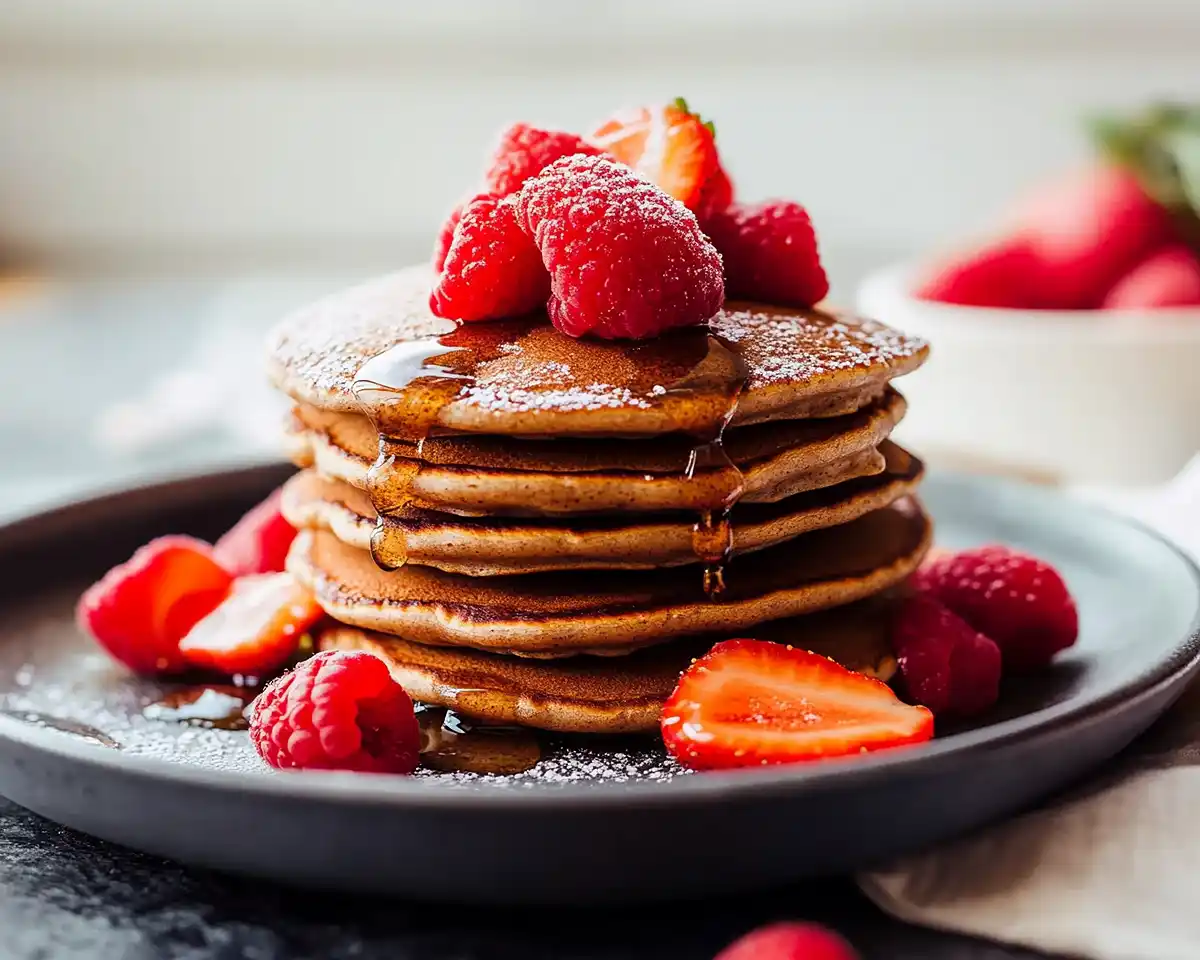
Gluten-Free Buckwheat Pancakes
Master fluffy gluten-free buckwheat pancakes! Nutty flavor, naturally filling, ready in 20 minutes. Perfect for busy families. Make-ahead friendly and totally customizable!
Here’s a confession: I used to think gluten-free buckwheat pancakes sounded intimidating. That was before I realized they’re actually easier than traditional pancakes, and they taste deeply nourishing in a way that keeps my family satisfied for hours. My kids went from pushing pancakes around their plates to asking for seconds, and suddenly breakfast became my favorite meal to cook.
Healthy buckwheat pancakes are one of those recipes that sounds fancy but is actually incredibly straightforward. Buckwheat flour brings a subtle nutty flavor and earthy depth that makes these pancakes taste sophisticated without any complicated techniques.
These gluten-free breakfast pancakes work beautifully for weekday mornings when you want something quick, or for weekend entertaining when you want to impress people with something genuinely delicious.
Table of Contents
Why This Recipe Works So Well
Gluten-free buckwheat pancakes succeed because of the perfect balance between buckwheat flour and traditional ingredients. Despite its name, buckwheat contains no wheat—it’s a naturally gluten-free seed that delivers nutty flavor and impressive nutrition. The combination of buttermilk and baking soda creates lift without heaviness, while eggs provide binding and richness.
The medium-low heat is essential for healthy buckwheat pancakes because buckwheat flour browns more easily than wheat flour. This slower cooking method ensures your pancakes cook through without burning the exterior. The slight sweetness from sugar balances buckwheat’s earthiness, creating pancakes that taste sophisticated and completely crave-worthy.
Ingredients
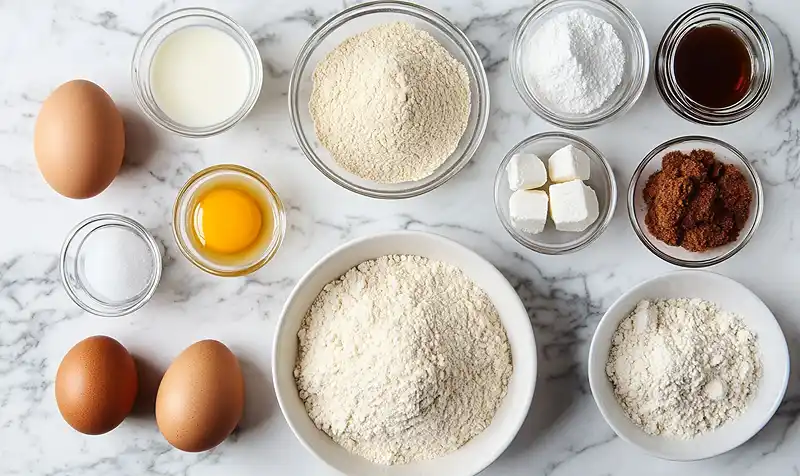
| Ingredient | Amount | Notes |
|---|---|---|
| Buckwheat flour | 1 cup + 1 Tbsp | Or ½ cup buckwheat + ½ cup other flour |
| Granulated sugar | 1 Tbsp | Slight sweetness |
| Baking powder | 1 tsp | For rise |
| Baking soda | 1 tsp | Reacts with buttermilk |
| Salt | ¼ tsp | Balances flavors |
| Buttermilk, shaken | 1¼ cups | Room temperature works best |
| Eggs | 2 large | Binds ingredients |
| Pure vanilla extract | ½ tsp | Deepens flavor |
| Butter (for cooking) | As needed | For the skillet |
Instructions
Step 1: Combine Your Dry Ingredients
In a medium mixing bowl, combine the buckwheat flour, sugar, baking powder, baking soda, and salt, stirring everything together until evenly distributed. This step is important for gluten-free buckwheat pancakes because it ensures your leavening agents are spread throughout the batter for consistent rise. Take your time here—you don’t want pockets of baking soda hiding in your batter.
Step 2: Prepare Your Wet Mixture
In a liquid measuring cup, pour your buttermilk and beat in the eggs and vanilla extract until everything is well combined and slightly frothy. This step helps incorporate air into your healthy buckwheat pancakes, which creates those beautiful, fluffy layers. The frothy texture is your signal that you’re ready for the next step.
Step 3: Combine Wet and Dry Ingredients
Add all your wet ingredients to the dry ingredients at once and mix gently until just combined—your batter should have small to medium lumps, which is exactly what you want for tender gluten-free breakfast pancakes. Overmixing develops gluten (even though you’re using gluten-free flour, the buckwheat flour can toughen if overworked). Don’t worry if it looks slightly lumpy; that’s the secret to light pancakes.
Step 4: Let Batter Rest While You Preheat
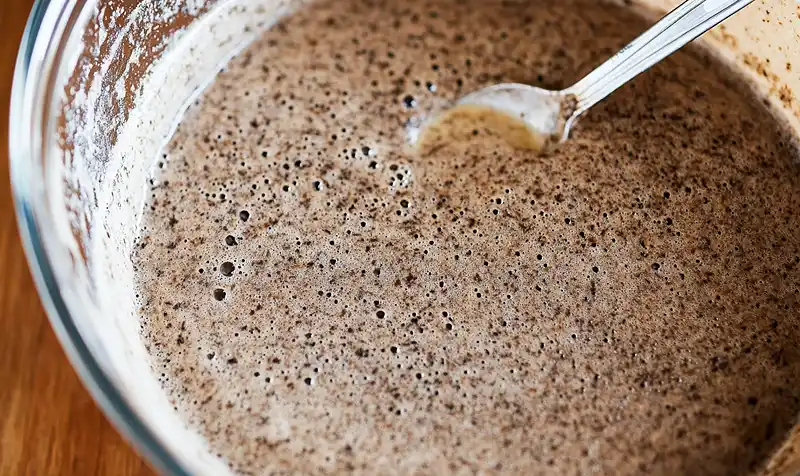
Set your batter aside while you warm your skillet or griddle—this resting time lets the flour fully hydrate and helps your homemade buckwheat pancakes cook more evenly. It also gives you a moment to breathe before the cooking begins, which is always nice when you’re managing a full breakfast routine.
Step 5: Heat Your Cooking Surface
Preheat your skillet or griddle over medium-low heat (if using an electric griddle, set it to 350°F). Brush the cooking surface generously with butter—this prevents sticking and creates those gorgeous golden-brown edges on your buckwheat pancakes. Medium-low heat is crucial because buckwheat flour is more delicate than traditional flour and can brown too quickly at higher temperatures.
Step 6: Prepare Your Batter for Cooking
Give your batter a gentle stir with a spoon to prevent the buckwheat from separating from the liquid—buckwheat flour does this naturally, so a quick swirl helps redistribute everything evenly. This is an important step you’ll repeat before each batch of gluten-free breakfast pancakes to maintain consistency throughout cooking.
Step 7: Cook Your First Batch
Using a ¼-cup measure, scoop the batter onto your warm, buttered skillet in small pools. Cook for 2 to 3 minutes until small bubbles form across the surface of your pancakes. You’ll know they’re ready to flip when about 1 inch of the perimeter turns matte instead of glossy—this is your visual cue for perfectly cooked healthy buckwheat pancakes.
Step 8: Flip and Finish
Carefully flip each pancake using a spatula and cook on the opposite side for 1 to 2 minutes until golden-brown and cooked through. Your gluten-free buckwheat pancakes should be nutty-brown on both sides, not pale or dark brown. If they’re browning too quickly, reduce your heat slightly.
Step 9: Keep Pancakes Warm
Transfer cooked pancakes to a cooling rack or to a baking sheet in a preheated 200°F oven to keep warm while you finish cooking the remaining batter. This prevents them from getting soggy and ensures everyone gets warm pancakes when they sit down to eat your homemade buckwheat pancakes.
Step 10: Continue Cooking and Serving
Gently stir the batter before scooping out the next batch, then repeat the cooking process with remaining batter, brushing the skillet with additional butter as needed. Serve your buckwheat pancakes immediately while they’re warm and perfect, topped with your family’s favorite toppings.
Substitutions & Adaptations
For All-Buckwheat Flavor
Use the full 1 cup plus 1 tablespoon of buckwheat flour instead of mixing with another flour for intensely nutty homemade buckwheat pancakes with deep, earthy flavor. Your pancakes will be denser and more substantial, which many people actually prefer for a truly hearty breakfast. This variation is perfect for buckwheat enthusiasts who want maximum nutty goodness.
For a Lighter Option (Half-and-Half Blend)
Replace ½ cup of buckwheat flour with an equal amount of gluten-free all-purpose flour or regular flour to create gluten-free breakfast pancakes that are slightly lighter in texture and milder in buckwheat flavor. This blend works beautifully for people who find straight buckwheat too strong or dense. The mixture gives you the health benefits of buckwheat with a more delicate bite.
For Dairy-Free Pancakes
Substitute buttermilk with unsweetened almond milk mixed with 1 tablespoon of apple cider vinegar (let sit 5 minutes to curdle), then use dairy-free butter for cooking your buckwheat pancakes. Your pancakes will still turn out wonderfully, though slightly less rich. Make sure your baking soda reacts properly with the dairy-free buttermilk substitute.
For Extra Protein Boost
Add 2 tablespoons of gluten-free protein powder to your dry ingredients and reduce sugar by ½ tablespoon to maintain sweetness balance in your healthy buckwheat pancakes. This works beautifully if you’re looking to add staying power to your breakfast. Vanilla or unflavored protein powder works best to avoid overpowering the buckwheat.
For Naturally Sweetened Pancakes
Replace the granulated sugar with 1 tablespoon of pure maple syrup or honey mixed into your wet ingredients instead of the dry mix for gluten-free breakfast pancakes with natural sweetness. Honey adds moisture that makes these pancakes extra tender, while maple syrup deepens the overall flavor. Both options create delicious, slightly less processed pancakes.
Looking for more gluten-free breakfast inspiration? Check out our easy weekend brunch recipe collection for additional crowd-pleasing options that work beautifully alongside your pancake rotation. If you want something equally versatile and seasonally inspired, our trusted compilation of autumn baking favorites offers wonderful inspiration for incorporating seasonal flavors into your breakfast repertoire.
Troubleshooting Tips
Pancakes Are Too Dense or Heavy
This usually means your batter was overmixed or your heat was too low, causing them to cook slowly and become compact. Mix just until combined—lumps are your friend! Also, make sure your skillet is hot enough that a drop of water sizzles on contact. Dense pancakes are still delicious, but proper mixing and heat prevent this issue.
Pancakes Aren’t Cooking Through or Look Raw Inside
Your skillet temperature might be too high on the first side, cooking the exterior before the inside is done. Lower your heat to medium-low and give pancakes the full 2-3 minutes on the first side before flipping. Buckwheat pancakes need slightly longer cooking than wheat flour pancakes, so don’t rush the process.
Pancakes Are Browning Too Quickly or Burning
Buckwheat flour browns faster than wheat flour, so reduce your heat further if you’re getting dark brown pancakes that seem burnt. Also, make sure you’re not using too much butter on the skillet—a light brush is all you need. Medium-low heat really is the magic number for these gluten-free breakfast pancakes.
Batter Is Too Thick or Doesn’t Pour Easily
If your batter seems thicker than pancake batter should be, add buttermilk or milk one tablespoon at a time until you reach a pourable consistency. Different buckwheat flours have varying water absorption, so minor adjustments are normal. Your homemade buckwheat pancakes batter should be thicker than crepe batter but pourable.
Storage & Meal Prep
Storing Cooked Pancakes
Your gluten-free buckwheat pancakes keep beautifully in an airtight container in the refrigerator for up to 3 days. To reheat, pop them in a 350°F toaster oven for 5 minutes to restore warmth and slight crispness. A regular toaster works too, but watch carefully so they don’t burn—the key is warming, not over-toasting.
Freezing for Busy Weekday Mornings
This is where healthy buckwheat pancakes become your secret weapon for quick mornings. Arrange cooked pancakes in a single layer on a baking sheet and freeze for 2 hours, then transfer to a freezer bag for up to 3 months. Toast them directly from frozen—they’ll warm through in about 4 minutes and taste remarkably close to fresh-made.
Serving Suggestions & Pairings
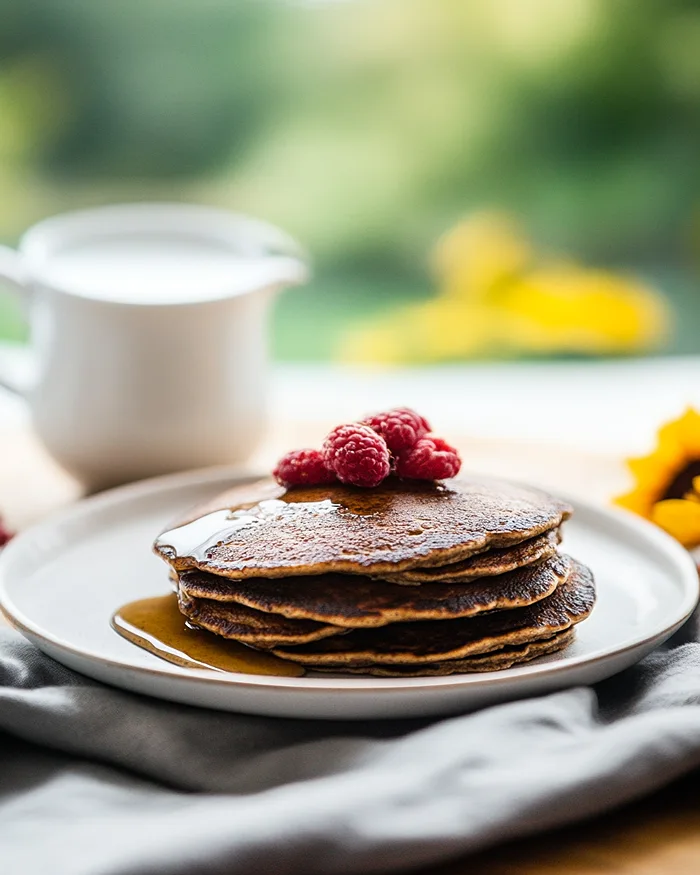
The Classic Style
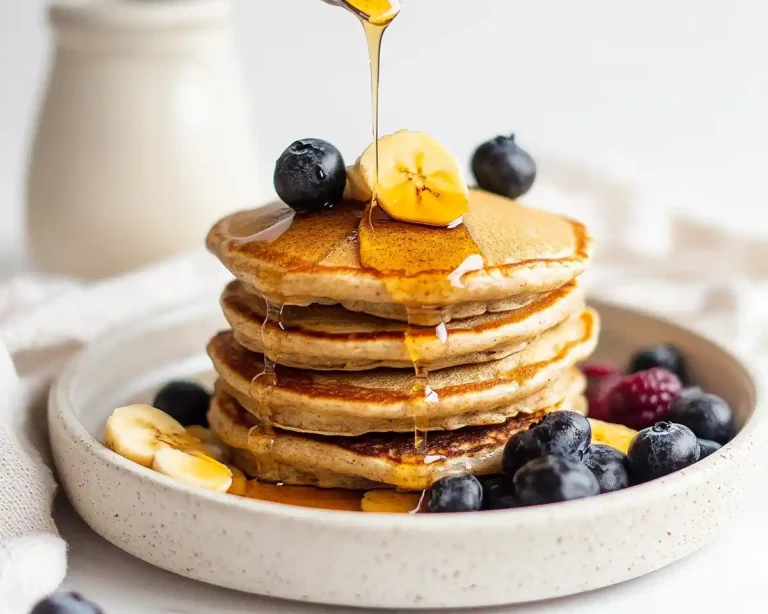
Serve your buckwheat pancakes warm with pure maple syrup, fresh butter, and a side of fresh berries for a simple, elegant breakfast. The nutty flavor of buckwheat plays beautifully with maple’s sweetness and the tartness of berries. Add a glass of fresh orange juice and you’ve got a complete morning meal.
For Quick Weekday Mornings
Top your gluten-free breakfast pancakes with a dollop of Greek yogurt, a drizzle of honey, and sliced banana for a protein-packed breakfast you can eat in minutes. This combination creates a balanced meal with carbs, protein, and healthy fats. Your kids will gobble them up without complaint because they taste like a treat.
Nutty Indulgence Version
Spread almond butter or tahini on warm homemade buckwheat pancakes, then drizzle with honey and sprinkle with toasted nuts or seeds for nutty goodness that feels luxurious. The buckwheat’s earthy flavor complements nut butters beautifully, creating pancakes that taste sophisticated. This version is perfect for special occasions or when you want something that feels fancy.
Autumn-Inspired Topping
Dust your buckwheat pancakes with cinnamon, top with spiced applesauce or pumpkin butter, and add a dollop of whipped cream for seasonal breakfast magic. Buckwheat’s earthiness pairs wonderfully with warm spices and seasonal toppings. This variation makes breakfast feel like fall gathering time.
Variations for Every Family Need
Kid-Friendly Mild Buckwheat Pancakes
Reduce buckwheat flour to ½ cup and increase your other flour to ¾ cup for gluten-free breakfast pancakes with milder buckwheat flavor that little ones enjoy more. Increase sugar to 1½ tablespoons for extra sweetness that appeals to young palates. Kids often prefer these lighter, sweeter pancakes, so this adjustment makes them more kid-approved while keeping the nutrition benefits.
Spiced Buckwheat Variation
Add ½ teaspoon ground cinnamon, ¼ teaspoon nutmeg, and a pinch of cloves to your dry ingredients for healthy buckwheat pancakes with warm spice undertones that make your kitchen smell incredible. The warm spices complement buckwheat’s earthiness beautifully, creating pancakes that taste like autumn every time you make them. Well, this is absolutely the way to celebrate fall breakfast moments.
Chocolate Chip Addition
Fold in ¾ cup of mini chocolate chips or dark chocolate chunks along with your mix-in additions for buckwheat pancakes that feel like breakfast dessert. Dark chocolate works particularly well with buckwheat’s nutty flavor, creating a sophisticated flavor combination. Add chocolate chips just before cooking to prevent them from melting in the batter.
Banana or Blueberry Pancakes
Add ½ cup mashed banana or fresh blueberries folded gently into your batter for fruity gluten-free breakfast pancakes that add natural sweetness and moisture. Blueberries maintain their shape better than banana, but both create delicious results. These variations add nutrition while making pancakes feel special and craveable.
FAQs About Gluten-Free Buckwheat Pancakes
Is buckwheat actually gluten-free?
Yes! Despite its name, buckwheat contains no wheat and is naturally completely gluten-free, making buckwheat pancakes safe for anyone avoiding gluten. It’s actually a seed from a plant unrelated to wheat, which is why it makes such a good gluten-free flour. This is one of the many reasons healthy buckwheat pancakes are perfect for gluten-free diets.
Can I use regular all-purpose flour instead of buckwheat?
Absolutely! You can use any flour blend you prefer, though you’ll lose the nutty buckwheat flavor that makes these gluten-free breakfast pancakes special. You could do a 50/50 blend of buckwheat and all-purpose flour if you want to ease into buckwheat flavor. Experiment with different ratios to find your family’s preferred flavor balance.
Why do I need to stir the batter before each batch?
Buckwheat flour is heavier and naturally separates from the liquid, so gentle stirring before each batch ensures even flour distribution throughout your homemade buckwheat pancakes. This prevents some batches from being too thick or too thin. It’s a quick step that makes a huge difference in consistency.
Can I make pancakes on a griddle instead of a skillet?
Absolutely! Griddles work beautifully for gluten-free breakfast pancakes and let you cook multiple pancakes at once. Preheat your griddle to 350°F and follow the same cooking instructions. You might finish batches slightly faster on a griddle due to more even heat distribution.
Can I prepare the batter ahead of time?
You can mix your dry ingredients up to 24 hours ahead and store in an airtight container, then add wet ingredients just before cooking for fresh gluten-free breakfast pancakes. The batter itself doesn’t keep well overnight because the leavening agents activate immediately upon mixing. Dry ingredient prep is your best make-ahead strategy here.
How many pancakes does this recipe make?
This recipe yields approximately 12–14 small to medium pancakes depending on your scoop size. A ¼-cup measure creates consistent, uniform buckwheat pancakes that cook evenly. This amount feeds about 4 people with 3 pancakes each, or fewer with generous toppings.
The Bottom Line
Gluten-free buckwheat pancakes prove that healthy breakfast doesn’t have to mean sacrificing flavor or satisfaction. These pancakes deliver genuine nutrition alongside incredible taste—that nutty, earthy flavor that makes people wonder what secret ingredient you’re hiding. The best part? They’re completely achievable for beginners and busy families who want breakfast that actually fuels their day.
Your healthy buckwheat pancakes become a family favorite once you realize how straightforward they actually are. Future you will be so grateful when you can pull frozen pancakes from the freezer and have hot breakfast ready in minutes. Your family gets a morning meal they’ll actually request multiple times a week, and you get the satisfaction of serving nourishing food that tastes genuinely delicious.
For more information on the impressive nutritional profile of buckwheat and why it’s considered a superfood, check out this authoritative guide to buckwheat nutrition and benefits. Understanding that your buckwheat pancakes deliver genuine nutrition alongside incredible taste makes serving them even more satisfying and confident.
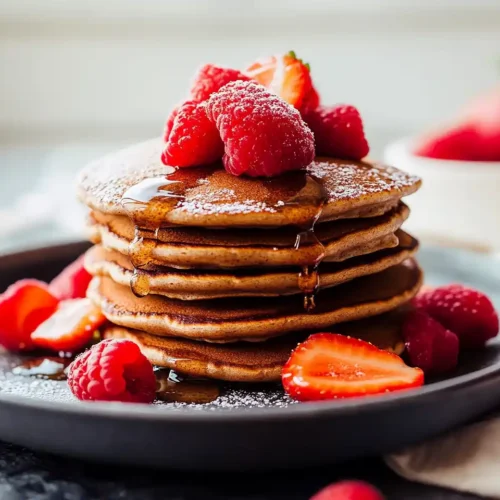
Gluten-Free Buckwheat Pancakes
Equipment
- Medium mixing bowl
- Liquid Measuring Cup
- Skillet or griddle
- Spatula
- Measuring cups
- Measuring spoons
- Whisk or fork
- Cooling Rack or Baking Sheet
- 1/4 Cup Measure
Ingredients
Dry Ingredients
- 1 cup + 1 Tbsp Buckwheat flour Or 1/2 cup buckwheat and 1/2 cup flour of choice
- 1 Tbsp Granulated sugar For slight sweetness
- 1 tsp Baking powder For rise and lift
- 1 tsp Baking soda Reacts with buttermilk
- ¼ tsp Salt Balances flavors
Wet Ingredients
- 1 ¼ cups Buttermilk, shaken Room temperature works best
- 2 large Eggs Binds ingredients
- ½ tsp Pure vanilla extract Deepens flavor
For Cooking
- As needed Butter For greasing the skillet
Instructions
- In a medium mixing bowl, combine the buckwheat flour, sugar, baking powder, baking soda, and salt, stirring everything together until evenly distributed. This step is important for gluten-free buckwheat pancakes because it ensures your leavening agents are spread throughout the batter for consistent rise. Take your time here—you don’t want pockets of baking soda hiding in your batter.
- In a liquid measuring cup, pour your buttermilk and beat in the eggs and vanilla extract until everything is well combined and slightly frothy. This step helps incorporate air into your healthy buckwheat pancakes, which creates those beautiful, fluffy layers. The frothy texture is your signal that you’re ready for the next step.
- Add all your wet ingredients to the dry ingredients at once and mix gently until just combined—your batter should have small to medium lumps, which is exactly what you want for tender gluten-free breakfast pancakes. Overmixing develops toughness even though you’re using gluten-free flour. Don’t worry if it looks slightly lumpy; that’s the secret to light pancakes.
- Set your batter aside while you warm your skillet or griddle—this resting time lets the flour fully hydrate and helps your homemade buckwheat pancakes cook more evenly. It also gives you a moment to breathe before the cooking begins. Medium-low heat is crucial because buckwheat flour is more delicate than traditional flour.
- Preheat your skillet or griddle over medium-low heat (if using an electric griddle, set it to 350°F). Brush the cooking surface generously with butter—this prevents sticking and creates those gorgeous golden-brown edges on your buckwheat pancakes. Medium-low heat is crucial because buckwheat flour can brown too quickly at higher temperatures.
- Give your batter a gentle stir with a spoon to prevent the buckwheat from separating from the liquid—buckwheat flour does this naturally, so a quick swirl helps redistribute everything evenly. This is an important step you’ll repeat before each batch of gluten-free breakfast pancakes to maintain consistency. It only takes a few seconds but makes a big difference.
- Using a 1/4-cup measure, scoop the batter onto your warm, buttered skillet in small pools. Cook for 2 to 3 minutes until small bubbles form across the surface of your pancakes. You’ll know they’re ready to flip when about 1 inch of the perimeter turns matte instead of glossy—this is your visual cue for perfectly cooked healthy buckwheat pancakes.
- Carefully flip each pancake using a spatula and cook on the opposite side for 1 to 2 minutes until golden-brown and cooked through. Your gluten-free buckwheat pancakes should be nutty-brown on both sides, not pale or dark brown. If they’re browning too quickly, reduce your heat slightly.
- Transfer cooked pancakes to a cooling rack or to a baking sheet in a preheated 200°F oven to keep warm while you finish cooking the remaining batter. This prevents them from getting soggy and ensures everyone gets warm pancakes when they sit down. It’s a simple step that makes a big difference in the final experience.
- Gently stir the batter before scooping out the next batch, then repeat the cooking process with remaining batter, brushing the skillet with additional butter as needed. Serve your buckwheat pancakes immediately while they’re warm and perfect, topped with your family’s favorite toppings.