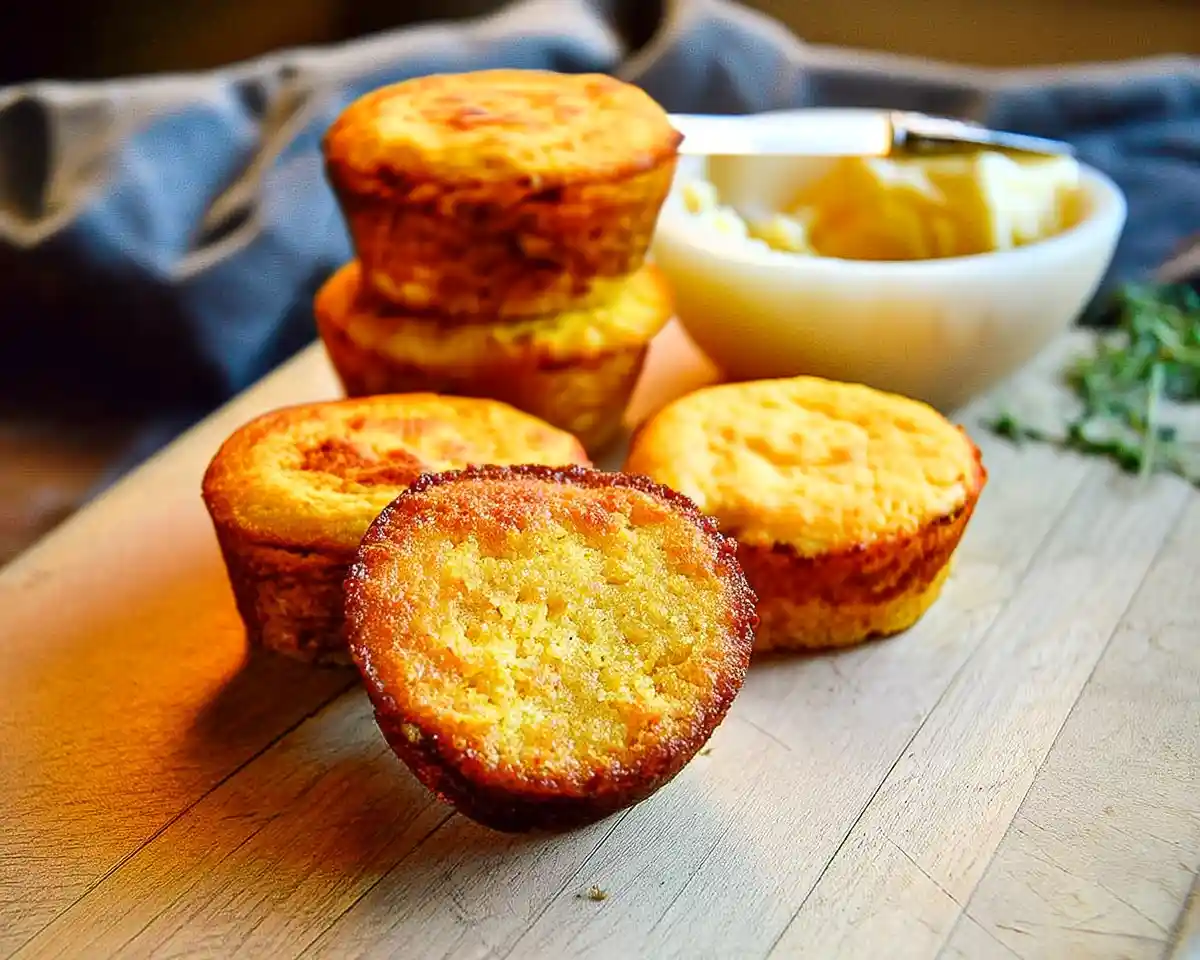
Gluten-Free Buttermilk Cornbread Recipe
This gluten-free buttermilk cornbread recipe delivers golden, crumbly perfection in 25 minutes. Naturally wheat-free comfort food your whole family will love!
You know that moment when you bite into a piece of warm cornbread and butter just melts into every golden crumb? That’s exactly what you’re getting with this gluten-free buttermilk cornbread recipe—no compromises, no weird textures, just pure Southern comfort.
Here’s the beautiful thing: cornbread is naturally wheat-free since it’s made entirely with cornmeal. No fancy flour blends, no guar gum, no spending $12 on ingredients you can’t pronounce. Just simple pantry staples that come together in one bowl for the most tender, crumbly cornbread you’ve ever tasted.
I stumbled onto this recipe years ago when I was newly gluten-free and desperately missing the foods that felt like home. Turns out, cornbread never needed gluten in the first place—it just needed the right technique and good-quality cornmeal to shine.
Table of Contents
Gluten-Free Buttermilk Cornbread
Equipment
- 8-9 inch cast iron skillet or muffin tin
- Large mixing bowl
- Large measuring cup
- Whisk
- Toothpick
Ingredients
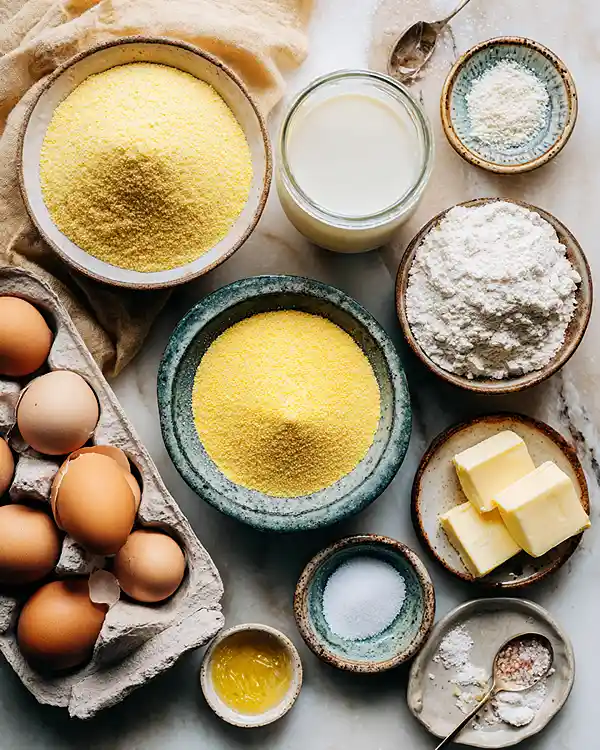
- 2 eggs room temperature
- 2 cups buttermilk
- 2 cups cornmeal
- 1 teaspoon salt
- 1 teaspoon baking soda
- 2 teaspoons baking powder
- ¼ cup sugar optional or to taste
- 2 tablespoons melted bacon grease, vegetable oil, olive oil, coconut oil, or melted butter
Instructions
- Preheat your oven to 475°F. Grab an 8-9 inch cast iron skillet or a muffin tin that holds about 18 muffins. Grease it generously so your cornbread releases beautifully with those crispy edges intact.
- In a large measuring cup, beat the room temperature eggs until they’re well combined. Pour in the buttermilk and whisk everything together until smooth and frothy.
- In a large mixing bowl, combine the cornmeal, salt, baking soda, and baking powder. If you’re using sugar, whisk it in now with the dry ingredients.
- Pour your egg and buttermilk mixture into the bowl with the dry ingredients. Stir gently until just combined—you want it mixed but not overworked.
- Drizzle in your melted fat of choice and fold it through the batter. The bacon grease adds incredible savory depth, but any oil or melted butter works beautifully.
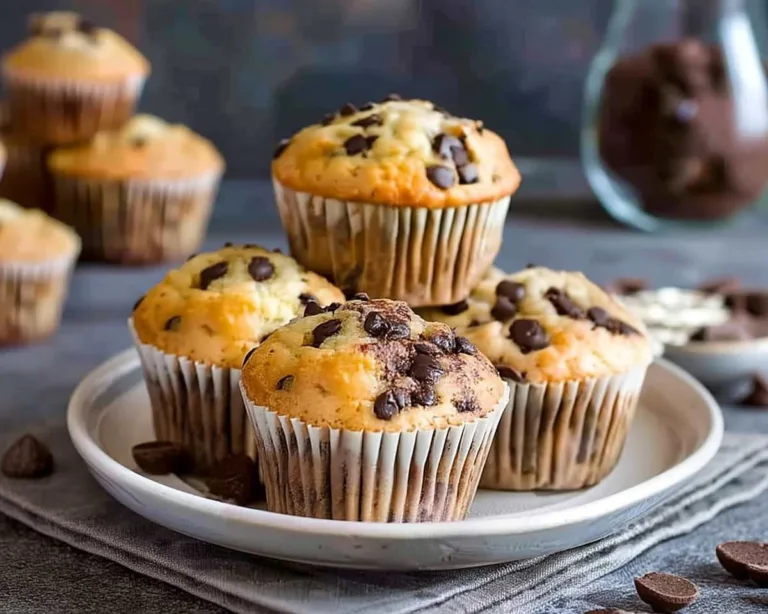
- Pour the batter into your prepared skillet for one large cornbread, or spoon it into muffin cups for individual servings.
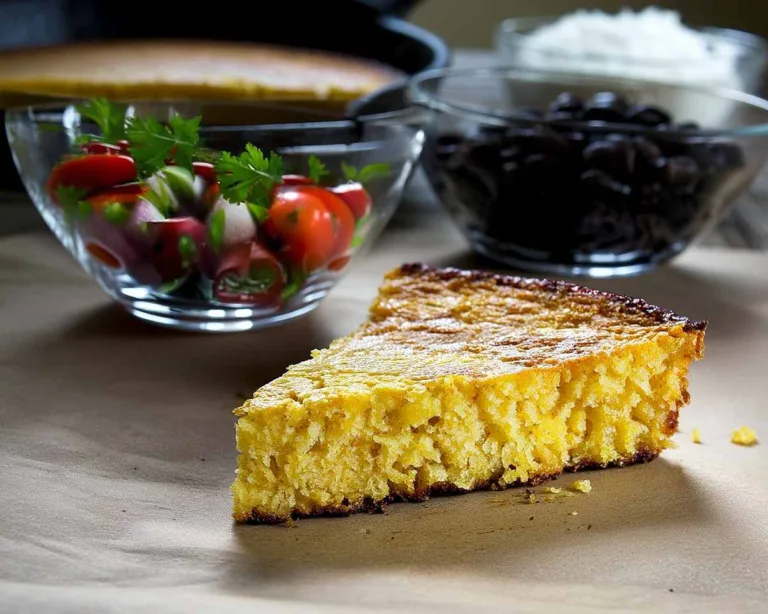
- Bake for about 25 minutes if using a skillet, or 15-20 minutes for muffins. You’ll know it’s done when the edges pull away from the pan and the top turns a gorgeous golden brown.
- Test for doneness by inserting a toothpick into the center—only a few moist crumbs should cling to it. Let it cool for just 5 minutes before slicing.
Notes
Ingredients
| Ingredient | Amount |
|---|---|
| Room temperature eggs | 2 |
| Buttermilk | 2 cups |
| Cornmeal | 2 cups |
| Salt | 1 teaspoon |
| Baking soda | 1 teaspoon |
| Baking powder | 2 teaspoons |
| Sugar (optional) | ¼ cup or to taste |
| Melted bacon grease, vegetable oil, olive oil, coconut oil, OR melted butter | 2 tablespoons |
Instructions
Step 1: Preheat your oven to 475°F. Grab an 8-9 inch cast iron skillet or a muffin tin that holds about 18 muffins. Grease it generously—I’m talking really coat every surface so your gf cornbread releases beautifully with those crispy edges intact.
Step 2: In a large measuring cup, beat the room temperature eggs until they’re well combined. Pour in the buttermilk and whisk everything together until smooth and frothy.
Step 3: In a large mixing bowl, combine the cornmeal, salt, baking soda, and baking powder. If you’re using sugar (I always do for that subtle sweetness), whisk it in now with the dry ingredients.
Step 4: Pour your egg and buttermilk mixture into the bowl with the dry ingredients. Stir gently until just combined—you want it mixed but not overworked, as light as a summer cloud.
Step 5: Drizzle in your melted fat of choice and fold it through the batter. The bacon grease adds incredible savory depth, but any oil or melted butter works beautifully for this cornbread recipe without gluten.
Step 6: Pour the batter into your prepared skillet for one large cornbread, or spoon it into muffin cups for individual servings. Either way, you’re about 20 minutes from cornbread heaven.
Step 7: Bake for about 25 minutes if using a skillet, or 15-20 minutes for muffins. You’ll know it’s done when the edges pull away from the pan and the top turns a gorgeous golden brown.
Step 8: Test for doneness by inserting a toothpick into the center—only a few moist crumbs should cling to it. Let it cool for just 5 minutes before slicing (if you can wait that long!).
Substitutions
No buttermilk? Make your own by adding 2 tablespoons of white vinegar or lemon juice to 2 cups of regular milk. Let it sit for 5 minutes until it curdles slightly, and you’ve got perfect buttermilk for your gluten-free southern recipes.
Want it dairy-free? Use the same vinegar trick with your favorite non-dairy milk—almond, oat, or soy all work great. Just swap the butter for coconut oil or vegetable oil, and you’ve got a completely dairy-free version.
Egg substitute: Each egg can be replaced with a flax egg (1 tablespoon ground flaxseed mixed with 3 tablespoons water, left to gel for 5 minutes). The texture will be slightly denser but still delicious.
Cornmeal choices matter: Medium-grind cornmeal gives you the best texture for this recipe. Fine cornmeal works but creates a more cake-like crumb, while coarse cornmeal adds rustic texture.
Troubleshooting
Cornbread turned out dry? This usually means it baked too long or your oven runs hot. Check it at 20 minutes for skillets and 13 minutes for muffins—every oven is different, and gluten-free buttermilk cornbread recipe success depends on catching it at just the right moment.
Too crumbly to slice? Let it cool for at least 10 minutes before cutting. The structure needs time to set, and patience here makes all the difference between crumbles and clean slices.
Dense or gummy center? Your baking soda or baking powder might be past its prime. These leavening agents lose potency after about 6 months, so give them a freshness check if your cornbread isn’t rising properly.
Bottom burning while top is pale? Move your oven rack up one position. Cast iron skillets conduct heat intensely from the bottom, so a higher rack position helps everything bake evenly.
Storage & Meal Prep
Store leftover cornbread in an airtight container at room temperature for up to 3 days. For longer storage, wrap individual pieces in plastic wrap and freeze for up to 3 months—just thaw at room temperature or warm in a 300°F oven for 10 minutes.
Well, here’s a game-changer: you can prep the dry ingredients up to a week ahead and store them in an airtight container. When you’re ready to bake, just mix in the wet ingredients and pop it in the oven for fresh gf cornbread in under 30 minutes total.
Serving Suggestions
Serve this warm with a pat of butter melting into every bite alongside a bowl of chili or your favorite soup. The slightly sweet, tender crumb is perfect for soaking up all those delicious flavors, especially during fall gatherings or Thanksgiving dinner.
Try it with honey butter (equal parts softened butter and honey whipped together) for breakfast or brunch. Or crumble it over a hearty curry dish for an unexpected textural contrast that’s absolutely divine.
Variations
Jalapeño Cheddar: Fold in ½ cup shredded cheddar cheese and 2 diced jalapeños for a savory kick. This version is incredible with barbecue or as a standalone snack.
Sweet Honey: Increase the sugar to ⅓ cup and add 2 tablespoons of honey to the wet ingredients. You’ll get a dessert-like cornbread that’s perfect with morning coffee.
Herb Garden: Stir in 2 tablespoons of fresh chopped herbs like rosemary, thyme, or chives. This transforms your cornbread recipe without gluten into an elegant side for roasted chicken or pork.
Kid-Friendly Mini Muffins: Use a mini muffin tin and bake for just 10-12 minutes. Little hands love these bite-sized portions, and they’re perfect for school lunches (just check your school’s policies on homemade foods).
Gluten-Free Buttermilk Cornbread Recipe FAQs
Can I make this without sugar?
Absolutely! The sugar is completely optional in this gluten-free buttermilk cornbread recipe. Traditional Southern cornbread is unsweetened, so skip it for an authentic savory version that pairs perfectly with beans and greens.
How do I know when cornbread is fully baked?
Look for golden-brown edges that pull away from the pan, and insert a toothpick into the center—it should come out with just a few moist crumbs. The top should feel firm when gently pressed, not jiggly.
What’s the best pan for cornbread?
A well-seasoned cast iron skillet creates those coveted crispy edges and adds even heat distribution. If you don’t have one, a regular 8×8 inch baking pan works fine—just grease it really well.
Why use room temperature eggs?
Room temperature eggs mix more easily with the buttermilk, creating a smoother batter without lumps. This small step makes a noticeable difference in the final texture of your gf cornbread.
Can I double this recipe?
Yes! Double everything and use two skillets or a 9×13 inch pan. The baking time might increase by 5-10 minutes, so watch it carefully and test with a toothpick.
Best way to reheat leftover cornbread?
Wrap pieces in aluminum foil and warm in a 300°F oven for 10 minutes, or microwave individual slices for 20-30 seconds. A light brush of melted butter before reheating brings back that fresh-baked magic.
Why This Gluten-Free Buttermilk Cornbread Recipe Works
Man, oh man, this recipe has saved me on countless busy weeknights when I needed something comforting without the fuss. The secret is in the simplicity—cornmeal naturally contains no gluten, so you’re not trying to mimic anything or compensate for missing wheat.
The buttermilk does double duty here: it reacts with the baking soda for extra lift while adding tangy richness that balances the corn’s sweetness. That high oven temperature creates a beautifully crisp crust while keeping the center impossibly tender and moist.
This is real food that happens to be gluten-free, not “gluten-free food” that tries too hard. Whether you’re new to gluten-free living for health reasons or you’ve been at it for years, this cornbread delivers comfort without compromise every single time.
More Gluten-Free Comfort Foods
Looking for more naturally gluten-free recipes that taste like home? Try my perfect sandwich bread for everyday lunches or this crispy pizza crust that rivals any pizzeria. Both recipes use simple techniques that build your confidence in the kitchen while keeping your family happy and well-fed.
For expert guidance on building a healthy gluten-free diet, trusted resources can help you navigate substitutions and ensure you’re getting proper nutrition while avoiding wheat, barley, and rye.
Pin this gluten-free buttermilk cornbread recipe for your next family dinner, holiday gathering, or weeknight meal when you need something warm and comforting on the table fast. Your kitchen is about to smell absolutely amazing!