Gluten-Free Calzone Dough Recipe
Make perfect gluten-free calzone dough at home with this foolproof recipe. Tender, pliable crust that folds beautifully—no cracking or crumbling!
You know what? The first time I tried making gluten-free calzone dough, I ended up with something closer to a cracker pocket than an actual calzone. It cracked when I tried to fold it, the edges wouldn’t seal, and I nearly gave up on homemade Italian night altogether.
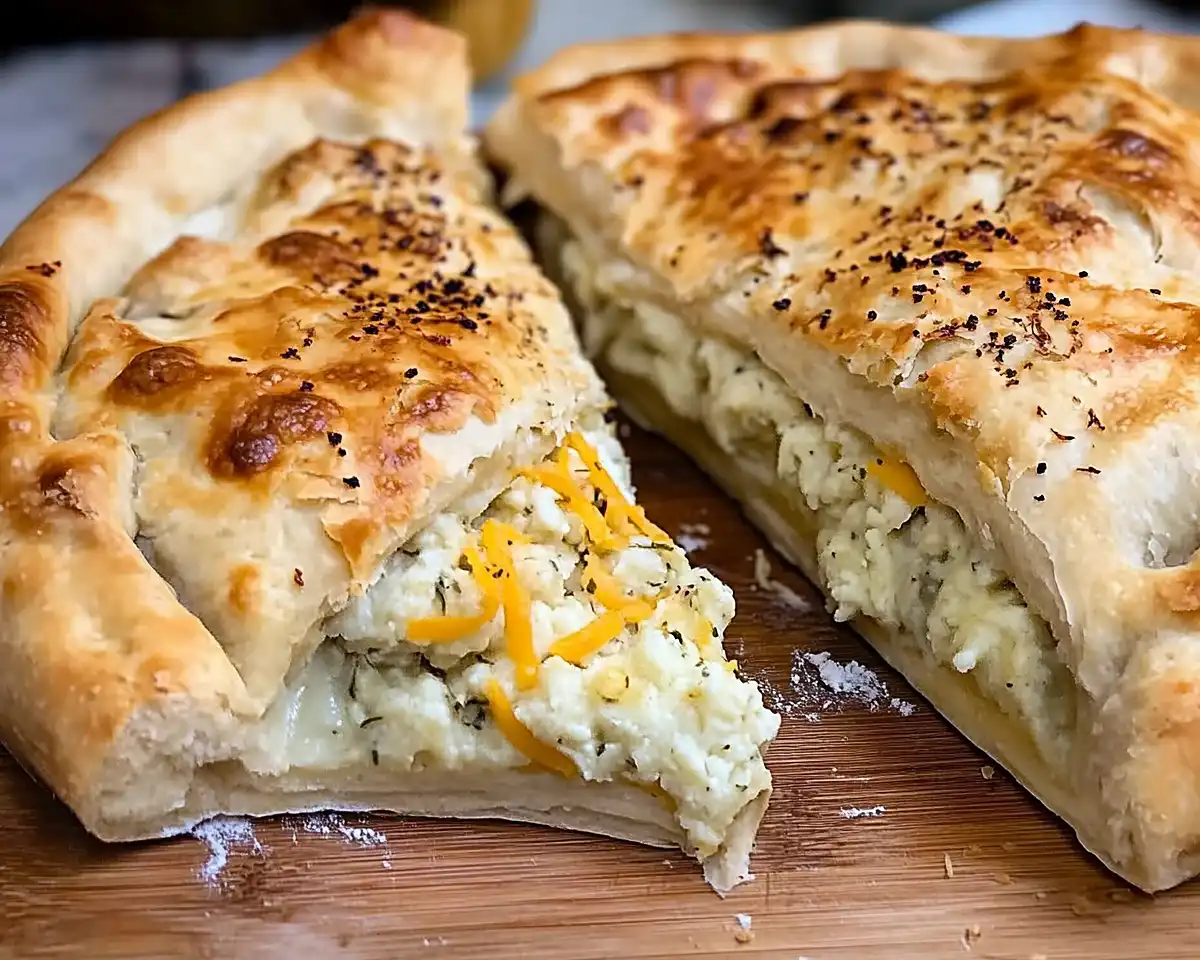
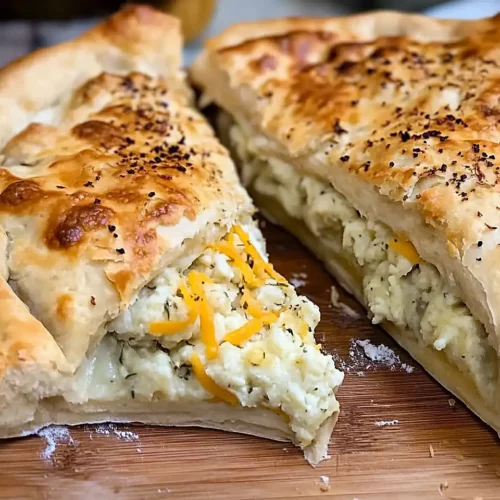
But here’s the thing—gluten-free calzone dough doesn’t have to be tricky. This recipe creates a tender, pliable gluten-free calzone crust that folds like a dream and bakes up golden and puffy. Whether you’re craving a classic ricotta filling or planning to stuff it with leftovers, this homemade gluten-free calzone dough will become your go-to for family pizza nights.
The secret is in the resting time and the right blend of flours. Well… that and not skipping the tapioca starch, which gives you that stretchy, foldable texture we’re after!
Table of Contents
Ingredients
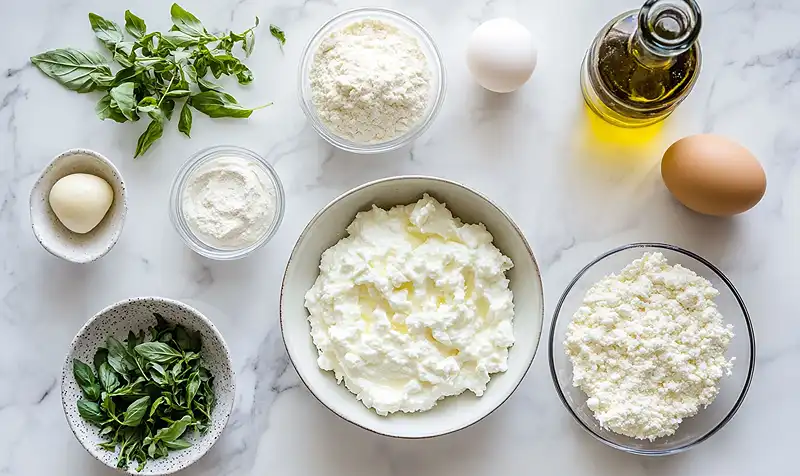
| For the Gluten-Free Pizza Dough | Amount |
|---|---|
| All purpose gluten free flour blend (Better Batter recommended) | 2 cups (280 g) |
| Xanthan gum (omit if your blend contains it) | 1 teaspoon |
| Tapioca starch/flour, plus more for sprinkling | ¼ cup (36 g) |
| Instant yeast | 2 teaspoons (6 g) |
| Granulated sugar | 1 ½ teaspoons (6 g) |
| Kosher salt | 1 teaspoon |
| Warm water (about 95°F) | 1 cup (8 ounces) |
| Extra virgin olive oil | 2 tablespoons (28 g) |
| For the Filling | Amount |
|---|---|
| Ricotta cheese | 1 cup (248 g) |
| Egg, beaten | 1 (50 g out of shell) |
| Grated Parmesan cheese | 1 ounce |
| Part skim mozzarella cheese, freshly grated | 6 ounces |
| Ground dried oregano | ½ teaspoon |
| Freshly ground black pepper | ⅛ teaspoon |
| Egg wash (1 egg + 1 tablespoon water, beaten) | As needed |
Instructions
Make the Gluten-Free Calzone Dough
In your stand mixer bowl fitted with the paddle attachment (or food processor with metal blade), combine the gluten-free flour, xanthan gum, tapioca starch, instant yeast, and sugar. Use a separate handheld whisk to blend everything together. Add the kosher salt and whisk once more to distribute evenly.
Pour in the warm water and olive oil, then mix on medium speed in your stand mixer or pulse in your food processor until the gluten-free pizza dough for calzones begins coming together. Switch to high speed or turn your processor on fully, and let it run for about 2 minutes until smooth.
Transfer your gluten-free Italian dough to an oiled container with a tight-fitting lid or a greased bowl, then cover tightly. Pop it in the refrigerator for at least an hour and up to 3 days—this resting period is what makes the dough easy to work with.
Prepare the Calzones
When you’re ready to bake, place a pizza stone or an overturned rimmed baking sheet in your oven and preheat to 425°F. The hot surface helps create that beautiful golden bottom crust.
In a medium bowl, mix together all the filling ingredients except for a generous pinch of the Parmesan and a pinch of oregano (save those for topping). Set your filling and reserved toppings aside.
Remove the chilled dough from the fridge, uncover it, and divide into two equal portions. Work with one piece at a time, keeping the other covered and refrigerated.
Sprinkle your first dough portion lightly with tapioca starch and knead briefly until it feels smoother and more pliable. Place it on a piece of parchment paper.
Roll the gluten-free calzone crust into a round about 10 inches across, sprinkling with more tapioca starch as needed to prevent sticking. Keep the dough moving and rotating frequently for an even circle. Brush away any excess flour from the parchment.
Spoon half the filling onto one side of your 10-inch round in a half-moon shape, leaving about a 1-inch clean border around the edge. This border is crucial for getting a good seal!
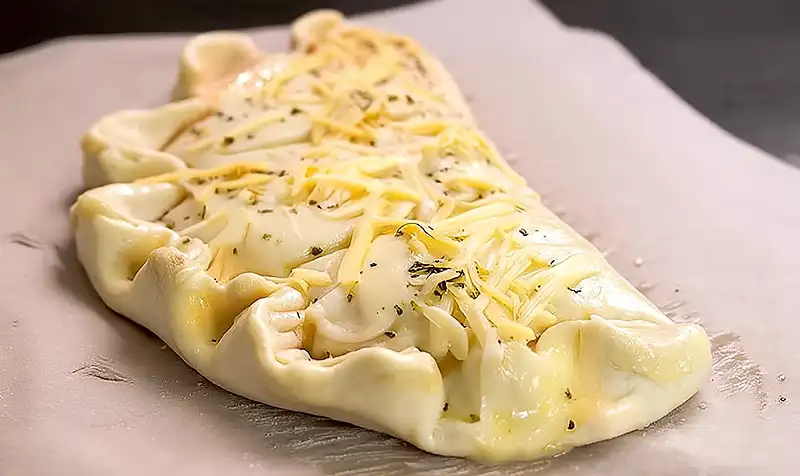
Carefully lift the unfilled half of dough from the edge and fold it over the filling like you’re closing a book. Press the edges firmly to seal, pushing out any trapped air as you go. If you’re feeling fancy, crimp or twist the edges like you would a pie crust.
Use a pizza cutter or sharp knife to cut three small vents in the top of your calzone—this lets steam escape. Brush the top and sides generously with egg wash, then sprinkle with half of your reserved Parmesan and oregano.
Repeat the entire shaping process with your second dough portion and remaining filling. Using a pizza peel or large flat surface, carefully transfer both calzones to the preheated stone or baking sheet in your hot oven.
Bake for approximately 25 minutes until puffed and lightly golden brown all over—they should look gorgeously bronzed and smell absolutely irresistible. Let them rest for a few minutes after removing from the oven, then serve while still hot.
Make-Ahead Instructions
Let baked calzones cool completely, then wrap very tightly in freezer-safe wrap and freeze for up to a month. To reheat, defrost mostly at room temperature, unwrap and sprinkle lightly with water, then warm in a 300°F oven before serving. Don’t freeze the unbaked yeast dough, as freezing can kill the yeast and ruin your results.
Substitutions
Flour Blend: If you don’t have Better Batter, use any high-quality all-purpose gluten-free flour blend that contains xanthan gum already—just remember to omit the additional xanthan gum called for. Cup4Cup or King Arthur Measure for Measure work beautifully in this gluten-free calzone dough recipe.
Dairy-Free Option: Swap the ricotta for dairy-free ricotta (Kite Hill makes a great one), use nutritional yeast instead of Parmesan, and choose dairy-free mozzarella shreds. The gluten-free calzone crust itself is easily adaptable to dairy-free diets.
Yeast Concerns: This recipe uses instant yeast, which you can mix directly into dry ingredients. If you only have active dry yeast, you’ll need to proof it first in the warm water with the sugar for about 5 minutes before adding to the flour mixture.
Sugar Swap: The small amount of sugar feeds the yeast, but you can replace it with honey or maple syrup if that’s what you have on hand. Just make sure your water isn’t too hot or it might affect the yeast activation.
Troubleshooting
Dough Too Sticky: Add tapioca starch a tablespoon at a time while kneading until the homemade gluten-free calzone dough is manageable. Gluten-free doughs are naturally stickier than wheat-based versions, but they shouldn’t stick to your hands completely.
Dough Cracking When Folding: Your dough might be too cold or didn’t rest long enough. Let it sit at room temperature for 10-15 minutes before rolling, and make sure you’ve given it that full hour (or longer) in the fridge.
Calzones Not Browning: Make sure you’re using the egg wash liberally on top—it’s what creates that golden, glossy finish. Also double-check that your oven has fully preheated to 425°F with the stone or baking sheet inside.
Filling Leaking Out: You likely didn’t seal the edges well enough or cut your vents too large. Press firmly when sealing, and make small slits (about 1-inch long) for the steam vents rather than big openings.
Storage
Store leftover baked calzones in an airtight container in the refrigerator for up to 3 days. Reheat in a 350°F oven for about 10 minutes to restore the crispy exterior—microwaving works in a pinch but makes the gluten-free calzone crust softer.
For the best meal prep strategy, you can make the dough up to 3 days ahead and keep it refrigerated until you’re ready to assemble and bake. According to comprehensive gluten-free baking research, proper storage techniques help maintain the texture and quality of gluten-free baked goods.
Serving Suggestions
Serve your warm calzones with a side of marinara sauce for dipping—man, oh man, that combination is pure comfort food! A simple green salad with Italian vinaigrette balances the richness perfectly and makes it feel like a complete meal.
These are fantastic for game day gatherings, family pizza nights, or even packed in lunchboxes (the kids at school will be seriously jealous). The portable nature of calzones makes them ideal for picnics and potlucks too.
Variations
Meat Lover’s Version: Add cooked Italian sausage, pepperoni, or diced ham to your filling mixture. Just make sure any meat is fully cooked and drained of excess grease before adding to prevent soggy gluten-free pizza dough for calzones.
Veggie-Packed Option: Sauté mushrooms, bell peppers, spinach, or zucchini until tender and squeeze out excess moisture before mixing with your cheese filling. This is a sneaky way to get more vegetables into picky eaters and tastes incredible.
Kid-Friendly Twist: Keep the filling simple with just mozzarella and a bit of marinara sauce inside, almost like a pizza pocket. Kids seem to love the handheld format, and you can let them help with the folding process.
Breakfast Calzone: Use the same gluten-free calzone crust but fill it with scrambled eggs, cheese, and cooked breakfast sausage or bacon. It’s basically a portable breakfast that works beautifully for brunch or busy mornings.
For more creative ways to use versatile gluten-free dough, check out our gluten-free sourdough pizza crust guide or explore simple gluten-free ravioli techniques.
Gluten-Free Calzone Dough FAQs
Is calzone dough different from pizza dough?
Not really—calzone dough and pizza dough are essentially the same base recipe. The main difference is how you use it: pizza dough gets stretched thin and topped, while gluten-free calzone dough is rolled into circles and folded over fillings. This recipe works beautifully for both applications.
Does gluten-free flour work for pizza dough?
Absolutely! The right gluten-free flour blend creates tender, flavorful gluten-free Italian dough that rivals traditional versions. The key is using a blend with xanthan gum (or adding it separately) and allowing proper resting time for the best texture and workability.
Can you ferment gluten-free pizza dough?
Yes, and the refrigerator rest in this recipe is actually a form of cold fermentation. According to trusted gluten-free baking science resources, allowing homemade gluten-free calzone dough to rest develops flavor and improves texture. You can extend this up to 3 days for even better results.
Do you need xanthan gum for gluten-free dough?
You definitely need some binding agent in gluten-free calzone crust to replace the elasticity that gluten provides. If your flour blend already contains xanthan gum or guar gum, you can skip adding extra. Otherwise, it’s essential for creating dough that holds together and folds without breaking.
What is calzone dough made of?
Traditional calzone dough contains flour, yeast, water, salt, and olive oil. This gluten-free version uses the same basic ingredients but substitutes all-purpose gluten-free flour blend and adds tapioca starch for extra stretch and flexibility. The process is remarkably similar to conventional recipes!
Best way to prevent the dough from sticking?
Keep a small bowl of tapioca starch nearby and dust your work surface, rolling pin, and hands frequently as you work. The dough should feel slightly tacky but not sticky enough to leave residue on your fingers. A light touch with the starch works better than dumping it on.
If you loved this recipe, you’ll definitely want to try our tender gluten-free cheese scones for another savory baking project. Both recipes prove that gluten-free doesn’t mean flavor-free—it just means getting a little creative in the kitchen!
Gluten-Free Calzone Dough
Equipment
- Stand mixer with paddle attachment or food processor
- Pizza stone or rimmed baking sheet
- Rolling Pin
- Parchment paper
- Medium bowl
- Pastry brush
- Pizza cutter or sharp knife
- Pizza peel or large flat surface
Ingredients
For the Gluten-Free Pizza Dough
- 2 cups all purpose gluten free flour blend 280 g, Better Batter highly recommended
- 1 teaspoon xanthan gum omit if your blend already contains it
- ¼ cup tapioca starch/flour 36 g, plus more for sprinkling
- 2 teaspoons instant yeast 6 g
- 1 ½ teaspoons granulated sugar 6 g
- 1 teaspoon kosher salt
- 1 cup warm water 8 ounces, about 95°F
- 2 tablespoons extra virgin olive oil 28 g
For the Filling
- 1 cup ricotta cheese 248 g
- 1 egg 50 g out of shell, beaten
- 1 ounce grated Parmesan cheese
- 6 ounces part skim mozzarella cheese freshly grated
- ½ teaspoon ground dried oregano
- ⅛ teaspoon freshly ground black pepper
- 1 egg wash 1 egg + 1 tablespoon water, beaten
Instructions
- In your stand mixer bowl fitted with the paddle attachment (or food processor with metal blade), combine the gluten-free flour, xanthan gum, tapioca starch, instant yeast, and sugar. Use a separate handheld whisk to blend everything together. Add the kosher salt and whisk once more to distribute evenly.
- Pour in the warm water and olive oil, then mix on medium speed in your stand mixer or pulse in your food processor until the dough begins coming together. Switch to high speed or turn your processor on fully, and let it run for about 2 minutes until smooth.
- Transfer your dough to an oiled container with a tight-fitting lid or a greased bowl, then cover tightly. Pop it in the refrigerator for at least an hour and up to 3 days.
- When you’re ready to bake, place a pizza stone or an overturned rimmed baking sheet in your oven and preheat to 425°F.
- In a medium bowl, mix together all the filling ingredients except for a generous pinch of the Parmesan and a pinch of oregano (save those for topping). Set your filling and reserved toppings aside.
- Remove the chilled dough from the fridge, uncover it, and divide into two equal portions. Work with one piece at a time, keeping the other covered and refrigerated.
- Sprinkle your first dough portion lightly with tapioca starch and knead briefly until it feels smoother and more pliable. Place it on a piece of parchment paper.
- Roll the dough into a round about 10 inches across, sprinkling with more tapioca starch as needed to prevent sticking. Keep the dough moving and rotating frequently for an even circle. Brush away any excess flour from the parchment.
- Spoon half the filling onto one side of your 10-inch round in a half-moon shape, leaving about a 1-inch clean border around the edge.
- Carefully lift the unfilled half of dough from the edge and fold it over the filling like you’re closing a book. Press the edges firmly to seal, pushing out any trapped air as you go. If you’re feeling fancy, crimp or twist the edges like you would a pie crust.
- Use a pizza cutter or sharp knife to cut three small vents in the top of your calzone. Brush the top and sides generously with egg wash, then sprinkle with half of your reserved Parmesan and oregano.
- Repeat the entire shaping process with your second dough portion and remaining filling. Using a pizza peel or large flat surface, carefully transfer both calzones to the preheated stone or baking sheet in your hot oven.
- Bake for approximately 25 minutes until puffed and lightly golden brown all over. Let them rest for a few minutes after removing from the oven, then serve while still hot.