
Gluten-Free Cheese Scones
Discover easy homemade gluten-free cheese scones with sharp cheddar and optional chives. This simple recipe delivers bakery-quality results for breakfast, brunch, or any occasion—perfect for busy families!
You know that moment when you catch the aroma of warm, buttery scones fresh from the oven? Man, oh man, that’s pure kitchen magic—and it’s totally possible in your gluten-free kitchen too. I used to think homemade gluten-free cheese scones were out of reach until I perfected this incredibly simple recipe that delivers the same tender, fluffy texture as traditional versions.
Whether you’re prepping for a weekend brunch or need a quick breakfast that feels a little fancy, these gluten-free cheese scones with crispy cheddar edges are about to become your new go-to.
The beauty of this homemade cheese scones recipe is that it doesn’t ask for fancy equipment or tricky techniques—just straightforward ingredients mixed together in about 30 minutes flat. Once you nail the basic method, you’ll feel genuinely confident tackling any scone variation that comes to mind.
Table of Contents
Ingredients

| Ingredient | Amount |
|---|---|
| Gluten-free self-raising flour | 340 g |
| Gluten-free baking powder | 1 tsp |
| Xanthan gum | 1/4 tsp |
| Cold butter (or Stork hard margarine) | 85 g |
| Extra mature cheddar cheese, grated | 200 g |
| Fresh chives, finely chopped | 2 tbsp (optional) |
| Mustard powder | 1 1/2 tbsp (optional) |
| Salt and pepper | To taste |
| Milk (dairy-free option available) | 180 ml |
| Egg, beaten (for topping) | 1 |
Instructions
Step 1: Preheat and Prep
Preheat your oven to 200°C fan / 220°C conventional and line a baking sheet with parchment paper. Slide that baking sheet into the oven now—having a hot surface waiting for your scones makes all the difference in getting that gorgeous golden base.
Step 2: Mix Your Dry Ingredients

Combine your gluten-free self-raising flour, baking powder, and xanthan gum in a large mixing bowl. Chop your cold butter into small cubes and toss them into the flour mixture, then use your fingertips to rub everything together until it resembles breadcrumbs.
Step 3: Add Your Cheddar and Seasonings
Stir in two-thirds of your grated cheese along with a generous pinch of salt and pepper. This is where you add the chives and mustard powder if you’re using them—they bring this wonderful savory punch to every bite.
Step 4: Bring the Dough Together
Create a little well in the center of your dry mixture and pour in the milk. Using a metal spoon or knife, gently mix until a shaggy dough forms—don’t worry if it looks a bit sticky at this stage. Switch to your hands and bring it into a rough ball, being careful not to overwork it.
Step 5: Shape Your Scones
Lightly dust your work surface and hands with a touch of gluten-free flour. Turn your dough out and fold it over gently a few times until the surface feels smooth. Shape it into a round disc about 3.5–4 cm thick—remember, taller is better for that classic scone rise.
Step 6: Cut and Prepare for Baking
Using a 4.5–5 cm cutter, press straight down into the dough and lift out each scone cleanly. Push the scones out of the cutter onto a plate, then gather up your scraps, re-roll gently, and cut more until you’ve used all the dough. Brush each scone top with beaten egg and sprinkle with the remaining cheese.
Step 7: Bake Until Golden
Place your scones onto that hot baking sheet and bake for 12–15 minutes until the tops are golden and the bottoms have a lovely golden color too. You’ll know they’re done when they smell absolutely irresistible and feel slightly firm to a gentle touch.
Step 8: Cool and Enjoy
Transfer your warm scones to a wire rack to cool slightly. Enjoy them warm with butter and jam, or at room temperature with your favorite cheese spread—they’re wonderful either way.
Substitutions for Gluten-Free Breakfast Scones
Dairy-Free Cheddar Scones
Swap the butter for a dairy-free baking margarine like Stork, and use a quality dairy-free cheese blend instead of cheddar. The texture will be just as tender, and the savory flavor still shines through beautifully with dairy-free options available now.
Lactose-Free Variation
Simply use lactose-free milk in place of regular milk, and opt for a hard lactose-free cheese if needed. Everything else stays exactly the same, so you’re still making homemade cheese scones with minimal adjustments.
Dairy-Free Milk Options
Unsweetened almond, oat, or soy milk work wonderfully in this recipe. The scone structure won’t change—you’ll still get that fluffy, tender crumb that makes these homemade cheese scones so special.
For more gluten-free breakfast inspiration, check out our complete gluten-free cookie collection or explore beginner-friendly baking tips to build your confidence in the kitchen.
Troubleshooting Your Cheddar Cheese Scones
Scones Coming Out Dense or Heavy?
This usually means either too much mixing after you add the milk or your dough was overly warm when you shaped it. Mix gently—just until the dough barely comes together—and keep your butter cold throughout the process.
Flat Scones with No Rise?
Check that your gluten-free baking powder and xanthan gum are fresh and haven’t expired. Also make sure you’re not pressing down too hard when cutting—push straight down and lift straight up for the best rise.
Cheese Burning on Top?
If the cheese browns too quickly, you can cover your scones loosely with foil for the first 10 minutes, then remove it to finish baking. This lets the inside cook through while protecting that beautiful cheddar topping.
Storage and Meal Prep
Storing Your Scones
Keep cooled scones in an airtight container on the counter for up to 2 days, or wrap them individually and freeze for up to 3 months. Frozen scones thaw beautifully at room temperature in about an hour, or you can refresh them in a warm oven for 5 minutes.
Make-Ahead Tip for Busy Families
You can prepare your dough the night before, wrap it tightly, and refrigerate it overnight. The next morning, let it sit at room temperature for 10 minutes, then shape and bake as usual—this is a genuine time-saver when you’re juggling family mornings.
Serving Suggestions and Pairings
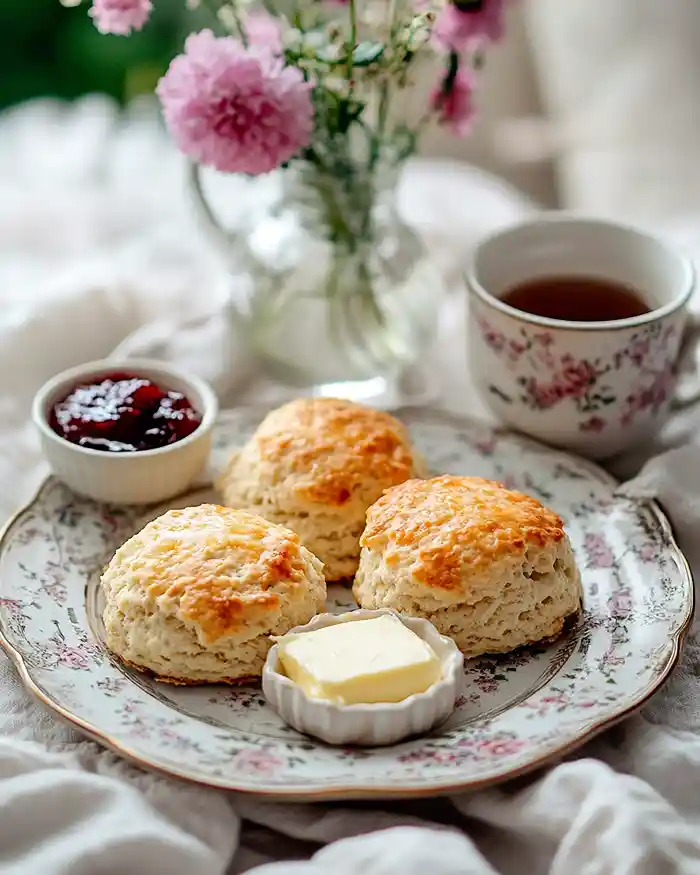
Serve these warm gluten-free cheese scones with a generous dollop of butter and your favorite jam for a slightly sweet twist. They’re equally wonderful alongside soups, salads, or even as part of a weekend brunch spread with fresh fruit and smoked salmon.
These homemade cheese scones also make a brilliant addition to packed lunches—just wrap them individually and pair with a small wedge of cheese or some cured meats for a filling, satisfying meal on the go.
Variations for Every Occasion
Jalapeño and Bacon Cheese Scones
Crumble about 100g of cooked bacon and add a finely diced jalapeño to the dry mixture along with your cheese. This creates an exciting savory profile that works beautifully for a special breakfast or brunch gathering.
Sun-Dried Tomato Version
Chop about 50g of sun-dried tomatoes and add them to your cheese mixture for a Mediterranean twist. Omit the chives and mustard powder if you’d like a cleaner tomato flavor to shine through.
Kid-Friendly Mild Cheese Scones
Use a milder cheddar or even a mild gouda, and skip the mustard powder entirely—just keep the cheese and chives optional. Kids love having a hand in shaping these, making them feel excited about a gluten-free breakfast.
Herb Garden Version
Replace the chives with a mix of fresh herbs—think parsley, thyme, and a touch of rosemary. This brings a wonderful garden-fresh quality that’s perfect for spring brunch occasions or alongside Easter lunch.
FAQs About Gluten-Free Cheese Scones
Can I make these scones without xanthan gum?
Xanthan gum helps bind gluten-free dough and gives you that tender crumb, but if you must skip it, your scones might be slightly more crumbly. Your gluten-free self-raising flour may already contain it, so check the label first before deciding you need extra.
How do I know when my gluten-free cheese scones are perfectly baked?
They’re done when the tops are a lovely golden brown and the bottoms have color too—usually around 12–15 minutes depending on your oven. Gently press the side of a scone; it should feel just slightly firm but still have a bit of give.
Why is my dough too sticky to work with?
Gluten-free doughs tend to be stickier than regular dough, which is totally normal! Dust your hands and work surface generously with flour, and try not to overwork the dough—the less you handle it, the better your results with homemade cheese scones will be.
Can I use fresh herbs other than chives?
Absolutely—fresh parsley, tarragon, or even dill work beautifully in this recipe. The mustard powder is optional too, so feel free to experiment with whatever savory flavors you’re craving.
Best way to reheat leftover scones?
Pop them into a 160°C oven for about 5 minutes to refresh that warm, fluffy texture. You can also wrap individual scones in foil and warm them gently, or even enjoy them at room temperature with your favorite spread.
What if I don’t have self-raising flour?
Mix together plain gluten-free flour with extra baking powder—roughly 1 tsp baking powder per 150g flour—and you’ll have a suitable substitute. It’s not identical, but it’ll work in a pinch for your gluten-free cheese scones.
Final Thoughts
There’s something genuinely special about pulling a batch of warm gluten-free cheese scones from the oven and knowing you made them yourself. You’ve got this—and once you’ve made one batch, you’ll find yourself making these homemade cheese scones again and again.
If you’re looking for other satisfying gluten-free meal ideas, our easy dairy-free dessert ideas showcase just how delicious and inclusive gluten-free cooking can be. Your family breakfast table is about to get a whole lot cozier.

Gluten-Free Cheese Scones
Equipment
- Mixing bowl
- Baking sheet
- Parchment paper
- Metal spoon or knife
- Scone cutter (4.5-5cm)
- Wire rack
- Grater
Ingredients
Dry Ingredients
- 340 g Gluten-free self-raising flour
- 1 tsp Gluten-free baking powder
- ¼ tsp Xanthan gum
Main Ingredients
- 85 g Cold butter Use Stork hard margarine for dairy-free
- 200 g Extra mature cheddar cheese, grated Use dairy-free cheese for dairy-free version
- 2 tbsp Fresh chives, finely chopped Optional
- 1.5 tbsp Mustard powder Optional but recommended
- To taste Salt and pepper
- 180 ml Milk Use dairy-free milk if necessary
- 1 Egg, beaten For topping
Instructions
- Step 1: Preheat and Prep Preheat your oven to 200°C fan / 220°C conventional and line a baking sheet with parchment paper. Slide that baking sheet into the oven now—having a hot surface waiting for your scones makes all the difference in getting that gorgeous golden base.
- Step 2: Mix Your Dry Ingredients Combine your gluten-free self-raising flour, baking powder, and xanthan gum in a large mixing bowl. Chop your cold butter into small cubes and toss them into the flour mixture, then use your fingertips to rub everything together until it resembles breadcrumbs.
- Step 3: Add Your Cheddar and Seasonings Stir in two-thirds of your grated cheese along with a generous pinch of salt and pepper. This is where you add the chives and mustard powder if you’re using them—they bring this wonderful savory punch to every bite.
- Step 4: Bring the Dough Together Create a little well in the center of your dry mixture and pour in the milk. Using a metal spoon or knife, gently mix until a shaggy dough forms—don’t worry if it looks a bit sticky at this stage. Switch to your hands and bring it into a rough ball, being careful not to overwork it.
- Step 5: Shape Your Scones Lightly dust your work surface and hands with a touch of gluten-free flour. Turn your dough out and fold it over gently a few times until the surface feels smooth. Shape it into a round disc about 3.5–4 cm thick—remember, taller is better for that classic scone rise.
- Step 6: Cut and Prepare for Baking Using a 4.5–5 cm cutter, press straight down into the dough and lift out each scone cleanly. Push the scones out of the cutter onto a plate, then gather up your scraps, re-roll gently, and cut more until you’ve used all the dough. Brush each scone top with beaten egg and sprinkle with the remaining cheese.
- Step 7: Bake Until Golden Place your scones onto that hot baking sheet and bake for 12–15 minutes until the tops are golden and the bottoms have a lovely golden color too. You’ll know they’re done when they smell absolutely irresistible and feel slightly firm to a gentle touch.
- Step 8: Cool and Enjoy Transfer your warm scones to a wire rack to cool slightly. Enjoy them warm with butter and jam, or at room temperature with your favorite cheese spread—they’re wonderful either way.