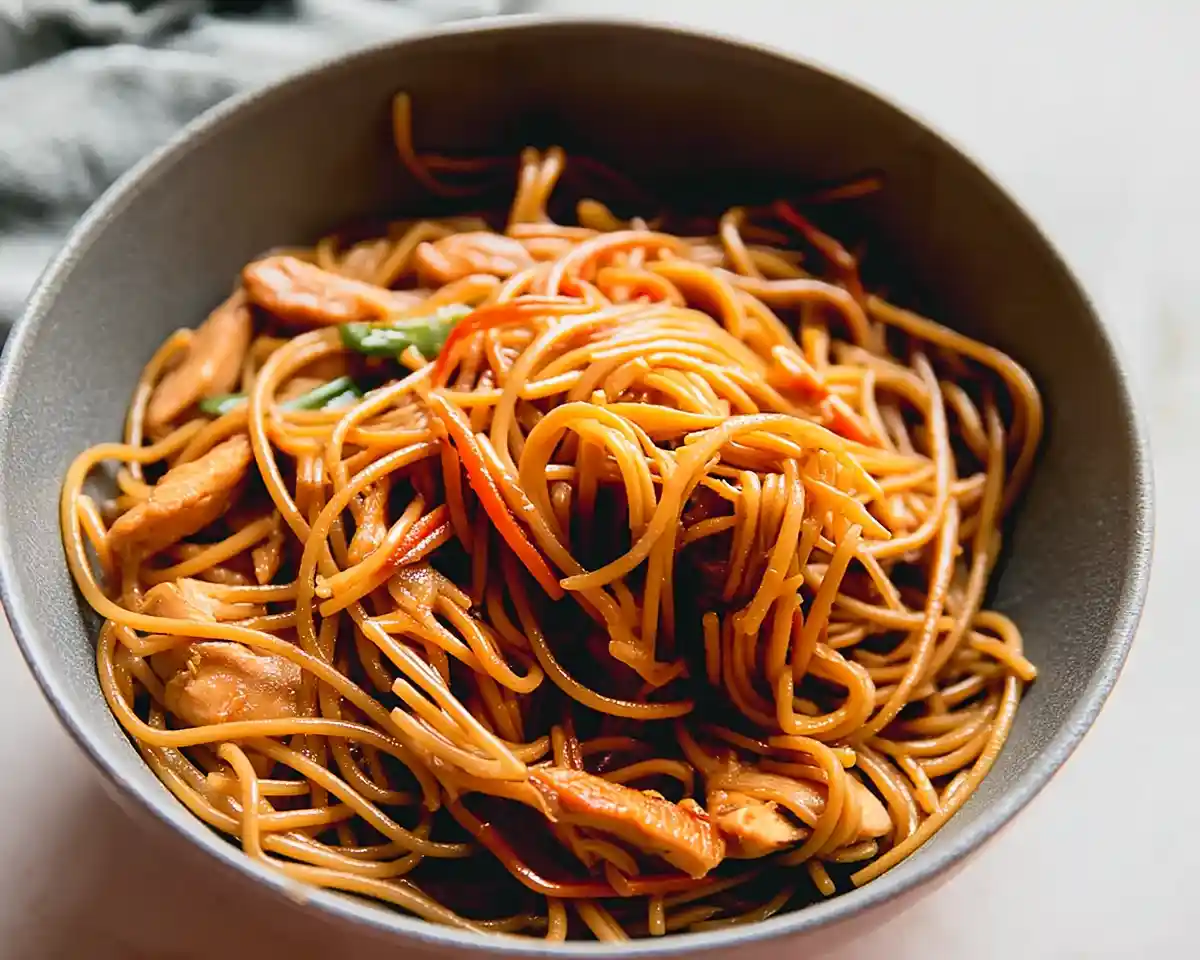
Gluten-Free Chicken Chow Mein
Discover easy gluten-free chicken chow mein with coconut aminos and no soy sauce. This soy-free Chinese recipes delivers authentic flavor in under 30 minutes—perfect for busy weeknights.
Deliciously saucy and completely gluten-free! Try this Gluten-Free Chicken Chow Mein and explore more easy gluten-free chicken recipes for flavorful dinners.
There’s this magical moment when you realize you don’t actually need takeout menus cluttering your kitchen drawer anymore—this gluten-free chicken chow mein is exactly why. For years, I assumed ordering out was the only way to get that incredible stir-fry satisfaction without gluten lurking in every sauce bottle, but this recipe completely changed that story for me.
You know what sold me on making this at home? The whole thing comes together in about 25 minutes, and it tastes like genuine restaurant-quality food—without the mystery ingredients or the guilt of wondering what’s hiding in that sauce.
By using coconut aminos instead of traditional soy sauce, this soy-free Chinese food recipes becomes accessible for so many dietary needs while losing absolutely nothing in the flavor department.
Table of Contents
The Science Behind Soy-Free Chinese Food
Here’s something many people don’t realize: coconut aminos actually delivers more authentic umami depth than you’d expect, especially when paired with fish sauce and quality broth. According to this authoritative guide to gluten-free Asian cooking, using fermented ingredients and proper seasoning balance creates flavor complexity that rivals traditional soy-based versions. The combination of elements in this soy-free Chinese food recipe mimics the savory richness of regular chow mein while keeping everything free from gluten and soy triggers.
The key is respecting each ingredient’s role—the fish sauce provides umami depth, the coconut sugar balances acid, and the sesame oil adds that signature toasted aroma.
Gluten-Free Chicken Chow Mein
Equipment
- Large skillet or wok
- Large pot for noodles
- Medium mixing bowl
- Whisk
- Knife and cutting board
- Measuring cups and spoons
- Wooden spoon or spatula
- Strainer
Ingredients
For the Sauce
- ¼ cup Chicken broth
- ¼ cup Coconut aminos soy-free alternative
- 1 tbsp Sesame oil omit for AIP
- 1 tbsp Rice vinegar sub apple cider vinegar for AIP/grain-free
- 2 tsp Fish sauce
- 1 tbsp Coconut sugar
- 1 ½ tsp Arrowroot starch thickening agent
For the Chow Mein
- 12 oz Gluten-free spaghetti noodles sub grain-free noodles
- 2 tbsp Avocado oil
- 1 lb Chicken breast sliced into strips
- to taste Salt and pepper omit pepper for AIP
- 1 cup Green cabbage shredded
- 1 cup Carrots shredded
- 3 cloves Garlic minced
- 4 stalks Green onions chopped into 1-inch pieces
Instructions
- Step 1: Prepare the Sauce In a medium bowl, whisk together your chicken broth, coconut aminos, sesame oil, rice vinegar, fish sauce, coconut sugar, and arrowroot starch until everything is blended smoothly. Set this aside—it’s the flavor powerhouse that’ll make everything taste authentically amazing. The arrowroot starch will thicken as it heats, creating that glossy restaurant-style coating you’re craving.
- Step 2: Cook Your Noodles Bring a large pot of salted water to a boil and cook your gluten-free spaghetti noodles according to package instructions until they’re perfectly al dente—tender but still with a slight bite. Drain them well and toss lightly with a bit of olive oil to prevent sticking. This step matters because it keeps your finished dish from turning into a mushy clump, so don’t skip this little trick.
- Step 3: Sear the Chicken Heat your avocado oil in a large skillet or wok over medium-high heat until it shimmers slightly. Add your sliced chicken breast and season lightly with salt and pepper, then stir-fry for about 4 minutes until the chicken is lightly browned and cooked through, stirring frequently. The chicken should be opaque throughout when you cut into a piece to check—this ensures food safety and tender results.
- Step 4: Stir-Fry the Vegetables Reduce the heat to medium and add your shredded cabbage, carrots, and minced garlic to the pan. Stir-fry for 3–4 minutes until the cabbage wilts down and the carrots become tender, tossing everything together to combine. You’ll notice the kitchen starting to smell incredibly fragrant as those vegetables caramelize—this is the good stuff happening.
- Step 5: Bring It All Together Reduce the heat to medium-low and return your cooked chicken to the pan along with those perfectly cooked noodles. Pour your prepared sauce over everything and stir gently but constantly for about 2 minutes until the sauce thickens and coats every strand beautifully. The arrowroot does its job here, creating that silky, glossy finish that makes soy-free Chinese food recipes taste just as indulgent as the traditional version.
- Step 6: Finish & Serve Top each serving with fresh chopped green onions for brightness and a little textural contrast. Ladle into bowls and serve immediately while the noodles are still warm and the flavors are at their peak. This gluten-free chicken chow mein is best enjoyed fresh and shared with people you love.
Notes
Ingredients For Gluten-Free Chicken Chow Mein
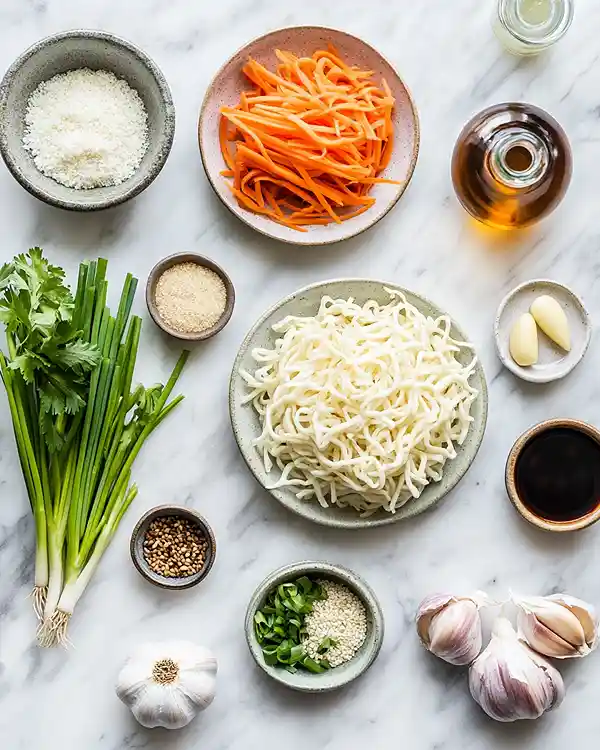
For the Sauce
| Ingredient | Amount |
|---|---|
| Chicken broth | 1/4 cup |
| Coconut aminos | 1/4 cup |
| Sesame oil | 1 tbsp (omit for AIP) |
| Rice vinegar | 1 tbsp (sub apple cider vinegar for AIP/grain-free) |
| Fish sauce | 2 tsp |
| Coconut sugar | 1 tbsp |
| Arrowroot starch | 1 1/2 tsp |
For the Chow Mein
| Ingredient | Amount |
|---|---|
| Gluten-free spaghetti noodles | 12 oz (sub grain-free noodles) |
| Avocado oil | 2 tbsp |
| Chicken breast, sliced into strips | 1 lb |
| Salt and pepper to taste | (omit pepper for AIP) |
| Green cabbage, shredded | 1 cup |
| Carrots, shredded | 1 cup |
| Garlic cloves, minced | 3 |
| Green onions, chopped | 4 (1″ pieces) |
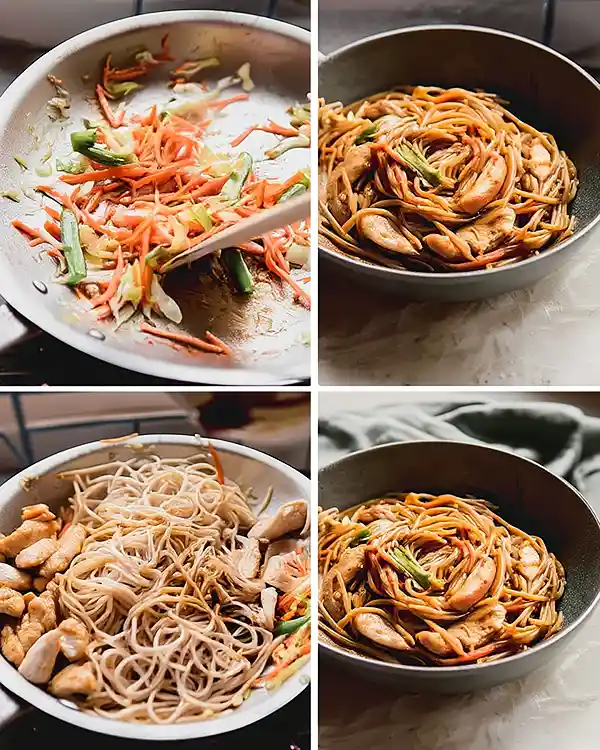
Instructions For Gluten-Free Chicken Chow Mein
Step 1: Prepare the Sauce
In a medium bowl, whisk together your chicken broth, coconut aminos, sesame oil, rice vinegar, fish sauce, coconut sugar, and arrowroot starch until everything is blended smoothly. Set this aside—it’s the flavor powerhouse that’ll make everything taste authentically amazing. The arrowroot starch will thicken as it heats, creating that glossy restaurant-style coating you’re craving.
Step 2: Cook Your Noodles
Bring a large pot of salted water to a boil and cook your gluten-free spaghetti noodles according to package instructions until they’re perfectly al dente—tender but still with a slight bite. Drain them well and toss lightly with a bit of olive oil to prevent sticking. This step matters because it keeps your finished dish from turning into a mushy clump, so don’t skip this little trick.
Step 3: Sear the Chicken
Heat your avocado oil in a large skillet or wok over medium-high heat until it shimmers slightly. Add your sliced chicken breast and season lightly with salt and pepper, then stir-fry for about 4 minutes until the chicken is lightly browned and cooked through, stirring frequently. The chicken should be opaque throughout when you cut into a piece to check—this ensures food safety and tender results.
Step 4: Stir-Fry the Vegetables
Reduce the heat to medium and add your shredded cabbage, carrots, and minced garlic to the pan. Stir-fry for 3–4 minutes until the cabbage wilts down and the carrots become tender, tossing everything together to combine. You’ll notice the kitchen starting to smell incredibly fragrant as those vegetables caramelize—this is the good stuff happening.
Step 5: Bring It All Together
Reduce the heat to medium-low and return your cooked chicken to the pan along with those perfectly cooked noodles. Pour your prepared sauce over everything and stir gently but constantly for about 2 minutes until the sauce thickens and coats every strand beautifully. The arrowroot does its job here, creating that silky, glossy finish that makes soy-free Chinese food recipes taste just as indulgent as the traditional version.
Step 6: Finish & Serve
Top each serving with fresh chopped green onions for brightness and a little textural contrast. Ladle into bowls and serve immediately while the noodles are still warm and the flavors are at their peak. This gluten-free chicken chow mein is best enjoyed fresh and shared with people you love.
Substitutions & Variations For Gluten-Free Chicken Chow Mein
Grain-Free Noodle Swap
If you’re following a grain-free lifestyle, swap the gluten-free spaghetti for zucchini noodles (spiralized or julienned), kelp noodles, or chickpea-based pasta. These alternatives work beautifully in this gluten-free chicken chow mein and add different nutritional profiles—just adjust cooking time since some noodles cook much faster than traditional pasta.
Vegetable Protein Option
Love this meal but want to skip the meat? Replace the chicken with extra-firm tofu pressed and cubed, or use plant-based chicken if that works better for your lifestyle. Stir-fry the alternative protein the same way you would chicken, and the rest of the soy-free Chinese food recipe stays exactly the same.
AIP-Friendly Version
For those following an autoimmune protocol, omit the sesame oil and black pepper, substitute apple cider vinegar for rice vinegar, and skip the sesame oil entirely. This meat-free gluten-free meals adapts beautifully to restricted diets without sacrificing flavor—the core components still deliver that restaurant-quality experience you’re after.
Extra Veggie Power
Toss in bell peppers, broccoli florets, snap peas, or mushrooms alongside (or instead of) the cabbage and carrots. Adding more vegetables makes this soy-free Chinese recipe even more nutrient-dense, and it stretches the dish further if you’re feeding a crowd or want extra leftovers.
Gluten-Free Chicken Chow Mein Troubleshooting Tips
Sauce Isn’t Thickening
If your sauce remains thin and watery, your heat might be too low for the arrowroot starch to activate properly. Increase the heat to medium and whisk constantly for another minute or two—the sauce should noticeably thicken as it heats. If it’s still not cooperating, you can whisk 1/2 teaspoon more arrowroot with a tablespoon of cold broth and add it back to the pan.
Noodles Turned into a Mushy Mess
This usually means they were overcooked to begin with or sat too long after draining. Next time, cook to al dente (slightly firmer than you think you want) and toss immediately with oil. If this happened this round, no worries—the flavor is still there, just serve with extra sauce to complement the softer texture.
Chicken Came Out Tough or Stringy
Chicken breast can dry out quickly if cooked at too high a temperature for too long. Make sure your heat isn’t blazing (medium-high is perfect), and don’t overcrowd the pan—give the chicken space to cook evenly. Slicing thinner strips also helps them cook faster and more evenly throughout.
Storage & Meal Prep
Refrigerating Leftovers
This gluten-free chicken chow mein keeps beautifully in an airtight container in the fridge for up to 3 days. The flavors actually deepen and blend together as it sits, making leftovers taste even more delicious. Reheat gently on the stovetop over medium heat, adding a splash of broth if it’s dried out a bit.
Freezing for Later
You can absolutely freeze this dish for up to 2 months in a freezer-safe container, though the noodle texture will soften slightly upon thawing. For best results, freeze the sauce separately from the noodles if you’re planning ahead, then combine when reheating. Thaw overnight in the fridge and warm through gently before serving—this soy-free Chinese food recipe actually becomes super convenient for meal prep Sunday binges.
Serving Suggestions & Pairings
Serve this gluten-free chicken chow mein as a complete meal on its own, or pair it with steamed rice if you want extra heartiness. A crisp green salad alongside adds freshness and balance, or try our beginner-friendly gluten-free sandwich bread toasted on the side for soaking up extra sauce if you’re feeling indulgent.
For a festive gathering or weeknight family dinner, this soy-free Chinese recipe is impressive enough to serve guests while being easy enough for your regular rotation. Well, my family literally fought over who got the last bowl at dinner last week—that’s how you know a recipe is a keeper.
Perfect for Busy Weeknight Dinners
You know what I love most about this meal-free gluten-free option? It’s genuinely faster than driving to get takeout, which means more money in your pocket and exactly zero mystery ingredients in your food. This gluten-free chicken chow mein transforms your weeknight dinner struggle into something that feels like a win before you even sit down to eat.
Whether you’re managing dietary restrictions during the holidays, feeding a family with varied food preferences, or simply craving something delicious that happens to be gluten-free, this recipe delivers. Man, oh man, once you taste how good homemade chow mein can be, those delivery apps are going to feel like yesterday’s news.
FAQs About Gluten-Free Chicken Chow Mein
Is there a gluten-free chow mein?
Absolutely! This gluten-free chicken chow mein uses gluten-free spaghetti noodles and soy-free sauce, making it completely safe for gluten-free diets. Traditional chow mein contains soy sauce and wheat noodles, but this version delivers all the authentic flavor without those ingredients.
Is there a gluten-free alternative to chow mein noodles?
Yes—gluten-free spaghetti works beautifully, as do grain-free options like zucchini noodles, kelp noodles, or chickpea pasta. Each brings slightly different textures, so experiment to find your favorite for this soy-free Chinese food recipe.
Can you get gluten-free Chinese noodles?
Many Asian markets carry gluten-free rice noodles or other specialized options, but gluten-free spaghetti works just as well and is more readily available at regular grocery stores. Make sure any noodles you choose don’t contain wheat or soy sauce ingredients.
Which Chinese sauce is gluten-free?
Most traditional soy sauce contains wheat, but coconut aminos, tamari (if certified gluten-free), and fish sauce are naturally gluten-free options. This recipe uses coconut aminos, which avoids both gluten and soy while delivering authentic Asian flavor.
Does chow mein contain gluten?
Traditional chow mein typically contains gluten in both the noodles (wheat-based) and sauce (soy sauce with wheat). This gluten-free chicken chow mein version eliminates both sources, making it safe for those avoiding gluten.
What Chinese food is not gluten-free?
Most wheat-based noodles, traditional soy sauce, breaded items, and many prepared sauces contain gluten. However, this soy-free Chinese food recipe proves you can enjoy authentic-tasting Asian meals by choosing ingredients carefully and making them at home.
Final Thoughts
This gluten-free chicken chow mein proves that homemade Asian food can be simpler, faster, and infinitely more delicious than takeout—especially when you’re managing dietary needs. With just a handful of ingredients and about 25 minutes, you’re creating restaurant-quality food that tastes like genuine chow mein satisfaction. That’s a win in any kitchen.