Gluten-Free Chickpea Pasta
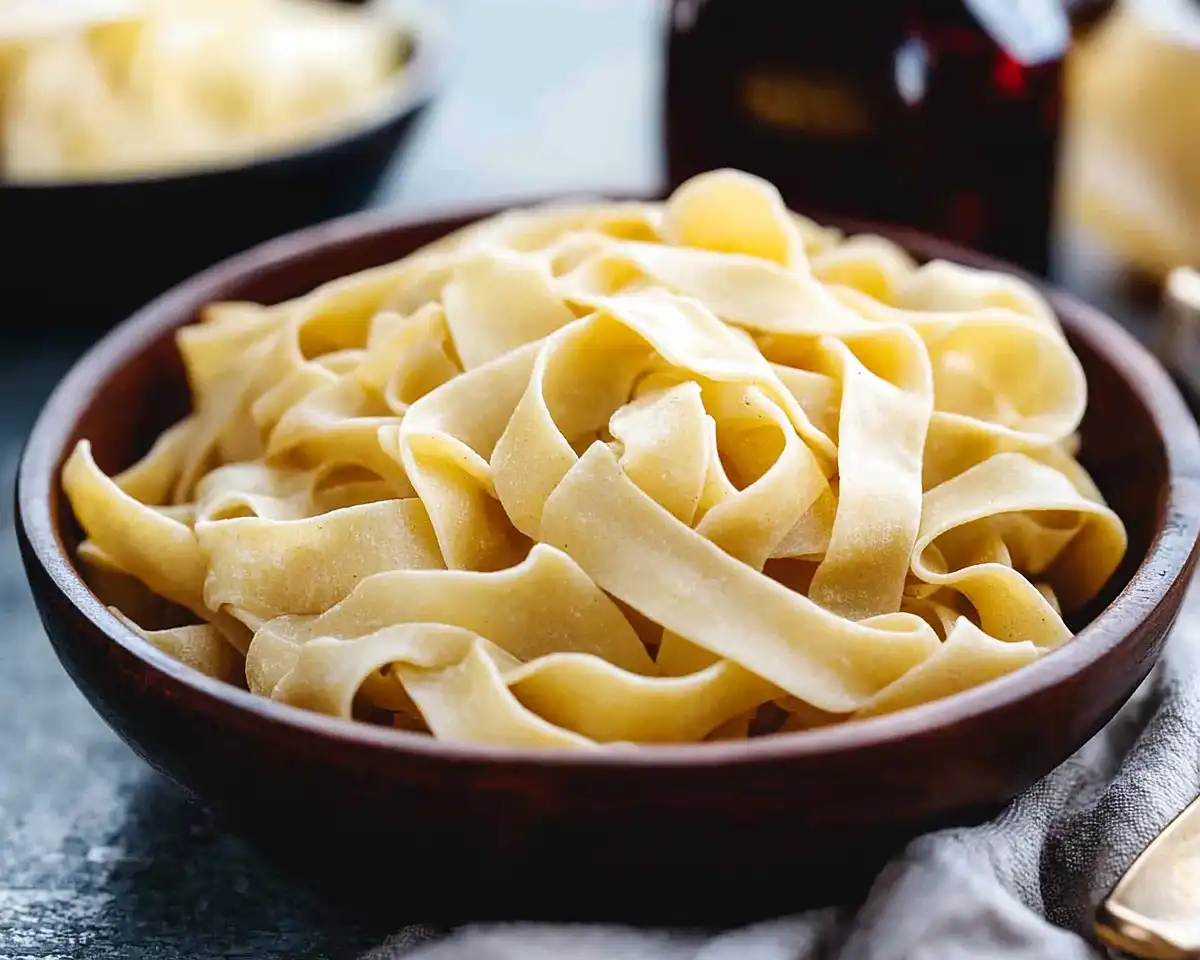
Learn how to make gluten-free chickpea pasta from scratch with this easy homemade garbanzo bean pasta recipe. Perfect for busy families seeking healthy alternatives!
You know what changed everything for me? The day I realized I didn’t have to settle for mushy, expensive store-bought gluten-free pasta anymore.
My daughter came home from school last spring complaining that her lunch pasta was “weird and squishy,” and honestly, my heart broke a little. That’s when I decided to master gluten-free chickpea pasta from scratch—and let me tell you, it’s been a total game-changer for our family dinners.
Here’s the beautiful thing about making your own chickpea pasta from scratch: it’s actually simpler than you think, requires just a handful of pantry staples, and tastes infinitely better than anything you’ll find in a box. Well… I might be biased, but my kids literally request this garbanzo bean pasta weekly now, so I think that says something!
Protein-packed, hearty, and completely gluten-free! Enjoy this healthy gluten-free pasta recipes for more tasty and nourishing dishes.
Table of Contents
Why You’ll Love This Gluten-Free Chickpea Pasta Recipe
This easy gluten-free chickpea pasta delivers on every level. The texture is smooth and elastic, rolling out like a dream whether you’re using a pasta machine or just a trusty rolling pin.
Unlike many gluten-free pasta recipes that turn gummy or fall apart, this chickpea flour pasta maintains its integrity in boiling water and pairs beautifully with everything from simple olive oil to hearty marinara. Plus, chickpeas pack about 15 grams of protein per cup according to trusted nutrition research, making this a genuinely nourishing choice for growing kids and busy adults alike.
Ingredients
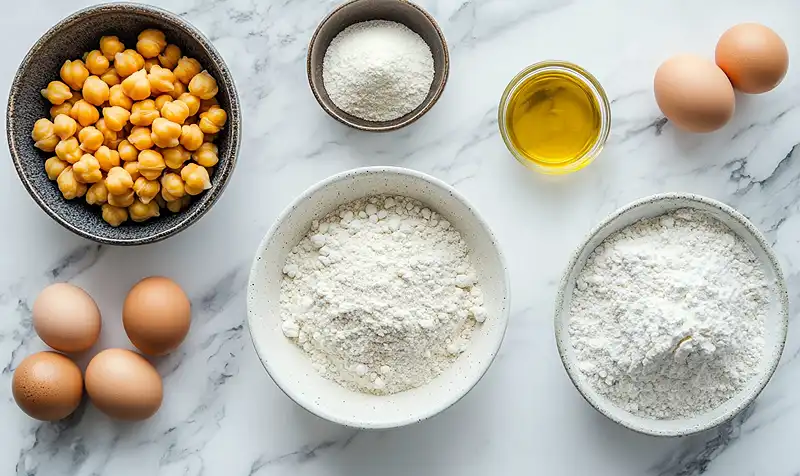
| Ingredient | Amount | Notes |
|---|---|---|
| Chickpea flour | 2¾ cups (300 g) | Also called garbanzo bean flour or gram flour |
| Bob’s Red Mill tapioca flour | ¼ cup (35 g) | Adds elasticity and chew |
| Sweet rice flour (mochiko) | 3 tablespoons (33 g) | Do NOT substitute with white or brown rice flour |
| Xanthan gum | 1 teaspoon | Provides structure and prevents crumbling |
| Large eggs | 4 | Room temperature works best |
| Extra virgin olive oil | 1 tablespoon | Adds richness and helps bind |
| Kosher salt | ½ teaspoon | For the dough itself |
| Water | As needed | Add cautiously, ½ teaspoon at a time |
| Millet flour | For rolling out | Or use additional chickpea flour |
| For cooking: | ||
| Salt | 1 teaspoon | For pasta water |
| Olive oil | Splash | Prevents sticking |
Instructions
Step 1: Mix Your Dry Ingredients
Whisk together the chickpea flour, tapioca starch, sweet rice flour, and xanthan gum in a large mixing bowl. Make sure everything’s evenly distributed—no little xanthan gum clumps hiding in the corners, please!
This step creates the foundation for your homemade chickpea flour pasta, ensuring each component contributes to that perfect texture we’re after.
Step 2: Create the Well
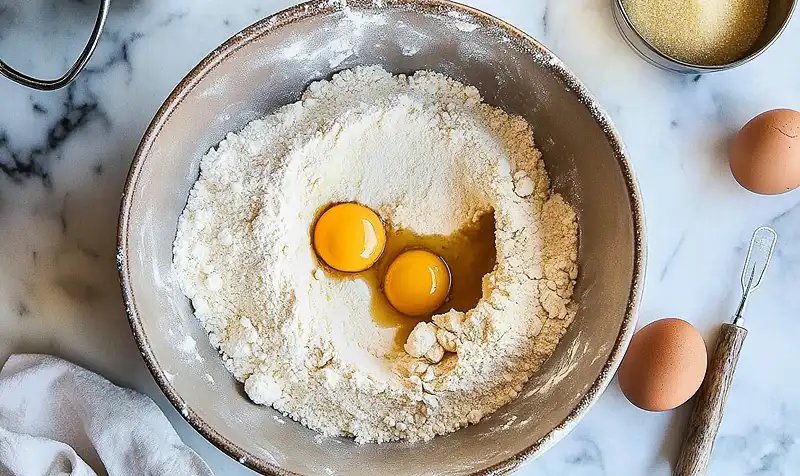
Create a well in the center of your flour mixture, just like you’ve seen in those fancy Italian cooking videos. Crack all four eggs directly into the middle, then add the olive oil and salt right on top.
The well method isn’t just for show—it helps you control the mixing process and prevents flour from flying everywhere when you start incorporating ingredients.
Step 3: Begin Mixing
Use a fork to gently whisk the eggs together right there in the well, gradually pulling flour from the sides as you go. This is where your easy gluten-free chickpea pasta starts coming together—take your time and enjoy the process.
Once the mixture looks shaggy and mostly combined, it’s time to get your hands in there. Don’t be shy!
Step 4: Knead the Dough
Use your hands to knead everything together until it forms a cohesive dough. If the mixture feels too dry and won’t come together, add water ½ teaspoon at a time while continuing to knead.
Keep kneading until your garbanzo bean pasta dough becomes smooth and elastic—this usually takes about 5-7 minutes. The dough should feel slightly tacky but not sticky enough to leave residue on your fingers.
If it’s too sticky, sprinkle in another teaspoon of chickpea flour and work it in thoroughly.
Step 5: Rest the Dough
Shape your dough into a ball and gently flatten it into a disk about an inch thick. Wrap it snugly in plastic wrap and let it rest at room temperature for 30 minutes.
This resting period is crucial for gluten-free chickpea pasta—it allows the xanthan gum to hydrate fully and the flours to absorb moisture evenly, which makes rolling infinitely easier.
Step 6: Prepare Your Cooking Water
While the dough rests, bring 3 quarts of water to a rolling boil in your largest pot. Add a teaspoon of salt and a splash of olive oil to prevent the noodles from clumping together later.
Man, oh man, there’s something so satisfying about having everything prepped and ready before you start rolling out pasta!
Step 7: Divide and Conquer
After the dough has rested, unwrap it and cut it into 6 equal pieces using a sharp knife or bench scraper. Keep five pieces wrapped in plastic under a clean kitchen towel while you work with the first piece.
This prevents the dough from drying out and forming a skin, which can create rough edges in your final chickpea flour pasta.
Step 8: Roll Out the Dough
Dust your work surface generously with millet flour. Press one piece of dough with your hands until it’s about ¼-inch thick—this initial flattening makes the pasta roller’s job much easier.
If using a KitchenAid pasta roller attachment, feed the dough through setting 1, fold it in half, and send it through again. Repeat this folding process 2-3 times until the dough feeds through smoothly and looks uniform.
Then reduce the thickness one setting at a time until you reach setting 4, dusting both sides lightly with millet flour as needed. Setting 4 gives you that perfect pasta thickness—just before it becomes paper-thin and difficult to handle.
If rolling by hand, use a rolling pin and work from the center outward in all directions, rotating the dough frequently and dusting with flour to prevent sticking.
Step 9: Cut Your Pasta
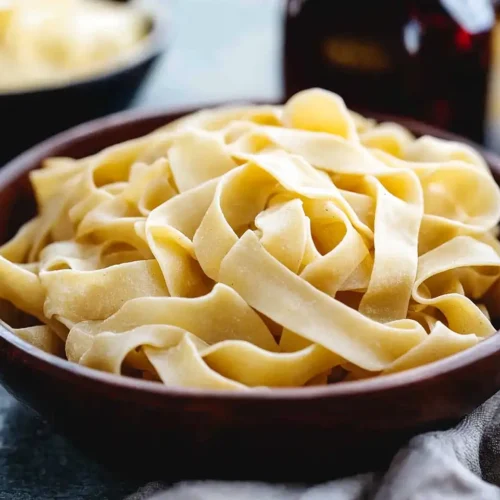
Use a sharp knife or the thick noodle cutter attachment on your pasta machine to cut each sheet into wide noodles. As you cut them, toss the noodles immediately with a generous sprinkle of millet flour to keep them from sticking together.
Arrange the cut noodles in loose nests on a floured baking sheet while you roll and cut the remaining pieces. This is where your homemade garbanzo bean pasta really starts looking like the real deal!
Step 10: Cook and Serve
Drop all the noodles into your boiling water and cook for exactly 4 minutes, stirring occasionally with a wooden spoon to prevent sticking. Fresh pasta cooks much faster than dried, so keep an eye on it!
Drain the chickpea pasta from scratch in a colander and immediately toss with a drizzle of olive oil. This creates a light coating that prevents the noodles from clumping as they cool slightly.
Serve right away with your favorite sauce—the pasta tastes best when it’s fresh and hot, with that beautiful al dente texture intact.
Substitutions & Variations
Flour Alternatives
Can’t find sweet rice flour? I get it—it’s not always stocked at regular grocery stores. You can substitute with an equal amount of additional tapioca flour, though the texture will be slightly less chewy.
For a nut-free option that’s still protein-rich, this chickpea flour pasta naturally fits the bill. Just make sure your other ingredients don’t contain cross-contamination warnings if you’re dealing with severe allergies.
Egg-Free Version
Making this garbanzo bean pasta egg-free is trickier but possible. Replace the 4 eggs with ¾ cup aquafaba (chickpea brine) mixed with 2 tablespoons ground flaxseed.
The texture won’t be quite as elastic, but it absolutely works for those with egg sensitivities. You may need to add an extra tablespoon of tapioca flour to compensate for the different binding properties.
Different Pasta Shapes
This easy gluten-free chickpea pasta dough works beautifully for more than just fettuccine! Try cutting it into thin angel hair strands, wide pappardelle ribbons, or even using cookie cutters for fun shapes your kids will love.
For filled pastas like ravioli, roll the dough slightly thinner (setting 5 on the KitchenAid) and check out our gluten-free ravioli recipe guide for detailed assembly instructions.
Troubleshooting Your Chickpea Pasta
Dough Too Sticky
If your chickpea flour pasta dough feels too wet and won’t stop sticking to your hands or the work surface, don’t panic. Sprinkle in extra chickpea flour one teaspoon at a time, kneading thoroughly after each addition.
The humidity in your kitchen really affects how much liquid the flour absorbs, so trust your hands more than exact measurements here.
Dough Too Dry or Crumbly
Dry, cracking dough means you need more moisture. Add water ½ teaspoon at a time and knead for a full minute after each addition to let the liquid distribute evenly.
Be patient with this process—adding too much water at once is harder to fix than gradually building up moisture. According to expert gluten-free baking guidance, working with gluten-free doughs requires trusting touch and texture over precise measurements.
Pasta Breaks When Rolling
If your garbanzo bean pasta sheets keep tearing as you roll them, the dough likely needs more rest time. Wrap it back up and give it another 15-20 minutes at room temperature.
Alternatively, the dough might be too dry—work in a tiny bit more water before the next resting period.
Pasta Falls Apart When Cooking
Pasta that disintegrates in boiling water usually means you needed more xanthan gum or the water was boiling too vigorously. Make sure you’re using a gentle boil, not a rolling, aggressive one.
For next time, consider adding an extra ¼ teaspoon xanthan gum to strengthen the structure of your chickpea pasta from scratch.
Storage & Meal Prep
Refrigerating Fresh Pasta
Store uncooked chickpea flour pasta in an airtight container in the refrigerator for up to 2 days. Dust the noodles generously with millet flour or chickpea flour before storing to prevent them from sticking together into one giant clump.
Let the pasta come to room temperature for about 10 minutes before cooking for the most even results.
Freezing Instructions
This homemade garbanzo bean pasta freezes beautifully! Arrange the cut noodles in single-layer portions on a parchment-lined baking sheet and freeze until solid—about 2 hours.
Transfer the frozen noodles to freezer bags, removing as much air as possible, and freeze for up to 3 months. Cook directly from frozen, adding just one extra minute to the cooking time.
Make-Ahead Strategy
Busy weeknight coming up? Roll out and cut all your easy gluten-free chickpea pasta on a Sunday afternoon when you have time. Store it in the fridge or freezer, and you’ve got restaurant-quality homemade pasta ready in minutes.
I usually make a double batch when I’m already pulling out the pasta roller—it really doesn’t take much more effort, and future-you will be incredibly grateful.
Serving Suggestions
Simple Garlic & Oil
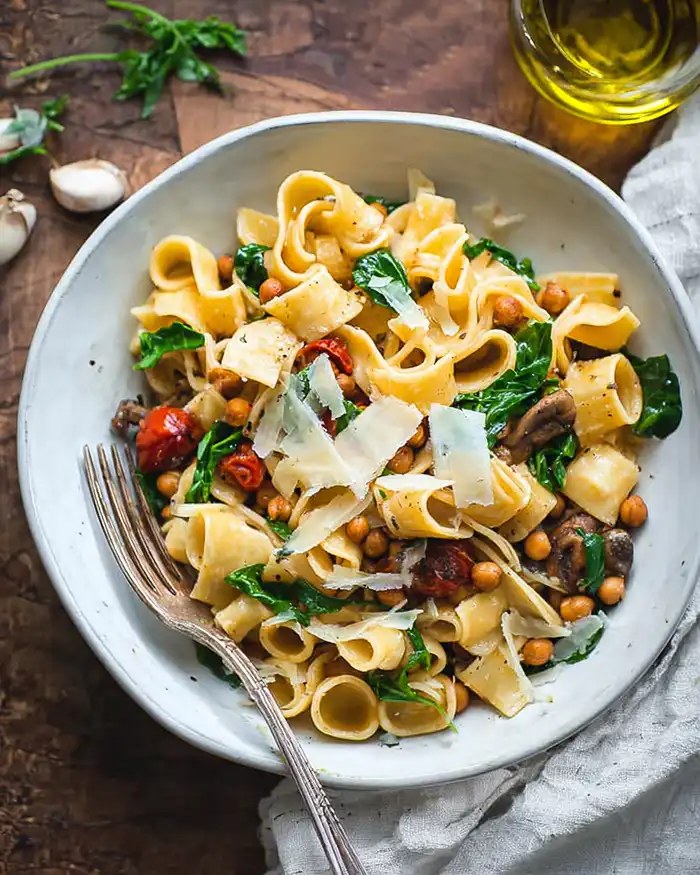
Sometimes the best way to enjoy fresh chickpea pasta from scratch is with the simplest preparation. Toss the hot noodles with good quality olive oil, minced garlic sautéed until golden, red pepper flakes, and fresh parsley.
The clean chickpea flavor shines through beautifully, and this takes literally five minutes to put together.
With Tomato-Based Sauces
This garbanzo bean pasta holds up incredibly well with hearty marinara, bolognese, or arrabbiata sauces. The slightly nutty undertone of chickpeas complements tomato-based sauces perfectly.
Try pairing with our gluten-free sourdough pizza crust for an Italian feast that’ll make your kitchen smell like a cozy trattoria.
Creamy Preparations
The firm texture of this chickpea flour pasta makes it ideal for cream sauces that would turn regular gluten-free pasta mushy. Think alfredo, carbonara, or mushroom cream sauce.
Just remember to reserve some pasta cooking water before draining—that starchy water helps emulsify cream sauces beautifully.
Kid-Friendly Options
My kids absolutely love this easy gluten-free chickpea pasta with butter, parmesan, and a sprinkle of everything bagel seasoning. It sounds weird, but trust me on this one!
For picky eaters, the mild flavor makes it perfect for hiding finely chopped vegetables in the sauce—they’ll never know they’re eating extra nutrients.
Perfect Pairings
Complete Meal Ideas
Serve your homemade garbanzo bean pasta alongside a crisp Caesar salad and garlic bread for a classic Italian-American dinner. For a lighter option, pair with grilled chicken and roasted vegetables.
During summer cookouts, this chickpea pasta from scratch makes an excellent cold pasta salad base—just toss with cherry tomatoes, fresh mozzarella, basil, and balsamic vinaigrette.
Wine Pairing
The earthy notes in chickpea flour pasta pair wonderfully with medium-bodied white wines like Pinot Grigio or unoaked Chardonnay. If you’re serving a red sauce, try a Sangiovese or Chianti.
For a non-alcoholic option, sparkling water with a squeeze of lemon complements the meal perfectly without overwhelming the delicate pasta flavor.
Nutritional Benefits
Protein Power
Each serving of this chickpea flour pasta delivers significantly more protein than traditional wheat pasta—we’re talking about 8-10 grams per serving compared to 5-6 grams in regular pasta. This extra protein helps keep you fuller longer and supports muscle maintenance.
For families trying to increase plant-based protein intake, this garbanzo bean pasta is an absolute winner.
Fiber & Nutrients
Chickpeas naturally provide excellent fiber content, which supports digestive health and helps stabilize blood sugar levels. This easy gluten-free chickpea pasta also contains iron, folate, and B vitamins that support energy production.
It’s genuinely nourishing food, not just a compromise for gluten-free eating.
Gluten-Free Chickpea Pasta FAQs
Can I make this chickpea pasta from scratch without a pasta machine?
Absolutely! A rolling pin works perfectly fine, though you’ll need a bit more arm strength and patience. Roll the dough on a well-floured surface until it’s about 1/16-inch thick, then cut into strips with a sharp knife or pizza cutter. The texture will be just as delicious, even if the thickness isn’t quite as uniform.
How long does homemade garbanzo bean pasta take to cook?
Fresh chickpea flour pasta cooks in just 4 minutes in boiling water. This is much faster than dried pasta, which typically needs 8-12 minutes. Keep an eye on it and test a noodle at the 3-minute mark if you like your pasta extra al dente.
What’s the best flour for rolling out this gluten-free chickpea pasta?
Millet flour works wonderfully because it’s neutral-flavored and doesn’t make the pasta gritty. However, you can absolutely use additional chickpea flour or even sweet rice flour. Avoid using too much tapioca flour for rolling, as it can make the surface too slippery.
Why is my chickpea pasta from scratch falling apart in the water?
This usually happens when the dough didn’t rest long enough or needs more xanthan gum for structure. Make sure you’re allowing the full 30-minute rest period, and consider adding an extra ¼ teaspoon xanthan gum next time. Also, keep your boiling water at a gentle simmer rather than an aggressive rolling boil.
Can I dry this homemade chickpea flour pasta for long-term storage?
Yes! Drape the cut noodles over a pasta drying rack or the back of a chair and let them air-dry for 12-24 hours until completely brittle. Store dried garbanzo bean pasta in airtight containers at room temperature for up to 2 months. Cook dried pasta for 6-8 minutes instead of 4.
Why This Recipe Works
The secret to successful chickpea pasta from scratch lies in the careful balance of flours and binders. Chickpea flour provides the base protein and structure, while tapioca flour adds chewiness and sweet rice flour contributes elasticity.
Xanthan gum acts as the glue that holds everything together without gluten. This combination creates pasta that genuinely behaves like traditional wheat pasta—it rolls smoothly, cuts cleanly, and maintains its shape during cooking.
The resting period allows the xanthan gum to hydrate fully and the eggs to bind properly with the flour, resulting in that beautiful smooth dough that’s a dream to work with.
Final Thoughts
Making your own easy gluten-free chickpea pasta might seem intimidating at first, but I promise it becomes second nature after just one or two attempts. There’s something deeply satisfying about creating homemade pasta from basic pantry ingredients—it makes dinner feel special even on random Tuesdays.
This garbanzo bean pasta has become our family’s go-to for everything from quick weeknight meals to holiday celebrations. Last Thanksgiving, I served it alongside turkey and everyone raved about the texture and flavor, never once asking if it was gluten-free.
Give this chickpea flour pasta recipe a try, and don’t be afraid to experiment with different shapes and sauces. The versatility is truly endless, and once you nail the basic technique, you’ll wonder why you ever bought store-bought gluten-free pasta again.
If you make this recipe, I’d absolutely love to hear how it turns out! And if you’re looking for more homemade gluten-free adventures, check out our gluten-free sourdough brownies for a sweet treat that’s just as impressive.
Gluten-Free Chickpea Pasta
Equipment
- Large mixing bowl
- Fork
- Plastic wrap
- Bench scraper or sharp knife
- Rolling pin or pasta machine
- KitchenAid pasta roller attachment (optional)
- Large pot
- Colander
- Baking sheet
- Clean kitchen towel
Ingredients
For the Dough
- 2¾ cups chickpea flour 300 g, also called garbanzo bean flour or gram flour
- ¼ cup Bob’s Red Mill tapioca flour 35 g, adds elasticity and chew
- 3 tablespoons sweet rice flour (mochiko) 33 g, do NOT substitute with white or brown rice flour
- 1 teaspoon xanthan gum provides structure and prevents crumbling
- 4 large eggs room temperature works best
- 1 tablespoon extra virgin olive oil adds richness and helps bind
- ½ teaspoon kosher salt for the dough itself
- water as needed, add cautiously ½ teaspoon at a time
For Rolling
- millet flour for rolling out, or use additional chickpea flour
For Cooking
- 1 teaspoon salt for pasta water
- splash olive oil prevents sticking
Instructions
- Mix Your Dry Ingredients: Whisk together the chickpea flour, tapioca starch, sweet rice flour, and xanthan gum in a large mixing bowl. Make sure everything’s evenly distributed—no little xanthan gum clumps hiding in the corners.
- Create the Well: Create a well in the center of your flour mixture. Crack all four eggs directly into the middle, then add the olive oil and salt right on top. The well method helps you control the mixing process and prevents flour from flying everywhere.
- Begin Mixing: Use a fork to gently whisk the eggs together right there in the well, gradually pulling flour from the sides as you go. Once the mixture looks shaggy and mostly combined, it’s time to get your hands in there.
- Knead the Dough: Use your hands to knead everything together until it forms a cohesive dough. If the mixture feels too dry and won’t come together, add water ½ teaspoon at a time while continuing to knead. Keep kneading until your dough becomes smooth and elastic—this usually takes about 5-7 minutes. The dough should feel slightly tacky but not sticky enough to leave residue on your fingers. If it’s too sticky, sprinkle in another teaspoon of chickpea flour and work it in thoroughly.
- Rest the Dough: Shape your dough into a ball and gently flatten it into a disk about an inch thick. Wrap it snugly in plastic wrap and let it rest at room temperature for 30 minutes. This resting period allows the xanthan gum to hydrate fully and the flours to absorb moisture evenly.
- Prepare Your Cooking Water: While the dough rests, bring 3 quarts of water to a rolling boil in your largest pot. Add a teaspoon of salt and a splash of olive oil to prevent the noodles from clumping together later.
- Divide and Conquer: After the dough has rested, unwrap it and cut it into 6 equal pieces using a sharp knife or bench scraper. Keep five pieces wrapped in plastic under a clean kitchen towel while you work with the first piece to prevent drying.
- Roll Out the Dough: Dust your work surface generously with millet flour. Press one piece of dough with your hands until it’s about ¼-inch thick. If using a KitchenAid pasta roller attachment, feed the dough through setting 1, fold it in half, and send it through again. Repeat this folding process 2-3 times until the dough feeds through smoothly. Then reduce the thickness one setting at a time until you reach setting 4, dusting both sides lightly with millet flour as needed. If rolling by hand, use a rolling pin and work from the center outward in all directions, rotating the dough frequently.
- Cut Your Pasta: Use a sharp knife or the thick noodle cutter attachment on your pasta machine to cut each sheet into wide noodles. As you cut them, toss the noodles immediately with a generous sprinkle of millet flour to keep them from sticking together. Arrange the cut noodles in loose nests on a floured baking sheet while you roll and cut the remaining pieces.
- Cook and Serve: Drop all the noodles into your boiling water and cook for exactly 4 minutes, stirring occasionally with a wooden spoon to prevent sticking. Drain the pasta in a colander and immediately toss with a drizzle of olive oil. Serve right away with your favorite sauce.