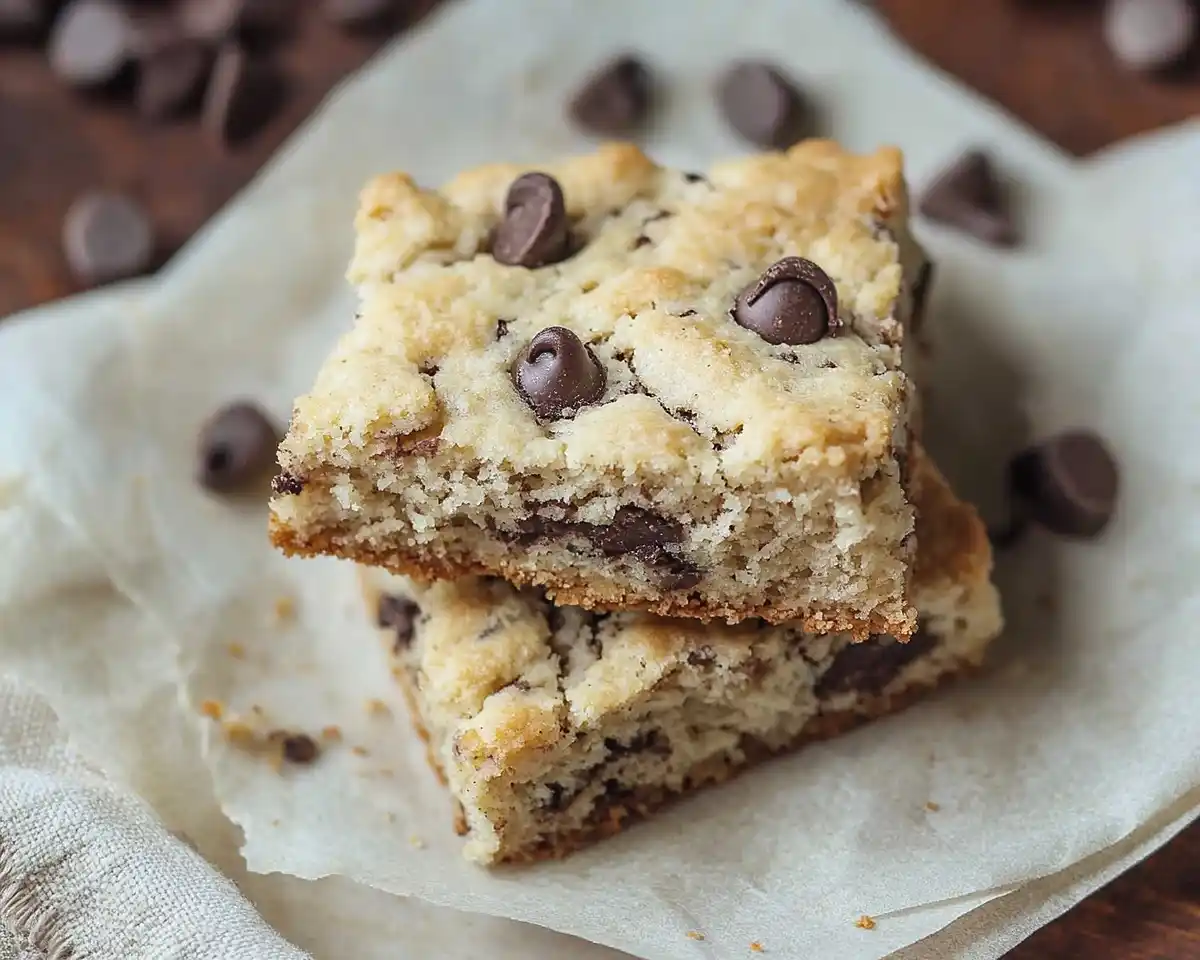
Gluten-Free Chocolate Chip Scones
Master gluten-free chocolate chip scones with this foolproof recipe. Buttery, tender, and loaded with chocolate—perfect for busy families and baking beginners!
Have you ever noticed how the smell of fresh-baked scones can transform an entire kitchen into something magical? I stumbled onto that magic myself one rainy Sunday when I decided gluten-free baking didn’t have to mean sacrificing the pastries I genuinely craved.
That day, I experimented with gluten-free chocolate chip scones, and what came out of the oven surprised everyone at my table—including me. These weren’t the dense, crumbly disappointments I’d feared; they were buttery, tender, and absolutely loaded with melty chocolate. You know what the secret was? Understanding that gluten-free scones need a slightly different approach, not a completely different recipe.
Whether you’re new to gluten-free baking or a seasoned kitchen pro, these homemade gluten-free scones deliver that perfect balance of crispy exterior and soft, flaky interior. The chocolate chips make them feel like a special treat, but they’re honestly simple enough for any skill level.
Table of Contents
Ingredients
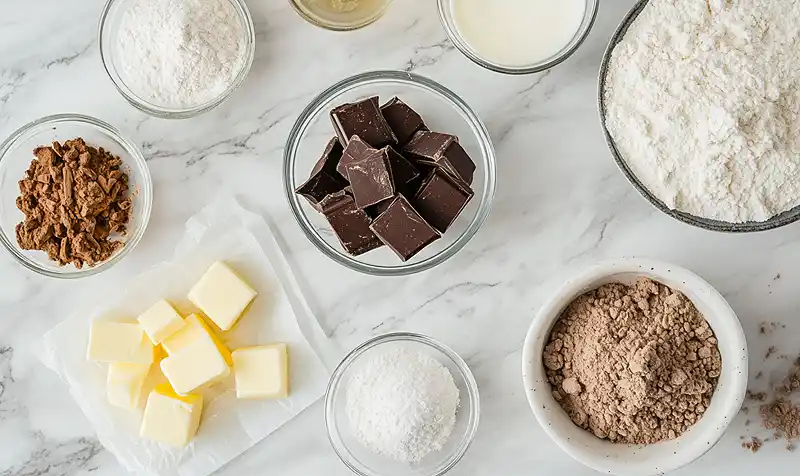
| Ingredient | Amount | Notes |
|---|---|---|
| Gluten-free multipurpose flour | 275 grams (2¼ cups) | Add more if needed for consistency |
| Almond flour | 50 grams (½ cup) | Adds richness and structure |
| Light brown sugar | 40 grams (3 tablespoons) | For subtle sweetness |
| Milk powder (optional) | 5 grams (1 teaspoon) | Deepens flavor complexity |
| Baking powder | 13 grams (1 tablespoon) | Aluminum-free recommended |
| Kosher salt | ¾ teaspoon | Balances sweetness |
| Unsalted butter, COLD | 70 grams (5 tablespoons) | Keep it cold—this is crucial |
| Chopped chocolate | 120 grams (4 oz) | Milk, dark, or a mix |
| Milk (any percentage) | 60 grams (¼ cup) | For the wet mixture |
| Heavy cream | 145 grams (⅔ cup) | Creates richness and tenderness |
| Vanilla extract | 1 teaspoon | Enhances flavor depth |
| For topping: | ||
| Heavy cream | 2 tablespoons | For brushing before baking |
| Raw sugar | As needed | For sprinkling |
| Dark chocolate bar (chopped) | As desired | Optional garnish |
Instructions
Step 1: Prepare Your Workspace
Line a sheet tray with parchment paper and set it aside—this prevents your gluten-free chocolate chip scones from sticking. In a small bowl, combine the heavy cream, milk, and vanilla extract, then set that mixture near your workspace. Having everything ready means you’ll work quickly once you start mixing.
Step 2: Build Your Dry Base
In a large mixing bowl, sift together the gluten-free multipurpose flour, almond flour, light brown sugar, milk powder (if using), baking powder, and salt. Sifting is genuinely important here—it aerates your flour and prevents lumps that might affect your homemade gluten-free scones’ texture. Take a moment to really incorporate these dry ingredients thoroughly.
Step 3: Work in Your Cold Butter
Cut your COLD butter into smaller pieces and add them to your dry ingredients. Using a fork, pastry cutter, or your clean, washed hands, work the butter into the mixture until it resembles coarse breadcrumbs or wet sand. This step is where the magic happens for tender gluten-free sweet scones—the cold butter pockets create those desirable flaky layers as they bake.
Step 4: Add the Chocolate
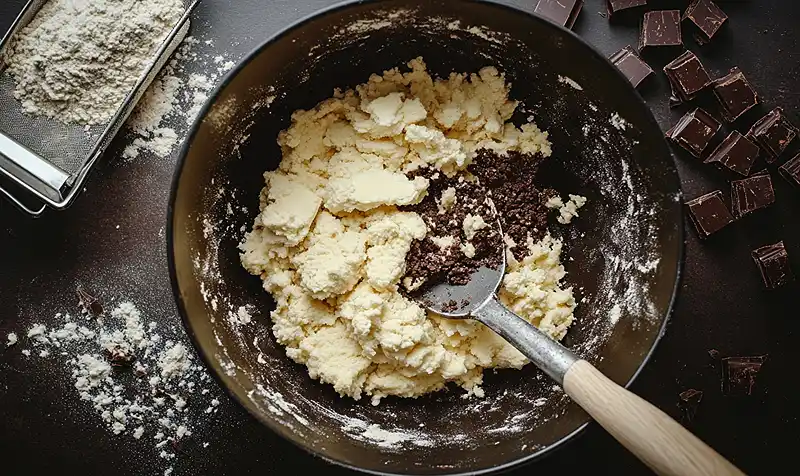
Gently fold in your chopped chocolate, distributing it evenly throughout the dry mixture. Whether you’re using milk chocolate, dark chocolate, or a combination, make sure the pieces are scattered so each scone gets its fair share of chocolate flavor.
Step 5: Combine Wet and Dry Ingredients
Pour your wet ingredient mixture into the flour-butter blend and stir everything together with a spatula until just combined. Your dough will be sticky—and that’s exactly what you want! Don’t panic or add extra flour; sticky dough creates tender, moist chocolate scones.
Step 6: Bring the Dough Together
Transfer your gluten-free chocolate chip dough onto the parchment-lined sheet tray and gently knead it for just 30 seconds until it comes together. Light handling is key here—overworking develops gluten, which we’re avoiding. The goal is a cohesive mass, nothing more.
Step 7: Shape Your Dough
Using your hands or a rolling pin, shape the dough into an 8 x 12-inch rectangle. You can lightly dust with a bit of gluten-free flour if it’s too sticky to handle. Don’t stress about perfect dimensions—homemade gluten-free scones have character, not perfection!
Step 8: Create the Fold (The Secret Move)
Here’s where your chocolate scones get their signature texture: fold one-third of the dough (the shorter end) toward the middle, then fold the other side on top, like closing a letter. Gently flatten this folded dough into a 7 x 5-inch rectangle about 1 inch tall. This technique creates those beautiful flaky layers.
Step 9: Chill Before Cutting
Place the sheet tray in your freezer for 15 to 20 minutes while your oven preheats to 400°F. Chilling sets up the dough and helps prevent spreading during baking. This small pause makes a noticeable difference in how your gluten-free sweet scones bake.
Step 10: Cut and Top
Remove the dough from the freezer and use a sharp knife to cut it into six equal-sized scones—think of cutting the rectangle into three columns, then in half crosswise. Brush each scone lightly with heavy cream using a pastry brush, then sprinkle raw sugar on top and add chocolate shards if desired.
Step 11: Bake Until Golden
Place your scones on the prepared sheet tray and bake in your 400°F oven for 18 to 24 minutes until they’re golden brown around the edges. You’ll know they’re done when the tops feel just barely firm to the touch and the chocolate is melting inside.
Step 12: Cool and Enjoy
Let your chocolate chip scones cool on the sheet tray for 10 minutes—this cooling time allows them to set up without becoming dry. Transfer to a cooling rack and enjoy them while warm with butter, jam, or cream. Man, oh man, there’s nothing quite like warm scones fresh from the oven.
Substitutions for Your Gluten-Free Chocolate Chip Scones
Using Different Flours
Bob’s Red Mill 1-to-1 gluten-free flour and King Arthur’s measure-for-measure blend both work beautifully in these gluten-free chocolate scones. If your flour blend includes xanthan gum, you’re all set; if not, add ¼ teaspoon per cup of flour to improve binding in your homemade gluten-free scones.
Swapping the Almond Flour
If tree nuts aren’t an option, try oat flour (certified gluten-free) or sunflower seed flour in the same amount. These alternatives maintain the structure and richness that makes these chocolate scones tender and flavorful. The final result will be slightly different but equally delicious.
Replacing Heavy Cream with Alternatives
Full-fat coconut milk works wonderfully if dairy isn’t in your plan—use the same amount and you’ll get beautiful gluten-free sweet scones with a subtle coconut undertone. For less richness, you can use half-and-half, though the scones will be slightly less tender.
Chocolate Options
Love white chocolate? Use half white and half dark for balance. Prefer chocolate chips to chopped chocolate? That works perfectly in these gluten-free chocolate chip scones. You could even add dried cranberries or toasted nuts instead of—or alongside—the chocolate for your own unique version.
Adjusting the Sugar
If you prefer less sweetness, reduce the brown sugar to 30 grams and let the chocolate provide most of the flavor. These chocolate scones are naturally sweet, so scaling back won’t leave them tasting flat.
Ready to expand beyond baking? Explore our easy gluten-free mains and sides for satisfying weeknight dinners that feel just as special as fresh scones.
Troubleshooting Tips
My Scones Spread Too Much During Baking
This happens when your dough isn’t cold enough before baking or you’ve overworked it. Make sure you’re using COLD butter and don’t skip that freezer time—those 15 to 20 minutes genuinely matter for your gluten-free sweet scones. Also, check that you’re not kneading beyond those crucial 30 seconds.
The Scones Came Out Dense or Heavy
Overmixing is the usual culprit here. Mix just until combined—it’s okay if there are tiny flour streaks visible. Also verify your baking powder is fresh; old leavening agents won’t give your chocolate scones the lift they need. Finally, make sure you’re sifting your dry ingredients; this aerates your gluten-free flour.
My Scones Are Dry or Crumbly
Don’t reduce the heavy cream or milk—these ingredients are essential for tender gluten-free scones. You might also be overbaking; start checking at the 18-minute mark. Every oven is different, and even 2 extra minutes can shift texture significantly in chocolate scones.
The Chocolate Isn’t Melting Properly
Use good-quality chocolate that melts smoothly, not cheap chocolate chips that can become chalky. Chopped chocolate from a bar works better than some commercial chips. If you want extra-melty chocolate scones, nestle the pieces into the dough just before baking so they don’t sink to the bottom.
My Dough Is Too Sticky to Handle
Sticky dough is actually correct—don’t add flour! If you must do something, chill the dough longer or very lightly dust your hands and work surface with gluten-free flour. This sticky texture is what creates those tender, moist gluten-free chocolate chip scones you’re after.
Storage and Make-Ahead Tips
Storing Baked Scones
Your homemade gluten-free scones keep beautifully in an airtight container at room temperature for up to 5 days. Pop them in the oven at 300°F for 5 minutes if you want to warm them up—this refreshes that just-baked texture without drying them out.
Freezing for Later
You can freeze baked chocolate scones for up to 3 months in a freezer-safe bag with parchment between layers. Thaw at room temperature for about an hour, then warm as described above. You can also freeze the shaped dough before baking—just add 2 to 3 minutes to the baking time if baking from frozen.
Prepping the Dough Ahead
Shape your gluten-free chocolate chip scones dough the night before, cover it tightly with plastic wrap, and refrigerate. The next morning, brush with cream, sprinkle sugar, and bake—no thawing needed. This makes fresh scones possible on busy weekday mornings.
Serving Suggestions and Pairings
The Classic Pairing
Serve your warm gluten-free chocolate chip scones with softened butter, clotted cream, and jam for that proper afternoon tea experience. The richness of the scones pairs beautifully with tart berry preserves, which cuts through the chocolate sweetness perfectly.
Breakfast or Brunch Ideas
These chocolate scones shine alongside scrambled eggs and fresh fruit for a special weekend brunch. You could also crumble one into your morning yogurt or enjoy it with a simple green salad for a lighter lunch. A hot cup of coffee or tea is practically mandatory with these beauties.
Variations and Dietary Adjustments
Cranberry-Chocolate Version
Substitute half the chopped chocolate with dried cranberries for tart-sweet balance. These gluten-free sweet scones become beautiful little flavor bombs with the combination—perfect for Thanksgiving morning or holiday gatherings.
Vanilla Bean Scones with Chocolate Chunks
Reduce the brown sugar to 30 grams and add 2 teaspoons of vanilla bean paste (or regular vanilla extract) to your wet ingredients. This creates delicate vanilla-forward scones that let the chocolate really shine through.
Smaller Mini Scones
Cut your dough into 8 or 10 pieces instead of 6 for smaller portions. These adorable mini gluten-free chocolate chip scones bake a few minutes faster (12 to 16 minutes), making them perfect for kids or when you want portion control without sacrificing flavor.
Dairy-Free Version
Swap heavy cream for full-fat coconut milk and use coconut oil instead of butter. These changes create dairy-free chocolate scones that still deliver on tenderness and richness—you barely notice the difference.
FAQs About Gluten-Free Chocolate Chip Scones
Can scones be made with gluten-free flour?
Absolutely! The key is choosing a quality multipurpose blend and adding almond flour for structure and richness. These gluten-free chocolate chip scones prove that swapping flour doesn’t mean sacrificing texture or taste.
Do you need xanthan gum for gluten-free scones?
Only if your flour blend doesn’t already contain it—check your package. Most modern gluten-free multipurpose flours include xanthan gum, so your chocolate scones will have proper binding without adding extra.
What does gluten do to scones?
Gluten creates structure and elasticity, but too much makes scones tough. That’s why we fold the dough gently and avoid overworking—we want just enough structure to hold our gluten-free chocolate chip scones together while keeping them tender and flaky.
What is the 15-minute rule for scones?
This refers to keeping your ingredients and hands cool while making scones. Working quickly prevents the butter from warming up too much, which would prevent those desirable flaky layers in your gluten-free sweet scones. Our freezer chill time serves this same purpose.
What is the secret to moist scones?
Heavy cream is your secret weapon—it adds richness and keeps gluten-free chocolate chip scones wonderfully tender. Don’t skimp on this ingredient or reduce it; it’s what transforms ordinary scones into something special.
What to avoid when making scones?
Avoid overworking the dough, using warm butter, or skipping the chill time. Also don’t add extra flour when your dough feels sticky—that’s correct! Finally, don’t bake past the golden-brown stage or your gluten-free sweet scones become dry.
Final Thoughts
You know what’s incredible about homemade gluten-free scones? They’re proof that “different” doesn’t mean “less than.” These buttery, chocolate-studded beauties might actually surpass the traditional version you remember.
The folding technique might seem extra, but it genuinely creates those restaurant-quality layers that make scones so special. Once you nail this method, you’ll find yourself making gluten-free chocolate chip scones regularly—maybe even experimenting with your own flavor combinations.
Next time you want something that feels both comforting and celebratory, pull out this recipe. I’m confident these scones will become a beloved part of your kitchen routine, whether you’re serving them for a special occasion or treating yourself on a quiet Tuesday morning.
According to authoritative baking science research, the combination of cold fat and proper folding technique creates flaky, tender baked goods across all flour types.
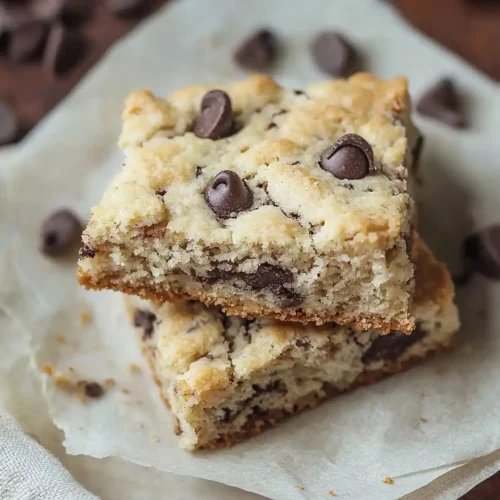
Gluten-Free Chocolate Chip Scones
Equipment
- Sheet tray
- Parchment paper
- Large mixing bowl
- Small mixing bowl
- Whisk or fork
- Spatula
- Pastry brush
- Sharp knife
- Rolling pin (optional)
- Cooling rack
Ingredients
Dry Ingredients
- 275 grams (2¼ cups) Gluten-free multipurpose flour Add more if needed for consistency
- 50 grams (½ cup) Almond flour Adds richness and structure
- 40 grams (3 tablespoons) Light brown sugar For subtle sweetness
- 5 grams (1 teaspoon) Milk powder (optional) Deepens flavor complexity
- 13 grams (1 tablespoon) Baking powder Aluminum-free recommended
- ¾ teaspoon Kosher salt Balances sweetness
Wet Ingredients & Mix-ins
- 70 grams (5 tablespoons) Unsalted butter, COLD Keep it cold—this is crucial
- 120 grams (4 oz) Chopped chocolate Milk, dark, or a mix
- 60 grams (¼ cup) Milk (any percentage) For the wet mixture
- 145 grams (⅔ cup) Heavy cream Creates richness and tenderness
- 1 teaspoon Vanilla extract Enhances flavor depth
For Topping
- 2 tablespoons Heavy cream For brushing before baking
- As desired Raw sugar For sprinkling
- As desired Dark chocolate bar (chopped) Optional garnish
Instructions
- Line a sheet tray with parchment paper and set it aside. In a small bowl, combine the heavy cream, milk, and vanilla extract, then set that mixture near your workspace.
- In a large mixing bowl, sift together the gluten-free multipurpose flour, almond flour, light brown sugar, milk powder (if using), baking powder, and salt. Sifting aerates your flour and prevents lumps that might affect your gluten-free scones’ texture.
- Cut your COLD butter into smaller pieces and add them to your dry ingredients. Using a fork, pastry cutter, or your clean hands, work the butter into the mixture until it resembles coarse breadcrumbs. This creates the cold butter pockets that produce flaky layers in your chocolate scones.
- Gently fold in your chopped chocolate, distributing it evenly throughout the dry mixture. Make sure the pieces are scattered so each scone gets its fair share of chocolate flavor.
- Pour your wet ingredient mixture into the flour-butter blend and stir everything together with a spatula until just combined. Your dough will be sticky—this is exactly what you want! Don’t add extra flour; sticky dough creates tender, moist chocolate scones.
- Transfer your gluten-free chocolate chip dough onto the parchment-lined sheet tray and gently knead it for just 30 seconds until it comes together. Light handling is key—overworking develops gluten. The goal is a cohesive mass, nothing more.
- Using your hands or a rolling pin, shape the dough into an 8 x 12-inch rectangle. You can lightly dust with gluten-free flour if it’s too sticky. Perfect dimensions aren’t necessary—homemade scones have character!
- Fold one-third of the dough (the shorter end) toward the middle, then fold the other side on top like closing a letter. Gently flatten this folded dough into a 7 x 5-inch rectangle about 1 inch tall. This folding technique creates those beautiful flaky layers.
- Place the sheet tray in your freezer for 15 to 20 minutes while your oven preheats to 400°F. Chilling sets up the dough and helps prevent spreading during baking. This small pause makes a noticeable difference.
- Remove the dough from the freezer and use a sharp knife to cut it into six equal-sized scones. Brush each scone lightly with heavy cream using a pastry brush, then sprinkle raw sugar on top and add chocolate shards if desired.
- Bake in your 400°F oven for 18 to 24 minutes until golden brown around the edges. You’ll know they’re done when the tops feel just barely firm to the touch and the chocolate is melting inside.
- Let your chocolate chip scones cool on the sheet tray for 10 minutes, allowing them to set up without becoming dry. Transfer to a cooling rack and enjoy warm with butter, jam, or cream.