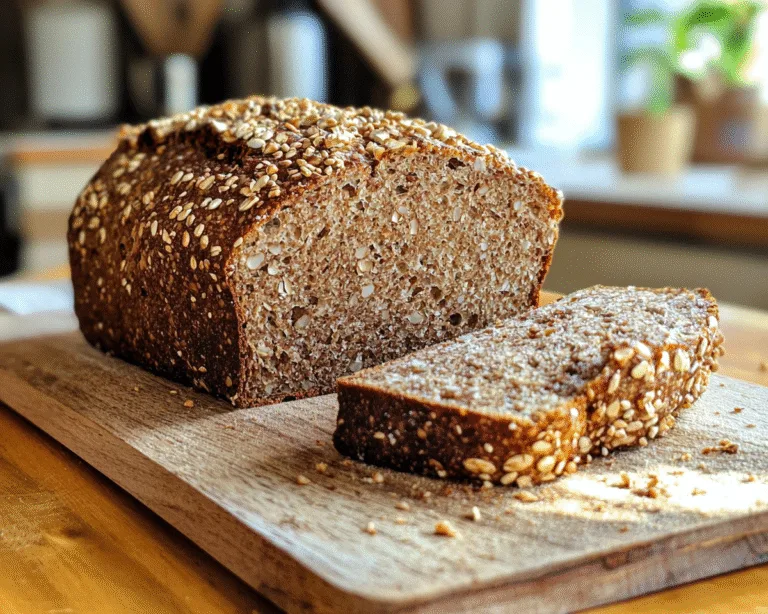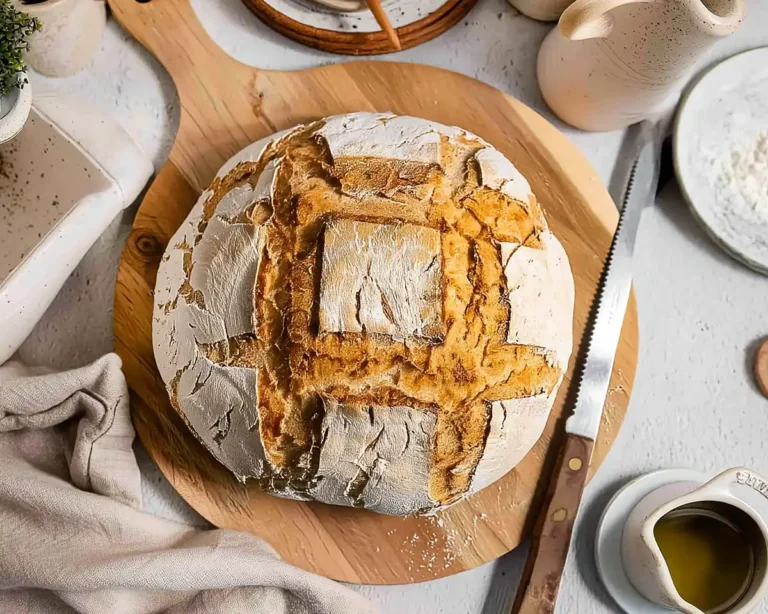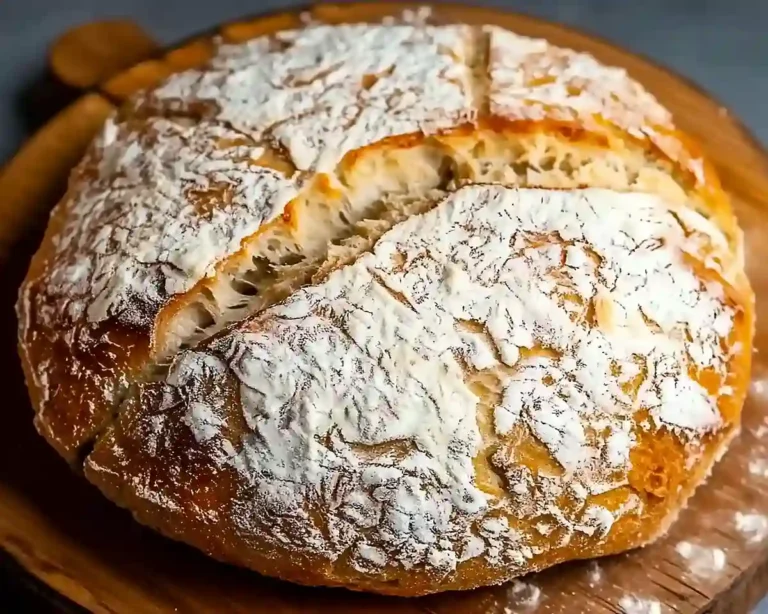

Gluten-Free Cinnamon Raisin Bread
Bake tender, fluffy gluten-free cinnamon raisin bread at home! Enriched dough with swirled cinnamon filling. Perfect for breakfast or toast.
You know that moment when you walk past a bakery and the warm, cinnamon-scented air practically pulls you inside? For years, I’d sneak past those windows feeling a little left out—especially when gluten-free options meant dry, crumbly disappointment wrapped in plastic.
But then I discovered something life-changing: making gluten-free cinnamon raisin bread at home that rivals anything in a professional bakery’s window.
The magic is in the enriched dough—those eggs and butter that make every slice tender and slightly sweet, almost cakey in the best possible way. This gluten-free sweet bread proves that you don’t need gluten to create something truly spectacular. The swirled cinnamon filling and plump raisins burst through every slice, and the twisted presentation makes it look like you spent hours fussing over it (spoiler: you didn’t).
Whether you’re toasting slices for Monday morning breakfast or gifting a loaf to someone special, this cinnamon swirl bread will absolutely earn you kitchen hero status.
Table of Contents
Ingredients For Gluten-Free Cinnamon Raisin Bread
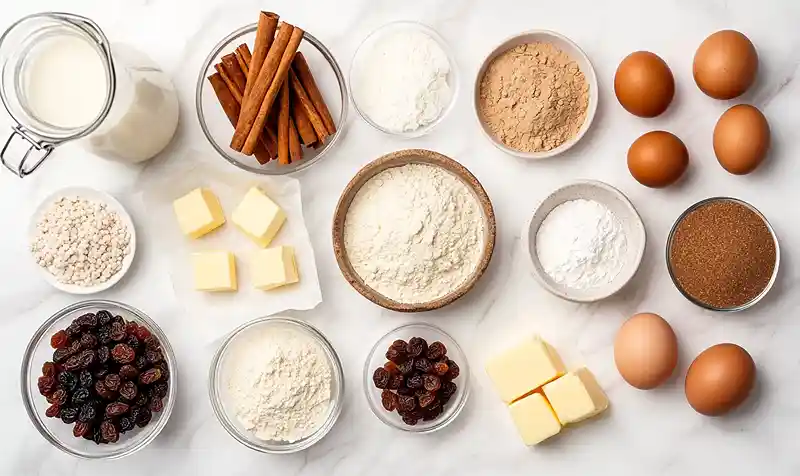
| Ingredient | Amount |
|---|---|
| Enriched Dough Base | |
| Whole milk | 1¼ cups (300ml) |
| Large eggs, room temperature | 2 |
| Large egg whites, room temperature | 2 (60ml) |
| Granulated sugar | 1 cup (200g) |
| Instant yeast | 2 tbsp plus 1½ teaspoon (24g) |
| Whole psyllium husks (optional) | 2 tbsp (10g) |
| Gluten-free dough conditioner (optional) | 1 tablespoon |
| Kim’s gluten-free bread flour blend | 3½ cups (490g) |
| Baking powder | 1¾ teaspoon |
| Salt | 1 teaspoon |
| Butter, very soft or melted | ¾ cup (1½ sticks / 169g) |
| Egg wash (1 egg + 1 tbsp water) | For brushing |
| Brown Sugar Cinnamon Filling | |
| Light brown sugar | ½ cup (100g) |
| Ground cinnamon | 4 teaspoons |
| Raisins | 1 cup (160g) |
Instructions For Gluten-Free Cinnamon Raisin Bread
Step 1: Combine Your Wet Base
In the bowl of a stand mixer, pour the milk first, then add the eggs, egg whites, and yeast. The order matters slightly—it helps the yeast distribute evenly. Add the psyllium husks if using them (they add structure to gluten-free dough), followed by the granulated sugar.
Step 2: Layer in the Dry Ingredients
Add the dough conditioner if you’re using it, then the gluten-free flour blend, baking powder, and salt. Using the dough hook, turn the mixer to low speed and start combining everything into a shaggy mixture that comes together at the bottom of the bowl.
Step 3: Incorporate the Butter & Knead
Once everything’s combined, increase the speed to medium and slowly add your soft or melted butter. Let the mixer work its magic for 5 minutes—the dough will transform from looking rough and sticky into something smooth and elastic. You’ll actually see the change happening before your eyes.
Step 4: First Rise (The Patient Part)
Cover the bowl and place it in a warm, draft-free spot—your oven with the light on works beautifully. Let the dough proof for 2 hours until it’s roughly doubled in volume. The dough should look puffy and alive, almost like it’s breathing.
Step 5: Cold Fermentation (Overnight Magic)
Once it’s risen, pop that bowl into the refrigerator for at least 6 hours, preferably overnight. This step does something special: it develops flavor and makes the dough so much easier to work with. Chilled dough is your friend when shaping this beauty.
Step 6: Prepare Your Filling
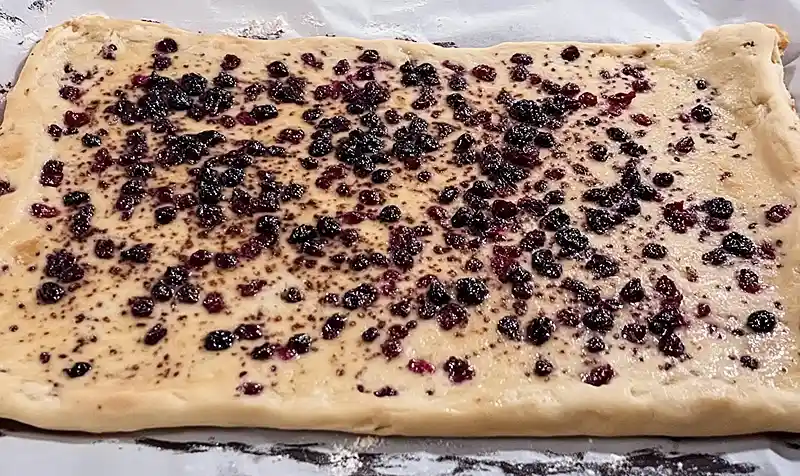
While your dough chills (or while it’s rising), combine the light brown sugar and cinnamon in a small bowl. This fragrant mixture is pure cinnamon-swirl gold, and the aroma alone will make your kitchen smell like a high-end bakery.
Step 7: Shape Your Dough
Remove the dough from the refrigerator and knead it gently on a well-floured surface until smooth and all those air bubbles are released. Divide it in half—you’re making two beautiful twisted loaves. Roll each half into a large rectangle about ¼-inch thick (don’t stress about exact dimensions; just aim for consistency).
Step 8: Apply the Egg Wash & Fill
Brush each rectangle all over with your egg wash (that one egg whisked with water). Sprinkle generously with the brown sugar-cinnamon mixture, then scatter those plump raisins across the top. Press gently—you want everything to stick without squishing the dough.
Step 9: Roll & Twist
Roll each rectangle up tightly, jelly-roll style, sealing the seam by pinching it closed. Here’s where the magic happens: cut each roll in half widthwise, creating two equal pieces. Arrange them in a large X on your counter, then twist the ends together slightly—this creates that gorgeous twisted loaf presentation.
Step 10: Final Rise & Proof
Carefully place each twisted loaf into a prepared loaf pan, cover loosely with plastic wrap, and let them rise in a warm spot until they’ve nearly doubled and risen just over the rim of the pans. This usually takes about an hour, though it could take longer depending on your kitchen’s temperature. Man, oh man, watching these babies rise is almost as good as eating them!
Step 11: Bake with Two-Temperature Method
Preheat your oven to 400°F and bake the loaves for 15 minutes until they’re just starting to set. Then cover them with foil, reduce the temperature to 350°F, and bake for another 45–60 minutes. You’re aiming for an internal temperature of 190–200°F when you insert a thermometer into the center.
Step 12: Cool with Patience
Let your loaves cool in the pans on a wire rack—this prevents them from collapsing and allows the structure to set properly. Once completely cooled, you can slice and enjoy, or wrap them up for later. The aroma will be absolutely irresistible as everything cools.
Substitutions for Your Cinnamon Raisin Bread
Psyllium Husks Alternative
If you don’t have psyllium husks, your gluten-free cinnamon raisin bread will still bake beautifully—just increase the milk to 1⅜ cups and reduce by half if using psyllium husk powder instead of whole husks. The texture shifts slightly toward softer, but the enriched dough compensates beautifully.
Flour Blend Swap
Not married to Kim’s blend? Any quality all-purpose gluten-free flour with xanthan gum works wonderfully here. The key is choosing a blend specifically designed for yeast breads, not one formulated for quick breads or cookies. Bob’s Red Mill or King Arthur blends deliver similar results.
Milk Options
Whole milk is traditional and creates that richness, but you can substitute any plant-based milk you prefer. The healthy cinnamon raisin bread will bake the same way—just know that non-dairy options may result in a slightly less rich crumb.
Dough Conditioner Swap
This ingredient isn’t essential; it just helps with rise and texture. If you don’t have it, simply omit—your gluten-free sweet bread rises beautifully without it, though you might need to extend the rising time by 15–20 minutes.
Dried Fruit Variations
Love raisins but want variety? Swap them for dried cranberries, chopped dried apricots, or even chocolate chips for a different personality. The filling technique stays the same, and you’ll get those delightful bursts of flavor throughout.
Troubleshooting Tips for Perfect Results
Bread Turns Out Dense or Gummy
This usually means the internal temperature didn’t reach 190°F, or you sliced before it cooled completely. Gluten-free dough continues to set as it cools, so patience here is key. If it seems underbaked, return it to the oven for another 5–10 minutes.
Dough Seems Too Sticky to Handle
Well… if your dough feels like it’s fighting you, you’ve likely got one of two issues: either your flour blend is thirstier than expected, or your kitchen is warm. Add flour gradually (1 tablespoon at a time) if it’s too wet, or stick it back in the fridge for 20 minutes if it’s too warm to shape.
Cinnamon Swirl Isn’t Visible or Fills Are Leaking Out
Make sure you’re rolling tightly when you create your jelly roll, and don’t overload the filling—a generous sprinkle is better than a mountain. If filling leaks during baking, you can seal the seams more aggressively before rising.
Loaves Don’t Rise Much During Final Proof
Your kitchen might be cool, or your yeast might be getting tired. Try extending the rise time by 15–30 minutes and look for the dough to rise over the pan rim rather than watching the clock. The visual cue matters more than exact timing.
Crust Is Too Hard or Too Soft
A crispier crust means skipping the foil cover during the second bake. For a softer crust, wrapping the cooled loaf loosely in foil for storage keeps it tender. You’ve got full control here to match your preference.
Storage & Make-Ahead Strategies
Room Temperature Storage
Let your cinnamon swirl bread cool completely, then store it well-wrapped at room temperature for a few days. A bread box or airtight container keeps it fresh and prevents it from drying out. This method works beautifully if you’re enjoying it throughout the week.
Freezing for Long-Term Storage
Here’s my favorite trick: slice the cooled loaf, arrange slices in a single layer on a baking sheet, and flash-freeze for about 2 hours until solid. Then pack them into freezer bags or wrap them in plastic. They’ll keep for up to three months, and you can toast individual slices straight from the freezer.
Dough Prep Ahead
You can make the dough, let it rise for 2 hours, then refrigerate it for up to 24 hours before shaping and doing the final rise. This flexibility makes it easy to bake fresh bread on your own schedule, fitting into even the busiest weeks.
Serving Suggestions & Perfect Pairings

Slice this gluten-free cinnamon raisin bread warm and serve with a generous spread of butter or cream cheese for a breakfast moment that feels indulgent but completely wholesome. Toast it lightly and pair with your favorite jam, nut butter, or honey for something that tastes like pure comfort.
For special occasions like holiday mornings or weekend brunch celebrations, arrange thick slices on a bread board alongside fresh fruit and creamy spreads. The twisted presentation makes it feel fancy enough for company, yet casual enough for quiet mornings with your favorite beverage.
Looking for more morning magic? Explore our collection of easy gluten-free breakfast breads that transform your weekday routine into something special and memorable.
Variations & Dietary Adjustments
Dairy-Free Celebration Version
Substitute the milk with your favorite plant-based option and use vegan butter in place of regular butter. The gluten-free sweet bread bakes beautifully with these swaps, delivering that same tender crumb and cinnamon-swirl magic everyone loves.
Extra-Spiced Cinnamon Bread
If you’re a spice lover, add ¼ teaspoon of nutmeg and ⅛ teaspoon of ground cloves to your filling mixture. These warming spices complement cinnamon beautifully and create a more complex flavor profile that tastes almost gourmet.
Brown Bread Version
Swap half the gluten-free flour blend for a quality gluten-free brown flour mix to deepen the color and add nuttier notes. The texture shifts slightly earthier, and it pairs beautifully with breakfast or afternoon tea.
Kid-Friendly Lighter Filling
Some families prefer less intense cinnamon or love extra sweetness. Reduce the cinnamon to 2 teaspoons and increase the brown sugar to ¾ cup for a sweeter, milder filling that appeals to younger palates.
FAQs About Your Gluten-Free Cinnamon Raisin Bread
Can I make this without a stand mixer?
Absolutely! Mix the wet ingredients in a large bowl, then use an electric hand mixer to beat everything together. The process takes a bit longer, but the results are identical—you’re just trading convenience for flexibility here.
What does the psyllium husk do exactly?
Psyllium husks bind moisture and create structure in gluten-free dough, mimicking what gluten does. They’re optional but helpful for texture, though your bread rises beautifully without them with a slight dough adjustment.
How do I know when the dough has risen enough?
Look for roughly doubled volume in the first rise, then watch for the shaped loaves to rise over the rim of your loaf pans during the final proof. The visual cue beats the timer every single time.
Why refrigerate the dough overnight?
Cold fermentation develops flavor and makes the dough easier to shape and handle. It’s not required, but it seriously improves both taste and texture—plus it’s incredibly convenient for busy schedules.
Best way to revive day-old bread?
Wrap your slices loosely in foil and warm them in a 350°F oven for 5–10 minutes until they’re soft and fragrant again. This restores that fresh-from-the-oven texture beautifully.
Can I double this recipe?
Absolutely! The ingredients scale up easily, though you might need to extend mixing time by a minute or two. You’ll end up with four gorgeous twisted loaves to keep or gift.
Final Thoughts on Your Gluten-Free Baking Journey
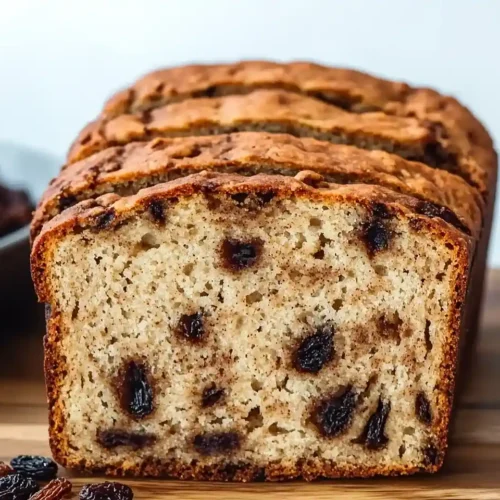
Making gluten-free cinnamon raisin bread at home proves that you don’t need to compromise on quality or flavor when you’re navigating dietary changes. This enriched dough delivers that bakery-quality crumb you’ve been craving, with cinnamon swirls and plump raisins that make every slice feel special.
Your first loaf might teach you something about your oven or your timing—and that’s completely fine. Every loaf you bake gets easier, and by your third time, you’ll be shaping these twisted beauties with the ease of someone who’s been doing it for years.
So gather your ingredients, set up your stand mixer, and get ready for your kitchen to fill with the most irresistible cinnamon aroma. You’ve absolutely got this—and trust me, the results are so worth the wait.
Gluten-Free Cinnamon Raisin Bread
Equipment
- Stand mixer with dough hook
- Two loaf pans
- Parchment paper
- Large mixing bowls
- Small mixing bowl
- Wire racks
- Pastry brush
- Kitchen thermometer
- Measuring cups and spoons
- Plastic wrap
Ingredients
Enriched Dough Base
- 1.25 cups Whole milk 300ml, room temperature
- 2 large Eggs room temperature
- 2 large Egg whites 60ml, room temperature
- 1 cup Granulated sugar 200g
- 2.15 tablespoons Instant yeast 24g
- 2 tablespoons Whole psyllium husks 10g, optional
- 1 tablespoon Gluten-free dough conditioner optional
- 3.5 cups Gluten-free bread flour blend 490g, Kim’s blend or similar
- 1.75 teaspoons Baking powder
- 1 teaspoon Salt
- 0.75 cup Butter 169g, very soft or melted
- 1 large Egg mixed with 1 tablespoon water for egg wash
Brown Sugar Cinnamon Filling
- 0.5 cup Light brown sugar 100g
- 4 teaspoons Ground cinnamon
- 1 cup Raisins 160g
Instructions
- In the bowl of a stand mixer, pour the milk first, then add the eggs, egg whites, and yeast. Add the psyllium husks if using them, followed by the granulated sugar. The order matters slightly—it helps the yeast distribute evenly.
- Add the dough conditioner if using it, then the gluten-free flour blend, baking powder, and salt. Using the dough hook, turn the mixer to low speed and start combining everything into a shaggy mixture.
- Once everything’s combined, increase the speed to medium and slowly add your soft or melted butter. Let the mixer work its magic for 5 minutes—the dough will transform from rough and sticky into something smooth and elastic.
- Cover the bowl and place it in a warm, draft-free spot (your oven with the light on works beautifully). Let the dough proof for 2 hours until it’s roughly doubled in volume.
- Once it’s risen, pop that bowl into the refrigerator for at least 6 hours, preferably overnight. This cold fermentation develops flavor and makes the dough much easier to work with.
- While your dough chills or rises, combine the light brown sugar and cinnamon in a small bowl. This fragrant mixture is pure cinnamon-swirl gold.
- Remove the dough from the refrigerator and knead it gently on a well-floured surface until smooth and all air bubbles are released. Divide it in half and roll each half into a large rectangle about ¼-inch thick.
- Brush each rectangle all over with your egg wash. Sprinkle generously with the brown sugar-cinnamon mixture, then scatter those plump raisins across the top. Press gently so everything sticks.
- Roll each rectangle up tightly, jelly-roll style, sealing the seam by pinching it closed. Cut each roll in half widthwise, creating two equal pieces. Arrange them in a large X on your counter, then twist the ends together slightly.
- Carefully place each twisted loaf into a prepared loaf pan, cover loosely with plastic wrap, and let them rise in a warm spot until they’ve nearly doubled and risen over the rim of the pans (about 1 hour, depending on temperature).
- Preheat your oven to 400°F and bake the loaves for 15 minutes until they’re just starting to set. Then cover them with foil, reduce the temperature to 350°F, and bake for another 45–60 minutes until the internal temperature reaches 190–200°F.
- Let your loaves cool in the pans on a wire rack—this prevents them from collapsing and allows the structure to set properly. Once completely cooled, you can slice and enjoy, or wrap them up for later.