Gluten-Free Coconut Cream Pie
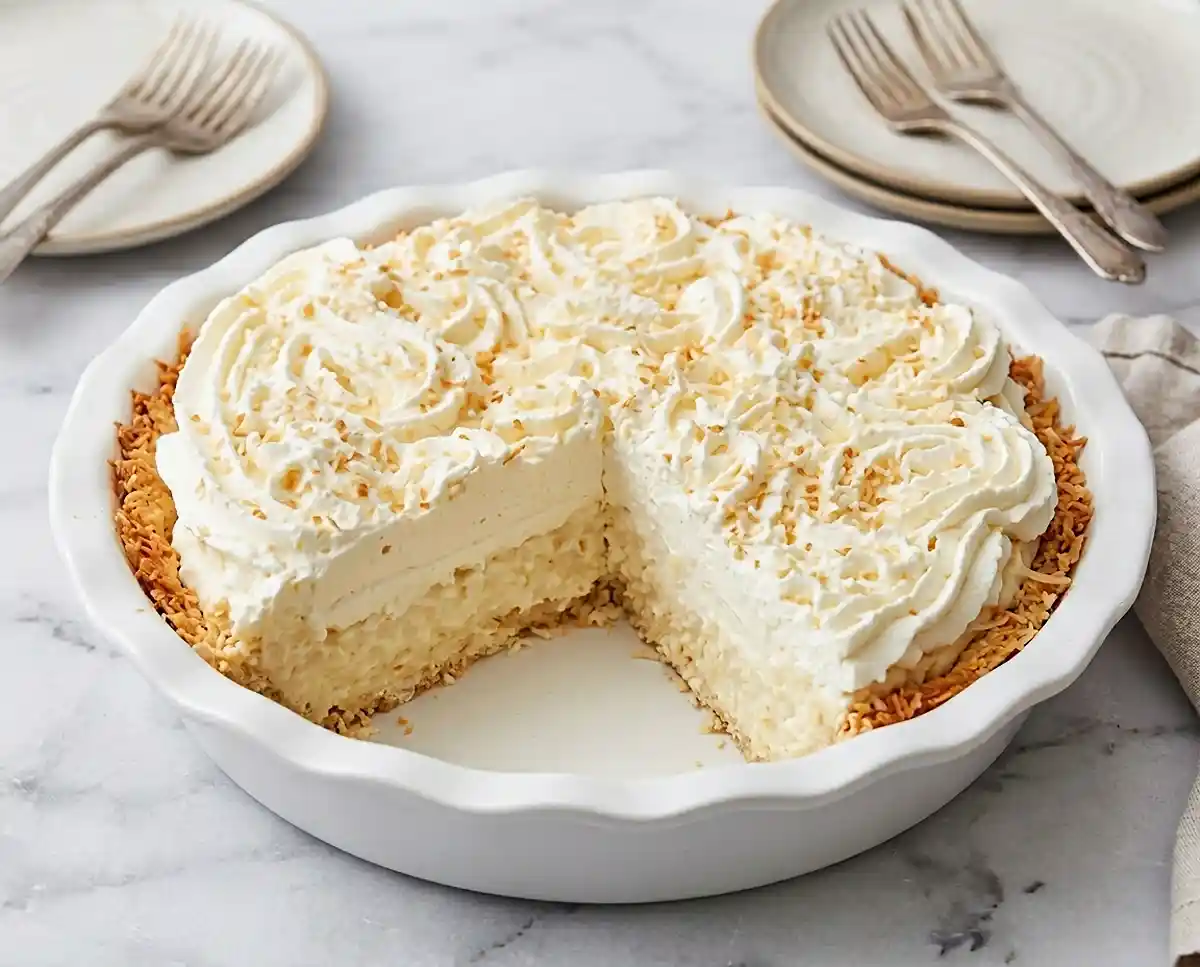
This gluten-free coconut cream pie features a toasted coconut crust, silky custard filling, and billowy whipped cream. Dairy-free options included for this tropical pie!
The summer I turned twelve, my grandmother handed me a slice of her famous coconut cream pie and changed my dessert standards forever. That first bite—cool, creamy custard against a crispy coconut crust—became the benchmark for every pie I’d taste for decades. When my celiac diagnosis came years later, I genuinely mourned the loss of that recipe.
Well… after testing more coconut cream pie variations than I care to admit, I finally recreated that childhood magic without a speck of gluten. This tropical pie uses an ingenious coconut macaroon-style crust that’s naturally gluten-free and arguably better than any traditional pastry shell.
What makes a coconut cream pie truly unforgettable? Is it the silky custard, the cloud-like whipped cream, or that irresistible toasted coconut crunch? This recipe delivers all three in perfect harmony.
Table of Contents
Why You’ll Love This Gluten-Free Coconut Cream Pie
No rolling or blind-baking required – the press-in coconut crust eliminates the trickiest part of traditional pie-making.
Completely dairy-free adaptable – every component includes tested dairy-free alternatives that taste just as indulgent.
Impressive presentation with minimal effort – toasted coconut on billowy whipped cream looks like you spent hours, but it takes minutes.
Make-ahead friendly for stress-free entertaining – assemble up to 24 hours before serving, perfect for Easter gatherings, summer barbecues, or any celebration deserving a showstopper dessert.
The Secret to Perfect Creamy Pie Filling
Cooking the custard to a full boil ensures proper thickening. The flour needs to reach 212°F to fully gelatinize and create that luxuriously thick, slice-able filling. That one-minute timer isn’t optional—it’s the difference between a custard that holds its shape and one that weeps all over your plate.
Tempering prevents scrambled egg disasters. Egg yolks thicken the custard beautifully, but adding them directly to hot milk creates eggy lumps. Whisking constantly while cooking allows the eggs to heat gradually, producing silky-smooth results every time.
Chilling for the full three hours is non-negotiable. According to America’s Test Kitchen, cream pies need adequate chilling time for the filling to set completely. Cut corners here, and your beautiful slices will ooze across the plate.
The coconut crust needs watching like a hawk. Shredded coconut goes from perfectly golden to burnt in about 90 seconds. Stay near the oven during those final minutes of baking.
Ingredients
Coconut Crust
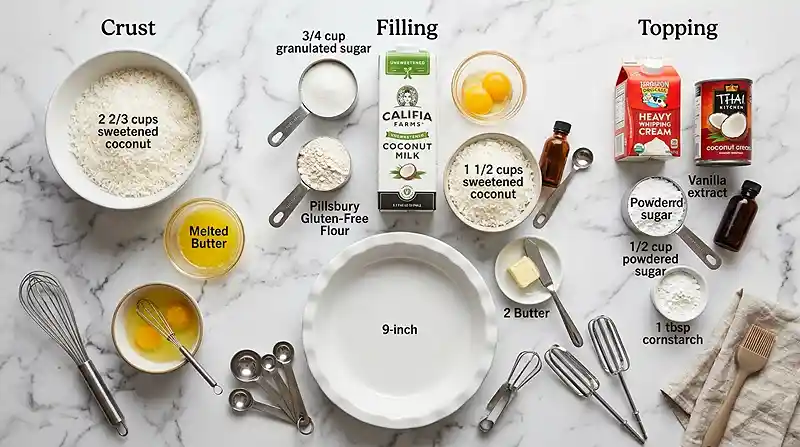
- 2 2/3 cups shredded sweetened coconut
- 3 tablespoons melted butter (dairy-free: use Smart Balance butter)
- 2 large egg whites
Custard Filling
- 2/3 cup granulated sugar
- 1/3 cup gluten-free all-purpose flour (I like Pillsbury gluten-free)
- 2 cups milk (dairy-free: use almond, cashew, or coconut milk)
- 2 large egg yolks
- 1 cup shredded sweetened coconut
- 1 tablespoon pure vanilla extract
- 1 teaspoon butter (dairy-free: use Smart Balance butter)
Whipped Cream Topping
- 16 ounces heavy whipping cream
- 1 tablespoon pure vanilla extract
- 1/2 cup powdered sugar (adjust to taste)
- 2 tablespoons cornstarch (optional, for stabilizing)
Dairy-Free Whipped Topping
- 1 (14-ounce) can coconut cream, refrigerated overnight
- 3/4 cup powdered sugar
- 1 tablespoon pure vanilla extract
- 2 tablespoons cornstarch
Optional Garnish
- 1/2 cup shredded coconut, toasted
Step-by-Step Instructions
Making the Coconut Crust
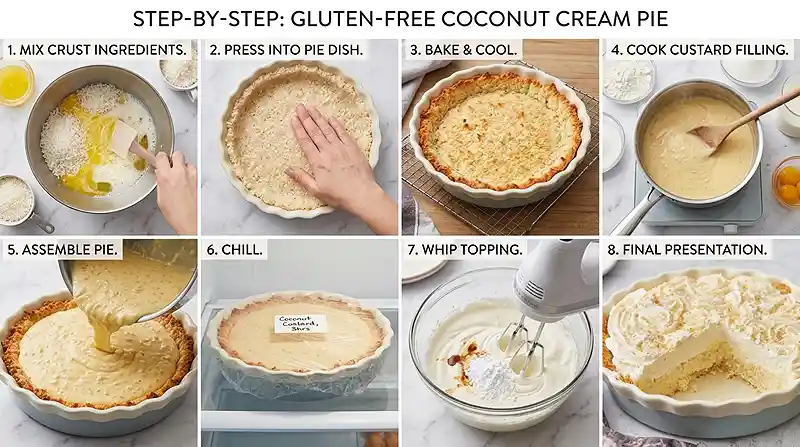
Preheat your oven to 350°F (177°C). Grease a 9-inch pie pan with gluten-free cooking spray—this step prevents the coconut from sticking stubbornly to the edges.
In a large bowl, combine the egg whites, shredded coconut, and melted butter. Mix until everything is evenly moistened. The mixture should hold together when pressed but not feel overly wet.
Transfer the coconut mixture to your prepared pie pan. Using your fingers or the bottom of a measuring cup, press it firmly and evenly across the bottom and up the sides. Make sure the crust extends all the way to the rim—it will shrink slightly during baking.
Bake for 20-25 minutes, checking frequently after the 15-minute mark. The crust should turn golden brown all over, with slightly darker edges. Every oven runs differently, so trust your eyes more than the timer.
Pro Tip: If the edges brown faster than the center, tent them loosely with foil for the remaining bake time.
Let the crust cool completely before adding the filling. A warm crust will start cooking the custard unevenly and can turn soggy.
Preparing the Custard Filling
In a medium saucepan, whisk together the gluten-free flour and granulated sugar until no lumps remain. This dry whisking disperses the flour evenly, preventing clumps in your finished custard.
Add the milk and egg yolks to the flour mixture. Whisk vigorously until completely smooth—you shouldn’t see any streaks of yolk or pockets of flour.
Place the saucepan over medium heat. Cook, stirring constantly with a wooden spoon or silicone spatula, until the mixture thickens and comes to a full boil. You’ll notice the custard transform from thin and milky to thick and glossy as it heats.
Once it reaches a boil, set your timer for exactly one minute. Continue stirring throughout this minute to prevent scorching on the bottom. The custard should coat a spoon thickly and leave a clear trail when you drag your finger across it.
Remove from heat immediately. Stir in the shredded coconut, vanilla extract, and butter until the butter melts completely and everything is incorporated.
Pro Tip: For an even silkier texture, strain the custard through a fine-mesh sieve before adding the coconut. This catches any tiny egg bits that may have formed.
Assembling and Chilling
Pour the warm custard filling into the cooled coconut crust, spreading it evenly with a spatula. Press a piece of plastic wrap directly onto the surface of the custard—this prevents a skin from forming during chilling.
Refrigerate for at least 3 hours, or overnight for best results. The filling needs this time to set firmly enough to slice cleanly. Patience here rewards you with picture-perfect pieces.
Preparing the Whipped Cream Topping
In a large bowl, combine the heavy whipping cream, vanilla extract, and powdered sugar. If you want stabilized whipped cream that holds up for hours (highly recommended for make-ahead pies), add the cornstarch now.
Using a mixer on high speed, beat until stiff peaks form and the cream becomes very firm. This pie works best with really stiff whipped cream—soft peaks will slide right off the custard.
Pro Tip: Chill your bowl and beaters in the freezer for 10 minutes before whipping. Cold equipment helps the cream whip faster and higher.
Dairy-Free Whipped Topping Alternative
Chill a large mixing bowl and whisk attachments in the freezer for 10 minutes. Open your refrigerated can of coconut cream carefully—don’t shake it first.
Scrape out only the thick, solidified cream from the top of the can, leaving the watery liquid behind. Place the hardened coconut cream in your chilled bowl.
Beat for 30 seconds with a mixer until creamy and smooth. Add the vanilla, powdered sugar, and cornstarch. Mix for another minute until everything combines into a thick, fluffy topping.
Use immediately, or refrigerate in an airtight container for up to 3 days.
Final Assembly
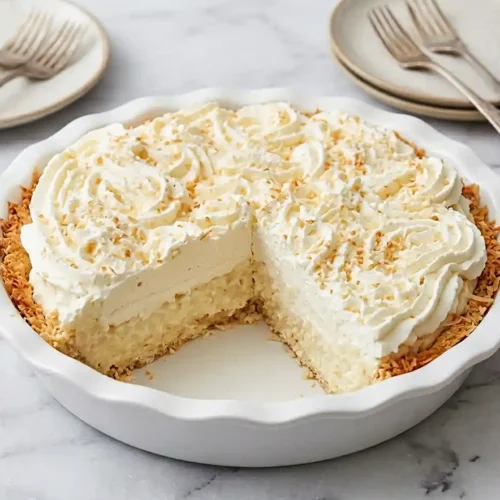
Just before serving, spread or pipe the whipped cream generously over the chilled custard filling. Go all the way to the edges of the crust for that classic diner-style look, or create decorative peaks and swirls.
For the toasted coconut garnish, spread 1/2 cup shredded coconut on a baking sheet sprayed with cooking spray. Toast at 350°F for 5-10 minutes, stirring once or twice, until golden and fragrant. Watch carefully—it burns quickly! Let it cool, then sprinkle over the whipped cream.
The toasted coconut adds both crunch and visual appeal, like little flakes of edible gold scattered across a white cloud. It’s optional but absolutely worth the extra five minutes.
Make It Your Own
Chocolate coconut cream pie satisfies serious cocoa cravings. Add 2 tablespoons of cocoa powder to the flour-sugar mixture, and drizzle melted chocolate over the finished topping. The chocolate-coconut combination tastes like a candy bar in pie form.
Lime adds tropical brightness to the custard. Stir 2 tablespoons of fresh lime juice and 1 teaspoon of lime zest into the finished custard. You know… this variation pairs beautifully with a Fourth of July spread.
Toasted coconut throughout amplifies the coconut flavor. Toast half of the coconut for the crust and half for the filling before mixing. The nutty depth from toasting takes this from great to extraordinary.
Man, oh man… a graham cracker crust works in a pinch, but you’ll miss that incredible chewy-crispy texture from the coconut version. If you must substitute, use certified gluten-free graham crackers and add 1/2 cup shredded coconut to the crumb mixture.
Individual tartlets make elegant dinner party desserts. Divide the crust mixture among 8 greased tartlet pans and reduce baking time to 12-15 minutes. Fill and top as directed for personal-sized portions.
Common Problems & Solutions
Problem: The coconut crust is soggy after filling.
The crust wasn’t fully baked before adding filling, or the filling was too warm. Always bake until deeply golden—not just lightly toasted—and cool the crust completely. Well… some bakers brush the cooled crust with melted white chocolate for an extra moisture barrier.
Problem: The custard filling is lumpy.
The flour wasn’t properly dispersed before adding liquids, or the eggs weren’t whisked in thoroughly. Next time, dry-whisk the flour and sugar first, then add liquids gradually while whisking constantly. For a rescue, push the finished custard through a fine-mesh strainer.
Problem: The filling is too thin and runny.
The custard didn’t reach a full boil, or it wasn’t boiled for the complete minute. Return it to the heat and cook longer, stirring constantly. Temperature matters—invest in an instant-read thermometer and cook to 200°F minimum.
Problem: The whipped cream won’t stiffen.
Your cream or equipment wasn’t cold enough, or you used light cream instead of heavy whipping cream. Only heavy cream (36% fat or higher) whips properly. Start over with chilled cream in a frozen bowl.
Problem: The dairy-free coconut whip is grainy.
The coconut cream wasn’t cold enough or contained too much liquid. Refrigerate the can for at least 24 hours, use only the solid portion, and ensure your bowl is freezer-cold.
Storage & Meal Prep
| Method | Duration | Notes |
|---|---|---|
| Counter | 2 hours max | Food safety limit for dairy-based fillings |
| Refrigerator | 3-4 days | Cover loosely to protect whipped topping |
| Freezer | Not recommended | Custard texture suffers; whipped cream separates |
Make-ahead strategy: Prepare the crust and filling up to 2 days ahead, keeping them refrigerated separately. Add the whipped topping just before serving for the freshest texture and appearance.
The coconut crust can be baked and frozen (unfilled) for up to 1 month. Thaw at room temperature before filling.
For transporting to potlucks, keep the pie refrigerated until the last possible moment. Place it in a cooler with ice packs for travel, and add the toasted coconut garnish after arrival.
FAQs About Gluten-Free Coconut Cream Pie
Is coconut cream pie naturally gluten-free?
Traditional coconut cream pie contains gluten in two places: the pie crust and the flour used to thicken the filling. This recipe solves both problems with a naturally gluten-free coconut crust and certified gluten-free flour for the custard. Always verify your flour blend is certified gluten-free.
Can I use coconut milk instead of dairy milk in the filling?
Absolutely. Full-fat canned coconut milk creates the richest filling, while carton coconut milk works but produces a slightly thinner custard. Almond and cashew milk also work well. Avoid oat milk—it can make the filling gummy.
Why does my cream pie weep or get watery?
Weeping usually indicates undercooking the filling or not chilling long enough. The starch needs to fully cook and then set completely. Covering the custard with plastic wrap touching the surface also prevents condensation from forming.
How do I slice cream pie without making a mess?
Chill thoroughly (at least 3 hours), use a thin sharp knife, and dip the blade in hot water between cuts. Wipe the knife clean after each slice for pristine-looking pieces.
What’s the best way to toast coconut evenly?
Spread it in a single layer, stir every 2-3 minutes, and remove it the moment it turns golden. Coconut continues browning slightly after leaving the oven due to residual heat. Toasting in a dry skillet over medium heat offers more control than the oven method.
Serving Suggestions
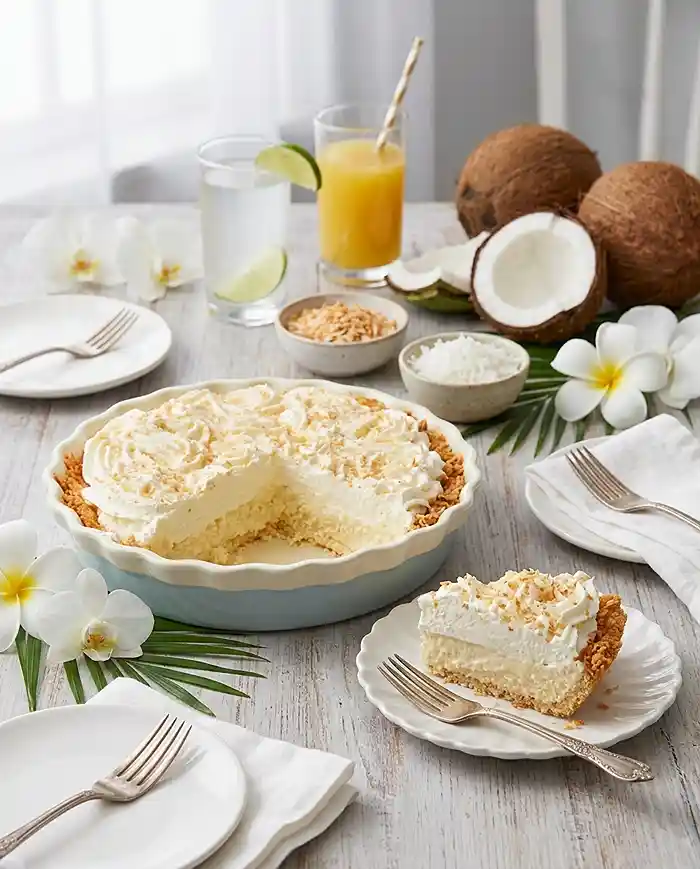
This gluten-free coconut cream pie deserves a place of honor at your Easter dessert table, summer luau, or any tropical-themed celebration. The stunning white-on-white presentation with golden coconut flakes catches every eye.
Pair slices with fresh tropical fruits like mango, pineapple, or passion fruit for a complete dessert experience. A drizzle of chocolate sauce transforms it into a chocolate-coconut indulgence.
For a complete spring celebration menu, serve alongside gluten-free Easter basket cupcakes for the kids and gluten-free Cadbury egg brownies for the chocolate lovers. If you’re planning a full holiday feast, the gluten-free whole roast duck makes a stunning main course.
Let’s Get Baking!
There’s something magical about presenting a homemade coconut cream pie—that moment when everyone realizes this gorgeous tropical dessert is completely gluten-free. The gasps of disbelief never get old.
I’d love to hear how your pie turns out! Share your photos on Pinterest and let me know in the comments if you tried the dairy-free version or added any creative twists. Your feedback helps other readers find their perfect coconut cream pie variation.
Gluten-Free Coconut Cream Pie
Equipment
- 9-inch pie pan
- Large mixing bowl
- Medium saucepan
- Whisk
- Wooden spoon or silicone spatula
- Stand mixer or hand mixer
- Plastic wrap
- Baking sheet (for toasting coconut)
Ingredients
Coconut Crust
- 2 ⅔ cups shredded sweetened coconut
- 3 tablespoons melted butter dairy-free: use Smart Balance butter
- 2 large egg whites
Custard Filling
- ⅔ cup granulated sugar
- ⅓ cup gluten-free all-purpose flour I like Pillsbury gluten-free
- 2 cups milk dairy-free: use almond, cashew, or coconut milk
- 2 large egg yolks
- 1 cup shredded sweetened coconut
- 1 tablespoon pure vanilla extract
- 1 teaspoon butter dairy-free: use Smart Balance butter
Whipped Cream Topping
- 16 ounces heavy whipping cream
- 1 tablespoon pure vanilla extract
- ½ cup powdered sugar adjust to taste
- 2 tablespoons cornstarch optional, for stabilizing
Dairy-Free Whipped Topping
- 1 14-ounce can coconut cream refrigerated overnight
- ¾ cup powdered sugar
- 1 tablespoon pure vanilla extract
- 2 tablespoons cornstarch
Instructions
- Preheat oven to 350°F (177°C). Grease a 9-inch pie pan with gluten-free cooking spray.
- In a large bowl, combine the egg whites, shredded coconut, and melted butter (or dairy-free butter). Mix until evenly moistened.
- Press the coconut mixture firmly and evenly into the pie pan, covering the bottom and sides completely to form the crust.
- Bake the crust for 20-25 minutes or until golden brown, watching carefully as ovens vary. Let cool completely before filling.
- In a medium saucepan, whisk together the gluten-free flour, sugar, milk (or dairy-free milk), and egg yolks until smooth.
- Cook over medium heat, stirring constantly, until the mixture thickens and comes to a full boil. Boil for exactly 1 minute, continuing to stir.
- Remove from heat and stir in the shredded coconut, vanilla, and butter (or dairy-free butter) until fully incorporated.
- Pour the custard filling into the cooled crust. Press plastic wrap directly onto the surface of the custard. Refrigerate for at least 3 hours or until fully set.
- For the topping, combine heavy whipping cream, vanilla, and powdered sugar (add cornstarch if stabilizing) in a large bowl. Beat on high speed until stiff peaks form.
- For dairy-free topping: Chill bowl and whisk in freezer for 10 minutes. Scoop solidified coconut cream (leaving liquid behind) into chilled bowl. Beat 30 seconds, add vanilla, powdered sugar, and cornstarch, then beat 1 minute until smooth.
- Before serving, spread or pipe the whipped cream generously over the chilled pie. Optionally sprinkle with toasted coconut (toast at 350°F for 5-10 minutes until golden).