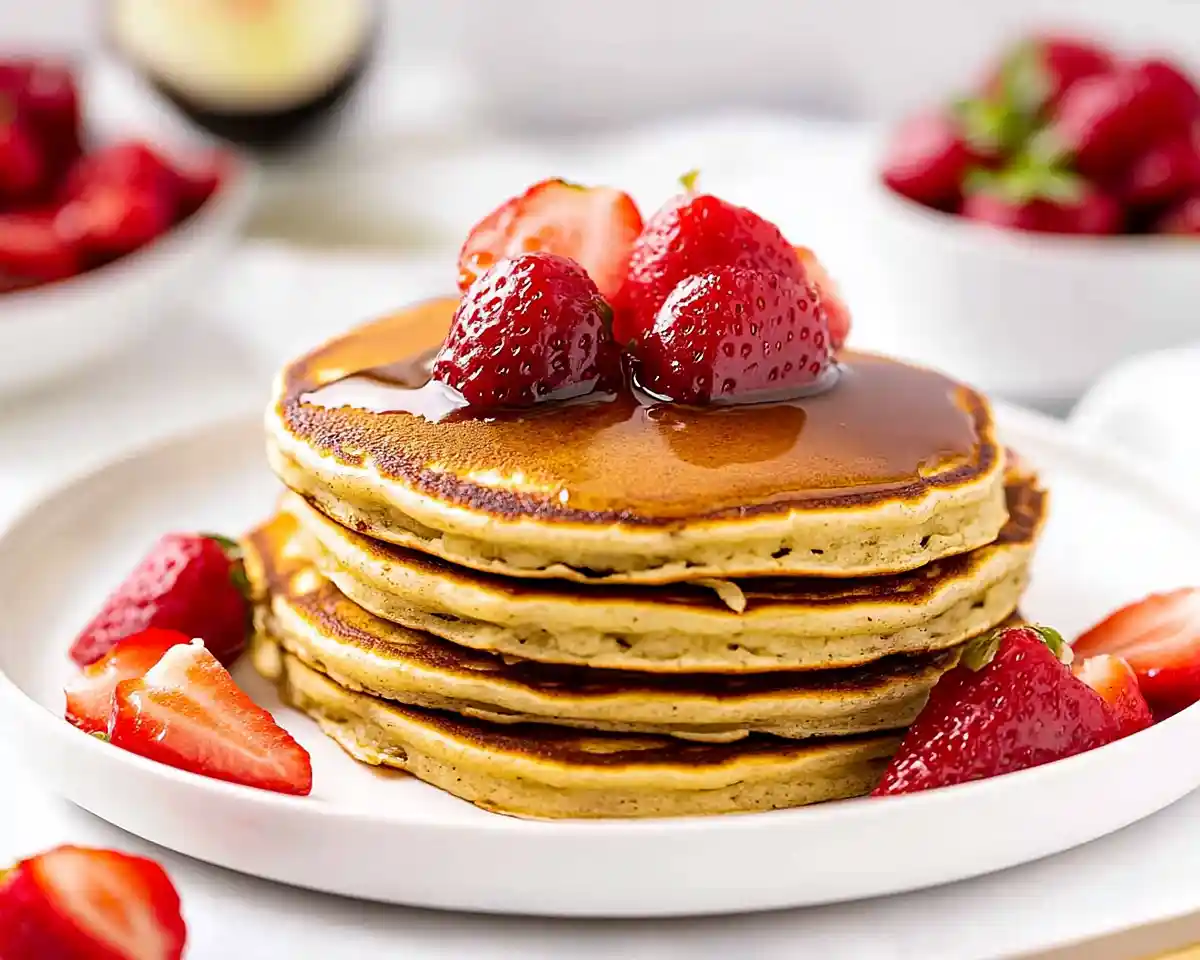
Gluten-Free Coconut Flour Pancakes
Make tender gluten-free coconut flour pancakes that are low-carb, dairy-free, and quick to prepare. Perfect for healthy breakfast without the guilt.
There’s something wonderfully satisfying about enjoying fluffy pancakes without the guilt, and that’s exactly what these gluten-free coconut flour pancakes deliver every single time. You know that moment when you realize you can have your favorite breakfast foods and still stay aligned with your health goals? That’s the magic these healthy coconut pancakes bring to your table.
I created these gluten-free low-carb pancakes specifically for people seeking nourishing breakfast options that don’t compromise on taste or texture. The secret to perfect gluten-free coconut flour pancakes is using a blender to incorporate air into the batter, plus allowing it to rest briefly before cooking—techniques that seem small but create surprisingly tender, delicious results.
These coconut breakfast pancakes are naturally dairy-free, require minimal ingredients, and come together in under fifteen minutes. Whether you’re new to gluten-free cooking or already living this lifestyle, you’ll find these healthy coconut pancakes refreshingly straightforward and genuinely crave-worthy.
Table of Contents
Ingredients
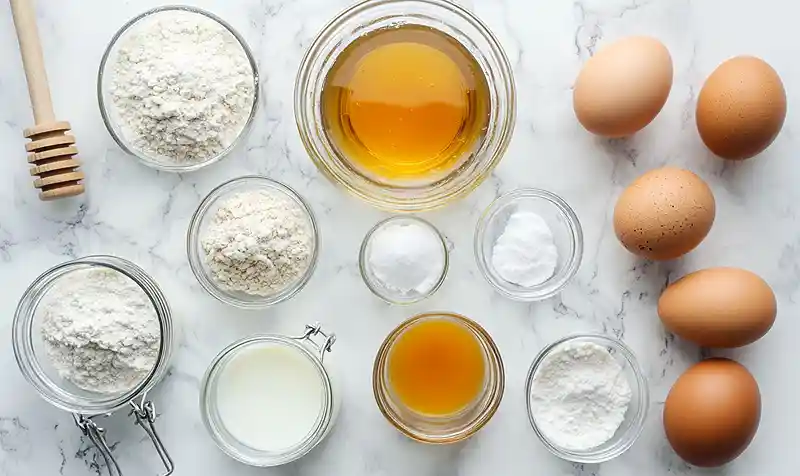
| Ingredient | Amount |
|---|---|
| Unsweetened nondairy milk (almond or coconut, room temp) | 1 cup (8 fl oz) |
| Virgin coconut oil, melted and cooled | 4 tablespoons (56 g) |
| Eggs, room temperature | 4 large (200 g) |
| Honey | 2 tablespoons (42 g) |
| Coconut flour | 10 tablespoons (80 g) |
| Tapioca starch/flour | ½ cup (72 g) |
| Kosher salt | ⅛ teaspoon |
| Paleo baking powder | 2 teaspoons |
Alternative Baking Powder: If you don’t have Paleo baking powder, mix 1 teaspoon cream of tartar + ½ teaspoon baking soda + ½ teaspoon tapioca flour or arrowroot.
Pro tip: Use room-temperature ingredients for smooth blending, and don’t use canned coconut milk—it’s too thick for these gluten-free coconut flour pancakes. Shelf-stable carton coconut milk or almond milk works perfectly.
Instructions
Step 1: In a blender or food processor fitted with the steel blade, combine the unsweetened nondairy milk, melted coconut oil, room-temperature eggs, and honey. Pulse to combine everything into a smooth base for your gluten-free coconut flour pancakes.
Step 2: In a separate small bowl, whisk together the coconut flour, tapioca flour, kosher salt, and Paleo baking powder until everything is evenly distributed. This ensures your healthy coconut pancakes will have consistent texture throughout.
Step 3: Add the dry ingredients to your wet mixture in two batches, pulsing the blender or food processor after each addition to combine. Pulse gently—you’re not trying to overwork the batter, just incorporate the gluten-free dry ingredients thoroughly.
Step 4: Once all the dry ingredients have been added, blend or process until the batter is very smooth and well-combined. The texture should be thick and creamy, like cake batter for your gluten-free coconut flour pancakes.
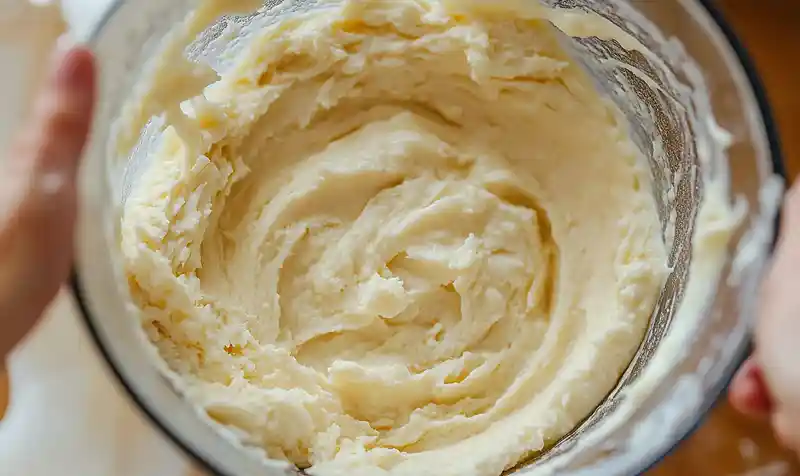
Step 5: Allow the batter to rest for about 2 minutes—you’ll notice it thickens and begins to look slightly clumpy, which is exactly what should happen. Then blend or process again until smooth; this resting step makes a huge difference in the final texture of these coconut breakfast pancakes.
Step 6: Heat a griddle or lightly greased nonstick or cast iron skillet over medium-low heat until it’s evenly warm. Medium-low heat is key for gluten-free coconut flour pancakes—too hot and they’ll brown before cooking through.
Step 7: Pour about 2 tablespoons of batter onto the hot griddle and, working quickly before the pancake begins to set, spread the batter into a 4-inch round using the underside of a large spoon. The batter spreads more like cake batter than regular pancake batter, so don’t be surprised by this difference in your gluten-free low-carb pancakes.
Step 8: Repeat with as many gluten-free coconut flour pancakes as can fit comfortably without touching, giving them plenty of space to cook. You won’t see the familiar bubbles forming on the surface like with traditional pancakes.
Step 9: Cook each pancake for less than 2 minutes until the underside is evenly browned—the coconut flour browns quickly, so watch carefully. The bottom should develop a golden-brown color that signals your healthy coconut pancakes are ready to flip.
Step 10: Using a wide, flat spatula, carefully flip each pancake and cook the other side for about 45 seconds until set. The second side cooks much faster than the first, so don’t walk away from your gluten-free pancakes during this stage.
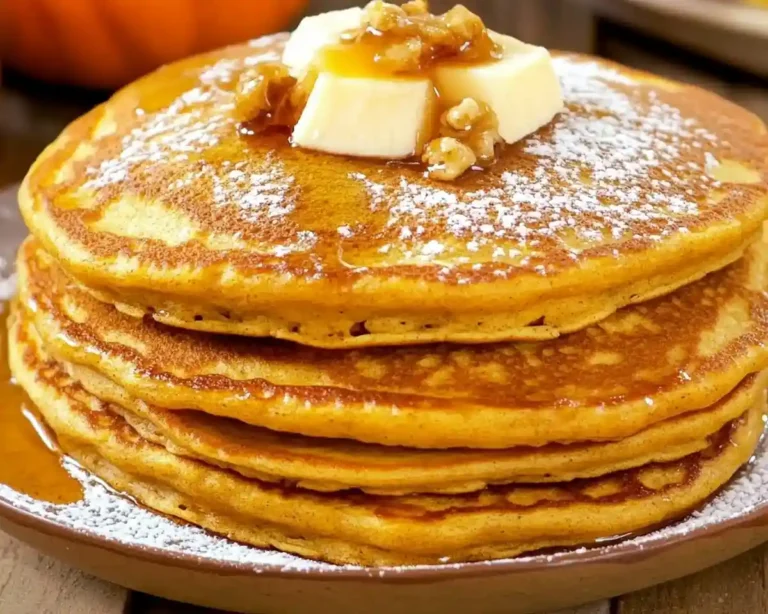
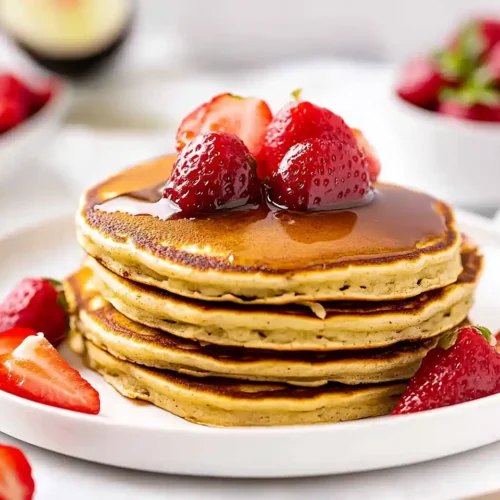
Step 11: Remove the finished coconut breakfast pancakes from the skillet and transfer to a serving plate. Serve warm with your favorite toppings—maple syrup, almond butter, fresh berries, or whipped coconut cream all pair beautifully.
Substitutions
Different Sweetener Option: You can replace the 2 tablespoons of honey with maple syrup, coconut sugar, or your preferred sweetener in equal amounts for these gluten-free coconut flour pancakes. The flavor profile changes slightly with different sweeteners, so experiment to find your favorite combination.
Refined Coconut Oil Swap: If you prefer a coconut-neutral flavor, use refined coconut oil instead of virgin coconut oil for your healthy coconut pancakes. Both work identically in the recipe; it’s purely a flavor preference for your gluten-free low-carb pancakes.
Different Nondairy Milk: Try oat milk, cashew milk, or sunflower seed milk instead of almond or coconut milk in your gluten-free coconut flour pancakes. Just avoid canned coconut milk (too thick) and ensure whatever milk you choose is unsweetened so you can control the sweetness.
Honey Alternatives: Use agave nectar, date paste, or pure maple syrup to replace the honey in these gluten-free pancakes. Each alternative brings slightly different richness, so your coconut breakfast pancakes will taste subtly unique depending on your choice.
Looking for more gluten-free breakfast inspiration? Check out our complete gluten-free breakfast pancake collection for endless morning ideas, or explore our beginner-friendly gluten-free baking techniques to master your skills.
Troubleshooting Tips
Pancakes Are Too Thick or Dense: If your gluten-free coconut flour pancakes feel like cake rather than pancakes, you likely need more milk or less coconut flour. Coconut flour absorbs liquid differently than traditional flour, so adjust gradually by adding a tablespoon of milk at a time until you reach the right batter consistency.
Batter Doesn’t Spread Easily: The batter for these healthy coconut pancakes is naturally thick, which is why the spreading step with a spoon is important. If it’s too stiff to spread, blend in an extra tablespoon or two of nondairy milk and let it rest again—this usually solves the problem.
Pancakes Burn Before Cooking Through: Medium-low heat is crucial for gluten-free coconut flour pancakes since the coconut flour browns quickly. If yours are burning on the outside, lower your heat and give them a bit more time on the first side—patience pays off with these delicate pancakes.
Batter Seems Too Thin or Watery: If your batter looks thinner than expected, remember it thickens significantly during the 2-minute resting period. Also check that you’re using shelf-stable nondairy milk, not the thin consistency from canned coconut milk, which would make your gluten-free pancakes come out wrong.
Storage & Meal Prep
Keeping Pancakes Fresh: Store cooled gluten-free coconut flour pancakes in an airtight container at room temperature for up to 2 days. The coconut oil keeps them moist, so they actually taste even better the next day when you reheat them.
Freezing for Convenience: Cool your pancakes completely, then stack them with parchment paper between each one and freeze in a freezer-safe bag for up to 3 months. These healthy coconut pancakes defrost beautifully in a toaster oven on low setting—no microwave needed.
Make-Ahead Strategy: You can prepare the dry ingredients the night before and store them in an airtight container, then blend everything fresh in the morning. This cuts down morning prep while ensuring your gluten-free coconut flour pancakes taste perfectly fresh.
Serving Suggestions & Pairings
Serve your gluten-free coconut flour pancakes with pure maple syrup and a pat of melting butter for the classic pairing everyone loves. These healthy coconut pancakes also shine with almond butter, fresh berries, whipped coconut cream, or a drizzle of chocolate sauce for indulgent mornings.
Pair your gluten-free low-carb pancakes with a hot cup of coffee or herbal tea for the perfect breakfast combo. Fresh fruit like sliced bananas, strawberries, or blueberries adds brightness and nutrition to balance the rich coconut flavor in these coconut breakfast pancakes.
For a protein-packed breakfast, serve alongside scrambled eggs or turkey sausage links. These healthy coconut pancakes make a satisfying Sunday brunch centerpiece, especially when you top them with fresh whipped cream and toasted coconut flakes.
Variations & Dietary Adjustments
Chocolate Chip Addition: Stir ¼ cup of dairy-free chocolate chips into your batter before cooking for decadent gluten-free coconut flour pancakes. The chocolate melts slightly into the warm pancakes, creating delightful pockets throughout your healthy coconut pancakes.
Vanilla-Infused Version: Add 1 teaspoon of pure vanilla extract to the wet ingredients for extra depth in your gluten-free low-carb pancakes. The vanilla complements the coconut beautifully and makes these coconut breakfast pancakes feel even more like a special treat.
Mini Pancake Bites: Use about 1 tablespoon of batter per pancake instead of 2 tablespoons to create bite-sized versions of these gluten-free coconut flour pancakes. Mini pancakes are perfect for kids, easier to manage, and adorable on the plate—everyone wins with this variation.
Almond Flour Blend: You can replace half the coconut flour with almond flour for a slightly different texture in your gluten-free pancakes. Man, oh man—the almond-coconut combination creates such a delicate, nutty flavor profile in these healthy coconut pancakes that you’ll want to make them weekly.
Scalable Recipe: This recipe easily halves or even divides by 4 to make gluten-free coconut flour pancakes for one person or a small gathering. No need to waste ingredients when you’re cooking for just yourself—these healthy pancakes scale beautifully.
FAQs About Gluten-Free Coconut Flour Pancakes
Why does the recipe use a blender instead of just whisking together ingredients?
The blender aerates the batter, which is crucial for achieving fluffy texture in gluten-free coconut flour pancakes. Since coconut flour doesn’t develop gluten structure like regular flour, the air incorporated by blending is what gives these healthy coconut pancakes their light texture.
Can I use regular whole wheat or all-purpose flour instead of coconut flour?
No, coconut flour behaves very differently from regular flour due to its unique absorption properties. These gluten-free coconut flour pancakes are specifically formulated for coconut flour’s characteristics, so swapping it would require major recipe adjustments for these healthy pancakes.
What’s the difference between tapioca starch and tapioca flour?
Tapioca starch and tapioca flour are essentially the same thing—they’re interchangeable in recipes for gluten-free coconut flour pancakes. Both provide the right texture and help prevent greasiness in these healthy coconut pancakes.
Why shouldn’t I use canned coconut milk in these pancakes?
Canned coconut milk is much thicker and richer than the shelf-stable carton version, which would make your gluten-free low-carb pancakes too dense. The carton version has the right consistency for properly textured gluten-free coconut flour pancakes.
Best way to reheat frozen coconut flour pancakes?
Place them in a toaster oven on the ‘light’ or ‘low’ setting to gently warm without drying out your healthy coconut pancakes. A regular toaster works too if you prefer crispier edges—avoid the microwave, which can make these delicate gluten-free pancakes tough.
How do I know when these pancakes are fully cooked?
The bottom should be evenly golden brown before you flip, and the second side needs only about 45 seconds to set—you’ll see it firm up visibly. The inside of these gluten-free coconut flour pancakes should be set and slightly springy to the touch when you remove them from the heat.
Final Thoughts
Making gluten-free coconut flour pancakes might seem unusual at first, but once you taste how light and delicious they are, you’ll understand why this recipe deserves a permanent spot in your breakfast rotation. You’re working with simple, whole ingredients that come together beautifully when you understand the unique properties of coconut flour.
These healthy coconut pancakes prove that gluten-free low-carb eating doesn’t mean sacrificing texture or satisfaction. Whether you’re managing blood sugar, avoiding gluten, or simply seeking nourishing breakfast that tastes absolutely divine, these pancakes deliver on every level.
Well, there’s nothing quite like realizing you can enjoy pancakes that align with your health goals and actually taste incredible. Your family will ask you to make these gluten-free coconut flour pancakes again and again—and honestly, you’ll be thrilled to oblige.
About This Recipe
These gluten-free coconut flour pancakes are specifically designed for people seeking low-carb, nutrient-dense breakfast options that don’t feel restrictive. The combination of coconut flour, tapioca starch, and room-temperature eggs creates pancakes with remarkable lightness and tenderness that rival traditional versions.
For more information on gluten-free flours and their unique baking properties, the authoritative guide to gluten-free flour science and substitution provides expert insights into why different flours behave so differently.
These gluten-free low-carb pancakes prove that breakfast can be both delicious and aligned with your wellness goals. You’re creating something nourishing, satisfying, and genuinely special—and that’s worth celebrating every single morning.
Gluten-Free Coconut Flour Pancakes
Equipment
- Blender or food processor
- Small mixing bowl
- Whisk
- Griddle or nonstick skillet
- Large spoon (for spreading)
- Wide flat spatula
- Measuring cups and spoons
- Serving plate
Ingredients
- 1 cup Unsweetened nondairy milk 8 fl oz – almond or coconut (room temperature, not canned)
- 4 tbsp Virgin coconut oil, melted and cooled 56 g – plus more for greasing pan
- 4 large Eggs 200 g weighed out of shell – room temperature
- 2 tbsp Honey 42 g
- 10 tbsp Coconut flour 80 g
- ½ cup Tapioca starch/flour 72 g
- ⅛ tsp Kosher salt
- 2 tsp Paleo baking powder Or: 1 tsp cream of tartar + 1/2 tsp baking soda + 1/2 tsp tapioca flour
Instructions
- Step 1: In a blender or food processor fitted with the steel blade, combine the unsweetened nondairy milk, melted coconut oil, room-temperature eggs, and honey. Pulse to combine everything into a smooth base for your gluten-free coconut flour pancakes.
- Step 2: In a separate small bowl, whisk together the coconut flour, tapioca flour, kosher salt, and Paleo baking powder until everything is evenly distributed. This ensures your healthy coconut pancakes will have consistent texture throughout.
- Step 3: Add the dry ingredients to your wet mixture in two batches, pulsing the blender or food processor after each addition to combine. Pulse gently—you’re not trying to overwork the batter, just incorporate the gluten-free dry ingredients thoroughly.
- Step 4: Once all the dry ingredients have been added, blend or process until the batter is very smooth and well-combined. The texture should be thick and creamy, like cake batter for your gluten-free coconut flour pancakes.
- Step 5: Allow the batter to rest for about 2 minutes—you’ll notice it thickens and begins to look slightly clumpy, which is exactly what should happen. Then blend or process again until smooth; this resting step makes a huge difference in the final texture of these coconut breakfast pancakes.
- Step 6: Heat a griddle or lightly greased nonstick or cast iron skillet over medium-low heat until it’s evenly warm. Medium-low heat is key for gluten-free coconut flour pancakes—too hot and they’ll brown before cooking through.
- Step 7: Pour about 2 tablespoons of batter onto the hot griddle and, working quickly before the pancake begins to set, spread the batter into a 4-inch round using the underside of a large spoon. The batter spreads more like cake batter than regular pancake batter, so don’t be surprised by this difference in your gluten-free low-carb pancakes.
- Step 8: Repeat with as many gluten-free coconut flour pancakes as can fit comfortably without touching, giving them plenty of space to cook. You won’t see the familiar bubbles forming on the surface like with traditional pancakes.
- Step 9: Cook each pancake for less than 2 minutes until the underside is evenly browned—the coconut flour browns quickly, so watch carefully. The bottom should develop a golden-brown color that signals your healthy coconut pancakes are ready to flip.
- Step 10: Using a wide, flat spatula, carefully flip each pancake and cook the other side for about 45 seconds until set. The second side cooks much faster than the first, so don’t walk away from your gluten-free pancakes during this stage.
- Step 11: Remove the finished coconut breakfast pancakes from the skillet and transfer to a serving plate. Serve warm with your favorite toppings—maple syrup, almond butter, fresh berries, or whipped coconut cream all pair beautifully.