Gluten-Free Coconut Whipped Cream
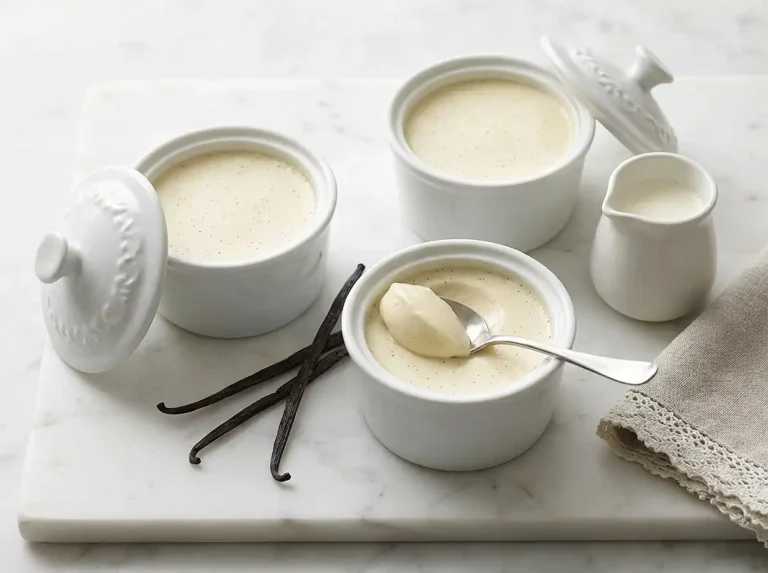
This Gluten-Free Coconut Whipped Cream is a light, fluffy vegan whipped topping made with just 2 ingredients. Naturally dairy-free and ready in 5 minutes!
The first time I attempted coconut whipped cream, I ended up with a soupy mess that slid right off my pie and pooled at the bottom of the plate. I’d grabbed a can of light coconut milk without reading the label, whipped it at room temperature, and wondered why everyone online raved about this “easy” dairy-free alternative.
This Gluten-Free Coconut Whipped Cream has become my go-to dessert topping for everything from holiday pies to weeknight berries. The texture is remarkably similar to traditional whipped cream—light, airy, and just sweet enough from a hint of vanilla. You know what surprised me most? Even my dairy-loving family members now request this vegan whipped topping over the canned stuff, claiming it tastes fresher and more luxurious.
What if the secret to perfect whipped cream was already sitting in your pantry, just waiting for the right technique?
Table of Contents
Why You’ll Love This Gluten-Free Coconut Whipped Cream
- Just 2 ingredients: Full-fat coconut milk and vanilla extract create a luscious topping without complicated additions or stabilizers
- Naturally allergy-friendly: This dessert topping is gluten-free, dairy-free, and vegan—perfect for guests with multiple dietary restrictions
- 5-minute magic: Once your coconut milk is chilled, you’re literally minutes away from fluffy, scoopable cream
- Versatile use: Works as whipped cream, frosting, or filling for cakes, pies, and fresh fruit
The Secret to Perfect Gluten-Free Coconut Whipped Cream
Full-fat coconut milk is non-negotiable. The thick cream that separates from the liquid only develops in full-fat varieties—light coconut milk doesn’t contain enough fat to whip properly. Look for cans without guar gum or other emulsifiers, as these prevent the cream from separating and make your stabilized coconut cream impossible to achieve.
Overnight chilling creates separation. The refrigeration process causes the rich coconut cream to solidify and rise to the top while the watery liquid sinks to the bottom. According to trusted plant-based cooking guidance from Minimalist Baker, at least 24 hours of refrigeration produces the most reliable separation for whipping.
Cold equipment maintains texture. Chilling your mixing bowl prevents the coconut cream from warming up and softening during whipping. Even 5-10 minutes in the freezer transforms your results—the cold metal or glass keeps the fat stable so it incorporates air properly instead of melting back into liquid.
Discarding the liquid prevents sogginess. That watery coconut liquid at the bottom of the can will thin your cream and prevent it from holding peaks. Save it for smoothies or curries, but keep it far away from your whipping bowl if you want fluffy vegan whipped topping.
Ingredients
| Ingredient | Amount | Notes |
|---|---|---|
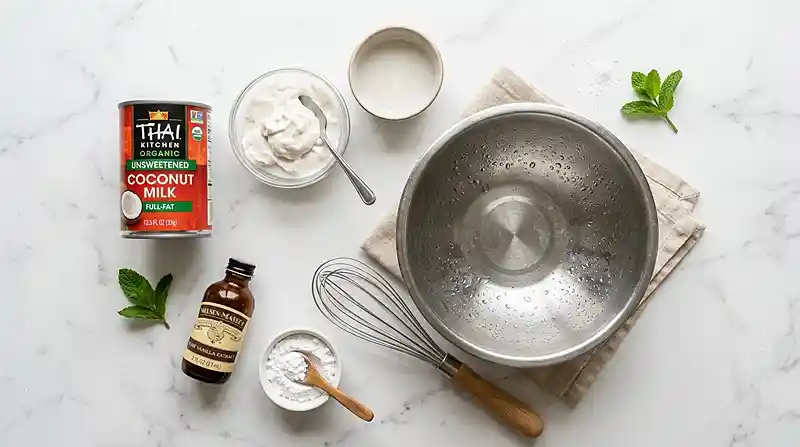
| Full-fat coconut milk | 1 can (13.5 oz) | No guar gum preferred; refrigerated overnight |
| Vanilla extract | 1 teaspoon | Pure, not imitation |
Equipment Needed: Large metal or glass mixing bowl, chilled 5-10 minutes in freezer
Serves: 12 (about 2 tablespoons per serving)
Step-by-Step Instructions
Preparing the Coconut Milk
Step 1: Refrigerate overnight.
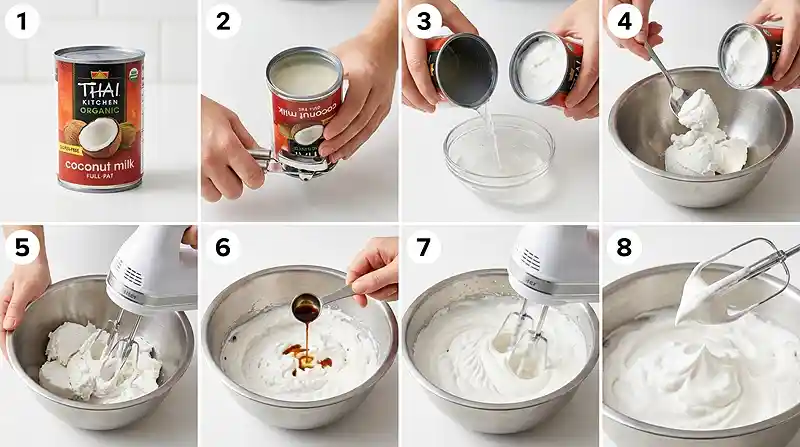
Place your unopened can of full-fat coconut milk in the refrigerator for at least 12 hours, ideally 24 hours. This extended chilling allows the cream to fully separate from the liquid and solidify into a scoopable consistency. Don’t skip this step or rush it—room temperature coconut milk simply won’t whip.
Pro Tip: Keep a can or two permanently in your fridge so you’re always ready for spontaneous dessert topping needs. The cream stays separated indefinitely when kept cold.
Separating the Cream
Step 2: Open from the bottom.
Turn the chilled can upside down before opening—this puts the watery liquid on top where it’s easy to pour off. Carefully open the can and drain the liquid into a separate container. You should be left with thick, solid coconut cream that looks almost like cold butter.
Step 3: Scoop into chilled bowl.
Transfer the solid coconut cream into your pre-chilled metal or glass mixing bowl. Leave behind any remaining liquid clinging to the can. You should have roughly ¾ to 1 cup of thick cream, depending on the brand.
Whipping to Perfection
Step 4: Beat until fluffy.
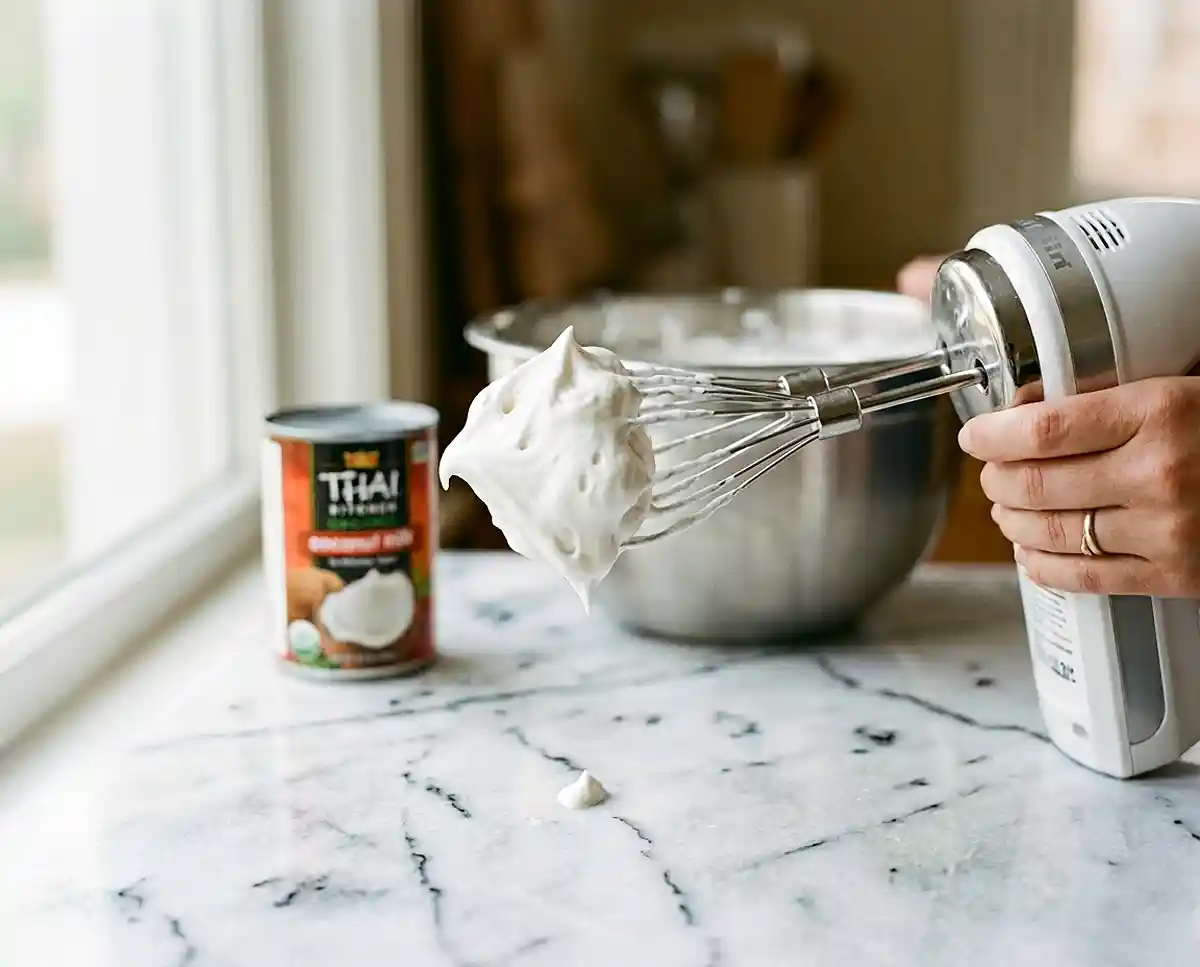
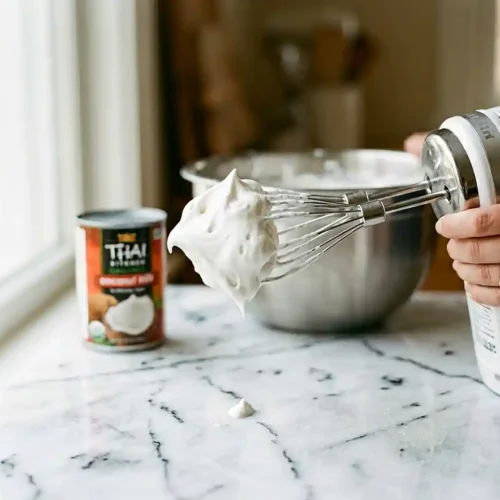
Using a hand mixer or stand mixer with the whisk attachment, beat the coconut cream on medium-high speed. Watch for the texture to transform from dense and chunky to light and fluffy—this takes about 2-3 minutes. The cream should start forming soft peaks that hold their shape when you lift the beaters.
Step 5: Add vanilla and finish whipping.
Once you see the cream thickening, add the vanilla extract and continue beating for another 30 seconds to 1 minute. Man, oh man, the transformation is genuinely magical—you’ll go from skeptical to amazed as it fluffs up into perfect Gluten-Free Coconut Whipped Cream.
Pro Tip: Stop whipping once you achieve soft peaks. Over-whipping can cause the cream to become grainy or even start separating back into oil and solids.
Serving Your Creation
Step 6: Use immediately or refrigerate.
Dollop your finished cream onto desserts immediately, or transfer to an airtight container and refrigerate until needed. This vegan whipped topping holds its shape beautifully for several days, though it’s best used within the first 48 hours for optimal fluffiness.
Make It Your Own
Sweetened version: Add 1-2 tablespoons of powdered sugar or maple syrup while whipping for a sweeter dessert topping. Powdered sugar dissolves more smoothly than granulated and helps stabilize the cream slightly.
Chocolate coconut cream: Sift in 2 tablespoons of cocoa powder along with the vanilla for a rich chocolate version. This makes an incredible frosting for gluten-free mini egg blondies or simply eaten by the spoonful (no judgment here).
Coffee-flavored cream: Well, dissolve ½ teaspoon of instant espresso powder into the vanilla extract before adding. The subtle coffee flavor pairs perfectly with chocolate desserts and adds sophistication to simple fruit.
Citrus twist: Add ½ teaspoon of lemon or orange zest for a bright, fresh variation that complements berry desserts beautifully. This stabilized coconut cream with citrus is especially lovely on spring and summer fruit tarts.
Maple cinnamon version: Replace vanilla with 1 tablespoon pure maple syrup and ¼ teaspoon ground cinnamon. This autumn-inspired variation is perfect for pumpkin pie or apple crisp.
Common Problems & Solutions
Problem: My coconut milk didn’t separate.
The brand likely contains emulsifiers (like guar gum) that prevent separation, or it wasn’t chilled long enough. Solution: Look for brands specifically labeled for whipping or those with minimal ingredients—just coconut and water. Some reliable brands include Thai Kitchen and Native Forest.
Problem: The cream is grainy or curdled.
You over-whipped, causing the fat to separate. Solution: Unfortunately, this batch can’t be saved for whipping, but you can still use it in baking or smoothies. Next time, stop as soon as soft peaks form in your Gluten-Free Coconut Whipped Cream.
Problem: It won’t hold peaks.
The cream or bowl wasn’t cold enough, or too much liquid got mixed in. Solution: Return everything to the refrigerator for 30 minutes, then try again. You know what also helps? Making sure your beaters are chilled too.
Problem: My whipped cream deflated after a few hours.
Coconut cream naturally softens at room temperature. Solution: Keep your dessert topping refrigerated until just before serving, and re-whip briefly if it loses volume. For longer stability, add ¼ teaspoon of cream of tartar while whipping.
Problem: It tastes too coconutty.
Some brands have stronger coconut flavor than others. Solution: Increase vanilla to 1½ teaspoons or add a pinch of salt to balance the coconut taste. Sweetening also helps mask the coconut flavor in your vegan whipped topping.
Storage & Meal Prep
| Method | Duration | Notes |
|---|---|---|
| Counter | 1-2 hours max | Will soften and deflate |
| Fridge | 5-7 days | May need re-whipping |
| Freezer | 2-3 months | Thaw in fridge, re-whip |
This stabilized coconut cream stores remarkably well compared to dairy whipped cream. Keep it in an airtight container in the refrigerator, and give it a quick stir or brief re-whip before serving if it’s been sitting for more than a day.
For meal prep, whip a batch at the beginning of the week and use it throughout for quick dessert upgrades—hot cocoa, fruit bowls, pancakes, or a late-night spoonful straight from the container. The versatility makes this dessert topping worth keeping on hand.
Your Questions Answered
Is coconut whip gluten-free?
Yes, coconut whipped cream is naturally gluten-free. Coconut milk contains only coconut and water, neither of which contain gluten. Always verify your vanilla extract is gluten-free (most are), and you’ll have a completely safe Gluten-Free Coconut Whipped Cream for celiac guests.
Can celiacs have coconut cream?
Absolutely. Pure coconut cream contains no gluten whatsoever and is safe for people with celiac disease. However, always check labels for any additives or cross-contamination warnings if you have severe sensitivity, as manufacturing processes vary.
Is coconut whip better than whipped cream?
It depends on your needs and preferences. Coconut whipped cream is lighter in texture, dairy-free, and contains healthy fats from coconut. Traditional whipped cream has a more neutral flavor and slightly richer mouthfeel. For those avoiding dairy, this vegan whipped topping is an excellent alternative that many people actually prefer.
Can you use coconut cream for whipped cream?
Yes—canned coconut cream (or the cream separated from full-fat coconut milk) whips beautifully into a fluffy topping. The key is using full-fat varieties and chilling thoroughly before whipping. Coconut cream from cartons typically doesn’t work as well as canned.
Why didn’t my coconut cream whip?
The most common reasons are using light coconut milk, insufficient chilling time, warm equipment, or a brand containing emulsifiers that prevent separation. For reliable results with your stabilized coconut cream, use full-fat coconut milk with minimal ingredients, chill 24 hours, and use a cold bowl.
Serving Suggestions
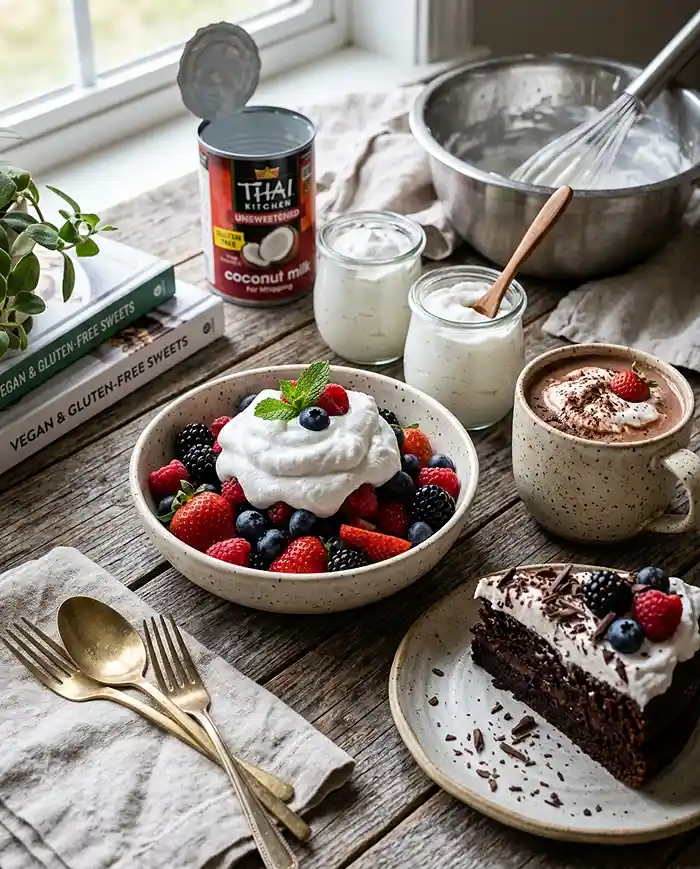
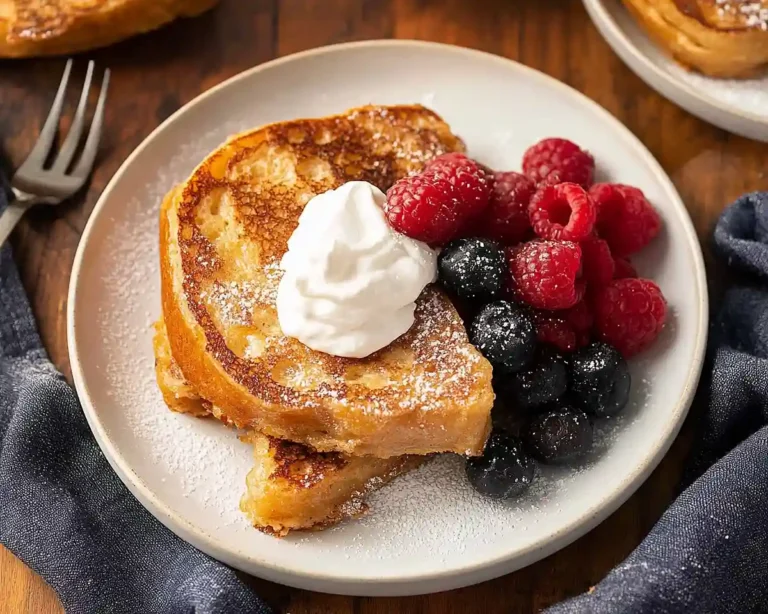
This Gluten-Free Coconut Whipped Cream transforms simple desserts into something special. Dollop it generously over gluten-free carrot cake truffles for an extra-indulgent Easter treat, or serve it alongside fresh berries for a light finish to a rich meal like gluten-free lemon herb lamb chops.
The cream pipes beautifully for more formal presentations—use a star tip to create elegant rosettes on cakes or tarts. For summer gatherings, serve it in a chilled bowl alongside a platter of seasonal fruit for easy, elegant dessert that accommodates every dietary need at your table. The texture holds up like silk clouds drifting atop whatever sweetness you pair it with—impressive for something so effortlessly simple.
Ready to Whip?
This Gluten-Free Coconut Whipped Cream has genuinely changed how I approach dairy-free desserts. No more sad, deflated toppings or chemical-laden substitutes—just pure, simple ingredients transformed into something that rivals (and often surpasses) traditional whipped cream.
I’d love to hear what desserts you top with your homemade coconut cream! Drop a comment below with your favorite combinations, and please rate this recipe if it becomes your new go-to dessert topping. Save it to Pinterest so you’ll always have this easy vegan whipped topping recipe ready when inspiration strikes.
Gluten-Free Coconut Whipped Cream
Equipment
- Large metal or glass mixing bowl
- Hand mixer or stand mixer with whisk attachment
- Can opener
- Airtight container for storage
Ingredients
- 1 can full-fat coconut milk 13.5 oz, no guar gum preferred, refrigerated overnight
- 1 teaspoon vanilla extract pure, not imitation
Instructions
- Place your unopened can of full-fat coconut milk in the refrigerator for at least 12 hours, ideally 24 hours. This allows the cream to fully separate from the liquid and solidify.
- Chill a large metal or glass mixing bowl in the freezer for 5-10 minutes before whipping.
- Turn the chilled can upside down and open carefully. The liquid should now be at the top. Pour off and discard the liquid portion (or save for smoothies).
- Scoop the solid coconut cream into the chilled mixing bowl, leaving behind any remaining liquid.
- Beat the cream on medium-high speed until you start to see it thicken and become fluffy, about 2-3 minutes.
- Add in the vanilla extract and continue to beat for another 30 seconds to 1 minute until soft peaks form.
- Dollop it on your dessert as frosting or whipped cream. Use immediately or refrigerate in an airtight container until needed.