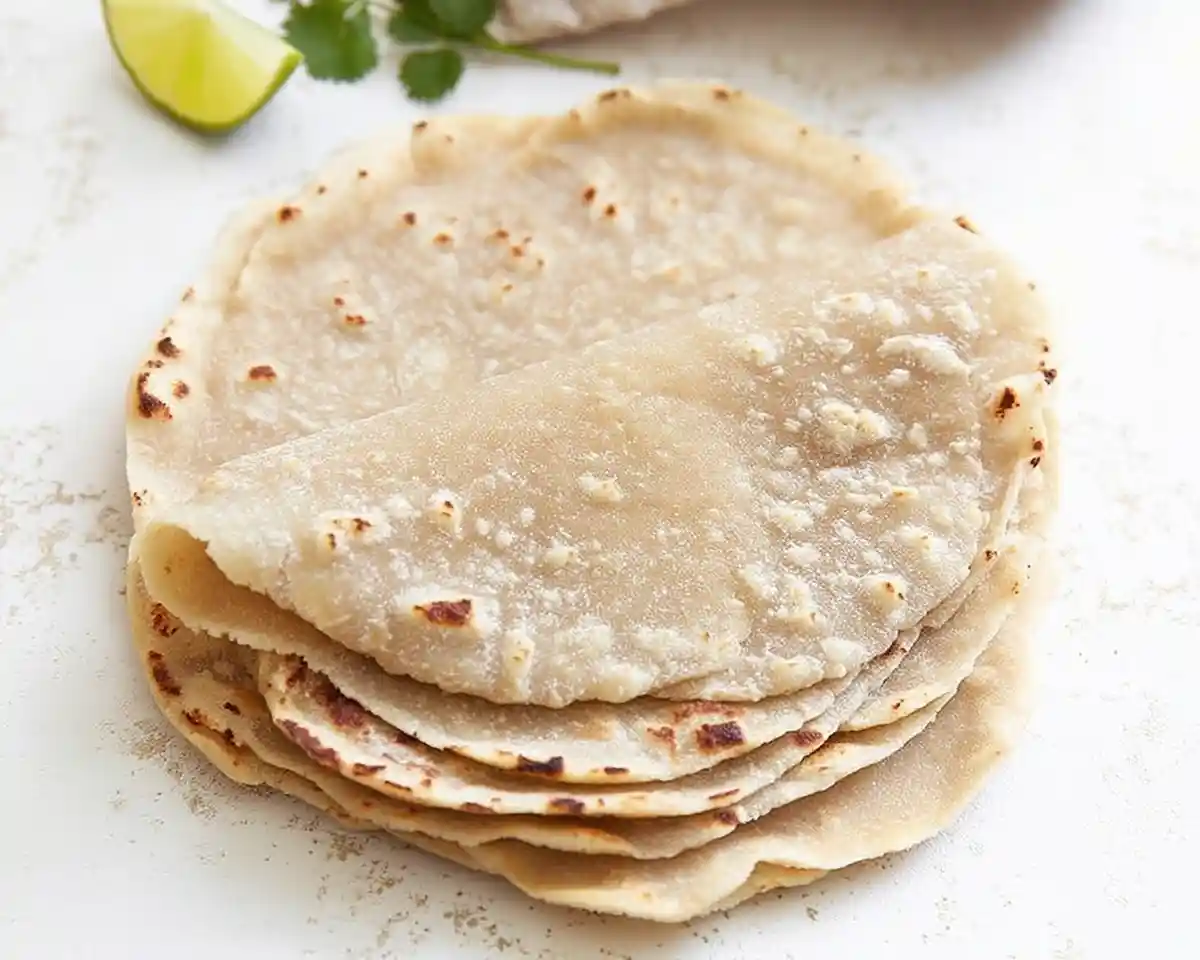
Gluten-Free Dairy-Free Tortillas
Make soft, delicious gluten-free dairy-free tortillas at home in just 30 minutes! This beginner-friendly recipe yields 8 perfect tortillas for any gluten-free dinner. No special equipment needed.
There’s something magical about pulling a warm, homemade gluten-free dairy-free tortilla off the skillet—it’s the kind of simple comfort that transforms an ordinary weeknight dinner into something special.
I remember the first time I realized I could make these tortillas myself instead of hunting through grocery store aisles for options that actually tasted good. Now, I make a batch every week, and honestly, you can too.
These gluten-free dairy-free tortillas are soft, pliable, and perfect for tacos, wraps, or whatever your family’s craving. The best part? They’re made with just five basic ingredients you probably already have in your kitchen. Whether you’re new to gluten-free cooking or a seasoned pro, this recipe proves that you don’t need fancy techniques or unusual ingredients to create something delicious.
Table of Contents
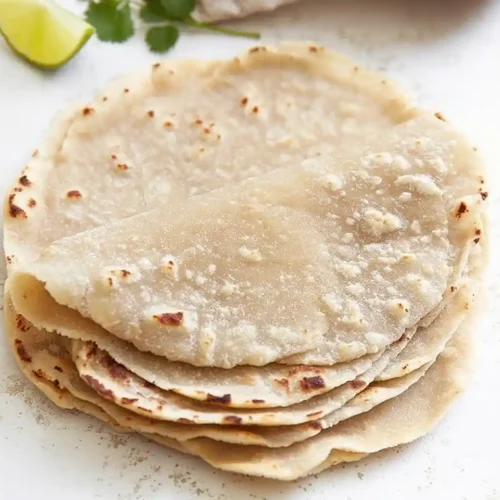
Gluten-Free Dairy-Free Tortillas
Equipment
- Large mixing bowl
- Cast-iron skillet
- Rolling Pin
- Parchment paper
- Plastic cling wrap
- Kitchen towel
- Measuring cups
- Spoon or spatula
Ingredients
Dry Ingredients
- 1.5 cups Gluten-free all-purpose flour with xanthan gum Better Batter brand recommended
- 1 teaspoon Gluten-free baking powder
- 0.5 teaspoon Salt
Wet Ingredients
- 0.75 cup Warm water Microwaved for 20 seconds to heat up
- 2 tablespoons Vegetable oil Canola oil works best
Instructions
- Grab a large mixing bowl and combine your gluten-free flour, baking powder, and salt. Give it a good stir to ensure the baking powder distributes evenly throughout the flour mixture.
- Pour in your warm water and vegetable oil, then stir everything together with a spoon or spatula until the dry ingredients are moistened. The dough should look shaggy and rough at this point, which is totally normal.
- Switch to using your hands and mix until a smooth dough ball forms and all the liquid is absorbed. The dough should feel slightly tacky but not sticky—if it’s too wet, dust in a tiny bit more gluten-free flour.
- Turn your stove to medium-high heat and place a greased cast-iron or heavy-bottomed skillet on top to preheat while you prep the dough balls.
- Pinch off a golf ball-sized piece of dough and roll it between your palms into a smooth ball—you’ll get about eight dough balls total. Cover the remaining dough with a clean kitchen towel to prevent it from drying out while you work.
- Place one dough ball on a sheet of parchment paper and flatten it with your hand into a thin disk. Lay another piece of parchment or plastic wrap on top, then use a rolling pin to gently roll it out into a 7-inch circle.
- Place each rolled tortilla onto your hot greased skillet and cook over medium-high heat for about 30 seconds to 1 minute per side. Watch for a few bubbles on top and light brown spots on the underside—this signals perfectly cooked tortillas.
- As each tortilla finishes cooking, stack it on a plate and cover with a clean towel to trap the steam and keep them wonderfully pliable.
- Once the tortillas have completely cooled, store them in a plastic storage bag and refrigerate for up to 5 days, or freeze for up to 3 months.
Notes
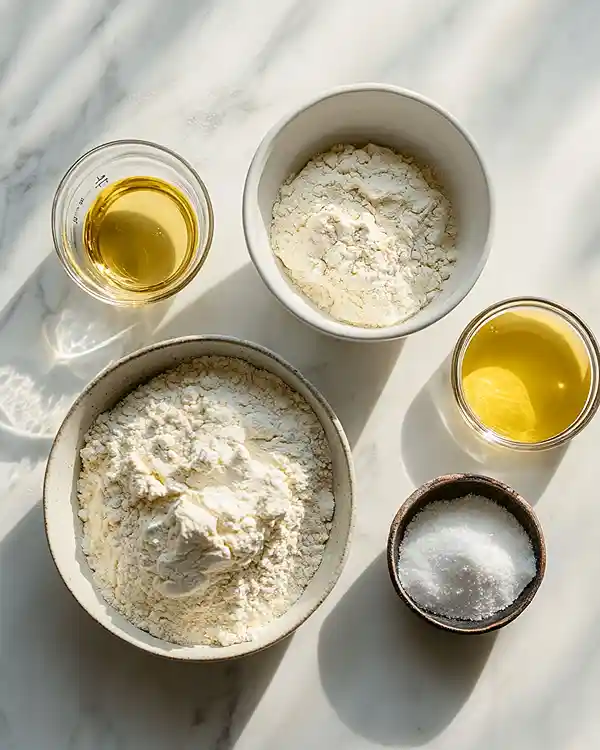
Ingredients
| Ingredient | Amount |
|---|---|
| Gluten-free all-purpose flour with xanthan gum (Better Batter brand recommended) | 1½ cups |
| Gluten-free baking powder | 1 teaspoon |
| Salt | ½ teaspoon |
| Warm water (microwaved for 20 seconds) | ¾ cup |
| Vegetable oil (canola works best) | 2 tablespoons |
Instructions
Step 1: Mix Your Dry Ingredients
Grab a large mixing bowl and combine your gluten-free flour, baking powder, and salt. Give it a good stir to ensure the baking powder distributes evenly throughout the flour mixture. This step takes just a minute but sets you up for success with your gluten-free dairy-free tortillas.
Step 2: Add Wet Ingredients
Pour in your warm water and vegetable oil, then stir everything together with a spoon or spatula until the dry ingredients are moistened. You’ll see the dough starting to come together—it should look shaggy and rough at this point, which is totally normal.
Step 3: Knead Into a Dough Ball
Switch to using your hands and mix until a smooth dough ball forms and all the liquid is absorbed. The dough should feel slightly tacky but not sticky—if it’s too wet, you can dust in a tiny bit more gluten-free flour. This is your chance to connect with the dough and feel how it’s coming together.
Step 4: Heat Your Skillet
Turn your stove to medium-high heat and place a greased cast-iron or heavy-bottomed skillet on top to preheat while you prep the dough balls. A hot skillet is the secret to getting those beautiful light brown spots and the slight puff you want in your gluten-free dairy-free tortillas.
Step 5: Portion Your Dough
Pinch off a golf ball-sized piece of dough and roll it between your palms into a smooth ball—you’ll get about eight dough balls total. Cover the remaining dough with a clean kitchen towel to prevent it from drying out while you work on rolling them individually.
Step 6: Flatten and Roll
Place one dough ball on a sheet of parchment paper and flatten it with your hand into a thin disk. Lay another piece of parchment or plastic wrap on top, then use a rolling pin to gently roll it out into a 7-inch circle. The thinner you roll them, the more tender your finished tortillas will be—this is where you want patience to pay off.
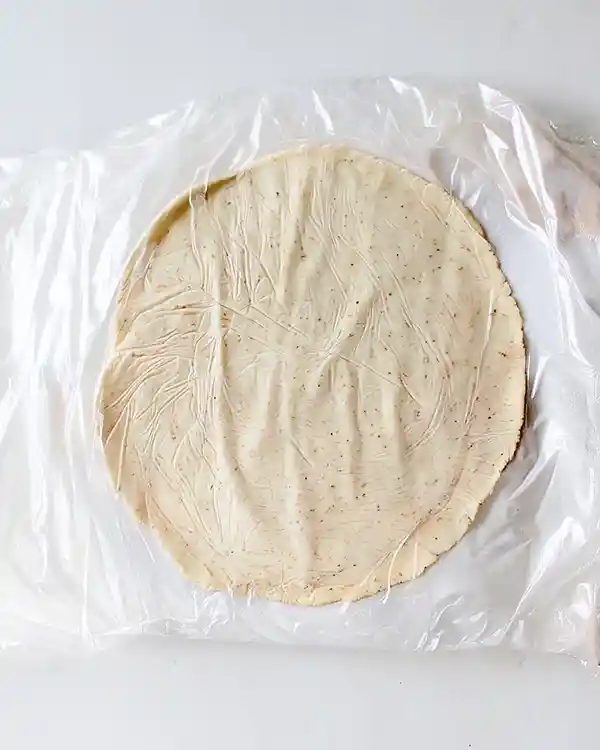
Step 7: Cook Your Tortillas
Place each rolled tortilla onto your hot greased skillet and cook over medium-high heat for about 30 seconds to 1 minute per side. You’re looking for a few bubbles to appear on top and light brown spots on the underside—this signals perfectly cooked gluten-free dairy-free tortillas without overdoing it.
Step 8: Keep Them Warm
As each tortilla finishes cooking, stack it on a plate and cover with a clean towel to trap the steam and keep them wonderfully pliable. This simple step makes all the difference in preventing them from becoming stiff or brittle while they cool.
Substitutions for Your Gluten-Free Dairy-Free Tortillas
Alternative Gluten-Free Flours
You can swap Better Batter for other gluten-free all-purpose flour blends, but look for one that already contains xanthan gum for the best texture. King Arthur Baking Company and Bob’s Red Mill 1-to-1 are solid alternatives that many home cooks trust for gluten-free dairy-free dinner recipes. Just note that different brands absorb water differently, so you might need to adjust the water by a tablespoon or two until the dough feels right.
Oil Options
While canola oil is my go-to for these gluten-free dairy-free tortillas, you can easily use coconut oil, avocado oil, or olive oil instead. Keep in mind that coconut oil might impart a subtle coconut flavor, while olive oil adds a slightly more robust taste. Choose based on what you’re planning to serve with your tortillas.
Water Temperature Matters
The warm water is crucial for helping the dough come together smoothly and creating that slightly stretchy texture you want. If your water is too cold, the dough will be stiff and harder to roll out; too hot and you’ll kill the baking powder. A quick 20-second microwave zap gets it to that perfect warm-to-the-touch temperature.
Troubleshooting Tips
Tortillas Are Coming Out Stiff or Hard
If your gluten-free dairy-free tortillas feel rigid after cooking, your heat was too high or they spent too long on the skillet. Try lowering the temperature to medium instead of medium-high, and watch carefully for those light brown spots rather than cooking by time alone. They’ll soften beautifully as they cool if you catch them at the right moment.
Dough Is Too Sticky to Roll
A slightly sticky dough is normal, but if it’s difficult to handle, dust your work surface and rolling pin with a little extra gluten-free flour. You can also chill the dough balls for 10 minutes before rolling—this makes them much easier to work with without making the final tortillas tough.
Tortillas Are Tearing While Rolling
Gluten-free dough can be more delicate than wheat-based dough, so take your time and roll gently from the center outward. If they’re still tearing, your dough might be slightly dry—add a teaspoon of water next time. Working between two pieces of parchment paper (instead of plastic wrap) also gives you better control and prevents sticking.
Dough Is Too Dry
If your dough resembles crumbles rather than a cohesive ball, add water a teaspoon at a time until it comes together. Different gluten-free flours absorb moisture differently, so don’t be afraid to adjust based on what you’re seeing and feeling.
Storage and Meal Prep
Refrigerator Storage
Once your gluten-free dairy-free tortillas have cooled completely, stack them and place them in a plastic storage bag or airtight container, then refrigerate for up to 5 days. You can reheat them gently in a dry skillet for about 15 seconds on each side to restore that fresh-cooked softness.
Freezer Storage for Longer Keeping
For longer storage, freeze your tortillas in a freezer-safe bag for up to 3 months—they thaw beautifully and taste almost as good as fresh. Stack them with parchment paper between each tortilla to prevent sticking, and thaw at room temperature before reheating.
Meal Prep Strategy
You know, making a double batch on Sunday sets you up for easy gluten-free dairy-free dinners all week long. Store half in the fridge for the first few days and freeze the rest for later—this way you always have homemade tortillas ready to go.
Serving Suggestions and Pairings
These gluten-free dairy-free tortillas are wonderfully versatile, so use them however your family loves best. Fill them with seasoned ground turkey, shredded chicken, roasted vegetables, or your favorite taco toppings for a quick gluten-free dairy-free dinner that everyone enjoys. They’re equally delicious wrapped around leftovers or used as a base for breakfast burritos stuffed with eggs and sautéed peppers.
You can also serve them alongside soup, use them for wraps, or tear them up and use them as chips for salsa and guacamole. The soft, warm-from-the-skillet texture makes them perfect for scooping or folding, so get creative with what works for your family.
Variations and Dietary Adjustments
Kid-Friendly Version
Kids often love helping roll out these gluten-free dairy-free tortillas, making it a fun kitchen activity you can do together. The simple ingredient list means there are no surprises, and the neutral flavor pairs perfectly with whatever fillings your little ones prefer. Make it even more engaging by letting them help press and roll—they’re more likely to eat something they helped create.
Herb-Infused Tortillas
Want to boost the flavor? Stir in 1 teaspoon of dried cilantro, cumin, or Italian seasoning to your dry ingredients for gluten-free dairy-free tortillas with a savory kick. Fresh herbs won’t work as well since moisture can affect the dough, but dried herbs blend in beautifully and add personality to your gluten-free dinner spread.
Cauliflower or Veggie Add-Ins
For extra nutrition, finely grated cauliflower or zucchini can be mixed into the dough—just squeeze out excess moisture first. You’ll want to reduce the water by a tablespoon or two since the vegetables release their own liquid. This is a sneaky way to add nutrition to your gluten-free dairy-free tortillas without changing the taste.
FAQs About Gluten-Free Dairy-Free Tortillas
Can I make gluten-free tortillas without xanthan gum?
While it’s possible to use psyllium husk powder as a substitute for xanthan gum in a pinch, the texture won’t be quite as soft and pliable. Xanthan gum is the secret ingredient that makes gluten-free dairy-free tortillas stretchy and tender, so I’d recommend investing in a small bag if you make these regularly.
What flour is gluten-free and dairy-free?
Most gluten-free all-purpose flour blends are naturally dairy-free—just check the label to be sure no milk products are included. Better Batter, Bob’s Red Mill 1-to-1, and King Arthur Baking Company all offer certified gluten-free dairy-free options that work beautifully for this recipe.
Do homemade gluten-free dairy-free tortillas taste different from store-bought?
Absolutely—homemade versions taste fresher, softer, and honestly better than most packaged options. Store-bought often contain preservatives and extra starches, while yours will be warm, pillowy, and ready to enjoy within 30 minutes.
How do I know when my tortilla is done cooking?
Watch for light brown spots on the bottom and a few bubbles forming on the top—this usually happens around 30 seconds to 1 minute per side depending on your heat. The tortilla should still feel slightly soft and flexible, not crispy or stiff.
Can I make these ahead for a party or potluck?
Yes! Make them the day before and store them in an airtight container in the refrigerator, then reheat them gently in a skillet right before serving. Your guests will be impressed with homemade gluten-free dairy-free tortillas, and they’ll taste like you made them fresh.
What’s the best way to reheat leftover tortillas?
A dry skillet over medium heat for about 15 seconds per side restores that fresh-cooked texture beautifully. You can also wrap them loosely in foil and warm them in a 300°F oven for 5 minutes if you’re heating a large batch.
Final Thoughts
Making your own gluten-free dairy-free tortillas is one of those small kitchen victories that pays off every single week. Once you realize how simple the process is and how much better they taste fresh, you’ll wonder why you ever settled for store-bought.
I’d love to hear how these turn out for your family! Share your creations or let me know if you have questions about the gluten-free dairy-free dinner journey.
Related Recipes & Resources
Craving more gluten-free inspiration? Check out my complete gluten-free cookie collection for easy desserts that impress. If you’re exploring dairy-free options, my easy dairy-free dessert ideas offer plenty of options. For more handy tips and techniques, explore my beginner-friendly baking guide to build your gluten-free cooking confidence.
Want to learn more about gluten-free flour choices? This trusted gluten-free nutrition source offers detailed information about gluten-free ingredients and their uses. You might also find this authoritative guide to xanthan gum in baking helpful for understanding why it works so well in gluten-free dairy-free recipes.