Gluten-Free Flatbreads
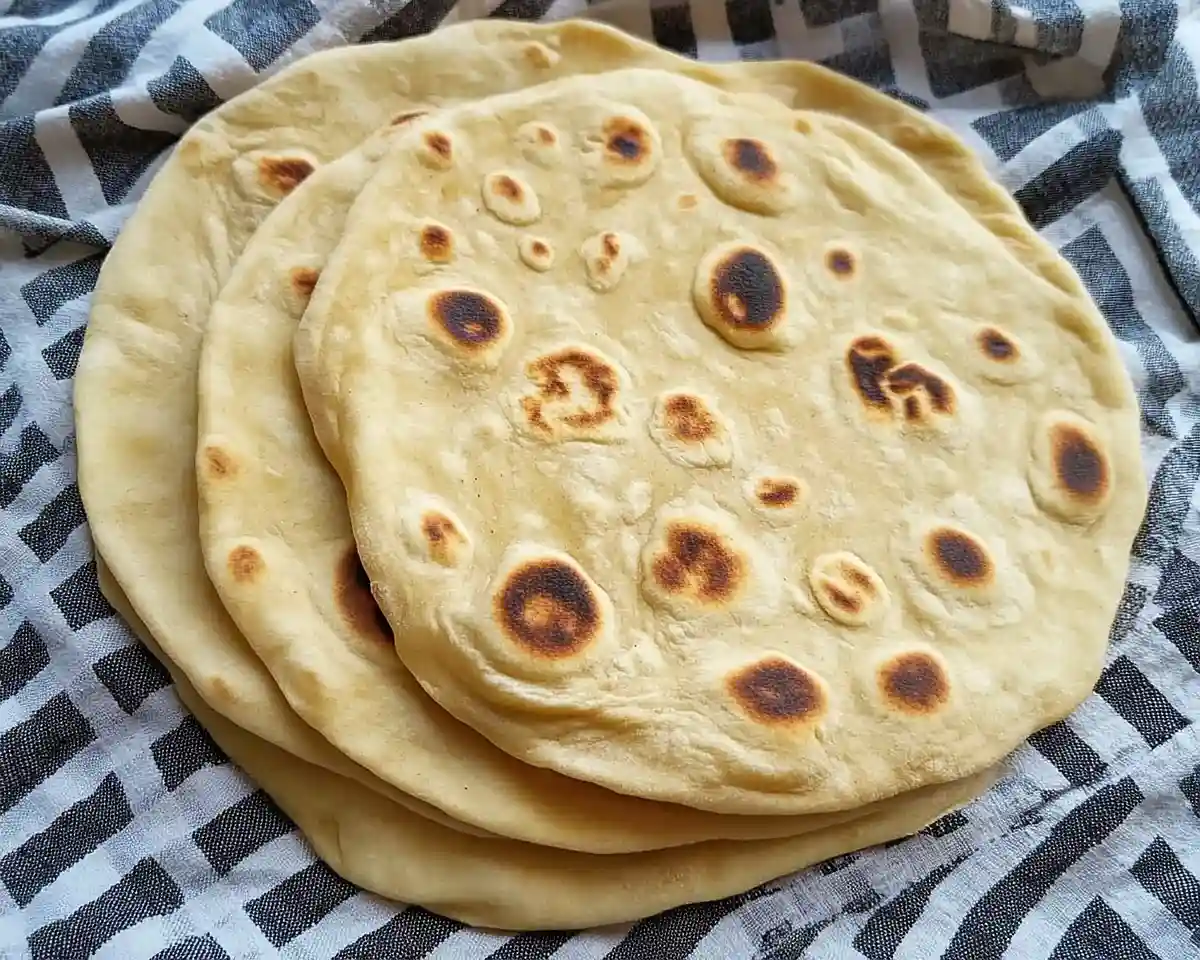
Make soft gluten-free flatbreads in 30 minutes with no yeast! This simple flatbread recipe uses basic ingredients for perfect results every time.
You know what’s amazing? Finding out you can whip up warm, pillowy flatbreads without waiting around for yeast to do its thing. I’ll never forget the first time I realized I could make fresh bread on a Tuesday night without planning ahead—it felt like a kitchen superpower!
These quick gluten-free flatbreads are exactly what busy families need. They come together in about 30 minutes from start to finish, using ingredients you probably already have in your pantry. No specialty flours, no mysterious rising times, just simple flour-based recipes that actually work.
Whether you’re new to gluten-free cooking or you’ve been at it for years, this no-yeast flatbread dough recipe is going to become your go-to. Perfect for scooping up curry, wrapping around grilled chicken, or simply slathering with butter and enjoying warm from the pan.
Table of Contents
Ingredients
| Ingredient | Amount | Notes |
|---|---|---|
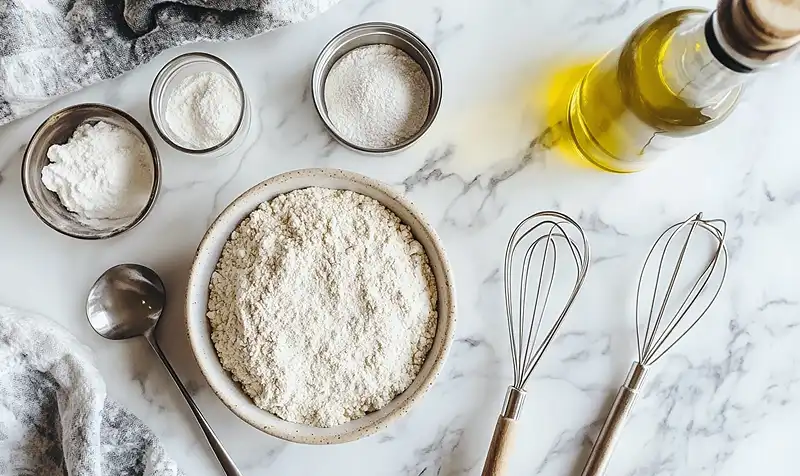
| Gluten-free plain flour | 180 g | Use your favorite 1:1 blend |
| Baking powder | 1 level tsp | Make sure it’s fresh for best results |
| Salt | 1 large pinch | About ¼ tsp |
| Cold water | 100 ml | Helps create tender texture |
| Olive oil (for dough) | 1 tbsp | Adds flavor and softness |
| Olive oil (for cooking) | 1 tbsp | Creates golden, crispy exterior |
| Butter (optional) | 10 g | Can substitute with more olive oil |
Instructions
Step 1: In a mixing bowl, stir together your gluten-free flour, baking powder, and salt until everything’s evenly distributed. This simple flatbread recipe with yeast replaced by baking powder works because the leavening happens immediately when it hits moisture, so no waiting required.
Step 2: Make a well in the center of your dry ingredients, then pour in the cold water and olive oil. Start stirring with a rubber spatula to bring the mixture together—it’ll look shaggy at first, but trust the process.
Step 3: Once it starts forming a dough, switch to using your hands for better control. Transfer the dough to your worksurface (you shouldn’t need extra flour at this stage) and fold it over itself a few times until it forms a smooth ball.
Step 4: Pop the dough back into the bowl, cover it with a clean kitchen towel, and let it rest for 15 minutes. This short rest helps the flour hydrate fully and makes rolling easier—it’s like giving your dough a little spa break!
Step 5: Divide your rested dough into 4 equal pieces and gently shape each one into a ball. Try to handle them just enough to shape but not so much that you warm the dough too much with your hands.
Step 6: On a very lightly floured surface, roll each ball into a circle about 18-19 cm in diameter. Go easy on the extra flour here—too much can make your flatbreads tough instead of tender. You want them soft enough to fold without cracking!
Step 7: If you’re using both butter and olive oil for cooking, combine them in a small saucepan or microwave-safe bowl and heat until the butter melts completely. If you’re going oil-only, just pour it into a small dish that fits your pastry brush.
Step 8: Set a non-stick pan (18-19 cm diameter works perfectly) over medium-high heat. When it’s nice and hot, brush a generous amount of your oil or oil-butter mixture across the surface—don’t be shy with it!
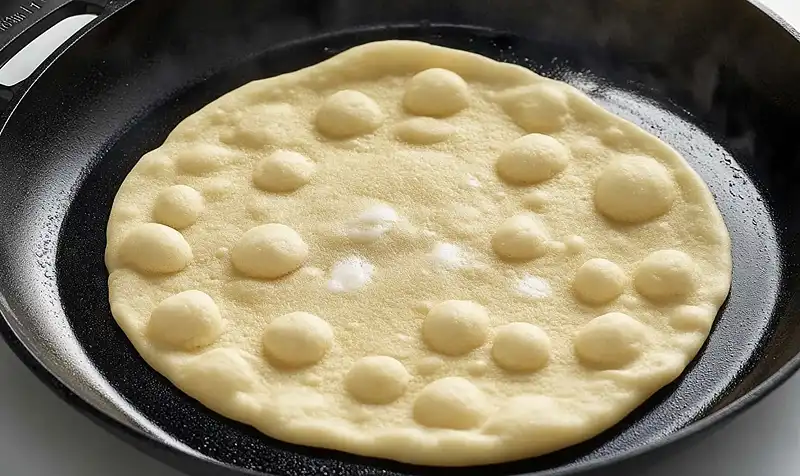
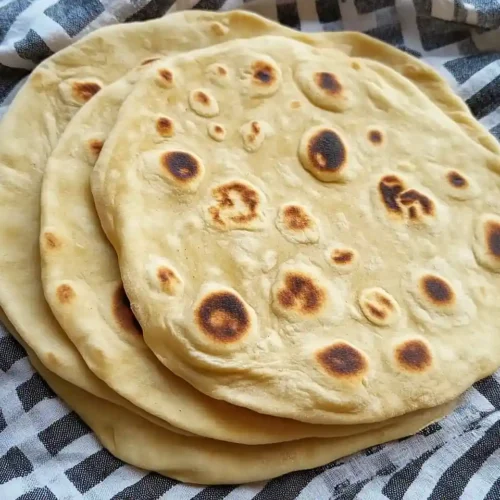
Step 9: While the fat is sizzling away, carefully place your first circle of dough into the pan. Cook for 1-2 minutes, watching for bubbles to appear on the top surface while the underside turns golden with those gorgeous darker brown patches. The first flatbread might take a bit longer and may not puff up as dramatically—that’s totally normal.
Step 10: Using a spatula, lift the flatbread out of the pan and quickly brush the pan surface again with more oil or butter mixture. Flip the flatbread back into the pan to cook the second side for another 1-2 minutes until golden and beautiful.
Step 11: When your first flatbread is done, wrap it immediately in a clean tea towel to keep it warm and soft. Repeat the entire cooking process with the remaining dough circles, remembering to brush with fat between each one for the best flavor and texture.
Substitutions
Flour swaps: You can use any gluten-free flour blend that’s designed for 1:1 substitution in this flatbread dough recipe no yeast. Bob’s Red Mill, King Arthur, or your favorite store brand all work beautifully—just make sure it contains xanthan gum or add ½ teaspoon yourself.
Dairy-free option: Skip the butter entirely and use all olive oil for cooking. You can also try avocado oil or melted coconut oil if you prefer a different flavor profile. The flatbreads will still turn out wonderfully soft and pliable!
Oil alternatives: Don’t have olive oil on hand? Melted butter, avocado oil, or even a neutral vegetable oil work just fine in the dough itself. Each brings a slightly different flavor, so pick what sounds good to you.
Troubleshooting
Dough too sticky: If your dough feels impossibly sticky after mixing, add a tablespoon of flour at a time until it’s manageable. Gluten-free flour blends can vary in absorption, so sometimes you need to adjust. Just remember that slightly tacky is better than too dry!
Flatbreads turning out tough: This usually means too much extra flour was added during rolling. Well, here’s the thing—gluten-free doughs don’t need as much flour as you might think. Roll gently and use the absolute minimum amount of flour on your surface.
Not puffing up: Don’t worry if your flatbreads don’t puff like balloons—some batches puff more than others depending on how you roll them. As long as they’re cooking through and turning golden, you’re doing great. The flavor and texture will still be spot-on!
Burning or cooking unevenly: Your heat might be too high. Try reducing to medium heat and give each flatbread a little more time. Every stovetop is different, so feel free to adjust until you find your sweet spot.
Storage & Meal Prep
These gluten-free flatbreads will keep beautifully for 2-3 days at room temperature when stored in an airtight container or zip-top bag. I like to separate them with parchment paper to prevent sticking. If you live somewhere humid, pop them in the fridge instead to prevent any sogginess.
For reheating, wrap them in foil and warm in a low oven (around 300°F) for 5-7 minutes, or microwave each flatbread for just 10-15 seconds. They’ll soften right back up like they’re fresh! You can also freeze these for up to 3 months—just defrost at room temperature and reheat using the same methods.
Serving Suggestions
These versatile flatbreads are perfect alongside your favorite curry or stew for scooping up every last delicious bite. They also make fantastic wraps filled with grilled veggies, hummus, and falafel for an easy weeknight dinner. Man, oh man, they’re good!
Try them as a base for personal pizzas—just add sauce, cheese, and toppings, then pop under the broiler for a few minutes. They’re also amazing for Taco Tuesday, holding up beautifully to all your favorite fillings without falling apart. For a simple snack, brush with garlic butter and sprinkle with herbs right after cooking.
Variations
Kid-friendly version: Add a tablespoon of honey to the dough for a slightly sweet flatbread that little ones love. You can also use cookie cutters to make fun shapes before cooking—dinosaurs and stars are always a hit! This simple approach to flour-based recipes makes it easy to get kids involved in the kitchen too.
Herb-infused flatbreads: Stir 2 teaspoons of dried herbs (like Italian seasoning, za’atar, or rosemary) into your dry ingredients. Fresh herbs work too—just use about 2 tablespoons of minced fresh herbs and add them when you add the water. These are incredible with soups or as an appetizer!
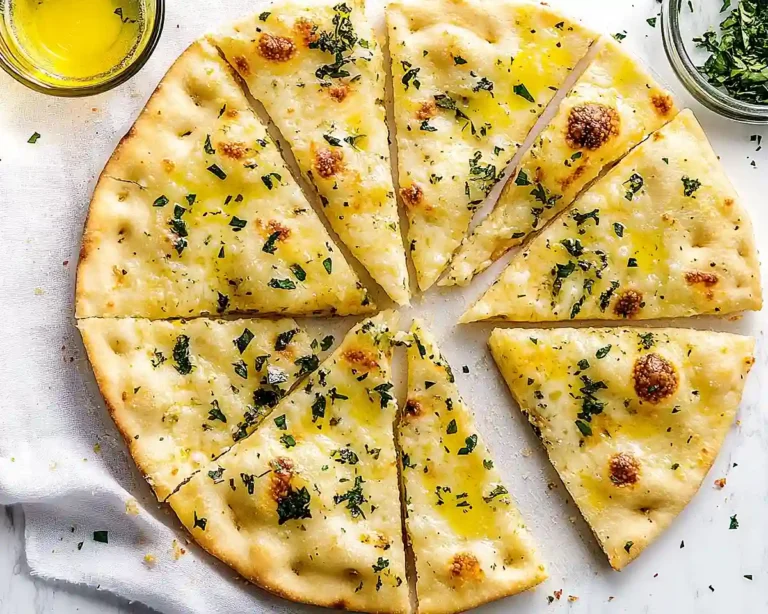
Garlic and cheese version: Mix ½ teaspoon garlic powder into the dough and sprinkle a bit of grated Parmesan or nutritional yeast on top while cooking the second side. The cheese gets all golden and crispy—absolutely irresistible. Perfect for Italian night alongside pasta or your favorite easy dairy-free dessert ideas.
Whole grain boost: Replace up to half the gluten-free flour with a gluten-free whole grain flour blend for added nutrition and a slightly nuttier flavor. According to research on whole grains and health, incorporating whole grains can provide important fiber and nutrients.
Gluten-Free Flatbreads FAQs
Can flatbread be made without yeast?
Absolutely! This recipe proves that you don’t need yeast to make delicious, soft flatbreads. Using baking powder as the leavening agent means they’re ready in a fraction of the time, with no waiting for dough to rise. It’s one of the easiest flour-based recipes you’ll ever make.
What bread can I eat if I can’t have yeast?
Beyond these quick flatbreads, you can enjoy soda bread, biscuits, scones, tortillas, and quick breads that use baking powder or baking soda instead of yeast. Many gluten-free bakers actually prefer these methods because they’re faster and more reliable. Check out this complete gluten-free baking guide for more inspiration!
Is yeast needed for flatbread?
Nope! Traditional flatbreads from cultures around the world are often made without yeast, relying instead on simple ingredients and quick cooking methods. This flatbread dough recipe no yeast follows that timeless approach while adapting it perfectly for gluten-free diets.
Can you make flatbread with just flour and water?
While you technically could, adding a bit of oil and salt makes a huge difference in flavor and texture. The oil keeps the flatbreads tender and pliable, while salt enhances all the other flavors. For proper rise without yeast, you’ll also want that baking powder—it’s the secret weapon!
What is the best substitute for yeast in bread?
Baking powder is your best bet for quick breads and flatbreads, as it provides immediate rise without fermentation time. For more complex breads, baking soda combined with an acidic ingredient (like yogurt or buttermilk) works wonderfully. Some bakers also love using sourdough starter for naturally leavened gluten-free breads, though that takes more planning. The Celiac Disease Foundation offers helpful guidance on safe baking substitutions.
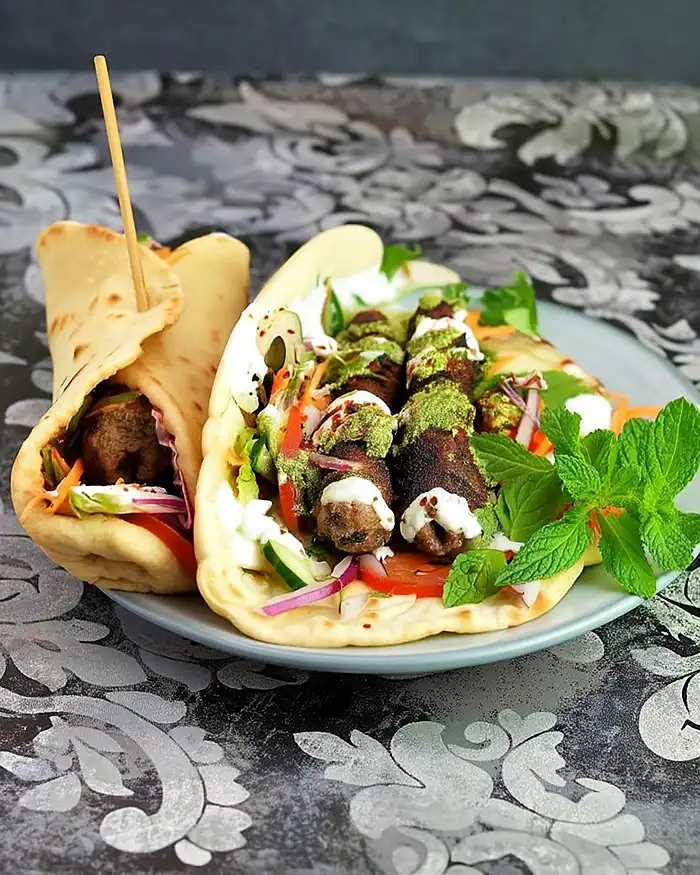
These no-yeast gluten-free flatbreads are proof that simple recipes often turn out the best. They’re endlessly versatile, coming together faster than ordering takeout, and they fill your kitchen with the most wonderful aroma. Once you’ve mastered this basic technique, you’ll find yourself making them for everything from weeknight dinners to holiday gatherings.
The beauty of this simple flatbread recipe is that it never judges you for forgetting to start bread dough hours ago. It’s there when you need it, ready to transform everyday meals into something special. Try pairing them with these veggie spinach wraps with hummus for a complete meal, or serve them alongside your favorite comfort foods for a cozy dinner any night of the week!
Easy Gluten-Free Flatbreads
Equipment
- Mixing bowl
- Rubber spatula
- Rolling Pin
- Non-stick pan (18-19 cm diameter)
- Pastry brush
- Clean tea towel
Ingredients
For the Dough
- 180 g gluten-free plain flour Use your favorite 1:1 blend
- 1 tsp baking powder Level, make sure it’s fresh
- 1 pinch salt Large pinch, about ¼ tsp
- 100 ml cold water
- 1 tbsp olive oil
For Cooking
- 1 tbsp olive oil
- 10 g butter Optional, can be replaced with more olive oil
Instructions
- In a mixing bowl, stir together your gluten-free flour, baking powder, and salt until everything’s evenly distributed. This simple flatbread recipe with yeast replaced by baking powder works because the leavening happens immediately when it hits moisture, so no waiting required.
- Make a well in the center of your dry ingredients, then pour in the cold water and olive oil. Start stirring with a rubber spatula to bring the mixture together—it’ll look shaggy at first, but trust the process.
- Once it starts forming a dough, switch to using your hands for better control. Transfer the dough to your worksurface (you shouldn’t need extra flour at this stage) and fold it over itself a few times until it forms a smooth ball.
- Pop the dough back into the bowl, cover it with a clean kitchen towel, and let it rest for 15 minutes. This short rest helps the flour hydrate fully and makes rolling easier—it’s like giving your dough a little spa break!
- Divide your rested dough into 4 equal pieces and gently shape each one into a ball. Try to handle them just enough to shape but not so much that you warm the dough too much with your hands.
- On a very lightly floured surface, roll each ball into a circle about 18-19 cm in diameter. Go easy on the extra flour here—too much can make your flatbreads tough instead of tender. You want them soft enough to fold without cracking!
- If you’re using both butter and olive oil for cooking, combine them in a small saucepan or microwave-safe bowl and heat until the butter melts completely. If you’re going oil-only, just pour it into a small dish that fits your pastry brush.
- Set a non-stick pan (18-19 cm diameter works perfectly) over medium-high heat. When it’s nice and hot, brush a generous amount of your oil or oil-butter mixture across the surface—don’t be shy with it!
- While the fat is sizzling away, carefully place your first circle of dough into the pan. Cook for 1-2 minutes, watching for bubbles to appear on the top surface while the underside turns golden with those gorgeous darker brown patches. The first flatbread might take a bit longer and may not puff up as dramatically—that’s totally normal.
- Using a spatula, lift the flatbread out of the pan and quickly brush the pan surface again with more oil or butter mixture. Flip the flatbread back into the pan to cook the second side for another 1-2 minutes until golden and beautiful.
- When your first flatbread is done, wrap it immediately in a clean tea towel to keep it warm and soft. Repeat the entire cooking process with the remaining dough circles, remembering to brush with fat between each one for the best flavor and texture.