Gluten-Free Focaccia Bread
Make bakery-style Gluten-Free Focaccia Bread at home! This Easy Gluten-Free Focaccia recipe is soft, herb-topped, and perfect for busy families.
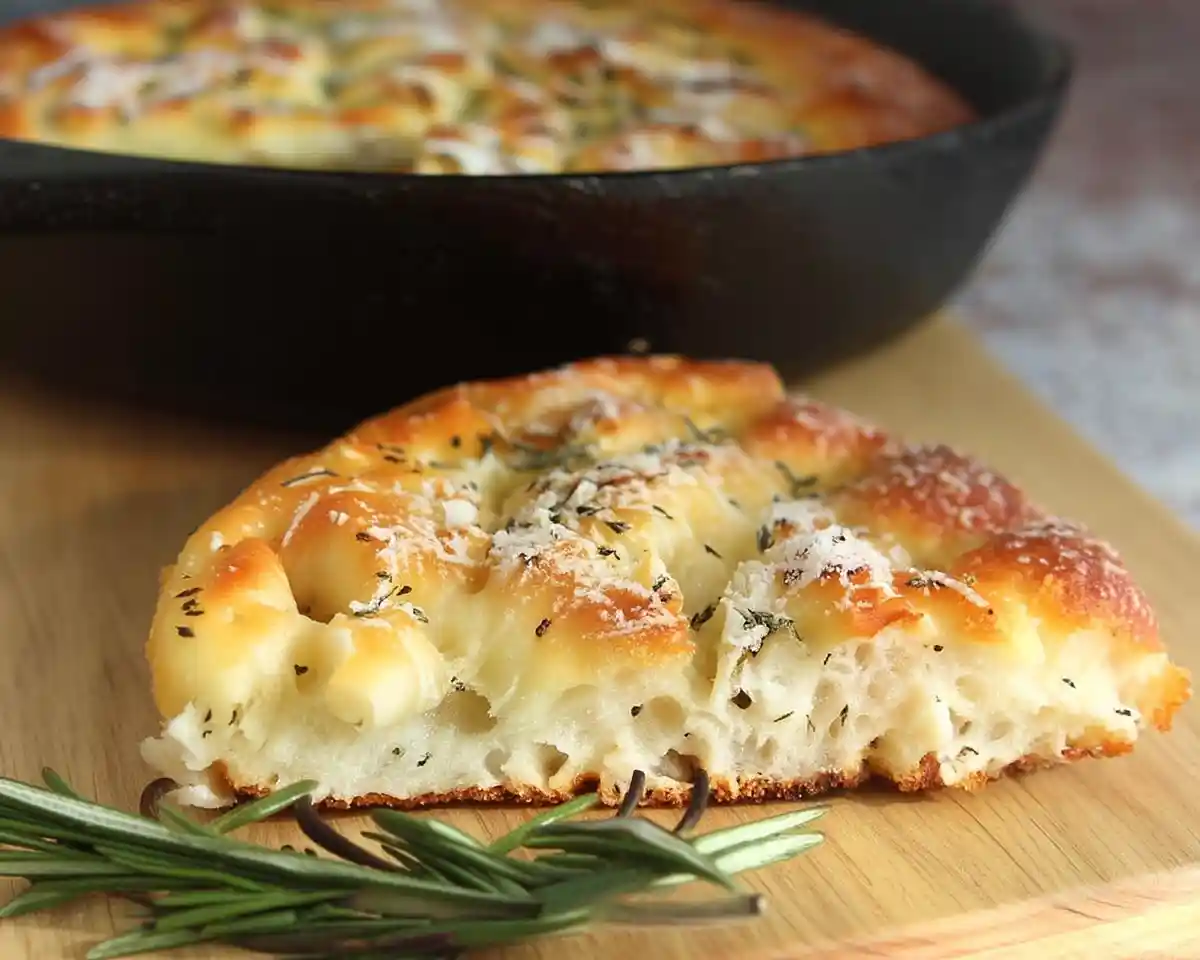
You know that moment when you walk past an Italian bakery and the smell of fresh focaccia just stops you in your tracks? That’s exactly what inspired me to perfect this Gluten-Free Focaccia Bread recipe. I used to think achieving that golden, dimpled, olive oil-soaked masterpiece without gluten was impossible—until I cracked the code.
Here’s the beautiful truth: making Homemade Gluten-Free Focaccia is actually easier than traditional bread. No kneading, no fancy techniques, just mix, rise, dimple, and bake. The dough is wonderfully forgiving, and those signature dimples? They’re not just pretty—they create little pools of herbed olive oil that make every bite taste like you’ve been transported to Tuscany.
This Easy Gluten-Free Focaccia Bread works perfectly as a side for pasta night, transforms into amazing sandwiches, or honestly—let’s be real—disappears straight from the pan while it’s still warm. My kids fight over the crispy corner pieces every single time.
Table of Contents
Easy Gluten-Free Focaccia Bread
Equipment
- Large mixing bowl
- Stand mixer or handheld mixer
- 12-inch cast iron skillet or 9×13-inch baking pan
- Plastic wrap
- Whisk
Ingredients
Dough
- 3¼ cups Kim’s gluten-free BREAD flour blend 455 g
- 1 tablespoon granulated sugar plus 1 teaspoon (29 g total)
- 2 teaspoons kosher salt
- 2 teaspoons rapid rise (instant) yeast
- 2½ cups milk 600 ml
- 4 tablespoons butter melted
Topping
- ¼ cup extra virgin olive oil about
- 2 tablespoons fresh rosemary chopped
- 1 teaspoon sea salt
- 2 tablespoons Parmigiano Reggiano freshly grated
- cracked black pepper to taste
Instructions
- In a large bowl, weigh your bread flour, sugar, salt, and yeast. Give everything a good whisk to combine—this distributes the yeast evenly so your focaccia rises beautifully. Using a stand mixer with the beater blade or a handheld mixer, turn it on low and slowly pour in the milk and butter.
- Increase the mixer speed to medium and beat for 5 full minutes. This step develops structure in the gluten-free dough and creates that light, airy texture. The mixture will look more like a thick batter than traditional bread dough—that’s exactly what you want.
- Cover the bowl tightly with plastic wrap and place it in a warm, draft-free spot until the dough doubles in volume, about 2 hours. You can use it immediately after rising, or refrigerate the dough for up to 7 days for make-ahead convenience.
- Pour about 2-3 tablespoons of olive oil into the bottom of a 12-inch cast iron skillet. This creates that irresistible crispy bottom crust. The oil should generously coat the bottom of your pan.
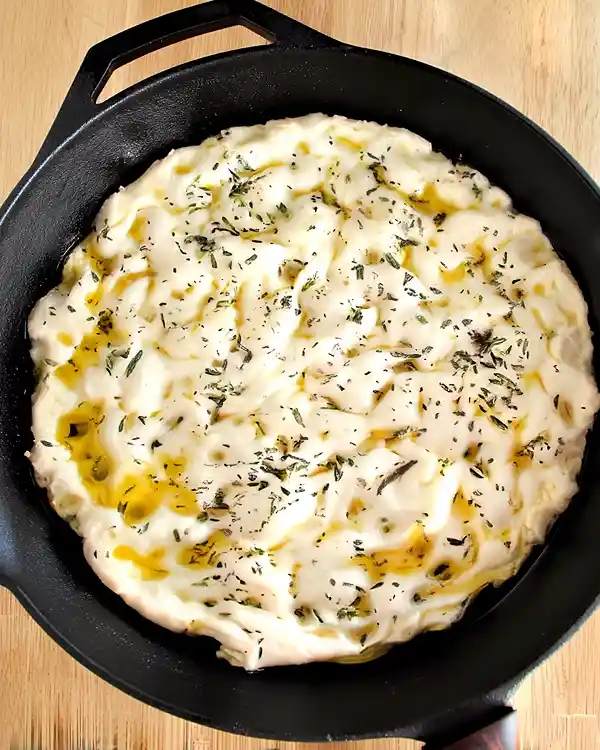
- Dump half the dough onto the olive oil and add another 2-3 tablespoons of oil on top. Using your fingertips, gently dimple the dough while spreading it toward the sides of the skillet. Cover and let it rise until slightly larger, about 30 minutes (it won’t double this time).
- Preheat your oven to 400°F. When the dough has risen, sprinkle the rosemary, sea salt, cracked pepper, and Parmigiano Reggiano evenly over the top. Bake for 25-30 minutes, or until the top turns golden brown.
- Serve your focaccia warm with pasta, slice it horizontally for sandwiches, or enjoy it fresh from the pan with butter.
Notes
Ingredients

| Ingredient | Amount |
|---|---|
| Kim’s gluten-free BREAD flour blend | 3¼ cups (455 g) |
| Granulated sugar | 1 tbsp plus 1 tsp (29 g) |
| Kosher salt | 2 tsp |
| Rapid rise (instant) yeast | 2 tsp |
| Milk | 2½ cups (600 ml) |
| Butter, melted | 4 tbsp |
| Extra virgin olive oil | About ¼ cup |
| Fresh rosemary, chopped | 2 tbsp |
| Sea salt | 1 tsp |
| Parmigiano Reggiano, freshly grated | 2 tbsp |
| Cracked black pepper | To taste |
Instructions
Step 1: In a large bowl, weigh your bread flour, sugar, salt, and yeast. Give everything a good whisk to combine—this distributes the yeast evenly so your Gluten-Free Focaccia rises beautifully. Using a stand mixer with the beater blade or a handheld mixer, turn it on low and slowly pour in the milk and butter.
Step 2: Increase the mixer speed to medium and beat for 5 full minutes. This step develops structure in the gluten-free dough and creates that light, airy texture we’re after. The mixture will look more like a thick batter than traditional bread dough—that’s exactly what you want for Homemade Gluten-Free Focaccia.
Step 3: Cover the bowl tightly with plastic wrap and place it in a warm, draft-free spot until the dough doubles in volume, which takes about 2 hours. I like to set mine near (not on!) the stovetop or in a turned-off oven with the light on. You can use it immediately after rising, or here’s a game-changer: refrigerate the dough for up to 7 days for make-ahead magic.
Step 4: Pour about 2-3 tablespoons of olive oil into the bottom of a 12-inch cast iron skillet. This creates that irresistible crispy bottom crust that makes Gluten-Free Focaccia Bread so addictive. The oil should generously coat the bottom of your pan.
Step 5: Dump half the dough onto the olive oil and add another 2-3 tablespoons of oil on top. Using your fingertips, gently dimple the dough while spreading it toward the sides of the skillet—those dimples are the signature of authentic focaccia. Cover and let it rise until slightly larger, about 30 minutes (it won’t double this time, and that’s perfect).
Step 6: Preheat your oven to 400°F. When the dough has risen, sprinkle the rosemary, sea salt, cracked pepper, and Parmigiano Reggiano evenly over the top. Bake for 25-30 minutes, or until the top turns golden brown and your kitchen smells absolutely incredible.
Step 7: Serve your Easy Gluten-Free Focaccia Bread warm with pasta, slice it horizontally for the most amazing sandwiches, or just tear into it with good butter. Man, oh man, it’s hard to resist eating the whole thing right out of the pan.
Substitutions
Dairy-Free Option: Swap the milk for your favorite unsweetened plant-based milk like almond, oat, or soy. Replace the butter with vegan butter or additional olive oil. Skip the Parmigiano or use a dairy-free parmesan alternative—your Gluten-Free Focaccia will still be phenomenal.
Flour Blend: This recipe works best with a high-quality bread flour blend that contains xanthan gum. If your blend doesn’t include it, add 2 teaspoons of xanthan gum to prevent crumbly texture. I’ve tested this Homemade Gluten-Free Focaccia with several blends, and bread-specific formulas consistently deliver the best rise and texture.
Herb Variations: Don’t have rosemary? Fresh thyme, oregano, or even thinly sliced garlic work beautifully on Gluten-Free Focaccia Bread. You can also brush the top with garlic-infused olive oil before baking for extra flavor depth.
Sugar Substitute: The small amount of sugar feeds the yeast and helps with browning. You can use honey or maple syrup instead, though the dough may take slightly longer to rise.
Troubleshooting
Dough Too Thick: If your batter seems impossibly thick after mixing, add milk one tablespoon at a time until it reaches a thick, pourable consistency. Gluten-free dough for Easy Gluten-Free Focaccia should be wetter than wheat dough—think thick pancake batter rather than traditional bread dough.
Not Rising: Check your yeast’s expiration date first. Cold ingredients can also slow yeast activity, so make sure your milk is at room temperature or slightly warm (not hot!). If your kitchen is cold, create a proofing box by turning your oven to the lowest setting for one minute, turning it off, then placing your covered bowl inside.
Pale Top: If your Gluten-Free Focaccia Bread looks pale after 25 minutes, increase the oven temperature to 425°F for the last 5 minutes. You can also brush additional olive oil on top halfway through baking to encourage browning and add extra richness.
Soggy Center: This usually means the dough layer was too thick. Make sure you’re using only half the dough per skillet and spreading it relatively thin. According to expert gluten-free baking research, gluten-free breads need proper hydration balance and even distribution to bake through completely.
Storage & Meal Prep
Store cooled Homemade Gluten-Free Focaccia wrapped in foil or an airtight container at room temperature for up to 2 days. For longer storage, refrigerate for up to 5 days or freeze for up to 3 months. Reheat slices in a 350°F oven for 5-7 minutes to restore that just-baked texture—avoid the microwave if you want to keep the crispy exterior.
The beauty of this recipe is that you can make the dough ahead and refrigerate it for up to a week. Just let the cold dough sit at room temperature for about 20 minutes before spreading it in your oiled pan. This makes Gluten-Free Focaccia Bread perfect for busy weeknights when you want homemade bread without the time commitment.
Serving Suggestions
Serve your Easy Gluten-Free Focaccia warm alongside your favorite pasta dishes—it’s perfect for sopping up marinara or pesto. Cut it into squares for a beautiful appetizer spread, drizzled with balsamic reduction and topped with fresh mozzarella and tomatoes. We love making this for game day gatherings and holiday dinners; it disappears faster than any store-bought bread ever did.
Try slicing the focaccia horizontally to create incredible sandwiches. The herb-topped crust and soft interior make amazing paninis, especially with roasted vegetables and melted cheese. It’s also fantastic toasted for breakfast with a smear of butter and jam—trust me on this one.
Variations
Pizza-Style Focaccia: Top your Gluten-Free Focaccia Bread with marinara sauce, mozzarella, and your favorite pizza toppings before the final rise. Bake as directed for a thick, focaccia-style pizza that’ll win over the whole family.
Sweet Version: Omit the rosemary, salt, and cheese, and instead top with cinnamon sugar before baking. Drizzle with a simple powdered sugar glaze after cooling for a breakfast treat that’s basically gluten-free cinnamon bread in focaccia form.
Mediterranean Style: Before baking, press halved cherry tomatoes, kalamata olives, and caramelized onions into the dimpled dough. Finish with crumbled feta cheese and a sprinkle of za’atar for an elevated Homemade Gluten-Free Focaccia that’s perfect for entertaining.
Garlic Herb: Mix minced roasted garlic into the dough before rising, then top with a combination of fresh basil, oregano, and parsley. This version pairs beautifully with Italian soups and stews, especially during cozy fall evenings.
Gluten-Free Focaccia Bread FAQs
Can I make this without a stand mixer?
Absolutely! A handheld electric mixer works perfectly for this Easy Gluten-Free Focaccia Bread recipe. You can even use a sturdy whisk and some elbow grease, though you’ll need to beat vigorously for the full 5 minutes to develop the right structure.
What size pan should I use if I don’t have a 12-inch cast iron skillet?
Any 9×13-inch baking pan, large oven-safe skillet, or even a rimmed baking sheet works great. Just adjust your olive oil accordingly and remember you’re using half the dough—save the other half for a second batch or freeze it for later.
How do I know when my Gluten-Free Focaccia is fully baked?
Look for a golden-brown top and edges that pull slightly away from the pan. The internal temperature should reach about 205-210°F if you want to be precise. When you tap the top, it should sound hollow rather than dense.
Why is my focaccia gummy inside?
This typically happens when the dough is too thick or underbaked. Make sure you’re spreading half the dough thinly in your pan and baking until deeply golden. Gluten-free breads need that full bake time to set properly and develop the right texture throughout.
What’s the best way to reheat leftover focaccia?
Wrap pieces in foil and warm them in a 350°F oven for about 5-7 minutes. For extra crispy edges, unwrap the foil for the last 2 minutes. You can also slice and toast it—honestly, toasted Homemade Gluten-Free Focaccia might be even better than fresh.
Can I use active dry yeast instead of instant yeast?
Yes, but you’ll need to proof it first. Dissolve the active dry yeast in ¼ cup of the warm milk with a pinch of sugar, let it sit for 5-10 minutes until foamy, then proceed with the recipe as written.
Related Recipes You’ll Love
If you’re enjoying baking gluten-free at home, you’ll definitely want to check out our tender dairy-free vanilla celebration cake that’s perfect for birthdays. We also have an incredible moist raspberry vegan cake that’s naturally colorful and delicious.
Well… if you love citrus flavors, don’t miss our bright lemon blueberry cake recipe that tastes like springtime in every bite. These recipes prove that gluten-free baking can be just as delicious and satisfying as traditional baked goods.
Pro Tip: The secret to exceptional Gluten-Free Focaccia Bread is generous olive oil and not being shy with those dimples. According to trusted nutritional guidance on healthy fats, extra virgin olive oil provides beneficial monounsaturated fats that support heart health—so drizzle away with confidence!
This Homemade Gluten-Free Focaccia has become our family’s most-requested bread, and I hope it becomes yours too. There’s something magical about pulling a golden, herb-scented bread from your own oven that just makes any meal feel special.