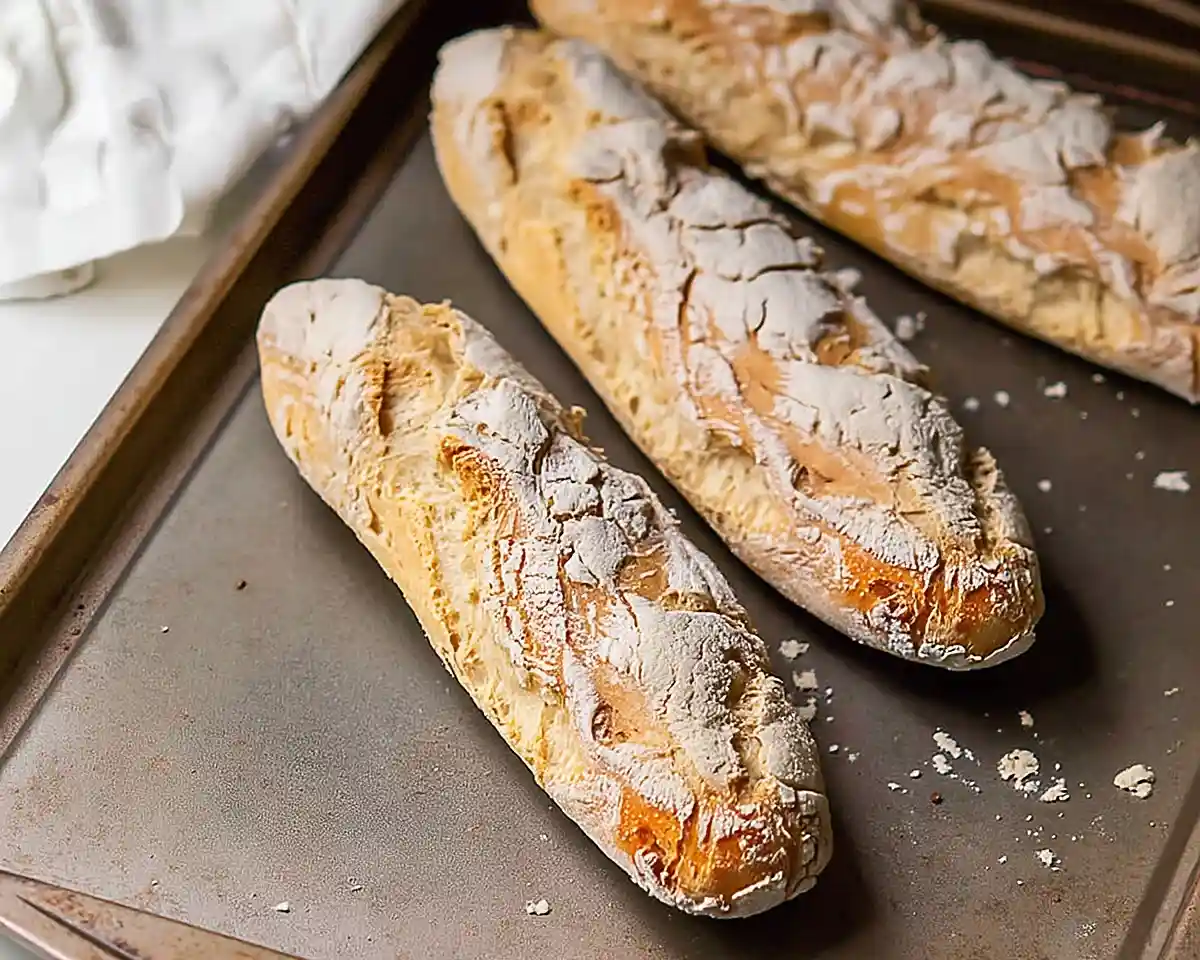
Gluten-Free French Baguette
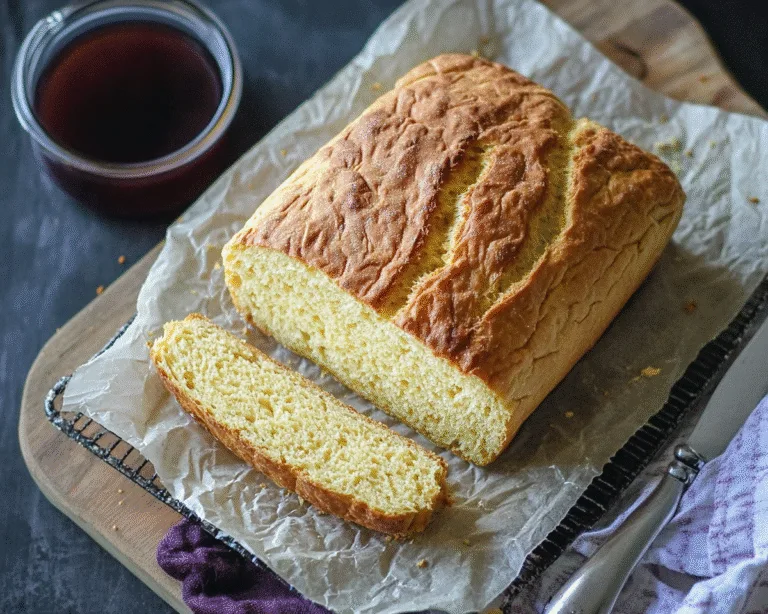
Master this easy gluten-free French baguette recipe with just 3 core ingredients. Crispy crust, soft interior, bakery-quality results at home!
You know what I thought was impossible when I first went gluten-free? A real, honest-to-goodness French baguette with that crackly golden crust and cloud-soft interior. I’d resigned myself to dense, hockey-puck bread forever.
But then I discovered this ridiculously simple gluten-free baguette recipe, and everything changed. With just three main ingredients and a little patience, you can pull off bakery-worthy loaves that’ll make your family do a double-take. No fancy equipment, no mysterious ingredients you can’t pronounce—just flour, yeast, water, and salt working their magic together.
This gluten-free French baguette recipe has become my secret weapon for holiday dinners, soup nights, and those moments when you just need bread that actually tastes like bread. The best part? Most of the work happens while you sleep, so you wake up to dough that’s ready to become something spectacular.
Table of Contents
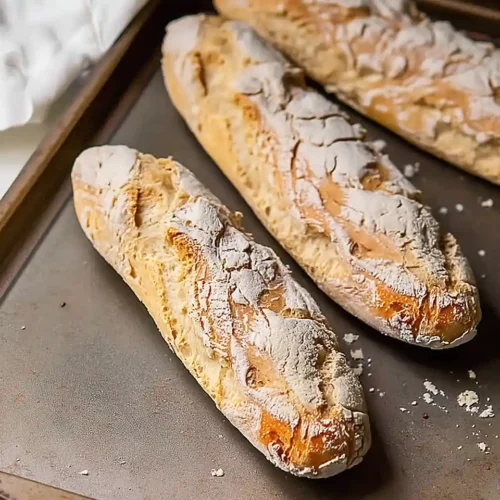
Gluten-Free French Baguette with 3 Ingredients
Equipment
- Large mixing bowl
- Whisk
- Wooden spoon
- Silicon baguette mold
- Baking sheet
- Plastic wrap or kitchen towel
- Sharp paring knife or kitchen scissors
- Oven-safe bowl
- Instant-read thermometer
Ingredients
- 4 cups gluten-free flour Pamela’s All-Purpose Gluten-Free Flour recommended, 500 grams
- 1½ teaspoons active dry yeast
- 2¼ cups lukewarm water
- 1 teaspoon salt
Instructions
- In a large mixing bowl, whisk together your gluten-free flour, active dry yeast, and salt until everything’s evenly distributed. This step is crucial for your gluten-free bread baguette because it ensures the yeast gets spread throughout the dough. Don’t skip the whisking—those few extra seconds make a real difference in how evenly your baguette rises.
- Pour in the lukewarm water about ¼ to ½ cup at a time, stirring thoroughly with a wooden spoon between each addition. This slow incorporation helps you gauge the dough’s texture as you go. You’re aiming for a thick, sticky consistency that holds together but isn’t soup—think thick brownie batter rather than traditional bread dough.
- Cover your bowl tightly with plastic wrap or a damp kitchen towel and set it somewhere warmish for 8-20 hours. I typically start mine before bed and let it rise overnight on the counter or near a sunny window in summer. The dough will double in size and develop those lovely fermented flavors that make this organic French baguette recipe taste bakery-authentic.
- Flour your hands generously—and I mean generously—because this gluten-free baguette recipe creates sticky dough. Keep extra flour within arm’s reach to recoat your hands whenever needed. Divide the risen dough into three equal portions and gently shape each into a baguette form in your floured silicon baking mold, then place the mold on a sturdy baking sheet.
- Drape a clean kitchen towel over your shaped loaves and let them puff up for 1½ to 2 hours in a warm spot. They should look noticeably fuller and feel lighter when you gently touch them. This second rise develops that airy interior texture that makes these gluten-free French baguettes so satisfying.
- Preheat your oven to 450°F while the baguettes finish rising. Using sharp kitchen scissors or a paring knife, make diagonal slashes across the top of each loaf—this classic scoring lets steam escape and creates those gorgeous crusty ridges. The cuts should be about ¼ inch deep and angled.
- Place an oven-safe bowl filled with 2 cups of boiling water on the lower oven rack—this creates the steamy environment that gives baguettes their signature crispy crust. Set your baguette tray on the upper rack and bake for 10 minutes. Remove the water bath, then continue baking for 30-40 minutes until the crust turns deep golden brown and sounds hollow when tapped; the internal temperature should read 205-210°F for perfectly baked gluten-free bread baguette.
Notes
Ingredients
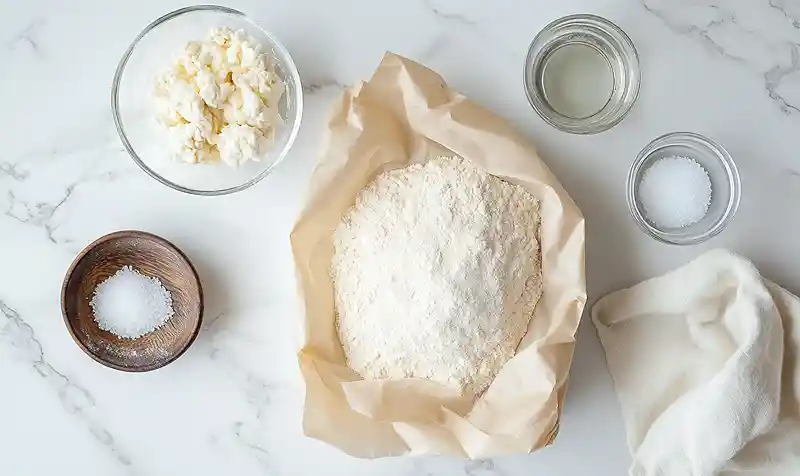
| Ingredient | Amount | Notes |
|---|---|---|
| Gluten-free flour | 4 cups (500g) | Pamela’s All-Purpose recommended |
| Active dry yeast | 1½ teaspoons | Fresh yeast works best |
| Lukewarm water | 2¼ cups | Around 100-110°F |
| Salt | 1 teaspoon | Enhances flavor |
Instructions
Step 1: Combine Dry Ingredients In a large mixing bowl, whisk together your gluten-free flour, active dry yeast, and salt until everything’s evenly distributed. This step is crucial for your gluten-free bread baguette because it ensures the yeast gets spread throughout the dough.
Don’t skip the whisking—those few extra seconds make a real difference in how evenly your baguette rises.
Step 2: Add Water Gradually Pour in the lukewarm water about ¼ to ½ cup at a time, stirring thoroughly with a wooden spoon between each addition. This slow incorporation helps you gauge the dough’s texture as you go. You’re aiming for a thick, sticky consistency that holds together but isn’t soup—think thick brownie batter rather than traditional bread dough.
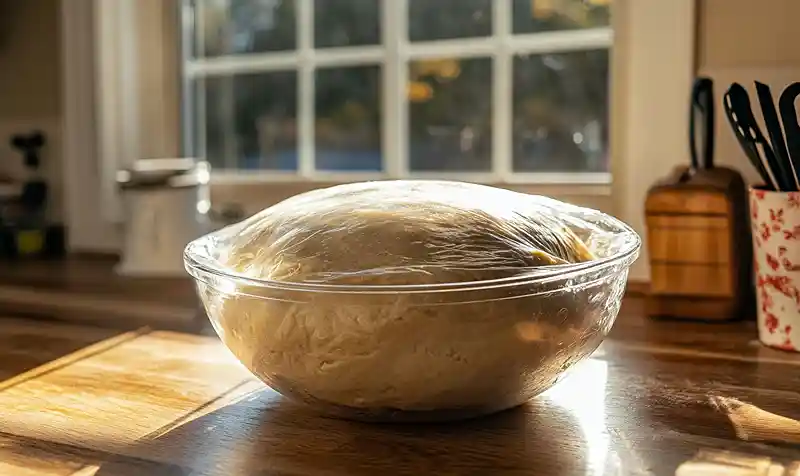
Step 3: First Rise (The Patient Part) Cover your bowl tightly with plastic wrap or a damp kitchen towel and set it somewhere warmish for 8-20 hours. I typically start mine before bed and let it rise overnight on the counter or near a sunny window in summer.
The dough will double in size and develop those lovely fermented flavors that make this organic French baguette recipe taste bakery-authentic.
Step 4: Shape Your Baguettes Flour your hands generously—and I mean generously—because this gluten-free baguette recipe creates sticky dough. Keep extra flour within arm’s reach to recoat your hands whenever needed.
Divide the risen dough into three equal portions and gently shape each into a baguette form in your floured silicon baking mold, then place the mold on a sturdy baking sheet.
Step 5: Second Rise Drape a clean kitchen towel over your shaped loaves and let them puff up for 1½ to 2 hours in a warm spot. They should look noticeably fuller and feel lighter when you gently touch them. This second rise develops that airy interior texture that makes these gluten-free French baguettes so satisfying.
Step 6: Score and Prepare to Bake Preheat your oven to 450°F while the baguettes finish rising. Using sharp kitchen scissors or a paring knife, make diagonal slashes across the top of each loaf—this classic scoring lets steam escape and creates those gorgeous crusty ridges. The cuts should be about ¼ inch deep and angled.
Step 7: Bake with Steam Place an oven-safe bowl filled with 2 cups of boiling water on the lower oven rack—this creates the steamy environment that gives baguettes their signature crispy crust. Set your baguette tray on the upper rack and bake for 10 minutes.
Remove the water bath, then continue baking for 30-40 minutes until the crust turns deep golden brown and sounds hollow when tapped; the internal temperature should read 205-210°F for perfectly baked gluten-free bread baguette.
Substitutions
Flour Options If you don’t have Pamela’s blend on hand, look for a gluten-free all-purpose flour that contains xanthan gum or guar gum—these binders help mimic gluten’s structure. Bob’s Red Mill 1-to-1 and King Arthur Measure for Measure work beautifully in this gluten-free baguette recipe. Just make sure whatever blend you choose includes a binder, or your loaves won’t hold together properly.
Yeast Alternatives Active dry yeast is my go-to, but instant yeast works equally well—just mix it directly with the dry ingredients without proofing. You can also use fresh yeast if that’s what you have; use about 1 tablespoon (roughly three times the amount of dried yeast). The rising times might vary slightly, so watch your dough rather than the clock.
Dairy-Free by Default Well… good news! This gluten-free French baguette recipe is naturally dairy-free, so it’s perfect for multiple dietary needs. No substitutions required here—just pure, simple ingredients that happen to work for various food sensitivities.
Troubleshooting
Dough Too Sticky to Handle Don’t panic if your dough feels impossibly sticky during shaping—that’s normal for gluten-free bread baguette dough. Coat your hands with flour every 30 seconds if needed, and work quickly. Some bakers find lightly oiling their hands instead of flouring works better, so experiment to see what feels right for you.
Baguettes Didn’t Rise Much Check your yeast’s expiration date first—old yeast is the usual culprit behind flat loaves. Also ensure your water wasn’t too hot (which kills yeast) or too cold (which keeps it dormant). Your kitchen temperature matters too; if it’s chilly, try rising the dough in a turned-off oven with just the light on for gentle warmth.
Crust Too Pale or Too Dark If your crust isn’t browning enough, try moving the baking rack higher in the oven during the final 10 minutes. Conversely, if the crust darkens too quickly while the inside stays underbaked, tent the loaves loosely with foil and continue baking until that internal thermometer reads 205-210°F. Every oven has its quirks, so adjust accordingly.
Dense, Heavy Texture This usually means the dough didn’t rise long enough during one of the two rising periods. Gluten-free baguette recipes need that full fermentation time to develop air pockets. Be patient and give the dough the full suggested time, even if it looks ready earlier—those extra hours create magic.
Storage and Meal Prep
Keeping Baguettes Fresh These gluten-free French baguettes taste absolutely best within 6-8 hours of baking, when the crust is still crackling crispy. Store cooled baguettes in a paper bag at room temperature for up to 2 days—plastic makes the crust soggy. For longer storage, slice and freeze in airtight bags for up to 3 months, then toast slices straight from frozen.
Make-Ahead Strategy You can prep the dough the night before, let it do its long rise, then shape and do the second rise in the morning for fresh-baked bread by lunchtime. Alternatively, shape your baguettes and refrigerate them for up to 8 hours before the second rise—just let them come to room temperature before rising. This flexibility makes the organic French baguette recipe perfect for busy schedules.
Serving Suggestions
These crusty beauties shine alongside a steaming bowl of gluten-free Northern-style Thai coconut soup or any hearty soup situation. Slice them for sandwiches—the sturdy crust and soft crumb hold up beautifully to fillings without falling apart like some gluten-free breads.
Man, oh man, they’re also incredible simply torn and dipped in good olive oil with balsamic vinegar, or toasted with butter for breakfast. Try them with the cottage cheese and spinach crustless quiche for a complete brunch spread. They also freeze well in slices for quick garlic bread on busy weeknights.
Variations
Herbed Baguettes Mix 2 tablespoons of dried herbs—rosemary, thyme, or Italian seasoning—into the dry ingredients before adding water. The herbs infuse throughout the gluten-free baguette recipe during that long first rise, creating aromatic loaves perfect for serving with pasta or salads. Fresh minced garlic (2-3 cloves) added with the herbs takes these over the top.
Seeded Crust Version After scoring your shaped baguettes, brush the tops lightly with water and sprinkle with sesame seeds, poppy seeds, or everything bagel seasoning. The seeds toast during baking and add wonderful texture and nutty flavor to your gluten-free French baguette. This variation is especially popular with kids who love the extra crunch.
Mini Baguettes for Kids Instead of three full-sized loaves, divide the dough into six smaller portions for kid-friendly personal baguettes. Reduce the final baking time to 20-25 minutes since they’re smaller. These adorable mini versions are perfect for school lunches or after-school snacks, and they make eating gluten-free bread baguette more fun for little ones.
Whole Grain Boost Replace up to 1 cup of the all-purpose gluten-free flour with certified gluten-free oat flour for added fiber and a slightly nuttier flavor. You might need an extra tablespoon or two of water since oat flour absorbs more liquid. This creates a heartier gluten-free baguette recipe that’s still wonderfully light.
Gluten-Free French Baguette with 3 Ingredients FAQs
Can I make this gluten-free baguette recipe without a silicon mold?
Absolutely—you can shape the baguettes freeform on a parchment-lined baking sheet, though they’ll spread slightly wider rather than holding the classic narrow shape. Another option is creating a makeshift mold by folding a kitchen towel lengthwise and placing it between the loaves to help them keep their form. The taste and texture will be identical either way.
How do I know when my gluten-free French baguette is fully baked?
The most reliable indicator is internal temperature—aim for 205-210°F on an instant-read thermometer inserted into the center. The crust should be deep golden brown and feel very firm when tapped, and the baguette should sound hollow when you knock on the bottom. If you’re not sure, bake an extra 5 minutes—underbaked gluten-free bread stays gummy inside.
What makes this gluten-free bread baguette different from store-bought versions?
Store-bought options often contain a laundry list of stabilizers, preservatives, and additives to extend shelf life. This organic French baguette recipe uses just four basic ingredients, so you control exactly what goes into your bread. Plus, the texture and flavor from the long fermentation process simply can’t be replicated in commercial production.
Why does the dough need such a long first rise?
That extended fermentation period—8 to 20 hours—allows the yeast to fully activate and develop complex flavors while creating air pockets throughout the dough. Gluten-free baguette recipes especially benefit from this slow rise because it helps the starches break down and the binders fully hydrate. According to research on gluten-free bread fermentation, longer rising times significantly improve texture and volume in gluten-free baked goods.
Best way to reheat leftover baguette slices?
Toast them in a 350°F oven for 5-7 minutes to restore that crispy exterior, or use a toaster for individual slices. Avoid microwaving, which turns the crust rubbery. If the baguette has dried out after a day or two, lightly mist it with water before reheating—the steam helps soften the crumb while the oven recrisps the crust beautifully.
What’s the secret to getting a really crispy crust?
The steam from that water bath during the first 10 minutes of baking is absolutely crucial—it keeps the surface of the gluten-free French baguette moist so it can expand fully before the crust sets. That initial burst of steam creates the thin, crackly crust characteristic of authentic French baguettes. The high oven temperature (450°F) also contributes to that signature crispiness you’re after.
This gluten-free French baguette recipe proves you don’t need a specialty bakery or complicated techniques to enjoy incredible bread at home. With just a handful of basic ingredients and some patience while the dough rises, you’ll have crusty, golden baguettes that rival anything from a traditional French bakery. Whether you’re serving them at Thanksgiving dinner, alongside weeknight soup, or simply enjoying them with butter and jam, these loaves bring real joy back to gluten-free eating.