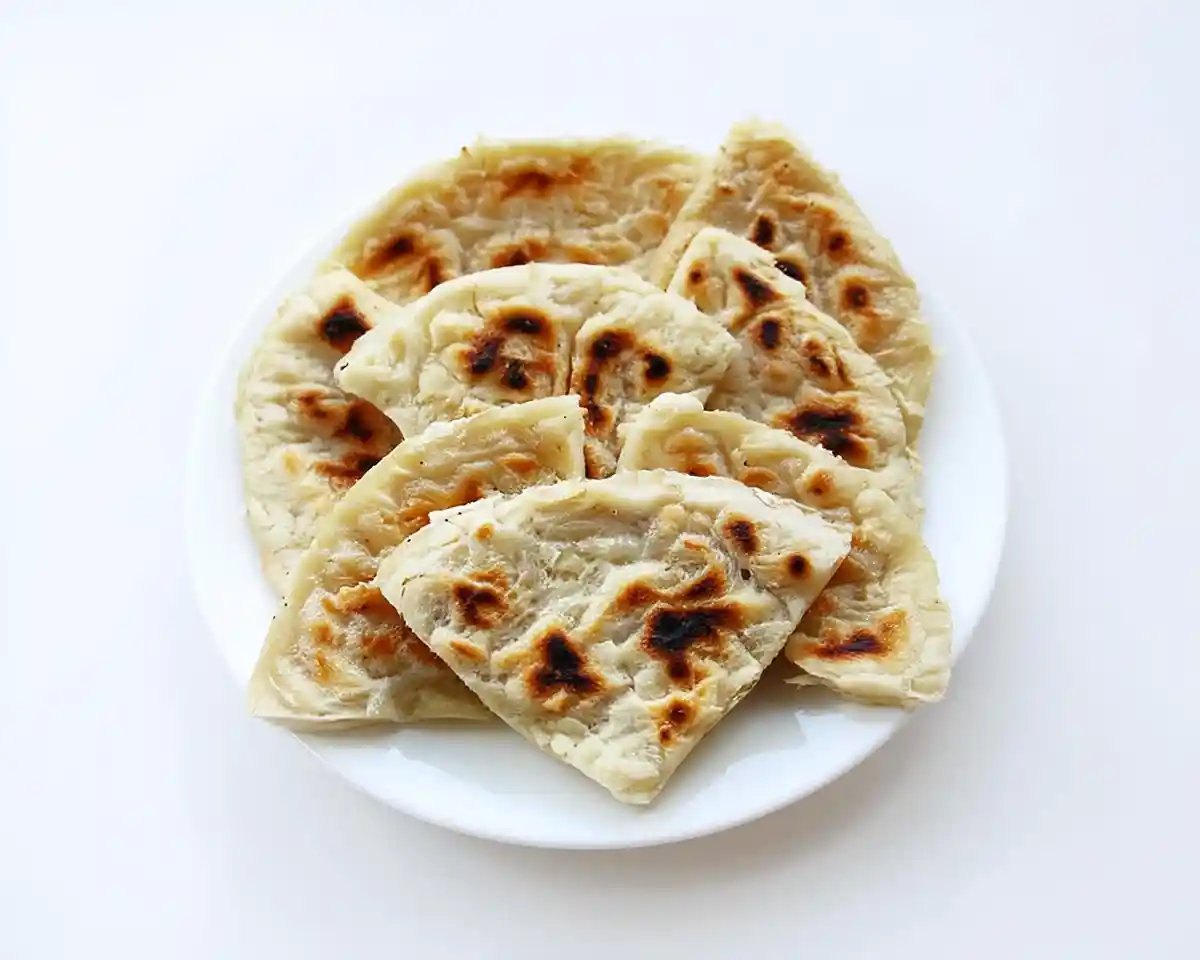
Gluten-Free Irish Potato Bread
Learn how to make authentic gluten-free Irish potato bread with simple ingredients. This easy potato bread recipe delivers crispy farls perfect for breakfast, lunch, or quick gluten-free savoury recipes.
There’s something magical about the smell of potato bread toasting in a warm skillet—it takes me right back to my friend’s kitchen in Dublin, where she’d make these golden triangles for our weekend breakfasts. Irish potato bread is one of those humble recipes that feels fancy but honestly couldn’t be simpler, especially when you’re cooking gluten-free.
You know, the best part about this potato flour recipes version is that you probably have most of these ingredients sitting in your pantry right now. We’re talking mashed potatoes, gluten-free flour, butter, and salt—that’s genuinely it. No weird additives, no complicated techniques, just crispy-on-the-outside, soft-on-the-inside farls that’ll make your whole family wonder why you don’t make them every week.
Whether you’re meal prepping for hectic mornings or looking for an unexpected side dish that’ll impress at dinner, this gluten-free savoury recipes staple delivers every single time.
Table of Contents
Why Gluten-Free Irish Potato Bread Is Your New Go-To
This potato bread recipes option is packed with benefits that busy families actually care about. The natural starch in potatoes creates that tender, pillowy crumb texture that somehow feels indulgent even though it’s basically just whole food ingredients. For anyone looking to expand their gluten-free savoury recipes collection, these farls are endlessly adaptable and make wonderful leftovers.
Well, I should mention that potato-based breads digest more easily than traditional grain-heavy alternatives, making them gentler on sensitive tummies while still keeping everyone satisfied.
Ingredients
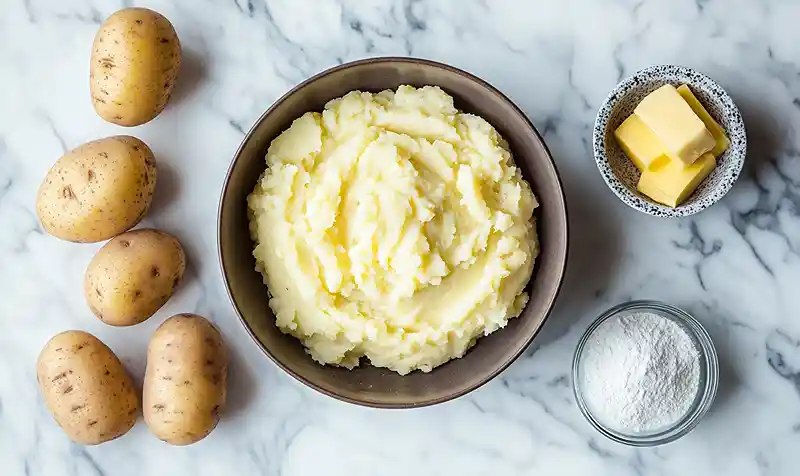
| Ingredient | Amount | Purpose |
|---|---|---|
| Mashed Russet Potatoes | 2 cups | Base for tender, authentic farls |
| Gluten-Free All-Purpose Flour | 1 cup | Structure and texture |
| Vegan Butter (melted) | 2 tbsp | Richness and golden color |
| Sea Salt | 1/2 tsp | Flavor balance |
Note: Use fresh mashed potatoes, canned potatoes, or leftovers from yesterday’s dinner—this recipe works beautifully with any form.
Instructions
Step 1: Prep Your Potatoes
If starting from scratch, peel and boil about 1 pound of russet potatoes until fork-tender, then mash them smoothly. If you’re using canned potatoes or have leftovers on hand, simply measure out 2 cups and you’re ready to go—this is where the “busy family” part of the recipe really shines.
Step 2: Combine Base Ingredients
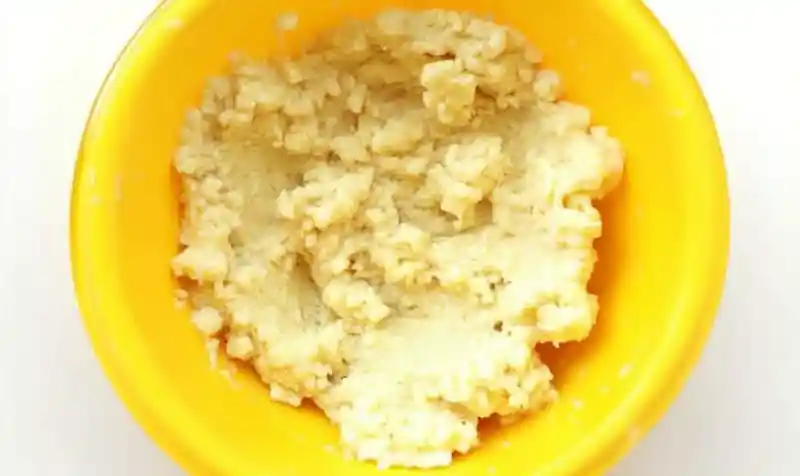
Transfer your mashed potatoes to a large mixing bowl and add the melted vegan butter and salt. Mix everything together with a fork until the butter is evenly distributed and the texture looks creamy and cohesive, kind of like fluffy clouds meeting warm butter.
Step 3: Bring in the Gluten-Free Flour
Sprinkle the gluten-free all-purpose flour over the potato mixture and use your hands to gently work everything together into a soft dough. This step only takes a minute or two—you’re aiming for smooth and combined, not overworked. If you’re adding any extra flavors (fresh herbs, everything bagel seasoning, or sharp cheddar), fold them in here.
Step 4: Roll Out Your Dough
Generously flour a clean work surface and place about 1/4 of your dough on it. Roll the dough to about 1/4 to 1/2 inch thickness with a rolling pin or even the heel of your hand—thickness is really about your preference for chewiness versus crispness.
Step 5: Cut Into Circles
Use a medium-sized round soup bowl as a template and cut out a circle from your rolled dough. Save all those scraps in a pile—you’ll re-roll them for more portions, so there’s zero waste here. Keep rolling and cutting until you’ve used most of your dough.
Step 6: Create Your Farls
Take each circle and use a sharp knife to cut it into 4 equal triangles (these are called farls, and they’re the traditional Irish potato bread shape). Repeat this process with your remaining dough portions, creating between 12 and 20 farls depending on your circle sizes.
Step 7: Heat Your Pan
Grease a large skillet or griddle generously with butter or vegan butter and heat it over medium-high heat until a tiny piece of dough sizzles immediately when it hits the pan. This temperature indicator is key—you want that golden-brown color, not pale and steamed.
Step 8: Cook Your Farls
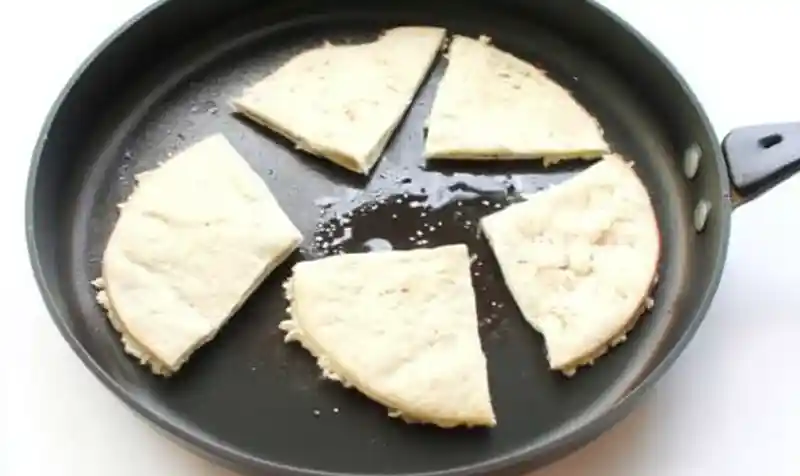
Working in batches so you don’t crowd the pan, carefully place your potato farls flat on the hot griddle. Cook each side for 4 to 5 minutes until they’re gorgeously golden brown and you can see little crispy edges forming—this is the textural magic that makes them special.
Step 9: Serve or Cool
Transfer your finished farls to a warm plate and serve immediately with your favorite toppings, or let them cool completely on a wire rack for storage. They’re absolutely perfect right off the griddle, but they’re equally delicious served warm later in the day.
Substitutions & Add-Ins
Using Different Potato Varieties
Sweet potatoes, fingerlings, or Yukon golds all work beautifully in this potato bread recipes base, though they’ll each bring slightly different textures. Sweet potatoes add gentle sweetness and a more cake-like crumb, while Yukon golds create extra richness and a silkier mouthfeel.
Butter Alternatives
While vegan butter delivers fantastic flavor, you can swap in regular butter, ghee, or even a quality olive oil at a 1:1 ratio for this potato flour recipes variation. Keep in mind that olive oil creates a more savory, Mediterranean angle to your farls.
Flavor Boosting Options
Fresh chives, dill, or parsley stirred in during the dough-making step add beautiful herbaceous notes that pair wonderfully at dinner. For something bolder, try crispy bacon bits, sharp cheddar, or everything bagel seasoning mixed right into the dough.
Dairy-Free & Vegan Friendly
This recipe is naturally dairy-free when using vegan butter, making it accessible for various dietary needs without any special adjustments needed.
Looking for other quick bread options? Check out our expert guide to gluten-free savoury breads for more recipes that work beautifully as sides or meals. If you’re exploring potato flour recipes further, our detailed potato-based recipe collection offers dozens of creative ways to use this humble ingredient.
Troubleshooting Tips
Farls Are Too Sticky to Handle
Your dough likely has a bit too much moisture from the potatoes. Dust generously with extra gluten-free flour and let the dough rest on the floured surface for 5 minutes—this helps the flour absorb moisture and firms things up considerably.
Farls Are Cooking Too Fast on the Outside
Lower your heat to medium instead of medium-high, and resist the urge to flip constantly. They need those 4–5 minutes undisturbed on each side to cook through while developing that golden crust.
Potato Dough Feels Too Dry or Crumbly
You might’ve used lighter, fluffier mashed potatoes than expected. Add a tablespoon of melted butter or milk (dairy or non-dairy) and gently knead it in until the dough comes together smoothly without tearing.
Farls Aren’t Crispy Enough
Make sure your pan is genuinely hot before adding the farls, and don’t skip the generous greasing step. A hotter pan and proper fat are what create that irresistible crispy exterior while keeping the inside tender.
Storage & Meal Prep
Storing Your Finished Farls
Keep cooled potato bread in an airtight container at room temperature for up to 2 days, or refrigerate for up to 5 days. You can also freeze finished farls in a freezer-safe container for up to 3 months, then reheat in a warm skillet for 2–3 minutes per side to restore crispness.
Make-Ahead Dough Strategy
Prepare the dough (through step 3) up to a day ahead and store it covered in the fridge. Let it come to room temperature for 15 minutes before rolling and cooking—this small step prevents the dough from being stiff and difficult to work with.
Serving Suggestions & Pairings
Irish potato bread is absolutely perfect alongside a full Irish breakfast with eggs, bacon, and sautéed mushrooms. These gluten-free savoury recipes work equally well as a side for dinner alongside stews, roasted vegetables, or grilled proteins.
Man, oh man, don’t sleep on toasting leftover farls and serving them with whipped cream and jam for an unexpected afternoon treat—it’s comfort food in the best possible way.
Variations & Dietary Adjustments
Kid-Friendly Cheesy Version
Mix 1/2 cup of finely shredded mild cheddar into your dough during the mixing step for a version that kids genuinely ask for. The cheese melts slightly during cooking, creating little pockets of savory deliciousness throughout.
Everything Bagel Style
Stir 2 tablespoons of everything bagel seasoning (onion, garlic, poppy seeds, sesame) right into your dough for a sophisticated flavor profile that pairs beautifully with scrambled eggs or avocado toast.
Herb-Loaded Mediterranean Option
Fold in 3 tablespoons of fresh herbs (dill, chives, parsley, or Italian seasoning), 2 minced garlic cloves, and a squeeze of lemon juice for a bright, herbaceous potato bread variation that’s perfect for lunch platters.
Sweet Potato Version
Replace half the russet potatoes with mashed sweet potato for a naturally sweeter bread with gorgeous golden color. The natural sugars caramelize slightly on the griddle, creating extra-special crispy edges.
FAQs About Irish Potato Bread
What is Irish potato bread?
Irish potato bread is a traditional savory flatbread made from mashed potatoes, flour, butter, and salt. It’s typically cooked on a griddle or pan until golden and crispy, then cut into triangular pieces called farls. This gluten-free savoury recipes version maintains all that authentic flavor and texture using gluten-free flour.
Is Irish potato bread healthy?
Yes, when made with quality ingredients, potato bread offers natural carbohydrates and potassium from the potatoes. The gluten-free version is gentle on sensitive digestions while still providing satisfying, whole-food nutrition—check out this trusted gluten-free nutrition source for more details on potato benefits.
How do I eat Irish potato bread?
Serve warm from the griddle with butter, jam, or savory toppings. It’s traditionally enjoyed at breakfast alongside eggs and bacon, but these potato flour recipes work beautifully as a side dish with dinner or as a base for open-faced sandwiches.
Is potato bread Scottish or Irish?
While potato bread has roots in Irish cuisine, Scotland also claims a version. The Irish version (like this recipe) is typically cooked on a griddle with a simple ingredient list, while Scottish versions sometimes include more flour or additional binders.
What makes this potato bread recipe special?
This gluten-free version maintains the authentic texture and simplicity of traditional Irish potato bread while being accessible for those avoiding gluten. The combination of tender potato base and crispy griddle edges creates that beloved contrast that keeps people coming back for more.
Can I make these ahead for a dinner party?
Absolutely! Prepare the dough the morning of your gathering and keep it covered in the fridge. Cook the farls about 20 minutes before serving so they’re warm and crispy—they’ll stay delicious for a couple hours at room temperature if needed.
Final Thoughts
Irish potato bread has been feeding families for generations, and there’s genuinely no reason you shouldn’t add it to your regular rotation. This gluten-free savoury recipes staple is budget-friendly, foolproof, and delivers restaurant-quality results in your own kitchen. Whether you’re making them for a cozy family breakfast or impressing guests at dinner, these golden farls prove that the simplest recipes are often the most beloved.
Give them a try this week and see why this potato bread recipes classic has stood the test of time. Your family will thank you—I promise.
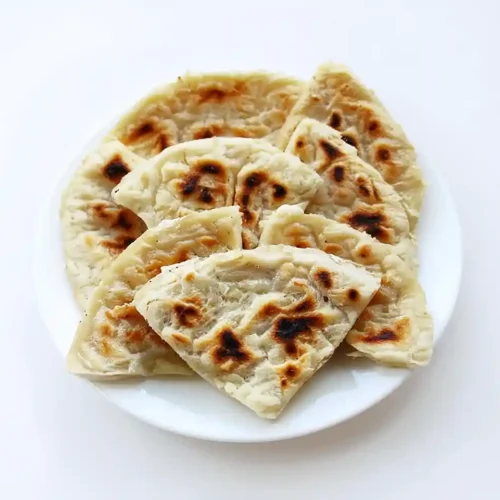
Easy Gluten-Free Irish Potato Bread
Equipment
- Large mixing bowl
- Fork
- Rolling Pin
- Soup Bowl or Round Cutter
- Sharp knife
- Griddle or Large Skillet
- Wire rack
- Spatula
Ingredients
- 2 cups Mashed Russet Potatoes fresh, canned, or leftover
- 1 cup Gluten-Free All-Purpose Flour
- 2 tbsp Vegan Butter melted (or regular butter)
- ½ tsp Sea Salt
Instructions
- If starting from scratch, peel and boil about 1 pound of russet potatoes until fork-tender, then mash them smoothly. If you’re using canned potatoes or have leftovers on hand, simply measure out 2 cups and you’re ready to go—this is where the “busy family” part of the recipe really shines.
- Transfer your mashed potatoes to a large mixing bowl and add the melted vegan butter and salt. Mix everything together with a fork until the butter is evenly distributed and the texture looks creamy and cohesive, kind of like fluffy clouds meeting warm butter.
- Sprinkle the gluten-free all-purpose flour over the potato mixture and use your hands to gently work everything together into a soft dough. This step only takes a minute or two—you’re aiming for smooth and combined, not overworked. If you’re adding any extra flavors (fresh herbs, everything bagel seasoning, or sharp cheddar), fold them in here.
- Generously flour a clean work surface and place about 1/4 of your dough on it. Roll the dough to about 1/4 to 1/2 inch thickness with a rolling pin or even the heel of your hand—thickness is really about your preference for chewiness versus crispness.
- Use a medium-sized round soup bowl as a template and cut out a circle from your rolled dough. Save all those scraps in a pile—you’ll re-roll them for more portions, so there’s zero waste here. Keep rolling and cutting until you’ve used most of your dough.
- Take each circle and use a sharp knife to cut it into 4 equal triangles (these are called farls, and they’re the traditional Irish potato bread shape). Repeat this process with your remaining dough portions, creating between 12 and 20 farls depending on your circle sizes.
- Grease a large skillet or griddle generously with butter or vegan butter and heat it over medium-high heat until a tiny piece of dough sizzles immediately when it hits the pan. This temperature indicator is key—you want that golden-brown color, not pale and steamed.
- Working in batches so you don’t crowd the pan, carefully place your potato farls flat on the hot griddle. Cook each side for 4 to 5 minutes until they’re gorgeously golden brown and you can see little crispy edges forming—this is the textural magic that makes them special.
- Transfer your finished farls to a warm plate and serve immediately with your favorite toppings, or let them cool completely on a wire rack for storage. They’re absolutely perfect right off the griddle, but they’re equally delicious served warm later in the day.