
Gluten-Free Irish Soda Bread
Master traditional gluten-free Irish soda bread in 60 minutes! Soft, tender crumb with hints of sweetness. Perfect for busy families celebrating St. Patrick’s Day.
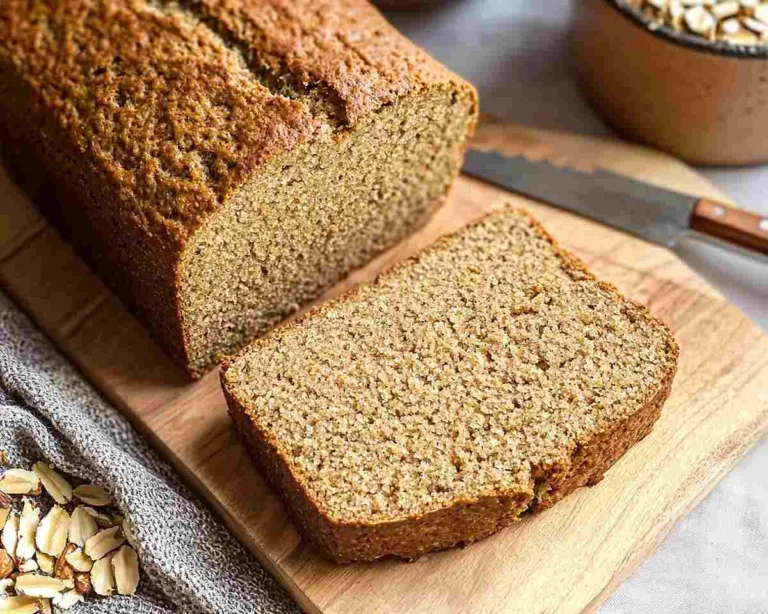
There’s something deeply comforting about homemade bread that fills your kitchen with warmth and invitation—especially when that bread connects you to cherished family traditions. A few years ago, my neighbor brought over her grandmother’s Irish soda bread recipe on St. Patrick’s Day, and I was absolutely enchanted. The soft, tender crumb.
Then came the challenge: making it gluten-free Irish soda bread that honors that tradition without complicated techniques or specialty items. Turns out, you absolutely can—and it’s easier than you might think. This gluten-free soda bread delivers that authentic Irish bakery experience, whether you’re celebrating St. Paddy’s or simply craving something nourishing and real.
The best part? You’ll have it cooling on your rack in under an hour, and nobody will guess it’s gluten-free. Let’s get started.
Table of Contents
Ingredients For Gluten-Free Irish Soda Bread
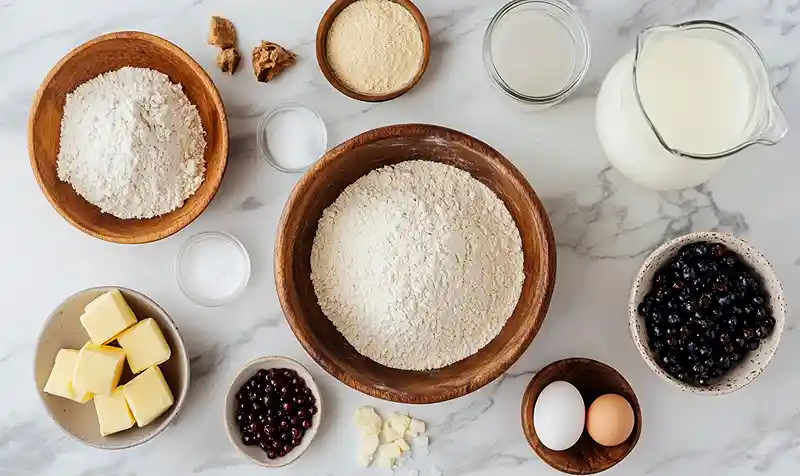
| Ingredient | Amount |
|---|---|
| All-purpose gluten-free flour blend | 3 cups (375g) |
| Xanthan gum | 1 teaspoon |
| Sugar | ¼ cup |
| Baking soda | 1 teaspoon |
| Baking powder | 1 tablespoon |
| Salt | ½ teaspoon |
| Cold unsalted butter | ½ cup (1 stick / 8 tablespoons) |
| Currants or raisins | ⅔ cup |
| Buttermilk | 1 cup |
| Egg (room temperature) | 1 large |
| Melted butter (for brushing) | 1 tablespoon |
| Buttermilk (for brushing) | 1 tablespoon |
Instructions For Gluten-Free Irish Soda Bread
Step 1: Prepare Your Workspace & Preheat
Preheat your oven to 375°F (190°C) and line a cookie sheet with parchment paper or a silicone baking mat. This prevents sticking and makes cleanup effortless, so you can enjoy your freshly baked bread without scrubbing later.
Step 2: Combine Dry Ingredients
In a large bowl, whisk together the gluten-free flour blend, xanthan gum (if your blend doesn’t already contain it), sugar, baking soda, baking powder, and salt. Whisking instead of stirring helps distribute the leavening agents evenly throughout—this is your secret to a tender, well-risen loaf.
Step 3: Cut in the Butter
Using a pastry cutter or two knives, work the cold butter into the flour mixture until it resembles pea-sized crumbs. The cold butter creates tiny pockets of steam during baking, which gives your traditional Irish soda bread that characteristic tender structure you’re after.
Step 4: Add the Sweet Currants
Stir in the currants or raisins gently, distributing them throughout the dry mixture. These jewel-like pieces add bursts of natural sweetness and chewy texture—they’re what make this bread feel like a special treat rather than everyday fare.
Step 5: Create the Wet Base
In a small bowl, whisk together the buttermilk and egg until well combined. Pour this mixture into your flour-butter combination, then grab a spatula and start stirring gently. The dough will be quite sticky—that’s perfectly normal and exactly what you want.
Step 6: Form Your Dough Ball
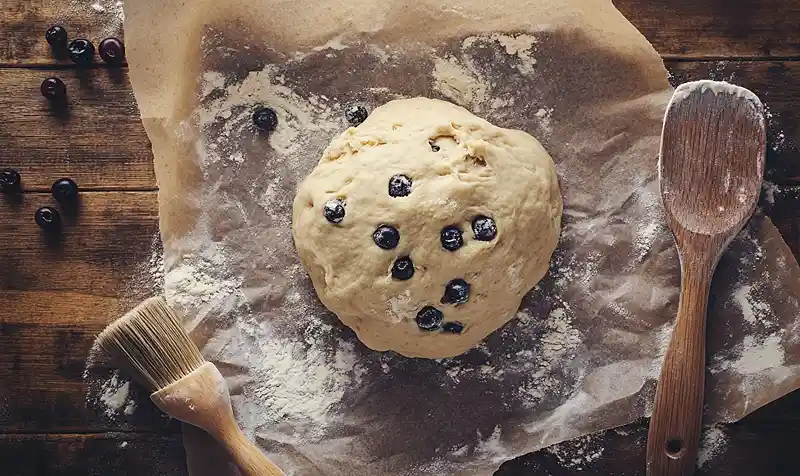
Switch from the spatula to using your hands and knead the mixture just until it comes together into a cohesive, sticky dough. You’re not looking for a smooth, elastic dough like regular bread—you want something that holds together but still feels moist and a bit tacky. Form it into a ball and place it on your prepared baking sheet.
Step 7: Brush & Score
Combine the melted butter and buttermilk in a small bowl, then use a pastry brush to coat the entire loaf. Using a sharp knife, cut a deep X shape across the top—this creates steam vents and gives you that iconic Irish soda bread look. Man, oh man, that X is the signature that tells everyone what you’ve made!
Step 8: Bake Until Golden
Slide your loaf into the preheated oven and bake for 50–55 minutes, until the top is golden brown and the slit shows no wet batter when you peek inside. The kitchen will smell absolutely incredible—like a cozy Irish cottage on a rainy afternoon.
Step 9: Cool with Patience
Let your bread cool on the baking pan for 10 minutes, then transfer it to a cooling rack to cool completely before slicing. You know the temptation to slice warm bread? Resist it—this loaf cuts cleanly and tastes even better once it’s fully cooled and the crumb has set.
Substitutions for Your Gluten-Free Soda Bread
Flour Blend Options
Your gluten-free flour blend is crucial here, so choose a quality all-purpose mix with xanthan gum already included if possible. If your blend lacks xanthan gum, the 1 teaspoon I’ve listed becomes essential for structure. Bob’s Red Mill and King Arthur baking blends work beautifully and deliver consistent results.
Buttermilk Alternatives
Don’t have buttermilk on hand? You can make a quick substitute by adding 1 tablespoon of lemon juice or white vinegar to regular milk and letting it sit for 5 minutes before using. This creates the same acidic environment that reacts with the baking soda, giving your gluten-free Irish soda bread that authentic tang and tender crumb.
Dried Fruit Swaps
Currants are traditional, but raisins, chopped dried cranberries, or even diced dried apricots bring their own personality to this loaf. Feel free to experiment with your favorite dried fruits—the texture stays the same, but the flavor profile shifts beautifully with your choice.
Butter Replacement
If you prefer dairy-free, use coconut oil or vegan butter in equal amounts. The loaf will bake slightly differently, but the structure holds beautifully. Keep an eye on it during baking, as it may need an extra minute or two.
Troubleshooting Tips for Perfect Results
Loaf Turns Out Dense or Heavy
This usually happens when the dough has been overmixed or when there’s too much flour in your blend. Soda bread relies on gentle handling and proper leavening ratios—think of it like a quick bread, not a traditional yeast loaf. Mix just until combined, and don’t compress the dough when forming it into a ball.
Bread Doesn’t Rise Enough
Make sure your baking soda and baking powder are fresh (they lose potency after about 6 months). Also, don’t skip the xanthan gum if your flour blend doesn’t contain it—this binder is what helps your gluten-free soda bread achieve that light, tender crumb structure that makes it special.
Top Cracks or Splits Unevenly
Well… that X you cut should direct the steam and prevent wild cracking. If your loaf is splitting outside the scored area, your oven might be running too hot. Try lowering the temperature by 25°F and extending the baking time by 5–10 minutes, then check for doneness using the skewer test.
Crust Is Too Hard or Too Soft
A softer crust means brushing with that butter-buttermilk mixture, which seals the surface. For a crispier crust, brush with just water instead. Store your loaf uncovered for a crunchier texture, or wrap it loosely in cloth if you prefer it softer the next day.
Storage & Make-Ahead Strategies
Short-Term Storage
Let your bread cool completely, then store it in an airtight container at room temperature for up to 3 days. Wrapped well, it stays fresh and doesn’t dry out, making it perfect for packing in lunch boxes or enjoying with breakfast throughout the week.
Freezing for Longer Keep
Cool your loaf completely, slice it if you prefer, wrap individual pieces or the whole loaf tightly in plastic wrap, then place in a freezer bag. It keeps beautifully for up to 3 months. Thaw at room temperature for about 2 hours, or pop slices into the toaster for a quick warm-up.
Make-Ahead Tip
You can prep your dry ingredients the night before and store them in an airtight container. In the morning, just add the buttermilk-egg mixture, form your dough, and bake. This makes homemade gluten-free bread feel almost effortless on busy mornings.
Serving Suggestions & Perfect Pairings
This traditional Irish soda bread shines alongside a steaming cup of tea or coffee, especially during those quiet morning moments. Slice it warm and serve with creamy butter, jam, or honeycomb for a traditional Irish breakfast experience that feels like a hug in carb form.
For St. Patrick’s Day celebrations, arrange thick slices on a bread board alongside Irish cheese, cured meats, and fresh fruit. It’s hearty enough to satisfy alongside a bowl of creamy potato soup or colcannon, yet delicate enough to feel elegant on a brunch table.
Looking for more seasonal baking inspiration? Explore our collection of easy gluten-free breakfast breads that transform your morning routine, or check out our beginner-friendly gluten-free baking techniques for confidence in the kitchen.
Variations & Dietary Adjustments
Brown Soda Bread Version
Replace half the all-purpose gluten-free flour with a quality gluten-free brown flour blend for deeper color and nuttier flavor. The texture shifts slightly toward earthier, but the tender crumb remains. This variation pairs beautifully with hearty soups and stews.
Seed-Studded Loaf
Stir in 2–3 tablespoons of caraway seeds along with the currants for that traditional Irish bakery flavor. Caraway adds a subtle anise note that’s distinctly authentic—if you’ve ever enjoyed real Irish soda bread from Dublin, you’ll recognize that flavor immediately.
Kid-Friendly Variation
Many children prefer this bread without currants since the dried fruit can feel unexpected. Simply omit them and increase the sugar to ⅓ cup for a slightly sweeter, more universally appealing loaf that kids happily devour alongside cheese or peanut butter.
Dairy-Free Celebration Loaf
Substitute vegan butter for regular butter and use your favorite plant-based milk mixed with 1 tablespoon of vinegar in place of buttermilk. The resulting gluten-free soda bread is completely plant-based while maintaining that authentic tender crumb everyone loves.
FAQs About Your Gluten-Free Irish Soda Bread
Can soda bread be made gluten free?
Absolutely—it’s one of the easiest traditional breads to convert to gluten-free Irish soda bread. Since soda bread relies on baking soda and baking powder rather than yeast, the magic happens quickly, and a good gluten-free flour blend handles the job beautifully.
Does baking soda work with gluten free flour?
Yes, completely. Baking soda needs an acidic ingredient (like buttermilk) to activate, not gluten. In fact, your gluten-free soda bread often rises more reliably than traditional versions because the baking soda works efficiently without gluten’s interference.
What is the best binder for gluten free bread?
Xanthan gum is your best friend here, as it mimics gluten’s binding properties. For gluten-free bread, it holds moisture, prevents crumbling, and helps achieve that tender crumb structure. Most quality flour blends include it, but double-check your package.
What Irish bread is gluten free?
Soda bread is naturally gluten-free when made with the right flour blend—it’s the perfect traditional Irish bread to adapt. Unlike wheaten breads or brown bread made with regular flour, traditional soda bread has no gluten requirement, just the right flour swap.
Why is celiac so common in Ireland?
That’s a complex genetic and historical question beyond our kitchen scope, but what matters here is that you can absolutely enjoy homemade gluten-free soda bread that honors Irish baking traditions while meeting your dietary needs.
What are the 4 ingredients in Irish soda bread?
The classic minimal version uses just four: flour, salt, baking soda, and buttermilk. Our version includes butter and sugar for tenderness and sweetness, plus currants for tradition—but the heart of authentic soda bread remains beautifully simple.
Final Thoughts on Your Gluten-Free Journey
Making gluten-free Irish soda bread at home connects you to generations of Irish bakers while celebrating your own dietary path. There’s something powerful about recreating a beloved tradition in a way that works for your body and your family—it’s nourishment wrapped in cultural connection.
Your first loaf might not be absolute perfection, and that’s completely okay. Baking is as much about showing up and trying as it is about the final result. Each loaf teaches you something—a bit more about your oven, your flour, your instincts in the kitchen. By your third or fourth time, you’ll be making this with the ease and confidence of someone who’s been doing it for years.
So preheat that oven, gather your ingredients, and get ready to fill your home with the aroma of something truly special. St. Patrick’s Day magic awaits—or honestly, any day you decide to bake it. You’ve absolutely got this.

Easy Gluten-Free Irish Soda Bread
Equipment
- Cookie sheet or baking pan
- Parchment paper or silicone baking mat
- Large mixing bowl
- Small bowl
- Whisk
- Pastry cutter or two knives
- Spatula
- Pastry brush
- Sharp knife
- Cooling rack
Ingredients
Dry Ingredients
- 3 cups All-purpose gluten-free flour blend 375g, good quality blend
- 1 teaspoon Xanthan gum see note – skip if blend already contains it
- 0.25 cup Sugar
- 1 teaspoon Baking soda
- 1 tablespoon Baking powder
- 0.5 teaspoon Salt
Wet Ingredients & Mix-Ins
- 0.5 cup Cold unsalted butter 1 stick or 8 tablespoons, cubed
- 0.67 cup Currants or raisins
- 1 cup Buttermilk
- 1 large Egg room temperature
For Brushing
- 1 tablespoon Melted butter
- 1 tablespoon Buttermilk
Instructions
- Preheat your oven to 375°F (190°C) and line a cookie sheet with parchment paper or a silicone baking mat. This prevents sticking and makes cleanup effortless, so you can enjoy your freshly baked bread without scrubbing later.
- In a large bowl, whisk together the gluten-free flour blend, xanthan gum (if your blend doesn’t already contain it), sugar, baking soda, baking powder, and salt. Whisking instead of stirring helps distribute the leavening agents evenly throughout—this is your secret to a tender, well-risen loaf.
- Using a pastry cutter or two knives, work the cold butter into the flour mixture until it resembles pea-sized crumbs. The cold butter creates tiny pockets of steam during baking, which gives your bread that characteristic tender structure.
- Stir in the currants or raisins gently, distributing them throughout the dry mixture. These jewel-like pieces add bursts of natural sweetness and chewy texture—they’re what make this bread feel like a special treat.
- In a small bowl, whisk together the buttermilk and egg until well combined. Pour this mixture into your flour-butter combination, then grab a spatula and start stirring gently. The dough will be quite sticky—that’s perfectly normal and exactly what you want.
- Switch from the spatula to using your hands and knead the mixture just until it comes together into a cohesive, sticky dough. Form it into a ball and place it on your prepared baking sheet.
- Combine the melted butter and buttermilk in a small bowl, then use a pastry brush to coat the entire loaf. Using a sharp knife, cut a deep X shape across the top—this creates steam vents and gives you that iconic Irish soda bread look.
- Slide your loaf into the preheated oven and bake for 50–55 minutes, until the top is golden brown and the slit shows no wet batter when you peek inside. The kitchen will smell absolutely incredible—like a cozy Irish cottage on a rainy afternoon.
- Let your bread cool on the baking pan for 10 minutes, then transfer it to a cooling rack to cool completely before slicing. You know the temptation to slice warm bread? Resist it—this loaf cuts cleanly and tastes even better once fully cooled.