Gluten-Free Italian Easter Bread
Make authentic Gluten-Free Italian Easter Bread with this foolproof recipe. Soft, anise-scented, topped with colorful eggs—perfect for your Easter celebration!
The first time I attempted Italian Easter bread, I was eight months into my gluten-free journey and desperately missing the traditions my nonna passed down. I remember staring at that first loaf—dense as a brick, crumbly edges, nothing like the tender, slightly sweet bread I grew up decorating with dyed eggs. That failure taught me everything about what gluten-free yeasted breads need: the right flour blend, proper hydration, and patience during the rise.
You know what? After years of testing, I finally cracked the code. This gluten-free version delivers that authentic texture and anise-kissed flavor without the wheat.
Ever wondered if you could bring back those Easter traditions without compromising your health? This recipe proves you absolutely can.
Table of Contents
Why You’ll Love This Gluten-Free Italian Easter Bread
- Authentic texture: Soft, tender crumb that doesn’t crumble or turn gummy—exactly what traditional Italian Easter bread should be
- Beginner-friendly: No complicated shaping or advanced techniques required, just mix, rise, and bake
- Naturally dairy-free: Uses vegetable oil instead of butter, making it suitable for multiple dietary restrictions
- Holiday centerpiece: Beautiful enough to anchor your Easter table, delicious enough that everyone asks for seconds
The Secret to Perfect Gluten-Free Italian Easter Bread
Why This Recipe Works:
- Triple rice flour blend: White, brown, and sweet rice flours create a tender structure that mimics wheat gluten’s elasticity without turning gummy
- Xanthan gum backbone: Provides the stretch and rise that gluten-free doughs desperately need, preventing the dreaded hockey puck effect
- Batter consistency: Unlike traditional wheat dough, this gluten-free version stays wet and thick like cake batter, which hydrates the starches properly and creates steam during baking
- Temperature-guided baking: Checking internal temperature (205°F) ensures the center cooks completely without overbaking the edges—a common gluten-free bread tragedy
This recipe solves the biggest gluten-free yeast bread problems: dryness, crumbling, and that weird gummy center that happens when you underbake.
Ingredients
Dry Ingredients
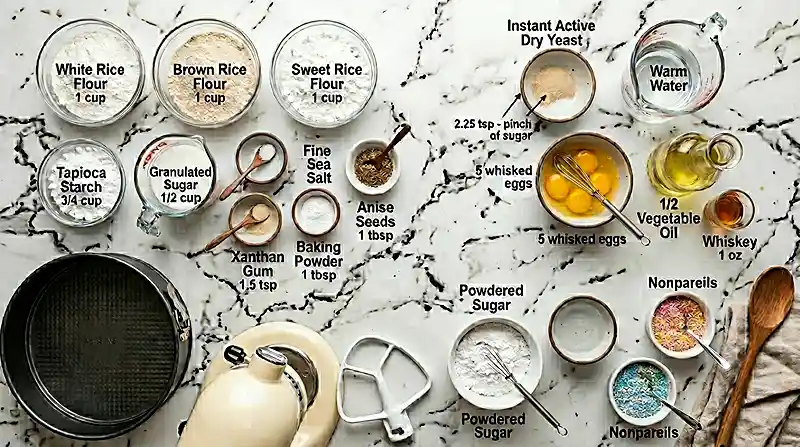
- 1 tablespoon instant or active dry yeast (instant skips the proofing step—see note below)
- 1 cup white rice flour (5 3/4 ounces; 165 grams)
- 1 cup brown rice flour (5 ounces; 145 grams)
- 1 cup sweet rice flour (5 ounces; 145 grams)—also called mochiko or glutinous rice flour
- 3/4 cup tapioca starch (3 1/4 ounces; 90 grams)
- 1/2 cup granulated sugar (3 1/2 ounces; 100 grams)
- 1 tablespoon xanthan gum
- 1 tablespoon anise seeds, optional (traditional flavor—see note)
- 2 teaspoons baking powder
- 1 teaspoon salt
Wet Ingredients
- 1 1/4 cups warm water, plus additional as needed
- 5 large eggs, whisked
- 2 tablespoons vegetable oil
- 2 teaspoons whiskey, optional (enhances anise flavor—see note)
Glaze
- 1/4 cup powdered sugar
- 2 teaspoons water, plus more as needed
- Nonpareils, optional (colorful sprinkles for decoration)
Note on yeast: Instant yeast mixes directly into dry ingredients. If using active dry, dissolve it in the warm water first and wait five minutes until foamy before proceeding.
Note on anise: This gives the bread its traditional licorice-like flavor. Skip it if you’re not a fan, but it’s authentic to Italian Easter bread.
Note on whiskey: Sounds odd, but alcohol amplifies the anise flavor without making the bread boozy—it bakes off completely.
Step-by-Step Instructions
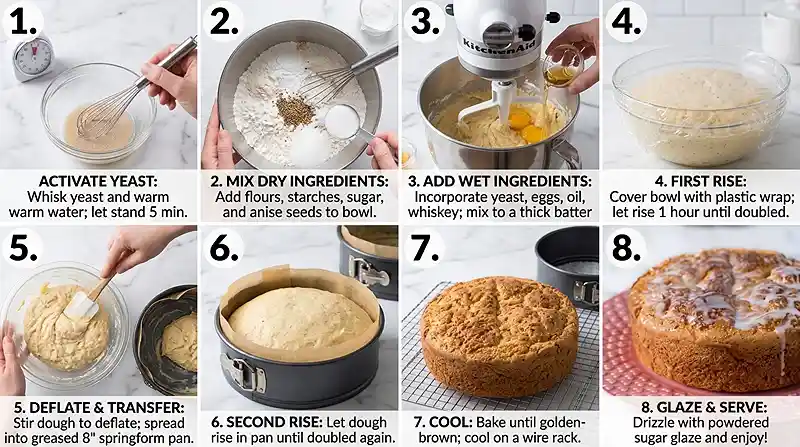
1. Activate the yeast: Whisk together the yeast and warm water in a small bowl. Allow to stand for five minutes until the mixture looks foamy and alive. This step ensures your yeast is active—dead yeast equals flat bread.
2. Combine dry ingredients: Mix rice flours, tapioca starch, sugar, xanthan gum, anise seed, baking powder, and salt in the bowl of a stand mixer. Whisk thoroughly to distribute the xanthan gum evenly—clumps create gummy spots.
3. Form the batter: Fit the mixer with the flat paddle attachment. Add the yeast mixture, eggs, vegetable oil, and whiskey to the dry ingredients. Mix on medium speed until a thick batter forms—it should look like dense cake batter, not a kneadable dough ball. If the mixture looks dry or crumbly, add 1/4 cup more water gradually.
Pro Tip: Gluten-free bread dough is wetter than wheat dough. Fight the urge to add more flour—embrace the batter consistency.
4. First rise: Grease a medium bowl generously. Transfer the batter into the bowl, cover with greased plastic wrap and a dry kitchen towel. Place in a warm spot and allow to rise until doubled in size, about one hour. A warm oven (turned off, with just the light on) works perfectly.
5. Deflate the dough: Stir the risen dough with a spatula to release the air bubbles. This redistributes the yeast for even texture.
6. Prepare the pan: Lightly grease the bottom and sides of an 8-inch springform pan. Place a piece of parchment paper on the bottom—this prevents sticking and makes removal foolproof. Spread the dough evenly into the pan using a greased spatula.
7. Second rise: Cover the pan with greased plastic wrap. Allow the dough to rise until doubled in size, about 45-60 minutes. The dough should dome above the pan rim.
8. Bake to perfection: Preheat oven to 350°F. Remove the plastic wrap and bake until the internal temperature reaches 205°F, about 35-45 minutes. Insert an instant-read thermometer into the center to check—this is non-negotiable for gluten-free breads. If the top browns too quickly before reaching 205°F, tent loosely with foil.
Pro Tip: The bread might look done on the outside before the center finishes. Trust the thermometer, not your eyes.
9. Cool properly: Remove the pan from the oven. Allow the bread to cool in the pan for five minutes, then release the springform and transfer to a wire rack to cool completely. Cutting while warm creates gummy slices.
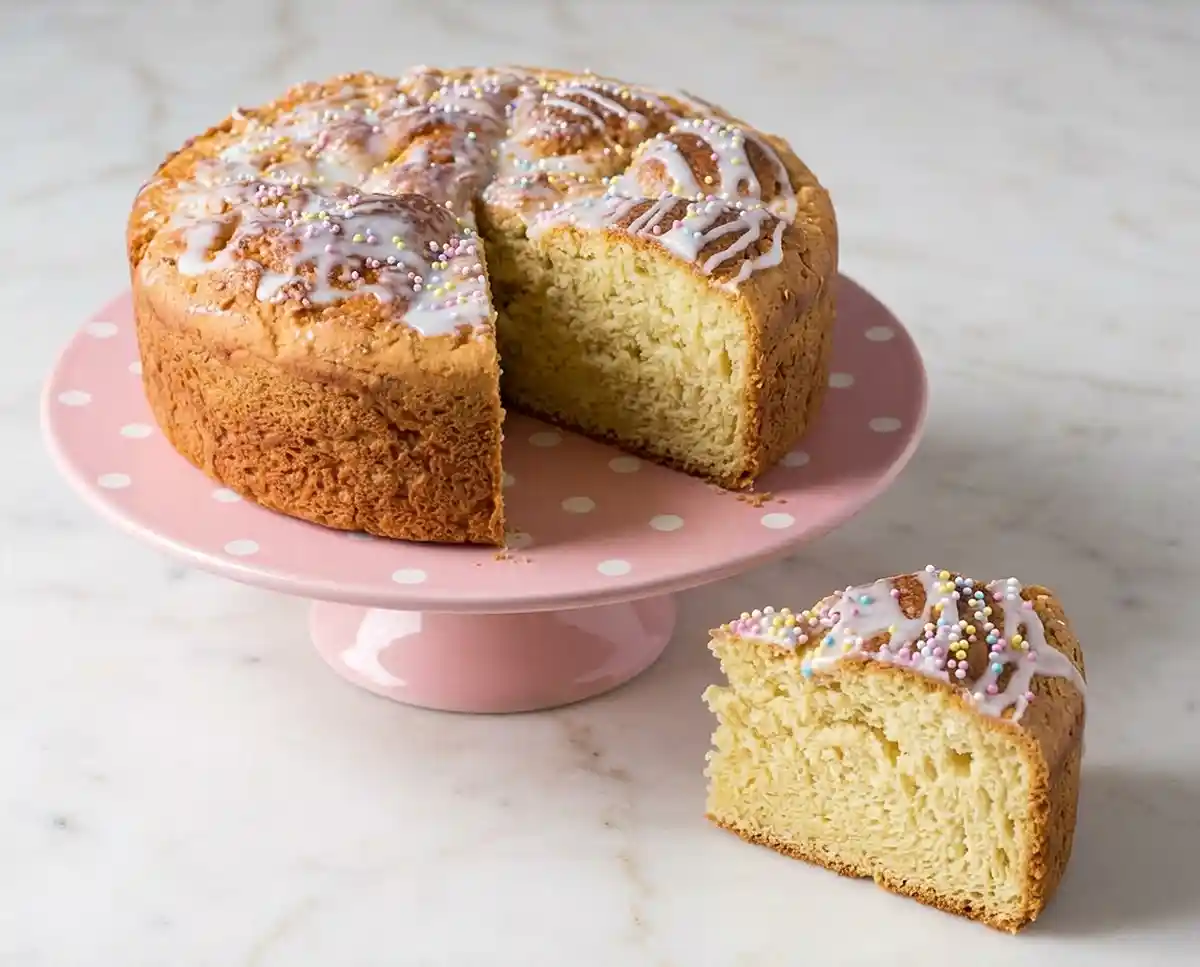
10. Glaze and decorate: Combine powdered sugar and water, stirring until smooth and pourable. If the glaze seems too thick, add water one teaspoon at a time. Drizzle or spread over the cooled bread. Sprinkle with colorful nonpareils if desired. For traditional presentation, nestle dyed hard-boiled eggs into the glaze while it’s still wet.
Make It Your Own
Skip the anise: If licorice flavors aren’t your thing, replace anise seeds with 1 tablespoon orange zest and 1 teaspoon vanilla extract. You’ll get a sweet, citrusy bread that’s equally festive and completely kid-friendly. The orange brightens the flavor without that polarizing anise punch.
Add citrus complexity: Fold in 2 teaspoons lemon zest and 2 teaspoons orange zest along with the wet ingredients. This creates a more complex, aromatic bread that pairs beautifully with brunch spreads. Italian baking often features citrus alongside anise, so you’re staying traditional.
Make it egg-free: This one’s trickier since eggs provide structure in gluten-free baking. Replace the 5 eggs with 5 flax eggs (5 tablespoons ground flaxseed mixed with 15 tablespoons water, left to gel for 10 minutes). The bread will be slightly denser and less golden, but it works for severe egg allergies.
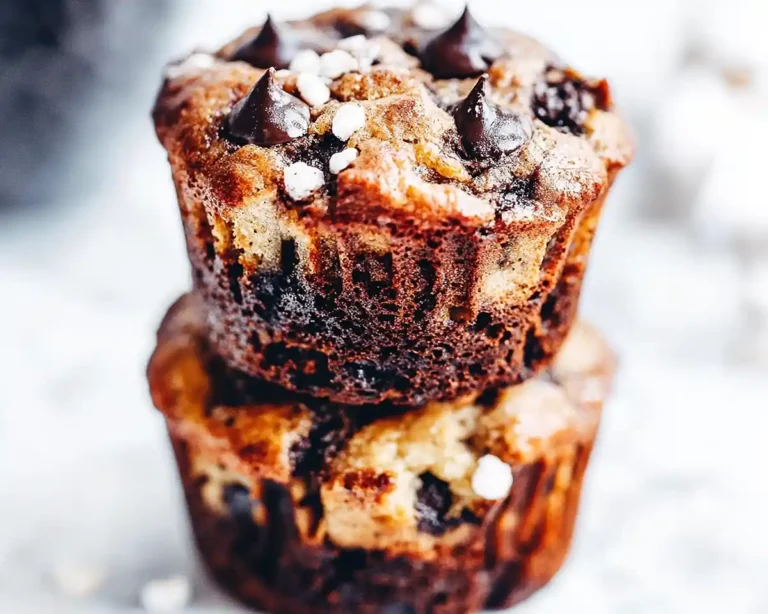
Well, if you want chocolate chips in your Easter bread, I won’t judge—fold in 3/4 cup mini chocolate chips after mixing the batter. My kids request this version every single year, tradition be darned.
Grain-free option: Substitute the rice flours with 3 cups almond flour and reduce the water to 3/4 cup. The texture becomes more cake-like than bread-like, but it’s delicious in its own right. Add an extra egg for structure.
Common Problems & Solutions
Problem: Dense, heavy texture Your bread likely needed more rise time or warmer rising conditions. Gluten-free doughs rise slower than wheat versions—be patient and wait for that full double in size. I learned this the hard way when I rushed a loaf for Easter morning and ended up with something resembling sweetened cardboard.
Problem: Gummy center with dry edges You pulled the bread too early. That 205°F internal temperature is critical—gluten-free starches need full cooking to set properly. Underbaked centers stay gummy no matter how crispy the outside looks.
Problem: Bread collapsed after rising Over-rising causes this collapse. Once the dough doubles, get it in the oven within 10-15 minutes. Gluten-free doughs lack the structure to support extended rises like wheat doughs can.
Problem: Crumbly, falling-apart slices You either used old xanthan gum (yes, it loses potency) or didn’t let the bread cool completely before slicing. Man, oh man, I know it’s tempting to cut into warm bread, but those starches need cooling time to set firmly.
Problem: No rise at all Check your yeast expiration date and water temperature. Water too hot (above 110°F) kills yeast. Too cold (below 100°F) won’t activate it. Aim for comfortably warm to the touch—like bathwater.
Storage & Meal Prep
| Method | Duration | Notes |
|---|---|---|
| Counter | 2-3 days | Store in airtight container, cut side down |
| Refrigerator | 5-7 days | Bring to room temperature before serving |
| Freezer | 2-3 months | Wrap individual slices in plastic wrap, then foil |
Reheating tip: Toast slices in a 300°F oven for 5-7 minutes to revive the texture. Microwaving makes them gummy. For freezer storage, I slice the entire loaf before freezing so I can grab individual pieces for quick breakfasts—no waste, maximum convenience.
Your Questions Answered
Is bread from Italy gluten-free?
No, traditional Italian breads contain wheat flour. However, Italy has excellent gluten-free awareness due to high celiac rates, and many Italian bakeries now offer gluten-free versions of classic breads. This recipe recreates the Easter tradition using safe, gluten-free ingredients.
Are Easter eggs gluten-free?
Yes, plain hard-boiled eggs and commercial dyed Easter eggs are naturally gluten-free. Watch out for decorative candies or chocolate eggs, which may contain gluten in coatings or fillings. Always check labels on processed Easter treats.
What Easter foods are gluten-free?
Naturally gluten-free Easter options include ham, lamb, roasted vegetables, deviled eggs, fruit salads, and potato dishes. Be cautious with gravies, breadings, and pasta salads. For a complete gluten-free Easter spread, pair this bread with gluten-free spinach strawberry salad and finish with gluten-free Easter lamb cake.
What is Italian Easter bread?
Italian Easter bread, called “pane di Pasqua” or “crescia,” is a sweet, enriched bread traditionally flavored with anise and studded with dyed hard-boiled eggs. Families bake it to celebrate Easter and break the Lenten fast. Each region has variations—some braid the dough, others bake round loaves.
What makes Easter bread special?
The eggs baked into the bread symbolize rebirth and new life, central themes of Easter. The sweet, enriched dough represents the end of Lenten fasting and the return to celebration. Sharing this decorated bread with family connects generations through edible tradition.
What is the traditional Easter bread called in Italy?
“Pane di Pasqua” (Easter bread) is the general term, though regional names vary. In some areas, it’s called “crescia,” “pizza di Pasqua,” or “casatiello” depending on ingredients and preparation style. All versions celebrate Easter with sweet, egg-enriched bread.
Serving Suggestions
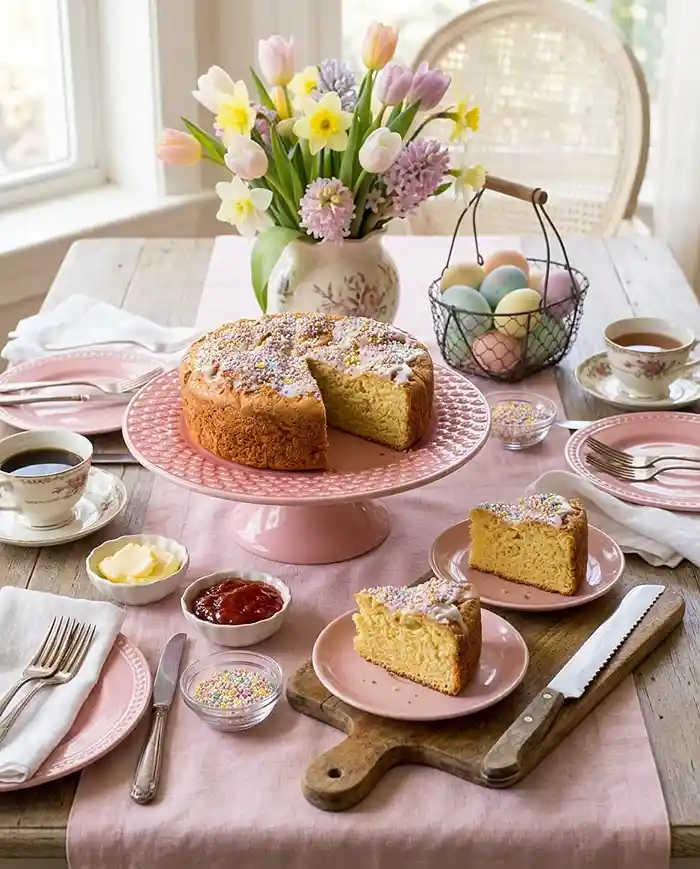
This gluten-free Italian Easter bread shines brightest at Easter brunch alongside scrambled eggs, fresh fruit, and Italian meats like prosciutto. The subtle anise flavor pairs beautifully with coffee or sweet dessert wines. I love serving it on Easter morning with butter and honey, letting everyone tear off warm chunks while we hunt for eggs in the backyard—it’s become our new tradition that doesn’t skip anyone.
For a complete Italian-inspired Easter menu, serve this bread alongside dairy-free pavlova topped with spring berries for a stunning dessert contrast.
Give This Recipe a Try!
I’d love to hear how your gluten-free Italian Easter bread turns out! Did you add the traditional eggs on top? Skip the anise? Sneak in chocolate chips when no one was looking?
Drop a comment below with your results, and don’t forget to rate the recipe. If this brings back a piece of tradition you thought was lost, please share it on Pinterest so other gluten-free families can celebrate too.
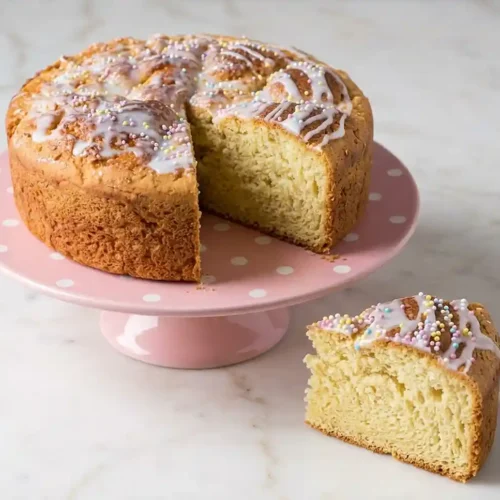
Gluten-Free Italian Easter Bread
Equipment
- Stand mixer
- 8-inch springform pan
- Mixing bowls
- Whisk
- Instant-read thermometer
- Wire rack
- Parchment paper
- Spatula
Ingredients
Dry Ingredients
- 1 tablespoon instant or active dry yeast instant skips the proofing step
- 1 cup white rice flour 5 3/4 ounces; 165 grams
- 1 cup brown rice flour 5 ounces; 145 grams
- 1 cup sweet rice flour 5 ounces; 145 grams; also called mochiko or glutinous rice flour
- ¾ cup tapioca starch 3 1/4 ounces; 90 grams
- ½ cup granulated sugar 3 1/2 ounces; 100 grams
- 1 tablespoon xanthan gum
- 1 tablespoon anise seeds optional; traditional flavor
- 2 teaspoons baking powder
- 1 teaspoon salt
Wet Ingredients
- 1 ¼ cups warm water plus additional as needed
- 5 large eggs whisked
- 2 tablespoons vegetable oil
- 2 teaspoons whiskey optional; enhances anise flavor
Glaze
- ¼ cup powdered sugar
- 2 teaspoons water plus more as needed
- nonpareils optional; colorful sprinkles for decoration
Instructions
- Whisk together the yeast and warm water in a small bowl. Allow to stand for five minutes until the mixture looks foamy and alive. This step ensures your yeast is active—dead yeast equals flat bread.
- Combine rice flours, tapioca starch, sugar, xanthan gum, anise seed, baking powder, and salt in the bowl of a stand mixer. Whisk thoroughly to distribute the xanthan gum evenly—clumps create gummy spots.
- Fit the mixer with the flat paddle attachment. Add the yeast mixture, eggs, vegetable oil, and whiskey to the dry ingredients. Mix on medium speed until a thick batter forms—it should look like dense cake batter, not a kneadable dough ball. If the mixture looks dry or crumbly, add 1/4 cup more water gradually.
- Grease a medium bowl generously. Transfer the batter into the bowl, cover with greased plastic wrap and a dry kitchen towel. Place in a warm spot and allow to rise until doubled in size, about one hour.
- Stir the risen dough with a spatula to release the air bubbles. This redistributes the yeast for even texture.
- Lightly grease the bottom and sides of an 8-inch springform pan. Place a piece of parchment paper on the bottom—this prevents sticking and makes removal foolproof. Spread the dough evenly into the pan using a greased spatula.
- Cover the pan with greased plastic wrap. Allow the dough to rise until doubled in size, about 45-60 minutes. The dough should dome above the pan rim.
- Preheat oven to 350°F. Remove the plastic wrap and bake until the internal temperature reaches 205°F, about 35-45 minutes. Insert an instant-read thermometer into the center to check. If the top browns too quickly before reaching 205°F, tent loosely with foil.
- Remove the pan from the oven. Allow the bread to cool in the pan for five minutes, then release the springform and transfer to a wire rack to cool completely. Cutting while warm creates gummy slices.
- Combine powdered sugar and water, stirring until smooth and pourable. If the glaze seems too thick, add water one teaspoon at a time. Drizzle or spread over the cooled bread. Sprinkle with colorful nonpareils if desired. For traditional presentation, nestle dyed hard-boiled eggs into the glaze while it’s still wet.