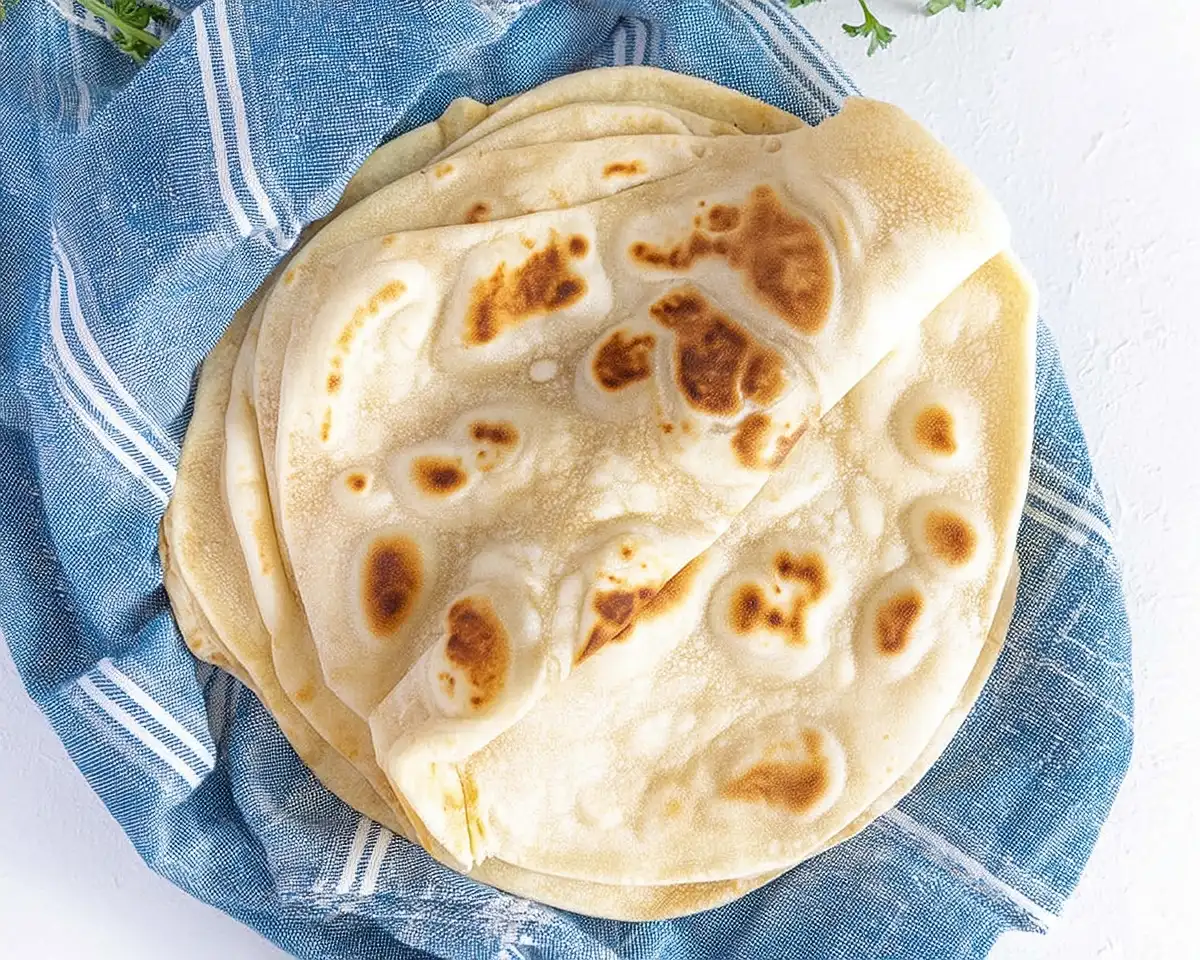
Gluten-Free Italian Flatbread (Piadina)
Make authentic gluten-free Italian flatbread (Piadina) at home with just 4 ingredients. This simple flatbread recipe is perfect for busy families!
You know what changed my Tuesday night dinners forever? Discovering that Italian flatbread, or piadina as the Italians lovingly call it, could be gluten-free and still taste like I’d stepped into a cozy trattoria in Romagna. My kids were skeptical at first—let’s be honest, they usually are when I say “gluten-free”—but one bite of this warm, pillowy flatbread stuffed with their favorite fillings, and suddenly I was the coolest mom on the block.
This gluten-free Italian flatbread recipe uses just four simple ingredients you probably already have in your pantry. No fancy equipment, no intimidating techniques, just straightforward making flatbread that comes together in about 30 minutes from start to finish. Whether you’re new to gluten-free cooking or you’ve been at it for years, this flatbread recipe easy enough for a busy weeknight will become your go-to.
What I love most about piadina is its versatility—it’s like the Italian cousin of a tortilla, but somehow more elegant and definitely more impressive when you serve it to guests. Plus, according to research on gluten-free grain alternatives, making your own flatbreads at home gives you complete control over ingredients and nutrition, which is pretty empowering when you’re managing a gluten-free lifestyle.
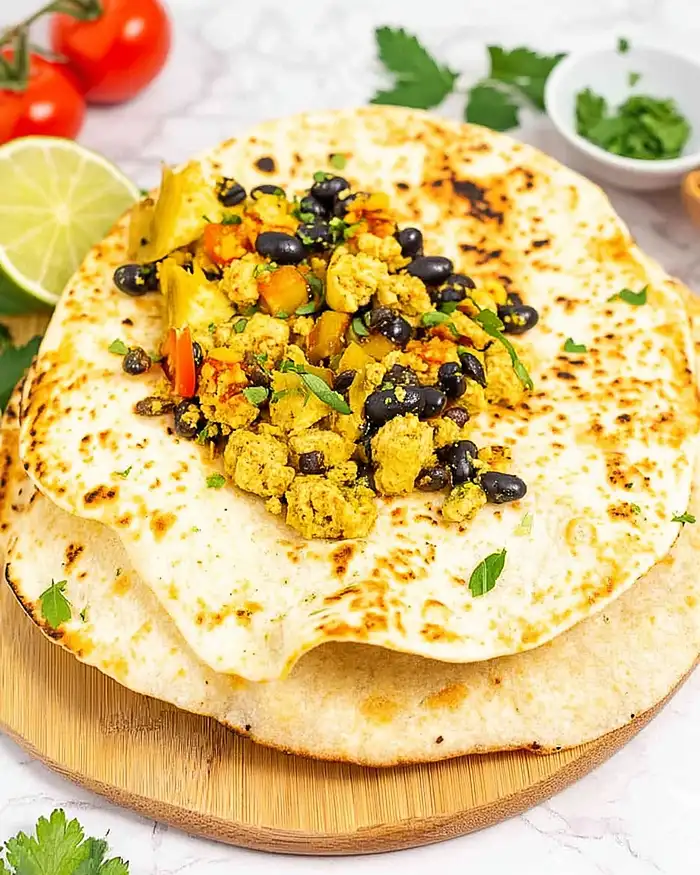
Table of Contents
Gluten-Free Italian Flatbread (Piadina)
Equipment
- Large mixing bowl
- Rolling Pin
- Skillet or griddle
- Kitchen scale (optional)
- Clean kitchen towel
Ingredients
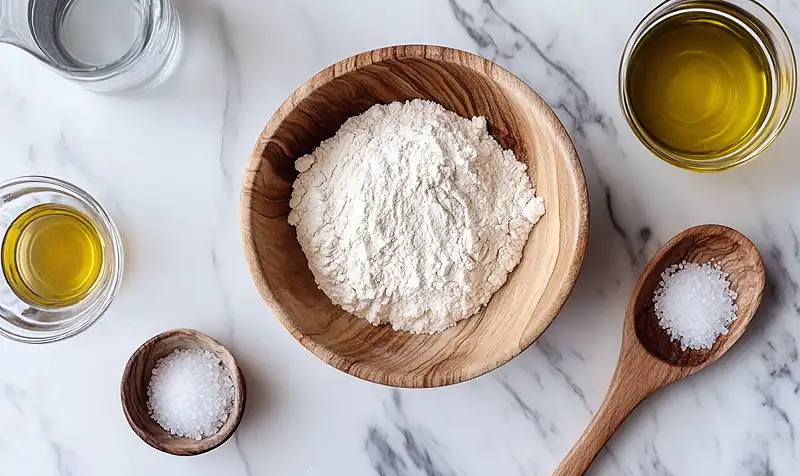
- 2 cups gluten-free all-purpose flour blend use one with xanthan gum included
- ½ cup + 2 tablespoons warm water around 100°F
- 2 tablespoons extra virgin olive oil
- 1 teaspoon salt fine sea salt preferred
Instructions
- Add your gluten-free flour, salt, warm water, and olive oil to a large mixing bowl. The warm water helps activate the starches in gluten-free flour, giving you that stretchy, pliable dough.
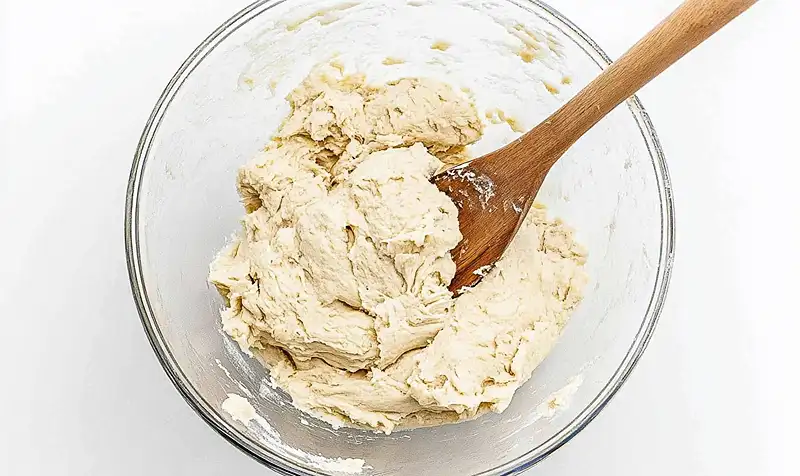
- Mix everything together with a sturdy spoon until the ingredients come together into a cohesive dough ball. Don’t worry if it looks a bit different from regular wheat dough—gluten-free dough has its own personality.
- Transfer your dough to a work surface lightly dusted with gluten-free flour, then knead for about 5 minutes. You’re looking for a soft, smooth ball that feels compact but not dry. If it’s too sticky, add a tablespoon of flour at a time.
- Divide the dough into 6 equal pieces, each weighing about 80 grams or roughly 2.8 ounces. Use a kitchen scale for even portions or eyeball it if you’re in a hurry.
- Shape each piece into a smooth ball by tucking the edges underneath. Cover them with a clean kitchen towel and let them rest for 15 to 30 minutes—this allows the starches to hydrate fully, making rolling easier.
- Working with one ball at a time, flatten it with your rolling pin into a thin, round disc. Keep rotating the dough as you roll to maintain that circular shape. Aim for about 2-3mm thickness.
- Dust your work surface and the dough generously with flour to prevent sticking. Gluten-free dough can be a bit clingy, so don’t be shy with that flour.
- Heat a dry skillet or griddle over medium-low heat until hot. Place your rolled piadina onto the hot surface and let it cook for about 2 minutes on the first side. You’ll see little bubbles forming and the underside will develop gorgeous golden-brown spots.
- Flip carefully and cook for another minute on the second side. The flatbread should puff up slightly and have those characteristic char marks.
- Transfer the cooked piadina to a plate and tuck it between a clean kitchen cloth to keep it soft and pliable while you cook the remaining flatbreads. This maintains that wonderful tender texture.
- Repeat with the remaining dough balls until you’ve got a beautiful stack of warm, homemade gluten-free Italian flatbread ready for filling.
- Fill your piadina with your favorite ingredients and fold it in half, or roll it up like a wrap. For an authentic Italian experience, try creamy stracchino or robiola cheese with peppery arugula.
Notes
Ingredients
| Ingredient | Amount | Notes |
|---|---|---|
| Gluten-free all-purpose flour blend | 2 cups | Use one with xanthan gum included |
| Warm water | ½ cup + 2 tablespoons | Around 100°F works perfectly |
| Extra virgin olive oil | 2 tablespoons | The good stuff makes a difference |
| Salt | 1 teaspoon | Fine sea salt preferred |
Instructions
Step 1: Add your gluten-free flour, salt, warm water, and olive oil to a large mixing bowl. The warm water helps activate the starches in gluten-free flour, giving you that stretchy, pliable dough that makes working with this simple flatbread recipe such a joy.
Step 2: Mix everything together with a sturdy spoon until the ingredients come together into a cohesive dough ball. Don’t worry if it looks a bit different from regular wheat dough—gluten-free dough has its own personality, and that’s perfectly fine.
Step 3: Transfer your dough to a work surface lightly dusted with gluten-free flour, then knead for about 5 minutes. You’re looking for a soft, smooth ball that feels compact but not dry. If it’s too sticky, add a tablespoon of flour at a time until it’s manageable.
Step 4: Divide the dough into 6 equal pieces, each weighing about 80 grams or roughly 2.8 ounces. I use a kitchen scale for this because even portions mean evenly cooked flatbreads, but eyeballing it works too if you’re in a hurry.
Step 5: Shape each piece into a smooth ball by tucking the edges underneath. Cover them with a clean kitchen towel and let them rest for 15 to 30 minutes—this resting time is crucial for gluten-free dough as it allows the starches to hydrate fully, making rolling so much easier.
Step 6: Working with one ball at a time, flatten it with your rolling pin into a thin, round disc. Keep rotating the dough as you roll to maintain that circular shape—think of it as giving your flatbread a little spin on the dance floor. Aim for about 2-3mm thickness, which should give you that perfect balance of tender and slightly crispy.
Step 7: Dust your work surface and the dough generously with flour to prevent sticking. Gluten-free dough can be a bit clingy, so don’t be shy with that flour shaker—it’s your best friend here in this healthy flatbread recipe adventure.
Step 8: Heat a dry skillet or griddle over medium-low heat until it’s nice and hot. Place your rolled piadina onto the hot surface and let it cook for about 2 minutes on the first side. You’ll see little bubbles forming and the underside will develop those gorgeous golden-brown spots that make Italian flatbread so irresistible.
Step 9: Flip carefully and cook for another minute on the second side. The flatbread should puff up slightly and have those characteristic char marks that tell you it’s perfectly done.
Step 10: Transfer the cooked piadina to a plate and tuck it between a clean kitchen cloth to keep it soft and pliable while you cook the remaining flatbreads. This step is the secret to maintaining that wonderful tender texture—nobody wants a dried-out flatbread!
Step 11: Repeat with the remaining dough balls until you’ve got a beautiful stack of warm, homemade gluten-free Italian flatbread ready for filling. Well… now comes the fun part—choosing your fillings!
Step 12: Fill your piadina with your favorite ingredients and fold it in half, or roll it up like a wrap. For an authentic Italian experience, try creamy stracchino or robiola cheese with peppery arugula—trust me, it’s life-changing.
Substitutions
Flour Options: If you don’t have a gluten-free all-purpose blend on hand, you can create your own by mixing rice flour with tapioca starch and a bit of xanthan gum. Just remember that different blends absorb liquid differently, so you might need to adjust the water slightly to get the right consistency for this simple flatbread recipe.
Oil Swap: While extra virgin olive oil gives you that authentic Italian flavor, you can use melted coconut oil or even avocado oil if that’s what you have available. Each oil brings its own subtle flavor profile, so feel free to experiment with what works for your family’s taste preferences.
Dairy-Free Cheese Fillings: For those avoiding dairy, try cashew cream cheese or a quality dairy-free mozzarella as flatbread filling ideas instead of traditional Italian cheeses. Pair with roasted vegetables and fresh basil for a combination that’s equally delicious and satisfying.
Water Temperature: If you don’t have warm water handy, room temperature water works fine—it just might take an extra minute or two of kneading to bring the dough together. The warm water simply speeds up the process and makes making flatbread a bit more efficient.
Troubleshooting
Dough Too Sticky: This is super common with gluten-free dough, and it’s an easy fix. Simply add gluten-free flour one tablespoon at a time, kneading it in until the dough is soft but manageable. Remember, gluten-free dough should be slightly tackier than wheat dough, so don’t overdo it with the flour.
Flatbreads Breaking When Rolling: If your Italian flatbread keeps tearing, your dough likely needs more resting time. Let those balls sit covered for the full 30 minutes, and make sure you’re rolling gently with plenty of flour underneath. Sometimes gluten-free dough just needs a little extra patience and TLC.
Uneven Cooking: Make sure your skillet is properly preheated before you start cooking, and resist the urge to use high heat. Medium-low is your sweet spot for this flatbread recipe easy success—it gives the inside time to cook through while the outside develops those beautiful golden spots without burning.
Dry or Tough Texture: This usually means either your dough was too dry to begin with or the flatbreads weren’t kept covered after cooking. Always tuck them between a kitchen towel immediately after cooking, and consider adding an extra tablespoon of water to your dough next time if they’re consistently coming out dry.
Storage & Meal Prep
Store your cooled gluten-free Italian flatbread in an airtight container or zip-top bag at room temperature for up to 2 days. If you want to keep them longer, they freeze beautifully for up to 3 months—just layer them between pieces of parchment paper so they don’t stick together, and thaw at room temperature when you’re ready to use them.
For meal prep, I love making a double batch on Sunday afternoons. Man, oh man, does it make weeknight dinners easier when I can just grab a couple from the freezer, warm them quickly in a skillet, and stuff them with whatever leftovers or quick fillings we have on hand. It’s one of those healthy flatbread recipe strategies that genuinely saves my sanity during busy weeks.
Serving Suggestions
The traditional way to enjoy piadina is with creamy Italian cheeses like stracchino or squacquerone and a handful of fresh arugula, but honestly, the flatbread filling ideas are endless. Try leftover grilled chicken with pesto and sun-dried tomatoes, or go vegetarian with hummus, roasted red peppers, and spinach.
For a fun family dinner, set up a piadina bar with various fillings and let everyone build their own. It’s perfect for picky eaters because they get to choose exactly what goes inside their simple flatbread recipe creation. I’ve served these for everything from casual Tuesday dinners to Fourth of July gatherings, and they’re always a hit.
Variations
Kid-Friendly Sweet Version: Turn this into a breakfast treat by spreading the warm flatbread with almond butter and a drizzle of honey, then folding it over sliced bananas. My kids request this version constantly, and I love that it’s still a healthy flatbread recipe option that gets them excited about gluten-free eating.
Pizza-Style Piadina: Spread marinara sauce on the cooked flatbread, add dairy-free cheese and your favorite toppings, then fold it in half and cook for another minute on each side until the cheese melts. It’s like a crispy Italian quesadilla that makes making flatbread feel extra special.
Herb-Infused Version: Add a tablespoon of dried Italian herbs or finely chopped fresh rosemary directly to your dough for an aromatic twist on traditional Italian flatbread. This variation is absolutely stunning when you’re serving them alongside a hearty soup or stew, like this warming sweet potato and chickpea curry.
Vegan Complete Meal: Fill your piadina with roasted vegetables, dairy-free pesto, and white beans for a protein-packed lunch that’s both satisfying and completely plant-based. This combination works beautifully for those following multiple dietary restrictions while still delivering on flavor.
Gluten-Free Italian Flatbread (Piadina) FAQ
Can I make gluten-free Italian flatbread ahead of time?
Absolutely! This flatbread recipe easy approach works perfectly for meal prep. Make your piadinas up to 2 days ahead and store them between kitchen towels in an airtight container. Just warm them briefly in a skillet before serving to restore that fresh-from-the-pan softness.
What exactly is piadina?
Piadina is a traditional Italian flatbread from the Romagna region, typically made with flour, lard or olive oil, salt, and water. It’s been a staple of Italian street food for centuries, and this gluten-free version honors that heritage while making it accessible for those avoiding gluten. The beauty of making flatbread this way is its incredible versatility—you can fill it with anything from cheese and vegetables to cured meats and spreads.
How is piadina different from panini bread?
While panini uses a yeast-leavened bread that’s thick and fluffy, piadina is an unleavened flatbread that’s thin, tender, and cooks quickly on a griddle. Think of piadina as more similar to a soft tortilla or flatbread wrap, while panini bread is closer to sandwich bread. This simple flatbread recipe requires no rising time, making it much faster than traditional panini.
What’s the best way to eat piadina?
The most authentic way is to fold it in half around your fillings, like a taco, though you can also roll it up wrap-style if you prefer. Italians traditionally eat it warm, often stuffed with local cheeses and greens, but these healthy flatbread recipe bases work beautifully with any cuisine—Mediterranean, Mexican, or even Asian-inspired fillings all taste amazing.
Why is my gluten-free flatbread cracking when I fold it?
This usually happens when the flatbread has cooled too much or dried out slightly. Always fill and fold your Italian flatbread while it’s still warm and pliable, and make sure you’re keeping the cooked ones covered with a towel until serving time. If they’ve cooled down, a quick 10-second warm-up in the skillet will make them flexible again.
Can I use this dough for other flatbread filling ideas?
Definitely! This versatile dough works for everything from breakfast wraps to dessert creations. Try it with scrambled eggs and cheese for breakfast, or brush with melted butter and cinnamon sugar for a sweet treat. The neutral flavor of this simple flatbread recipe makes it a perfect canvas for whatever flavors you’re craving.
Final Thoughts
Making gluten-free Italian flatbread at home might seem intimidating at first, but I promise you’ll be amazed at how simple and rewarding it is. There’s something deeply satisfying about creating these tender, flavorful flatbreads from scratch, especially when you know they’re safe for your gluten-free family.
The beauty of this flatbread recipe easy method is that once you’ve mastered the basic technique, you can customize it endlessly. Pair it with these crispy almond flour chocolate chip cookies for a complete Italian-inspired dinner and dessert, or serve it alongside this quick one-pot creamy garlic pasta for a carb-lover’s dream meal.
Whether you’re packing them for school lunches, serving them for a casual weekend brunch, or impressing dinner guests with your making flatbread skills, these gluten-free piadinas will quickly become a staple in your kitchen rotation. They’re proof that gluten-free cooking doesn’t mean sacrificing flavor, texture, or that special feeling of breaking bread with the people you love.
So grab your rolling pin, heat up that skillet, and get ready to fall in love with the easiest, most versatile healthy flatbread recipe you’ll ever make. Your gluten-free journey just got a whole lot more delicious!