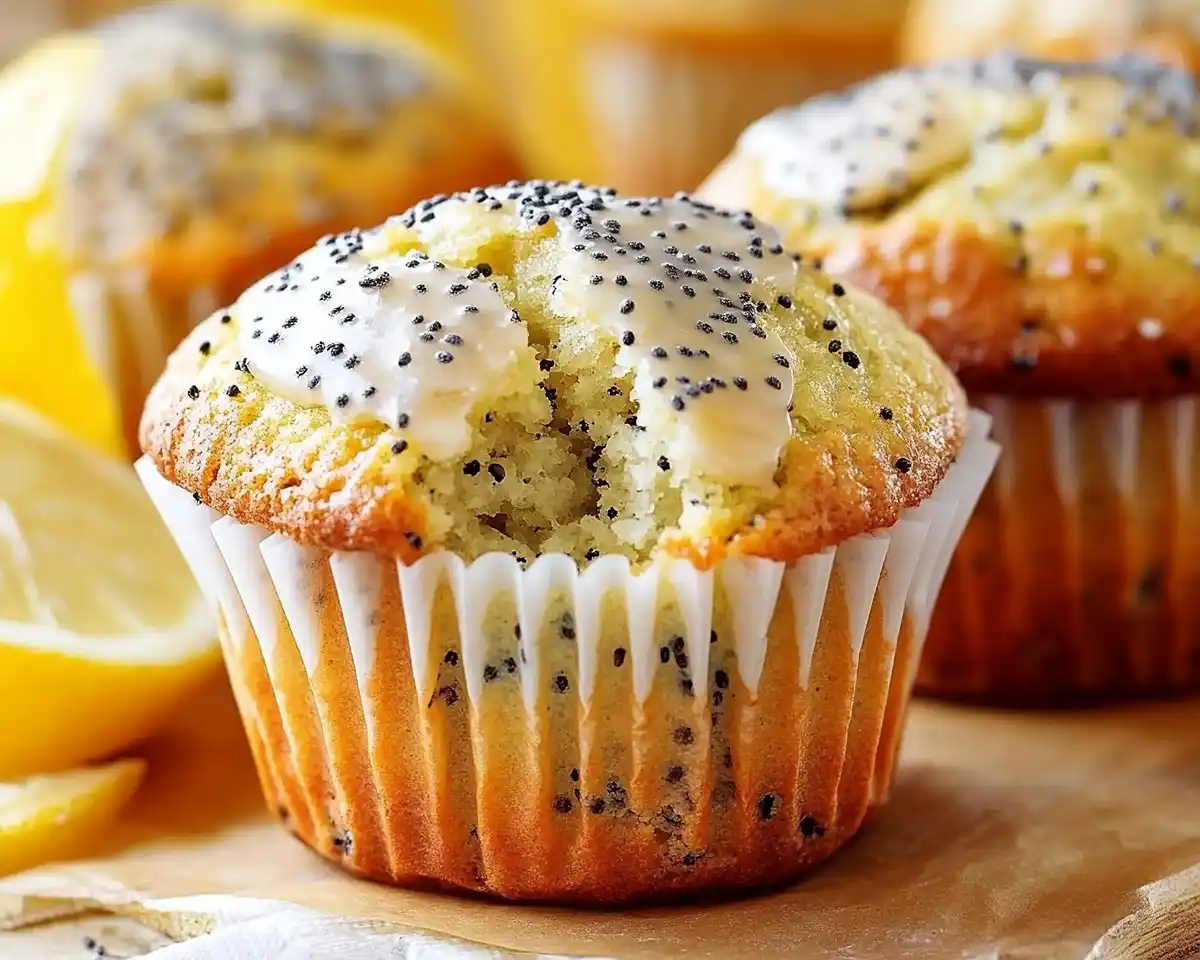
Gluten-Free Lemon Poppy Seed Muffins
Discover how to make fluffy gluten-free lemon poppy seed muffins that busy families actually love. Simple recipe with tested tips for perfect results every time.
You know that feeling when you want to bake something bright and cheerful without the stress of gluten complications? That’s exactly what these gluten-free lemon poppy seed muffins deliver—sunshine in every bite.
I created these specifically for mornings when you need breakfast ready fast, but you still want something that feels homemade and nourishing. The combination of zesty lemon, those little poppy seed pops, and a fluffy crumb makes these way better than anything from a bakery box. Best part? They taste exactly like the traditional version, without any of that dense, crumbly texture some gluten-free bakes struggle with.
These citrus muffins came into my life during a particularly chaotic back-to-school season when I needed something my whole family would actually eat (and that wouldn’t leave crumbs all over the minivan). Now they’re a weekly staple, and I’m thrilled to share them with you.
Table of Contents
Ingredients For Gluten-Free Lemon Poppy Seed Muffins
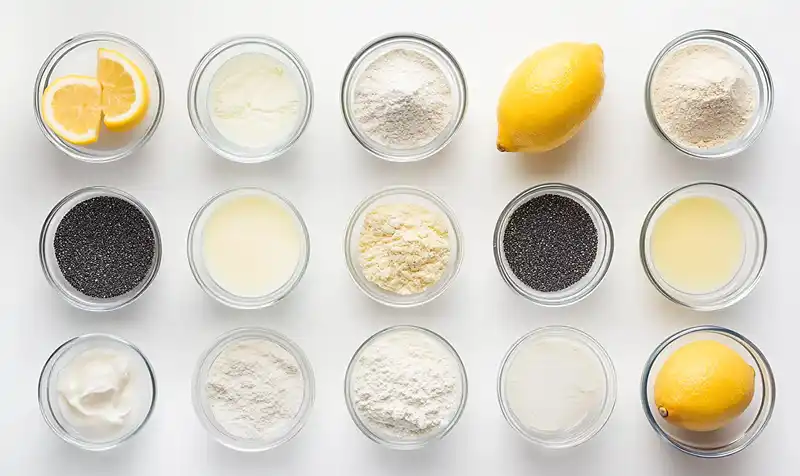
| For the Lemon Poppy Seed Muffins | Amount |
|---|---|
| Gluten-free flour blend | 2⅓ cups (280 g) |
| Almond flour | ¾ cup + 1 tbsp (80 g) |
| Caster or superfine sugar | ¾ cup (150 g) |
| Baking powder | 2 tsp |
| Baking soda | 1 tsp |
| Xanthan gum* | 1 tsp |
| Salt | ½ tsp |
| Lemon zest | From 2 lemons |
| Poppy seeds | 2–3 tbsp |
| Softened unsalted butter | 1 stick + 1 tbsp (130 g) |
| Milk (cold or room temp) | ½ cup + 1½ tbsp (140 mL) |
| Plain yogurt (cold or room temp) | ½ cup + 1½ tbsp (140 g) |
| Large eggs (cold or room temp) | 2 |
| Fresh lemon juice | 4 tbsp |
| For the Lemon Icing | Amount |
|---|---|
| Powdered or icing sugar, sifted | 1 cup (120 g) |
| Lemon juice | ~3 tbsp |
| Poppy seeds for topping | As desired |
*Omit xanthan gum if your gluten-free flour blend already contains it.
Instructions For Gluten-Free Lemon Poppy Seed Muffins
Step 1: Prep Your Pan
Move your oven rack to the middle position and preheat the oven to 375°F (190°C). Line a 12-hole muffin tin with paper liners—this makes cleanup easy and keeps muffins from sticking.
Step 2: Mix Dry Ingredients
In a large bowl, whisk together your gluten-free flour blend, almond flour, sugar, baking powder, baking soda, xanthan gum, salt, lemon zest, and poppy seeds. This creates a bright, fragrant mixture that’s ready for the wet ingredients.
Step 3: Cut in the Butter
Add the softened butter to the dry ingredients and use a hand mixer (with double beaters) or stand mixer (with paddle attachment) to work it in until the mixture resembles coarse breadcrumbs. You’ll see little specks of butter throughout—that’s exactly what you want for tender muffins.
Step 4: Combine Wet Ingredients
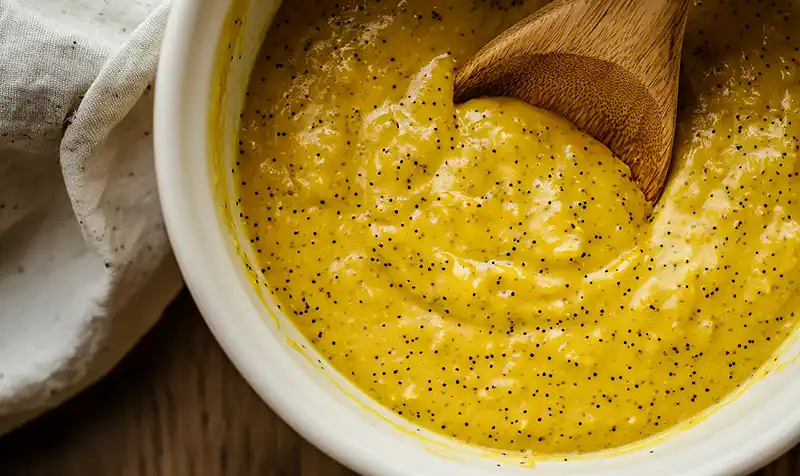
In a separate bowl, whisk together the milk, yogurt, eggs, and lemon juice until well blended. Add this mixture to your butter-flour combination and whisk until you have a thick, smooth batter with no visible flour clumps. The batter should look creamy and luxurious, ready to transform into fluffy muffins.
Step 5: Fill the Muffin Cases
Divide the batter equally among the 12 muffin cases (filling them to the brim for standard muffins), or use 9–10 cases for larger, jumbo muffins that dome beautifully above the edges.
Step 6: Bake Until Golden
Bake for about 18 minutes for standard muffins or 20 minutes for jumbo ones, until they’re risen, golden brown on top, and a toothpick inserted into the center comes out clean or with just a few moist crumbs clinging to it. The kitchen will smell absolutely heavenly.
Step 7: Cool Properly
Leave the muffins in the tin for 3–4 minutes to set slightly, then transfer them to a wire cooling rack to cool completely. This prevents condensation from making them soggy and gives you the best texture.
Step 8: Make the Lemon Icing
While muffins cool, whisk together the powdered sugar and lemon juice in a bowl until smooth. You’re aiming for a fairly runny icing that coats the back of a spoon—adjust consistency by adding more sugar (to thicken) or juice (to thin) as needed.
Step 9: Ice and Garnish
Once the muffins are completely cool, drizzle them generously with the bright lemon icing and sprinkle with extra poppy seeds for that gorgeous finishing touch.
Substitutions for Your Healthy Lemon Muffins
Almond Flour Alternative
If you have an almond allergy (we’ve all got those friends and family members!), you can swap the almond flour for an equal weight of additional gluten-free flour blend. Fair warning: the muffins will be slightly drier without the moisture that almond flour provides, but they’re still delicious and totally doable for an allergy-friendly version.
Dairy-Free Lemon Citrus Muffins
Swap the butter for dairy-free butter, use a plant-based milk like oat or almond milk, and replace yogurt with a dairy-free yogurt alternative. The texture remains just as fluffy, and the lemon flavor shines through beautifully—perfect for dairy-free diets or lactose sensitivity.
Oil-Based Version
Prefer using oil instead of butter? You can substitute the butter with ¾ cup of mild-flavored oil like vegetable or light coconut oil. The muffins will be slightly more tender, and the crumb will have an even more delicate quality that some people actually prefer.
Gluten-Free Flour Blend Swap
Not all gluten-free blends are created equal, so choose one with xanthan gum already included or use a high-quality all-purpose blend. If using a blend without xanthan gum, definitely include the full teaspoon for proper structure and lift.
For more breakfast inspiration, check out our easy dairy-free dessert ideas that work beautifully for morning meals. If you’re looking to expand your gluten-free baking skills, our beginner-friendly baking tips will help you master other recipes with confidence. You might also enjoy exploring our complete gluten-free recipe collection for more family-friendly options.
Troubleshooting Tips for Gluten-Free Citrus Muffins
Muffins Are Dense or Compact
Dense homemade gluten-free muffins usually point to overmixing or using too much flour. Mix just until the wet and dry ingredients are combined, and measure your flour by spooning and leveling rather than scooping directly from the bag. You want these healthy lemon muffins to be light and airy, not heavy!
Batter Is Too Thick or Too Thin
The batter should pour smoothly but still hold its shape slightly. If it’s too thick, add a tablespoon of milk at a time. If it’s too runny, whisk in a tablespoon of gluten-free flour blend and let it sit for a minute—sometimes the flour needs a moment to fully hydrate.
Muffin Tops Are Pale or Won’t Rise
Your oven temperature might be off, so invest in an oven thermometer to check. Also, make sure your baking powder and baking soda haven’t expired—they’re essential leavening agents for these gluten-free citrus muffins. If they’ve been sitting in your cupboard for years, it’s time for fresh ones.
Muffins Are Too Dry
Overbaking is the main culprit here. Start checking at 16 minutes for standard muffins, and remember that a toothpick with a few moist crumbs (not wet batter) is the sweet spot. Every oven runs differently, so trust your eyes and toothpick over the clock.
Storage and Meal Prep Made Simple
Storing Your Lemon Poppy Seed Muffins
Keep your finished muffins in an airtight container at room temperature for up to 3 days—they stay moist and delicious thanks to the yogurt in the batter. If you’ve iced them, give the icing a few hours to set before stacking to prevent smudging. For longer storage, you can refrigerate them for up to a week in a sealed container.
Freezing for Later
Here’s where these gluten-free lemon muffins really shine for busy families: freeze them! Wrap cooled, uniced muffins individually in plastic wrap, place them in a freezer bag, and freeze for up to three months. Pop one in the toaster oven or microwave for a quick breakfast or snack—they thaw beautifully.
Make-Ahead Batter Prep
You can prepare the dry and wet ingredients separately the night before and combine them in the morning. Just don’t mix everything together until you’re ready to bake, or the leavening agents will lose their lift.
Serving Suggestions and Pairings
These bright homemade gluten-free lemon muffins are perfect on their own, but they shine even more paired with a hot cup of coffee or tea. The zesty citrus flavor cuts beautifully through morning coffee, making them an ideal grab-and-go breakfast.
Serve them warm (if you can resist eating the whole batch!) with a little softened butter melting into the warm crumb, or plate them with fresh berries for a more elegant brunch. They’re equally happy alongside a simple fruit salad or a small bowl of Greek yogurt for added protein.
For a classroom or bake sale contribution, these glazed beauties look impressive and taste restaurant-quality. Pack a few in a cute container and watch them disappear—people are always surprised they’re gluten-free.
Variations For Homemade Gluten-Free Muffins
Kid-Friendly Poppy Seed Muffins Without Citrus Zest
Some little ones find citrus zest a bit bitter, so simply reduce the zest to one lemon and skip it if your kids prefer a milder flavor. The lemon juice in the batter and icing still gives a gentle tartness without the intensity—they’ll love these just as much.
Double Lemon Intensity for Citrus Lovers
If you’re a lemon fiend like I am, add an extra tablespoon of lemon juice to the batter and use zest from three lemons instead of two. You’ll get a flavor that’s bright and bold without being overwhelming, perfect for anyone who dreams in citrus.
Berry-Studded Version
Fold fresh or frozen blueberries, raspberries, or chopped strawberries into the batter before baking to add pops of tartness and moisture. Use about ¾ cup of berries, and if they’re frozen, don’t thaw them—bake straight from the freezer to prevent color bleeding into the batter.
FAQs About Gluten-Free Lemon Poppy Seed Muffins
Can I Use a Different Citrus for These Healthy Lemon Muffins?
Absolutely! Swap lemon for lime, orange, or grapefruit in the same amounts—each brings its own personality. Lime creates a bright, tropical vibe, while orange adds a slightly sweeter citrus note that many families adore.
What’s the Best Gluten-Free Flour Blend to Use for This Recipe?
I’ve had excellent results with King Arthur Baking Company and Bob’s Red Mill 1-to-1 blends, both of which already contain xanthan gum. Choose a blend you trust, and if you’re new to gluten-free baking, avoid overly specialty flours until you get comfortable with the basics.
How Do I Know My Oven Temperature Is Accurate for These Muffins?
Invest in an inexpensive oven thermometer (around $10–15) and place it on your middle rack while the oven preheats. You’ll spot temperature fluctuations that your oven dial might not reveal, which makes a huge difference in baking success for gluten-free recipes.
Can I Make These Muffins Vegan?
Yes! Replace eggs with a flax egg (1 tbsp ground flaxseed mixed with 3 tbsp water per egg), use dairy-free butter and milk, and swap yogurt for a coconut or cashew yogurt. The texture will be slightly different but still tender and delicious.
Best Way to Toast Poppy Seeds for Extra Flavor?
Toast your poppy seeds in a dry skillet over medium heat for about 2–3 minutes, stirring frequently, until fragrant. Let them cool before adding to the dry mixture—this step intensifies their nutty flavor beautifully.
Why Does My Icing Keep Running Off the Muffins?
Your icing might be too thin! Whisk in an extra tablespoon of powdered sugar to thicken it so it coats the muffin without immediately sliding off. It should look like it’s clinging to the back of a spoon.
Final Tips for Gluten-Free Baking Success
Well, here’s the truth about gluten-free baking that nobody tells you: it’s just as easy as regular baking once you understand that gluten-free flours behave a little differently. They absorb liquid at their own pace, so letting your batter rest for a minute after mixing allows the flour to fully hydrate, which improves texture dramatically.
Man, oh man, the difference that one small step makes is absolutely game-changing. Your muffins will be noticeably fluffier and have a much better crumb structure when you give the batter that brief moment to settle before scooping.
One more thing: measure your ingredients by weight if you can, especially the flours. It removes so much guesswork and leads to more consistent results across multiple batches. A simple kitchen scale costs less than a fancy coffee drink and will transform your gluten-free baking confidence.
For more information on baking science and how gluten-free flours interact with leavening agents, the King Arthur Baking Company’s gluten-free baking guide offers detailed, research-backed explanations.
Gluten-Free Lemon Poppy Seed Muffins
Equipment
- Muffin tin
- Muffin Paper Liners
- Large mixing bowl
- Separate mixing bowl
- Hand mixer or stand mixer
- Whisk
- Wire cooling rack
- Toothpick
- Oven thermometer (recommended)
Ingredients
For Lemon Poppy Seed Muffins
- 2⅓ cups Gluten-free flour blend 280 g; omit xanthan gum if your blend already contains it
- ¾ cup + 1 tbsp Almond flour 80 g; can substitute with equal weight of gluten-free flour blend if you have an almond allergy, but muffins will be slightly drier
- ¾ cup Caster or superfine sugar 150 g
- 2 tsp Baking powder
- 1 tsp Baking soda
- 1 tsp Xanthan gum Omit if your gluten-free flour blend already contains it or if using regular flour
- ½ tsp Salt
- 2 whole Lemon zest From 2 lemons
- 2-3 tbsp Poppy seeds
- 1 stick + 1 tbsp Softened unsalted butter 130 g
- ½ cup + 1½ tbsp Milk 140 mL; can be cold or room temperature
- ½ cup + 1½ tbsp Plain yogurt 140 g; can be cold or room temperature
- 2 large Eggs US large/UK medium; can be cold or room temperature
- 4 tbsp Fresh lemon juice
For Lemon Icing
- 1 cup Powdered or icing sugar 120 g, sifted
- ~3 tbsp Lemon juice Adjust for desired consistency
- To taste Poppy seeds for topping
Instructions
- Move your oven rack to the middle position and preheat the oven to 375°F (190°C). Line a 12-hole muffin tin with paper liners—this makes cleanup easy and keeps muffins from sticking.
- In a large bowl, whisk together your gluten-free flour blend, almond flour, sugar, baking powder, baking soda, xanthan gum, salt, lemon zest, and poppy seeds. This creates a bright, fragrant mixture that’s ready for the wet ingredients.
- Add the softened butter to the dry ingredients and use a hand mixer (with double beaters) or stand mixer (with paddle attachment) to work it in until the mixture resembles coarse breadcrumbs. You’ll see little specks of butter throughout—that’s exactly what you want for tender muffins.
- In a separate bowl, whisk together the milk, yogurt, eggs, and lemon juice until well blended. Add this mixture to your butter-flour combination and whisk until you have a thick, smooth batter with no visible flour clumps. The batter should look creamy and luxurious, ready to transform into fluffy muffins.
- Divide the batter equally among the 12 muffin cases (filling them to the brim for standard muffins), or use 9–10 cases for larger, jumbo muffins that dome beautifully above the edges.
- Bake for about 18 minutes for standard muffins or 20 minutes for jumbo ones, until they’re risen, golden brown on top, and a toothpick inserted into the center comes out clean or with just a few moist crumbs clinging to it. The kitchen will smell absolutely heavenly.
- Leave the muffins in the tin for 3–4 minutes to set slightly, then transfer them to a wire cooling rack to cool completely. This prevents condensation from making them soggy and gives you the best texture.
- While muffins cool, whisk together the powdered sugar and lemon juice in a bowl until smooth. You’re aiming for a fairly runny icing that coats the back of a spoon—adjust consistency by adding more sugar (to thicken) or juice (to thin) as needed.
- Once the muffins are completely cool, drizzle them generously with the bright lemon icing and sprinkle with extra poppy seeds for that gorgeous finishing touch.