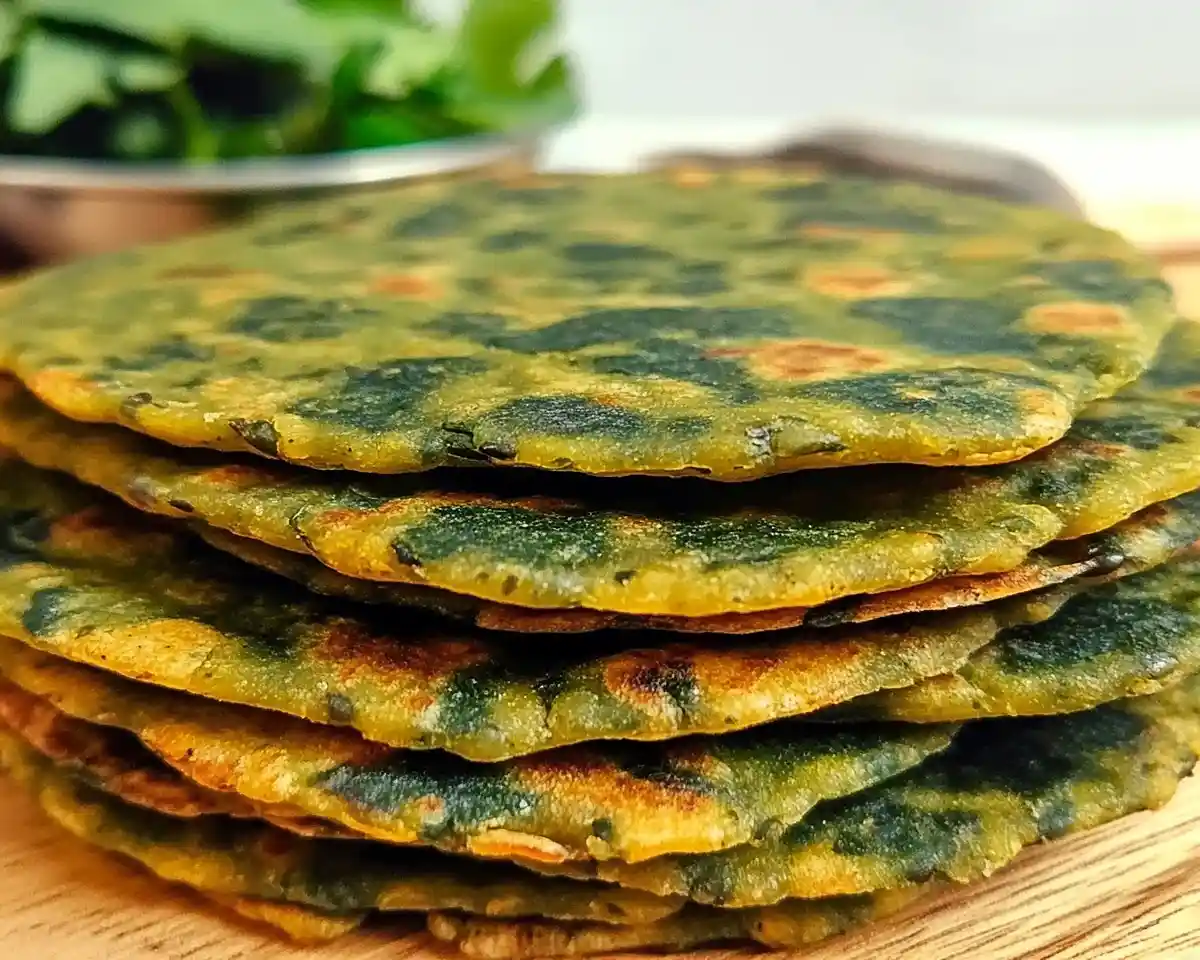
Gluten-Free Lentil Spinach Flatbread
Discover this easy gluten-free lentil spinach flatbread recipe—packed with protein, naturally plant-based, and perfect for busy families. Ready in minutes with simple ingredients!
Man, oh man, when I first discovered how to turn humble red lentils into these gorgeous, savory flatbreads, I couldn’t believe I’d been overcomplicating lunch all those years. These gluten-free lentil spinach flatbreads are the kind of recipe that sneaks veggies onto your plate without anyone noticing, and honestly? They taste like you spent way more time in the kitchen than you actually did.
What makes this gluten-free lentil spinach flatbread so special is that it’s naturally plant-based, packed with protein, and incredibly versatile for busy families juggling breakfast, lunch, and snack time. No complicated substitutions or hard-to-find ingredients—just wholesome, real food that your whole crew will actually want to eat.
If you’re looking for lunch spinach ideas that aren’t salad number seventeen this week, or searching for high protein snacks that feel like comfort food, this one’s for you. I genuinely think once you make these, they’ll become a weekly staple in your kitchen like they are in mine.
Table of Contents
Ingredients For Gluten-Free Lentil Spinach Flatbread
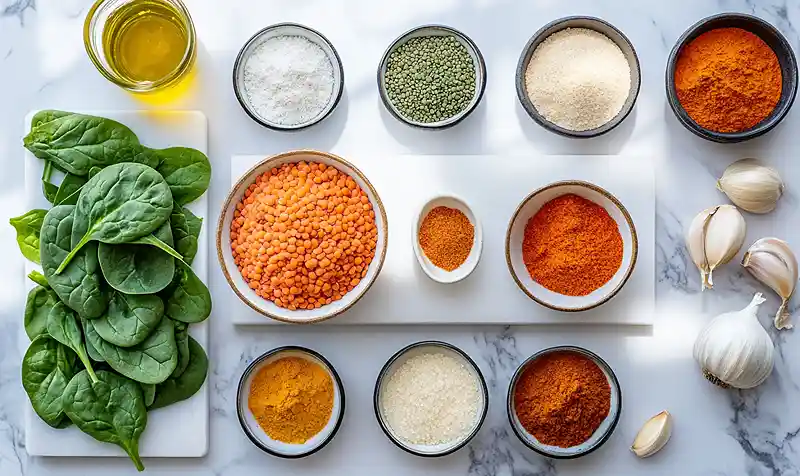
| Ingredient | Amount | Notes |
|---|---|---|
| Red Lentils (Dry) | 1 cup | Use split red lentils (masoor dal)—they blend into a creamy base |
| Water (for soaking) | 2 cups | Softens lentils for smooth blending |
| Water (for blending) | ~1 cup | Adjust to reach pancake-batter consistency |
| Fresh Spinach, Packed | 2 cups | Baby spinach works beautifully |
| Nutritional Yeast (Optional) | 1/4 cup | Adds cheesy umami flavor and B vitamins |
| Cumin Powder | 1 teaspoon | Warm, earthy complement to lentils |
| Garlic Powder | 1/2 teaspoon | Or 1–2 cloves fresh minced garlic |
| Onion Powder | 1/2 teaspoon | Subtle savory base note |
| Salt | 1/2 teaspoon | Adjust to your taste preference |
| Black Pepper | 1/4 teaspoon | Adds warmth and gentle spice |
| Olive or Avocado Oil | 1 tablespoon (plus more for cooking) | For batter richness and pan preparation |
Instructions For Gluten-Free Lentil Spinach Flatbread
Step 1: Rinse and Soak Your Lentils
Rinse your red lentils under cold running water until the water runs crystal clear—this removes starch and helps them blend smoothly. Place them in a medium bowl, cover with 2 cups of fresh water, and let them soak for at least 2–3 hours (or up to 4–6 hours if you can plan ahead). This soaking step is what creates that silky batter texture.
Step 2: Drain and Rinse Again
Once soaked, drain your lentils completely using a fine-mesh sieve and discard that water. Give them one more quick rinse under cool water and let them sit in the sieve for a moment to drip dry.
Step 3: Prepare Your Spinach
Wash your fresh spinach thoroughly and roughly chop it—this helps it blend more evenly into the batter. If you’re using spinach with thick stems, feel free to remove the toughest bits, though baby spinach usually doesn’t need this step.
Step 4: Blend Everything Together
Transfer your drained lentils to a high-speed blender along with the chopped spinach, 1 cup of blending water, nutritional yeast (if using), cumin, garlic powder, onion powder, salt, pepper, and your tablespoon of oil. You know, this is where the magic happens—the blender does all the heavy lifting.
Step 5: Achieve That Smooth Batter
Blend on high speed until you’ve got a completely smooth, lump-free batter with the consistency of thick pancake batter or crepe batter. If it feels too thick, add water one tablespoon at a time and blend again. If it’s somehow too thin, a tablespoon of chickpea flour or extra spinach will help (though the water-first approach usually works best). Scrape down the sides as needed.
Step 6: Let It Rest (Optional but Lovely)

Pour your batter into a bowl, cover it, and let it rest for 15–30 minutes. This resting time lets all those flavors meld together and makes your final flatbread even more tender and pliable.
Step 7: Heat Your Pan
Place a non-stick skillet or well-seasoned cast-iron pan over medium heat and let it warm up properly. You’ll know it’s ready when a drop of water sizzles and evaporates quickly on the surface.
Step 8: Cook the First Side
Lightly grease your hot pan with a brush or paper towel, then pour about 1/4 to 1/3 cup of batter onto the center. Quickly swirl the pan or use the back of a spoon to spread it into a thin, even circle—like you’re making a crepe. Cook for 2–4 minutes until the edges look dry and golden-brown spots start to appear on the bottom.
Step 9: Flip with Confidence
Carefully slide a thin spatula underneath and flip your flatbread over in one smooth motion. Cook the second side for another 1–3 minutes until it’s cooked through and spotted with light golden-brown color—don’t rush this or it’ll dry out.
Step 10: Keep Warm and Repeat
Remove your flatbread to a plate and cover it with a clean kitchen towel to keep it soft and warm while you cook the remaining batter. Lightly re-grease your pan between each flatbread and repeat steps 8–9 until all your batter is cooked.
Step 11: Serve Warm
Enjoy your gluten-free lentil spinach flatbread while it’s still warm, folded, stacked, or however feels right to you.
Substitutions For Gluten-Free Lentil Spinach Flatbread
Garlic Swap: Fresh Instead of Powder
If you’ve got fresh garlic on hand and prefer that punchy flavor, swap out the 1/2 teaspoon of garlic powder for 1–2 minced cloves. Fresh garlic brings a sharper, more vibrant taste—just mince it finely so it blends smoothly into your batter.
Nutritional Yeast Is Totally Optional
Honestly, I make these with and without nutritional yeast depending on my mood. If you skip it, you’ll still have a delicious high protein snack, but you’ll lose that subtle cheesy undertone. If you want that umami boost without nutritional yeast, try adding a pinch of miso paste instead—about 1 teaspoon stirred in with your blending liquid.
Spinach Alternatives for Different Vibes
Well, if fresh spinach isn’t calling your name, try kale, arugula, or even finely chopped zucchini. Each brings its own flavor personality to the flatbread. Just know that heartier greens like kale might need a tiny bit more blending time to break down completely.
Oil Options Based on Your Kitchen
I love using avocado oil for its subtle taste and high smoke point, but coconut oil (refined, for neutral flavor) or ghee both work beautifully here too. The oil helps create that slight crispness on the edges, so don’t skip it entirely.
Looking for more lunch spinach inspiration? Check out our beginner-friendly baking tips to build confidence in the kitchen.
Troubleshooting Tips On Your Gluten-Free Lentil Spinach Flatbread
Batter’s Too Thick? Here’s What to Do
If your blender is straining or the batter isn’t moving easily, add water one tablespoon at a time and pulse gently. You want it to pour readily but still hold its shape when you swirl it in the pan. It should feel like thick pancake batter, not cookie dough.
Flatbreads Are Tearing When You Flip?
This usually means either your pan wasn’t hot enough or you didn’t cook the first side long enough. Give it that full 2–4 minutes so the bottom sets and holds together. If your pan isn’t non-stick, make sure it’s really well-seasoned or greased between flatbreads.
They’re Coming Out Too Thick or Cakey
Your batter might need a touch more water to spread thinner, or you could be cooking them at too low a temperature. A medium-high heat (rather than just medium) helps them cook through faster before they become rubbery. Aim for a crepe-like thickness rather than a pancake situation.
Still Not Smooth? Blend Longer Than You Think
Red lentils can sometimes hide little bits that look invisible until you hit that first bite. If you’re getting any grittiness, just keep blending on high for an extra 30 seconds. Your blender is your best friend here.
Storage & Meal Prep
Keeping Them Fresh Throughout the Week
Store your cooked flatbreads in an airtight container in the fridge for up to 4 days. They’ll stay soft if you tuck a piece of parchment paper between each one so they don’t stick together. When you’re ready to eat, just reheat gently in a warm skillet for 30 seconds per side.
Make-Ahead Batter Magic
Here’s my favorite meal-prep trick: blend your batter the night before and store it in a covered container in the fridge. In the morning, give it a quick stir (it might separate slightly—that’s totally normal), and cook fresh flatbreads whenever you need them. The flavor actually deepens overnight, which is a lovely bonus.
Serving Suggestions & Pairings
Breakfast Energy Boost
Serve these warm with a dollop of dairy-free yogurt or hummus, a sprinkle of fresh herbs, and sliced avocado for an breakfast plant based meal that keeps you full until lunch. The protein from the lentils paired with healthy fats makes this a seriously satisfying morning.
Lunch Wraps & Rolls
Fill your flatbread with roasted vegetables, garlicky greens, or your favorite plant-based protein for a hearty lunch option. You could also spread on some tahini-based sauce, add shredded carrots, cucumber ribbons, and fresh mint for a totally different vibe.
Snack or Appetizer Moment
Cut these into wedges, serve with a zingy salsa or herb dipping sauce, and you’ve got high protein snacks that feel like you put real effort in (but didn’t). They’re perfect for afternoon hunger or impressing guests at your next gathering.
With Your Favorite Sides
Think of these like a canvas—serve alongside a simple lentil soup, a hearty salad with lots of greens, or alongside roasted vegetables. The savory flavor profile plays beautifully with almost any plant-based meal you’ve got going.
Variations For Gluten-Free Lentil Spinach Flatbread
Herb-Forward Version for Extra Flavor
If you love herbaceous dishes, add 1/4 cup of fresh cilantro or parsley right into your blender. Fresh herbs brighten everything up and add a garden-fresh quality to your gluten-free lentil spinach flatbread that’s absolutely delightful.
Kid-Friendly (And Sneaky!)
Kids often devour these flatbreads because the texture is so approachable and the flavor’s mild. If you want to dial back the spices, reduce cumin to 1/2 teaspoon and skip the black pepper entirely. Serve with a creamy cashew sauce or simple tomato dip, and you’ve got a winner.
Extra Protein Boost for Active Folks
Want to amp up the protein content even more? Add 2–3 tablespoons of hemp seeds or ground flaxseed to your batter. You might need a touch more blending liquid, but the nutrition upgrade is worth it—and they don’t change the flavor at all.
Dairy-Free by Default
These flatbreads are naturally vegan and dairy-free without any modifications needed. The nutritional yeast gives that cheesy note if you want it, but they’re equally delicious without it for anyone avoiding that ingredient.
FAQs About Gluten-Free Lentil Spinach Flatbread
Can I make these flatbreads without soaking the lentils?
Technically yes, but I wouldn’t recommend it. Unsoaked lentils take much longer to blend smoothly and might give you a slightly grittier texture. Soaking for even 2–3 hours makes a noticeable difference in how silky and crepe-like your final flatbread becomes.
How do I store leftover batter?
Keep unused batter in a covered container in the fridge for up to 2 days. Give it a stir before using—it’ll separate slightly, which is completely normal. If it’s thickened up, just add a splash of water and blend gently to loosen it again.
What’s the best way to reheat cooked flatbreads?
Pop them back in a warm skillet for just 30 seconds per side, or wrap them loosely in foil and warm in a 300°F oven for 5 minutes. This keeps them tender rather than turning them tough or dry.
Why does my batter have specks in it even after blending?
Sometimes you’re seeing tiny bits of spinach stem or lentil skin, which is harmless. If you want it ultra-smooth, strain your blended batter through a fine-mesh sieve, though honestly, most people won’t even notice these little flecks.
Can I double this recipe?
Absolutely! Just double all the ingredients and blend in two batches if your blender isn’t huge. You’ll have enough batter for 12–14 flatbreads, which freezes beautifully for up to a month.
Best way to meal-prep these for the week?
Cook the whole batch and store in the fridge for 4 days, or freeze cooked flatbreads in a freezer bag for up to a month. Reheat from frozen in a warm skillet for about 1 minute per side, and you’ve got a ready-to-go lunch whenever you need it.
Final Thoughts
These gluten-free lentil spinach flatbreads have genuinely become a lifesaver on those nights when I need something that’s nourishing, quick, and doesn’t feel like I’m feeding my family the “health food” version of things. They’re proof that gluten-free eating doesn’t mean sacrifice—it means discovering flavors and textures you might’ve overlooked.
Whether you’re building your lunch spinach rotation, stocking up on high protein snacks, or exploring breakfast plant based options, these flatbreads slip right into your meal plan without fuss. Make a batch this week, and I bet you’ll be back for more by next Tuesday.
For more information on the nutritional benefits of lentils, check out authoritative nutrition research on plant-based proteins that shows how lentils support a balanced diet.
Gluten-Free Lentil Spinach Flatbread
Equipment
- High-speed blender
- Fine-mesh sieve
- Medium bowl
- Non-stick skillet or cast-iron pan
- Thin spatula
- Kitchen towel
Ingredients
Base Ingredients
- 1 cup Red Lentils (Dry) Use split red lentils (masoor dal)—they blend into a creamy base
- 2 cups Water For soaking—softens lentils for smooth blending
- 1 cup Water For blending—adjust to reach pancake-batter consistency
- 2 cups Fresh Spinach, Packed Baby spinach works beautifully
Spices & Seasonings
- ¼ cup Nutritional Yeast Optional—adds cheesy umami flavor and B vitamins
- 1 teaspoon Cumin Powder Warm, earthy complement to lentils
- ½ teaspoon Garlic Powder Or 1–2 cloves fresh minced garlic
- ½ teaspoon Onion Powder Subtle savory base note
- ½ teaspoon Salt Adjust to your taste preference
- ¼ teaspoon Black Pepper Adds warmth and gentle spice
Oil & Cooking
- 1 tablespoon Olive Oil or Avocado Oil Plus more for cooking—for batter richness and pan preparation
Instructions
- Rinse your red lentils under cold running water until the water runs crystal clear—this removes starch and helps them blend smoothly. Place them in a medium bowl, cover with 2 cups of fresh water, and let them soak for at least 2–3 hours (or up to 4–6 hours if you can plan ahead). This soaking step is what creates that silky batter texture.
- Once soaked, drain your lentils completely using a fine-mesh sieve and discard that water. Give them one more quick rinse under cool water and let them sit in the sieve for a moment to drip dry.
- Wash your fresh spinach thoroughly and roughly chop it—this helps it blend more evenly into the batter. If you’re using spinach with thick stems, feel free to remove the toughest bits, though baby spinach usually doesn’t need this step.
- Transfer your drained lentils to a high-speed blender along with the chopped spinach, 1 cup of blending water, nutritional yeast (if using), cumin, garlic powder, onion powder, salt, pepper, and your tablespoon of oil. This is where the magic happens—the blender does all the heavy lifting.
- Blend on high speed until you’ve got a completely smooth, lump-free batter with the consistency of thick pancake batter or crepe batter. If it feels too thick, add water one tablespoon at a time and blend again. Scrape down the sides as needed.
- Pour your batter into a bowl, cover it, and let it rest for 15–30 minutes. This resting time lets all those flavors meld together and makes your final flatbread even more tender and pliable.
- Place a non-stick skillet or well-seasoned cast-iron pan over medium heat and let it warm up properly. You’ll know it’s ready when a drop of water sizzles and evaporates quickly on the surface.
- Lightly grease your hot pan with a brush or paper towel, then pour about 1/4 to 1/3 cup of batter onto the center. Quickly swirl the pan or use the back of a spoon to spread it into a thin, even circle—like you’re making a crepe. Cook for 2–4 minutes until the edges look dry and golden-brown spots start to appear on the bottom.
- Carefully slide a thin spatula underneath and flip your flatbread over in one smooth motion. Cook the second side for another 1–3 minutes until it’s cooked through and spotted with light golden-brown color—don’t rush this or it’ll dry out.
- Remove your flatbread to a plate and cover it with a clean kitchen towel to keep it soft and warm while you cook the remaining batter. Lightly re-grease your pan between each flatbread and repeat the cooking process until all your batter is cooked.
- Enjoy your gluten-free lentil spinach flatbread while it’s still warm, folded, stacked, or however feels right to you. Serve with hummus, yogurt, roasted vegetables, or your favorite plant-based toppings.