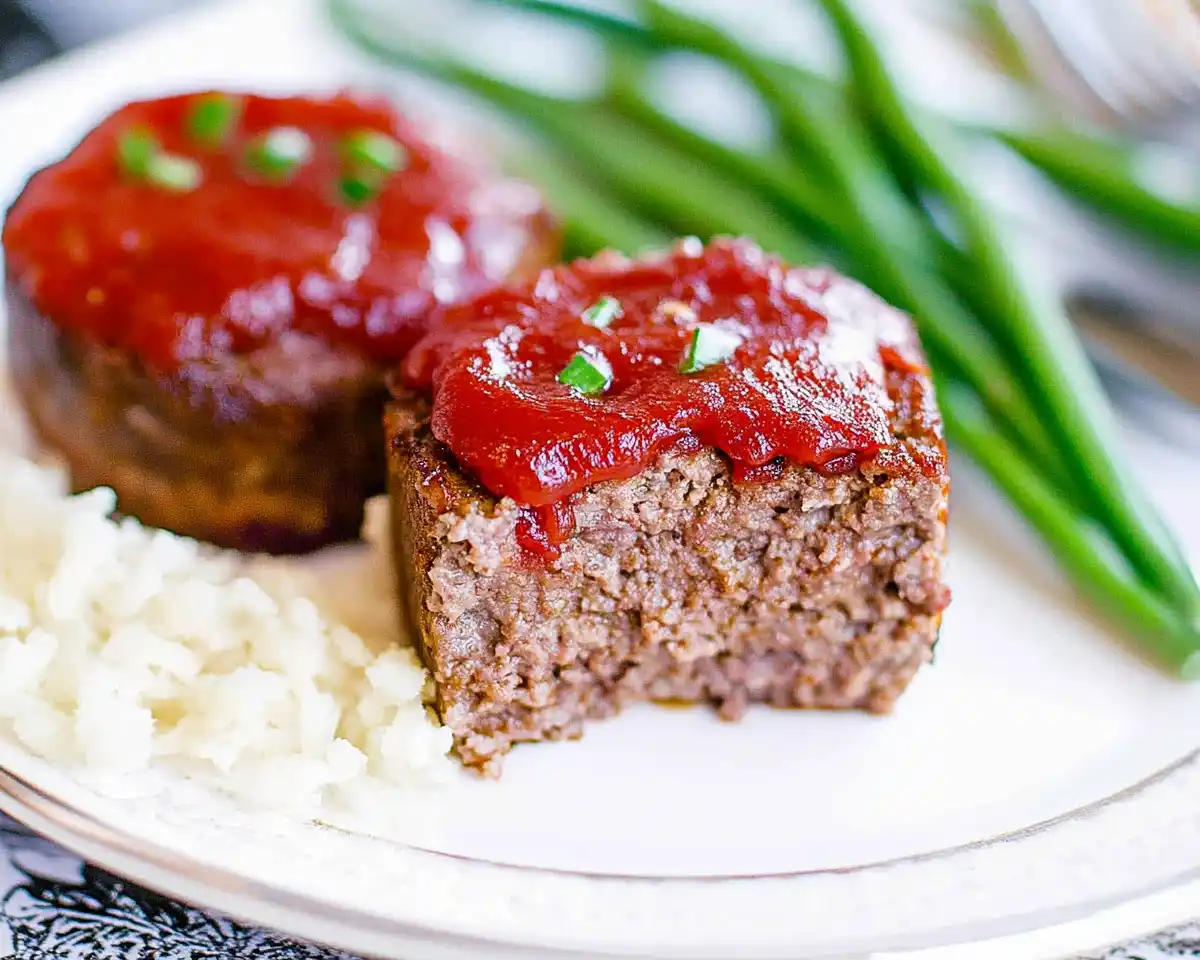
Gluten-Free Mini Meatloaves
These gluten-free mini meatloaves are ready in 25 minutes and freeze beautifully. Perfect for busy families seeking quick, protein-packed dinners that taste homemade.
Perfectly portioned, savory, and gluten-free! Try these easy gluten-free beef recipes for more tasty weeknight meals.
Tuesday night used to be my “figure out dinner in a panic” moment—you know the one. My kids are hungry, I’m exhausted, and the last thing I want to do is stand at the stove for an hour. Then I discovered gluten-free mini meatloaves, and honestly, they changed everything.
Here’s the real magic though: you can make a big batch, freeze them, and have ready-to-bake mini dinner meatloaves waiting for those nights when you’re completely out of ideas. I’ve had nights where I literally just popped these frozen loaves straight into the oven while making side dishes—dinner was on the table in 30 minutes flat. That’s the kind of easy I’m talking about.
Table of Contents
Why These Gluten-Free Mini Meatloaves Are a Game-Changer
You know, I never thought a simple meatloaf recipe could change my weeknight routine this dramatically. But here we are—I’ve made these savory mini meatloaves probably 50 times in the past year, and my family still asks for them at least twice a month.
What makes them special isn’t fancy ingredients or complicated techniques. It’s the fact that you can prep once and eat well for weeks afterward. There’s something genuinely powerful about opening your freezer and knowing you have ready-to-bake meals waiting.
Plus, these mini dinner meatloaves convert non-gluten-free people instantly. Nobody has that moment where they wonder if something is gluten-free—they just taste delicious, homemade meat with a perfect texture. That’s when you know you’ve really cracked the code on gluten-free cooking.
Ingredients
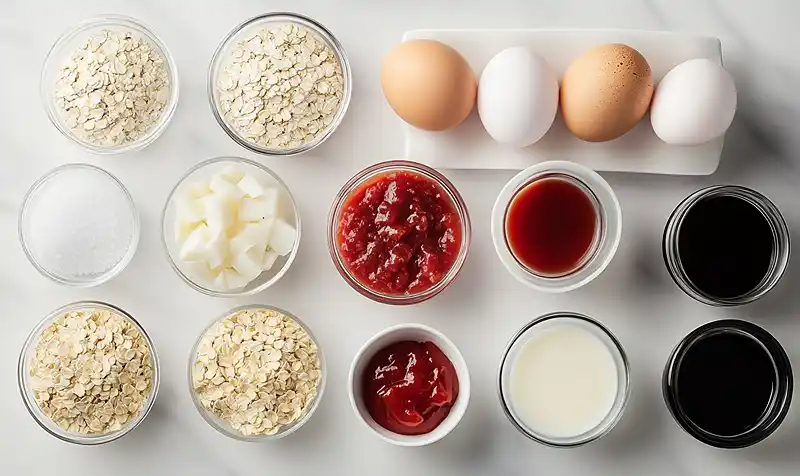
| Ingredient | Amount |
|---|---|
| Onion, grated | 1 medium |
| Quick oats | 1 cup |
| Milk | ½ cup |
| Eggs | 2 |
| Kosher salt | 1 teaspoon |
| Black pepper | ½ teaspoon |
| Soy sauce (gluten-free) | 2 teaspoons |
| Ground beef (80/20 blend) | 2 lbs |
| Ketchup or barbecue sauce | Optional, for topping |
A Quick Note on Oats: Quick oats serve as the binder in these gluten-free mini meatloaves, replacing traditional breadcrumbs. They absorb moisture beautifully and create a tender texture. Make sure your oats are certified gluten-free if you’re sensitive to cross-contamination—not all quick oats are created equal in terms of processing.
Instructions
Prep Your Oven and Pan
Preheat your oven to 400°F and butter or grease a rimmed baking sheet or casserole dish. This step takes literally 30 seconds, but it makes cleanup so much easier afterward. Trust me—you’ll thank yourself when you’re not scrubbing stuck-on meat later.
Make Your Binder Mixture
In a large bowl, combine your grated onion, quick oats, milk, eggs, kosher salt, black pepper, and soy sauce. Mix everything together until well combined, then let it sit for 3-5 minutes while the oats absorb some of the moisture.
This resting time is important—it helps the oats soften and bind everything together, which means your savory mini meatloaves will hold together beautifully instead of falling apart. The mixture should look moist but not soggy.
Add the Ground Beef
Pour your ground beef into the bowl with the oat mixture. Using your hands, mix everything together thoroughly—this is genuinely the best way to combine the ingredients evenly without overworking the meat.
For the best texture in your healthy gluten-free meatloaves, don’t squeeze or knead the mixture excessively. You’re just blending everything together so the oats distribute throughout the meat. Overmixing can make the meatloaves tough, and nobody wants that.
Portion Into Eight Loaves
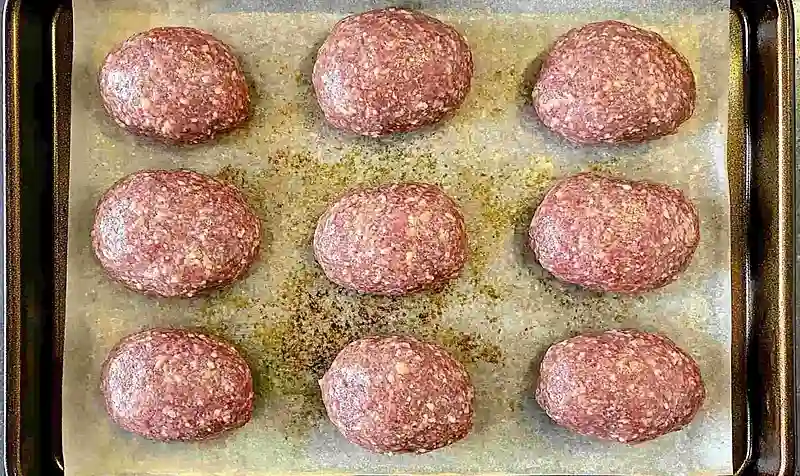
Divide the mixture into eight equal portions and shape them into loaf forms. Here’s my favorite trick: flatten the mixture in the bowl and use a knife to portion it out like you’re slicing a cake into wedges—this ensures all your mini dinner meatloaves are roughly the same size and will cook evenly.
If you’re not cooking them immediately, this is the perfect time to wrap them in plastic wrap and flash freeze for storage (more on that in the storage section!).
Bake Your Mini Meatloaves
Place as many mini meatloaves as you want on your prepared baking sheet or casserole dish—you can cook all eight or just a few. Bake at 400°F for 25 minutes, or until the internal temperature reaches 160°F when measured with a meat thermometer in the thickest part.
The tops might look slightly glossy and moist when you pull them from the oven—that’s perfect. If you’d like a caramelized top, brush with ketchup or barbecue sauce during the last 5 minutes of cooking.
Optional Topping
If you love ketchup or barbecue sauce, brush a light layer on top of each meatloaf during the final 5 minutes of baking. This creates a sticky, slightly caramelized glaze that adds so much flavor without any extra work.
Skip the sauce entirely if you prefer the pure meat flavor, or serve it on the side so people can customize their own. That’s the beauty of these individual portions—everyone gets what they want!
Substitutions for Your Gluten-Free Mini Meatloaves
Different Oat Options
Steel-cut oats work, but they won’t soften as much as quick oats and might create a chunkier texture in your healthy gluten-free meatloaves. Old-fashioned rolled oats also work—just pulse them in a food processor to break them down slightly. Certified gluten-free oats are essential if you have celiac disease or severe sensitivity.
Non-Dairy Milk Alternative
Almond milk, oat milk, or beef broth all work beautifully in place of regular milk. The mixture might need an extra minute or two to absorb the liquid, but the end result will be nearly identical. Broth adds a savory depth that some people really love.
Soy Sauce Swap
If you can’t use soy sauce, Worcestershire sauce adds similar umami depth (use the same amount). Coconut aminos work too for a soy-free option. Both create that savory, complex flavor without the soy allergen.
Ground Meat Alternatives
Ground turkey, ground pork, or a 50/50 beef and pork blend all work beautifully in mini dinner meatloaves. Turkey creates slightly leaner loaves, while pork adds richness. If using turkey or pork, check the internal temperature at 165°F instead of 160°F.
Egg-Free Binding
If you need an egg substitute, use 2 tablespoons of aquafaba (liquid from canned chickpeas) or a flax egg (1 tablespoon ground flaxseed plus 3 tablespoons water, let sit 5 minutes). The texture might be slightly more delicate, but it still holds together beautifully.
Lower-Fat Option
Use 90/10 ground beef or ground turkey for a leaner version. You might need to add an extra 2 tablespoons of milk because these leaner meats absorb less moisture. The cooking time stays the same.
If you’re as obsessed with these mini dinner meatloaves as your family will be, check out our complete gluten-free main course collection for other protein-packed weeknight winners.
Troubleshooting Your Gluten-Free Mini Meatloaves
My Meatloaves Are Falling Apart
This usually means the oat mixture didn’t bind properly, often because the oats didn’t have enough time to absorb the milk. Make sure you’re letting the oat mixture sit for the full 3-5 minutes before adding meat. Also, ensure you’re mixing thoroughly—every bit of meat needs to contact the binder.
They’re Too Dry
Dry savory mini meatloaves typically mean they baked too long or your ground beef was too lean. Check at 23 minutes instead of 25—there’s a small window between perfectly moist and overdone at 400°F. If using very lean meat, add an extra tablespoon of milk to the binder mixture.
The Tops Are Burning But Inside Isn’t Cooked
Your oven might run hot, or the meatloaves are positioned too close to the heating element. Try moving the rack to the middle of the oven or lowering the temperature to 375°F and extending the baking time to 30-32 minutes. Cover with foil halfway through if the tops are browning too quickly.
They’re Sticking to the Pan
Make sure you’re using enough butter or cooking spray—a light coat isn’t enough. You can also line your pan with parchment paper for super easy cleanup and guaranteed non-sticking. Some people even use a muffin tin with liners for perfectly shaped individual loaves.
The Mixture Is Too Wet or Too Loose
If your mixture won’t hold together even after the oats have soaked, add 2-3 tablespoons more quick oats and let it sit another minute. The texture should be moist like cookie dough, not soupy. Too much moisture means the oats didn’t absorb properly—this sometimes happens with very wet ground beef.
Storage and Meal Prep for Gluten-Free Mini Meatloaves
Storing Cooked Meatloaves
Cooked mini dinner meatloaves keep perfectly in an airtight container in the fridge for up to 4 days. Reheat in a 350°F oven for 10-12 minutes, or microwave individual loaves for 1-2 minutes. They’re also delicious served cold with mustard and pickles the next day.
Freezing Unbaked Meatloaves
This is my favorite part—you can make a double batch and have ready-to-bake loaves waiting. After shaping, wrap each one individually in plastic wrap, then place them all in a freezer-safe container. They’ll keep for up to 3 months frozen.
To cook frozen healthy gluten-free meatloaves, defrost completely at room temperature (about 2 hours) or overnight in the fridge, then bake as directed. You can also bake from frozen—just add 5-7 extra minutes to the baking time and check the internal temperature carefully.
Make-Ahead Meal Prep Strategy
Here’s my go-to system: mix the entire binder mixture, portion everything into eight loaves, and freeze them all. Then, throughout the month, I pull out whatever I need and have dinner ready in 30 minutes. It’s genuinely life-changing for busy families.
You can also make the binder mixture the night before (keep it in the fridge) and just add meat the morning you want to cook. The flavors actually deepen slightly, and you’ve saved yourself time when it matters most.
Serving Suggestions for Your Savory Mini Meatloaves
Classic Comfort Meal
Serve gluten-free mini meatloaves with mashed potatoes and a simple green vegetable—it’s the definition of cozy weeknight dinner. A drizzle of gravy over everything ties it together perfectly. Add a small dinner roll for someone not eating gluten-free, and everyone’s happy.
Lighter Pairing Options
Roasted vegetables like broccoli, carrots, or Brussels sprouts pair beautifully with these loaves. A crisp salad with ranch dressing provides a fresh contrast to the savory meat. For something quick, serve alongside steamed green beans and brown rice.
Sandwich-Style Serving
Slice a cooled meatloaf and serve on gluten-free bread with lettuce, tomato, and mayo for a hearty sandwich. Kids absolutely love this presentation—it feels like something special even though it’s the same meatloaf. Add pickles or coleslaw for extra flavor.
Holiday Twist
Around Thanksgiving, serve these mini loaves alongside traditional sides like sweet potato casserole and stuffing. People always ask what they are, and they’re surprised when you tell them how easy they are. It’s a great way to have something gluten-free at family gatherings.
Leftover Magic
Chop up leftover meatloaf and add to scrambled eggs for a hearty breakfast, or toss with pasta and marinara sauce for an easy lunch. You can even crumble it into tacos—the possibilities are endless once you have cooked loaves ready to go.
Variations and Dietary Adjustments
Greek-Inspired Version
Add 2 tablespoons of crumbled feta cheese, 1 teaspoon dried oregano, and ½ teaspoon garlic powder to the binder mixture. Skip the ketchup and serve with a tzatziki sauce instead. Your mini dinner meatloaves become Mediterranean flavored and taste like something from a fancy restaurant.
Italian Herb Variation
Mix 2 teaspoons Italian seasoning, ½ teaspoon garlic powder, and ¼ cup grated Parmesan into the binder mixture. Top with marinara sauce instead of ketchup and add melted mozzarella during the last 2 minutes of baking. These are absolutely delicious served over pasta.
Asian-Inspired Meatloaves
Increase soy sauce to 3 teaspoons, add 1 teaspoon grated ginger and 2 minced garlic cloves to the onion mixture. Glaze with a mixture of soy sauce, honey, and rice vinegar during the last 5 minutes of baking. These have an amazing savory-sweet flavor profile.
Make It Spicy
Add ½ teaspoon cayenne pepper, 1 teaspoon Worcestershire sauce, and a dash of hot sauce to the binder. Top with spicy barbecue sauce for extra heat. You know, these spicy loaves are incredible for anyone who likes their food with a kick.
BBQ Bacon Version
Mix 4 strips of crumbled cooked bacon into the binder mixture along with 1 teaspoon smoked paprika. Top with barbecue sauce and bake as usual for healthy gluten-free meatloaves with serious flavor depth. The smoky bacon really takes these to the next level.
Kid-Friendly Mild Version
Keep the seasoning minimal—just salt, pepper, and maybe a tiny bit of garlic powder. Skip the soy sauce entirely and serve with plain ketchup on the side. Kids tend to love the plain version, and you can always make the fancier variations for adults.
FAQs About Gluten-Free Mini Meatloaves
Why Use Oats Instead of Breadcrumbs?
Oats naturally bind the mixture just like breadcrumbs do, but they absorb liquid better and create a more tender texture. Since oats are naturally gluten-free (when certified), they’re perfect for savory mini meatloaves without any special substitutions. Plus, they add subtle nutrition that breadcrumbs don’t provide.
Can I Use Ground Turkey or Pork Instead?
Absolutely! Turkey creates leaner loaves, while pork adds richness—both are delicious. Just remember to check the internal temperature at 165°F for turkey and pork instead of 160°F. The cooking time stays around 25 minutes for similar-sized portions.
How Do I Know When They’re Fully Cooked?
Use a meat thermometer and check the thickest part—it should read 160°F for beef and 165°F for turkey or pork. You can also cut the thickest loaf in half; the inside should be brown or light pink with no raw spots. Never rely on color alone, as the meat can look cooked while still being undercooked inside.
What If I Only Want to Cook Some?
You can absolutely wrap and freeze the raw mixture for later. Defrost completely before cooking, then bake as directed. This is genuinely one of the best features of mini dinner meatloaves—ultimate flexibility for your schedule.
Can I Cook Them in a Muffin Tin?
Yes! Using a muffin tin with liners creates perfectly shaped individual loaves. They’ll cook in about 20-22 minutes since they’re in contact with the hot metal on more sides. Watch carefully so they don’t overbake in the smaller pan.
Is There a Slow Cooker Method?
You can cook these low and slow! Place wrapped loaves on a slow cooker liner or foil, set to low, and cook for 5-6 hours. They’ll be more tender from the extended cooking, but watch for dryness. Add ½ cup beef broth to the bottom of the slow cooker to keep everything moist.
Pro Tips for Perfect Results Every Time
Don’t Skip the Resting Time
Those 3-5 minutes while the oats absorb moisture are genuinely important. It’s not just a nice-to-have—it’s what makes these loaves hold together and stay tender. Rush this step and you’ll notice the difference.
Use Your Hands
Mixing with your hands ensures every bit of meat gets coated with the binder evenly. Plus, you can feel when everything’s properly combined without overworking it. It takes an extra 20 seconds but makes a real difference.
Invest in a Meat Thermometer
Guessing whether meat is done always leads to either dry or undercooked meatloaves. A quick meat thermometer removes all the guesswork and gives you perfect results every single time. It’s probably my favorite kitchen tool.
Room Temperature Ground Beef
Let your ground beef sit out for 20 minutes before mixing if it’s been in the fridge. Cold meat is harder to combine evenly with the binder. Room-temperature meat incorporates smoothly and creates a better texture.
Watch Your First Batch
Every oven is different, so peek at your gluten-free mini meatloaves around the 23-minute mark the first time. Once you know your oven’s personality, you’ll nail the timing perfectly every other time you make them.
The Bottom Line
These gluten-free mini meatloaves are proof that the most valuable recipes are often the simplest ones. No fancy techniques, no hard-to-find ingredients, no stress—just honest, delicious food that your whole family will actually want to eat.
What I genuinely love is how these loaves fit into real life. They work for busy weeknights, they freeze beautifully for meal prep, they satisfy picky eaters, and they’re fancy enough for dinner guests. That’s rare in a single recipe.
So grab your ground beef, preheat that oven, and give these savory mini meatloaves a try this week. I’m betting you’ll be adding this to your regular rotation within the first month. Your family’s going to ask for it constantly, and you’ll be thrilled because you know it’s actually easy to make. You’ve absolutely got this!
For more science-backed cooking information, I love referencing authoritative nutrition and food safety guidelines to ensure our recipes meet proper cooking temperatures and food handling standards.
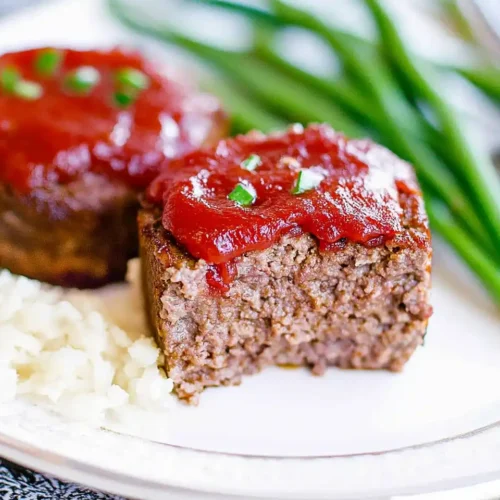
Gluten-Free Mini Meatloaves
Equipment
- Rimmed baking sheet or casserole dish
- Large mixing bowl
- Grater or food processor
- Meat thermometer
- Hands for mixing (optional but recommended)
- Plastic wrap for storage
Ingredients
Main Ingredients
- 1 medium Onion, grated Yellow or white onion works best
- 1 cup Quick oats Certified gluten-free oats if sensitive to cross-contamination
- ½ cup Milk Dairy or non-dairy alternatives like almond, oat, or beef broth
- 2 eggs Eggs Room temperature for best mixing; can substitute with aquafaba
- 1 teaspoon Kosher salt
- ½ teaspoon Black pepper
- 2 teaspoons Soy sauce (gluten-free) Worcestershire sauce or coconut aminos work as substitutes
- 2 lbs Ground beef 80/20 blend recommended; 90/10 works with extra milk
Optional Topping
- To taste optional Ketchup or barbecue sauce Apply during last 5 minutes of baking for caramelized top
Instructions
- Prep Your Oven and PanPreheat your oven to 400°F and butter or grease a rimmed baking sheet or casserole dish. This step takes literally 30 seconds, but it makes cleanup so much easier afterward. You’ll thank yourself when you’re not scrubbing stuck-on meat later.
- Make Your Binder MixtureIn a large bowl, combine your grated onion, quick oats, milk, eggs, kosher salt, black pepper, and soy sauce. Mix everything together until well combined, then let it sit for 3-5 minutes while the oats absorb some of the moisture. The mixture should look moist but not soggy.
- Add the Ground BeefPour your ground beef into the bowl with the oat mixture. Using your hands, mix everything together thoroughly—this is genuinely the best way to combine the ingredients evenly without overworking the meat. Don’t squeeze or knead the mixture excessively, as this can make the meatloaves tough.
- Portion Into Eight LoavesDivide the mixture into eight equal portions and shape them into loaf forms. Flatten the mixture in the bowl and use a knife to portion it out like you’re slicing a cake into wedges—this ensures all your mini meatloaves are roughly the same size and will cook evenly. Wrap in plastic wrap and flash freeze if not cooking immediately.
- Bake Your Mini MeatloavesPlace as many mini meatloaves as you want on your prepared baking sheet or casserole dish. Bake at 400°F for 25 minutes, or until the internal temperature reaches 160°F when measured with a meat thermometer in the thickest part. The tops might look slightly glossy and moist when you pull them from the oven—that’s perfect.
- Optional ToppingIf you love ketchup or barbecue sauce, brush a light layer on top of each meatloaf during the final 5 minutes of baking. This creates a sticky, slightly caramelized glaze that adds flavor without extra work. Skip the sauce entirely if you prefer the pure meat flavor, or serve it on the side.