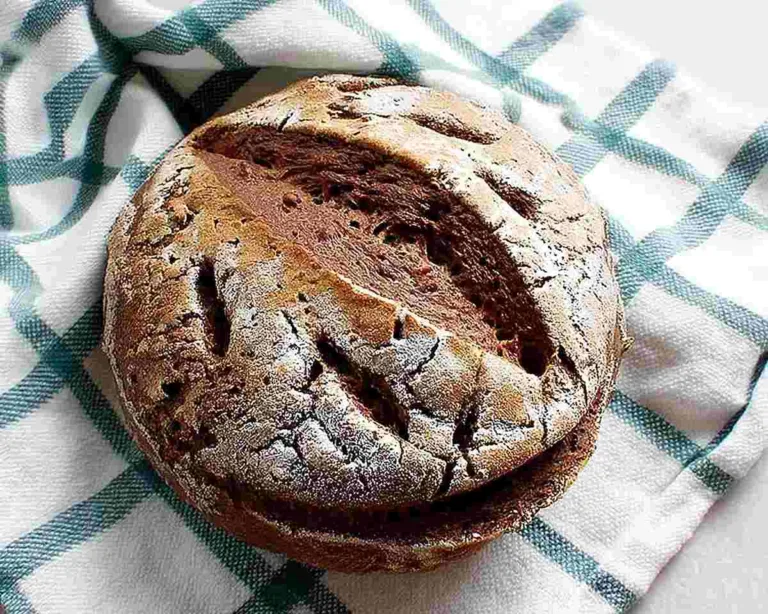
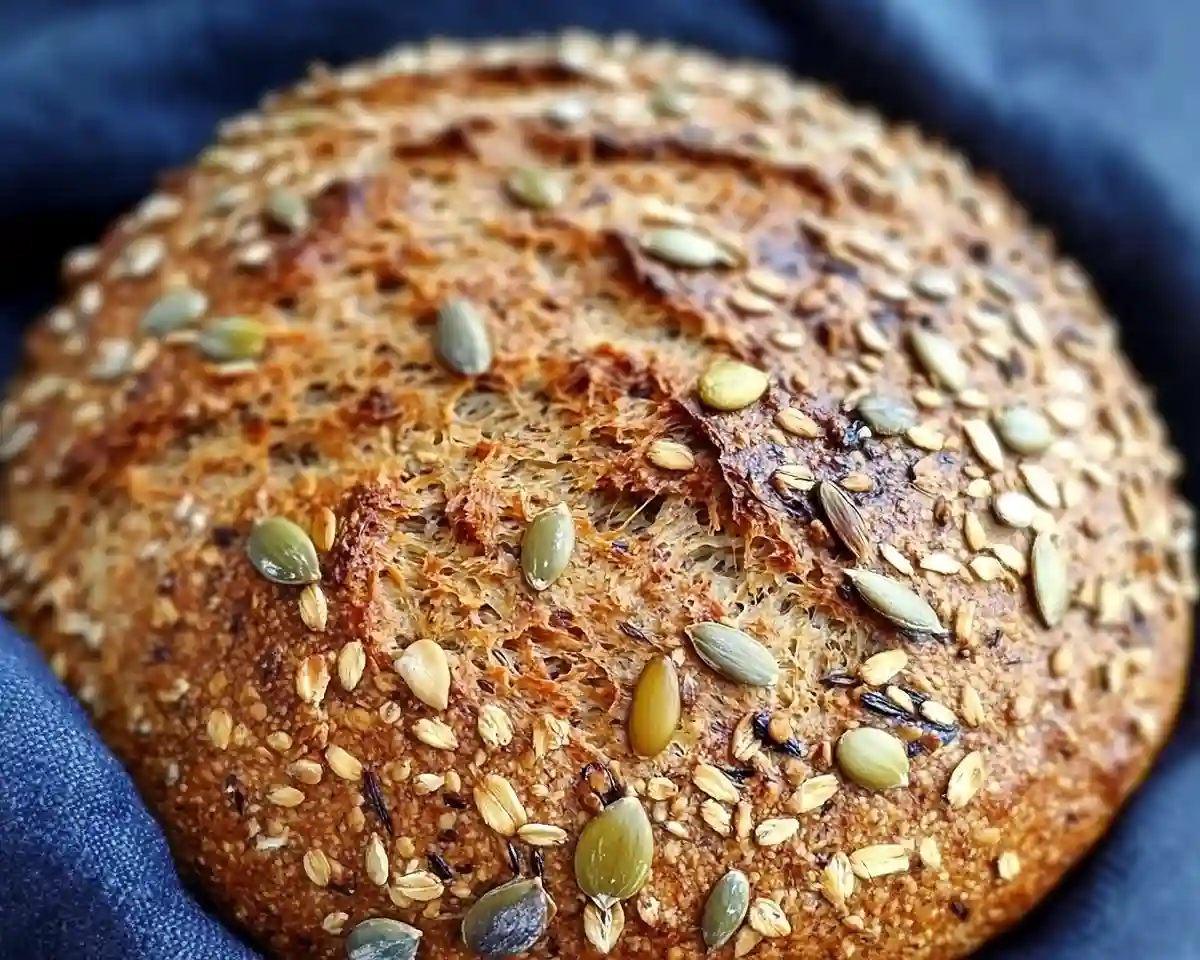
Gluten-Free Multigrain Bread
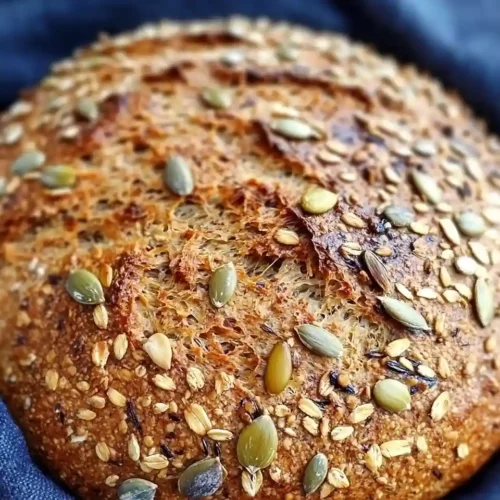
This gluten-free multigrain bread recipe delivers crusty, seeded artisan loaves packed with nutrition. Perfect for busy families seeking wholesome homemade bread!
You know what? There’s something incredibly satisfying about slicing into a warm loaf of homemade bread that’s absolutely packed with seeds, grains, and wholesome goodness.
My family goes through bread like it’s going out of style, and I got tired of spending a fortune on store-bought gluten-free loaves that crumbled apart or tasted like cardboard.
That’s when I decided to master this gluten-free multigrain bread recipe. The first time I pulled a golden, crusty boule from my oven, my kids actually cheered. Seriously!
This gluten-free whole grain bread isn’t just delicious—it’s packed with fiber, healthy fats, and complex nutrients that’ll keep everyone fueled throughout the day.
Whether you’re shaping it into a rustic boule for Sunday dinner or forming elegant baguettes for sandwiches, this gluten-free seeded bread delivers that authentic artisan texture we all crave.
Table of Contents
Ingredients
| Ingredient Category | Ingredients | Amount |
|---|---|---|
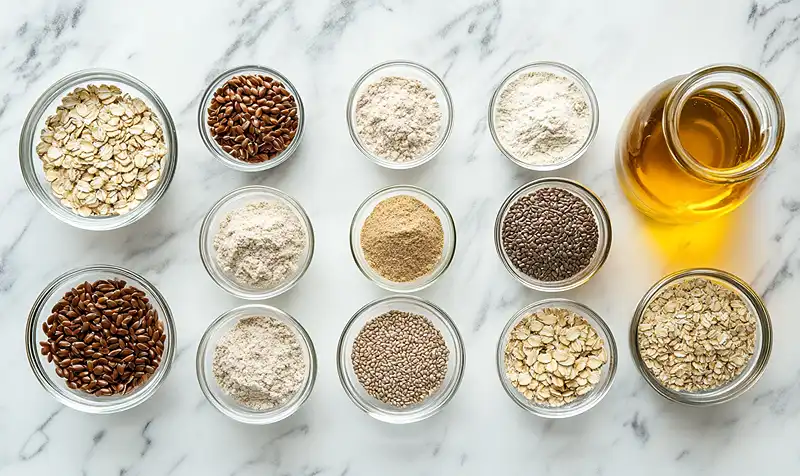
| Psyllium Husks Soak | Whole psyllium husks (see notes) | 2 tbsp (10g) |
| Hot water | ¾ cup (180ml) | |
| Seed Soaker | Whole flax seeds | 3 tbsp (30g) |
| Whole purity protocol rolled oats | 3 tbsp (20g) | |
| Raw sunflower seeds | 3 tbsp (26g) | |
| Raw pumpkin seeds (pepitas) | 3 tbsp (27g) | |
| Whole raw millet | 2 tbsp (24g) | |
| Flax meal | 3 tbsp (18g) | |
| Whole teff grains | 1 tbsp (12g) | |
| Boiling water | ½ cup (120ml) | |
| Bread Dough | Kim’s multigrain bread flour blend | 2½ cups (350g) |
| Instant yeast | 1½ tsp (5g) | |
| Kosher salt | 2 tsp (12g) | |
| Warm water | 1 cup (240ml) | |
| Olive oil | 2 tbsp (26g) | |
| Honey | 2 tbsp (42g) |
Note: You can substitute 1½ tablespoon psyllium husk powder for whole psyllium husks if needed.
Instructions
Soak the Seeds/Nuts/Grains: Pour boiling water over your seed soaker mixture in a small bowl and cover tightly with plastic wrap. This crucial step softens the seeds and helps them integrate beautifully into your gluten-free mixed grain bread. Set it aside while you prepare the rest of the dough.
Soak the Psyllium Husks: Place psyllium husks in a small bowl and pour hot water over them. Give it a quick stir and set aside to gel—this magical ingredient acts as the glue that holds your bread together. If you’re planning to bake the same day, this step is your secret weapon.
Make the Dough: Once your psyllium husks have transformed into a gel-like consistency, place all dough ingredients (including the gelled psyllium) into your stand mixer bowl. Mix on medium-high speed for a few minutes until everything comes together beautifully.
Add your seed soaker (which should have absorbed all that water by now) and continue mixing for another few minutes until you’ve got a cohesive dough that’s studded with nutritious seeds.
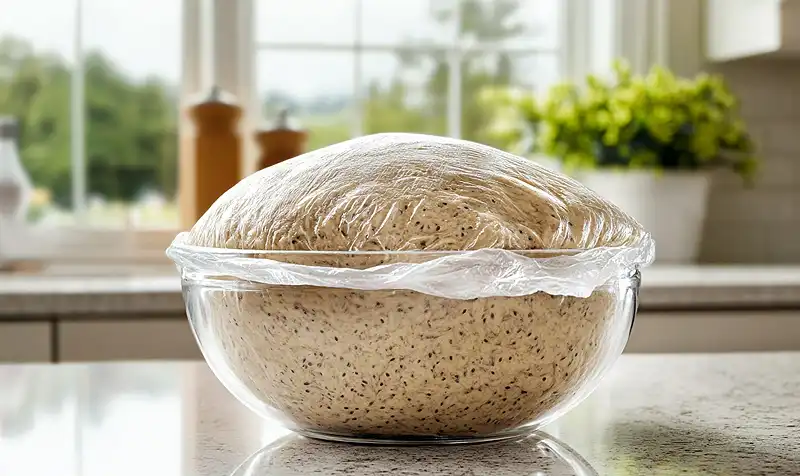
First Rise: Scrape the dough into a mound in the center of your bowl and cover it snugly. Allow it to proof in a warm, cozy spot for 2-3 hours, or until it’s doubled in size and looking absolutely gorgeous. Your proofing time will vary based on how warm your kitchen is—summer loaves always rise faster than winter ones!
Refrigerate (Optional but Recommended): If you pre-soaked your psyllium husks, you can knead immediately or refrigerate for a few hours before kneading. Otherwise, for optimal texture in your gluten-free artisan multigrain bread, refrigerate the dough for at least 6 hours, preferably overnight. This rest period allows the flavors to develop and makes the dough easier to handle.
Knead and Shape: Knead your chilled dough on a well-floured surface until it’s smooth and cooperative, adding more flour as necessary to prevent stickiness. To shape a beautiful boule, form the dough into a round ball, pulling it up and under while pinching at the bottom.
If you’re feeling fancy, spray the loaf with nonstick spray and roll it in extra seeds for a stunning crust! For a baguette, smooth the dough and roll it into a rope shape, tapering the ends and making it as thick or thin as you prefer.
Second Rise: Place your shaped loaf on parchment paper (or in a lightly floured banneton for a boule, smooth side down) and cover loosely with plastic wrap. Let it rise in a warm, draft-free area until visibly puffed and slightly larger—about ½ to 1 hour. Don’t expect it to double; just look for that telltale puffiness that signals it’s ready.
Prepare Your Oven: For the baking steel or stone method, place your steel or stone on the middle rack with a shallow pan on the rack underneath, then preheat to 450°F. For the Dutch oven method, place your Dutch oven with its lid inside and preheat to 500°F—you won’t need that steam pan since the Dutch oven creates its own steamy environment.
Score the Dough: When your dough looks beautifully puffed, run a serrated knife under hot tap water and swiftly cut slits about ½-¾ inch deep across the surface. This allows your gluten-free seeded bread to expand properly and creates those gorgeous artisan cracks we all love.
Bake (Baking Steel/Stone Method): Fill a measuring cup with one cup of very hot tap water. Using a pizza peel, slide your loaf onto the preheated steel or stone, parchment and all. Immediately pour that cup of hot water into the shallow pan below and quickly shut the oven door to trap all that beautiful steam. Bake baguettes for about 30 minutes or boules for about 40 minutes (larger boules may need up to an hour or more).
Bake (Dutch Oven Method): Carefully remove the Dutch oven lid and gently lower your dough (with parchment) into the pot. Replace the lid, shut the oven door, and immediately reduce temperature to 450°F. Bake covered for 40 minutes, then remove the lid and continue baking for another 20 minutes.
Check for Doneness: Your loaves should look crusty and golden, but the real test is the weight. Pick them up with oven mitts—they should feel somewhat light. If they feel overly heavy, bake for another 5-10 minutes and check again. Because of all those wonderful seeds and grains, this bread will naturally be a bit heavier than plain gluten-free loaves.
Cool Completely: Remove from the oven and transfer to a cooling rack. Man, oh man, I know it’s tempting, but resist cutting into that gorgeous loaf until it’s completely cool, or you’ll end up with a gummy interior instead of that perfect tender crumb.
Substitutions
Psyllium Husk Options: If you only have psyllium husk powder on hand, use 1½ tablespoons instead of the 2 tablespoons whole husks. The powder absorbs liquid slightly differently, so this adjustment keeps your gluten-free whole grain bread at the perfect consistency.
Seed Customization: Feel free to swap out seeds based on what’s in your pantry! The key is maintaining around 150-160g total weight. Try swapping sunflower seeds for chopped walnuts, or add sesame seeds for extra nuttiness in your gluten-free mixed grain bread.
Sweetener Swaps: Maple syrup or agave nectar work beautifully in place of honey at the same measurement. Keep in mind that honey contributes to that gorgeous golden crust, so your loaf might look slightly paler with other sweeteners.
Oil Alternatives: Avocado oil or melted coconut oil can replace olive oil in equal amounts. Each brings its own subtle flavor profile to your finished gluten-free artisan multigrain bread.
Troubleshooting
Dough Too Sticky: If your dough feels impossibly sticky during kneading, don’t panic! Gradually add more flour blend, one tablespoon at a time, until it’s manageable. The humidity in your kitchen affects dough hydration more than you’d think.
Bread Not Rising: Check your yeast’s expiration date first—old yeast is the number one culprit. Also, make sure your proofing area is genuinely warm (around 75-80°F is ideal). I sometimes place my covered bowl near my preheating oven or in a turned-off oven with just the light on.
Dense, Heavy Texture: This usually means the bread needed more baking time. According to research on gluten-free baking science, gluten-free breads require thorough baking to achieve proper structure. Don’t be afraid to add those extra 5-10 minutes!
Crust Too Dark: Simply tent your loaf loosely with aluminum foil partway through baking. This protects the exterior while allowing the interior to finish cooking through completely.
Storage and Meal Prep
Storage: Once completely cooled, store your gluten-free multigrain bread in an airtight container or resealable bag at room temperature for up to 3 days. For longer storage, slice and freeze for up to 3 months—just pop slices directly into the toaster from frozen!
Meal Prep: You can prepare the dough through the first rise, then refrigerate it for up to 24 hours before shaping and baking. This makes it perfect for busy weeknights when you want fresh bread but don’t have hours to wait. I often mix dough on Sunday afternoon and bake Tuesday evening.
Serving Suggestions
This crusty gluten-free seeded bread is phenomenal sliced thick and slathered with grass-fed butter or your favorite nut butter. It makes incredible sandwiches that actually hold together (finally!), and it’s absolutely divine toasted with mashed avocado and everything bagel seasoning.
Serve alongside soups, stews, or pair it with your favorite healthy oatmeal blueberry muffins for a complete breakfast spread. It’s also fantastic as the bread base for holiday stuffing—my family requests it every Thanksgiving!
Variations
Dairy-Free: This recipe is naturally dairy-free, making it perfect for those avoiding both gluten and dairy. Just double-check that your flour blend doesn’t contain any hidden dairy ingredients.
Egg-Free: Great news—there are no eggs in this gluten-free whole grain bread recipe! The psyllium husks provide all the binding power you need for a beautiful, cohesive loaf.
Kid-Friendly Milder Version: If your kids aren’t fans of all the seeds, reduce the seed soaker by half and increase the flour blend by ¼ cup. You’ll still get a nutritious multigrain loaf, just with a milder flavor and smoother texture.
Herb and Garlic: Fold in 2 tablespoons of Italian seasoning and 2 teaspoons of garlic powder when mixing your dough. This savory variation is amazing alongside pasta dishes or used for gluten-free calzone dough appetizers.
Gluten-Free Multigrain Bread FAQs
Can multigrain bread be gluten-free?
Absolutely! This gluten-free multigrain bread proves you don’t need wheat to create a hearty, seed-packed loaf. By using a quality gluten-free flour blend and adding nutritious seeds like flax, millet, and teff, you get all the texture and nutrition of traditional multigrain bread.
Is there a gluten-free grain-free bread?
Well, technically grain-free means no grains at all, which is different from this recipe. However, if you’re looking for a nut-based alternative, check out my healthy paleo banana bread made with almond flour. This multigrain version does contain gluten-free grains like oats, millet, and teff for maximum nutrition.
Is multigrain gluten-free?
Not always—traditional multigrain bread typically contains wheat, barley, or rye, all of which have gluten. That’s why I created this specifically gluten-free mixed grain bread using only certified gluten-free grains and seeds. Always check labels carefully when buying commercial multigrain products.
Which bread is naturally gluten-free?
Most breads contain gluten, but you can make naturally gluten-free versions using alternative flours and grains. This recipe uses a combination of gluten-free flour blend with seeds and certified gluten-free oats. According to trusted gluten-free nutrition guidance, naturally gluten-free grains include rice, quinoa, millet, and certified oats.
There’s truly nothing quite like pulling a crusty, golden loaf from your oven and knowing exactly what went into it. This gluten-free seeded bread has become a weekly staple in our house, and I hope it brings the same joy and nourishment to your family’s table!
Gluten-Free Multigrain Bread
Equipment
- Stand mixer or handheld mixer
- Small bowls
- Plastic wrap
- Baking steel or stone (or Dutch oven)
- Shallow pan (for steam method)
- Parchment paper
- Pizza Peel
- Serrated knife
- Cooling rack
- Banneton (optional)
Ingredients
Psyllium Husks Soak
- 2 tbsp whole psyllium husks 10g; 1½ tablespoon psyllium husk powder may be substituted
- ¾ cup hot water 180ml
Seed Soaker
- 3 tbsp whole flax seeds 30g
- 3 tbsp whole purity protocol rolled oats 20g
- 3 tbsp raw sunflower seeds 26g
- 3 tbsp raw pumpkin seeds (pepitas) 27g
- 2 tbsp whole raw millet 24g
- 3 tbsp flax meal 18g
- 1 tbsp whole teff grains 12g
- ½ cup boiling water 120ml; or very hot water
Bread Dough
- 2½ cups Kim’s multigrain bread flour blend 350g
- 1½ tsp instant yeast 5g
- 2 tsp kosher salt 12g
- 1 cup warm water 240ml
- 2 tbsp olive oil 26g
- 2 tbsp honey 42g
Instructions
- Pour boiling water over your seed soaker mixture in a small bowl and cover tightly with plastic wrap. This crucial step softens the seeds and helps them integrate beautifully into your gluten-free mixed grain bread. Set it aside while you prepare the rest of the dough.
- Place psyllium husks in a small bowl and pour hot water over them. Give it a quick stir and set aside to gel—this magical ingredient acts as the glue that holds your bread together. If you’re planning to bake the same day, this step is your secret weapon.
- Once your psyllium husks have transformed into a gel-like consistency, place all dough ingredients (including the gelled psyllium) into your stand mixer bowl. Mix on medium-high speed for a few minutes until everything comes together beautifully. Add your seed soaker (which should have absorbed all that water by now) and continue mixing for another few minutes until you’ve got a cohesive dough that’s studded with nutritious seeds.
- Scrape the dough into a mound in the center of your bowl and cover it snugly. Allow it to proof in a warm, cozy spot for 2-3 hours, or until it’s doubled in size and looking absolutely gorgeous. Your proofing time will vary based on how warm your kitchen is—summer loaves always rise faster than winter ones!
- If you pre-soaked your psyllium husks, you can knead immediately or refrigerate for a few hours before kneading. Otherwise, for optimal texture in your gluten-free artisan multigrain bread, refrigerate the dough for at least 6 hours, preferably overnight. This rest period allows the flavors to develop and makes the dough easier to handle.
- Knead your chilled dough on a well-floured surface until it’s smooth and cooperative, adding more flour as necessary to prevent stickiness. To shape a beautiful boule, form the dough into a round ball, pulling it up and under while pinching at the bottom. If you’re feeling fancy, spray the loaf with nonstick spray and roll it in extra seeds for a stunning crust! For a baguette, smooth the dough and roll it into a rope shape, tapering the ends and making it as thick or thin as you prefer.
- Place your shaped loaf on parchment paper (or in a lightly floured banneton for a boule, smooth side down) and cover loosely with plastic wrap. Let it rise in a warm, draft-free area until visibly puffed and slightly larger—about ½ to 1 hour. Don’t expect it to double; just look for that telltale puffiness that signals it’s ready.
- For the baking steel or stone method, place your steel or stone on the middle rack with a shallow pan on the rack underneath, then preheat to 450°F. For the Dutch oven method, place your Dutch oven with its lid inside and preheat to 500°F—you won’t need that steam pan since the Dutch oven creates its own steamy environment.
- When your dough looks beautifully puffed, run a serrated knife under hot tap water and swiftly cut slits about ½-¾ inch deep across the surface. This allows your gluten-free seeded bread to expand properly and creates those gorgeous artisan cracks we all love.
- Fill a measuring cup with one cup of very hot tap water. Using a pizza peel, slide your loaf onto the preheated steel or stone, parchment and all. Immediately pour that cup of hot water into the shallow pan below and quickly shut the oven door to trap all that beautiful steam. Bake baguettes for about 30 minutes or boules for about 40 minutes (larger boules may need up to an hour or more).
- Carefully remove the Dutch oven lid and gently lower your dough (with parchment) into the pot. Replace the lid, shut the oven door, and immediately reduce temperature to 450°F. Bake covered for 40 minutes, then remove the lid and continue baking for another 20 minutes.
- Your loaves should look crusty and golden, but the real test is the weight. Pick them up with oven mitts—they should feel somewhat light. If they feel overly heavy, bake for another 5-10 minutes and check again. Because of all those wonderful seeds and grains, this bread will naturally be a bit heavier than plain gluten-free loaves.
- Remove from the oven and transfer to a cooling rack. Man, oh man, I know it’s tempting, but resist cutting into that gorgeous loaf until it’s completely cool, or you’ll end up with a gummy interior instead of that perfect tender crumb.