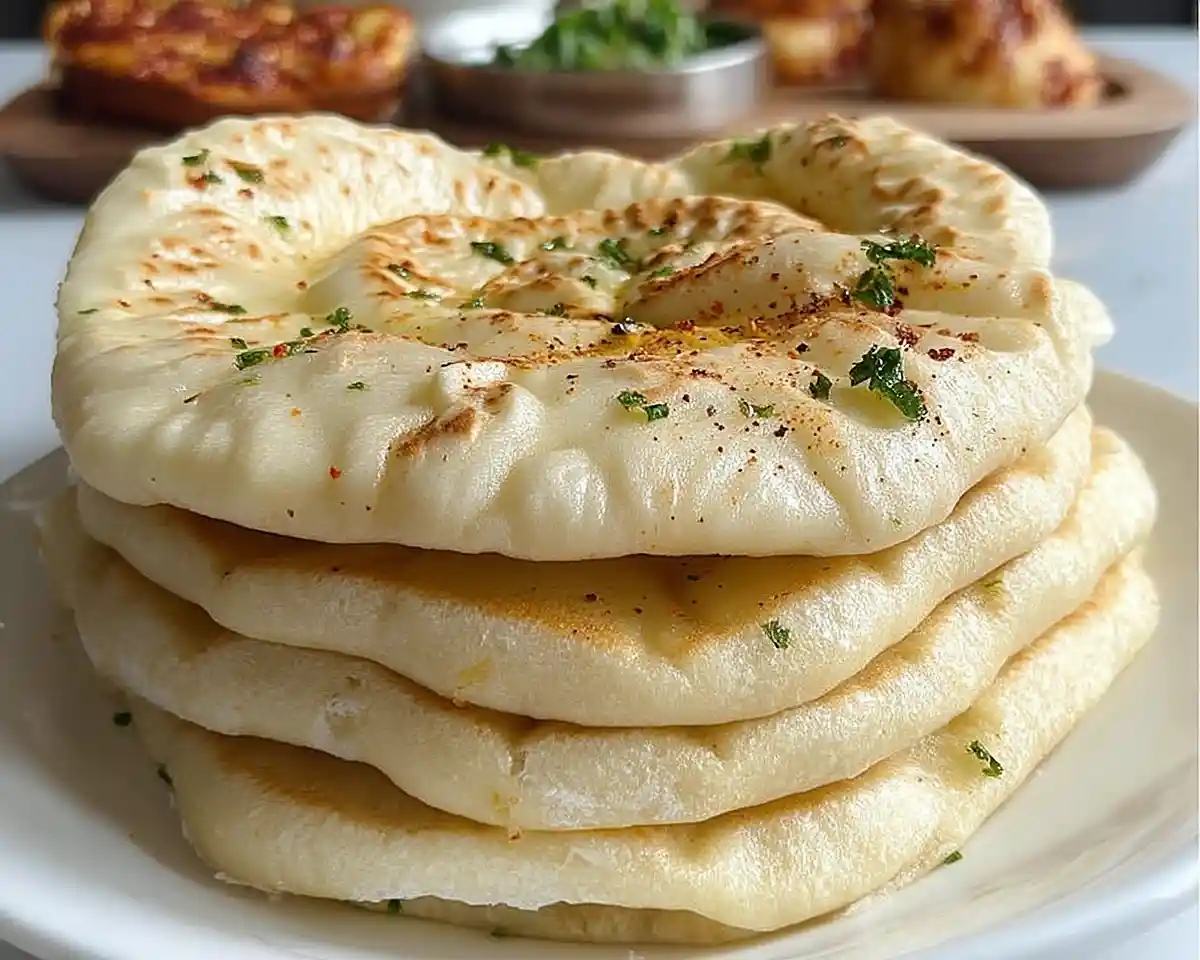
Gluten-Free No-Oven Turkish Bread
Learn how to make gluten-free no-oven Turkish bread on your stovetop in under 2 hours. Fluffy, pillowy flatbread without the oven—perfect for busy families.
You know that moment when you’re craving fresh, fluffy bread but your oven situation is less than ideal? Maybe you’re baking multiple dishes, living in a tiny space, or it’s the middle of summer and you really don’t want to heat up the kitchen—whatever the reason, I’ve got a solution that changed my weeknight bread game forever.
This gluten-free no-oven Turkish bread is pure magic, and I mean that sincerely. It comes together with simple pantry staples, requires zero fancy equipment, and somehow creates those gorgeous, pillowy clouds of bread that taste like they came straight from a Turkish bakery.
The beautiful thing about this stovetop bread recipe is that it’s genuinely foolproof, even for gluten-free baking beginners. You don’t need a stand mixer, a Dutch oven, or any kind of professional setup—just a good pan, a little patience, and your full attention for about 90 minutes total.
Table of Contents

Easy Gluten-Free No-Oven Turkish Bread
Equipment
- Large mixing bowl
- Wooden spoon
- Rolling pin or glass bottom
- Thick-bottomed skillet or cast-iron pan
- Kitchen tongs or spatula
- Clean kitchen towel or cloth
- Measuring cups and spoons
- Damp kitchen towel for covering dough
Ingredients
DOUGH
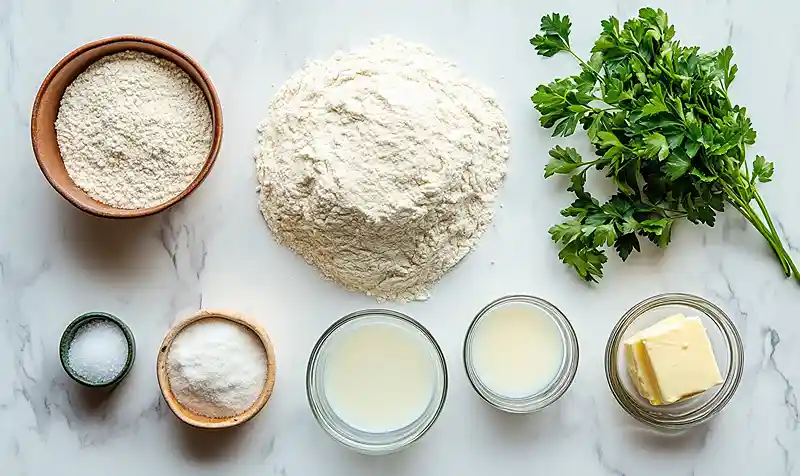
- 500 g Bread flour or all-purpose gluten-free flour Use quality gluten-free blend with xanthan gum; 4 cups
- 160 ml Warm milk Not hot—just pleasantly warm; ⅔ cup
- 160 ml Warm water Same temperature as milk; ⅔ cup
- 10 g Instant dry yeast Check expiration date; 1.5 tbsp
- 10 g Sugar Feeds the yeast, helps activation; 1 tbsp
- 8 g Salt Enhances flavor and texture; 0.8 tbsp
TOPPING (OPTIONAL)
- 20 g Melted unsalted butter or olive oil For brushing after cooking
- to taste Chopped fresh parsley Traditional Turkish garnish
Instructions
- Step 1: Activate Your Yeast Pour the warm milk, warm water, sugar, and yeast into a large bowl and mix them together gently. Let this mixture sit undisturbed for about 5 minutes—you’ll see tiny bubbles forming on the surface, which means your yeast is alive and ready to work its magic for this gluten-free bread recipe.
- Step 2: Build the Dough Add the gluten-free flour and salt to the yeast mixture and stir everything together with a wooden spoon until shaggy. Transfer the dough to a clean surface and knead by hand for about 8–10 minutes until it’s smooth, elastic, and no longer sticky—this is where the gluten-free dough transforms from rough to silky.
- Step 3: Let It Rise Transfer the dough to a lightly oiled bowl, cover it with a damp kitchen towel or plastic wrap, and let it proof in a warm, draft-free spot for about 1 hour. You’re waiting for it to roughly double in size—this is the patient part, but trust me, it’s worth the wait for this no-oven Turkish bread.
- Step 4: Divide and Shape Once the dough has risen beautifully, gently turn it out onto a lightly floured surface and divide it into 6 equal pieces. Shape each piece into a smooth ball by pulling the edges toward the center, then place them on a baking sheet.
- Step 5: Rest Before Rolling Cover the shaped balls with a plastic bag and let them rest for about 10 minutes while you get your pan ready. This short rest helps them relax and makes rolling much easier for your gluten-free bread.
- Step 6: Roll Out the Rounds Using a rolling pin or even the bottom of a glass, gently press each dough ball into a thin, even round about 18 cm (7 inches) in diameter and roughly 5 mm thick. Don’t worry if they’re not perfectly uniform—rustic is charming, and your no-oven Turkish bread will taste incredible regardless.
- Step 7: Heat Your Pan Place a thick-bottomed skillet or cast-iron pan on the stove and set the heat to medium. Let it warm up for about 2–3 minutes—you want it hot enough to cook the bread evenly, but not smoking wildly.
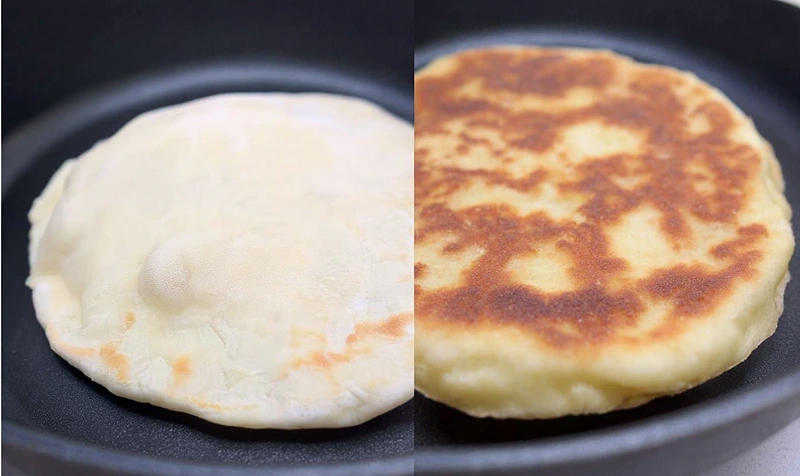
- Step 8: Cook the First Side Carefully place one rolled-out dough round onto the hot pan and watch it closely. Within 30–60 seconds, you’ll see the magic start happening—bubbles will form and puff up under the heat, creating those signature hollow pockets in your gluten-free Turkish bread.
- Step 9: Flip and Cook the Second Side When the bubbles are prominent and the bottom is light golden brown, flip the bread over using tongs or a spatula. The second side will cook faster than the first, usually taking just another 30–45 seconds until it’s spotted and lightly browned.
- Step 10: Lower Heat and Finish Here’s the secret to fluffy, pillowy results: once both sides have cooked, lower the heat to medium-low. Place the cooked no-oven Turkish bread on a clean kitchen towel or plate and loosely cover it with a cloth to keep the steam trapped inside—this is what creates that incredibly soft, cloud-like interior.
- Step 11: Repeat and Stack Continue this process with the remaining dough rounds, stacking each finished bread under the cloth as you go. The steam from each new addition keeps all the earlier breads warm and soft, which is basically the whole genius of this method.
- Step 12: Finish with Butter Once all your bread is cooked, brush each round generously with melted butter or olive oil while they’re still warm. Sprinkle with chopped fresh parsley if you’re feeling fancy, then serve immediately while the gluten-free Turkish bread is at its peak fluffiness.
Notes
Ingredients
| Ingredient | Amount | Notes |
|---|---|---|
| DOUGH | ||
| Bread flour or all-purpose gluten-free flour | 500 g (4 cups) | Use quality gluten-free blend with xanthan gum |
| Warm milk | 160 ml (⅔ cup) | Not hot—just pleasantly warm |
| Warm water | 160 ml (⅔ cup) | Same temperature as milk |
| Instant dry yeast | 10 g (1.5 tbsp) | Check expiration date for best rise |
| Sugar | 10 g (1 tbsp) | Feeds the yeast, helps activation |
| Salt | 8 g (0.8 tbsp) | Enhances flavor and texture |
| TOPPING (OPTIONAL) | ||
| Melted unsalted butter or olive oil | 20 g | For brushing after cooking |
| Chopped fresh parsley | To taste | Traditional Turkish garnish |
Instructions
Step 1: Activate Your Yeast
Pour the warm milk, warm water, sugar, and yeast into a large bowl and mix them together gently. Let this mixture sit undisturbed for about 5 minutes—you’ll see tiny bubbles forming on the surface, which means your yeast is alive and ready to work its magic for this gluten-free bread recipe.
Step 2: Build the Dough
Add the gluten-free flour and salt to the yeast mixture and stir everything together with a wooden spoon until shaggy. Transfer the dough to a clean surface and knead by hand for about 8–10 minutes until it’s smooth, elastic, and no longer sticky—this is where the gluten-free dough transforms from rough to silky.
Step 3: Let It Rise
Transfer the dough to a lightly oiled bowl, cover it with a damp kitchen towel or plastic wrap, and let it proof in a warm, draft-free spot for about 1 hour. You’re waiting for it to roughly double in size—this is the patient part, but trust me, it’s worth the wait for this no-oven Turkish bread.
Step 4: Divide and Shape
Once the dough has risen beautifully, gently turn it out onto a lightly floured surface and divide it into 6 equal pieces. Shape each piece into a smooth ball by pulling the edges toward the center, then place them on a baking sheet.
Step 5: Rest Before Rolling
Cover the shaped balls with a plastic bag and let them rest for about 10 minutes while you get your pan ready. This short rest helps them relax and makes rolling much easier for your gluten-free bread.
Step 6: Roll Out the Rounds
Using a rolling pin or even the bottom of a glass, gently press each dough ball into a thin, even round about 18 cm (7 inches) in diameter and roughly 5 mm thick. Don’t worry if they’re not perfectly uniform—rustic is charming, and your no-oven Turkish bread will taste incredible regardless.
Step 7: Heat Your Pan
Place a thick-bottomed skillet or cast-iron pan on the stove and set the heat to medium. Let it warm up for about 2–3 minutes—you want it hot enough to cook the bread evenly, but not smoking wildly.
Step 8: Cook the First Side
Carefully place one rolled-out dough round onto the hot pan and watch it closely. Within 30–60 seconds, you’ll see the magic start happening—bubbles will form and puff up under the heat, creating those signature hollow pockets in your gluten-free Turkish bread.
Step 9: Flip and Cook the Second Side
When the bubbles are prominent and the bottom is light golden brown, flip the bread over using tongs or a spatula. The second side will cook faster than the first, usually taking just another 30–45 seconds until it’s spotted and lightly browned.
Step 10: Lower Heat and Finish
Here’s the secret to fluffy, pillowy results: once both sides have cooked, lower the heat to medium-low. Place the cooked no-oven Turkish bread on a clean kitchen towel or plate and loosely cover it with a cloth to keep the steam trapped inside—this is what creates that incredibly soft, cloud-like interior.
Step 11: Repeat and Stack
Continue this process with the remaining dough rounds, stacking each finished bread under the cloth as you go. The steam from each new addition keeps all the earlier breads warm and soft, which is basically the whole genius of this method.
Step 12: Finish with Butter
Once all your bread is cooked, brush each round generously with melted butter or olive oil while they’re still warm. Sprinkle with chopped fresh parsley if you’re feeling fancy, then serve immediately while the gluten-free Turkish bread is at its peak fluffiness.
Substitutions for Your Easy Delicious Bread
Gluten-Free Flour Blend
Use a quality gluten-free flour blend specifically formulated for bread-making that includes xanthan gum or psyllium husk. Regular all-purpose gluten-free blends sometimes produce denser results, so choosing one designed for yeast breads gives you the best texture in this no-oven Turkish bread recipe.
Milk Alternative
Non-dairy milk (almond, oat, or coconut) works beautifully if you need dairy-free results. Just ensure it’s unsweetened and warm to the same temperature as the water—the yeast doesn’t distinguish between dairy and plant-based liquid as long as the temperature is right.
Water Instead of Milk
Man, oh man, if you’re short on milk, you can simply use 320 ml of warm water total instead. You’ll lose a touch of richness, but this gluten-free bread will still turn out soft and delicious—it’s a trade-off, not a disaster.
Sugar Substitution
Honey or agave work in place of sugar if that’s what you have on hand. Use about the same amount (10 g), and the yeast will happily eat it for activation—the different sugars all feed yeast in slightly different ways, but they all work.
Butter or Oil Options
Olive oil, coconut oil, or even ghee can replace the melted butter for topping. Olive oil gives you a more Mediterranean vibe, while coconut oil adds subtle sweetness—choose based on what flavors you’re craving in your no-oven Turkish bread.
Troubleshooting Tips On Different Kinds Of Bread Recipes
Bread Isn’t Rising Much During Proofing
If your dough seems sluggish, your yeast might be expired or the room temperature too cold. Check your yeast’s expiration date and try proofing in the warmest spot in your kitchen—even a sunny windowsill works great for this gluten-free bread recipe.
Bread Comes Out Dense Instead of Fluffy
This usually means either the dough didn’t proof long enough or the heat was too high during cooking. Make sure you’re waiting the full hour for the first rise, and keep your stovetop heat at medium rather than cranking it up—patience creates fluff in this no-oven Turkish bread.
Dough Is Too Sticky to Work With
Gluten-free dough behaves differently than wheat-based dough, and sometimes it needs a touch more resting time. If you’re struggling while kneading, let the dough rest for 5 minutes covered, then return to it—you’ll find it much easier to handle.
Bread is Burning on the Bottom
Your pan might be too thick or the heat too high for this no-oven Turkish bread recipe. Try reducing the heat slightly and monitoring more closely—different stoves heat differently, so some adjustment might be needed.
Bubbles Aren’t Forming Like They Should
Make sure you’re giving the dough enough space in the pan and not overcrowding it. The bread needs direct contact with the hot surface to create those beautiful pockets that make this gluten-free bread so special.
Storage & Meal Prep
Storing Your Cooked Bread
Let the no-oven Turkish bread cool completely, then store it in an airtight container or sealed plastic bag at room temperature for up to 3 days. The bread will gradually lose some softness over time, but it’s still delicious reheated gently in a dry pan or wrapped in foil in a warm oven.
Make-Ahead Strategy for Busy Families
You can prepare the dough up to 24 hours in advance and refrigerate it in an oiled bowl—this actually improves flavor through slow fermentation. When you’re ready to cook, let it come to room temperature for about 30 minutes, then proceed with dividing and rolling for this easy gluten-free bread recipe.
Serving Suggestions
This gluten-free no-oven Turkish bread is phenomenally versatile and begs to be served warm with almost everything. Tear off pieces and use them to scoop up dips like hummus, tzatziki, or muhammara for an instant Mediterranean spread.
Pair this bread with our easy gluten-free northern-style Thai coconut soup for an unexpectedly delicious global fusion dinner—the fluffy bread is perfect for soaking up every last bit of that creamy broth.
You can also wrap this warm bread around fillings like roasted vegetables, grilled chicken, or feta and herbs for DIY Turkish-style sandwiches. During holiday gatherings like Thanksgiving, this no-oven Turkish bread becomes the showstopper bread basket everyone raves about.
Variations For Baking With Yeast Recipes
Everything Bagel Seasoning Version
Brush the hot bread with olive oil and sprinkle generously with everything bagel seasoning before the final covering-with-cloth step. The flavors toast slightly from the residual heat, creating this incredible umami-packed version of your gluten-free bread.
Herb and Cheese Variation
Mix dried oregano, thyme, and crushed red pepper into the dough during the initial mixing stage for an herby twist. You can also brush the finished no-oven Turkish bread with garlic-infused butter for extra richness.
Vegan-Friendly Option
Substitute the milk with unsweetened almond or oat milk and use olive oil instead of butter for brushing. Well, the entire recipe becomes naturally vegan-friendly, which means this gluten-free bread works beautifully for all dietary preferences in your family.
Whole Grain Boost
Replace about 100 g of the gluten-free flour with certified gluten-free oat flour or brown rice flour for added nutrition. This creates a slightly nuttier flavor profile while keeping the bread tender and pillowy—experiment with ratios to find your perfect gluten-free bread texture.
FAQs About No-Oven Turkish Bread
Why is Turkish bread different?
Turkish bread often features a light, airy crumb with those signature pockets created by the stovetop cooking method. According to research on traditional bread-making techniques, the quick, high-heat cooking creates steam pockets that make this gluten-free bread uniquely fluffy and tender.
Can you cook bread without an oven?
Absolutely yes, and this no-oven Turkish bread recipe proves it beautifully. Stovetop cooking is actually traditional in many cultures, and it creates equally delicious, fluffy results for your gluten-free bread without using any electricity or heating your kitchen excessively.
How do I bake if I don’t have an oven?
A skillet, cast-iron pan, or even a griddle on your stovetop works perfectly for this gluten-free bread. This no-oven Turkish bread method gives you complete control over temperature and cooking time, which many bakers actually prefer over traditional oven baking.
How long does bread need to cook on the stovetop?
Each round of this no-oven Turkish bread takes about 2–3 minutes total (roughly 1–1.5 minutes per side). The exact timing depends on your pan thickness and stove temperature, so watch for visual cues like bubbling and browning rather than relying strictly on a timer.
How is Turkish bread so fluffy?
The steam created during cooking is the magic ingredient making this gluten-free bread incredibly pillowy. By covering the bread with a cloth immediately after cooking, you trap steam inside, which keeps it soft and adds to that cloud-like texture everyone loves about Turkish bread.
What’s the best way to achieve the perfect puff?
Make sure your pan is properly preheated, your dough is well-proofed (doubled in size), and you resist the urge to flip the bread too early. The bubbles need time to form and expand, so patience during this no-oven Turkish bread cooking process is absolutely your best friend.
Can I freeze this gluten-free bread?
Yes, completely—this no-oven Turkish bread freezes beautifully for up to a month. Cool it fully, wrap it individually in plastic wrap, then place everything in a freezer bag, and thaw at room temperature or reheat gently in a dry pan when you’re ready to enjoy it.
A Warm Kitchen Note
Well, here’s what I’ve learned from making this gluten-free no-oven Turkish bread dozens of times: there’s something incredibly satisfying about creating bakery-quality bread right on your stovetop without any special equipment. You don’t need a fancy kitchen, a professional oven, or years of baking experience to pull this off.
I genuinely hope this becomes a regular rotation bread in your kitchen like it has in mine. There’s something special about tearing into warm, fluffy gluten-free bread you made yourself, and sharing it with people you love makes it even sweeter.
Happy cooking, and enjoy every fluffy, steaming bite of this easy no-oven Turkish bread. You’ve absolutely got this!