Gluten-Free Oatmeal Cream Pies
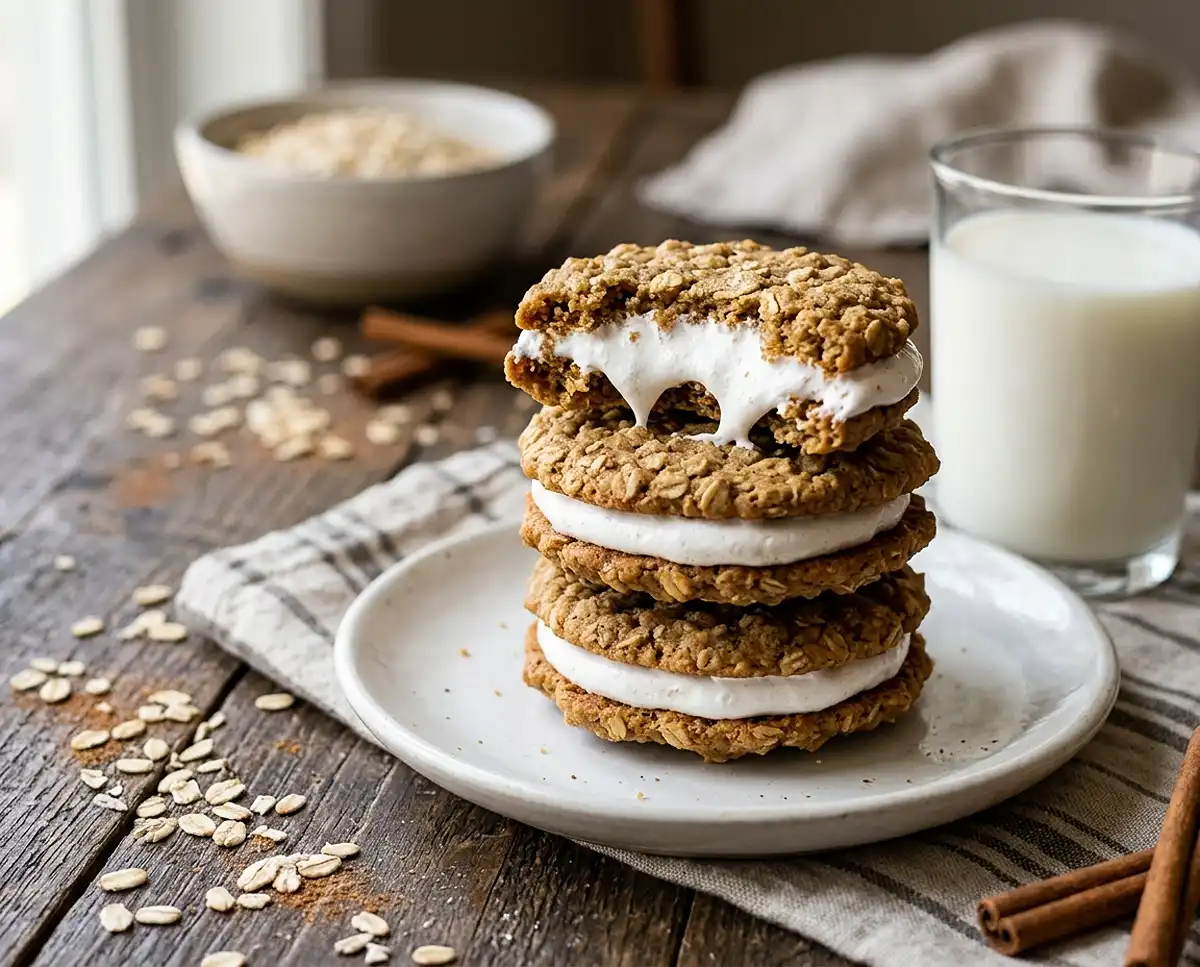
Gluten-Free Oatmeal Cream Pies with chewy oat cookies & marshmallow filling—ready in 30 minutes for a childhood favorite reimagined.
Five years ago, I brought a batch of these gluten-free oatmeal cream pies to my daughter’s school bake sale without labeling them as gluten-free. They sold out in the first ten minutes, and three parents asked for the recipe—none of them realized these weren’t the store-bought version they remembered from their own childhoods.
The magic of these sandwich cookies is that certified gluten-free oats create the same chewy, cinnamon-spiced texture as the original Little Debbie treats, while the marshmallow fluff filling stays soft and fluffy for days. You know, there’s something about that sweet cream sandwiched between two soft oatmeal cookies that just transports you straight back to grade school lunchboxes—and now everyone can enjoy them safely.
Why You’ll Love These Gluten-Free Oatmeal Cream Pies
- Texture that matches the original: Soft, chewy cookies that bend without breaking, paired with a fluffy marshmallow-buttercream filling that melts on your tongue like the nostalgic treats you remember.
- Simple pantry ingredients: No xanthan gum or specialty binders needed—just certified gluten-free oats, a quality 1:1 flour blend, and basic baking staples you probably already have.
- Kid-approved and lunchbox-ready: These travel beautifully without crumbling, making them ideal for school lunches, road trips, or tucking into Easter baskets for a homemade touch.
- Make-ahead friendly: The cookies actually improve after a day as the filling softens them slightly, and they store at room temperature for up to 5 days in an airtight container.
The Secret to Perfect Gluten-Free Oatmeal Cream Pies
Certified gluten-free quick oats are essential: Quick oats (not old-fashioned rolled oats) create a finer, more tender crumb that mimics the original cream pies perfectly. According to trusted celiac research on oats, you must use certified gluten-free oats to avoid cross-contamination from wheat processing facilities.
Underbaking keeps them soft: Baking for just 8-10 minutes until the edges set but the centers look slightly underdone creates that signature soft, chewy texture. Overbaked oatmeal cookies turn hard and crumbly—you want them to look almost too soft when you pull them from the oven.
Marshmallow fluff adds authentic texture: Combining marshmallow creme with butter and powdered sugar creates a filling that’s lighter and fluffier than straight buttercream, with that distinctive sticky-sweet quality the original cream pies are famous for. The marshmallow prevents the filling from being too dense or greasy.
Brown sugar brings moisture and flavor: Light brown sugar not only adds the warm, caramel-like sweetness that pairs beautifully with cinnamon and oats, but its molasses content keeps the cookies soft and chewy for days instead of drying out like white sugar would.
Table of Contents
Ingredients
For the Cookies:
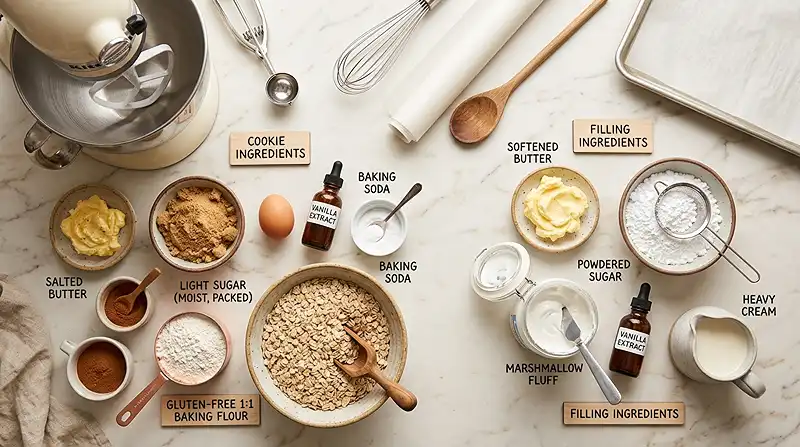
- 1 cup salted butter, softened (227 grams)
- 1½ cups lightly packed light brown sugar (320 grams)
- 1 large egg
- 1 teaspoon vanilla extract
- 1 teaspoon baking soda
- ½ teaspoon ground cinnamon
- ½ teaspoon salt
- 1½ cups gluten-free 1:1 baking flour (180 grams)
- 3 cups gluten-free quick oats (270 grams)
For the Filling:
- ½ cup salted butter, softened (113 grams)
- 1¾ cups powdered sugar (195 grams)
- 1 (7-ounce) jar marshmallow fluff/creme
- 1 teaspoon vanilla extract
- 1 to 2 tablespoons heavy cream
Note: Use a 1:1 gluten-free flour blend that contains xanthan gum (like Bob’s Red Mill or King Arthur Measure for Measure) for best results. Make sure your oats are labeled “certified gluten-free”—regular oats are often contaminated with wheat during processing.
Step-by-Step Instructions
Make the Cookies
1. Preheat and prep
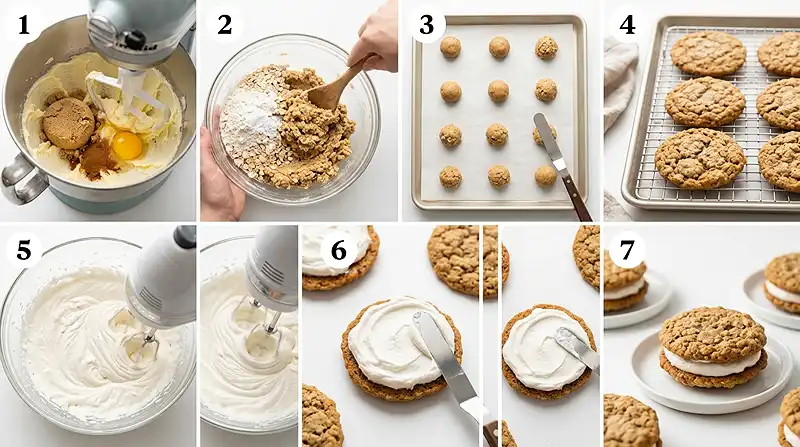
Preheat your oven to 350°F and line 2 baking sheets with parchment paper. This prevents sticking and makes cleanup a breeze.
2. Cream the wet ingredients
In the bowl of a stand mixer fitted with the paddle attachment (or using a handheld electric mixer and large bowl), combine 1 cup softened butter, 1½ cups light brown sugar, 1 large egg, 1 teaspoon vanilla, 1 teaspoon baking soda, ½ teaspoon cinnamon, and ½ teaspoon salt. Mix on medium speed until light and fluffy, 2-3 minutes, scraping down the sides of the bowl as needed—the mixture should look pale and airy.
3. Add dry ingredients
Pour in 1½ cups gluten-free flour and 3 cups gluten-free quick oats and mix on low speed until evenly combined and no dry streaks remain. The dough will be thick and slightly sticky, studded with oats throughout.
4. Shape the cookies
Scoop the cookie dough into 2 tablespoon-sized balls (about 30-35 grams each if you’re weighing them), roll each ball between your palms until smooth and round, and place 2-3 inches apart on the prepared baking sheets. You’ll need to bake these in batches unless you have multiple ovens.
5. Bake until just set
Bake for 8-10 minutes, until the cookies are set around the edges but still look soft and slightly puffy in the center. Do not overbake—you want them to look almost underdone when you pull them out because they’ll continue cooking on the hot pan.
6. Cool properly
Let the cookies cool for 10 minutes on the baking sheet (they’ll firm up as they cool), then carefully transfer to a wire rack to cool completely before filling. Repeat with the remaining cookie dough.
Make the Filling
7. Whip the filling base
In a large bowl with a hand mixer (or in the bowl of a stand mixer), combine ½ cup softened butter, 1¾ cups powdered sugar, one 7-ounce jar marshmallow fluff, and 1 teaspoon vanilla. Mix on medium-high speed until very thick and creamy, 2-3 minutes—the mixture should lighten in color and look fluffy.
8. Adjust consistency
Add heavy cream 1 tablespoon at a time (you’ll need 1-2 tablespoons total) while mixing until you reach a fluffy, spreadable consistency that’s thick enough to stay put but soft enough to spread easily. The filling should hold soft peaks when you lift the beaters.
9. Assemble the cream pies
Match up cookies that are similar in size. Spread 1-2 tablespoons of cream filling on the flat (bottom) side of half of the cookies, then top with the remaining cookies (flat side down) to create sandwiches. Press gently so the filling spreads to the edges but doesn’t squish out.
Pro Tip: For bakery-perfect presentation, pipe the filling onto cookies using a piping bag fitted with a large round tip—this creates even, professional-looking cream pies every time.
Make It Your Own
Try different spices: Add ¼ teaspoon nutmeg or ⅛ teaspoon ground ginger along with the cinnamon for a chai-spiced version, or use 1 teaspoon pumpkin pie spice instead of plain cinnamon for fall gatherings. The warm spices complement the oats beautifully without overwhelming the nostalgic flavor.
Make them chocolate: Replace ¼ cup of the gluten-free flour with unsweetened cocoa powder for chocolate oatmeal cookies, or add ½ cup mini chocolate chips to the dough for an extra treat. Well, my kids actually prefer these chocolate variations to the original sometimes.
Swap the sweetener in the filling: Replace half the powdered sugar with maple sugar or coconut sugar (powdered in a blender until fine) for a less sweet, more sophisticated filling. You can also use all powdered sugar and skip the marshmallow fluff for a traditional buttercream, though the texture won’t be quite as light.
Go dairy-free: Use vegan butter (Earth Balance or Miyoko’s work great) in both the cookies and filling, and replace the heavy cream with full-fat coconut cream or oat cream. The texture might be slightly different but the flavor stays spot-on.
Add mix-ins to the dough: Fold in ½ cup raisins, dried cranberries, or mini chocolate chips after adding the oats for extra texture and flavor. Chopped pecans or walnuts (¾ cup) also work beautifully if you’re not serving someone with nut allergies.
Common Problems & Solutions
Cookies spread too much and turn out flat
Your butter was too soft or melted, or your dough was too warm. Make sure the butter is softened but still holds its shape (around 65-68°F), and if your kitchen is hot, chill the shaped cookie dough balls in the refrigerator for 15 minutes before baking to prevent excessive spreading.
Cookies are hard and crunchy instead of soft
You overbaked them—oatmeal cream pie cookies should look slightly underdone in the center when you remove them from the oven. Man, oh man, that 8-10 minute window is crucial—start checking at 8 minutes and pull them as soon as the edges are set, even if the centers look puffy and soft.
Filling is too stiff to spread or too runny
If it’s too stiff, add heavy cream 1 teaspoon at a time until spreadable (you may need up to 3 tablespoons total depending on your butter and marshmallow brands). If it’s too runny, add more powdered sugar ¼ cup at a time or chill for 15 minutes to firm it up before filling the cookies.
Cookies crumble when trying to sandwich them
The cookies weren’t completely cool when you assembled them, or you overfilled them and pressed too hard. Always let cookies cool completely to room temperature (30-40 minutes) before filling, and use just enough filling that it spreads to the edges with gentle pressure—about 1½ tablespoons per sandwich.
Can’t find marshmallow fluff at the store
Marshmallow creme is sometimes called marshmallow fluff, Marshmallow Fluff (the brand name), or marshmallow spread—look for it near the peanut butter or baking aisle. If you truly can’t find it, you can make your own by combining 1 cup powdered sugar, ½ cup light corn syrup, 2 egg whites, and ¼ teaspoon cream of tartar in a double boiler and whipping until fluffy (though store-bought is much easier).
Storage & Meal Prep
| Method | Duration | Notes |
|---|---|---|
| Counter | 4-5 days | Store in airtight container; filling softens cookies |
| Refrigerator | 7-10 days | Bring to room temp 20-30 min before eating |
| Freezer | Up to 3 months | Wrap individually; thaw at room temp 1-2 hours |
Storage tips: Store assembled oatmeal cream pies in an airtight container at room temperature for up to 5 days—the filling actually makes the cookies softer and more tender after a day. If you prefer firmer cookies, store them in the fridge, but let them come to room temperature before eating for the best texture.
Meal-prep strategy: Bake all the cookies in one session and freeze them unfilled in a single layer on a baking sheet, then transfer to freezer bags once solid. When you want fresh cream pies, thaw the cookies at room temperature for 30 minutes, make the filling fresh, and assemble—they’ll taste bakery-fresh every time.
Gluten-Free Oatmeal Cream Pies FAQs
Are oatmeal creme pies gluten-free?
Store-bought Little Debbie Oatmeal Creme Pies are not gluten-free—they contain wheat flour and are made in facilities that process gluten. To enjoy this nostalgic treat safely, you need to make homemade versions using certified gluten-free oats and a gluten-free 1:1 flour blend like this recipe provides.
Which oatmeal is gluten-free?
Only oats labeled “certified gluten-free” are safe for people with celiac disease or gluten sensitivity. Regular oats are naturally gluten-free but are almost always cross-contaminated with wheat during growing, harvesting, or processing. Brands like Bob’s Red Mill, Quaker (the gluten-free line), and GF Harvest offer certified gluten-free quick oats and rolled oats.
What kind of filling is in an oatmeal cream pie?
The classic filling is a combination of marshmallow creme, butter, powdered sugar, and vanilla—it’s lighter and fluffier than straight buttercream because the marshmallow adds air and a distinctive sticky-sweet texture. Some variations use shortening instead of butter, but butter creates a more flavorful filling that doesn’t coat your mouth with a greasy film.
What is a good gluten-free alternative to oats?
If you’re oat-intolerant or following a strict AIP diet, you can use quinoa flakes or buckwheat groats (pulsed in a food processor until coarsely chopped) as oat substitutes. Keep in mind that the texture and flavor will be noticeably different—quinoa flakes create a more delicate cookie, while buckwheat adds an earthy, nutty taste that changes the nostalgic flavor profile.
Can I make these without a stand mixer?
Absolutely—a handheld electric mixer works just as well for both the cookie dough and the filling. You can even make the dough by hand with a sturdy wooden spoon and some elbow grease, though the filling will be difficult to whip properly without an electric mixer since it needs to incorporate a lot of air to stay fluffy.
Serving Suggestions
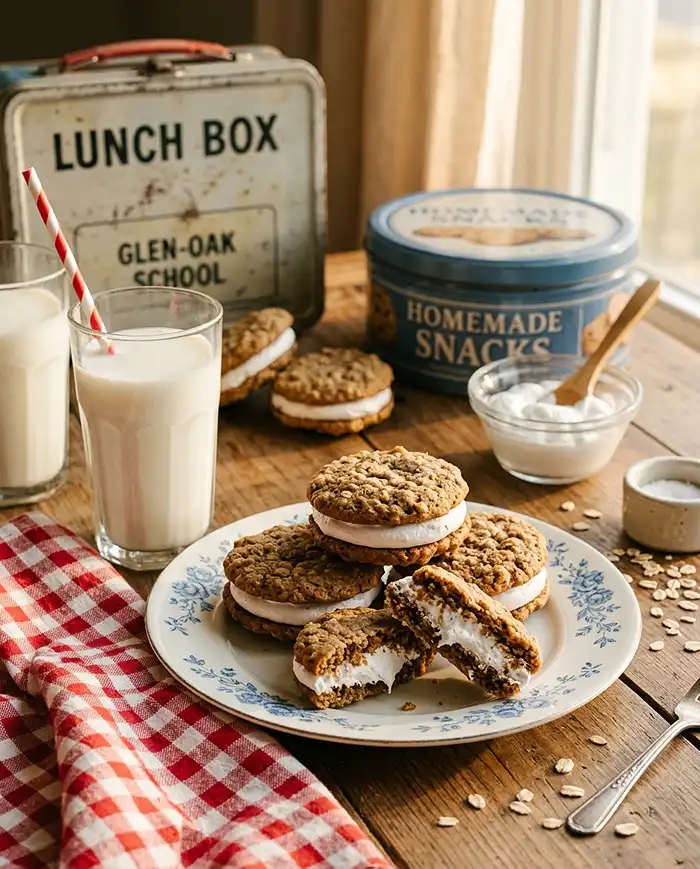
Pack these gluten-free oatmeal cream pies in school lunches with a gluten-free zucchini bread muffin and fruit for a balanced meal, or serve them at birthday parties alongside gluten-free strawberry rhubarb pie for a dessert table that pleases all ages. They’re also fantastic for Easter baskets as a homemade alternative to store-bought candy—kids love the individual sandwich size, and parents appreciate knowing exactly what’s inside.
For an indulgent dessert, crumble an oatmeal cream pie over dairy-free chocolate avocado mousse for a cookies-and-cream style parfait, or serve them with cold milk for an after-school snack that brings back all the childhood memories without any of the gluten.
Bring Back Lunchbox Memories Today
Give these gluten-free oatmeal cream pies a try this week and let me know if they transport you back to childhood as much as they do for me! Pin this recipe for your next bake sale or party, and drop a comment below about your favorite nostalgic treat you’d love to see made gluten-free.
Rate the recipe after you make it, and share photos of your cream pies with the community—I love seeing how everyone assembles them. These cookies prove that going gluten-free doesn’t mean giving up the treats that made childhood special.
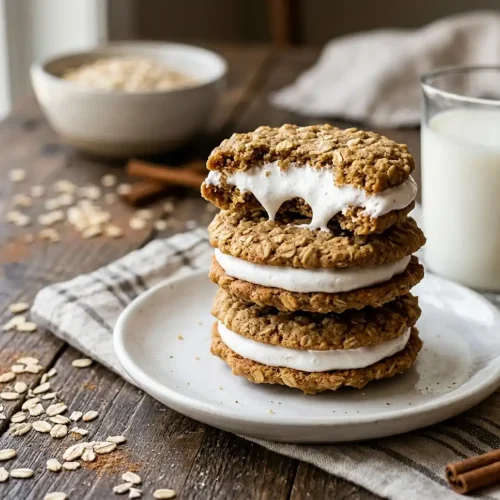
Gluten-Free Oatmeal Cream Pies
Equipment
- 2 baking sheets
- Parchment paper
- Stand mixer with paddle attachment or handheld electric mixer
- Large mixing bowl
- Cookie scoop (2 tablespoon size)
- Wire cooling rack
- Spatula
- Piping bag with large round tip (optional)
Ingredients
For the Cookies
- 1 cup Salted butter softened, 227 grams
- 1½ cups Light brown sugar lightly packed, 320 grams
- 1 Large egg
- 1 teaspoon Vanilla extract
- 1 teaspoon Baking soda
- ½ teaspoon Ground cinnamon
- ½ teaspoon Salt
- 1½ cups Gluten-free 1:1 baking flour 180 grams, containing xanthan gum
- 3 cups Gluten-free quick oats 270 grams, certified gluten-free
For the Filling
- ½ cup Salted butter 113 grams, softened
- 1¾ cups Powdered sugar 195 grams
- 1 jar Marshmallow fluff/creme 7-ounce
- 1 teaspoon Vanilla extract
- 1-2 tablespoons Heavy cream
Instructions
- Preheat your oven to 350°F and line 2 baking sheets with parchment paper. This prevents sticking and makes cleanup a breeze.
- In the bowl of a stand mixer fitted with the paddle attachment (or using a handheld electric mixer and large bowl), combine 1 cup softened butter, 1½ cups light brown sugar, 1 large egg, 1 teaspoon vanilla, 1 teaspoon baking soda, ½ teaspoon cinnamon, and ½ teaspoon salt. Mix on medium speed until light and fluffy, 2-3 minutes, scraping down the sides of the bowl as needed—the mixture should look pale and airy.
- Pour in 1½ cups gluten-free flour and 3 cups gluten-free quick oats and mix on low speed until evenly combined and no dry streaks remain. The dough will be thick and slightly sticky, studded with oats throughout.
- Scoop the cookie dough into 2 tablespoon-sized balls (about 30-35 grams each if you’re weighing them), roll each ball between your palms until smooth and round, and place 2-3 inches apart on the prepared baking sheets. You’ll need to bake these in batches unless you have multiple ovens.
- Bake for 8-10 minutes, until the cookies are set around the edges but still look soft and slightly puffy in the center. Do not overbake—you want them to look almost underdone when you pull them out because they’ll continue cooking on the hot pan.
- Let the cookies cool for 10 minutes on the baking sheet (they’ll firm up as they cool), then carefully transfer to a wire rack to cool completely before filling. Repeat with the remaining cookie dough.
- In a large bowl with a hand mixer (or in the bowl of a stand mixer), combine ½ cup softened butter, 1¾ cups powdered sugar, one 7-ounce jar marshmallow fluff, and 1 teaspoon vanilla. Mix on medium-high speed until very thick and creamy, 2-3 minutes—the mixture should lighten in color and look fluffy.
- Add heavy cream 1 tablespoon at a time (you’ll need 1-2 tablespoons total) while mixing until you reach a fluffy, spreadable consistency that’s thick enough to stay put but soft enough to spread easily. The filling should hold soft peaks when you lift the beaters.
- Match up cookies that are similar in size. Spread 1-2 tablespoons of cream filling on the flat (bottom) side of half of the cookies, then top with the remaining cookies (flat side down) to create sandwiches. Press gently so the filling spreads to the edges but doesn’t squish out.