Gluten-Free Paleo Carrot Cake Recipe
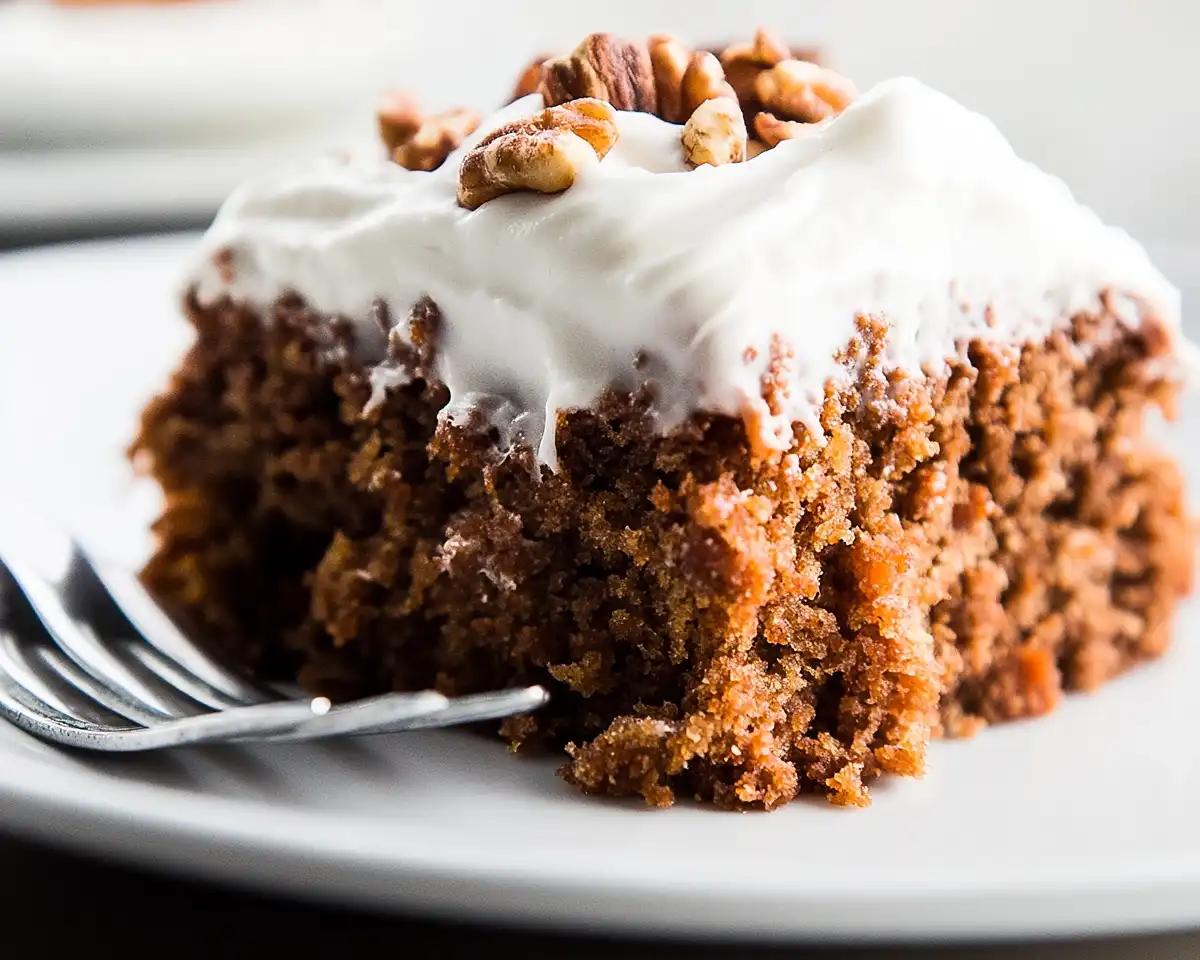
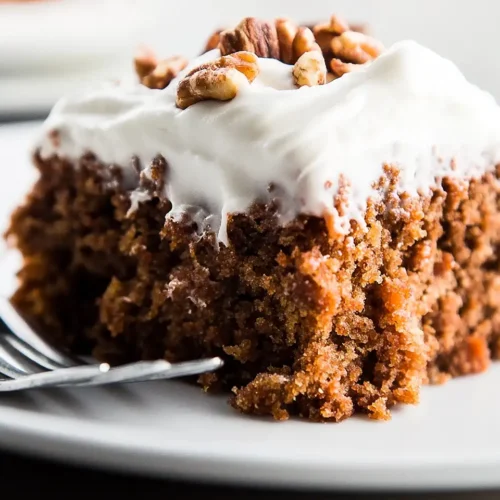
This gluten-free paleo carrot cake is naturally sweetened, grain-free, and incredibly moist. Perfect for celebrations or everyday treats!
You know what’s funny? I used to think carrot cake was just an excuse to eat vegetables for dessert—until I went gluten-free and discovered how naturally amazing it could be without all the refined stuff.
This gluten-free paleo carrot cake changed everything for me. It’s sweetened with dates and maple syrup instead of loads of white sugar, uses almond flour for that perfect moist crumb, and honestly?
My kids devour it without realizing it’s actually good for them. Well… maybe “good” is a stretch, but it’s definitely better than the boxed mixes I used to rely on.
Whether you’re planning an Easter brunch, someone’s birthday, or just need a cozy afternoon pick-me-up, this grain-free carrot cake delivers all the spiced, nutty, creamy-frosted goodness you’re craving. The coconut whipped frosting is ridiculously simple—just two ingredients!—and it tastes like you spent hours in the kitchen.
Table of Contents
Ingredients
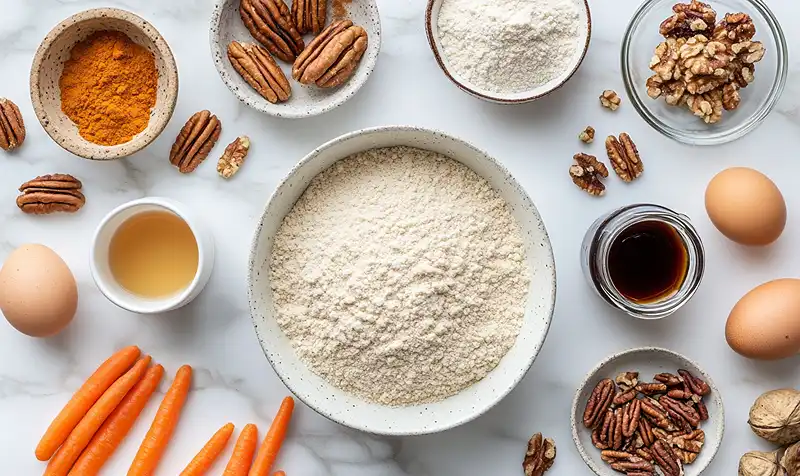
| Cake Ingredients | Amount |
|---|---|
| Blanched almond flour | 1 1/2 cups |
| Sea salt | 1 teaspoon |
| Baking soda | 1/2 teaspoon |
| Ground cinnamon | 1 teaspoon |
| Ground nutmeg | 1/2 teaspoon |
| Ground cardamom | 1/4 teaspoon |
| Large eggs | 3 |
| Maple syrup | 1/4 cup |
| Oil (almond or grapeseed) | 2 tablespoons |
| Finely chopped carrots | 1 1/2 cups |
| Pureed dates | 1/2 cup |
| Coarsely chopped pecans | 1 cup |
| Frosting Ingredients | Amount |
|---|---|
| Full-fat coconut milk (do not shake cans) | 27 ounces (two cans) |
Instructions
Step 1: Preheat your oven to 325°F. Grease an 8-inch square baking dish with a little coconut oil or line it with parchment paper for easy removal.
Step 2: In a large mixing bowl, whisk together the almond flour, salt, baking soda, cinnamon, nutmeg, and cardamom until evenly combined. These warm spices are what make this almond flour carrot cake smell absolutely incredible while it bakes.
Step 3: In a separate bowl, beat together the eggs, maple syrup, and oil until smooth and slightly frothy. This creates the liquid base that keeps your paleo carrot cake beautifully moist.
Step 4: Stir the finely chopped carrots and pureed dates into your wet mixture. The dates add natural sweetness and help bind everything together—think of them as nature’s caramel.
Step 5: Pour the wet ingredients into the dry ingredients and stir gently until just combined. Don’t overmix; you want a slightly thick, rustic batter that holds together without being too smooth.
Step 6: Fold in the coarsely chopped pecans, distributing them throughout the batter. They add that satisfying crunch and nutty richness every great gluten-free carrot cake needs.
Step 7: Transfer the batter into your prepared baking dish and spread it evenly. Bake for 40 minutes, or until a toothpick inserted into the center comes out clean or with just a few moist crumbs.
Step 8: Let the cake cool completely in the pan before frosting. Trust me on this—warm cake plus coconut cream equals a melty mess (though honestly, still delicious).
Step 9: Open both cans of coconut milk carefully without shaking them first. Scoop out only the thick coconut cream that’s settled on top into a medium bowl, leaving the watery liquid behind.
Step 10: Using a whisk or hand mixer, whip the coconut cream for 2-3 minutes until it’s light, fluffy, and holds soft peaks. It should look like clouds—seriously, it’s that airy and beautiful.
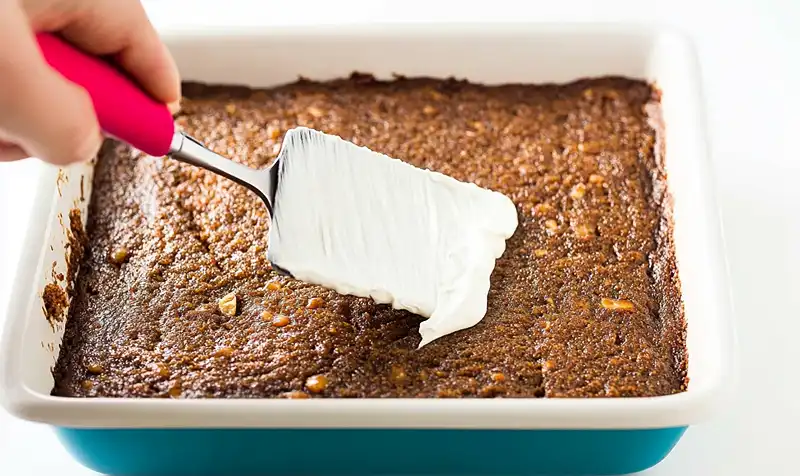
Step 11: Spread the whipped coconut frosting generously over your cooled cake. Refrigerate for at least 30 minutes before serving to let the frosting set up nicely.
Substitutions
Almond Flour Alternatives: If you need a nut-free version of this grain-free carrot cake, try sunflower seed flour instead. Use the same amount, but add an extra tablespoon of maple syrup since sunflower flour can be slightly less sweet. Just know your cake might have a slight greenish tint due to a natural reaction with baking soda—totally safe and still delicious!
Sweetener Swaps: Don’t have dates on hand? You can replace the pureed dates with 1/3 cup of unsweetened applesauce plus 2 tablespoons of coconut sugar. The texture will be slightly different but still wonderfully moist.
Oil Options: Melted coconut oil works beautifully in place of almond or grapeseed oil. If you use coconut oil, just make sure your wet ingredients are at room temperature so the oil doesn’t solidify when you mix everything together.
Nut Substitutions: Swap the pecans for walnuts, or leave them out entirely if you have nut allergies. You could also try unsweetened coconut flakes for a tropical twist on this gluten-free paleo carrot cake.
Troubleshooting
Cake is Too Dense: This usually means you packed your almond flour too tightly when measuring. Always spoon almond flour into your measuring cup and level it off gently—don’t scoop directly from the bag. Another culprit? Overmixing the batter, which can make it gummy instead of fluffy.
Frosting Won’t Whip: Your coconut milk probably wasn’t cold enough or didn’t have enough cream separation. Refrigerate the cans overnight upside down, and look for brands with higher fat content—they separate better. Thai Kitchen and Native Forest are reliable options I’ve had great success with.
Cake Sticks to the Pan: Even with greasing, almond flour baked goods can be delicate. Line your pan with parchment paper, leaving some overhang on two sides to create “handles” for easy lifting once cooled.
Too Sweet or Not Sweet Enough: The beauty of this recipe is you can adjust! Reduce the maple syrup to 3 tablespoons if you prefer less sweetness, or add another tablespoon if you like it sweeter—the dates provide natural sugar balance either way.
Storage & Meal Prep
Store your finished gluten-free carrot cake covered in the refrigerator for up to five days. The coconut cream frosting needs to stay chilled to maintain its texture, so this isn’t a countertop cake. Man, oh man, does it taste amazing cold though—almost like a creamy carrot cake cheesecake hybrid!
For meal prep, you can bake the unfrosted cake up to two days ahead and store it wrapped tightly at room temperature. Prepare your frosting the day you plan to serve for the fluffiest results, though it will keep refrigerated for 2-3 days if needed.
Serving Suggestions
This paleo carrot cake is perfect on its own, but I love serving it with a handful of fresh berries on the side for a pop of color and extra freshness. A sprinkle of additional chopped pecans on top of the frosting adds a beautiful presentation for special occasions.
Pair a slice with your favorite hot tea or coffee for an afternoon treat that feels indulgent but won’t leave you in a sugar crash. It’s also wonderful alongside my complete gluten-free dessert collection when you’re hosting a gathering and want multiple options.
Variations
Dairy-Free Chocolate Version: Keep the coconut frosting as-is and add 2 tablespoons of cocoa powder to the whipped cream for a chocolate twist. You could also fold in dairy-free chocolate chips to the batter for extra decadence.
Kid-Friendly Mini Cakes: Divide the batter among greased muffin tins and bake for 20-25 minutes instead. Kids love individual portions, and these freeze beautifully for lunchbox treats throughout the month.
Spice Variations: Not a fan of cardamom? Leave it out and double the cinnamon for a more traditional flavor. Or try adding 1/2 teaspoon of ground ginger for a spicier, warming kick that’s perfect for fall gatherings.
Add-Ins: Fold in 1/2 cup of unsweetened shredded coconut or raisins along with the pecans for extra texture. Both additions complement the carrot and spice flavors beautifully without compromising the paleo-friendly nature of this recipe.
Gluten-Free Paleo Carrot Cake FAQs
Can I make this gluten-free paleo carrot cake ahead of time?
Absolutely! Bake the cake up to two days in advance and store it covered at room temperature. Add the coconut frosting the day you plan to serve, or up to 24 hours ahead if you need everything done early.
How do I know when the almond flour carrot cake is fully baked?
Insert a toothpick into the center—it should come out clean or with just a few moist crumbs. The edges should also pull slightly away from the sides of the pan, and the top should spring back when gently pressed.
What’s the best way to chop carrots for this grain-free carrot cake?
Use a food processor to pulse them into very fine pieces, about the size of cooked quinoa. This ensures even distribution and prevents chunky bits that can make the texture uneven. You want them almost shredded but with a bit more substance.
Can I use regular carrots or do they need to be organic?
Any fresh carrots work perfectly! I typically use whatever I have on hand. Just make sure to peel them first and chop them finely for the best texture in your finished cake.
Best way to make this recipe egg-free?
Replace each egg with a flax egg (1 tablespoon ground flaxseed mixed with 3 tablespoons water, let sit 5 minutes). The texture will be slightly denser, but it still works well. You could also try my easy gluten-free vegan baking guide for more egg-free tips.
This naturally sweetened carrot cake proves that gluten-free and paleo baking can be just as delicious—if not more so—than conventional recipes. The combination of warming spices, naturally sweet dates, and that dreamy coconut frosting creates something truly special that everyone at your table will love, whether they eat gluten-free or not.
According to trusted gluten-free nutrition resources, almond flour provides healthy fats and protein that help stabilize blood sugar compared to refined grain flours. That makes this treat a smarter choice when you’re craving something sweet but don’t want the energy crash afterward.
Next time you need a celebration-worthy dessert or just want to treat yourself on a regular Tuesday, give this recipe a try. It’s become my go-to for birthdays, potlucks, and those moments when only cake will do!
Gluten-Free Paleo Carrot Cake
Equipment
- 8-inch square baking dish
- Large mixing bowl
- Medium mixing bowl
- Whisk
- Food processor
- Hand mixer or whisk
- Measuring cups and spoons
Ingredients
Cake Ingredients
- 1 ½ cups blanched almond flour
- 1 teaspoon sea salt
- ½ teaspoon baking soda
- 1 teaspoon ground cinnamon
- ½ teaspoon ground nutmeg
- ¼ teaspoon ground cardamom
- 3 large eggs
- ¼ cup maple syrup
- 2 tablespoons oil almond oil or grapeseed oil
- 1 ½ cups finely chopped carrots chopped in food processor to the size of cooked quinoa
- ½ cup pureed dates pureed to a sticky mass in food processor
- 1 cup coarsely chopped pecans
Frosting Ingredients
- 27 ounces full-fat coconut milk two cans; do not shake the cans
Instructions
- Preheat your oven to 325°F. Grease an 8-inch square baking dish with a little coconut oil or line it with parchment paper for easy removal.
- In a large mixing bowl, whisk together the almond flour, salt, baking soda, cinnamon, nutmeg, and cardamom until evenly combined. These warm spices are what make this almond flour carrot cake smell absolutely incredible while it bakes.
- In a separate bowl, beat together the eggs, maple syrup, and oil until smooth and slightly frothy. This creates the liquid base that keeps your paleo carrot cake beautifully moist.
- Stir the finely chopped carrots and pureed dates into your wet mixture. The dates add natural sweetness and help bind everything together—think of them as nature’s caramel.
- Pour the wet ingredients into the dry ingredients and stir gently until just combined. Don’t overmix; you want a slightly thick, rustic batter that holds together without being too smooth.
- Fold in the coarsely chopped pecans, distributing them throughout the batter. They add that satisfying crunch and nutty richness every great gluten-free carrot cake needs.
- Transfer the batter into your prepared baking dish and spread it evenly. Bake for 40 minutes, or until a toothpick inserted into the center comes out clean or with just a few moist crumbs.
- Let the cake cool completely in the pan before frosting. Trust me on this—warm cake plus coconut cream equals a melty mess (though honestly, still delicious).
- Open both cans of coconut milk carefully without shaking them first. Scoop out only the thick coconut cream that’s settled on top into a medium bowl, leaving the watery liquid behind.
- Using a whisk or hand mixer, whip the coconut cream for 2-3 minutes until it’s light, fluffy, and holds soft peaks. It should look like clouds—seriously, it’s that airy and beautiful.
- Spread the whipped coconut frosting generously over your cooled cake. Refrigerate for at least 30 minutes before serving to let the frosting set up nicely.