Gluten-Free Pan Pizza
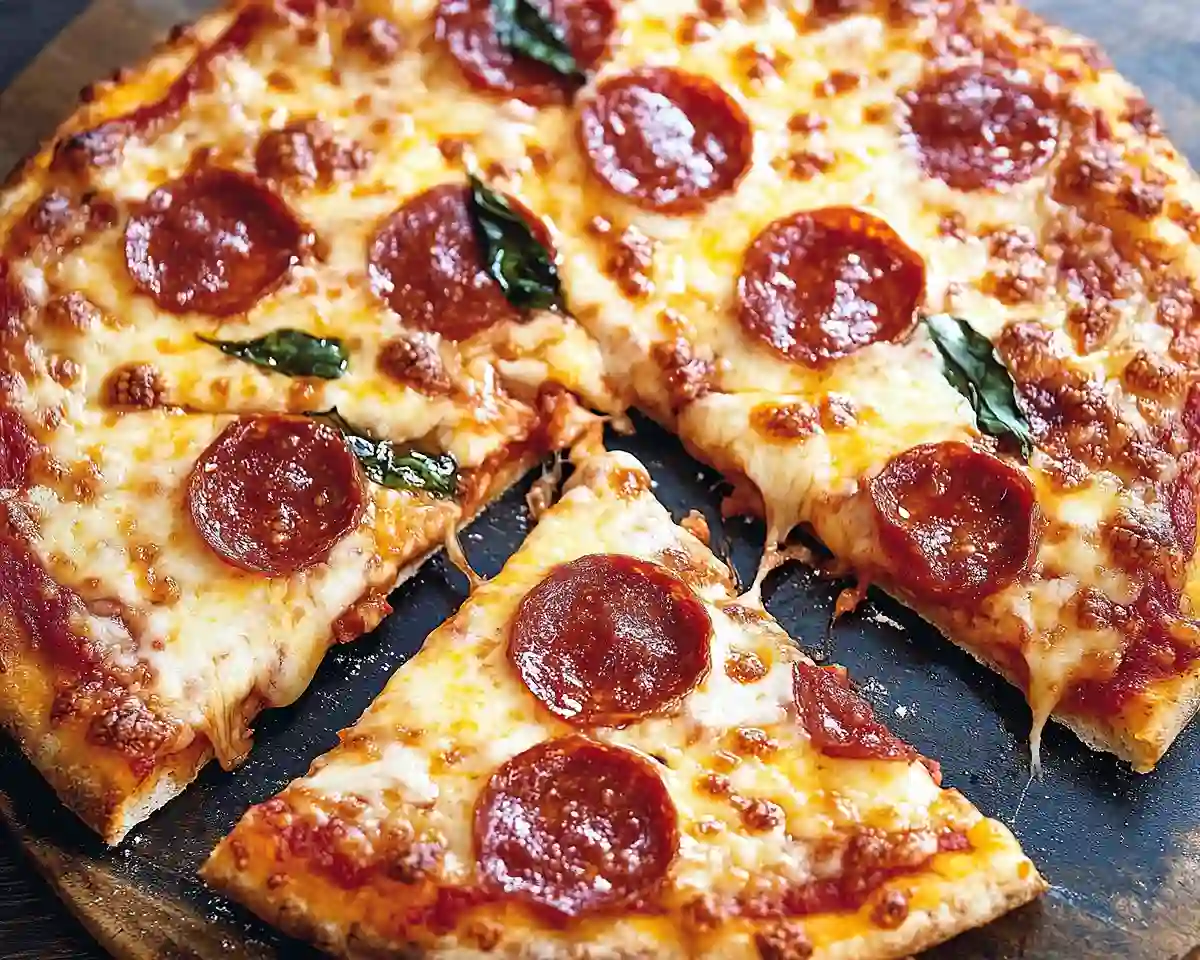
Make restaurant-quality gluten-free pan pizza at home with a crispy crust and gooey cheese. Simple one-pan recipe that’s perfect for family dinner nights and weekend gatherings.
Pizza night at our house used to be either ordering delivery or settling for frozen—because homemade gluten-free pizza seemed way too complicated. Then I discovered this gluten-free pan pizza recipe, and honestly? Everything changed.
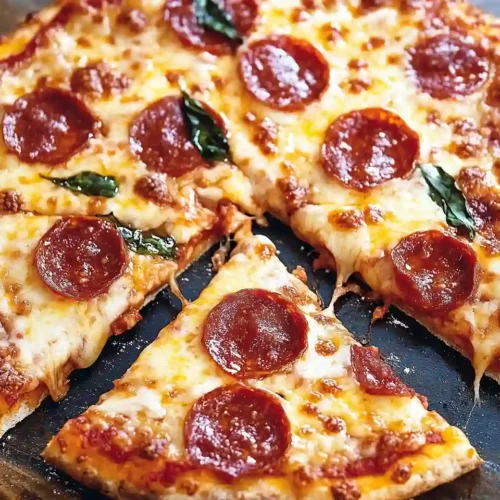
This is the kind of homemade gluten-free pizza that actually tastes amazing, with a crust that’s crispy on the edges and chewy in the middle. No weird gummy texture, no dense brick situation—just real, delicious pizza that your whole family will devour.
The genius is in the technique: using King Arthur’s gluten-free flour, letting the dough properly develop, and baking it in a cast-iron skillet creates a result that rivals any pizzeria.
Have you ever thought making gluten-free pizza from scratch could actually be this straightforward? You’re about to find out.
Table of Contents
Ingredients
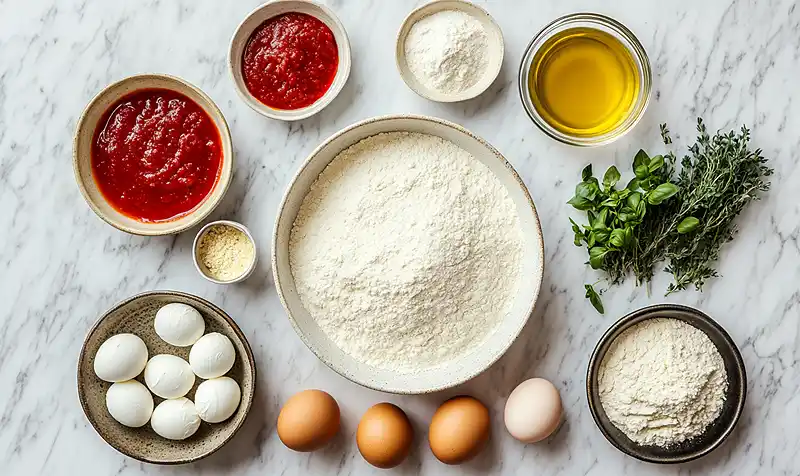
| For the Crust | Amount |
|---|---|
| King Arthur Gluten-Free All-Purpose Flour | 1 3/4 cups (273g) |
| Nonfat dry milk | 2 tbsp (14g) |
| Baking powder | 1/2 tsp |
| Table salt | 1 tsp (6g) |
| Xanthan gum | 1 tsp |
| Granulated sugar | 2 tsp |
| Lukewarm water | 1 cup (227g) |
| Olive oil (for dough) | 2 tbsp (25g) |
| Olive oil (for the pan) | 1 1/2 tbsp (18g) |
| Instant yeast | 1 3/4 tsp |
| For Toppings | Amount |
|---|---|
| Mozzarella cheese, grated | 6 oz (170g / about 1 1/4 cups) |
| Tomato or pizza sauce | 1/3 to 1/2 cup (74g to 113g) |
| Hard cheese (Parmesan, Asiago, or Romano) | optional |
| Fresh herbs (oregano, basil, or thyme) | optional |
Instructions
Step 1: Measure and Mix Your Dry Base
Weigh your King Arthur gluten-free flour for accuracy—or gently spoon it into a measuring cup and sweep off any excess. This matters because gluten-free flour packs differently than regular flour. Place all dry ingredients (except the yeast) into a stand mixer bowl or large mixing bowl and blend thoroughly until there are no visible streaks or lumps.
Step 2: Create the Yeast Mixture
In a small bowl, combine the lukewarm water, 2 tablespoons olive oil, instant yeast, and a scant 1 cup of your dry mixture. Stir everything together—it’s okay if there are a few small lumps here. Set this aside for about 30 minutes until it becomes bubbly and smells distinctly yeasty, which signals your gluten-free pan pizza dough is ready to develop.
Step 3: Beat the Dough for Perfect Texture
Add your bubbly yeast mixture to the remaining dry ingredients and beat on medium-high speed for 4 minutes using an electric mixer. You’ll notice the mixture becomes thick and sticky but won’t feel elastic like traditional yeast dough—and that’s exactly right for gluten-free pizza. This electric mixing is crucial; hand-mixing simply doesn’t develop the dough properly, so don’t skip this step.
Step 4: First Rest Period
Cover your bowl and let the dough rest for about 30 minutes at room temperature. This rest period allows the xanthan gum and flour to fully hydrate, creating better structure for your homemade gluten-free pizza. You don’t need a warm place—your kitchen counter works perfectly fine.
Step 5: Prepare Your Pan
Pour 1 1/2 tablespoons of olive oil into a 10″ to 11″ cast-iron skillet (or 10″ round cake pan, 9″ square pan, or similar heavy-bottomed oven-safe pan). Tilt and swirl the pan so the oil coats the entire bottom—this creates that beautiful crispy, golden crust everyone loves about gluten-free pan pizza. Cast iron is ideal because it distributes heat beautifully, but any heavy, oven-safe pan works.
Step 6: Spread and Rest Again

Scrape your dough into the oiled pan and use wet fingers to gently press it from the center outward toward the edges, filling the bottom of the pan. Wet fingers prevent sticking better than anything else. Let the dough rest uncovered for 30 minutes, which gives you time to preheat your oven and gather your toppings.
Step 7: Preheat and Position Racks
While the dough rests, place one oven rack at the very bottom and another about 4″ to 5″ from the top heating element. Preheat your oven to 375°F. Having two racks positioned this way lets you move your gluten-free pizza between levels for perfect browning on both the top and bottom crust.
Step 8: Layer Your Toppings Strategically
Scatter about three-quarters of the mozzarella (roughly 1 scant cup) evenly over the crust, covering it completely right to the edges. This cheese will become deep golden and crispy as it bakes. Dollop small spoonfuls of tomato sauce over the cheese—putting cheese down first prevents your crust from getting soggy. Finish with the remaining mozzarella sprinkled on top.
Step 9: Bake to Golden Perfection
Place your homemade gluten-free pizza on the bottom oven rack and bake for 20 to 22 minutes, watching for bubbling cheese and golden-brown edges. You can use a spatula to peek at the bottom crust—it should be a beautiful light golden brown. If the top seems pale but the bottom’s perfect, move it to the top rack for 3 to 5 minutes. If the bottom needs more color, stay on the bottom rack another 2 to 4 minutes.
Step 10: Finish and Cool
Remove the pan from the oven and place it on a cooling rack—this stops the bottom from overcooking. Carefully run a spatula around the edges between the pizza and pan to prevent the cheese from sticking as it cools. If you like, sprinkle fresh herbs and extra hard cheese on top while the pizza is still hot. Let it cool just briefly before sliding onto a cutting surface, then slice and serve while it’s warm.
Substitutions for Your Gluten-Free Pan Pizza
Different Gluten-Free Flour Blends
While King Arthur’s blend is specifically formulated for this type of dough, Bob’s Red Mill 1-to-1 gluten-free flour also works well in homemade gluten-free pizza. You might need to adjust the water slightly since different blends absorb liquid differently—add water a tablespoon at a time until you reach that thick, sticky consistency.
Sauce Variations
Homemade tomato sauce, store-bought pizza sauce, or even marinara all work beautifully for your gluten-free pan pizza. Some families love a white pizza with ricotta and herbs instead of red sauce. Don’t be afraid to experiment—this dough is forgiving enough to handle different sauce styles.
Cheese Combinations
Mix mozzarella with fresh ricotta, provolone, or fontina cheese for a more complex flavor profile in your gluten-free pizza. You can also reduce mozzarella and add more hard cheese like Parmesan for an extra sharp bite. The key is keeping the total cheese amount around 6 to 8 ounces so your crust doesn’t get overwhelmed.
Topping Add-Ins
Caramelized onions, roasted garlic, fresh spinach, crispy bacon, or Italian sausage all shine on this homemade gluten-free pizza base. Add heavier toppings before the cheese, and lighter ones (fresh basil, arugula) after baking. The sturdy crust holds up beautifully to generous toppings without getting soggy.
Oil and Pan Alternatives
If you prefer a lighter oil, avocado oil works great for cooking your gluten-free pan pizza, though it has a slightly higher smoke point. For the pan itself, a ceramic or heavy stainless steel works if you don’t have cast iron, though you might need a bit more oil to prevent sticking.
Looking for other savory options beyond gluten-free pizza? Explore our complete gluten-free dinner collection for quick weeknight meals that satisfy everyone at the table.
Troubleshooting Tips for Perfect Results
Dough Is Too Sticky to Handle
Gluten-free dough is naturally stickier than traditional pizza dough—that’s normal! Using wet fingers instead of dry flour prevents you from adding extra flour that could make your crust dense. If it’s truly unmanageable, add a tablespoon of water more at a time until you reach the right consistency during the initial mixing.
Bottom Crust Isn’t Browning
Make sure you’re using enough oil in the pan and that the bottom rack is actually at the lowest position in your oven. Cast iron helps significantly here because it conducts heat more effectively. Starting on the bottom rack for the full 20-22 minutes gives you the best crust browning for gluten-free pan pizza.
Top Isn’t Cooking While Bottom Burns
Your oven might have uneven heat distribution. Using two racks (one at bottom, one toward top) lets you move the pizza between levels as needed. If the top’s pale but bottom’s perfect, that 3-5 minute top-rack finish makes all the difference for this gluten-free pizza.
Crust Tastes Dense or Gummy
This usually means the dough didn’t get enough electric mixer time—those 4 minutes of beating are critical for developing structure in gluten-free pan pizza. Also, make sure your water is truly lukewarm (around 90-100°F), not hot, which can kill yeast and affect rise. Measuring flour accurately also matters tremendously.
Pizza Shrinks Away from Pan Edges
A little shrinkage is completely normal—that’s actually a sign of good fermentation and gluten-free pizza dough development! If it shrinks dramatically, you might have overproofed the second rest. Stick to the 30-minute timeline for best results with this homemade gluten-free pizza recipe.
Cheese Sticks to Pan and Tears
Running that spatula around the edges right after the pizza comes out of the oven (while it’s still hot) prevents this issue. The residual heat keeps the cheese pliable enough to separate cleanly. For future batches, slightly less cheese on the very edges also helps your gluten-free pan pizza release more easily.
Storage and Meal Prep
Keeping Leftovers Fresh
Wrap any leftover gluten-free pan pizza well (in plastic wrap or an airtight container) and refrigerate for up to one day. The crust stays surprisingly tender thanks to the moisture in the gluten-free dough formula. Reheat slices in a 350°F oven for about 8-10 minutes to restore crispness.
Freezing for Later
You can freeze the baked gluten-free pizza for longer storage—wrap it tightly in plastic wrap, then aluminum foil, and freeze for up to three months. Thaw overnight in the refrigerator, then reheat gently in the oven. Alternatively, freeze the unbaked dough in the oiled pan (covered tightly) and bake from frozen, adding 5-10 minutes to the baking time.
Serving Suggestions and Pairings
Classic Pizza Night
Serve your homemade gluten-free pizza hot with a simple green salad dressed in balsamic vinegar and olive oil. The fresh, light salad cuts through the richness of the cheese beautifully. Add some fresh berries on the side for a sweet finish to your meal.
Family Gathering Vibes
Cut your gluten-free pan pizza into squares for casual gathering eating, or slice it pizza-style for something more formal. Set out small bowls of crushed red pepper flakes, Italian seasoning, and grated Parmesan so everyone can customize their slices. This approach makes pizza feel like a fun, shareable meal that brings people together.
Pairing Beverages
A crisp white wine, cold sparkling water with lemon, or iced tea pairs wonderfully with this savory homemade gluten-free pizza. For beer lovers, a light lager or wheat beer complements the crust and toppings perfectly. Skip the heavy sodas—you want flavors that refresh rather than overwhelm.
Variations and Dietary Adjustments
Dairy-Free Pan Pizza Version
Use dairy-free mozzarella (the melting varieties work best) and nutritional yeast sprinkled on top for a savory, cheesy flavor. You might need slightly less sauce since dairy-free cheese can release more moisture during baking. Your gluten-free pizza will still be delicious—just keep an eye on baking time as it might finish a minute or two earlier.
Vegetarian and Vegan Options
Load up your gluten-free pan pizza with roasted vegetables like bell peppers, mushrooms, zucchini, spinach, and caramelized onions. For vegan versions, combine the dairy-free cheese with plenty of fresh herbs and nutritional yeast for depth. You know, sometimes the simplest toppings—just sauce and herbs—create the most elegant pizza anyway.
Lower-Carb Variation
While the crust itself is already relatively moderate in carbs for a gluten-free option, you can reduce the dough thickness by using a slightly larger, shallower pan. This creates a thinner homemade gluten-free pizza crust with fewer total carbs per serving while maintaining that crispy-chewy texture everyone loves.
Kid-Friendly Classic
Keep the toppings simple for kids—just cheese, sauce, and maybe some finely diced vegetables mixed into the sauce so they’re less noticeable. Let them help press the dough into the pan; kids love being part of pizza-making, and gluten-free pan pizza is genuinely easy enough for little helpers to participate safely.
FAQs About Gluten-Free Pan Pizza
Can I make this dough in a food processor instead of a stand mixer?
A food processor won’t develop the dough properly—you really do need an electric hand mixer or stand mixer for this gluten-free pizza dough. The 4 minutes of beating is essential for creating the right texture. Mixing by hand or in a processor just doesn’t incorporate enough air or develop the structure that makes this recipe work.
How far ahead can I prepare the dough?
You can mix the dough up to 8 hours ahead—cover and refrigerate it, then let it come to room temperature for about 30 minutes before pressing into the pan. You can also prepare the unbaked pizza in the oiled pan, cover it, refrigerate for up to 24 hours, and bake straight from cold (adding a few minutes to baking time).
What if my oven temperature varies widely?
Use visual cues instead of relying solely on time—look for bubbling cheese and golden-brown edges as your signals. Every oven is different, so watching your gluten-free pan pizza during the last few minutes of baking ensures perfect results. An oven thermometer is a worthwhile investment if you bake frequently.
Why is King Arthur flour recommended specifically for this recipe?
King Arthur’s gluten-free blend includes xanthan gum and is formulated for yeast breads, which this pizza dough essentially is. Other blends have different hydration rates and structure, so substituting might require water adjustments. If you use a different flour, start with less water and add gradually until you reach that thick, sticky consistency.
Can I double this recipe to make two pizzas?
Absolutely—double all ingredients and mix as directed, then divide the dough between two prepared pans. Follow the same baking instructions, though you might need to adjust timing slightly depending on your oven’s capacity. Baking two pizzas simultaneously might extend cooking time by 2-3 minutes.
What’s the best way to reheat leftover gluten-free pizza?
The oven is your best friend here—preheat to 350°F and bake slices for 8-10 minutes until heated through and crust re-crisps. A skillet on the stovetop over low heat also works nicely. Avoid the microwave if you can, as it tends to make the crust chewy rather than crispy.
Extra Tips for Success
Flour Weight Matters Most
Weighing your flour (273 grams) gives you the most consistent results, especially with gluten-free baking where small variations create bigger differences. If you must measure by volume, use the spoon-and-sweep method—gently spoon flour into the measuring cup and level it off without packing.
Water Temperature Affects Yeast
Lukewarm water (around 90-100°F) is ideal for activating yeast properly without killing it. If your water is too cool, yeast wakes up sluggishly; too hot, and you’ll damage the yeast. A quick temperature check with your finger usually works fine—it should feel pleasantly warm, not hot.
Cast Iron Creates the Best Crust
Well-seasoned cast iron distributes heat more evenly than other pans, giving you that crispy, golden bottom crust that makes homemade gluten-free pizza so satisfying. If you don’t have cast iron, a heavy stainless steel or ceramic pan works, but results might vary slightly based on heat conduction differences.
Final Thoughts
This gluten-free pan pizza recipe transformed pizza night at our house—and I bet it will at yours too. Man, oh man, the moment your family takes that first bite of crispy-edged, chewy-centered, genuinely delicious homemade gluten-free pizza? That’s when you realize how far gluten-free baking has come.
You’re not settling for “good for gluten-free.” You’re making something that’s simply good—period. The kind of pizza that makes people forget it’s gluten-free at all. The kind that becomes a regular rotation on your dinner table. That’s the whole point of this recipe.
For deeper understanding of how yeast doughs work and why hydration matters in gluten-free baking, check out this authoritative guide to gluten-free bread science, which explains the specific role of xanthan gum and proper mixing in creating structure without gluten.
Gluten-Free Pan Pizza
Equipment
- Stand mixer or electric hand mixer
- Medium mixing bowl
- Small bowl
- 10-11 inch cast-iron skillet or heavy-bottomed pan
- Oven rack
- Cooling rack
- Spatula
- Measuring cups and spoons
- Kitchen scale (recommended)
Ingredients
For the Crust
- 1 ¾ cups (273g) King Arthur Gluten-Free All-Purpose Flour weigh for best results
- 2 tbsp (14g) Nonfat dry milk
- ½ tsp Baking powder
- 1 tsp (6g) Table salt
- 1 tsp Xanthan gum included in King Arthur blend
- 2 tsp Granulated sugar
- 1 cup (227g) Lukewarm water around 90-100°F
- 2 tbsp (25g) Olive oil (for dough)
- 1 ½ tbsp (18g) Olive oil (for the pan)
- 1 ¾ tsp Instant yeast
For Toppings
- 6 oz (170g) Mozzarella cheese, grated about 1 1/4 cups loosely packed
- ⅓ to ½ cup (74g-113g) Tomato sauce or pizza sauce homemade or store-bought
- optional Hard cheese (Parmesan, Asiago, or Romano) freshly grated
- optional Fresh herbs (oregano, basil, or thyme) for garnish
Instructions
- Step 1: Measure and Mix Your Dry Base Weigh your King Arthur gluten-free flour for accuracy—or gently spoon it into a measuring cup and sweep off any excess. This matters because gluten-free flour packs differently than regular flour. Place all dry ingredients (except the yeast) into a stand mixer bowl or large mixing bowl and blend thoroughly until there are no visible streaks or lumps.
- Step 2: Create the Yeast Mixture In a small bowl, combine the lukewarm water, 2 tablespoons olive oil, instant yeast, and a scant 1 cup of your dry mixture. Stir everything together—it’s okay if there are a few small lumps here. Set this aside for about 30 minutes until it becomes bubbly and smells distinctly yeasty, which signals your gluten-free pan pizza dough is ready to develop.
- Step 3: Beat the Dough for Perfect Texture Add your bubbly yeast mixture to the remaining dry ingredients and beat on medium-high speed for 4 minutes using an electric mixer. You’ll notice the mixture becomes thick and sticky but won’t feel elastic like traditional yeast dough—and that’s exactly right for gluten-free pizza. This electric mixing is crucial; hand-mixing simply doesn’t develop the dough properly, so don’t skip this step.
- Step 4: First Rest Period Cover your bowl and let the dough rest for about 30 minutes at room temperature. This rest period allows the xanthan gum and flour to fully hydrate, creating better structure for your homemade gluten-free pizza. You don’t need a warm place—your kitchen counter works perfectly fine.
- Step 5: Prepare Your Pan Pour 1 1/2 tablespoons of olive oil into a 10″ to 11″ cast-iron skillet (or 10″ round cake pan, 9″ square pan, or similar heavy-bottomed oven-safe pan). Tilt and swirl the pan so the oil coats the entire bottom—this creates that beautiful crispy, golden crust everyone loves about gluten-free pan pizza. Cast iron is ideal because it distributes heat beautifully, but any heavy, oven-safe pan works.
- Step 6: Spread and Rest Again Scrape your dough into the oiled pan and use wet fingers to gently press it from the center outward toward the edges, filling the bottom of the pan. Wet fingers prevent sticking better than anything else. Let the dough rest uncovered for 30 minutes, which gives you time to preheat your oven and gather your toppings.
- Step 7: Preheat and Position Racks While the dough rests, place one oven rack at the very bottom and another about 4″ to 5″ from the top heating element. Preheat your oven to 375°F. Having two racks positioned this way lets you move your gluten-free pizza between levels for perfect browning on both the top and bottom crust.
- Step 8: Layer Your Toppings Strategically Scatter about three-quarters of the mozzarella (roughly 1 scant cup) evenly over the crust, covering it completely right to the edges. This cheese will become deep golden and crispy as it bakes. Dollop small spoonfuls of tomato sauce over the cheese—putting cheese down first prevents your crust from getting soggy. Finish with the remaining mozzarella sprinkled on top.
- Step 9: Bake to Golden Perfection Place your homemade gluten-free pizza on the bottom oven rack and bake for 20 to 22 minutes, watching for bubbling cheese and golden-brown edges. You can use a spatula to peek at the bottom crust—it should be a beautiful light golden brown. If the top seems pale but the bottom’s perfect, move it to the top rack for 3 to 5 minutes. If the bottom needs more color, stay on the bottom rack another 2 to 4 minutes.
- Step 10: Finish and Cool Remove the pan from the oven and place it on a cooling rack—this stops the bottom from overcooking. Carefully run a spatula around the edges between the pizza and pan to prevent the cheese from sticking as it cools. If you like, sprinkle fresh herbs and extra hard cheese on top while the pizza is still hot. Let it cool just briefly before sliding onto a cutting surface, then slice and serve while it’s warm.