Gluten Free Pizza Dough
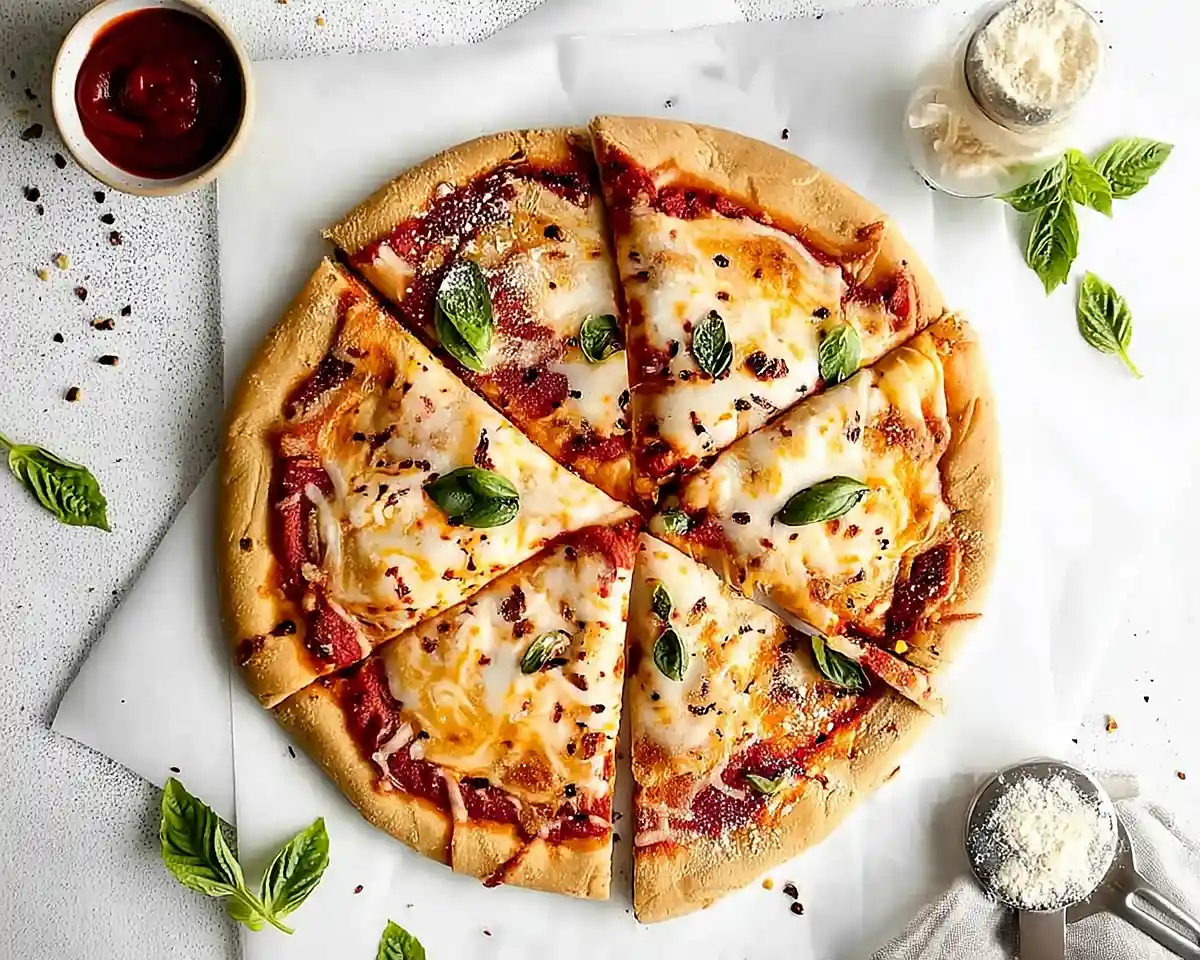
Master the best easy gluten free pizza dough with this foolproof recipe. Crispy edges, chewy center—perfect for busy weeknight dinners and family pizza parties!
You know what I missed most when I first went gluten-free? Friday night pizza runs with my family. Those casual, no-fuss dinners where we’d pile toppings high and laugh over messy slices felt like a distant memory—until I cracked the code on this best easy gluten free pizza dough.
Here’s the truth: making a gf pizza crust from scratch doesn’t have to be intimidating or time-consuming. This recipe transformed pizza night in our house, and it’ll do the same for yours. With just a handful of pantry staples and about 90 minutes (mostly hands-off rising time), you’ll have a crispy-edged, tender-centered crust that rivals any pizzeria.
What makes this the best gluten free pizza dough recipe? It’s flexible enough for beginners yet delivers pro-level results. The secret is in the yeast activation and that quick chill in the fridge—it makes rolling out the dough so much easier. Whether you’re feeding picky kids or hosting a casual dinner party, this crust becomes your blank canvas for pizza perfection.
Table of Contents

Gluten Free Pizza Dough
Equipment
- Microwave
- Large mixing bowl
- Whisk
- Wooden spoon or rubber spatula
- Plastic wrap
- Kitchen towel
- Rolling Pin
- Parchment paper
- Baking sheet
- Pastry brush
Ingredients
- 1 packet instant yeast 2¼ teaspoons
- ¾ cup + 2 tablespoons water 110-115°F
- 1 tablespoon white sugar
- 2½ cups gluten free all purpose baking flour with xanthan gum
- 1 teaspoon salt
- 1 teaspoon baking powder
- 5 tablespoons olive oil plus more for brushing
- 1 large egg
- 1 teaspoon vinegar white or apple cider
Instructions
- Microwave the water for about 30 seconds or until it reaches 110-115°F. Check it with your finger—it should feel warm and comfortable, like bathwater. If it’s too hot, you’ll kill the yeast, so let it cool a bit before moving forward.
- Stir in the sugar and yeast packet, mix well, and let the mixture sit for 5 minutes. You’ll know it’s ready when it becomes foamy and smells slightly yeasty—that’s your signal the yeast is alive and ready to work its magic!
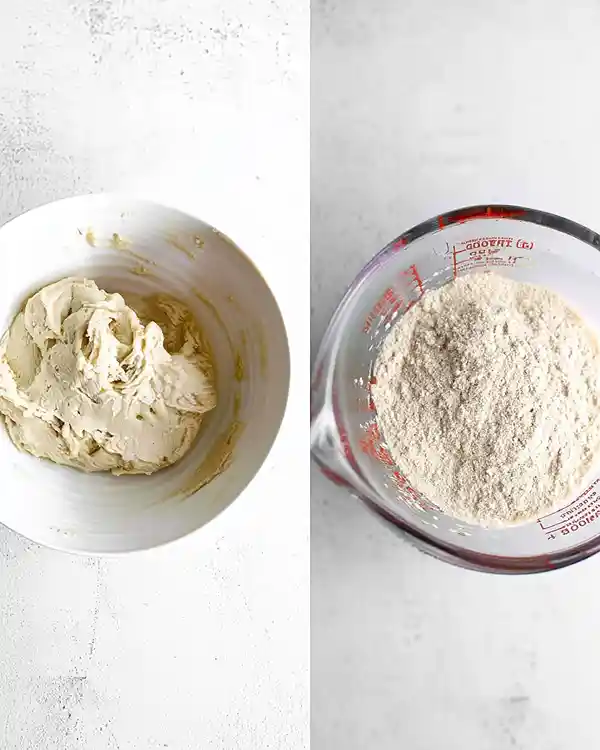
- While the yeast activates, whisk together the gluten-free flour, baking powder, and salt in a large mixing bowl. Add the whisked egg, vinegar, olive oil, and your bubbly yeast mixture to the dry ingredients.
- Use a wooden spoon or rubber spatula to mix everything until a sticky dough forms. Don’t worry if it feels a bit tacky at this stage—that’s completely normal for gluten free pizza dough. Resist the urge to add more flour just yet.
- Cover the bowl tightly with plastic wrap, then drape a clean kitchen towel over the top. Let the dough rise in a warm spot for 1 hour—I usually pop mine in the oven (turned off!) with the light on for gentle warmth.
- After the dough has risen beautifully, preheat your oven to 425°F. Transfer the bowl to the fridge for 15 minutes—this quick chill firms up the dough and makes it so much easier to handle and roll out.
- Place the chilled dough on a well-floured piece of parchment paper and knead in 1-2 tablespoons of additional flour until it forms a smooth, cohesive ball. Work gently and only add flour as needed to reduce stickiness—you want the dough workable, not dry.
- Using a floured rolling pin, roll the dough into a roughly 12-inch circle. Keep the crust on the thicker side for that perfect chewy texture, or roll it thinner if you prefer a crispier, cracker-like base. This recipe adapts beautifully to your pizza preferences!
- Generously brush the entire surface of the crust with olive oil—this step creates that gorgeous golden, crispy edge you’re dreaming of. Slide the parchment paper with the crust onto a baking sheet and bake for 12 minutes.
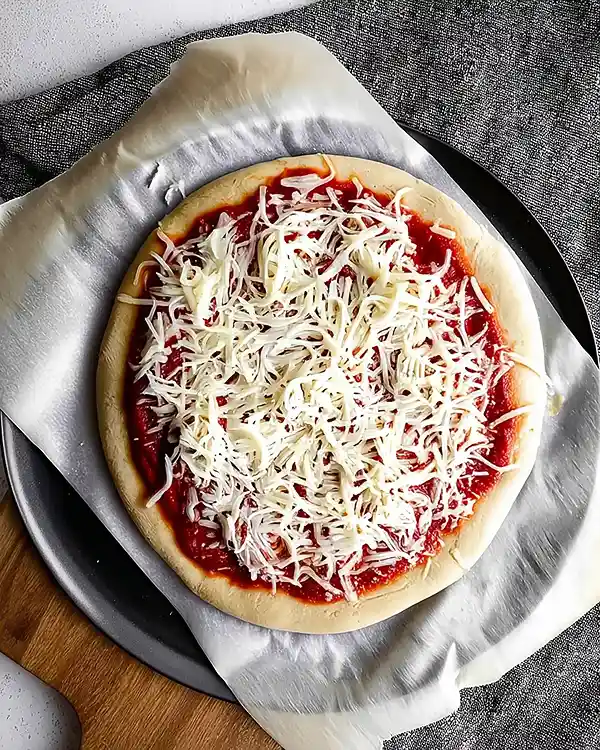
- Remove the par-baked crust from the oven and add your favorite sauce, cheese, and toppings. Return to the oven and bake for an additional 8-12 minutes, adjusting based on how crispy or soft you like your crust.
- Let the pizza cool for a few minutes before slicing. Cut into wedges, serve immediately, and watch everyone’s faces light up with that first delicious bite.
Notes
Ingredients
| Ingredient | Amount |
|---|---|
| Instant yeast | 1 packet (2¼ teaspoons) |
| Water | ¾ cup + 2 tablespoons |
| White sugar | 1 tablespoon |
| Gluten free all purpose baking flour* (with xanthan gum) | 2½ cups |
| Salt | 1 teaspoon |
| Baking powder | 1 teaspoon |
| Olive oil | 5 tablespoons |
| Egg | 1 large |
| Vinegar (white or apple cider) | 1 teaspoon |
*Make sure your gluten-free flour blend already contains xanthan gum—it’s essential for binding this dough together beautifully.
Instructions
Step 1: Microwave the water for about 30 seconds or until it reaches 110-115°F. Check it with your finger—it should feel warm and comfortable, like bathwater. If it’s too hot, you’ll kill the yeast, so let it cool a bit before moving forward.
Step 2: Stir in the sugar and yeast packet, mix well, and let the mixture sit for 5 minutes. You’ll know it’s ready when it becomes foamy and smells slightly yeasty—that’s your signal the yeast is alive and ready to work its magic!
Step 3: While the yeast activates, whisk together the gluten-free flour, baking powder, and salt in a large mixing bowl. Add the whisked egg, vinegar, olive oil, and your bubbly yeast mixture to the dry ingredients.
Step 4: Use a wooden spoon or rubber spatula to mix everything until a sticky dough forms. Don’t worry if it feels a bit tacky at this stage—that’s completely normal for gluten free pizza dough. Resist the urge to add more flour just yet.
Step 5: Cover the bowl tightly with plastic wrap, then drape a clean kitchen towel over the top. Let the dough rise in a warm spot for 1 hour—I usually pop mine in the oven (turned off!) with the light on for gentle warmth.
Step 6: After the dough has risen beautifully, preheat your oven to 425°F. Transfer the bowl to the fridge for 15 minutes—this quick chill firms up the dough and makes it so much easier to handle and roll out.
Step 7: Place the chilled dough on a well-floured piece of parchment paper and knead in 1-2 tablespoons of additional flour until it forms a smooth, cohesive ball. Work gently and only add flour as needed to reduce stickiness—you want the dough workable, not dry.
Step 8: Using a floured rolling pin, roll the dough into a roughly 12-inch circle. Keep the crust on the thicker side for that perfect chewy texture, or roll it thinner if you prefer a crispier, cracker-like base. This recipe adapts beautifully to your pizza preferences!
Step 9: Generously brush the entire surface of the crust with olive oil—this step creates that gorgeous golden, crispy edge you’re dreaming of. Slide the parchment paper with the crust onto a baking sheet and bake for 12 minutes.
Step 10: Remove the par-baked crust from the oven and add your favorite sauce, cheese, and toppings. Return to the oven and bake for an additional 8-12 minutes, adjusting based on how crispy or soft you like your best gluten free pizza dough recipe.
Step 11: Let the pizza cool for a few minutes before slicing (I know, the wait is torture!). Cut into wedges, serve immediately, and watch everyone’s faces light up with that first delicious bite.
Substitutions
Egg-Free Option: Swap the egg for a flax egg (1 tablespoon ground flaxseed mixed with 3 tablespoons water, let sit 5 minutes). Your gf pizza crust will be slightly denser but still absolutely delicious and holds together perfectly.
Dairy-Free: This recipe is already dairy-free as written! Just double-check that your toppings are also dairy-free if needed. Use nutritional yeast for a cheesy flavor without actual cheese, or explore cashew-based alternatives.
Sugar Substitute: You can replace white sugar with honey or maple syrup if that’s what you have on hand. The sugar simply feeds the yeast, so any sweetener works—just keep the amount roughly the same for proper activation.
Vinegar Alternatives: Apple cider vinegar or white vinegar both work beautifully in this best gluten free pizza dough. In a pinch, lemon juice provides similar acidity and helps strengthen the dough structure without affecting flavor.
Troubleshooting
Dough Too Sticky: Well… if your dough feels impossibly sticky after mixing, don’t panic! Add flour one tablespoon at a time during the kneading stage. Gluten-free flours absorb liquid differently depending on brand and humidity, so minor adjustments are normal.
Crust Not Rising: Check your yeast’s expiration date—expired yeast won’t activate properly. Also ensure your water temperature is correct (110-115°F). Too hot kills the yeast; too cool won’t wake it up properly for that lovely rise.
Edges Burning: If the crust edges are browning too quickly while the center stays pale, tent the edges loosely with aluminum foil for the final few minutes. This protects the perimeter while allowing the middle to finish cooking to golden perfection.
Dough Tears When Rolling: Let the dough rest for 5 minutes if it’s fighting back against the rolling pin. That quick fridge chill in step 6 really helps, but if you skipped it or the dough warmed up, another brief rest makes rolling much easier.
Storage & Meal Prep
Store leftover baked pizza (sliced or whole) in an airtight container in the fridge for up to 4 days. Reheat slices in a skillet over medium heat for 3-4 minutes to restore that crispy bottom—way better than the microwave!
You can prepare the best gluten free pizza dough recipe ahead and refrigerate the risen dough (before rolling) for up to 24 hours. Let it sit at room temperature for 15 minutes before rolling out. For longer storage, freeze the shaped, unbaked crust on parchment paper, then transfer to a freezer bag for up to 3 months.
Serving Suggestions
This gf pizza crust pairs beautifully with classic marinara and mozzarella, but don’t stop there! Try a white sauce with roasted garlic, spinach, and ricotta for an elegant twist. BBQ chicken with red onions and cilantro transforms this into a crowd-pleasing party favorite.
Serve your pizza alongside a fresh arugula salad dressed with lemon and olive oil, or pair it with roasted vegetables for a complete weeknight dinner. Man, oh man, does this crust shine when you load it with seasonal produce from your local farmer’s market—it’s sturdy enough to handle generous toppings without getting soggy.
Variations
Personal Pizzas: Divide the dough into 4 portions for individual pizzas perfect for kids who want to customize their own toppings. Roll each into 6-inch circles and reduce the initial baking time to 8-10 minutes before adding toppings.
Herb-Infused Crust: Mix 1 teaspoon of Italian seasoning or dried basil directly into the flour mixture for aromatic flavor throughout. Brush the edges with garlic-infused olive oil before the final bake for an extra flavor boost that’ll make your kitchen smell like an Italian bistro.
Flatbread Style: Roll the dough thinner (about ¼-inch thick) for a crispy flatbread perfect for lighter toppings like fresh mozzarella, tomatoes, and basil. This variation works wonderfully for appetizers during holiday gatherings or game day celebrations.
Sweet Dessert Pizza: Par-bake the crust, then brush with melted butter and cinnamon sugar instead of olive oil. Top with sliced apples, a drizzle of caramel, and chopped pecans for a dessert pizza that’ll become your new favorite treat.
Gluten Free Pizza Dough FAQs
Can I use active dry yeast instead of instant yeast?
Absolutely! Active dry yeast works perfectly in this best easy gluten free pizza dough. Just bloom it in the warm water mixture for the full 5 minutes before adding to the dry ingredients, and you’ll get the same beautiful rise.
What’s the best gluten-free flour blend for pizza dough?
Look for a quality all-purpose gluten-free flour that already includes xanthan gum, like Bob’s Red Mill 1-to-1 or King Arthur Measure for Measure. These blends contain the right balance of starches and binders for pizza dough success. Check out this comprehensive gluten-free flour guide for more details on choosing the right blend.
How thick should I roll my gf pizza crust?
For a classic chewy texture, aim for about ½-inch thickness—that sweet spot between thin and thick crust. Roll it thinner (¼-inch) for cracker-crisp results, or keep it thicker (¾-inch) for a more bread-like, fluffy base that holds tons of toppings.
Why does my gluten free pizza dough need vinegar?
The vinegar helps strengthen the dough structure and adds a subtle tang that mimics traditional pizza crust flavor. It works with the xanthan gum to create better elasticity in gluten free pizza dough, so your crust won’t crumble when you pick up a slice.
Can I freeze unbaked pizza dough?
Yes! Shape the risen dough into your desired crust shape on parchment paper, freeze until solid, then wrap tightly in plastic wrap and store in a freezer bag for up to 3 months. Thaw overnight in the fridge and bring to room temperature before baking.
Best way to get a crispy gluten free pizza crust?
The secret is that generous olive oil brush before par-baking! Also, make sure your oven is fully preheated to 425°F, and consider using a preheated pizza stone if you have one. The initial 12-minute bake without toppings sets the structure for maximum crispiness.
More Gluten-Free Favorites
If you loved this best gluten free pizza dough recipe, you’ll definitely want to explore our fudgy gluten-free chocolate banana bread for an easy breakfast or snack option. The tender, moist texture will remind you that gluten-free baking can be incredibly delicious.
Looking for more weeknight dinner solutions? Our quick sheet pan steak fajitas deliver bold flavors with minimal cleanup. It’s the perfect complement to pizza night when you’re craving variety throughout the week.
And if you’re ready to level up your gluten-free baking game, don’t miss our artisan brown rice flour sourdough—it’s a game-changer for bread lovers who thought sourdough was off the table. According to the Celiac Disease Foundation, following a strict gluten-free diet is essential for managing celiac disease, and having reliable recipes like these makes the journey so much easier.
Now you’ve got everything you need to make the best easy gluten free pizza dough at home! This recipe has saved countless pizza nights in my house, and I hope it becomes your go-to as well. The best part? Once you master this base, you can customize it endlessly to match your family’s favorite flavors. Happy baking, friend!