
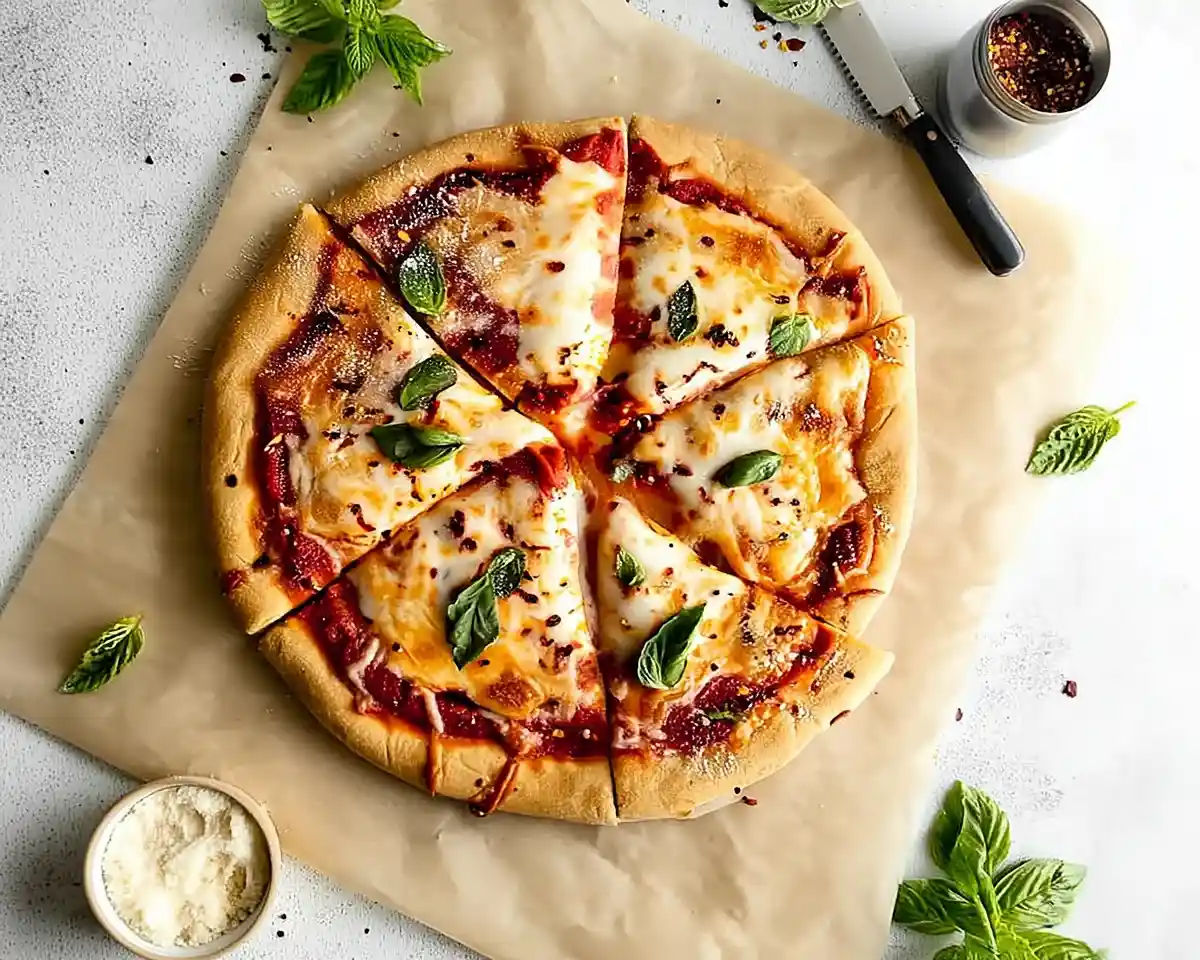
Gluten Free Pizza Dough Recipe
This easy gluten free pizza dough recipe creates a crispy, chewy crust that tastes like the real thing. Perfect for busy weeknight dinners!
You know what I missed most when I went gluten-free? Friday night pizza with my kids. That warm, chewy crust topped with bubbling cheese wasn’t just dinner—it was our family tradition.
I tried every store-bought gluten free pizza crust I could find, and honestly? Most tasted like cardboard with commitment issues. They’d either fall apart, taste like sawdust, or have that weird gummy texture that makes you question all your life choices.
But here’s the good news: this best gluten free pizza dough recipe changed everything for us. It’s crispy on the outside, perfectly chewy on the inside, and doesn’t require a culinary degree to make. Even better, it comes together in about an hour and a half, which means you can still have pizza night even on your busiest weeknights.
Table of Contents
Gluten Free Pizza Dough Recipe
Equipment
- Microwave
- Large mixing bowl
- Whisk
- Wooden spoon or rubber spatula
- Plastic wrap
- Kitchen towel
- Parchment paper
- Rolling Pin
- Pastry brush
- Baking sheet
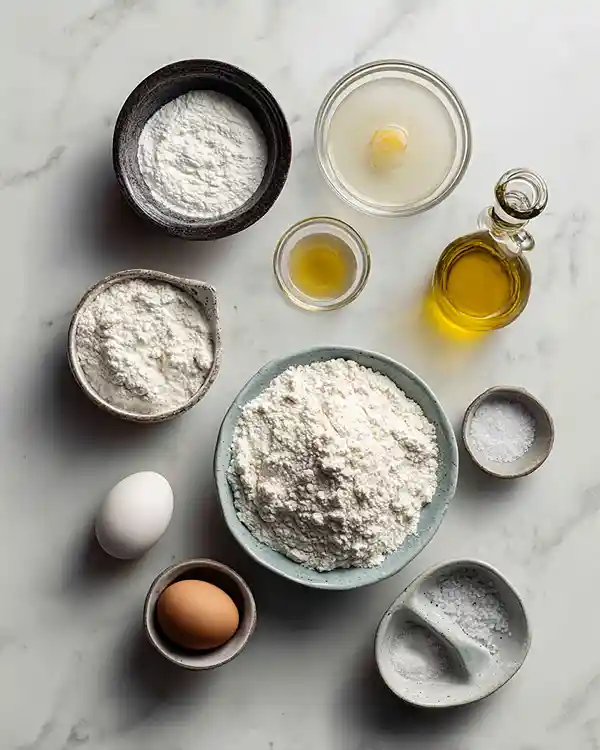
Ingredients
- 1 packet instant yeast
- ¾ cup + 2 tablespoons water warm, 110-115°F
- 1 tablespoon white sugar
- 2 ½ cups gluten free all purpose baking flour with xanthan gum
- 1 teaspoon salt
- 1 teaspoon baking powder
- 5 tablespoons olive oil plus extra for brushing
- 1 large egg
- 1 teaspoon vinegar white or apple cider
Instructions
- Microwave the water for about 30 seconds until it reaches 110-115°F—think warm baby bottle temperature, not hot tub! If it’s too hot, it’ll kill the yeast, and nobody wants murdered yeast on pizza night.
- Mix in the sugar and yeast packet, give it a good stir, and let it sit for 5 minutes. You’ll know it’s ready when it gets foamy and bubbly on top—that’s your yeast waking up and getting ready to work its magic.
- While the yeast does its thing, whisk together the gluten free all purpose baking flour, baking powder, and salt in a large bowl. This helps distribute everything evenly so you don’t end up with salty pockets or bland spots.
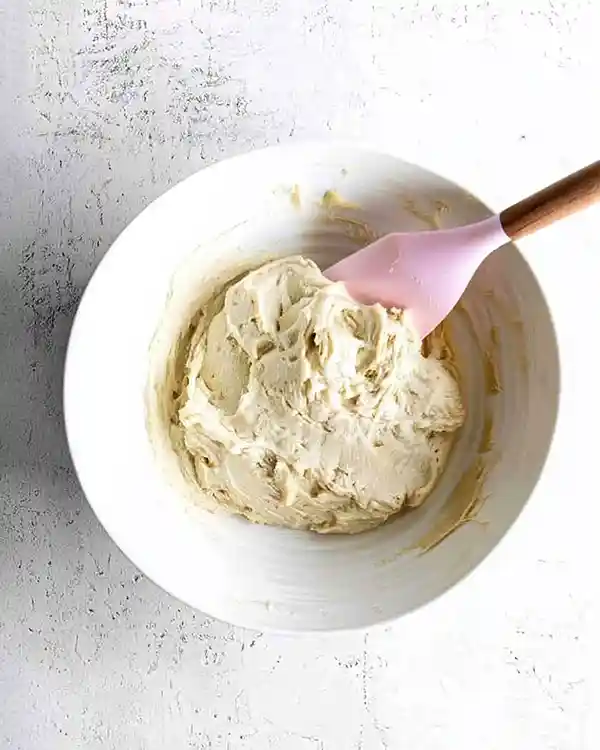
- Add the whisked egg, vinegar, olive oil, and your foamy water-yeast mixture to the flour blend. Mix everything together with a wooden spoon or rubber spatula until a dough forms—it’ll be sticky at this point, and that’s totally normal for gf pizza crust.
- Cover your bowl with plastic wrap, then drape a towel over the top and let it rise in a warm spot for 1 hour. I always pop mine in the oven (turned off, obviously!) because it’s cozy and draft-free in there.
- After your dough has puffed up beautifully, preheat your oven to 425°F and stick the dough in the fridge for 15 minutes. This little chill session makes it way easier to roll out without it sticking to everything in sight.
- Place your dough on a floured piece of parchment paper and knead in 1-2 more tablespoons of flour until it forms a smooth ball. You want just enough flour so it’s not sticky—too much and your crust will be tough and dry.
- Use a floured rolling pin to roll the dough into a roughly 12-inch circle. I like keeping mine fairly thick for that satisfying chewy bite, but roll it thinner if you prefer a crispier, cracker-style crust—this recipe is flexible like that!
- Generously brush the top of your crust with olive oil—don’t be shy here, this creates that golden, crispy exterior we’re after. Bake for 12 minutes until it’s just starting to firm up.
- Remove from the oven, add your sauce and favorite toppings, and bake for another 8-12 minutes. The edges should be golden and the cheese (if you’re using it) should be melted and slightly browned in spots.
- Let your masterpiece cool for a few minutes before slicing—I know it’s tempting to dive right in, but this helps everything set. Then slice, serve, and watch your family’s faces light up!
Notes
Ingredients
| Ingredient | Amount |
|---|---|
| Instant yeast | 1 packet |
| Warm water | ¾ cup + 2 tablespoons |
| White sugar | 1 tablespoon |
| Gluten free all purpose baking flour (with xanthan gum) | 2 ½ cups |
| Salt | 1 teaspoon |
| Baking powder | 1 teaspoon |
| Olive oil | 5 tablespoons (plus extra for brushing) |
| Egg | 1 large |
| Vinegar (white or apple cider) | 1 teaspoon |
Instructions
Step 1: Microwave the water for about 30 seconds until it reaches 110-115°F—think warm baby bottle temperature, not hot tub! If it’s too hot, it’ll kill the yeast, and nobody wants murdered yeast on pizza night.
Step 2: Mix in the sugar and yeast packet, give it a good stir, and let it sit for 5 minutes. You’ll know it’s ready when it gets foamy and bubbly on top—that’s your yeast waking up and getting ready to work its magic.
Step 3: While the yeast does its thing, whisk together the gluten free all purpose baking flour, baking powder, and salt in a large bowl. This helps distribute everything evenly so you don’t end up with salty pockets or bland spots.
Step 4: Add the whisked egg, vinegar, olive oil, and your foamy water-yeast mixture to the flour blend. Mix everything together with a wooden spoon or rubber spatula until a dough forms—it’ll be sticky at this point, and that’s totally normal for gf pizza crust.
Step 5: Cover your bowl with plastic wrap, then drape a towel over the top and let it rise in a warm spot for 1 hour. I always pop mine in the oven (turned off, obviously!) because it’s cozy and draft-free in there.
Step 6: After your dough has puffed up beautifully, preheat your oven to 425°F and stick the dough in the fridge for 15 minutes. This little chill session makes it way easier to roll out without it sticking to everything in sight.
Step 7: Place your dough on a floured piece of parchment paper and knead in 1-2 more tablespoons of flour until it forms a smooth ball. You want just enough flour so it’s not sticky—too much and your crust will be tough and dry.
Step 8: Use a floured rolling pin to roll the dough into a roughly 12-inch circle. I like keeping mine fairly thick for that satisfying chewy bite, but roll it thinner if you prefer a crispier, cracker-style crust—this recipe is flexible like that!
Step 9: Generously brush the top of your crust with olive oil—don’t be shy here, this creates that golden, crispy exterior we’re after. Bake for 12 minutes until it’s just starting to firm up.
Step 10: Remove from the oven, add your sauce and favorite toppings, and bake for another 8-12 minutes. The edges should be golden and the cheese (if you’re using it) should be melted and slightly browned in spots.
Step 11: Let your masterpiece cool for a few minutes before slicing—I know it’s tempting to dive right in, but this helps everything set. Then slice, serve, and watch your family’s faces light up!
Substitutions
Flour: If you don’t have a gluten free all purpose baking flour blend with xanthan gum already in it, you can use any GF flour blend and add 1 teaspoon of xanthan gum separately. Just make sure your blend contains a mix of starches and proteins for the best texture—my complete gluten-free baking guide has all the details on choosing the right flour.
Sugar: Honey or maple syrup work great here, though they’ll add a subtle sweetness. Use the same amount, but keep in mind liquid sweeteners might make your dough slightly stickier, so you may need an extra tablespoon of flour when kneading.
Egg: For an egg-free version, try a flax egg (1 tablespoon ground flaxseed mixed with 3 tablespoons water, let sit 5 minutes). Your crust will be slightly less chewy but still delicious—I’ve tested this for my daughter’s egg-allergic friend and it totally works!
Olive oil: Any neutral oil like avocado or vegetable oil works perfectly fine. Melted butter adds amazing flavor if you’re not dairy-free, though it’ll make your crust a bit richer and more tender.
Troubleshooting
Dough too sticky: Don’t panic! Gluten free dough is naturally stickier than regular dough. Add flour one tablespoon at a time during the kneading stage until it’s manageable—just don’t go overboard or your crust will turn out dry and crumbly.
Crust didn’t rise: Check your yeast expiration date first—old yeast is the number one culprit here. Also make sure your water wasn’t too hot (which kills yeast) or too cold (which won’t activate it). According to trusted research on yeast fermentation, that 110-115°F sweet spot is crucial for proper activation.
Crust too dense: This usually means you needed to let it rise a bit longer or your rising spot wasn’t warm enough. Man, oh man, I learned this the hard way when I tried rising dough in my cold kitchen during winter—it barely budged! Find a cozy warm spot (like an oven with just the light on) and give it the full hour.
Edges burning before center cooks: Your oven might be running hot, or you rolled your crust too thin around the edges. Try covering the edges with foil strips halfway through baking, or roll your dough more evenly next time for consistent thickness.
Storage & Meal Prep
Store any leftover best gluten free pizza dough recipe portions in an airtight container in the fridge for up to 3 days, or freeze for up to 3 months. I like wrapping individual dough balls in plastic wrap, then placing them in a freezer bag—just thaw in the fridge overnight before using.
For meal prep magic, you can par-bake multiple crusts, let them cool completely, and stack them with parchment paper between each one. Store in the freezer and you’ll have pizza ready in 15 minutes on those chaotic weeknights when cooking feels impossible!
Serving Suggestions
This versatile gf pizza crust pairs beautifully with classic marinara and mozzarella, but don’t stop there! Try it with pesto, goat cheese, and arugula for a fancy twist, or go breakfast-style with scrambled eggs and bacon for a fun weekend brunch.
Serve alongside my homemade miso soup recipe for an unexpectedly delicious combo, or pair with a fresh garden salad for a complete meal. And if you’ve got picky eaters, this crust is mild enough that even veggie-resistant kids will actually eat it—trust me, I’ve battle-tested this with my own crew!
Variations
Dairy-free: This recipe is already dairy-free, but if you’re topping your pizza with cheese alternatives, I recommend the cashew-based varieties—they melt better than most coconut-based options. You can also check out my easy dairy-free dessert collection for more allergy-friendly inspiration.
Herb-infused crust: Mix 1-2 teaspoons of Italian seasoning, garlic powder, or dried basil right into your dry ingredients. This creates an aromatic crust that’s absolutely heavenly, especially if you’re going for a simple margherita-style pizza where the crust flavor really shines.
Mini pizzas: Divide the dough into 4-6 portions and roll into individual personal pizzas—perfect for letting everyone customize their own toppings. Kids go crazy for this on game day or birthday parties, and it makes serving a crowd so much easier.
Stuffed crust: Roll your dough thinner, place string cheese or dairy-free mozzarella sticks around the edges, fold over, and seal. It’s a little extra work but worth it for that nostalgic Pizza Hut experience we all remember from before going gluten-free!
Gluten Free Pizza Dough Recipe FAQs
Can I make this dough ahead of time?
Absolutely! Prepare the dough through step 5, then refrigerate for up to 24 hours instead of the 15-minute chill. Just let it sit at room temperature for about 20 minutes before rolling to make it easier to work with.
What’s the best gluten free flour blend for pizza dough?
Look for blends that contain xanthan gum and a mix of rice flour, potato starch, and tapioca starch—brands like Bob’s Red Mill, King Arthur, or Cup4Cup work beautifully. According to authoritative gluten-free nutrition research, using a well-balanced blend ensures better texture and nutritional value.
Why does my gluten free pizza dough taste different from regular pizza?
Well… gluten free flours lack the protein structure that creates that signature chewiness in traditional pizza. But the combination of xanthan gum, yeast, and the proper rising time in this best gluten free pizza dough recipe mimics that texture surprisingly well—many of my taste-testers can’t even tell the difference!
How do I prevent my crust from getting soggy?
Pre-baking the crust for 12 minutes before adding toppings is key! Also, don’t overload with sauce or super-wet toppings like fresh tomatoes—pat them dry first. Brushing olive oil on the crust creates a barrier that helps too.
Can I use active dry yeast instead of instant yeast?
Yes, but you’ll need to proof it longer—about 10 minutes instead of 5. Active dry yeast needs more time to wake up and get bubbly, so just be patient and make sure it’s foamy before proceeding.
Best way to reheat leftover gluten free pizza?
Skip the microwave (which makes it rubbery) and reheat in a skillet over medium heat for 3-4 minutes, covered. This keeps the bottom crispy while warming everything through—it’s honestly better than most reheating methods for regular pizza too!
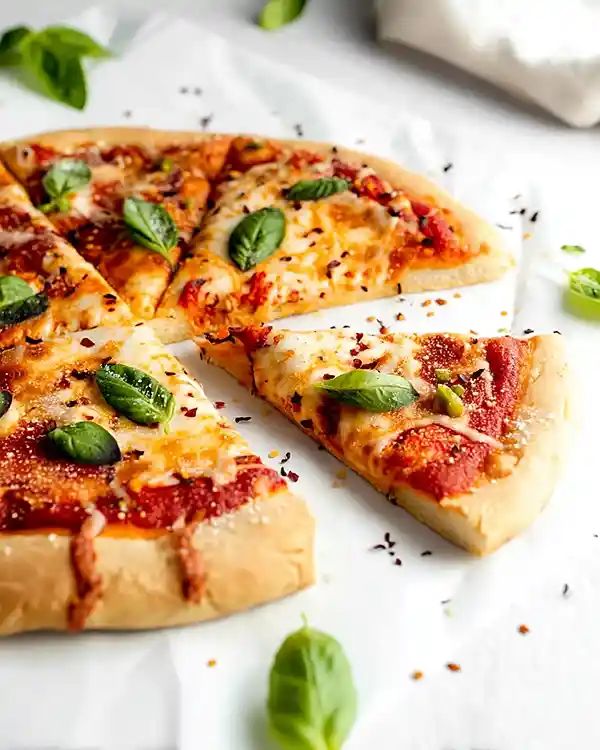
There you have it—a best gluten free pizza dough recipe that actually delivers on taste and texture! Whether you’re newly gluten-free or a seasoned pro, this recipe is forgiving enough for beginners yet delicious enough to become your forever go-to. Try pairing it with my healthy sesame chicken for an Asian-fusion twist, or keep dessert simple with these dark chocolate sea salt nut bars afterward.



I’ve been trying to find a good gf pizza dough that my son actually likes rather than tolerates. This one is it. I’ve made it twice now, the first time I must have not added the right amount of flour because it was very wet still. But I went with it because I didn’t know if that’s how it was supposed to be. It actually turned out really good and fluffy. The second time it was thicker like gf doughs usually are, it was still very good, though I might prefer the first version! Just made a batch to throw in the fridge overnight to take to a game day tomorrow. Thank you!
This absolutely made my day 🥹💛 I love that your son actually likes it—that’s the ultimate win! And you described the dough differences perfectly… sometimes that slightly wetter version really does give the fluffiest crust. I hope it’s a huge hit at game day tomorrow—thank you so much for coming back to share your experience!