Gluten Free Potato Brioche Buns
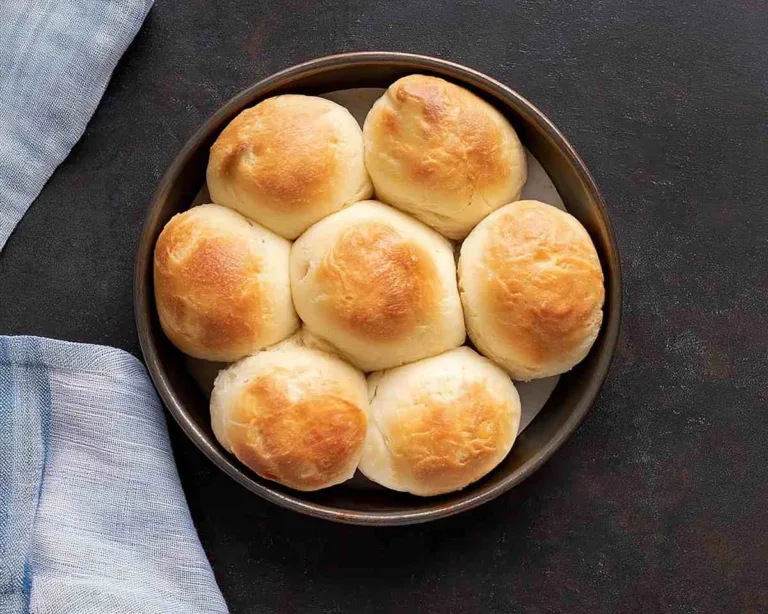
Master gluten free potato brioche buns with this easy recipe. Soft, fluffy bread that rivals any bakery—perfect for burgers, sliders, and sandwiches.
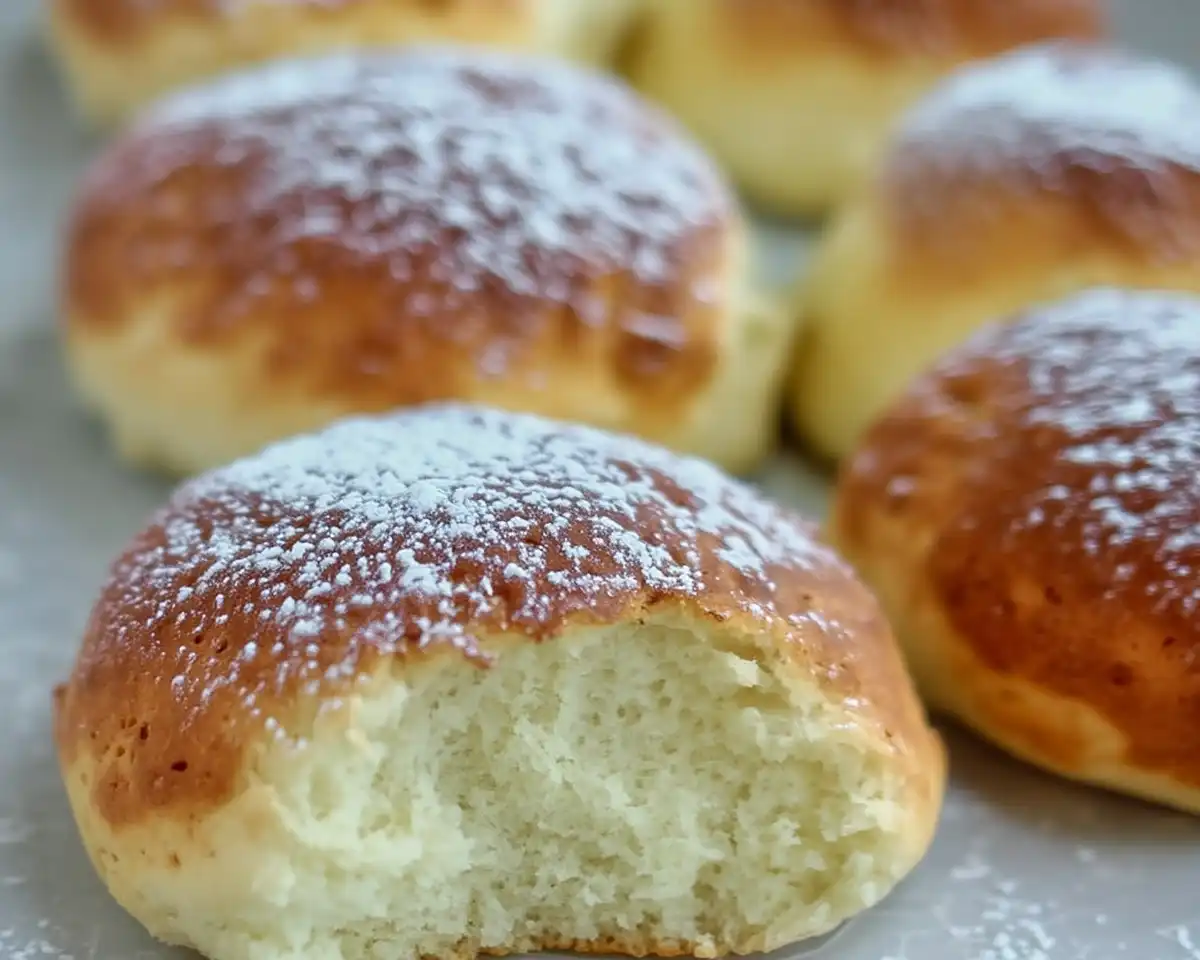
Remember the first time you bit into a truly spectacular burger bun—the kind that’s pillowy soft, slightly sweet, and practically melts in your mouth? Well, my friend, you’re about to recreate that magic in your own kitchen with these gluten free potato brioche buns.
I’ll never forget the Thanksgiving when I served these beauties alongside our turkey sliders, and not a single person (gluten-eating relatives included) could believe they were gluten free.
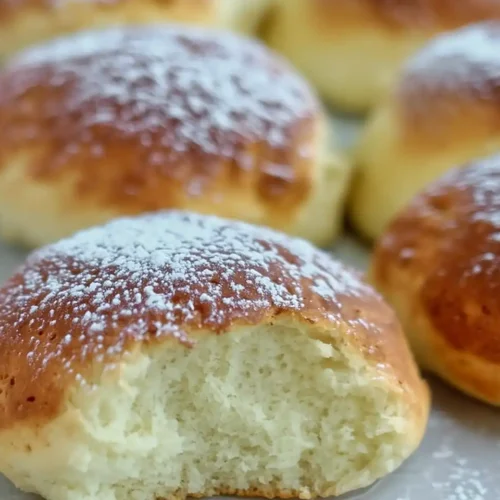
These aren’t your typical dense, crumbly gluten free rolls. The secret ingredient here is mashed potato, which creates an incredibly tender crumb and keeps these buns moist for days. When you combine that with a rich brioche-style dough packed with butter and egg yolks, you get something truly special—as light and fluffy as a cloud, with that signature golden crust.
Whether you’re planning a backyard barbecue, need good gluten free recipes for weeknight dinners, or just want to master gluten free fluffy bread once and for all, this recipe delivers every single time. These gluten free potato rolls are perfect for burgers, sliders, breakfast sandwiches, or simply slathered with butter and jam.
You know what? They’re so delicious that I’ve caught family members sneaking extras straight from the cooling rack.
Table of Contents
Gluten Free Potato Brioche Buns
Equipment
- Stand mixer with dough hook
- Mixing bowls
- Kitchen scale
- Baking sheet
- Parchment paper
- Plastic wrap
- Whisk
Ingredients
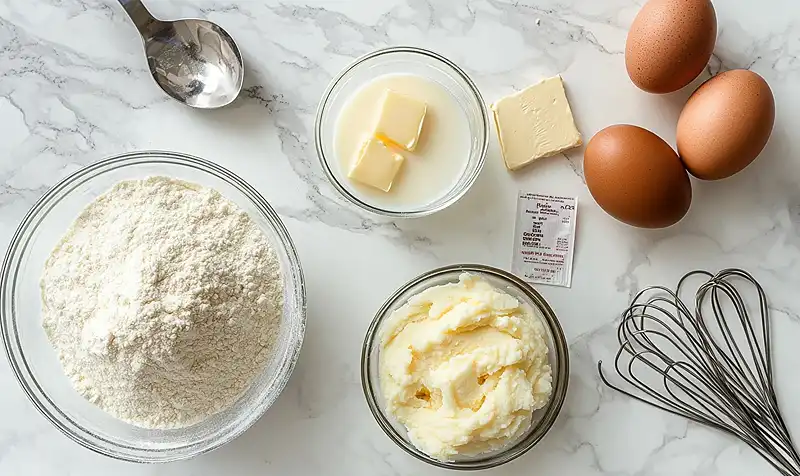
- 3 cups Kim’s gluten free bread flour blend 420 g
- 2 medium potatoes peeled, cooked, mashed, and cooled (200 g)
- ½ cup granulated sugar 100 g
- 1 teaspoon baking powder
- 1 teaspoon kosher salt
- 1 tablespoon instant yeast plus 3/4 teaspoon (12 g)
- 1 tablespoon whole psyllium husks or 1 1/2 teaspoon psyllium husk powder
- 6 tablespoons butter very soft (85 g)
- 1 cup whole milk 240 ml
- 1 large egg at room temperature
- 6 large egg yolks at room temperature
- 1 tablespoon potato starch for dusting, optional
- 2 tablespoons melted butter for brushing after baking, optional
Instructions
- In the bowl of your stand mixer, combine the gluten free bread flour blend, granulated sugar, baking powder, salt, yeast, and psyllium husks. Give everything a good whisk to distribute the yeast evenly throughout the flour. This ensures your buns rise uniformly and develop that gorgeous texture we’re after.
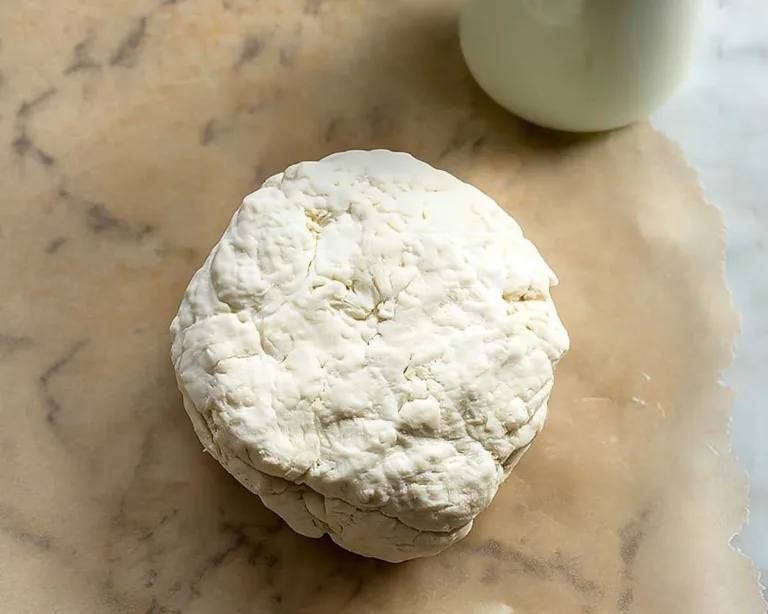
- Add your cooled mashed potatoes, whole egg, egg yolks, softened butter, and milk to the dry mixture. Attach the dough hook and mix on low speed until everything comes together into a cohesive dough. You’ll notice the dough feels softer and more pliable than traditional gluten free bread doughs—that’s exactly what you want.
- Increase your mixer speed to medium or medium-high and let it knead for a full 5 minutes. This step develops the structure that gluten would normally provide, so don’t skimp on the time. The dough should look smooth and slightly elastic when you’re done.
- Cover the bowl with a clean kitchen towel or plastic wrap and let the dough proof in a warm spot for 1-2 hours, or until it’s doubled in size. You’ll see it puff up beautifully as the yeast works its magic. Once doubled, refrigerate the dough for at least 6 hours, but overnight is even better—this cold fermentation develops incredible flavor.
- On baking day, remove the chilled dough from your fridge and transfer it to a well-floured work surface. Knead it gently until smooth, then divide into 3-ounce (85 g) portions using a kitchen scale for uniform buns. To shape each roll, fold the edges up and into the center, pinch them together, then flip it over and use a cupped hand to roll it on an unfloured surface until perfectly smooth and round.
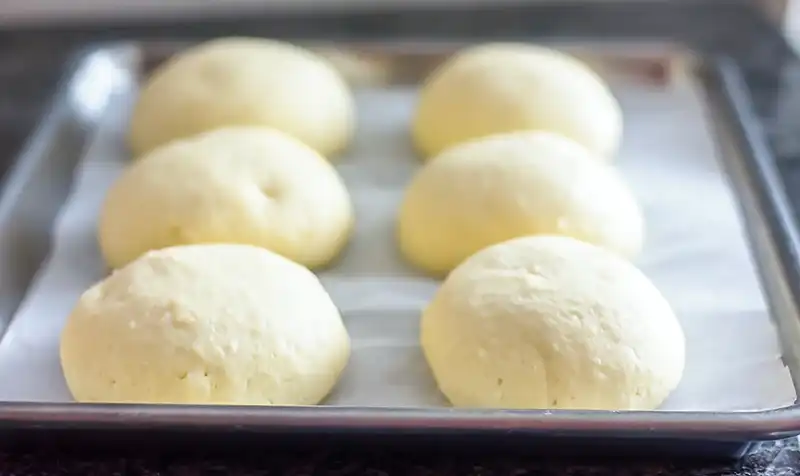
- Arrange your shaped rolls on a parchment-lined baking sheet, spacing them an inch or two apart for individual buns or closer together for a pull-apart style. Drape loosely with plastic wrap and place in a warm, draft-free spot to rise for 25-30 minutes, until they’re nearly doubled and feel light and airy when gently touched.
- While the buns complete their final rise, preheat your oven to 375°F. For that classic bakery look, dust the tops lightly with potato starch before baking. Bake for 15 minutes, until the buns turn a beautiful golden brown and feel remarkably light when you pick one up—they should almost seem hollow. If you prefer, brush the hot buns with melted butter right out of the oven instead of using the potato starch dusting.
- Let the buns cool to warm or room temperature before slicing. The aroma will be absolutely intoxicating, and the texture will be perfect for whatever you’re planning—burgers, sandwiches, or just enjoying them plain.
Notes
Ingredients
| Ingredient | Amount | Notes |
|---|---|---|
| Kim’s gluten free bread flour blend | 3 cups (420 g) | Essential for structure |
| Medium potatoes, cooked and mashed | 2 (200 g) | Cooled completely |
| Granulated sugar | ½ cup (100 g) | Feeds the yeast |
| Baking powder | 1 teaspoon | Extra lift |
| Kosher salt | 1 teaspoon | Balances sweetness |
| Instant yeast | 1 tbsp plus ¾ teaspoon (12 g) | Room temperature |
| Whole psyllium husks | 1 tablespoon | Or 1½ tsp powder |
| Butter, very soft | 6 tbsp (85 g) | Not melted |
| Whole milk | 1 cup (240 ml) | Room temperature |
| Large egg | 1 | Room temperature |
| Large egg yolks | 6 | Room temperature |
| Potato starch for dusting | 1 tablespoon | Optional finish |
| Melted butter for brushing | 2 tablespoons | Alternative finish |
Instructions
Step 1: Mix the Dry Foundation
In the bowl of your stand mixer, combine the gluten free bread flour blend, granulated sugar, baking powder, salt, yeast, and psyllium husks. Give everything a good whisk to distribute the yeast evenly throughout the flour. This ensures your buns rise uniformly and develop that gorgeous texture we’re after.
Step 2: Incorporate Wet Ingredients
Add your cooled mashed potatoes, whole egg, egg yolks, softened butter, and milk to the dry mixture. Attach the dough hook and mix on low speed until everything comes together into a cohesive dough. You’ll notice the dough feels softer and more pliable than traditional gluten free bread doughs—that’s exactly what you want.
Step 3: Knead to Perfection
Increase your mixer speed to medium or medium-high and let it knead for a full 5 minutes. This step develops the structure that gluten would normally provide, so don’t skimp on the time. The dough should look smooth and slightly elastic when you’re done.
Step 4: First Rise
Cover the bowl with a clean kitchen towel or plastic wrap and let the dough proof in a warm spot for 1-2 hours, or until it’s doubled in size. You’ll see it puff up beautifully as the yeast works its magic. Once doubled, refrigerate the dough for at least 6 hours, but overnight is even better—this cold fermentation develops incredible flavor.
Step 5: Shape Your Buns
On baking day, remove the chilled dough from your fridge and transfer it to a well-floured work surface. Knead it gently until smooth, then divide into 3-ounce (85 g) portions using a kitchen scale for uniform buns. To shape each roll, fold the edges up and into the center, pinch them together, then flip it over and use a cupped hand to roll it on an unfloured surface until perfectly smooth and round.
Step 6: Second Rise
Arrange your shaped rolls on a parchment-lined baking sheet, spacing them an inch or two apart for individual buns or closer together for a pull-apart style. Drape loosely with plastic wrap and place in a warm, draft-free spot to rise for 25-30 minutes, until they’re nearly doubled and feel light and airy when gently touched.
Step 7: Bake to Golden Perfection
While the buns complete their final rise, preheat your oven to 375°F. For that classic bakery look, dust the tops lightly with potato starch before baking. Bake for 15 minutes, until the buns turn a beautiful golden brown and feel remarkably light when you pick one up—they should almost seem hollow. If you prefer, brush the hot buns with melted butter right out of the oven instead of using the potato starch dusting.
Step 8: Cool and Serve
Let the buns cool to warm or room temperature before slicing. The aroma will be absolutely intoxicating, and the texture will be perfect for whatever you’re planning—burgers, sandwiches, or just enjoying them plain.
Substitutions
Flour Blend Alternatives
If you don’t have Kim’s gluten free bread flour blend on hand, you can substitute with another high-quality bread flour blend that contains xanthan gum or psyllium. Look for blends specifically labeled for bread rather than all-purpose blends, as they have the protein and binding agents needed for proper structure. Whatever blend you choose, make sure it’s a cup-for-cup replacement and designed for yeast breads.
Dairy-Free Adaptations
Replace the whole milk with your favorite unsweetened plant-based milk—oat milk or cashew milk work beautifully because of their creamy consistency. Swap the butter for an equal amount of vegan butter or refined coconut oil (make sure it’s soft, not melted). These gluten free easy swaps won’t compromise the tender texture or rich flavor of your potato rolls.
Egg Alternatives
While eggs are pretty crucial in brioche-style buns, you can experiment with flax eggs (1 tablespoon ground flaxseed mixed with 3 tablespoons water per egg) for the whole egg. The egg yolks are trickier to replace, but aquafaba (chickpea brine) at 3 tablespoons per yolk can work in a pinch, though the results will be slightly less rich. Man, oh man, the original version really is worth it if you can swing it!
Potato Options
Any variety of potato works here—russets, Yukon golds, or even sweet potatoes for a subtle twist. Just make sure you measure by weight (200 g) after mashing, as potato sizes vary wildly. Leftover mashed potatoes from dinner work perfectly, just ensure they’re unseasoned or only lightly salted.
Troubleshooting Tips
Dense or Heavy Buns
If your buns turn out dense rather than fluffy, the most common culprit is old or inactive yeast. Always check the expiration date and proof your yeast if you’re uncertain about its vigor. Under-kneading can also lead to dense texture, so make sure you knead the full 5 minutes at medium-high speed to properly develop the dough structure.
Buns Spreading Instead of Rising
When buns spread sideways rather than puffing up, your dough is likely too warm or too wet. Make sure you’re refrigerating the dough overnight—this firms it up considerably and makes shaping much easier. Also, use a light hand with additional flour during shaping; too much can be incorporated, but too little flour on your work surface leads to sticky, unmanageable dough.
Dry or Crumbly Texture
Overbaking is usually the issue here, so keep a close eye during the final few minutes. Your buns are done when they’re golden and feel very light—they’ll continue to set up slightly as they cool. Additionally, make sure your mashed potatoes are smooth and lump-free, and that all your wet ingredients (eggs, milk, butter) are at room temperature before mixing.
Uneven Rising
If some buns rise beautifully while others stay flat, uneven yeast distribution or inconsistent shaping is the likely cause. Always whisk your dry ingredients thoroughly before adding wet ingredients. When shaping, ensure each portion weighs exactly 3 ounces and receives the same amount of attention during the rolling process.
Storage and Meal Prep
Proper Storage
Store cooled buns in an airtight container or resealable bag at room temperature for up to 3 days. The mashed potato keeps them remarkably moist, so they won’t dry out like many gluten free breads. For longer storage, freeze the buns in a freezer-safe bag for up to 3 months—just thaw at room temperature for a couple hours or warm gently in a 300°F oven for 10 minutes.
Make-Ahead Strategy
This recipe is absolutely perfect for meal prep. You can prepare the dough through the first rise, then refrigerate it for up to 2 days before shaping and baking. Alternatively, shape the rolls, place them on a baking sheet, and freeze them solid before transferring to a freezer bag. On baking day, let frozen shaped rolls thaw and rise for about 45 minutes before baking as directed.
Serving Suggestions and Pairings
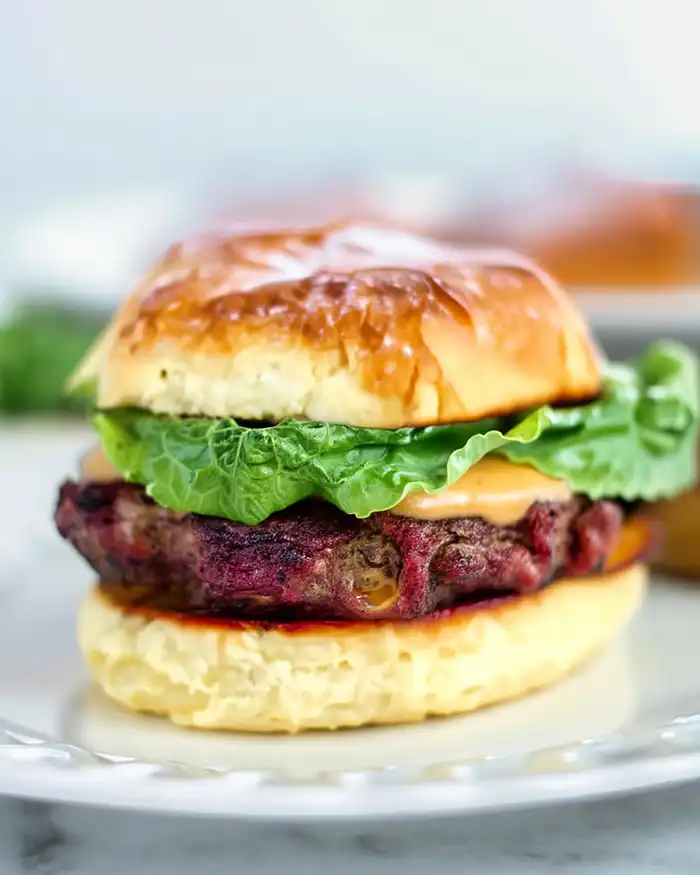
These gluten free potato brioche buns shine in so many contexts. Use them for juicy hamburgers or pulled pork sandwiches at your next cookout—their sturdy yet tender texture holds up beautifully to saucy fillings without falling apart. They’re also fantastic for breakfast sandwiches loaded with eggs, cheese, and bacon, giving you that diner-quality experience at home.
For a lighter approach, slice them horizontally and toast them lightly, then top with avocado, tomato, and a sprinkle of sea salt for an elevated open-faced sandwich. They pair wonderfully with hearty soups and stews, too—try serving them alongside your favorite chili or split them for dipping. During the holidays, use these rolls for leftover turkey sandwiches or as dinner rolls alongside your feast, and watch them disappear faster than anything else on the table.
Variations and Dietary Adjustments
Kid-Friendly Mini Buns
Divide the dough into 1.5-ounce portions instead of 3-ounce for adorable slider-sized buns that kids absolutely love. These smaller buns bake in about 12 minutes and are perfect for little hands, school lunches, or party appetizers. You can even let kids help with the shaping—it’s a fun kitchen activity that teaches them valuable baking skills.
Savory Herb Variation
Transform these into savory dinner rolls by reducing the sugar to 2 tablespoons and adding 2 tablespoons of fresh chopped herbs (rosemary, thyme, or parsley work beautifully) to the dough. You can also fold in ¼ cup of grated parmesan cheese for an extra flavor boost. These herbed versions are absolutely divine with pasta dishes or roasted meats.
Dairy-Free Version
Follow the dairy-free substitutions mentioned earlier, using plant-based milk and vegan butter. The texture remains impressively soft and the flavor is still rich and satisfying. My dairy-free friends have told me these are the best gluten free fluffy bread they’ve ever had, and they can’t believe how close they taste to the traditional version.
Sweet Breakfast Buns
Increase the sugar to ¾ cup and add 1 teaspoon of vanilla extract to the dough for sweeter morning buns. After baking and while still warm, brush with melted butter and dust with cinnamon sugar. These make an incredible base for breakfast sandwiches or simply enjoy them with your morning coffee—they’re reminiscent of Hawaiian sweet rolls but with that signature potato softness.
Gluten Free Potato Brioche Buns FAQs
Can I make these buns without a stand mixer?
While a stand mixer makes the process much easier, you can mix and knead by hand if needed. Mix the ingredients in a large bowl with a sturdy wooden spoon, then turn out onto a clean surface and knead vigorously for 8-10 minutes. Your arms will get a workout, but the results will be just as delicious.
How do I know when the buns are fully baked?
The buns are done when they’re golden brown on top and feel surprisingly light when you pick one up—they should almost seem hollow. An instant-read thermometer inserted into the center should register around 190°F. If you’re unsure, it’s better to slightly overbake than underbake, as gluten free breads need that full baking time to set properly.
What’s the best way to reheat leftover buns?
Wrap individual buns in a damp paper towel and microwave for 15-20 seconds to restore softness. For a crispier exterior, slice them in half and toast in a skillet with a little butter, or warm them in a 300°F oven for 5-7 minutes. The microwave method is quickest, but the oven method gives you that fresh-from-the-bakery texture.
Why do I need to refrigerate the dough overnight?
The overnight chill serves two important purposes: it firms up the dough significantly, making it much easier to shape into neat rolls, and it allows the flavors to develop more fully through slow fermentation. While you can technically bake after just 6 hours in the fridge, the overnight rest produces noticeably better flavor and texture—it’s absolutely worth the wait.
Is potato brioche bun gluten-free when made this way?
Yes, when you use a certified gluten free flour blend and ensure all your other ingredients are gluten free, these potato brioche buns are completely safe for those avoiding gluten. Always check labels on ingredients like baking powder and yeast to ensure they haven’t been processed in facilities with gluten. The potato adds moisture and structure that often comes from gluten, making these as good as (or better than) traditional versions.
What is surprisingly not gluten free that I should watch for?
When making these buns, watch out for cross-contamination in ingredients like baking powder (some brands are processed with wheat), and always use certified gluten free oats if you’re serving these alongside apple cinnamon oatmeal porridge. Even butter can sometimes have additives, so check labels carefully. Many people are surprised to learn that some yeasts are packaged in facilities that also process wheat products, so seeking out certified gluten free yeast is important for those with celiac disease.
Elevate Your Gluten Free Bread Game
These gluten free potato brioche buns represent what’s possible when you refuse to settle for subpar gluten free baking. They’re proof that with the right techniques and quality ingredients, you can create breads that rival or exceed their gluten-containing counterparts. The potato is truly the secret weapon here—it provides moisture, tenderness, and keeping quality that’s hard to achieve otherwise.
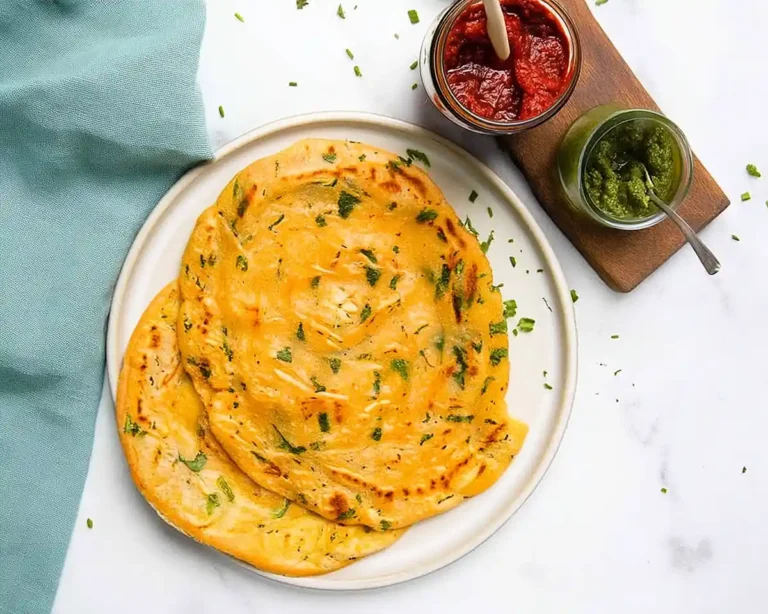
If you’re looking to expand your gluten free bread repertoire, you’ll love exploring other options like this surprisingly simple homemade naan bread made with just 2 ingredients for those nights when you need bread fast. For a savory loaf option that’s perfect for slicing and toasting, check out this hearty cheddar and mixed vegetable loaf that makes incredible sandwiches.
The beauty of mastering good gluten free recipes like these potato rolls is that they open up so many possibilities in your kitchen. No more avoiding burgers at summer barbecues or settling for sad, crumbly buns that fall apart at the first bite. With a batch of these beauties in your freezer, you’re always prepared for impromptu gatherings, weeknight dinners, or those moments when only a truly spectacular sandwich will do.
According to research from the Celiac Disease Foundation, maintaining a strict gluten-free diet is essential for those with celiac disease, and having reliable recipes for staples like bread and buns makes adherence much easier and more enjoyable. When your gluten free food tastes this good, you never feel like you’re missing out.
Additionally, studies published by the Academy of Nutrition and Dietetics emphasize that a well-planned gluten-free diet can be nutritionally complete and satisfying, especially when you focus on whole food ingredients and homemade preparations rather than relying solely on processed gluten-free products. These potato brioche buns fit perfectly into that philosophy—they’re made with real ingredients you can pronounce and offer far superior taste and texture compared to store-bought alternatives.
So roll up your sleeves, dust off that stand mixer, and get ready to bake the most spectacular gluten free potato rolls you’ve ever tasted. Your future burger nights will never be the same, and neither will your confidence in gluten free baking. Happy baking!