Gluten-Free Potato Noodles
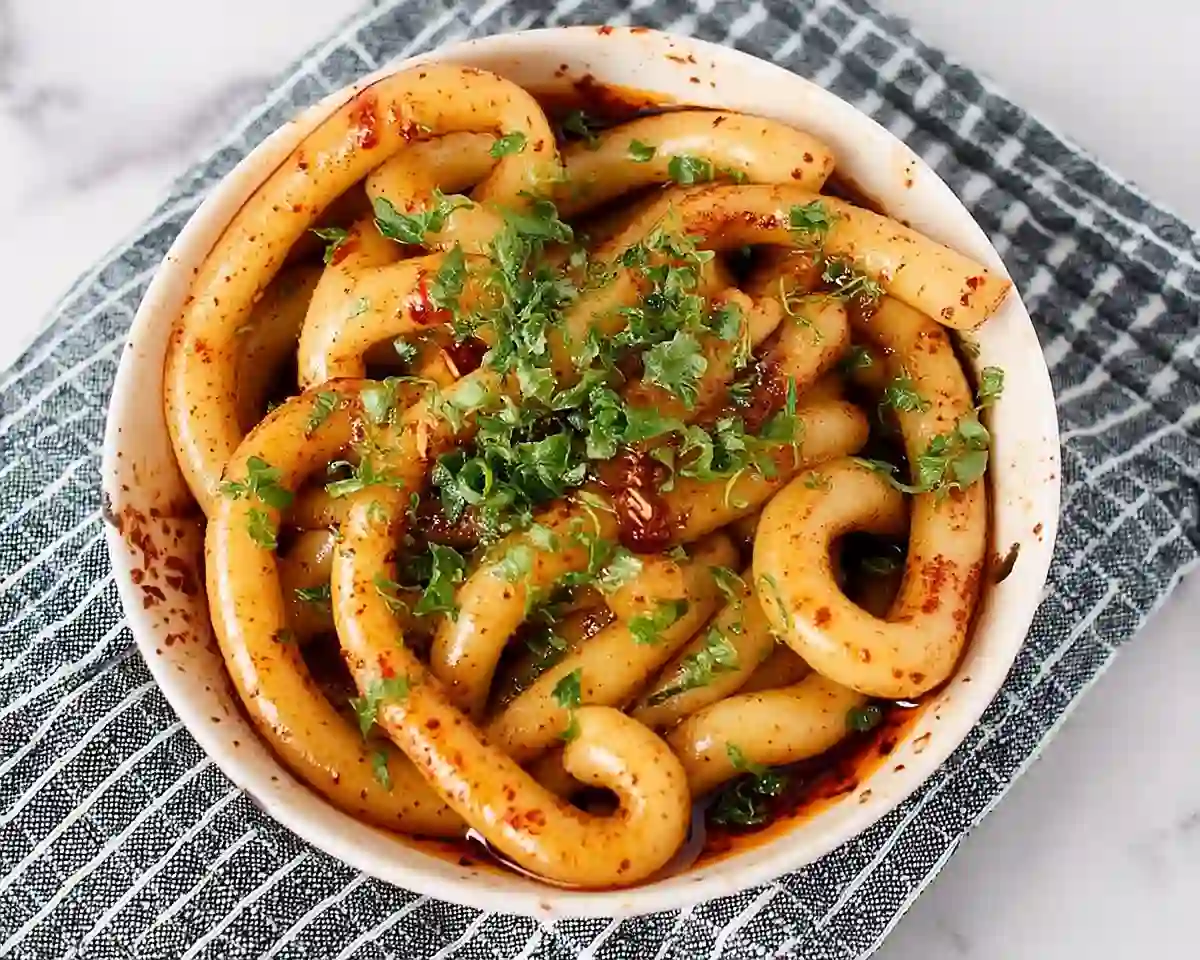
Learn how to make chewy, tender gluten-free potato noodles from scratch! This authentic spicy ramen noodle recipe takes just 45 minutes and requires only simple ingredients. Perfect for dinner ideas!
Have you ever stood in front of your pantry wondering what’s for dinner, knowing you need something satisfying but also safe for your gluten-free diet? Well, I did too—until I discovered that homemade gluten-free potato noodles are absolutely magical. Seriously, once you taste these chewy, tender noodles tossed in that silky, fiery chili oil, you’ll never look back.
Making gluten-free potato noodles at home might sound intimidating, but I promise it’s easier than you think. The whole process takes about 45 minutes, and most of that is just waiting for water to boil and potatoes to cook. You’re basically making a simple dough, rolling it out, cooking it, and coating it with the most incredible spicy chili oil that’ll make your taste buds sing.
What I love most about this spicy ramen noodle recipe is that it’s completely gluten-free, naturally allergen-friendly, and tastes like you spent hours in the kitchen when you really didn’t.
Light, tender, and completely gluten-free! Enjoy these unique gluten-free pasta recipes for more creative and delicious dishes.
Table of Contents
Gluten-Free Potato Noodles
Equipment
- Large pot
- Medium Pot
- Heatproof Mixing Bowl
- Fork for Mashing
- Wooden spoon
- Slotted spoon or spider strainer
- Measuring Cups & Spoons
- Small Pan
Ingredients
For the Potato Noodles
- 1.1 pounds Russet Potato, peeled and cubed Gold potato is fine too; cut into 1-inch pieces
- 0.5 teaspoon Salt
- 1.5 cups Potato Starch Pure potato starch, not potato flour
- 0.5 cup Warm Water
For the Spicy Chili Oil
- 2 tablespoons Regular Soy Sauce
- 2 tablespoons Chinese Black Vinegar Rice vinegar or regular black vinegar as substitute
- 2 tablespoons Gochugaru (Coarse) or Chili Powder Chinese chili powder works too
- 1.25 teaspoons Granulated Sugar
- 0.125 teaspoon Salt
- 2 tablespoons Minced Garlic Fresh garlic preferred
- 1 stalk Green Onion, sliced White and light green parts
- 3 tablespoons Neutral Oil Avocado, sunflower, grapeseed, or vegetable oil
- 0.33 cup Fresh Cilantro, roughly chopped Optional; can substitute with basil or scallions
Instructions
- Step 1: Cook Your Potatoes Until Tender Place your cubed russet potatoes into a pot of boiling water and let them cook for 10 to 15 minutes until they’re completely fork-tender. You want them soft enough that they mash easily—no firm pieces remaining. This is the foundation of your gluten-free potato noodles, so don’t rush this step.
- Step 2: Create Your Base Dough Drain the cooked potatoes well and transfer them to a heatproof mixing bowl while they’re still hot. Add the salt and mash them thoroughly with a fork until absolutely no chunks remain—smooth is your goal here. The heat from the potatoes is your secret weapon for making the dough pliable and easy to work with.
- Step 3: Incorporate the Potato Starch While your mashed potato is still hot, sprinkle in the potato starch and mix until everything is well combined. If the dough is cool enough to handle, start kneading it gently until it becomes cohesive. This warmth gelatinizes the starch, making your gluten-free potato noodles dough stretchier and easier to shape.
- Step 4: Add Water and Knead Gradually add the warm water and mix until it’s fully absorbed and an almost-smooth dough forms. The dough won’t feel like traditional bread dough, but it will be pliable and workable, especially while it’s still warm. This texture is exactly what you want for rolling out your potato noodles.
- Step 5: Prepare Your Cooking Station Bring a large pot of water to a rolling boil and set up your noodle-making station as close to the stove as possible. Prepare a large bowl filled with cold water—you’ll need this for cooling your finished noodles. Having everything ready makes the next steps smooth and stress-free.
- Step 6: Divide and Shape the Noodles Divide your dough into 14 equal pieces and keep the dough covered with a damp towel when you’re not actively working with it. Take one piece at a time and roll it into a ½-inch thick noodle, keeping your hands lightly moistened to prevent sticking. The warm dough makes this easier, so work while it’s still pliable.
- Step 7: Cook Your Gluten-Free Potato Noodles Gently place your potato noodles into the boiling water, being careful not to overcrowd the pot—they need room to move freely. Give them a gentle stir right after adding them so they don’t stick together. Once they float to the surface, cook for one additional minute.
- Step 8: Cool and Store the Noodles Remove the cooked noodles with a slotted spoon or spider strainer and immediately place them into your bowl of cold water to stop the cooking process. This keeps them tender and prevents them from becoming mushy. Repeat steps 6 and 7 with your remaining dough pieces.
- Step 9: Prepare Your Spicy Chili Oil In a heatproof bowl, combine the soy sauce, black vinegar, gochugaru (or chili powder), sugar, salt, minced garlic, and sliced green onion. You know, this mixture is the soul of your spicy ramen noodle recipe—don’t skip any ingredients. Heat your neutral oil in a small pan until it just starts to smoke.
- Step 10: Create the Magic Carefully pour the hot oil over all the dry ingredients in your heatproof bowl and listen for that beautiful sizzle. Let it settle for a moment, then stir everything together until well combined. This is where your gluten-free potato noodles transform into something truly spectacular.
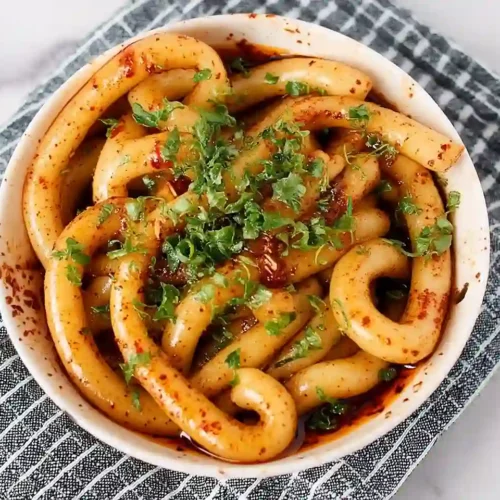
- Step 11: Final Assembly Drain your potato noodles thoroughly and place them into a large clean bowl. Pour the prepared chili oil over the noodles and add the chopped cilantro, then toss everything together until the noodles are well coated. Serve immediately while everything is warm and the flavors are singing.
Notes
Ingredients
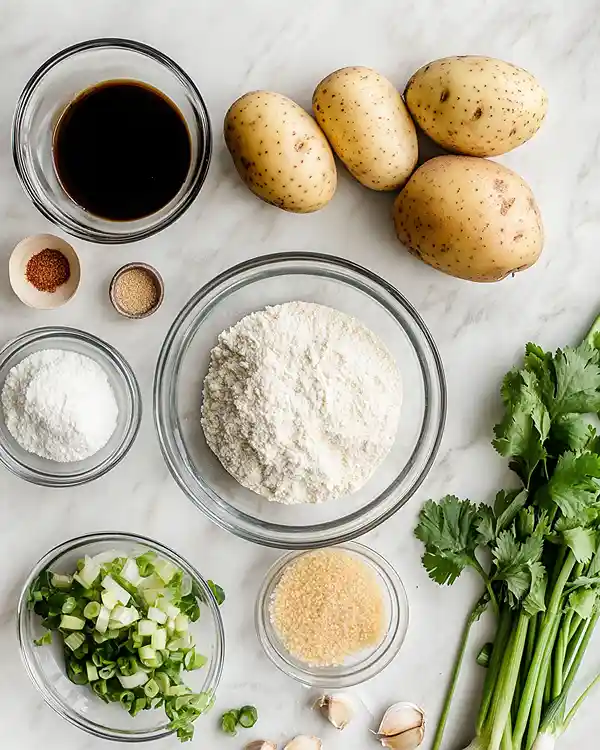
| Category | Ingredient | Amount |
|---|---|---|
| For the Potato Noodles | Russet potato, peeled & cubed | 1.1 pounds |
| Salt | ½ teaspoon | |
| Potato starch | 1½ cups | |
| Warm water | ½ cup | |
| For the Spicy Chili Oil | Regular soy sauce | 2 tablespoons |
| Chinese black vinegar | 2 tablespoons | |
| Gochugaru (coarse) or chili powder | 2 tablespoons | |
| Granulated sugar | 1¼ teaspoons | |
| Salt | ⅛ teaspoon | |
| Minced garlic | 2 tablespoons | |
| Green onion, sliced | 1 stalk | |
| Neutral oil (avocado, sunflower, grapeseed) | 3 tablespoons | |
| Fresh cilantro, roughly chopped | ⅓ cup |
Instructions
Step 1: Cook Your Potatoes Until Tender
Place your cubed russet potatoes into a pot of boiling water and let them cook for 10 to 15 minutes until they’re completely fork-tender. You want them soft enough that they mash easily—no firm pieces remaining. This is the foundation of your gluten-free potato noodles, so don’t rush this step.
Step 2: Create Your Base Dough
Drain the cooked potatoes well and transfer them to a heatproof mixing bowl while they’re still hot. Add the salt and mash them thoroughly with a fork until absolutely no chunks remain—smooth is your goal here. The heat from the potatoes is your secret weapon for making the dough pliable and easy to work with.
Step 3: Incorporate the Potato Starch
While your mashed potato is still hot, sprinkle in the potato starch and mix until everything is well combined. If the dough is cool enough to handle, start kneading it gently until it becomes cohesive. This warmth gelatinizes the starch, making your gluten-free potato noodles dough stretchier and easier to shape.
Step 4: Add Water and Knead
Gradually add the warm water and mix until it’s fully absorbed and an almost-smooth dough forms. The dough won’t feel like traditional bread dough, but it will be pliable and workable, especially while it’s still warm. This texture is exactly what you want for rolling out your potato noodles.
Step 5: Prepare Your Cooking Station
Bring a large pot of water to a rolling boil and set up your noodle-making station as close to the stove as possible. Prepare a large bowl filled with cold water—you’ll need this for cooling your finished noodles. Having everything ready makes the next steps smooth and stress-free.
Step 6: Divide and Shape the Noodles
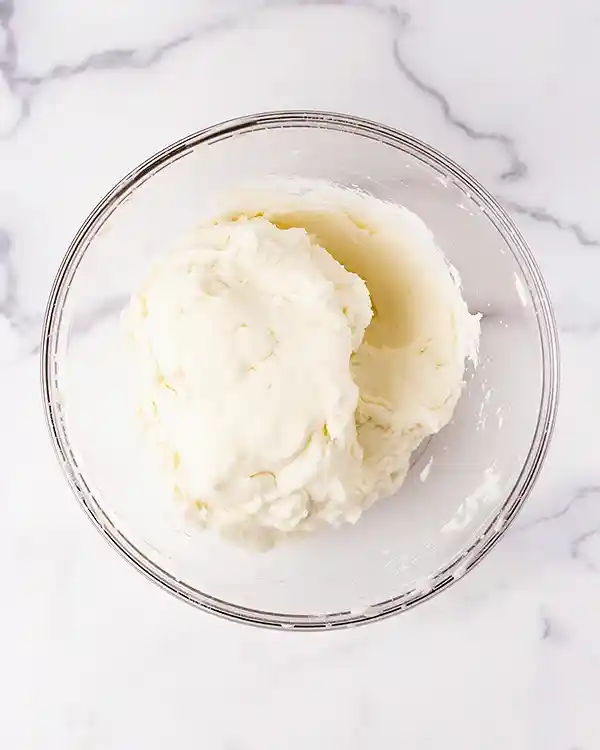
Divide your dough into 14 equal pieces and keep the dough covered with a damp towel when you’re not actively working with it. Take one piece at a time and roll it into a ½-inch thick noodle, keeping your hands lightly moistened to prevent sticking. The warm dough makes this easier, so work while it’s still pliable.
Step 7: Cook Your Gluten-Free Potato Noodles
Gently place your potato noodles into the boiling water, being careful not to overcrowd the pot—they need room to move freely. Give them a gentle stir right after adding them so they don’t stick together. Once they float to the surface, cook for one additional minute.
Step 8: Cool and Store the Noodles
Remove the cooked noodles with a slotted spoon or spider strainer and immediately place them into your bowl of cold water to stop the cooking process. This keeps them tender and prevents them from becoming mushy. Repeat steps 6 and 7 with your remaining dough pieces.
Step 9: Prepare Your Spicy Chili Oil
In a heatproof bowl, combine the soy sauce, black vinegar, gochugaru (or chili powder), sugar, salt, minced garlic, and sliced green onion. You know, this mixture is the soul of your spicy ramen noodle recipe—don’t skip any ingredients. Heat your neutral oil in a small pan until it just starts to smoke.
Step 10: Create the Magic
Carefully pour the hot oil over all the dry ingredients in your heatproof bowl and listen for that beautiful sizzle. Let it settle for a moment, then stir everything together until well combined. This is where your gluten-free potato noodles transform into something truly spectacular.
Step 11: Final Assembly
Drain your potato noodles thoroughly and place them into a large clean bowl. Pour the prepared chili oil over the noodles and add the chopped cilantro, then toss everything together until the noodles are well coated. Serve immediately while everything is warm and the flavors are singing.
Substitutions
Using Gold Potatoes Instead of Russet
Gold potatoes work beautifully as a substitute and actually create slightly creamier gluten-free potato noodles. You’ll need the same amount (1.1 pounds), and they cook just as quickly. The texture will be nearly identical, and your spicy ramen noodle recipe will be just as delicious.
Swapping Gochugaru for Other Chili Options
If you can’t find gochugaru, Chinese chili powder works wonderfully—just use the same 2 tablespoons. Red pepper flakes are another option, though they’re spicier and finer, so start with 1½ tablespoons and adjust to taste. Your dinner ideas don’t need to be complicated when great substitutions exist.
Replacing Chinese Black Vinegar
Rice vinegar or regular black vinegar works if you don’t have Chinese black vinegar on hand. You might adjust the amount slightly since some vinegars are sharper than others—start with 1½ tablespoons and taste as you go. The acidity balances the richness of your potato noodles beautifully.
Choosing a Different Neutral Oil
Any high-heat neutral oil works perfectly for the chili oil in your gluten-free potato noodles recipe. Vegetable oil, canola oil, or even light sesame oil can replace avocado or sunflower oil without changing the result. The key is that it needs to be hot enough to infuse the spices, so don’t skip the heating step.
Making It Without Cilantro
If cilantro isn’t your thing (I totally understand!), simply omit it or replace it with fresh basil or scallions for brightness. Your potato noodles will still be absolutely delicious without it. Personal preferences make cooking fun, so trust your taste buds here.
For more creative gluten-free main dishes, explore our complete collection of gluten-free pasta alternatives, or check out our easy weeknight dinner solutions for other inspiration. You might also love our beginner-friendly Asian cooking guide for more noodle-based dinner ideas.
Troubleshooting Tips
My Dough Is Too Sticky
If your gluten-free potato noodles dough feels overly wet, add a bit more potato starch—just a tablespoon at a time—until it reaches a workable consistency. The moisture content can vary depending on how well you drained the potatoes, so adjustments are totally normal. Keep your hands lightly moistened instead of adding more flour to make handling easier.
The Noodles Keep Breaking in the Water
This usually means the dough wasn’t quite pliable enough or you’re handling them too roughly. Make sure to roll them when the dough is still warm for maximum stretch. Gently is the watchword when placing them in boiling water and stirring your potato noodles.
The Chili Oil Isn’t Spicy Enough
Add more gochugaru next time, or let the spices infuse longer in the hot oil before pouring. Well, you can also add a pinch of white pepper or extra red pepper flakes for extra heat. Everyone’s spice tolerance is different, so make it yours for your spicy ramen noodle recipe.
My Noodles Feel Mushy
You might be cooking them too long or overcrowding the pot, which raises the water temperature unevenly. Cook for just one minute after they float, and make sure they have plenty of space to move around. Immediately plunging them into cold water stops the cooking and keeps them tender in your gluten-free potato noodles.
The Dough Won’t Hold Together
If your dough is crumbly, it needs more water—add it by the tablespoon while mixing until it becomes cohesive. Ensure you’re working with the dough while it’s still warm, as this dramatically improves workability. The warmth of the potato naturally helps bind everything together.
Storage & Meal Prep
Storing Cooked Potato Noodles
Keep cooked gluten-free potato noodles in an airtight container in the refrigerator for up to 4 days. Before eating, gently reheat them in boiling water for about 2 minutes or toss them in a warm pan with a bit of oil. They hold their texture beautifully, making them perfect for meal prep dinner ideas.
Make-Ahead Dough Strategy
You can prepare the dough up to 2 hours ahead and keep it covered with a damp towel at room temperature. This is perfect for busy weeknights when you want to prep earlier but cook later. Just give it a gentle knead before rolling out your potato noodles to warm it up again.
Freezing Raw Noodles
Raw or cooked potato noodles freeze well for up to 3 weeks in an airtight container with parchment paper between layers. If cooking from frozen, add an extra minute to your boiling time for your gluten-free potato noodles. This makes it easy to have homemade noodles ready whenever dinner ideas strike.
Preparing the Chili Oil Ahead
Make your spicy chili oil base (everything except the hot oil) up to 3 days in advance and store it in the refrigerator. Simply heat the oil fresh when you’re ready to serve your potato noodles recipe. This step saves time on busy nights when you want quick dinner ideas.
Serving Suggestions & Pairings
Simple Weeknight Bowl
Serve your gluten-free potato noodles with the chili oil and top with a soft-boiled egg, crispy tofu, and steamed bok choy for a complete meal. A squeeze of lime juice adds brightness that balances the richness beautifully. This combination transforms your potato noodles into restaurant-quality dinner ideas.
Mapo Tofu Style
For an authentic mapo tofu experience, crumble some silken tofu into your chili oil and let it warm through gently. Add the noodles and toss everything together—you’ve got yourself a classic Asian dinner idea that’s completely gluten-free. The soft tofu absorbs the spicy chili oil flavors perfectly.
Holiday Dinner Twist
During family gatherings or special occasions, serve these gluten-free potato noodles as a sophisticated side dish that everyone can enjoy together. Arrange them on a beautiful platter with fresh herbs and edible flowers for an elegant presentation. Your guests will be amazed that these restaurant-quality noodles came from your own kitchen.
Light Lunch Variation
Skip the extra oil and toss your potato noodles with a sesame-ginger dressing and fresh vegetables for a lighter lunch version. Add grilled chicken or shrimp for protein and you’ve got satisfying dinner ideas ready in minutes. This works beautifully for meal prep throughout the week.
Variations
Sesame Noodle Version
Replace the chili oil with a creamy sesame sauce by mixing tahini, soy sauce, rice vinegar, and minced ginger. Toss your gluten-free potato noodles with this instead for a completely different flavor profile that’s equally delicious. Top with crushed peanuts and cucumber for textural contrast.
Cold Potato Noodle Salad
Chill your cooked noodles and toss them with your spicy chili oil, then add shredded vegetables, herbs, and a splash of rice vinegar for a refreshing salad. This works beautifully as a make-ahead dinner idea for hot summer evenings. The potato noodles hold their texture perfectly when cold.
Milder Version for Kids
If you’re making this for little ones, reduce the gochugaru to just 1 tablespoon and skip the black vinegar—replace it with a bit of soy sauce instead. Your gluten-free potato noodles become a gentler, more approachable version that kids will actually eat. You can always add the spicy chili oil on the side for adults.
Creamy Garlic Variation
Make a creamy sauce by mixing your chili oil with a splash of non-dairy cream and extra garlic for richness. Toss your potato noodles in this silky sauce and top with fresh herbs for comfort food that still feels special. This is perfect when you want dinner ideas with a cozy twist.
Loaded Noodle Bowl
Turn your spicy ramen noodle recipe into a complete meal by adding mushrooms, snap peas, carrots, and a poached egg on top. Layer everything beautifully and drizzle with the chili oil just before eating. This transforms simple potato noodles into an Instagram-worthy dinner that tastes as good as it looks.
FAQs About Gluten-Free Potato Noodles
Can I use cornstarch instead of potato starch for gluten-free potato noodles?
While cornstarch might work in a pinch, potato starch creates a better texture because it gelatinizes differently when heated. Your potato noodles will have a chewier, more authentic quality with potato starch. If you must substitute, use equal amounts but expect slightly different results in your gluten-free noodle recipe.
How do potato noodles differ from regular wheat noodles?
Potato noodles are naturally gluten-free and have a chewier, more delicate texture than wheat pasta. They absorb sauce beautifully because of their composition, making them perfect for spicy ramen noodle recipes. The subtle potato flavor complements Asian seasonings wonderfully.
Are potato starch and potato flour the same thing?
No—potato starch is a pure starch with minimal protein, while potato flour is whole ground potato and contains more fiber and nutrients. For this gluten-free potato noodles recipe, use pure potato starch for the best texture and authenticity. Potato flour will create a denser, less chewy result.
What type of potatoes shouldn’t I use?
Avoid waxy potatoes like red or fingerling varieties, as they contain less starch and won’t create the right dough consistency. Russet or gold potatoes have the starch content you need for proper gluten-free potato noodles. The starch is what makes your dough workable and your noodles tender.
Why is potato starch surprisingly gluten-free?
Potatoes are naturally gluten-free, and the starch extracted from them contains no proteins—just pure carbohydrate. Even if potatoes themselves were processed with gluten-containing equipment, pure potato starch is always safe because it’s just the starch component. This makes it one of the easiest gluten-free ingredients to trust for your dinner ideas.
Can I make these noodles vegan?
Yes! These gluten-free potato noodles are already completely vegan since they contain no eggs or dairy. The chili oil is also plant-based, making the entire spicy ramen noodle recipe vegan-friendly. Top with any vegetables and plant-based protein you love.
Final Notes
Making homemade gluten-free potato noodles from scratch is genuinely one of the most satisfying cooking projects you can tackle. The first time you taste that perfect chew and that silky, spicy chili oil coating, you’ll understand why this potato noodles recipe has become a staple in our kitchen.
The beauty of this spicy ramen noodle recipe is its flexibility—you can keep it simple with just the chili oil, or load it up with vegetables, proteins, and creative toppings based on your mood. Whether you’re exploring dinner ideas for a weeknight meal or impressing guests at a dinner party, these gluten-free potato noodles deliver every single time.