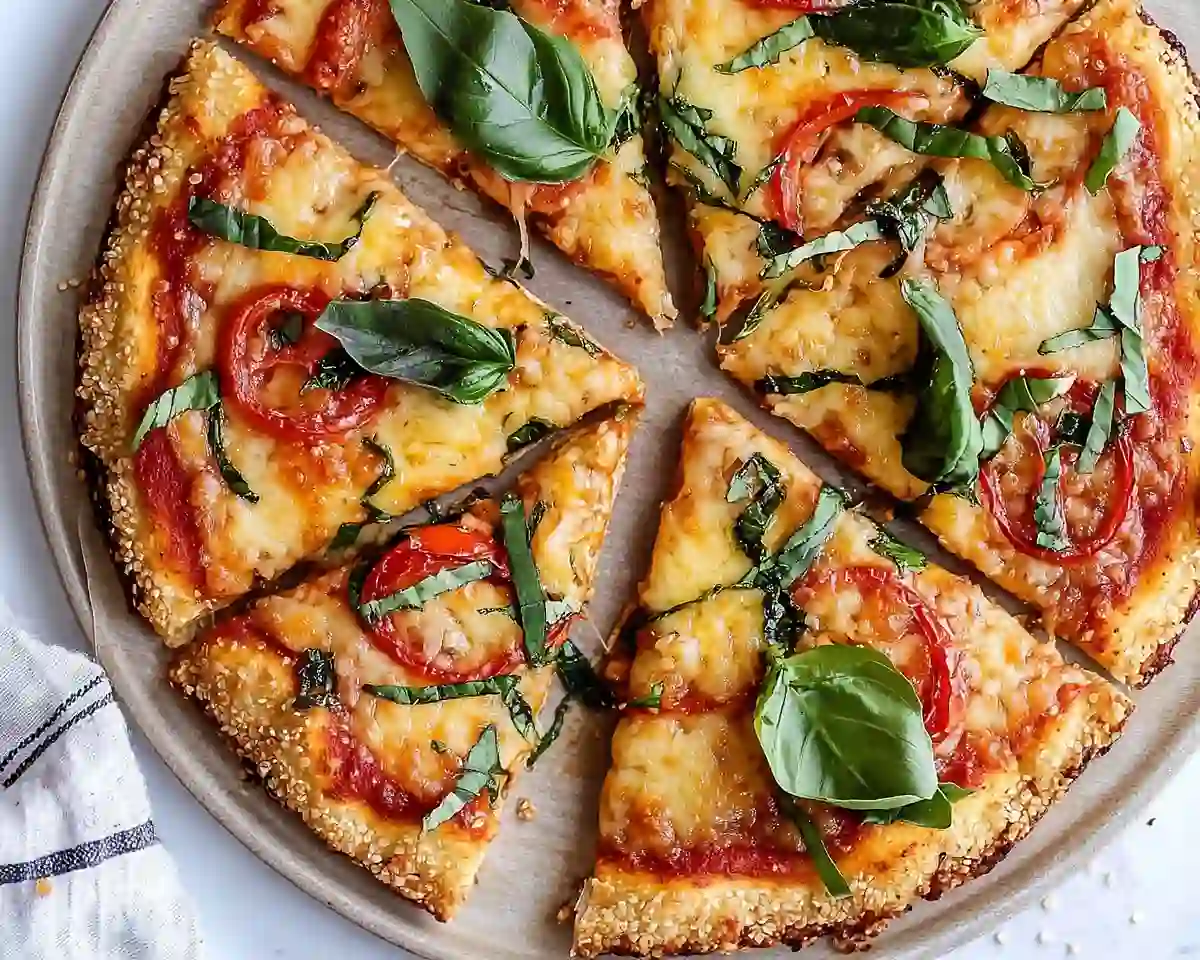
Gluten-Free Quinoa Pizza Crust
Learn how to make a delicious gluten-free quinoa pizza crust at home! This simple, protein-packed recipe delivers crispy edges and a chewy center in under an hour. Perfect for gluten-free families.
You know that moment when you’re craving pizza but feel stuck because of gluten sensitivity? Man, oh man, I’ve been there—standing in the kitchen wondering if homemade pizza was even possible. Enter this gluten-free quinoa pizza crust: a game-changer that’s way easier than it sounds and honestly tastes better than you’d expect.
This crust uses protein-rich quinoa as its secret ingredient, creating a naturally hearty base that holds up to your favorite toppings without crumbling. Whether you’re new to gluten-free baking or you’ve been navigating this lifestyle for years, this gluten-free pizza base comes together in simple steps and delivers restaurant-quality results right in your own kitchen.
The beauty of a healthy quinoa pizza isn’t just the taste—it’s the confidence you’ll feel serving homemade pizza to your family. No more apologizing for a grain-free kitchen or ordering takeout. This recipe proves that homemade gluten-free pizza crust can be both nutritious and absolutely delicious.
Table of Contents
Why This Gluten-Free Quinoa Pizza Works
This gluten-free pizza base succeeds because quinoa brings both structure and nutrition to the table. Unlike traditional gluten-free crusts that can feel crumbly or dense, this healthy quinoa pizza crust uses the grain’s natural protein content to create a cohesive, chewy-crispy texture. The baking powder helps it rise slightly, while the brief pre-baking step ensures a sturdy foundation that won’t sag under toppings.
The result? A homemade gluten-free pizza crust that actually tastes good and holds together beautifully, whether you load it up or keep it simple.
Ingredients
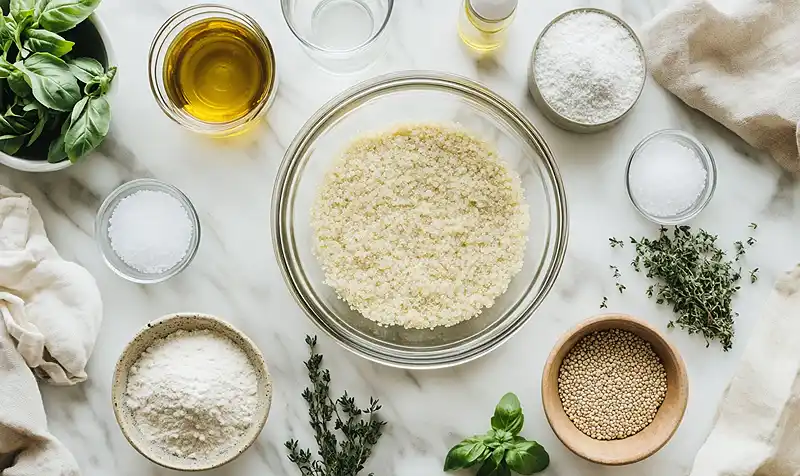
| Ingredient | Amount |
|---|---|
| Uncooked quinoa (soaked)* | 3/4 cup |
| Water | 1/4 cup |
| Baking powder | 1/2 teaspoon |
| Salt | 1/2 teaspoon |
| Olive oil | 1 tablespoon |
| Tomato sauce (optional) | 1/2 cup |
| Shredded goat cheese (optional) | 1 cup |
| Fresh herbs (optional) | To taste |
| Red pepper flakes (optional) | To taste |
*Soaking tip: Soak quinoa for 6–8 hours (or 30 minutes in very hot water if you’re short on time).
Instructions
Step 1: Soak Your Quinoa Start by covering your uncooked quinoa with at least 1 inch of water in a bowl. If you have time, let it soak for 6 to 8 hours—this softens the grain and makes blending easier. In a rush? No problem—use very hot water and soak for just 30 minutes. Either way, you’re removing that bitter outer coating and prepping for a smoother batter.
Step 2: Prep Your Pan and Preheat Preheat your oven to 425°F while you get your baking surface ready. Line a baking pan with parchment paper (you can use either a rectangular baking sheet or a 9-inch cake pan for a circular crust). Spray the entire parchment surface with cooking spray so your crust releases easily after baking.
Step 3: Blend Until Creamy Thoroughly rinse the soaked quinoa under cold water, then add it to your blender. Pour in 1/4 cup of water, baking powder, salt, and olive oil. Blend on high speed until the mixture is completely smooth and creamy—it should look like a thick pancake batter with no visible quinoa grains.
Step 4: Spread and Prebake Pour the smooth batter onto your prepared pan and spread it into an even layer, about 1/8 inch thick. Take your time here to make sure the thickness is consistent, which helps the crust bake evenly and develop that perfect texture. You’ll notice the batter is lighter than traditional pizza dough, which is exactly what you want.
Step 5: First Bake Slide your pan into the preheated oven and bake for 20 minutes. At this point, the crust will look set but pale—don’t worry, that’s normal. Remove the pan and carefully flip the crust directly onto the baking pan, peeling away the parchment paper from the top side as you do. This flip helps both sides crisp up beautifully.
Step 6: Second Bake Return the flipped crust to the oven for another 10 to 15 minutes until it starts to brown and the edges turn golden and crispy. You’ll see the edges pull away slightly from the pan—that’s your signal that the crust is developing that perfect crunch you’re looking for.
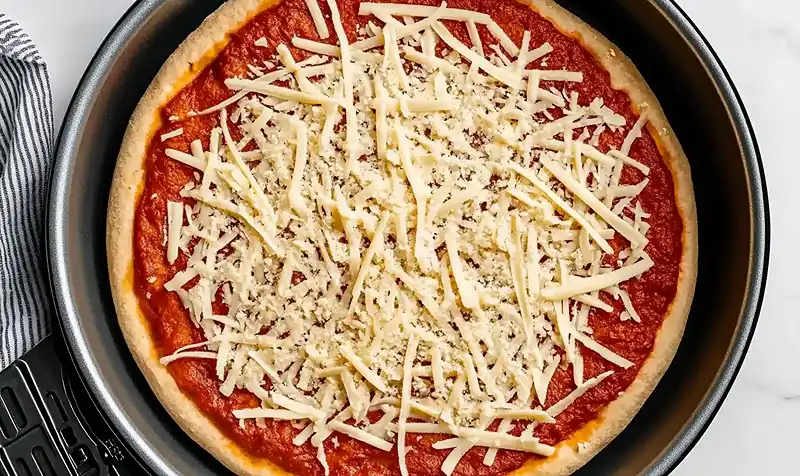
Step 7: Top and Finish Remove the crust from the oven and add your desired toppings: spread tomato sauce, sprinkle shredded cheese, and add any extras like fresh herbs, red pepper flakes, or roasted veggies. Bake for another 12 to 15 minutes until the cheese melts and the toppings are heated through.
Step 8: Cool and Serve Let your finished pizza cool for a few minutes in the pan—this helps the crust set. Transfer it to a cutting board and slice with a sharp knife or pizza wheel. Garnish with extra fresh herbs and a sprinkle of pepper flakes if you like, then serve immediately while everything is warm and the cheese is still melty.
Substitutions for Your Gluten-Free Pizza Base
Using Different Cheeses Not a goat cheese fan? Swap it for mozzarella, ricotta, feta, or any cheese you love. You can even do a blend—half mozzarella and half something with personality. This flexibility makes the recipe adaptable to whatever’s in your fridge and what your family actually enjoys.
Swap the Quinoa for Other Grains You can replace the quinoa with millet or amaranth in the same amounts if you’re looking to vary your gluten-free pizza base. Both grains have similar protein profiles and will blend into a comparable batter. Keep the baking powder and other ingredients the same, and you’ll get very similar results.
Oil Alternatives If you don’t have olive oil, avocado oil or melted coconut oil work wonderfully in this healthy quinoa pizza recipe. Use the same 1 tablespoon amount—these oils add richness and help achieve that golden crust you’re after.
Sauce Swaps Skip the tomato sauce entirely and brush the pre-baked crust with garlic-infused olive oil, then top with fresh arugula and lemon after baking. Or use pesto, a white cream sauce, or BBQ sauce for a completely different vibe. The gluten-free pizza base is your blank canvas.
Make It Dairy-Free Use dairy-free cheese or simply skip cheese altogether and load up on roasted vegetables, fresh herbs, and a drizzle of good olive oil. Your gluten-free pizza base is sturdy enough to stand on its own without any cheese at all.
Looking for savory options beyond pizza? Our savory cheddar and chive waffles are perfect for brunch or a light dinner. They have that same crispy-outside, tender-inside texture that makes them irresistible.
Troubleshooting Your Gluten-Free Quinoa Pizza Crust
Crust Feels Too Thick or Dense If your batter didn’t blend smoothly, you probably have some unblended quinoa grains in there. Pop it back in the blender and pulse until completely creamy. A thick, grainy batter creates a dense crust, so smooth texture is your target.
Crust Is Too Thin and Breaks When You Flip It Make sure you’re spreading your batter to about 1/8 inch thick—not thinner. If it’s papery thin, it won’t have enough structure to hold together during the flip. Also, ensure your crust is fully baked (golden at the edges) before flipping, as an underbaked crust will break too easily.
Edges Are Burning but the Center Isn’t Cooked Lower your oven temperature to 400°F and bake a bit longer. Every oven runs differently, so if you notice burning, you might have a hotter oven than average. You can also tent the edges loosely with foil during the second bake to prevent over-browning while the center finishes cooking.
Crust Is Too Crumbly After Baking This usually means your quinoa wasn’t soaked long enough or rinsed thoroughly, or your batter was too thick. Make sure to soak for at least 30 minutes (6-8 hours is ideal) and rinse well. The batter should blend into a smooth, pancake-batter consistency—not chunky or thick like cookie dough.
Pizza Is Soggy After Adding Wet Toppings If you’re using wet ingredients like fresh tomatoes or lots of sauce, pre-bake your gluten-free pizza base a few extra minutes to create a sturdier foundation. You can also spread your sauce in a thinner layer so moisture doesn’t overwhelm the crust.
Storage and Meal Prep
Storing Your Cooked Crust Well-wrapped cooked crust keeps in the refrigerator for up to 4 days. Store it in an airtight container or wrap tightly in plastic wrap to prevent it from drying out. When you’re ready to use it, reheat at 350°F for about 10 minutes until warmed through, then add fresh toppings and bake until the cheese melts.
Freezing for Later You can freeze your pre-baked gluten-free pizza base for up to 3 months. Wrap it well in plastic wrap and then foil to prevent freezer burn. Thaw it in the refrigerator overnight, then top and bake as you normally would—no extra baking time needed since it’s already cooked.
Make-Ahead Batter If you want to get a jump on dinner prep, you can blend your quinoa batter the night before and store it in an airtight container in the fridge. Spread it on your pan and bake when you’re ready—the crust will turn out just as crispy and delicious.
Serving Suggestions and Pairings
Pair your homemade gluten-free pizza crust with a simple green salad tossed in lemon vinaigrette to balance the richness. The bright acidity cuts through the cheese beautifully and adds freshness to your meal.
Serve with roasted vegetables like zucchini, bell peppers, and cherry tomatoes for a veggie-packed dinner. Roast them separately and add them after the cheese melts so they stay tender and flavorful rather than drying out in the oven.
For a fun family night, set up a pizza topping bar and let everyone customize their own slice. This turns pizza night into an interactive experience where even picky eaters feel invested in what they’re eating.
A cold beverage like sparkling water with fresh lemon or iced herbal tea pairs perfectly with pizza. The coolness and slight sparkle complement the warm, cheesy crust without overwhelming it.
Variations and Dietary Adjustments
Kid-Friendly Crust Keep the toppings simple for younger palates: mild cheese, light tomato sauce, and maybe some finely chopped herbs. Kids often love the fun of assembling their own pizza, so let them help spread sauce and sprinkle cheese—it makes them more excited to eat it.
Higher-Protein Version Add 2 tablespoons of ground flaxseed or chia seeds to your batter before blending to boost the protein content even more. These additions blend seamlessly and give the gluten-free quinoa pizza an extra nutritional boost without changing the texture noticeably.
Cauliflower Crust Hybrid Mix 1/4 cup riced cauliflower into your blended quinoa batter for a lighter, veggie-forward crust. The cauliflower blends into the batter smoothly and adds moisture, so you might need slightly less water—start with 3 tablespoons and add more if needed.
Herb-Infused Crust Blend 1/4 cup fresh basil or 2 tablespoons of Italian seasoning directly into your batter before spreading. This infuses the entire gluten-free pizza base with flavor so you don’t need as much seasoning on the toppings.
Savory Nutrition Boost Stir in 1 tablespoon of nutritional yeast and 1/2 teaspoon of garlic powder to the batter for a cheesy, umami-forward crust. These additions complement the quinoa beautifully and add B vitamins to your meal.
FAQs About Gluten-Free Quinoa Pizza
Can I make this without soaking the quinoa?
You technically can, but soaking really does make a difference. Soaking removes the saponin coating that can taste bitter and makes the grain blend more smoothly into a creamy batter. If you’re truly pressed for time, use the hottest water from your tap and soak for at least 30 minutes—it’s worth that small delay.
How do I know when the crust is fully cooked?
Look for golden-brown edges and listen for a slight hollow sound when you tap the underside. The crust should feel firm (not soft or squishy) when you press it gently. If the center still feels spongy, bake for another 5 minutes and check again.
Can I use instant quinoa instead?
Instant quinoa won’t work as well since it’s been partially pre-cooked. Regular quinoa (even quick-cook varieties) works better because it blends into a smoother batter. Stick with standard uncooked quinoa for the best results with this gluten-free pizza base.
What if I don’t have a blender?
A food processor works beautifully for this recipe—process until smooth and creamy, which might take a minute or two longer than a blender. A immersion blender can work too, though you’ll need to blend in a deeper bowl and do it in batches to avoid splattering.
Is this crust suitable for meal prep?
Absolutely! Pre-bake your gluten-free pizza base early in the week and store it in the fridge for up to 4 days. When you’re ready for pizza, top it and bake—dinner comes together in minutes even on your busiest nights.
Can I double this recipe?
Yes, simply double all the ingredients and use a larger baking pan or make two pizzas. The baking times stay the same, though you might need to rotate larger pans halfway through to ensure even browning.
Final Thoughts
Creating a homemade gluten-free pizza crust from scratch might feel intimidating at first, but this quinoa-based version proves it’s absolutely within reach. You don’t need fancy equipment or obscure ingredients—just a blender, basic pantry staples, and a little patience while your quinoa soaks.
The confidence you’ll feel pulling a perfectly golden healthy quinoa pizza from the oven? That’s worth every minute of preparation. Your family’s reactions when they taste how delicious real, homemade gluten-free pizza can be? That’s the real reward.
Give this recipe a try this week, and don’t hesitate to make notes on your oven’s quirks or your family’s favorite toppings. Each time you make it, you’ll get more comfortable, and soon this gluten-free pizza base will be part of your regular weeknight rotation. Happy pizza-making!
For a deeper dive into gluten-free baking science, check out this authoritative guide to gluten-free grain substitutions to understand how different grains behave in recipes. Understanding why these substitutions work helps you adapt recipes confidently.
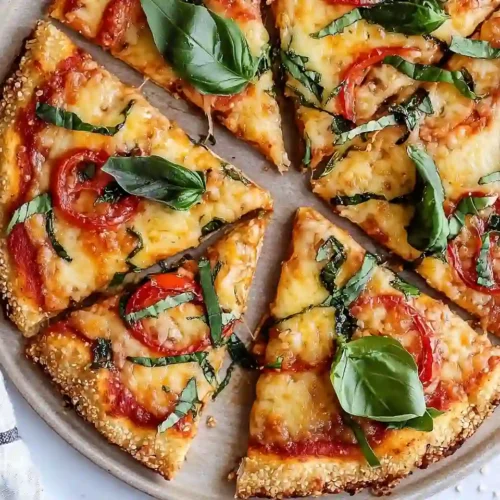
Crispy Gluten-Free Quinoa Pizza Crust
Equipment
- Blender
- Baking pan
- Parchment paper
- Measuring cups
- Measuring spoons
- Oven
- Cutting board
- Pizza wheel or sharp knife
Ingredients
For the Quinoa Pizza Crust
- ¾ cup Uncooked Quinoa (soaked) Soak for 6-8 hours, or 30 minutes in very hot water if short on time
- ¼ cup Water For blending after rinsing soaked quinoa
- ½ teaspoon Baking Powder
- ½ teaspoon Salt
- 1 tablespoon Olive Oil
Optional Pizza Toppings
- ½ cup Tomato Sauce
- 1 cup Shredded Goat Cheese Or mozzarella, ricotta, feta, or dairy-free cheese
- To taste Fresh Herbs Basil, oregano, or Italian seasoning
- To taste Red Pepper Flakes
Instructions
- Step 1: Soak Your Quinoa Start by covering your uncooked quinoa with at least 1 inch of water in a bowl. If you have time, let it soak for 6 to 8 hours—this softens the grain and makes blending easier. In a rush? No problem—use very hot water and soak for just 30 minutes. Either way, you’re removing that bitter outer coating and prepping for a smoother batter.
- Step 2: Prep Your Pan and Preheat Preheat your oven to 425°F while you get your baking surface ready. Line a baking pan with parchment paper (you can use either a rectangular baking sheet or a 9-inch cake pan for a circular crust). Spray the entire parchment surface with cooking spray so your crust releases easily after baking.
- Step 3: Blend Until Creamy Thoroughly rinse the soaked quinoa under cold water, then add it to your blender. Pour in 1/4 cup of water, baking powder, salt, and olive oil. Blend on high speed until the mixture is completely smooth and creamy—it should look like a thick pancake batter with no visible quinoa grains.
- Step 4: Spread and Prebake Pour the smooth batter onto your prepared pan and spread it into an even layer, about 1/8 inch thick. Take your time here to make sure the thickness is consistent, which helps the crust bake evenly and develop that perfect texture. You’ll notice the batter is lighter than traditional pizza dough, which is exactly what you want.
- Step 5: First Bake Slide your pan into the preheated oven and bake for 20 minutes. At this point, the crust will look set but pale—don’t worry, that’s normal. Remove the pan and carefully flip the crust directly onto the baking pan, peeling away the parchment paper from the top side as you do. This flip helps both sides crisp up beautifully.
- Step 6: Second Bake Return the flipped crust to the oven for another 10 to 15 minutes until it starts to brown and the edges turn golden and crispy. You’ll see the edges pull away slightly from the pan—that’s your signal that the crust is developing that perfect crunch you’re looking for.
- Step 7: Top and Finish Remove the crust from the oven and add your desired toppings: spread tomato sauce, sprinkle shredded cheese, and add any extras like fresh herbs, red pepper flakes, or roasted veggies. Bake for another 12 to 15 minutes until the cheese melts and the toppings are heated through.
- Step 8: Cool and Serve Let your finished pizza cool for a few minutes in the pan—this helps the crust set. Transfer it to a cutting board and slice with a sharp knife or pizza wheel. Garnish with extra fresh herbs and a sprinkle of pepper flakes if you like, then serve immediately while everything is warm and the cheese is still melty.