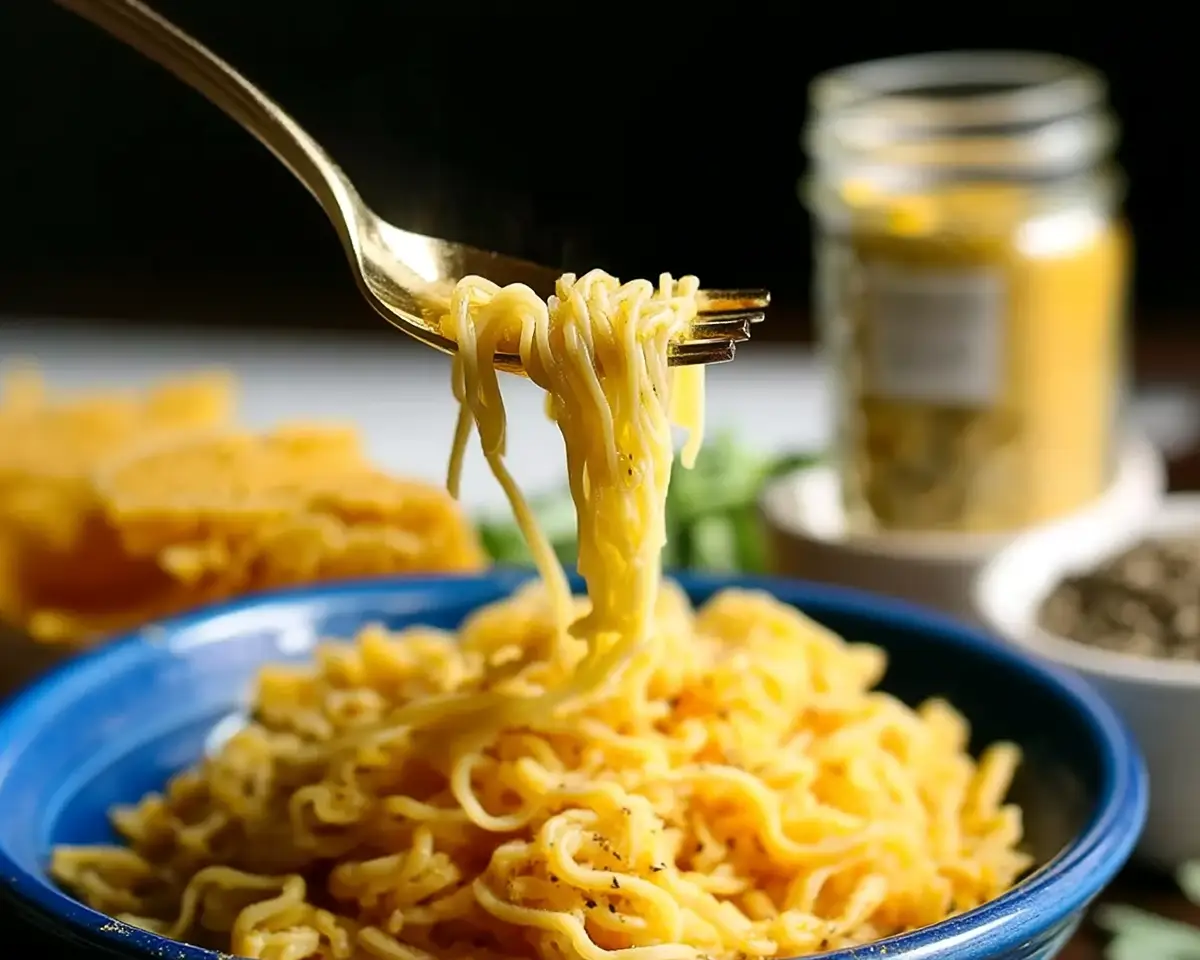
Gluten-Free Ramen Seasoning
Make your own gluten-free ramen seasoning in 5 minutes! This easy, budget-friendly, dairy-free blend beats store-bought packets every time.
You know what? I used to stare at those little ramen seasoning packets with total envy before going gluten-free. My kids would slurp up instant noodles while I watched from the sidelines, wishing I could whip up something just as easy and comforting. Then I discovered I could make my own gluten-free ramen seasoning—and honestly, it tastes better than anything I ever bought at the store.
This homemade gluten-free ramen seasoning mix is a total game-changer for busy weeknights. It’s vegan, dairy-free, and comes together in literally five minutes with pantry staples you probably already have. Plus, you can pronounce every single ingredient (always a win in my book).
Whether you’re navigating gluten sensitivity or just want a cleaner alternative to those mystery-ingredient packets, this seasoning blend delivers that savory, umami-rich flavor we all crave. It’s become my secret weapon for quick lunches, after-school snacks, and those nights when cooking feels like climbing Mount Everest.
Table of Contents

Gluten-Free Ramen Seasoning
Equipment
- Small mixing bowl
- Measuring spoons
- Sealed container or mason jar
- Microwave-safe glass bowl
Ingredients
For the Seasoning Mix
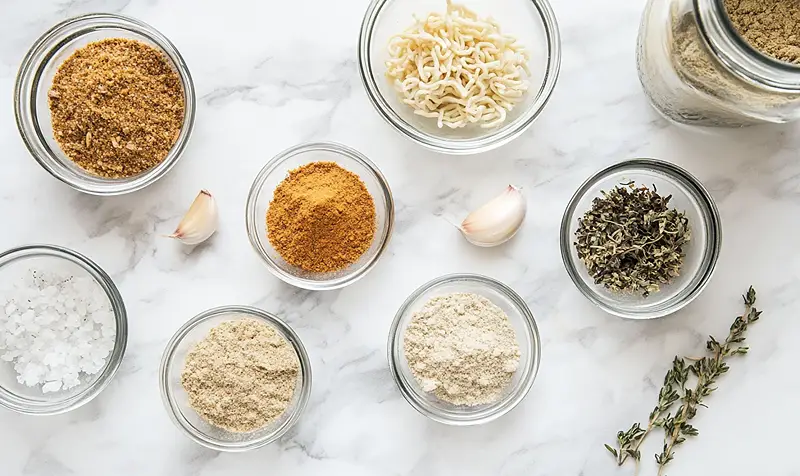
- ¼ cup nutritional yeast
- 2 teaspoons salt
- 2 teaspoons garlic powder
- 2 teaspoons onion powder
- 2 teaspoons dried basil
- 2 teaspoons dried oregano
- 1 teaspoon black pepper
For Making Ramen (per serving)
- 1 brick gluten-free ramen noodles Lotus Foods recommended
- 1 tablespoon ramen seasoning mix from recipe above
- 1 cup broth chicken, beef, vegetable, or bone broth
Instructions
- Grab a small mixing bowl and add all your ingredients—the nutritional yeast, salt, garlic powder, onion powder, basil, oregano, and black pepper. Give everything a good stir until the spices are evenly distributed and you’ve got a beautifully fragrant blend.
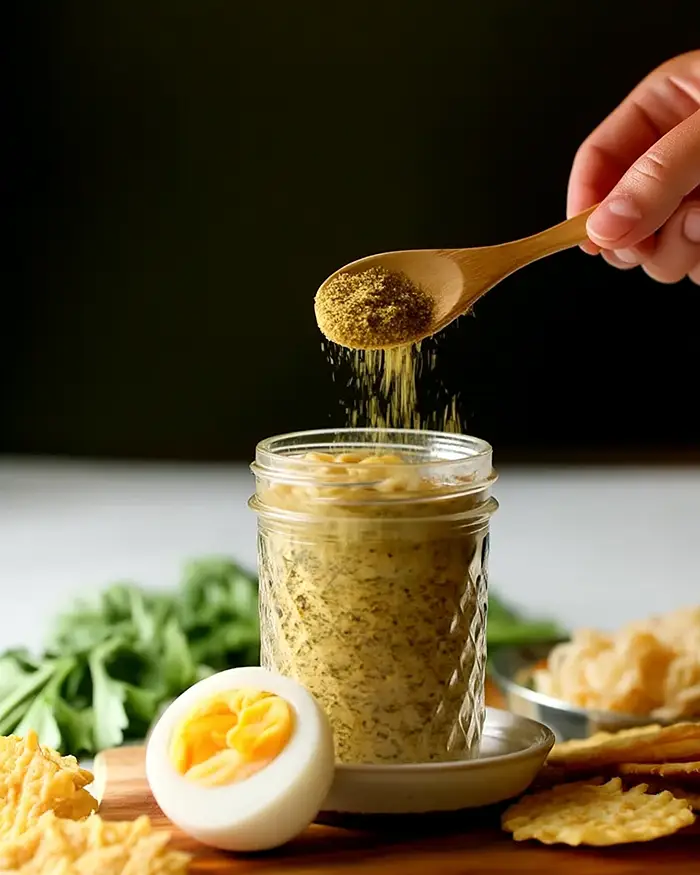
- Transfer your gluten-free ramen seasoning to a sealed container (I love using small mason jars because they’re cute and functional). Store it in your pantry where it’ll stay fresh for up to three months, ready whenever that ramen craving hits.
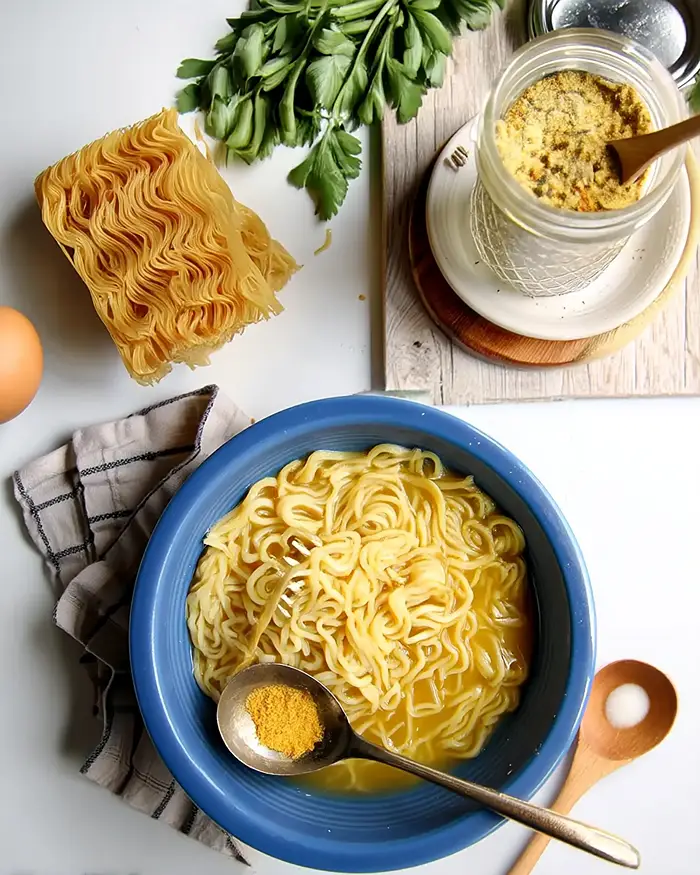
- When you’re ready to make your ramen, place one brick of gluten-free ramen noodles in a microwave-safe glass bowl. I use Lotus Foods gluten-free ramen noodles from Costco, though you can snag them on Amazon too if you don’t have a membership.
- Sprinkle one tablespoon of your homemade seasoning over the noodles, then pour one cup of broth over everything. I’m partial to chicken broth for that classic comfort-food taste, but beef or vegetable broth works beautifully for a clean eating dairy free gluten free option.
- Microwave in one-minute intervals, flipping the noodles each time to help them cook evenly. You’re looking at about four to five minutes total until the noodles reach your preferred softness—some like them slightly firm, others prefer them super tender.
- Let your ramen rest for a few minutes before diving in (I know it’s hard to wait when it smells this good). This brief cooling period lets the flavors meld together and saves your tongue from getting burned—trust me on this one.
Notes
Ingredients
| Ingredient | Amount |
|---|---|
| Nutritional yeast | 1/4 cup |
| Salt | 2 teaspoons |
| Garlic powder | 2 teaspoons |
| Onion powder | 2 teaspoons |
| Dried basil | 2 teaspoons |
| Dried oregano | 2 teaspoons |
| Black pepper | 1 teaspoon |
Instructions
Step 1: Grab a small mixing bowl and add all your ingredients—the nutritional yeast, salt, garlic powder, onion powder, basil, oregano, and black pepper. Give everything a good stir until the spices are evenly distributed and you’ve got a beautifully fragrant blend.
Step 2: Transfer your gluten-free ramen seasoning to a sealed container (I love using small mason jars because they’re cute and functional). Store it in your pantry where it’ll stay fresh for up to three months, ready whenever that ramen craving hits.
Step 3: When you’re ready to make your ramen, place one brick of gluten-free ramen noodles in a microwave-safe glass bowl. I use Lotus Foods gluten-free ramen noodles from Costco, though you can snag them on Amazon too if you don’t have a membership.
Step 4: Sprinkle one tablespoon of your homemade seasoning over the noodles, then pour one cup of broth over everything. I’m partial to chicken broth for that classic comfort-food taste, but beef or vegetable broth works beautifully for a clean eating dairy free gluten free option.
Step 5: Microwave in one-minute intervals, flipping the noodles each time to help them cook evenly. You’re looking at about four to five minutes total until the noodles reach your preferred softness—some like them slightly firm, others prefer them super tender.
Step 6: Let your ramen rest for a few minutes before diving in (I know it’s hard to wait when it smells this good). This brief cooling period lets the flavors meld together and saves your tongue from getting burned—trust me on this one.
Substitutions
Nutritional yeast alternatives: If you can’t find nutritional yeast or need a substitute, try using half the amount of dried mushroom powder for that umami depth. You can also mix in a bit of miso powder if you keep it in your pantry, though it’ll add a slightly different flavor profile.
Herb swaps: Don’t have basil or oregano on hand? Dried parsley, thyme, or even a pinch of dried rosemary work great in this gf and vegan recipes blend. Just stick with herbs you actually enjoy since they’ll definitely shine through in the final taste.
Salt considerations: For a lower-sodium version of this gluten-free ramen seasoning, cut the salt in half and add extra garlic and onion powder. You can always sprinkle more salt into your individual bowl when you’re making ramen if you find it needs more.
Broth options: Any broth works here—bone broth adds extra protein and nutrients, while vegetable broth keeps things plant-based. According to trusted nutrition research from the Harvard T.H. Chan School of Public Health, bone broth offers additional collagen benefits that support gut health.
Troubleshooting
Seasoning tastes flat: If your blend seems bland, it might be time to refresh your spice cabinet. Dried herbs and spices lose potency after about six months, so check those dates. A quick fix is adding an extra half teaspoon of garlic powder or a pinch of smoked paprika for depth.
Noodles turn mushy: This usually happens from overcooking or using too much liquid. Stick to exactly one cup of broth per brick, and check your noodles at the three-minute mark instead of waiting the full five minutes.
Too salty: Different brands of gluten-free ramen noodles have varying sodium levels already built in. If your first batch turns out salty, reduce the seasoning to two teaspoons per serving next time, or switch to a low-sodium broth.
Clumpy seasoning mix: Moisture is the enemy here. Make sure all your spices are completely dry before mixing, and store your blend in an airtight container away from the stove or any steam sources.
Storage
Keep your homemade gluten-free ramen seasoning in an airtight container (mason jars, small Tupperware, or even a repurposed spice jar work perfectly). Store it in a cool, dry spot in your pantry away from direct sunlight, where it’ll maintain its flavor and potency for up to three months.
For meal prep wins, I like to portion out individual tablespoons into small zip-top bags or reusable silicone containers. This makes it super easy to grab exactly what you need for quick lunches at work or when the kids want to make their own gluten sensitive recipes snacks after school.
Serving Suggestions
Well… this seasoning isn’t just for ramen, my friend. Sprinkle it over popcorn for a savory movie-night treat, or stir a teaspoon into scrambled eggs for an instant flavor upgrade. I’ve even mixed it into softened butter and spread it on our dairy-free bread recipes for the easiest garlic bread ever.
Try adding cooked vegetables, a soft-boiled egg, or some shredded rotisserie chicken to your ramen bowl for a more substantial meal. Green onions, baby spinach, and frozen peas all cook perfectly right in the hot broth—no extra dishes required.
For a complete clean eating dairy free gluten free meal, pair your ramen with a simple side salad or some steamed edamame. During busy weeknights, I’ll often make a double batch so we have quick comfort food ready to go whenever hunger strikes.
Variations
Spicy version: Add one to two teaspoons of red pepper flakes or a half teaspoon of cayenne pepper to the base mix. My teenager loves this kicked-up version, while my younger kids stick with the mild blend—making two small batches lets everyone customize their bowl.
Asian-inspired twist: Mix in a teaspoon of ground ginger and half a teaspoon of Chinese five-spice powder for deeper, more complex vegan seasoning recipes flavor. This variation pairs especially well with vegetable broth and extra mushrooms stirred into your finished ramen.
Kid-friendly mild blend: Skip the black pepper entirely and add an extra teaspoon of nutritional yeast instead. Sometimes simple is exactly what picky eaters need, and this gentler version still packs plenty of savory goodness without any heat.
Protein boost: While not technically part of the seasoning, I often stir a spoonful of white miso paste directly into the hot broth along with the seasoning. It adds gut-friendly probiotics and creates an even richer base for your gluten-free ramen—perfect for those days when you need something extra nourishing.
Gluten-Free Ramen Seasoning FAQs
Can I make a bigger batch of this gluten-free ramen seasoning?
Absolutely! Just multiply the recipe by however many batches you want. I usually make a triple batch every month or so, which keeps our family stocked without taking up too much pantry space.
What’s the best gluten-free ramen noodle brand to use?
Lotus Foods is my go-to because their texture is nearly identical to regular ramen noodles. Other solid options include Explore Cuisine and King Soba—all work beautifully with this homemade seasoning blend.
How does nutritional yeast add flavor?
Man, oh man, nutritional yeast is like magic for vegan and dairy-free cooking! It brings a naturally cheesy, savory umami taste that mimics the depth you’d get from traditional bouillon cubes, without any animal products or gluten.
Why use broth instead of just water?
Broth adds an extra layer of flavor and nutrition that plain water simply can’t match. It creates a richer, more satisfying bowl that actually feels like a meal rather than just noodles in seasoned water.
Best way to customize the spice level?
Start with the base recipe as written, then adjust heat in individual bowls rather than the whole batch. Keep red pepper flakes or hot sauce on the table so everyone can dial up their preferred spice level without affecting the entire family’s portions.
How does this compare to store-bought packets?
Store-bought seasoning packets often contain hidden gluten, MSG, and preservatives you don’t need. This homemade version gives you complete control over ingredients while tasting fresher and more vibrant—plus it’s way more budget-friendly when you buy spices in bulk.
Make This Recipe Your Own
This gluten-free ramen seasoning has seriously simplified our weeknight dinner rotation and lunch prep situation. It’s one of those rare recipes that’s genuinely faster than ordering takeout, costs pennies per serving, and actually makes everyone happy (including picky eaters and gluten-sensitive grown-ups).
Once you’ve mastered this basic blend, you’ll probably find yourself sprinkling it on everything from roasted vegetables to hearty vegan stews. I love having a jar of this sitting next to my salt and pepper—it’s become one of my most-reached-for seasonings, right up there with garlic powder.
The beauty of homemade seasoning mixes is that you can adjust them to match exactly what your family loves. Maybe you’ll discover that extra oregano is your thing, or that a pinch of smoked paprika takes your ramen to the next level. That’s the whole point of cooking from scratch—making it yours.
If you’re just starting your gluten-free journey, recipes like this prove you don’t have to give up convenience or comfort food. Sometimes the simplest solutions—like mixing seven ingredients in a bowl—create the most satisfying results. And when you can feed your family a warm, nourishing meal in under ten minutes using ingredients you feel good about? That’s a win worth celebrating.
Try pairing this with our favorite gluten-free breakfast cookies for a balanced meal that covers all your bases. Or keep both recipes handy for those days when you need quick, reliable options that won’t let you down.
Happy cooking, friends! Here’s to making gluten-free living a little easier, one delicious shortcut at a time.