Gluten-Free Ravioli Recipe
Make tender gluten-free ravioli at home with this simple recipe. Fresh pasta dough, creamy ricotta filling, and tips for perfect pillowy results every time.
You know that moment when you’re craving fresh pasta but think it’s too complicated on a gluten-free diet? I totally get it.
I used to walk past the fresh pasta section at the grocery store with serious envy, convinced that homemade gluten-free ravioli was reserved for Italian grandmas with way more patience than me. Then one rainy Saturday, I decided to just try it—and honestly, it was easier than I expected.
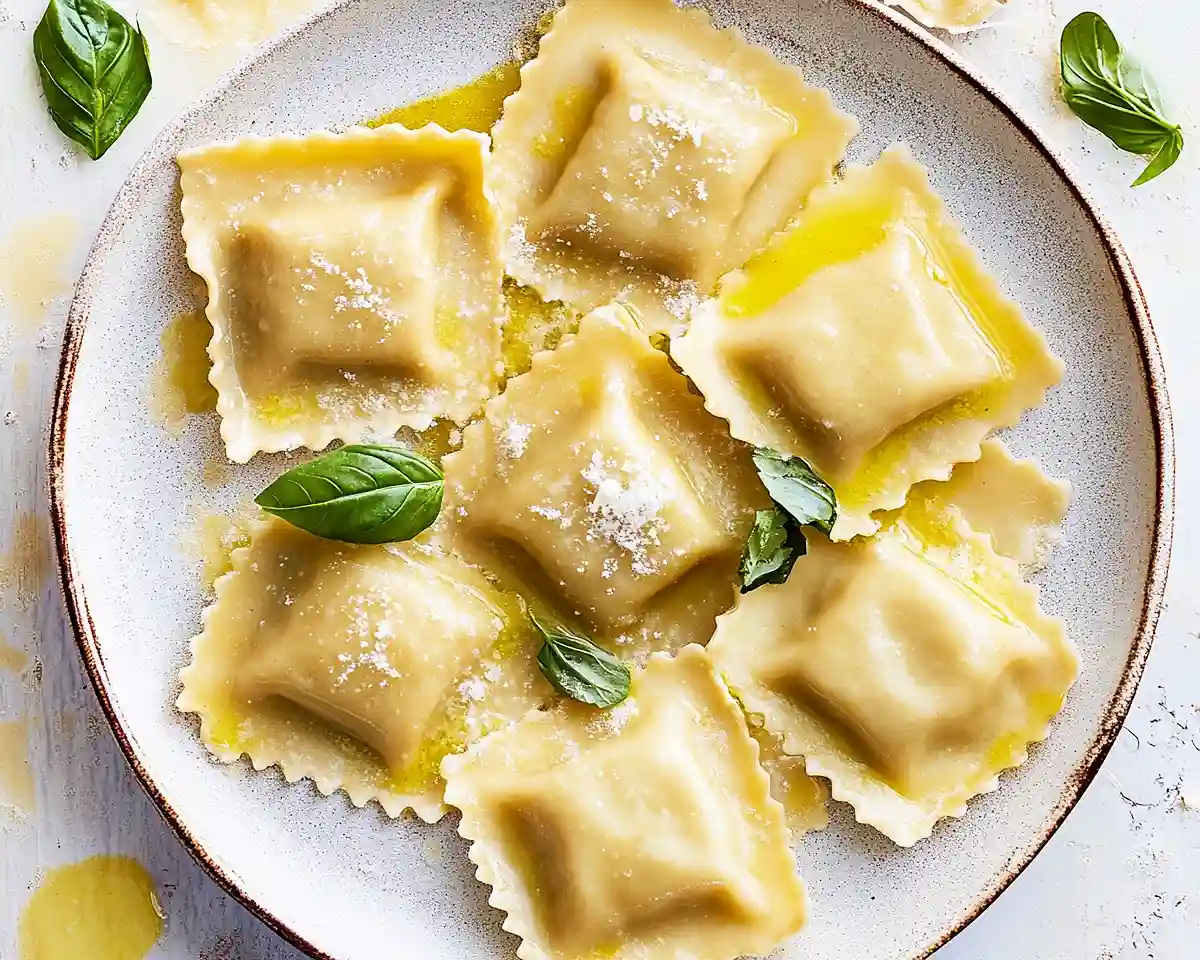
This gluten-free ravioli recipe uses simple pantry ingredients and doesn’t require fancy equipment. Whether you’re planning a cozy Sunday dinner or want to impress someone for Valentine’s Day, these delicate stuffed pasta pillows deliver restaurant-quality results right from your own kitchen.
Cheesy, delicate, and completely gluten-free! Try this easy gluten-free pasta recipes for more flavorful and comforting dishes.
Table of Contents
Ingredients
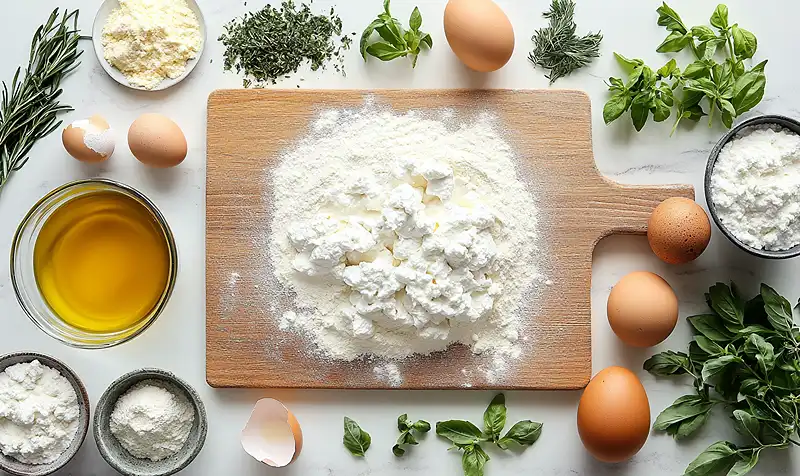
Dough Ingredients
- 1 ½ cups all-purpose gluten-free flour
- 1 teaspoon xanthan gum (omit if your blend already contains it)
- ½ teaspoon fine sea salt
- 2 large eggs
- 2 tablespoons water
- 2 tablespoons olive oil
Filling Ingredients
- 1 cup ricotta cheese
- ½ cup freshly grated Parmesan cheese
- 1 tablespoon fresh lemon juice
- ¼ teaspoon black pepper
- Pinch of nutmeg
- Pinch of salt
Instructions
Step 1: In a large bowl, whisk together the gluten-free flour, xanthan gum (if using), and salt. Create a well in the center and add the eggs, water, and olive oil. This classic well method helps you control the moisture as you mix.
Step 2: Using a fork, gradually incorporate the dry ingredients into the wet ingredients until a shaggy dough forms. Don’t worry if it looks a bit messy at first—that’s totally normal with gluten-free dough.
Step 3: Turn the dough onto a lightly floured surface and knead for 2-3 minutes until smooth and pliable. The dough should feel soft but not sticky—kind of like Play-Doh that actually cooperates with you.
Step 4: Cover with plastic wrap tightly and let rest for 30 minutes. This resting time lets the flour hydrate fully, making your homemade gluten-free ravioli much easier to roll out.
Step 5: In a bowl, combine the ricotta cheese, Parmesan cheese, lemon juice, black pepper, nutmeg, and salt. Mix well and set aside. That little touch of lemon brightens everything up beautifully.
Step 6: Divide the dough into 6 equal portions. Work with one portion at a time (cover the others to prevent drying). On a lightly floured surface, roll out the dough into a thin rectangle, about 10×4 inches, and about 1/8-inch thick.
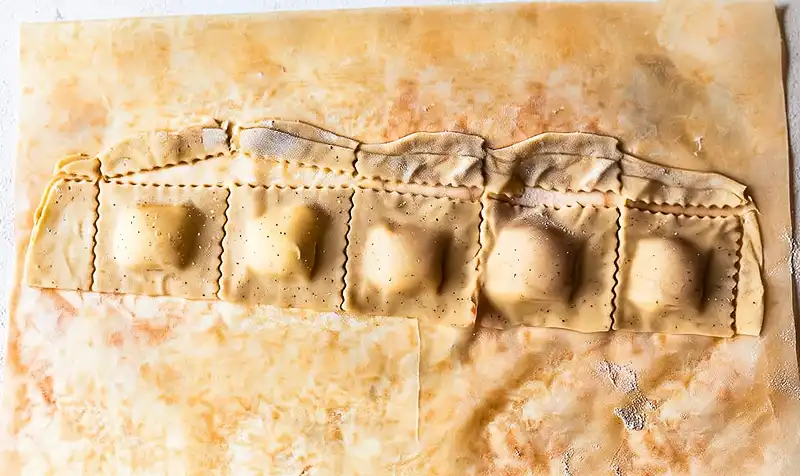
Step 7: Place heaping tablespoonfuls of the filling about 2 inches apart on one half of the dough sheet. Resist the urge to overfill—I learned that lesson when my first batch burst open in the pot!
Step 8: Fold the other half of the dough over the filling and press gently around each filling to seal the ravioli. Use your fingers to press out any air pockets, which helps prevent them from splitting during cooking.
Step 9: Use a ravioli cutter or a knife to cut out individual ravioli squares or rounds. A fluted pastry wheel creates those pretty crimped edges if you have one.
Step 10: Place the formed ravioli on a lightly floured surface while you work with the remaining dough and filling. They’ll wait patiently while you finish the rest.
Step 11: To cook the ravioli, bring a large pot of salted water to a boil. Then turn the heat down to low and gently drop the ravioli into the water and cook for 3-4 minutes, or until they float to the surface and are tender. The floating is your signal that they’re done.
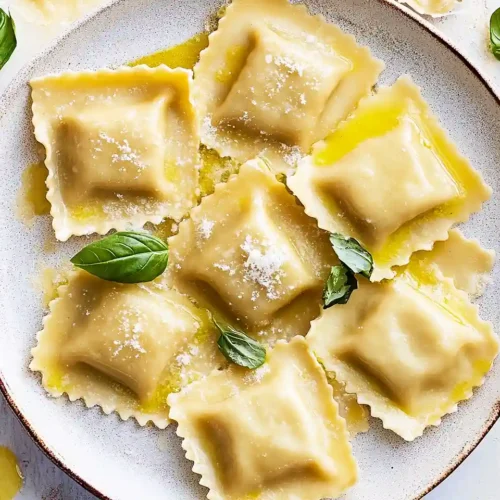
Step 12: Remove the cooked gluten-free ravioli with a slotted spoon and serve immediately with your desired sauce or toppings. I love them with just butter, sage, and extra Parmesan, but marinara works beautifully too.
Substitutions
Flour blend: If you don’t have an all-purpose gluten-free flour blend on hand, try combining equal parts rice flour and tapioca starch with a bit of potato starch. According to trusted gluten-free baking science resources, this combination mimics the texture of traditional pasta dough quite well.
Cheese: Swap the ricotta for well-drained cottage cheese if that’s what you have. Just make sure to press out excess moisture with paper towels first, or your filling will be too runny.
Dairy-free option: Use cashew cream cheese in place of ricotta and nutritional yeast instead of Parmesan for a dairy-free version. The texture won’t be identical, but it’s still delicious and works great for guests with multiple dietary needs.
Troubleshooting
Dough too dry? Add water one teaspoon at a time until it comes together. Gluten-free flour blends vary quite a bit in absorbency, so don’t be afraid to adjust.
Dough too sticky? Dust your work surface and rolling pin with extra gluten-free flour. You can also chill the dough for 10 minutes if it’s being fussy—cold dough is easier to handle.
Ravioli breaking during cooking? Make sure you’ve sealed the edges really well and pressed out all the air bubbles. Also, keep that water at a gentle simmer rather than a rolling boil, which can be too aggressive for delicate gluten-free fresh ravioli.
Storage
Store uncooked gluten-free ravioli on a parchment-lined baking sheet in the fridge for up to 24 hours, or freeze them for up to 3 months. Just freeze them on the baking sheet first, then transfer to a freezer bag once solid so they don’t stick together.
Cooked ravioli keeps in an airtight container in the fridge for 2-3 days. Reheat gently in a skillet with a little butter or olive oil to revive them.
Serving Suggestions
Well… the simplest way to serve these beauties is with melted butter, fresh sage, and a generous shower of Parmesan. It lets the delicate pasta shine without competing flavors.
For something heartier, toss your gluten-free stuffed pasta with marinara sauce and fresh basil, or try a creamy Alfredo. They’re also wonderful in a light broth with vegetables for a comforting soup.
Pair them with a crisp green salad and maybe some gluten-free cheese scones on the side for a complete Italian-inspired dinner that’ll make everyone at the table happy.
Variations
Spinach and ricotta: Add ½ cup of squeezed-dry cooked spinach to your ricotta filling for a classic combination. This sneaks in some veggies, which is always a win for busy families.
Butternut squash filling: Replace the ricotta mixture with roasted, mashed butternut squash mixed with Parmesan, sage, and a touch of brown sugar. This version is perfect for fall and Thanksgiving gatherings.
Kid-friendly option: Use plain ricotta without the lemon and nutmeg if your kids prefer milder flavors. You can also let them help with cutting out the ravioli shapes—it’s like edible craft time.
Meat filling: Mix cooked ground beef or Italian sausage with ricotta and mozzarella for a heartier gluten-free Italian ravioli. Just make sure everything’s fully cooked before filling.
Gluten-Free Ravioli Recipe FAQs
Do they have gluten-free ravioli?
Yes, several brands make gluten-free ravioli, including some frozen options at specialty stores. However, making your own homemade gluten-free ravioli gives you complete control over ingredients and freshness, plus it tastes way better than most store-bought versions.
What makes pasta gluten-free?
Gluten-free pasta replaces traditional wheat flour with alternative flours like rice, corn, quinoa, or chickpea flour. Man, oh man, the right blend makes all the difference—xanthan gum or similar binders help mimic gluten’s elasticity so your dough holds together beautifully.
How long to cook homemade gluten-free ravioli?
Cook fresh gluten-free ravioli for 3-4 minutes in gently simmering water until they float to the surface. Frozen ravioli will need an extra minute or two, but the floating trick still works as your best indicator.
Can tortellini be gluten-free?
Absolutely! You can use this same dough recipe to make gluten-free tortellini by cutting smaller circles and folding them differently. The process takes a bit more hand-shaping, but the result is totally worth it for special occasions.
Is Barilla pasta really gluten-free?
Barilla does make certified gluten-free pasta lines using corn and rice, and they’re quite reliable for dried pasta. According to authoritative celiac disease research, certified gluten-free products must contain less than 20 parts per million of gluten, making them safe for most people with celiac disease.
Additional Tips
Store your all-purpose gluten-free flour blend in an airtight container in a cool, dry place to maintain freshness. Different brands can perform differently, so stick with what works for you.
If you’re new to gluten-free cooking, check out this complete gluten-free baking guide for more tips on working with alternative flours. The techniques you learn making ravioli will help with other pasta projects too.
For breakfast the next morning, try these fluffy gluten-free pumpkin pancakes—because carbs are never a bad idea when they’re this good.
Making gluten-free ravioli at home might sound intimidating, but it’s honestly one of those recipes that gets easier every time you make it. The first batch teaches you what the dough should feel like, and by the second or third time, you’ll be rolling and filling like a pro. Trust me, the look on your family’s faces when you serve fresh, handmade pasta is absolutely priceless.
Gluten-Free Ravioli
Equipment
- Large mixing bowl
- Whisk
- Fork
- Plastic wrap
- Rolling Pin
- Ravioli cutter or knife
- Large pot
- Slotted spoon
Ingredients
Dough Ingredients
- 1 ½ cups all-purpose gluten-free flour
- 1 teaspoon xanthan gum omit if your blend already contains it
- ½ teaspoon fine sea salt
- 2 large eggs
- 2 tablespoons water
- 2 tablespoons olive oil
Filling Ingredients
- 1 cup ricotta cheese
- ½ cup freshly grated Parmesan cheese
- 1 tablespoon fresh lemon juice
- ¼ teaspoon black pepper
- 1 pinch nutmeg
- 1 pinch salt
Instructions
- In a large bowl, whisk together the gluten-free flour, xanthan gum (if using), and salt. Create a well in the center and add the eggs, water, and olive oil. This classic well method helps you control the moisture as you mix.
- Using a fork, gradually incorporate the dry ingredients into the wet ingredients until a shaggy dough forms. Don’t worry if it looks a bit messy at first—that’s totally normal with gluten-free dough.
- Turn the dough onto a lightly floured surface and knead for 2-3 minutes until smooth and pliable. The dough should feel soft but not sticky—kind of like Play-Doh that actually cooperates with you.
- Cover with plastic wrap tightly and let rest for 30 minutes. This resting time lets the flour hydrate fully, making your homemade gluten-free ravioli much easier to roll out.
- In a bowl, combine the ricotta cheese, Parmesan cheese, lemon juice, black pepper, nutmeg, and salt. Mix well and set aside. That little touch of lemon brightens everything up beautifully.
- Divide the dough into 6 equal portions. Work with one portion at a time (cover the others to prevent drying). On a lightly floured surface, roll out the dough into a thin rectangle, about 10×4 inches, and about 1/8-inch thick.
- Place heaping tablespoonfuls of the filling about 2 inches apart on one half of the dough sheet. Resist the urge to overfill—I learned that lesson when my first batch burst open in the pot!
- Fold the other half of the dough over the filling and press gently around each filling to seal the ravioli. Use your fingers to press out any air pockets, which helps prevent them from splitting during cooking.
- Use a ravioli cutter or a knife to cut out individual ravioli squares or rounds. A fluted pastry wheel creates those pretty crimped edges if you have one.
- Place the formed ravioli on a lightly floured surface while you work with the remaining dough and filling. They’ll wait patiently while you finish the rest.
- To cook the ravioli, bring a large pot of salted water to a boil. Then turn the heat down to low and gently drop the ravioli into the water and cook for 3-4 minutes, or until they float to the surface and are tender. The floating is your signal that they’re done.
- Remove the cooked gluten-free ravioli with a slotted spoon and serve immediately with your desired sauce or toppings. I love them with just butter, sage, and extra Parmesan, but marinara works beautifully too.