Gluten-Free Red Lentil Bread
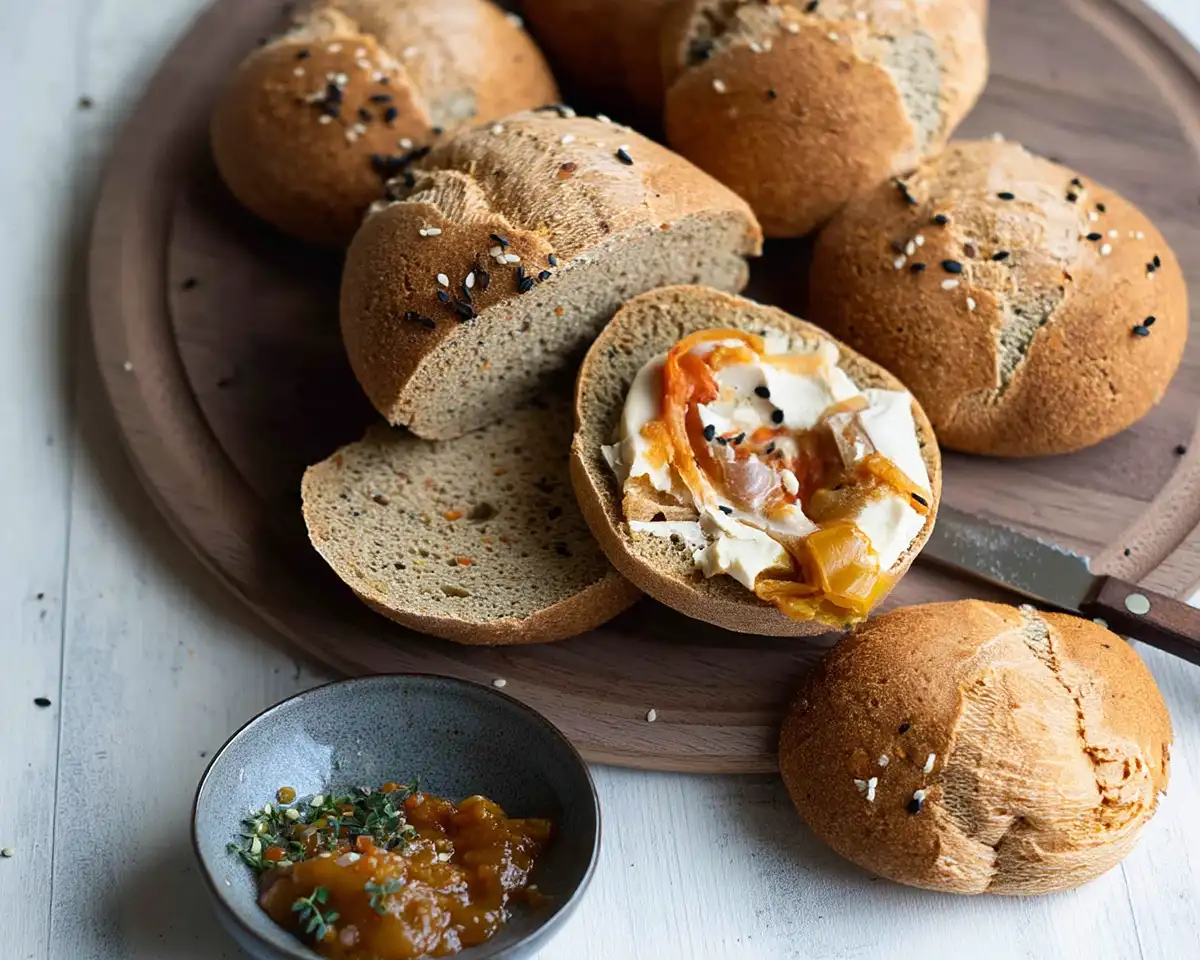
This gluten-free red lentil bread is vegan, and incredibly easy! Just 6 ingredients transform into fluffy, protein-packed rolls perfect for any meal.
You know what’s funny? I used to think gluten-free bread required a chemistry degree and seventeen specialty flours I’d never heard of. Then I discovered red lentil bread, and honestly, my whole baking world flipped upside down.
This red lentil bread (gluten-free, vegan) is made from just six simple ingredients—no xanthan gum, no strange starches, and definitely no confusing formulas. Just humble red lentils, psyllium husks, and a few pantry staples that magically transform into fluffy, golden rolls you can actually feel good about eating.
What makes this recipe so special is how forgiving it is for beginners. The dough comes together in minutes, and you’ll have warm, protein-rich bread on your table in under an hour. Whether you’re packing school lunches, prepping Sunday meal prep, or just craving something warm and comforting for dinner, this gluten-free vegan bread delivers every single time.
Table of Contents

Gluten-Free Red Lentil Bread
Equipment
- Food processor
- Medium bowl
- Mesh Sieve
- Baking sheet
- Cutting board
- Sharp Knife or Bench Scraper
Ingredients
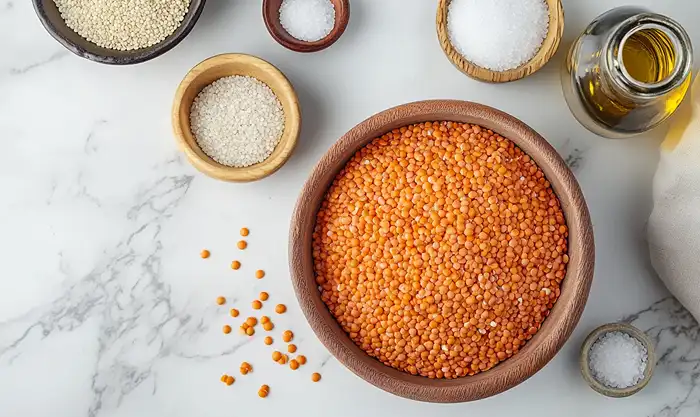
- 2 cups dry split red lentils soaked and drained
- ½ cup whole psyllium husks not powder
- 2 tablespoons neutral flavored oil optional
- ½ cup water
- ¾ teaspoon salt or to taste
- 1¼ teaspoons baking soda
- 1 tablespoon apple cider vinegar or lemon juice
- 2 teaspoons sesame seeds for garnish, optional
Instructions
- Transfer the red lentils to a medium bowl and cover them completely with water. Use your hands to swish them around—the water will turn cloudy as you rinse away any dust or debris. Drain everything through a mesh sieve and toss that cloudy water.
- Give the bowl a quick rinse and return those clean lentils back inside. Cover them with fresh water, making sure the water level sits about 2 inches above the lentils. Let them soak for at least 3 hours, though overnight works beautifully if you’re planning ahead. Drain them completely before moving to the next step.
- Crank your oven to 360ºF and let it preheat while you work on the dough.
- Toss the drained lentils, psyllium husks, oil, water, salt, and baking soda into your food processor. Pour that apple cider vinegar directly onto the baking soda and watch it fizz. This bubbling reaction is your bread’s ticket to a fluffy texture, so work quickly from here! Pulse everything until the mixture just comes together into a thick, slightly sticky dough.
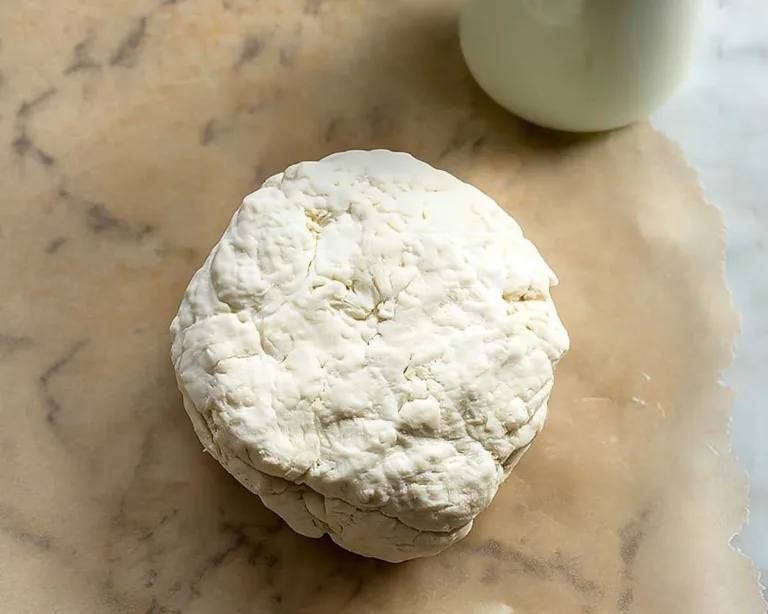
- Scrape the dough out onto a clean cutting board and give it a quick roll into a ball shape. Divide it in half, then shape each half into a log. Use a sharp knife or bench scraper to cut each log into 4 equal pieces—you’ll end up with 8 portions total.
- Roll each piece into a smooth ball between your palms. Arrange them on a large nonstick baking sheet with about 2 inches of breathing room between each one. If you’re using sesame seeds, sprinkle them generously over the tops now.
- Slide the baking sheet onto the middle oven rack and bake for roughly 20 minutes. You’re looking for tops that turn golden brown and smell absolutely incredible. Let the rolls cool for at least 10 minutes before slicing.
Notes
Gluten-Free Red Lentil Bread Ingredients
| Ingredient | Amount | Notes |
|---|---|---|
| Dry split red lentils | 2 cups | Soaked and drained |
| Whole psyllium husks | ½ cup | Not powder—whole husks work best |
| Neutral flavored oil | 2 tablespoons | Optional but adds softness |
| Water | ½ cup | Room temperature is fine |
| Salt | ¾ teaspoon | Adjust to taste |
| Baking soda | 1¼ teaspoons | Creates the rise |
| Apple cider vinegar or lemon juice | 1 tablespoon | Reacts with baking soda |
| Sesame seeds | 2 teaspoons | Optional garnish |
Gluten-Free Red Lentil Bread Instructions
Step 1: Transfer the red lentils to a medium bowl and cover them completely with water. Use your hands to swish them around—the water will turn cloudy as you rinse away any dust or debris. Drain everything through a mesh sieve and toss that cloudy water.
Step 2: Give the bowl a quick rinse and return those clean lentils back inside. Cover them with fresh water, making sure the water level sits about 2 inches above the lentils. Let them soak for at least 3 hours, though overnight works beautifully if you’re planning ahead. Drain them completely before moving to the next step.
Step 3: Crank your oven to 360ºF and let it preheat while you work on the dough. This temperature creates the perfect golden crust on your red lentil bread without drying it out.
Step 4: Toss the drained lentils, psyllium husks, oil, water, salt, and baking soda into your food processor. Now here’s the fun part—pour that apple cider vinegar directly onto the baking soda and watch it fizz like a little science experiment. This bubbling reaction is your bread’s ticket to a fluffy texture, so work quickly from here! Pulse everything until the mixture just comes together into a thick, slightly sticky dough.
Step 5: Scrape the dough out onto a clean cutting board and give it a quick roll into a ball shape. Divide it in half, then shape each half into a log. Use a sharp knife or bench scraper to cut each log into 4 equal pieces—you’ll end up with 8 portions total.
Step 6: Roll each piece into a smooth ball between your palms. Arrange them on a large nonstick baking sheet with about 2 inches of breathing room between each one. If you’re using sesame seeds, sprinkle them generously over the tops now for that gorgeous finishing touch.
Step 7: Slide the baking sheet onto the middle oven rack and bake for roughly 20 minutes. You’re looking for tops that turn golden brown and smell absolutely incredible—like toasted nuts and fresh-baked comfort. Let the rolls cool for at least 10 minutes before slicing (I know it’s hard to wait, but trust me on this one!).
Substitutions
Oil: Feel free to skip the oil entirely if you’re avoiding it—the gluten-free red lentil bread will still turn out beautifully, just slightly denser. For added richness, try melted coconut oil or a light olive oil instead.
Psyllium husks: Make absolutely sure you’re using whole psyllium husks, not psyllium husk powder. The powder absorbs liquid differently and can turn your dough into a gummy mess. If you can only find powder, you’ll need to reduce the amount to about 3 tablespoons and experiment from there.
Apple cider vinegar: Lemon juice works just as well for triggering that essential chemical reaction with the baking soda. Either one gives you the lift you need without affecting the final flavor.
Red lentils: Stick with red lentils for this recipe—other lentil varieties won’t break down the same way. According to research on legume nutrition and cooking properties, red lentils have a unique texture when processed that creates the perfect bread-like consistency.
Troubleshooting
Dough too wet: If your dough feels soupy after processing, you probably didn’t drain your soaked lentils thoroughly enough. Give them an extra shake in the sieve next time, or even pat them gently with a clean kitchen towel to remove excess moisture.
Rolls didn’t rise: This usually means the baking soda and vinegar didn’t get their moment to react properly. Make sure you’re adding the vinegar directly onto the baking soda and working quickly to shape and bake the dough before the bubbles settle.
Tough or chewy texture: Overbaking is the culprit here. Every oven runs a bit differently, so start checking your red lentil bread at the 18-minute mark. You want golden tops, not dark brown.
Gummy center: Your lentils might not have soaked long enough to soften completely. A full overnight soak (8-12 hours) ensures they process into a smooth dough that bakes through evenly.
Storage
Store your cooled gluten-free vegan bread rolls in an airtight container at room temperature for up to 3 days. They’re perfect for grab-and-go breakfasts or quick sandwich prep throughout the week.
For longer storage, pop them in the freezer in a zip-top bag for up to 3 months. Just thaw at room temperature or warm them straight from frozen in a 300ºF oven for 5-7 minutes—they’ll taste like you just baked them fresh.
Serving Suggestions
Man, oh man, these rolls are incredible sliced in half and toasted with a smear of hummus or avocado. The slightly nutty flavor pairs beautifully with Mediterranean dishes, especially when served alongside my roasted veggie lentil bowl for a complete protein-packed meal.
Try them as burger buns for your next barbecue—they hold up remarkably well without falling apart. Or toast them lightly and serve with soup, like this hearty white bean mushroom stew, for the ultimate cozy dinner combo.
Variations
Herb-infused version: Stir in 2 teaspoons of dried herbs like rosemary, thyme, or Italian seasoning into the dough before processing. The herbs add a savory depth that’s absolutely perfect for holiday dinners or special occasions.
Garlic lover’s twist: Add 2-3 minced garlic cloves to the food processor with the other ingredients. Your kitchen will smell like an Italian bakery, and the flavor is next-level delicious.
Kid-friendly cinnamon rolls: Mix 2 tablespoons of coconut sugar and 1 teaspoon of cinnamon into the dough, then roll each ball in extra cinnamon-sugar before baking. Kids go absolutely wild for these as after-school snacks.
Seed-loaded option: Beyond sesame seeds, try sprinkling pumpkin seeds, sunflower seeds, or everything bagel seasoning on top before baking. Each variation brings different texture and nutrients to your red lentil bread.
Gluten-Free Red Lentil Bread FAQs
Can I make this without a food processor?
You’ll need some kind of blender or processor to break down the soaked lentils properly. A high-powered blender works in a pinch—just stop and scrape down the sides a few times to ensure everything processes evenly.
How do I know when the lentils are soaked enough?
Well, they should look plump and feel soft when you press one between your fingers. If they’re still hard or gritty, give them another hour or two of soaking time.
What’s the best way to reheat leftover rolls?
Wrap them in foil and warm them in a 300ºF oven for about 5 minutes, or slice and toast them in a toaster. The microwave works too, but the texture won’t be quite as nice.
Why use whole psyllium husks instead of powder?
Whole husks absorb moisture more gradually and create a better bread-like structure. Psyllium husk powder can make the texture gummy and dense—definitely not what you want in gluten-free bread.
Can I shape these into a loaf instead of rolls?
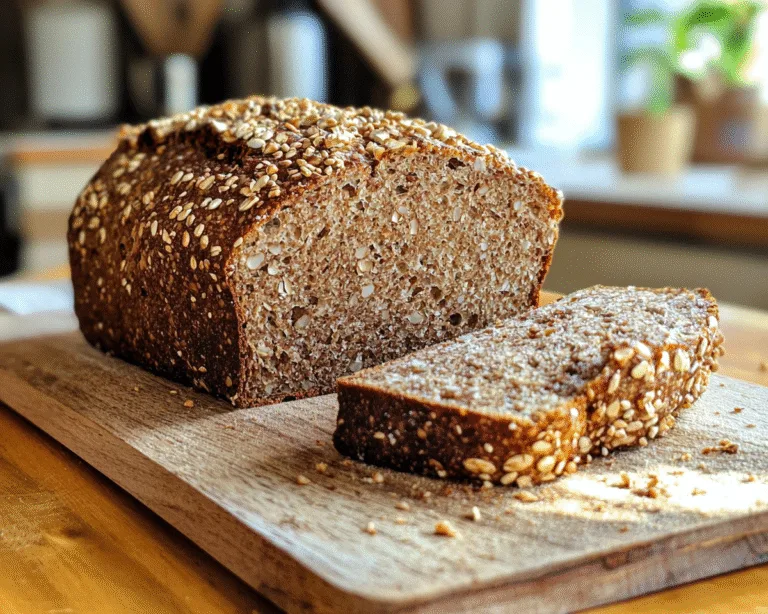
Absolutely! Press the dough into a greased loaf pan and bake at 360ºF for 35-40 minutes. Just keep an eye on it and test the center with a toothpick to make sure it’s baked through.
How much protein is in each roll?
Each roll contains roughly 8-10 grams of protein, making this red lentil bread a genuinely nourishing option. According to trusted gluten-free nutrition research, getting adequate protein on a gluten-free diet is important for overall health and satiety.
Final Thoughts
This red lentil bread (gluten-free, vegan) proves that incredible homemade bread doesn’t need to be complicated or intimidating. With just a few simple ingredients and minimal hands-on time, you’ll have warm, fluffy rolls that taste like you spent all day in the kitchen.
Pair these beauties with Middle Eastern tofu kebabs for an incredible weeknight dinner, or simply enjoy them warm with your favorite spread. However you serve them, you’re getting protein, fiber, and that unbeatable fresh-baked comfort we all crave.
Now go ahead and give this recipe a try—I promise it’ll become one of those recipes you make again and again. Happy baking, friend!