Gluten-Free Resurrection Rolls
These Gluten-Free Resurrection Rolls feature a sweet marshmallow center that disappears during baking. A meaningful empty tomb Easter tradition ready in 30 minutes!
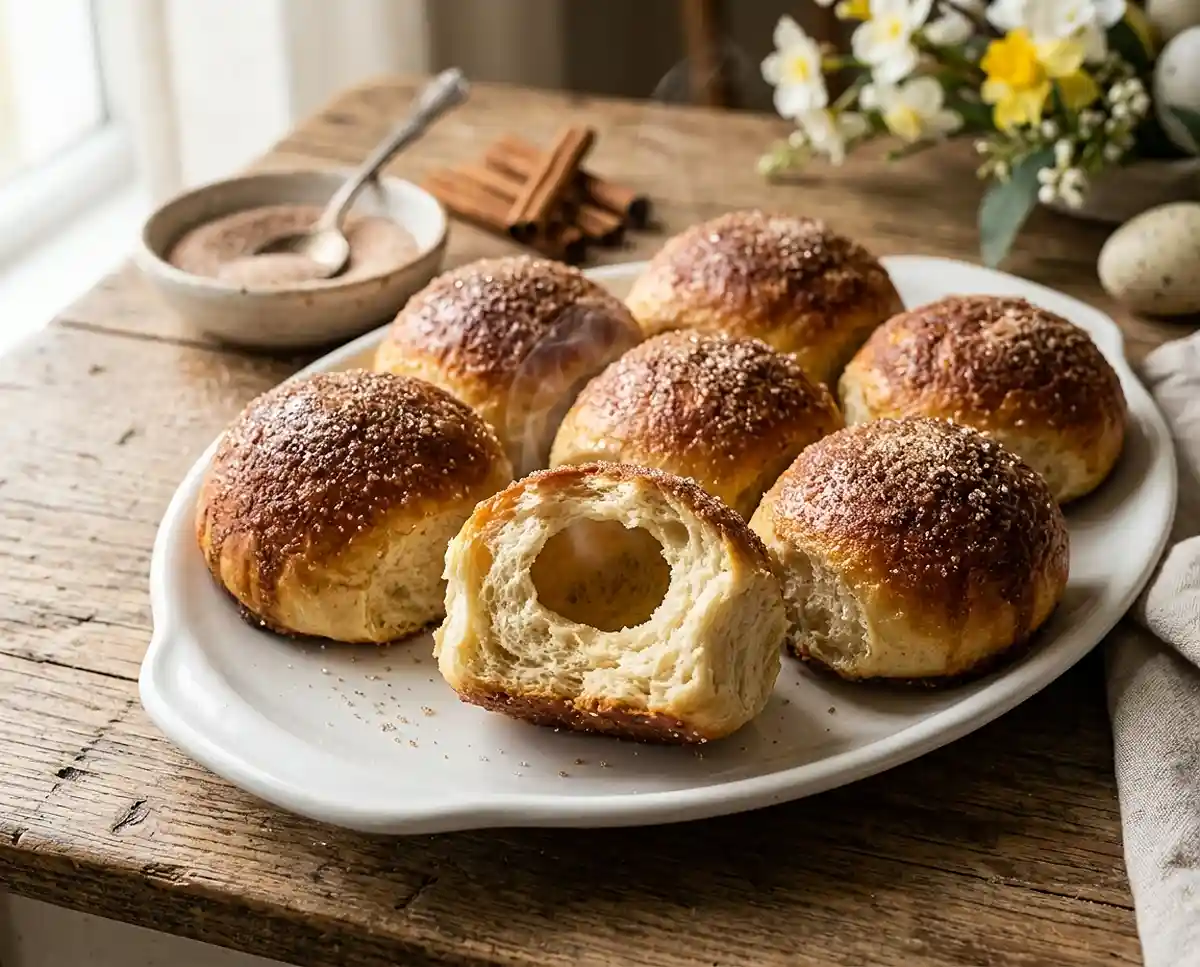
Well… some recipes are about more than just feeding our bodies. These Gluten-Free Resurrection Rolls carry a deeper meaning, transforming a simple breakfast treat into a hands-on way to share the Easter story with children and families. When you break open these warm, cinnamon-sugar-coated rolls, the marshmallow that was wrapped inside has completely disappeared—just like the empty tomb on Easter morning.
What makes these marshmallow rolls so special? Is it the way children’s eyes widen when they discover the hollow center? The sweet cinnamon-sugar coating that makes them irresistible? Or the opportunity to connect a delicious treat to something meaningful? These Easter rolls deliver all of the above—a tradition that’s as delicious as it is symbolic, now accessible to gluten-free families who thought they had to miss out.
Table of Contents
Quick Overview
- Prep Time: 20 minutes
- Bake Time: 15 minutes
- Total Time: 35 minutes
- Yield: 8 rolls
- Diet: Gluten-free, dairy-free, vegan (with vegan marshmallows)
Why This Recipe Works
- Homemade buttermilk creates tender texture – combining dairy-free milk with apple cider vinegar mimics buttermilk’s acidity, producing soft, tender rolls rather than dense bricks.
- Cold butter creates flaky layers – cutting cold butter into the flour creates pockets that produce a slightly flaky, biscuit-like texture perfect for wrapping marshmallows.
- Proper sealing prevents marshmallow escape – using two pieces of dough pinched together creates a secure seal that keeps the melting marshmallow contained during baking.
- Jumbo muffin pan contains any leaks – even if a little marshmallow escapes, the muffin cups keep everything contained and create a nice round shape.
Ingredients
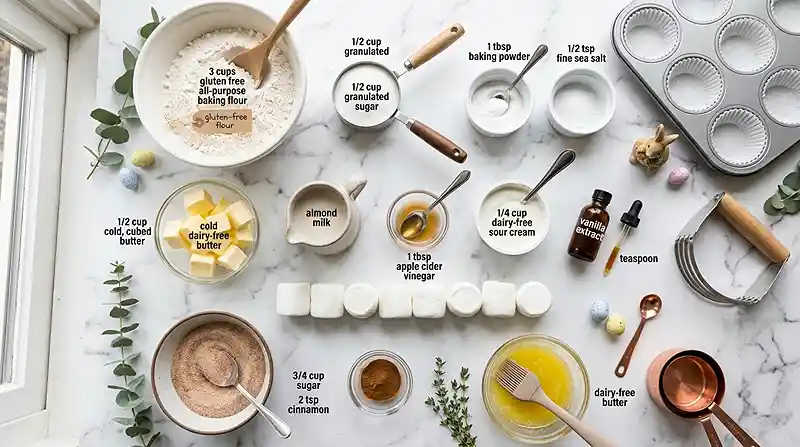
| Component | Amount | Notes |
|---|---|---|
| Dough | ||
| Gluten-free flour | 3 cups | 1-to-1 blend recommended |
| Sugar | ½ cup | |
| Baking powder | 1 Tbsp | Verify GF if needed |
| Salt | ½ tsp | |
| Dairy-free butter | ½ cup | Cold, cubed |
| Dairy-free milk | ½ cup | |
| Apple cider vinegar | ½ Tbsp | Creates dairy-free buttermilk |
| Dairy-free sour cream | ½ cup | |
| Vanilla extract | 1 tsp | |
| Filling & Coating | ||
| Large marshmallows | 8 | Use vegan brand for fully vegan |
| Sugar | ¼ cup | For cinnamon-sugar |
| Ground cinnamon | 1 Tbsp | |
| Dairy-free butter | ¼ cup | Melted |
Step-by-Step Instructions
1. Preheat and Prepare
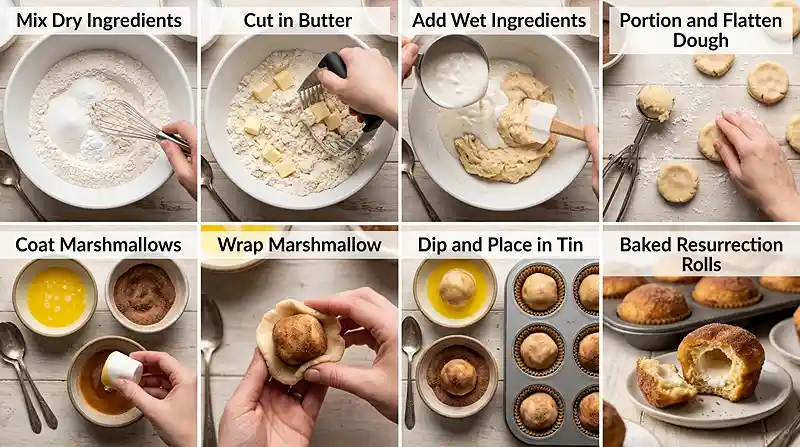
Preheat your oven to 375°F. Prepare a muffin pan (preferably a jumbo muffin pan for best results) with non-stick cooking spray. If using a standard muffin pan, the rolls will be slightly smaller but still work.
2. Make the Dairy-Free Buttermilk
In a small measuring cup or bowl, combine the dairy-free milk and apple cider vinegar. Stir gently and set aside for at least 5 minutes. The mixture will slightly curdle and thicken—this is exactly what you want. This homemade buttermilk adds tenderness and a subtle tang to the dough.
3. Combine the Dry Ingredients
In a large mixing bowl, whisk together the gluten-free flour, ½ cup sugar, baking powder, and salt until evenly blended. Whisking aerates the flour and ensures the leavening is distributed throughout.
4. Cut in the Cold Butter
Cut the cold dairy-free butter into small cubes and add to the dry ingredients. Using a fork, pastry blender, or your fingertips, cut the butter into the flour until the pieces are pea-sized or smaller. Man, oh man… keeping the butter cold is crucial here—it creates those pockets that make the rolls tender and slightly flaky.
Work quickly to prevent the butter from warming up too much from the heat of your hands.
5. Add the Wet Ingredients
Add the dairy-free sour cream to the flour mixture and stir lightly. Then add the buttermilk mixture (milk and vinegar) and vanilla extract. Stir with a spoon until the dough comes together and is uniform.
The dough will be soft and sticky—this is normal for gluten-free dough. Resist the urge to add more flour, which would make the rolls tough.
6. Portion the Dough
Using a cookie scoop or moistened hands (the moisture prevents sticking), scoop the dough into 16 portions of approximately 1 tablespoon each. You need two pieces per roll to create a top and bottom that seal together.
Gently flatten each portion into a small disc, about 2-3 inches across. Set aside on a clean surface or parchment paper.
7. Prepare the Cinnamon-Sugar
In a small bowl, combine the ¼ cup sugar and 1 tablespoon ground cinnamon. Stir until evenly mixed. Have the melted dairy-free butter ready in another small bowl.
8. Wrap the Marshmallows (The Meaningful Part)
This is where the symbolism comes in. Each marshmallow represents Jesus. You know… if making these with children, this is a wonderful time to share the Easter story.
Take one large marshmallow and dip it into the melted butter, coating it completely (representing the anointing oils). Roll the buttered marshmallow in the cinnamon-sugar mixture (representing the burial spices).
Place the coated marshmallow in the center of one flattened piece of dough (representing placing Jesus in the tomb). Place a second piece of dough on top and pinch all the edges together firmly, sealing completely.
Critical Step: Seal the dough edges thoroughly. Any gaps will allow the melting marshmallow to escape, ruining the “empty tomb” effect. Pinch, press, and smooth the seams together.
9. Coat and Place in Pan
Dip the top of each sealed dough ball into the remaining melted butter, then into the cinnamon-sugar mixture. Place sugar-side up into the prepared muffin cups.
Repeat with all 8 marshmallows.
10. Bake the Rolls
Bake at 375°F for 13-15 minutes, until the rolls are golden brown and puffed. The tops should be set and slightly cracked, with the cinnamon-sugar creating a beautiful coating.
11. The Reveal
Allow the rolls to cool for just a few minutes—they’re best eaten warm. When ready, break open a roll to reveal the empty center (representing the empty tomb). The marshmallow has completely melted and been absorbed into the dough, leaving a hollow space inside.
If sharing with children, this is a powerful moment to discuss how the tomb was found empty on Easter morning.
The Easter Story Connection
These Easter rolls are more than just a recipe—they’re a teaching tool. Here’s the symbolism to share:
- The marshmallow represents Jesus
- Dipping in butter represents anointing with oils
- Rolling in cinnamon-sugar represents the burial spices
- Wrapping in dough represents wrapping in burial cloths
- Placing in the muffin pan represents laying in the tomb
- Baking in the oven represents the three days in the tomb
- The empty center represents the empty tomb on Easter morning
The Easter story can be found in the Bible in Matthew 27-28, Mark 15-16, Luke 23-24, and John 19-20. Reading these passages while making the rolls creates a meaningful family experience.
Substitutions & Variations
These marshmallow rolls adapt to various dietary needs. Here are ways to customize:
Different Flour Blends: Most 1-to-1 gluten-free flour blends work well. Bob’s Red Mill, King Arthur Measure for Measure, and Cup4Cup all produce good results. Avoid single-flour options like coconut flour or almond flour—this recipe requires a blended flour.
Regular Dairy Version: Well… if dairy isn’t a concern, substitute regular butter for dairy-free butter, regular milk for dairy-free milk, and regular sour cream for dairy-free sour cream. The method remains identical.
Vegan Marshmallows: For fully vegan rolls, use vegan marshmallows (Dandies brand is widely available and works well). They melt slightly differently but still create the empty center effect.
Add-Ins: For extra indulgence, add a few chocolate chips alongside the marshmallow before sealing—they’ll melt into a gooey pocket.
Cinnamon Roll Style: Skip the marshmallow entirely for a simple cinnamon-sugar breakfast roll. They won’t have the Easter symbolism but are delicious year-round.
Orange Glaze: Drizzle cooled rolls with a simple glaze made from powdered sugar and orange juice for added sweetness.
Expert Troubleshooting
These rolls have a few tricky elements. Here’s how to ensure success:
Marshmallow Leaked Out:
The dough wasn’t sealed properly. The marshmallow filling melts completely during baking, so even tiny gaps allow it to escape. Next time, pinch the edges very firmly and smooth the seams. Some bakers find it helpful to wet the dough edges slightly before sealing.
Rolls Are Dense or Heavy:
The butter wasn’t cold enough, or the dough was overworked. Keep butter cold and work quickly when cutting it in. Stir the wet ingredients in gently—don’t knead or overmix gluten-free dough.
Rolls Didn’t Rise or Puff:
Check your baking powder’s expiration date—old baking powder loses potency. Also ensure you’re using baking powder (not baking soda) and the correct measurement.
Cinnamon-Sugar Fell Off:
The rolls weren’t dipped in butter before the cinnamon-sugar. The butter creates a sticky surface that helps the topping adhere. Dip generously.
Marshmallow Didn’t Disappear Completely:
Occasionally a bit of marshmallow remains if the rolls are underbaked or the marshmallow was extra large. Bake until golden brown and fully set—the marshmallow needs time to melt completely and absorb into the dough.
Dough Is Too Sticky to Handle:
Moisten your hands with water before handling. Gluten-free dough is naturally stickier than wheat dough; don’t add more flour, which would toughen the rolls.
Storage & Meal Prep
| Storage Method | Duration | Notes |
|---|---|---|
| Room temperature (airtight) | 1-2 days | Best eaten fresh; rewarm before serving |
| Refrigerated | Up to 4 days | Reheat in 300°F oven for 5-7 minutes |
| Frozen (baked) | Up to 1 month | Thaw and reheat before serving |
| Frozen (unbaked) | Not recommended | Marshmallows don’t freeze well in dough |
These Gluten-Free Resurrection Rolls are best enjoyed warm from the oven when the exterior is crisp and the interior is soft. According to King Arthur Baking, gluten-free baked goods tend to dry out faster than wheat-based ones, so storing properly is essential.
To reheat, place rolls in a 300°F oven for 5-7 minutes until warmed through. Microwaving works but may make the exterior soft rather than slightly crisp.
For Easter morning convenience, prepare the dough and portion it the night before, storing covered in the refrigerator. In the morning, wrap the marshmallows, coat, and bake fresh.
FAQs About Gluten-Free Resurrection Rolls
What is a Resurrection Roll?
Resurrection rolls (also called empty tomb rolls) are a symbolic Easter treat where a marshmallow is wrapped in dough, coated in cinnamon-sugar, and baked. During baking, the marshmallow completely dissolves, leaving a hollow center—representing the empty tomb of Jesus on Easter morning. They’re a popular way to teach children the Easter story through hands-on activity.
What is another name for Resurrection Rolls?
These are also called empty tomb rolls, empty tomb cookies, Easter morning rolls, or simply marshmallow rolls. The various names all reference either the religious symbolism (resurrection, empty tomb) or the main ingredient (marshmallow).
What are the best gluten-free bread rolls?
The best gluten-free rolls are made with high-quality 1-to-1 flour blends, include ingredients that add moisture (like sour cream or yogurt), and are served fresh or properly reheated. This recipe produces tender, flavorful rolls that rival traditional wheat versions.
What are common mistakes when making gluten-free dough?
The most common mistakes include adding too much flour (making rolls dense), overworking the dough, using old or ineffective leavening agents, and not sealing properly when the recipe requires it. For these resurrection rolls specifically, failing to seal the dough around the marshmallow is the biggest pitfall.
Can I make these with regular (non-gluten-free) flour?
Yes, substitute all-purpose wheat flour 1:1 for the gluten-free flour. The method and measurements remain the same. The texture will be slightly different but equally delicious.
Serving Suggestions
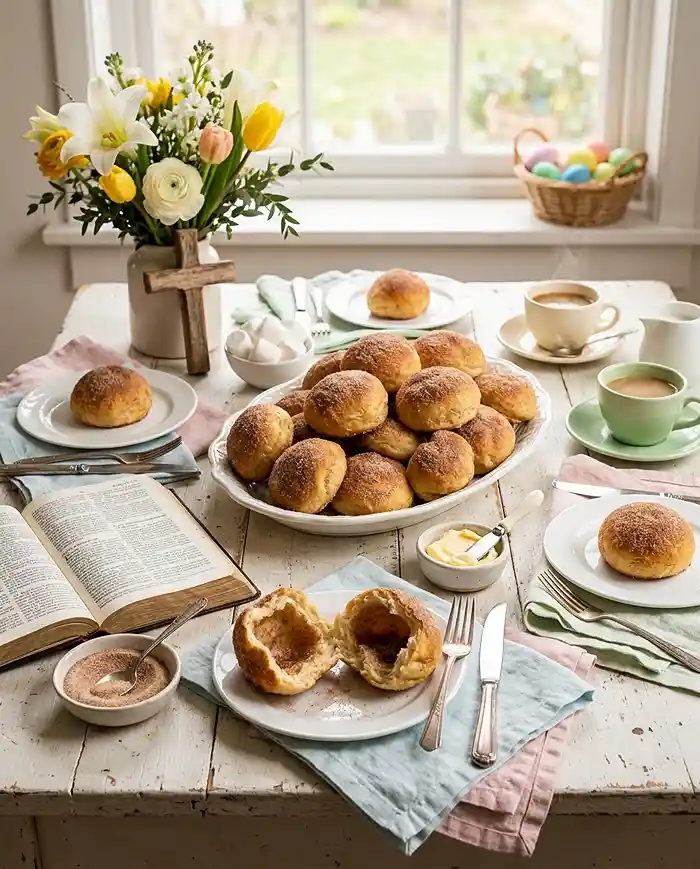
These Gluten-Free Resurrection Rolls are perfect for Easter morning breakfast, served warm alongside scrambled eggs, fresh fruit, and orange juice. The sweet cinnamon-sugar coating makes them feel special enough for the holiday while being simple enough for a weekday morning.
For a complete Easter brunch, begin with Gluten-Free Asparagus Soup as an elegant starter. Serve these meaningful marshmallow rolls alongside the main course, and finish the celebration with Gluten-Free Easter Bunny Cake for a whimsical dessert.
If you’re hosting a more formal Easter dinner, these rolls make a wonderful afternoon snack or addition to a dessert spread. Pair the celebration with Gluten-Free Leg of Lamb with Mint as a traditional main course.
Beyond Easter, these rolls work beautifully for Sunday school classes, children’s ministry events, church breakfasts, or any gathering where you want to share the Easter message in an engaging, memorable way.
Final Thoughts
Some traditions are worth preserving, adapting, and passing down. These Gluten-Free Resurrection Rolls allow families who eat gluten-free to participate in a beloved Easter tradition that might otherwise be inaccessible. The wonder on a child’s face when they discover the empty center—and understand what it represents—is worth every minute of preparation.
Let’s Connect!
Have you made these Gluten-Free Resurrection Rolls with your family? I’d love to hear how the experience went and whether your children (or grandchildren!) were amazed by the empty centers. Share your photos and stories in the comments below, or tag me on social media. If this recipe has helped your family create meaningful Easter memories, please share it with others who might benefit. Your support means everything to our gluten-free community!
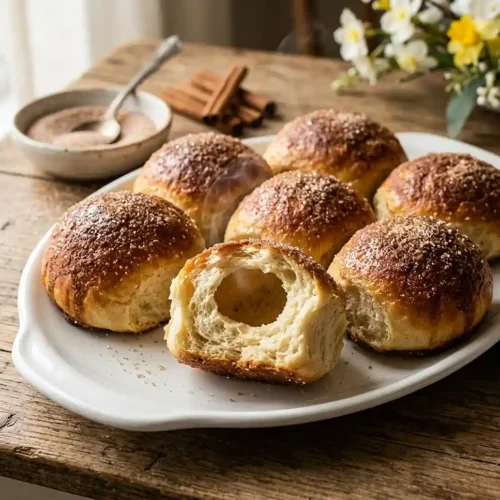
Gluten-Free Resurrection Rolls
Equipment
- Jumbo muffin pan (preferred) or standard muffin pan
- Large mixing bowl
- Small bowl or measuring cup
- Fork or pastry blender
- Cookie scoop (optional)
- Non-stick cooking spray
Ingredients
Dough
- 3 cups gluten-free flour 1-to-1 blend recommended
- ½ cup sugar
- 1 Tbsp baking powder verify GF if needed
- ½ tsp salt
- ½ cup dairy-free butter cold, cubed
- ½ cup dairy-free milk
- ½ Tbsp apple cider vinegar
- ½ cup dairy-free sour cream
- 1 tsp vanilla extract
Filling & Coating
- 8 large marshmallows use vegan brand for fully vegan
- ¼ cup sugar for cinnamon-sugar
- 1 Tbsp ground cinnamon
- ¼ cup dairy-free butter melted
Instructions
- Preheat oven to 375°F. Prepare a muffin pan (preferably jumbo) with non-stick cooking spray. In a small bowl, combine the dairy-free milk and apple cider vinegar; stir and set aside for 5 minutes to create dairy-free buttermilk.
- In a large mixing bowl, whisk together the gluten-free flour, ½ cup sugar, baking powder, and salt. Cut the cold butter into cubes and add to dry ingredients. Cut in with a fork or pastry blender until butter is pea-sized or smaller.
- Add the dairy-free sour cream and mix lightly. Add the milk/vinegar mixture and vanilla; stir until dough is uniform. It will be soft and sticky. Using a cookie scoop or moistened hands, portion dough into 16 tablespoon-sized portions. Gently flatten each one into a disc.
- Combine the ¼ cup sugar and cinnamon in a small bowl. Have the melted butter ready in another bowl.
- Dip each marshmallow into melted butter, then roll in cinnamon-sugar. Place on a flattened piece of dough. Place another dough piece on top and pinch all edges together firmly, sealing completely to prevent marshmallow from escaping.
- Dip the top of each sealed dough ball into remaining melted butter, then into the cinnamon-sugar. Place sugar-side up into prepared muffin cups.
- Bake at 375°F for 13-15 minutes until golden brown. Eat warm. When opened, the center will be hollow—the marshmallow has disappeared, representing the empty tomb.