Gluten-Free Samosas
Master this gluten-free samosa recipe with crispy pastry and aromatic potato filling. Perfect for parties, appetizers, and impressing dinner guests with authentic Indian flavors.
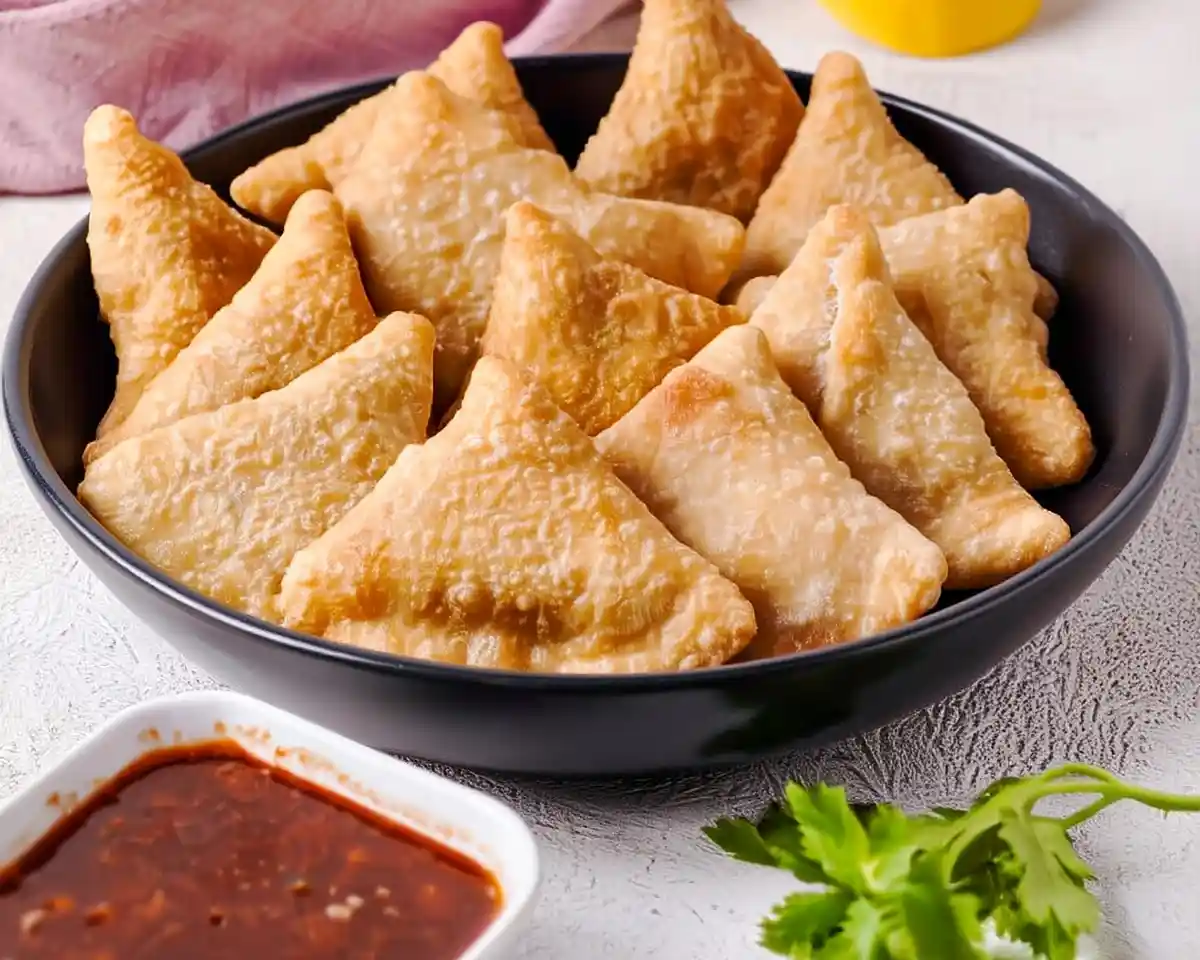
You know that moment when you bite into a crispy samosa and the flavors just hit different? The warm spices, the buttery-golden pastry, the perfectly seasoned potato filling—it’s basically a flavor explosion that makes you close your eyes and forget about everything else.
I spent years thinking I’d have to give up samosas when I went gluten-free, until I realized these gluten-free samosas could be just as crunchy, golden, and absolutely crave-worthy as the traditional version.
The magic behind these gluten-free samosas is simple: quality gluten-free flour, xanthan gum for structure, and the exact spice combination that makes your kitchen smell like an Indian restaurant. Whether you’re preparing for a holiday gathering, hosting a dinner party, or just craving a seriously impressive appetizer, this recipe delivers every single time.
Table of Contents
Why These Gluten-Free Samosas Are Worth Your Time
Making gluten-free samosas from scratch might sound intimidating, but here’s the truth: once you taste homemade versions, you’ll understand why these crowd-pleasing appetizers are basically legendary at every gathering. The combination of the aromatic spiced potato filling and crispy pastry is genuinely unbeatable.
Well, sure, you could buy them frozen, but nothing compares to the satisfaction of pulling golden, steaming samosas out of the oil and knowing you created something this incredible.
Ingredients For Gluten-Free Samosas
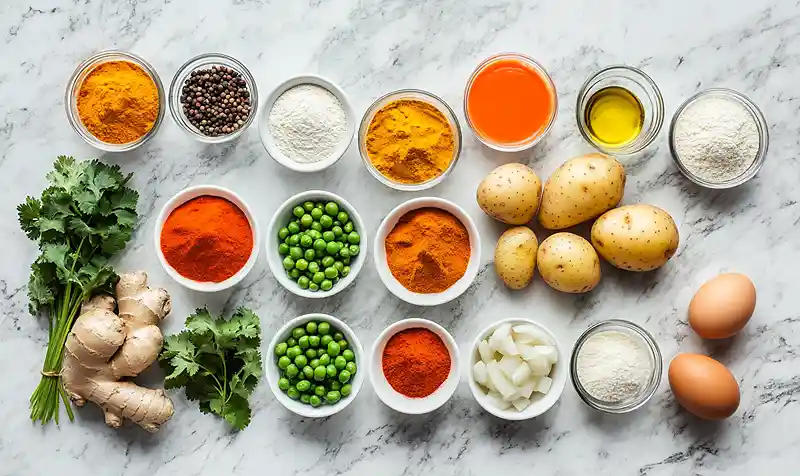
Samosa Filling
| Ingredient | Amount |
|---|---|
| Medium potatoes, peeled & chunked | 1½ pounds |
| Olive oil | 1 tbsp |
| Butter | 2 tsp |
| Cumin | ¼ tsp |
| Fennel seeds | ½ tsp |
| Curry powder | 1 tbsp |
| Cayenne powder | ½ tsp |
| Ground turmeric | ¼ tsp |
| Garam masala | 1 tsp |
| Ginger paste | 1 tsp |
| Onion, finely chopped | 1 |
| Garlic cloves, minced | 2 |
| Thawed peas | 4 oz |
| Shredded carrot | 1 |
| Salt | 1 tsp |
| Pepper | 1 tsp |
| Lemon juice | 1 tbsp |
| Water | ¼ cup |
| Chopped cilantro | 2 tbsp |
| Oil for frying | As needed |
Gluten-Free Samosa Pastry
| Ingredient | Amount |
|---|---|
| Gluten-free plain flour | 3 cups |
| Xanthan gum | 2 tsp |
| Baking powder | 1 tsp |
| Salt | 1 tsp |
| Egg | 1 |
| Olive oil | 4 tbsp |
| Warm water | 1–1½ cups |
Dipping Sauce
| Ingredient | Amount |
|---|---|
| Oil | 1 tsp |
| Garlic clove, minced | 1 |
| Concentrated tamarind paste | 1 tbsp |
| Hot water | ¼ cup |
| Salt | ½ tsp |
| Cayenne powder | ½ tsp |
| Brown sugar | 1 tbsp |
| Ground cumin | ½ tsp |
Instructions For Gluten-Free Samosas
Making the Filling
Step 1: Boil the potatoes in salted water for about 15 minutes until they’re just tender—you want them soft enough to break with a fork but not mushy. Drain them well and set aside, letting any excess moisture evaporate.
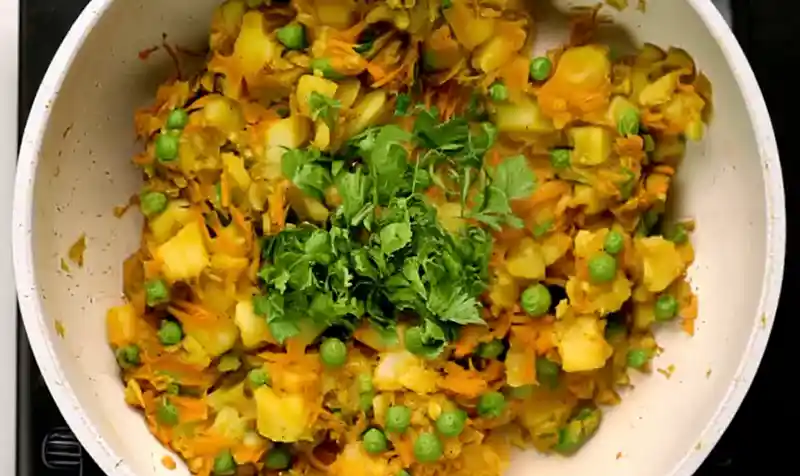
Step 2: Heat a large wok or deep skillet over medium-low heat, then add olive oil and butter together. Once the butter melts and the pan gets fragrant, you know you’re ready for the next step.
Step 3: Add your whole spices—cumin, fennel seeds, curry powder, cayenne, turmeric, garam masala, and ginger paste—and let them sizzle for just a minute or two. You’ll smell that incredible aroma that makes everyone ask, “What are you cooking?”
Step 4: Toss in your minced garlic and sauté for a couple of minutes, being careful not to let it brown. The key is keeping everything fragrant without letting any spices scorch.
Step 5: Add your chopped onion and cook until it becomes translucent and smells absolutely divine—about 3–4 minutes. This is when the base really starts coming together and getting flavorful.
Step 6: Stir in the thawed peas and shredded carrot, cooking for just a few minutes until the carrot softens slightly. Don’t overcook—these should still have a little texture to them.
Step 7: Add your boiled potatoes to the wok along with salt, pepper, lemon juice, and water. Taste and adjust the seasoning to your preference—this is your kitchen, so make it exactly how you love it.
Step 8: Finish by stirring in the fresh cilantro and cooking everything together for another minute or two. Once your filling smells incredible and tastes perfectly balanced, remove it from heat and spread it on a plate to cool completely.
Making the Gluten-Free Samosa Pastry
Step 1: In a large bowl, whisk together your gluten-free plain flour, xanthan gum, baking powder, and salt. Taking this moment to combine everything evenly prevents lumps later and gives you the best texture.
Step 2: Crack your egg into the dry mixture along with the olive oil, then mix everything with your fingers or a fork until it becomes crumbly and sandy. Don’t overmix—this isn’t a situation where you want to develop the flour.
Step 3: Add your warm water slowly, mixing as you go, until the dough starts coming together. Begin with about 1 cup and add more as needed—gluten-free doughs are a bit different, so trust your instincts if you need that extra splash.
Step 4: Knead the dough very gently and lightly—just enough to bring it together into a smooth ball. Wrap it in plastic wrap and let it rest for 30 minutes on your counter, which allows the xanthan gum to properly hydrate.
How to Assemble the Gluten-Free Samosas
Step 1: Dust your work surface generously with gluten-free flour, then divide your dough into 8 equal portions. Roll one piece out to about a 6-inch round, then cut it diagonally in half.
Step 2: Working with one triangle, lightly wet the straight edge with your finger or a pastry brush. Fold one corner over your finger to create a cone shape, then pinch the edges firmly to seal.
Step 3: Hold the cone carefully in your hand and fill it with about one spoonful of your cooled samosa filling—don’t overstuff, or it’ll burst during frying. Fold the rounded edge over the top and pinch it closed to seal all the edges.
Step 4: Repeat this process with all your remaining dough triangles and filling. Man, oh man, this part takes a little patience, but you’ll get the rhythm down after just a couple.
Making the Dipping Sauce
Step 1: Heat a small saucepan over medium heat and add your oil, then sauté the minced garlic for just about 30 seconds. You want the garlic fragrant but not browned.
Step 2: Stir in your tamarind paste, hot water, salt, cayenne, brown sugar, and ground cumin. Let everything simmer together for about 3–5 minutes until it thickens slightly.
Step 3: Taste and adjust the flavors—add more salt, sugar, or spice according to your preference. This sauce should be perfectly balanced between tangy, spicy, and just a hint of sweet.
How to Cook the Gluten-Free Samosas
Step 1: Heat your oil to 350°F in a deep fryer or heavy-bottomed pot. If you don’t have a thermometer, the oil’s ready when a small piece of dough dropped in sizzles immediately and floats to the surface.
Step 2: Working in small batches (usually 3–4 samosas at a time), carefully place your gluten-free samosas into the hot oil. Turn them every couple of minutes so they brown evenly, which takes about 8–10 minutes total per batch.
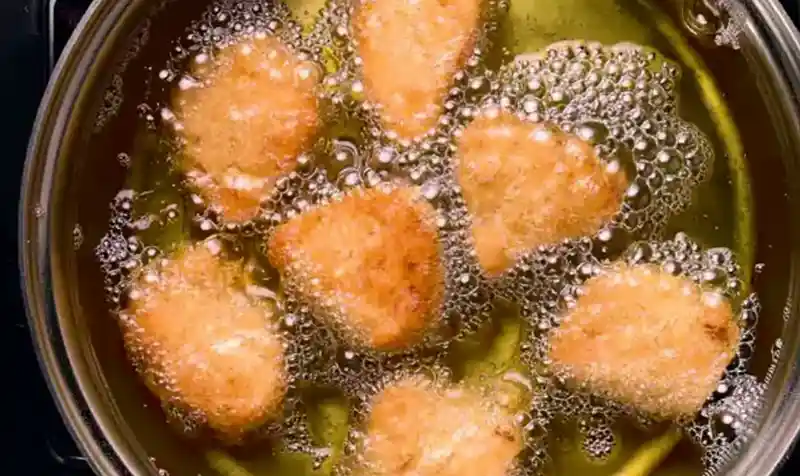
Step 3: When they’re golden-brown and absolutely gorgeous, use a slotted spoon to transfer them to a paper-towel-lined plate. Let them drain for a minute before serving while they’re still warm and crispy.
Substitutions For Quick And Easy Gluten-Free Appetizers
Different Vegetables in the Filling: While this recipe uses potatoes, peas, and carrots, you can absolutely swap in corn, cashews, or even paneer cheese if you want to customize your samosa filling. Just keep the total volume of filling roughly the same and adjust spices to your taste.
Baked Instead of Fried: Want a lighter option? You can brush your filled gluten-free samosas with a little oil and bake them at 375°F for about 20–25 minutes until golden. They won’t be quite as crispy, but they’ll still be absolutely delicious and way less messy than frying.
Different Gluten-Free Flour Blends: If you don’t have Caputo Fioreglut, any quality gluten-free flour blend with similar protein content works beautifully. Just note that different blends may require slightly more or less water, so add it gradually and adjust as needed.
Skip the Xanthan Gum: Some gluten-free flour blends already contain xanthan gum, so check your package first. If yours doesn’t, you’ll definitely want it for proper structure—it’s not optional in this case.
Dairy-Free Pastry: Replace the butter with dairy-free butter or extra olive oil, and use a flax egg (1 tbsp ground flaxseed mixed with 3 tbsp water) instead of the regular egg. Your samosas will still be crispy and golden.
Looking for other gluten-free whole foods and quick appetizers that’ll make you the star of any gathering? Check out our complete gluten-free appetizer collection or explore more party-ready gluten-free recipes that deliver serious flavor with minimal fuss.
Troubleshooting Tips On Your Gluten-Free Party Appetizers
Dough Too Sticky: If your gluten-free dough is getting unmanageable, dust your work surface and your hands with extra gluten-free flour as you assemble. The key is having enough flour on hand without kneading more into the dough itself.
Samosas Bursting During Frying: This usually means either overfilling or not sealing the edges properly. Use just one spoonful of filling per samosa and really pinch those edges firmly—think of it like you’re making a little pastry envelope.
Pastry Not Crispy Enough: Make sure your oil is hot enough (350°F is the sweet spot) and that you don’t overcrowd the pan. Frying too many at once drops the temperature and results in greasier, less crispy samosas.
Filling Too Wet: If your potato mixture seems watery, let it cool longer on a plate before assembling. You can also drain off any excess liquid before filling—damp filling makes soggy samosas, and that’s the opposite of what we want.
Dough Tearing During Assembly: This usually means your dough is either too dry or you’re working with it too roughly. Make sure your dough is soft and pliable, and handle it gently—gluten-free dough is more delicate than regular dough.
Storage & Make-Ahead Magic
Store your baked gluten-free samosas in an airtight container at room temperature for up to 2 days, though honestly, they’re best enjoyed the same day they’re fried. If you need to reheat them, pop them in a 350°F oven for about 5–8 minutes to restore their crispiness.
You can absolutely assemble your samosas ahead of time and freeze them raw on a baking sheet—once frozen solid, transfer them to a freezer bag and keep them for up to a month. Fry them straight from the freezer, just adding an extra 2–3 minutes to the cooking time.
Serving Suggestions & Pairing Ideas
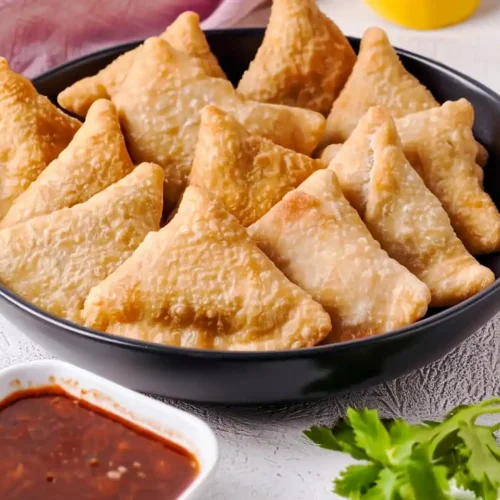
Serve these gluten-free samosas hot with the dipping sauce and maybe some fresh lime wedges on the side. They’re the perfect appetizer for holiday parties, Thanksgiving appetizer spreads, or even a casual movie night when you’re craving something special.
These crowd pleasers pair beautifully with other Indian-inspired dishes—try serving them alongside our beginner-friendly curry recipes or explore more easy party appetizer options for creating a full Indian-themed dinner party that’ll blow everyone away.
Variations for Every Occasion
Paneer Samosas: Replace half the potato filling with crumbled paneer cheese for a richer, more indulgent version of these gluten-free samosas. Your guests will be absolutely floored by the creamy, savory combination.
Cauliflower & Pea Version: Substitute roasted cauliflower for some of the potato to make these samosas lighter while keeping all that incredible spiced flavor. This version is also great for vegetables who want a heartier gluten-free appetizer.
Mini Slider Samosas: Divide your dough into more pieces and make smaller samosas for appetizer trays and holiday gatherings. These are easier to eat while standing and mingling at parties.
Mild Version for Kids: Reduce or eliminate the cayenne powder and use milder spices if you’re serving these gluten-free samosas to younger palates. You can always keep the full-strength dipping sauce on the side for the adults.
FAQs About Gluten-Free Samosas
Can samosa be gluten-free?
Absolutely! Traditional samosa pastry uses wheat flour, but by using gluten-free flour and xanthan gum, you get that same crispy, flaky texture without any gluten at all.
Are these gluten-free samosas difficult to assemble?
The first one or two take a little practice, but by the third samosa, you’ll have the technique down and it becomes pretty meditative and fun.
How do I know when my oil is the right temperature for frying?
Use a kitchen thermometer and aim for 350°F—if you don’t have one, a small piece of dough should sizzle immediately and float to the surface when the oil’s ready.
Can I make the filling the day before?
Yes! Make your filling up to 2 days ahead, store it in an airtight container in the fridge, and let it cool to room temperature before assembling your samosas.
What’s the best way to reheat leftover samosas?
Pop them in a 350°F oven for 5–8 minutes to restore their crispiness—avoid the microwave, which makes them soggy and chewy.
Why is xanthan gum necessary in this recipe?
Xanthan gum provides the elasticity and binding that gluten naturally creates in regular pastry, so skipping it will result in a pastry that falls apart during frying.
Final Thoughts
These gluten-free samosas prove that eating gluten-free doesn’t mean missing out on the foods you love. They’re crispy, they’re flavorful, they’re absolutely impressive, and honestly, they’re easier to make than you might think.
The first time you pull a batch of golden, steaming samosas out of the hot oil and dip one in that tangy, spiced sauce, you’ll understand why these have become the most-requested recipe in my kitchen. Save this one and make it soon—your taste buds will thank you!
Creating a crispy, flaky gluten-free pastry requires understanding how xanthan gum works as a binder and stabilizer. According to authoritative gluten-free baking science research, xanthan gum mimics gluten’s elastic properties and helps create the structure needed for pastries to hold together during frying and maintain that perfect texture.
Gluten-Free Samosas
Equipment
- Stand mixer or large mixing bowl
- Large wok or deep skillet
- Small saucepan
- Deep fryer or heavy-bottomed pot
- Slotted spoon
- Kitchen thermometer
- Pastry brush
- Parchment paper or paper towels
Ingredients
Samosa Filling
- 1.5 pounds Medium potatoes, peeled and chunked ½-inch chunks
- 1 tbsp Olive oil
- 2 tsp Butter
- 0.25 tsp Cumin
- 0.5 tsp Fennel seeds
- 1 tbsp Curry powder
- 0.5 tsp Cayenne powder
- 0.25 tsp Ground turmeric
- 1 tsp Garam masala
- 1 tsp Ginger paste
- 1 medium Onion, finely chopped
- 2 cloves Garlic, finely minced
- 4 oz Thawed peas
- 1 medium Carrot, shredded
- 1 tsp Salt adjust to taste
- 1 tsp Pepper adjust to taste
- 1 tbsp Lemon juice
- 0.25 cup Water
- 2 tbsp Chopped cilantro fresh
- As needed Oil for frying
Gluten-Free Samosa Pastry
- 3 cups Gluten-free plain flour
- 2 tsp Xanthan gum
- 1 tsp Baking powder
- 1 tsp Salt
- 1 large Egg
- 4 tbsp Olive oil
- 1 to 1.5 cups Warm water add gradually
Dipping Sauce
- 1 tsp Oil
- 1 clove Garlic, finely minced
- 1 tbsp Concentrated tamarind paste
- 0.25 cup Hot water
- 0.5 tsp Salt
- 0.5 tsp Cayenne powder
- 1 tbsp Brown sugar
- 0.5 tsp Ground cumin
Instructions
- Boil the potatoes in salted water for about 15 minutes until they’re just tender—you want them soft enough to break with a fork but not mushy. Drain them well and set aside, letting any excess moisture evaporate.
- Heat a large wok or deep skillet over medium-low heat, then add olive oil and butter together. Once the butter melts and the pan gets fragrant, you know you’re ready for the next step.
- Add your whole spices—cumin, fennel seeds, curry powder, cayenne, turmeric, garam masala, and ginger paste—and let them sizzle for just a minute or two. You’ll smell that incredible aroma that makes everyone ask, ‘What are you cooking?’
- Toss in your minced garlic and sauté for a couple of minutes, being careful not to let it brown. The key is keeping everything fragrant without letting any spices scorch.
- Add your chopped onion and cook until it becomes translucent and smells absolutely divine—about 3–4 minutes. This is when the base really starts coming together and getting flavorful.
- Stir in the thawed peas and shredded carrot, cooking for just a few minutes until the carrot softens slightly. Don’t overcook—these should still have a little texture to them.
- Add your boiled potatoes to the wok along with salt, pepper, lemon juice, and water. Taste and adjust the seasoning to your preference—this is your kitchen, so make it exactly how you love it.
- Finish by stirring in the fresh cilantro and cooking everything together for another minute or two. Once your filling smells incredible and tastes perfectly balanced, remove it from heat and spread it on a plate to cool completely.
- In a large bowl, whisk together your gluten-free plain flour, xanthan gum, baking powder, and salt. Taking this moment to combine everything evenly prevents lumps later and gives you the best texture.
- Crack your egg into the dry mixture along with the olive oil, then mix everything with your fingers or a fork until it becomes crumbly and sandy. Don’t overmix—this isn’t a situation where you want to develop the flour.
- Add your warm water slowly, mixing as you go, until the dough starts coming together. Begin with about 1 cup and add more as needed—gluten-free doughs are a bit different, so trust your instincts if you need that extra splash.
- Knead the dough very gently and lightly—just enough to bring it together into a smooth ball. Wrap it in plastic wrap and let it rest for 30 minutes on your counter, which allows the xanthan gum to properly hydrate.
- Dust your work surface generously with gluten-free flour, then divide your dough into 8 equal portions. Roll one piece out to about a 6-inch round, then cut it diagonally in half.
- Working with one triangle, lightly wet the straight edge with your finger or a pastry brush. Fold one corner over your finger to create a cone shape, then pinch the edges firmly to seal.
- Hold the cone carefully in your hand and fill it with about one spoonful of your cooled samosa filling—don’t overstuff, or it’ll burst during frying. Fold the rounded edge over the top and pinch it closed to seal all the edges.
- Repeat this process with all your remaining dough triangles and filling. Man, oh man, this part takes a little patience, but you’ll get the rhythm down after just a couple.
- Heat a small saucepan over medium heat and add your oil, then sauté the minced garlic for just about 30 seconds. You want the garlic fragrant but not browned.
- Stir in your tamarind paste, hot water, salt, cayenne, brown sugar, and ground cumin. Let everything simmer together for about 3–5 minutes until it thickens slightly.
- Taste and adjust the flavors—add more salt, sugar, or spice according to your preference. This sauce should be perfectly balanced between tangy, spicy, and just a hint of sweet.
- Heat your oil to 350°F in a deep fryer or heavy-bottomed pot. If you don’t have a thermometer, the oil’s ready when a small piece of dough dropped in sizzles immediately and floats to the surface.
- Working in small batches (usually 3–4 samosas at a time), carefully place your gluten-free samosas into the hot oil. Turn them every couple of minutes so they brown evenly, which takes about 8–10 minutes total per batch.
- When they’re golden-brown and absolutely gorgeous, use a slotted spoon to transfer them to a paper-towel-lined plate. Let them drain for a minute before serving while they’re still warm and crispy.